Vogn
0
Tilmeld dig og få 10% i rabat på din ordre
Forventet levering
1-3 dage
Du vil måske også kunne lide


Dansk Firma


Choosing the right outdoor seat can transform how you relax and connect with nature, whether you’re camping in the Rocky Mountains or exploring a vibrant European city park. Eco-conscious travelers and outdoor enthusiasts know that compact, lightweight seating isn’t just about convenience—it’s about making adventure more comfortable while respecting the environment. From portable seating solutions that foster social spaces to durable designs ready for any terrain, this guide unpacks which backup seats fit every journey.
| Point | Details |
|---|---|
| Understand Seat Types | Choose backup seats based on your adventure type, such as lightweight chairs for backpacking or portable loungers for relaxation. |
| Prioritize Ergonomics | Select seats that provide proper height and back support to enhance comfort during long outdoor sessions. |
| Test Before You Buy | Always try different seat types at a retailer to find the best fit for your body and comfort preferences. |
| Avoid Common Mistakes | Match your seat choice to your specific needs and environmental conditions to prevent discomfort and buyer’s remorse. |
…
When you’re gearing up for camping, hiking, or any outdoor adventure, understanding the different backup seating options available helps you pick exactly what fits your needs. Backup seats aren’t one-size-fits-all, and the variety out there reflects how different outdoor experiences demand different solutions. Whether you’re settling in for a weekend at a campsite or taking a multi-day backpacking trip, knowing what types exist makes the decision way easier.
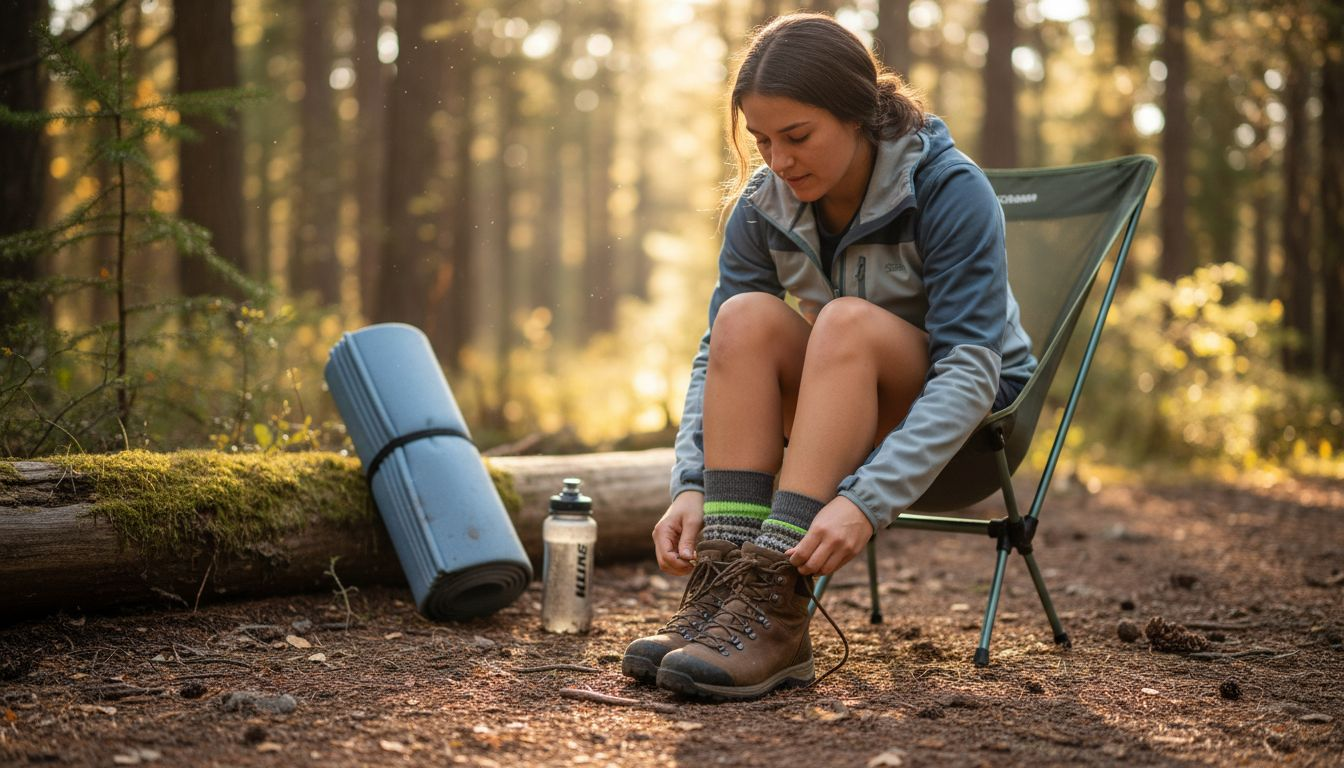
The most common backup seat types break down into several categories based on design, portability, and intended use. Lightweight camping chairs represent the most popular choice for outdoor enthusiasts because they fold compactly and weigh surprisingly little, making them ideal for backpacking or car camping. Ground-level seats sit low to the earth, perfect for minimalists who want minimal pack weight and don’t mind sitting close to the ground. Stool-style seats offer a middle ground, typically featuring three or four legs with minimal back support, designed for quick setup and breakdown. Portable loungers provide more reclined positions for relaxation around camp, though they demand extra pack space. For motorhome and campervan users, captain or bucket seats mounted on swivel bases optimize interior space while providing comfort during extended stays and travel. These motorhome options sometimes include seat belts and swivel bases to meet safety regulations and improve long journey comfort.
Beyond the basic types, material choices matter tremendously for durability and weather resistance. Aluminum frames keep weight minimal while maintaining strength, making them standard for backpacking seats. Steel frames provide superior durability for permanent or semi-permanent camping setups where weight matters less. Fabric options range from standard polyester to premium materials like ripstop nylon that resist tearing and weather damage. Eco-conscious travelers should look for seats made from recycled or sustainable materials, aligning with outdoor conservation values.
The reality is that picking the right backup seat type comes down to your specific adventure style. A weekend car camper needs completely different priorities than someone carrying gear for 10 miles into the backcountry. Consider how far you’re traveling, how long you’ll sit, and what weather conditions you’ll face when narrowing down your options.
Pro tip: Test multiple seat types at a local outdoor retailer before committing, since comfort is deeply personal and what works brilliantly for one person might feel uncomfortable for another after an hour of sitting.
Here is a comparison of backup seat types and the situations they fit best:
| Seat Type | Best For | Packability | Comfort Level |
|---|---|---|---|
| Lightweight Chair | Backpacking, car camping | Folds very compact | Good for moderate use |
| Ground-Level Seat | Minimalist hikes, rough terrain | Ultra-lightweight | Basic, low backrest |
| Stool-Style Seat | Day hikes, fishing | Moderately compact | Minimal back support |
| Portable Lounger | Campsite relaxation, motorhomes | Bulky, less portable | High, reclined comfort |
| Van/Swivel Seat | RV travel, long stays | Fixed in vehicle | Excellent, adjustable |
Comfort doesn’t happen by accident when you’re sitting outside for hours. A well-designed backup seat combines specific physical features that work together to support your body and keep you feeling good through your entire outdoor adventure. The difference between a seat that leaves you sore and one that feels like a refuge comes down to how carefully the designer thought through the human body’s actual needs.
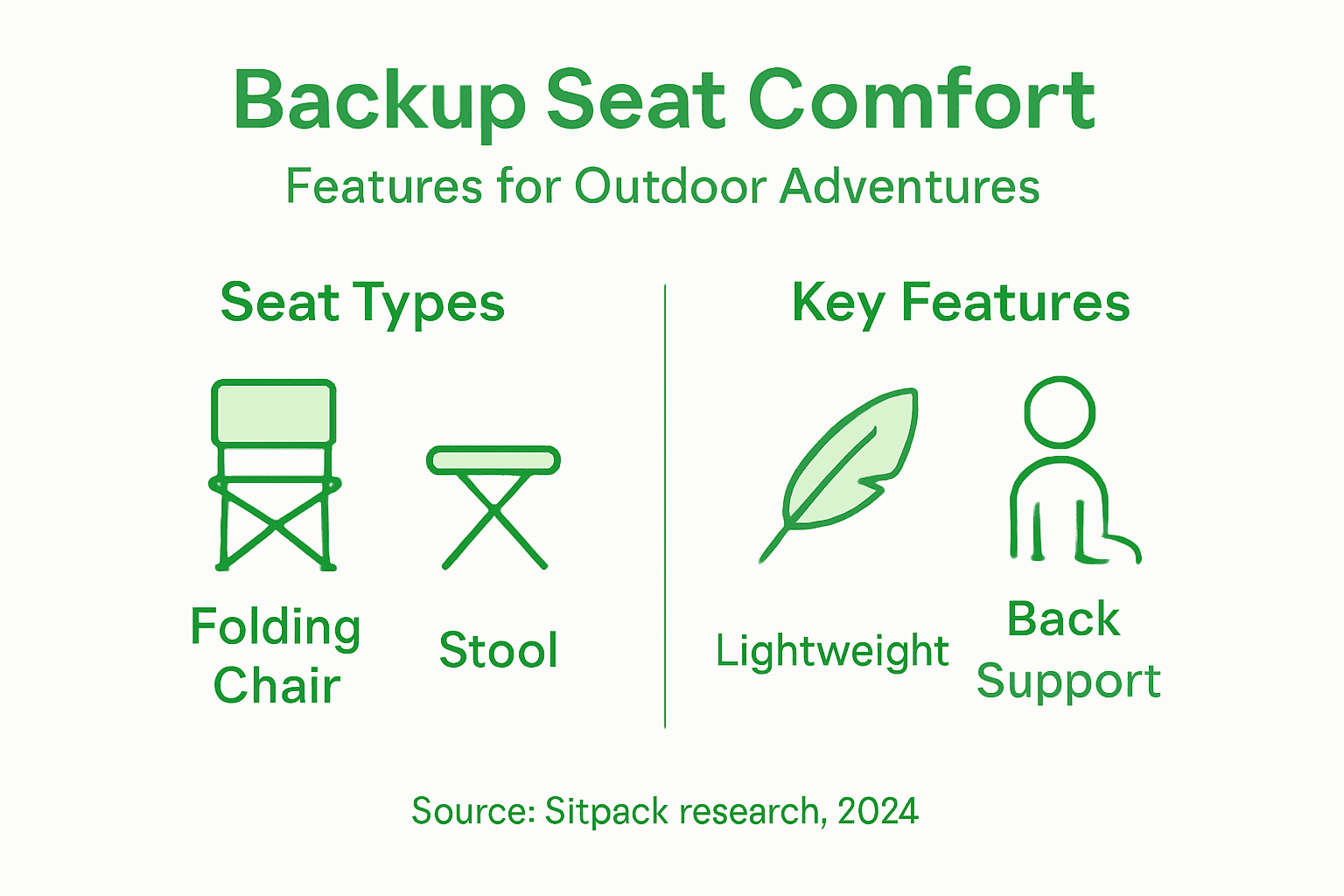
The foundation of comfort starts with proper seat height. Your feet should rest flat on the ground or have a slight bend in your knees when seated, keeping your thighs parallel to the earth. Too high and your legs dangle uncomfortably; too low and you’re straining to stand up. Backrest support matters equally, especially for longer sitting sessions. A seat with adequate back support distributes weight more evenly across your spine rather than forcing you to hold yourself upright through muscle tension alone. Good backrest angles between 100 and 110 degrees typically feel most natural for relaxation while still keeping you engaged with your surroundings. Ergonomic seating design emphasizes that padding and durability work hand in hand, protecting you from weather exposure while cushioning pressure points where your body contacts the seat.
Beyond these core elements, weight distribution becomes critical for extended use. A seat that concentrates pressure on your thighs or lower back will exhaust you faster than one spreading your weight across a larger surface area. Quality backup seats achieve this through wider seat bases and angled designs that support multiple contact points. Armrests or side supports prevent your body from shifting and destabilizing throughout your sitting session, reducing unnecessary muscle engagement. For eco-conscious travelers, seeking seats with sustainable materials like recycled fabrics and responsibly sourced aluminum frames aligns comfort with environmental values.
The often-overlooked aspect is adaptability to different body types. One person’s perfect seat height might be another’s frustration. Premium backup seats address this through adjustable components or thoughtful universal design principles that accommodate various heights and builds without forcing compromises. Consider also how a seat performs in your specific outdoor conditions. A minimalist ultralight stool works brilliantly on alpine meadows but struggles on soft sand, while low ground-contact seats excel on uneven terrain where stability matters most.
Pro tip: Check the seat’s weight capacity and test it with a similar load to your actual body weight before purchasing, since comfort at rated capacity differs drastically from comfort at maximum capacity.
Here’s a summary of key ergonomic features and their impact on outdoor comfort:
| Feature | Impact on Comfort | Why It Matters |
|---|---|---|
| Proper Seat Height | Improves posture and circulation | Prevents leg discomfort |
| Backrest Support | Reduces spine strain | Allows longer sitting |
| Wide Seat Base | Better weight distribution | Less fatigue and soreness |
| Arm/Side Supports | Enhances stability, minimizes shifting | Less muscle engagement |
| Sustainable Materials | Eco-friendly, durable | Supports conservation |
Backup seats transform how you experience outdoor adventures. They’re not just about having somewhere to park yourself; they fundamentally change what’s possible during your time away from home. Whether you’re a weekend camper or a perpetual nomad, a good portable seat becomes one of your most valuable gear investments.
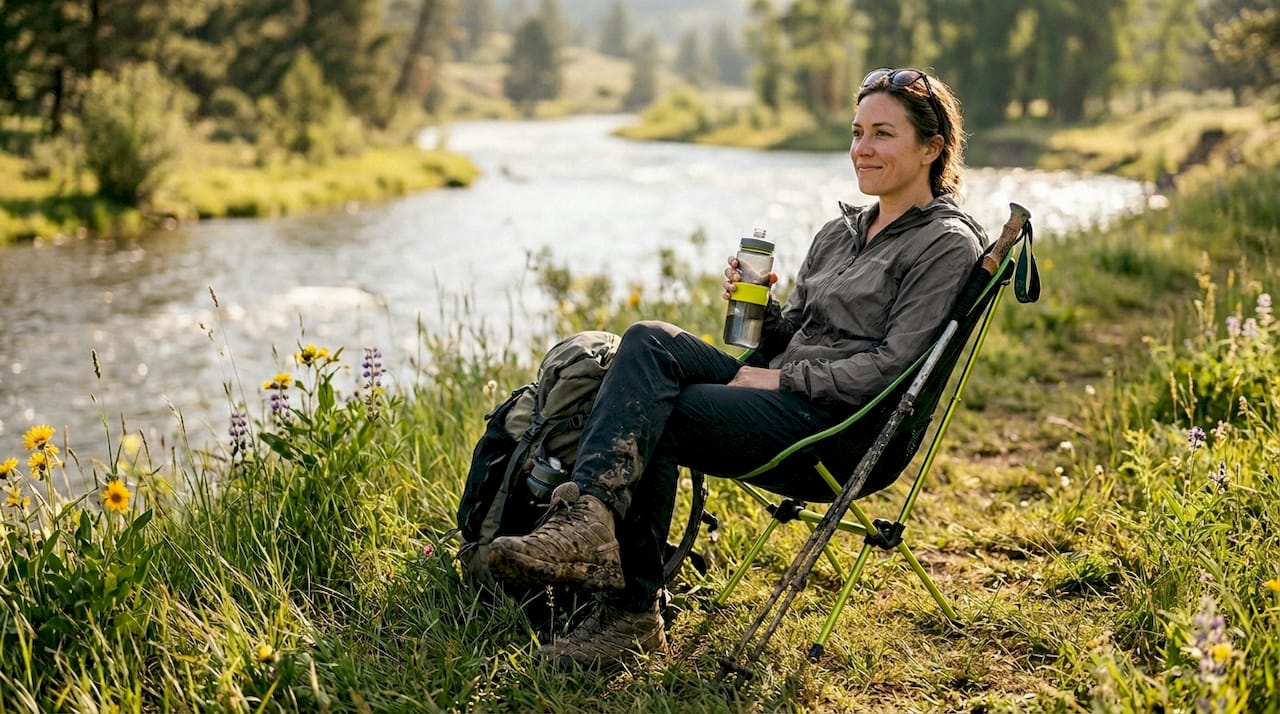
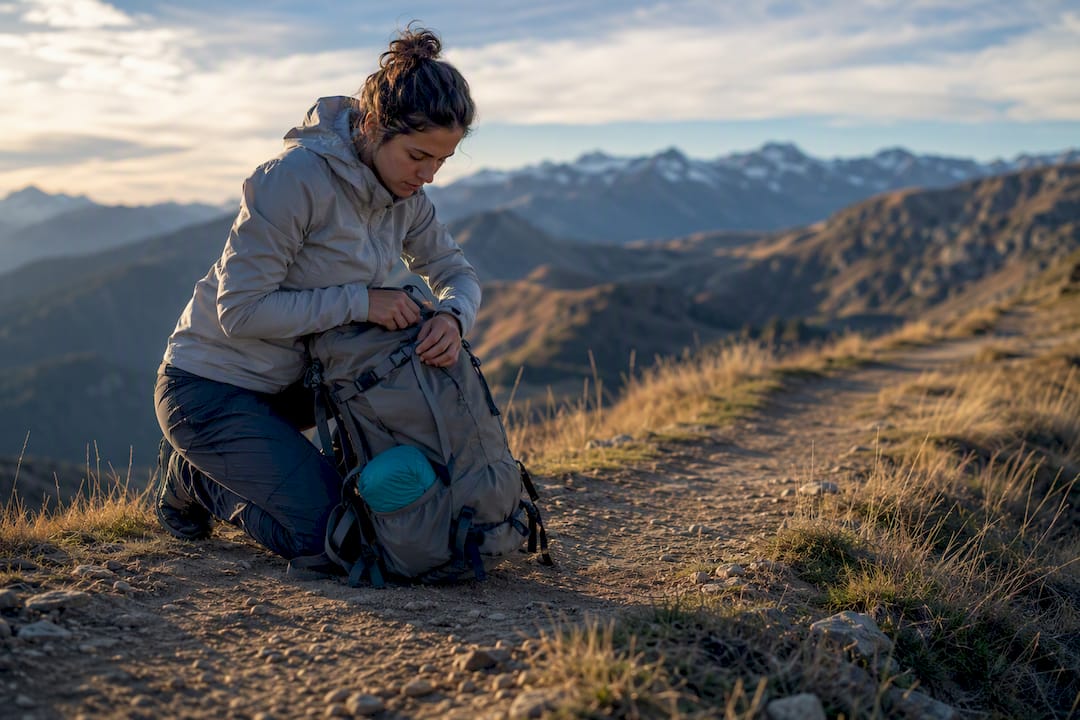
Campers use backup seats at established campsites for evening relaxation around the fire pit, creating dedicated spots where people naturally gather and connect. At a basic campground, your seat becomes your territory, a place where you can read, journal, or simply watch the sunset without fighting for space on picnic benches. On backcountry trails, a lightweight seat provides crucial rest breaks during long hikes, transforming a quick stop into an actual recovery moment where you can sit comfortably while eating lunch or filtering water. Urban travelers find backup seats invaluable at festivals, outdoor concerts, or parks where ground sitting isn’t appealing or comfortable. Outdoor seating creates defined social spaces that foster genuine connection and mental well-being, enabling people to linger outdoors longer and observe nature more fully.
The real magic happens when you realize your backup seat extends your outdoor time beyond what you’d normally manage. A 30-minute rest break that would have sent you back to your tent now becomes a 2-hour experience of watching birds, sketching, or simply being present in nature. Travelers exploring new cities use portable seats at scenic overlooks or parks, turning brief moments into actual experiences rather than rushed photo stops. For extended camping trips, having your own comfortable seat means you’re not dependent on available facilities or forced to sit uncomfortably on rocks and logs. Multi-day festival goers discover that bringing a seat eliminates the exhaustion that typically comes from standing all day, allowing genuine enjoyment of performances and people watching.
Beyond individual comfort, backup seats enable social connection that’s harder to achieve without them. A circle of people in chairs around a campfire naturally fosters conversation differently than people standing or scattered on the ground. Your seat becomes a statement that you’re settling in, that this moment matters. Eco-conscious travelers appreciate that portable seating solutions reduce pressure on natural areas by eliminating the impulse to sit on fragile vegetation or strip bark from fallen logs. When you have your own comfortable seat, you’re less likely to damage the environment around you.
Pro tip: Pack your backup seat in an easily accessible spot in your vehicle or backpack so you’re actually likely to use it; many travelers leave theirs behind because accessing it feels like too much effort.
Buying the wrong backup seat feels like a small mistake until you’re three hours into a camping trip and your posterior is begging for mercy. The decisions you make when selecting a seat ripple through every outdoor experience afterward. Learning what pitfalls to avoid saves you money, frustration, and physical discomfort down the road.
The biggest mistake people make is choosing a seat without matching it to their actual use case. A ultralight stool designed for backpacking weights almost nothing but offers zero back support, making it torture for someone planning extended campsite relaxation. Conversely, a comfortable lounger that weighs 8 pounds seems reasonable until you’re carrying it a mile down a trail. Similar confusion happens when people ignore environmental conditions. A mesh fabric seat breathes beautifully in temperate climates but becomes cold and uncomfortable in alpine settings where insulation matters. Selecting seats that don’t match specific use cases and environmental conditions leads directly to buyer’s remorse and unused gear gathering dust in your garage.
Ignoring ergonomic design is another critical error that creates physical consequences. A cheap seat with minimal back support might save you 20 dollars upfront but costs you in neck pain, lower back strain, and the overall degradation of your outdoor experience. People often overlook weight and portability when making their selection, discovering only after purchase that carrying their “perfect” seat makes their adventure feel like work. The temptation to grab the cheapest option is real, but non-durable materials lead to discomfort, unsafe conditions, and shortened product life. A seat failing mid-trip or becoming uncomfortable after a few uses means you’ve wasted your investment entirely.
Another frequent mistake is purchasing without considering your body type and sitting preferences. What works brilliantly for someone who’s 5 feet 2 inches tall might feel completely wrong for someone who’s 6 feet 4 inches. Testing a seat before buying, even for just 15 minutes, reveals issues that product descriptions never capture. People also underestimate how much their seating choice affects their entire trip quality. Investing in genuine comfort compounds across every campfire, hiking break, and festival experience you’ll have. The cost difference between a cheap seat and a quality one often gets recouped in the first season through increased outdoor time and genuine enjoyment.
Pro tip: Read actual customer reviews from people with similar body types and use cases to yours, paying special attention to comments about durability and comfort after extended use rather than just first impressions.
The article addresses the challenge of finding a backup seat that balances comfort, portability, and durability for your outdoor journeys. If you have struggled with seats that are either too heavy, lack proper back support, or do not match your adventure style, you are not alone. Many outdoor enthusiasts seek a seat that adapts effortlessly to different environments while offering excellent ergonomic design — from lightweight stools for hiking to sturdy chairs for campsite relaxation.
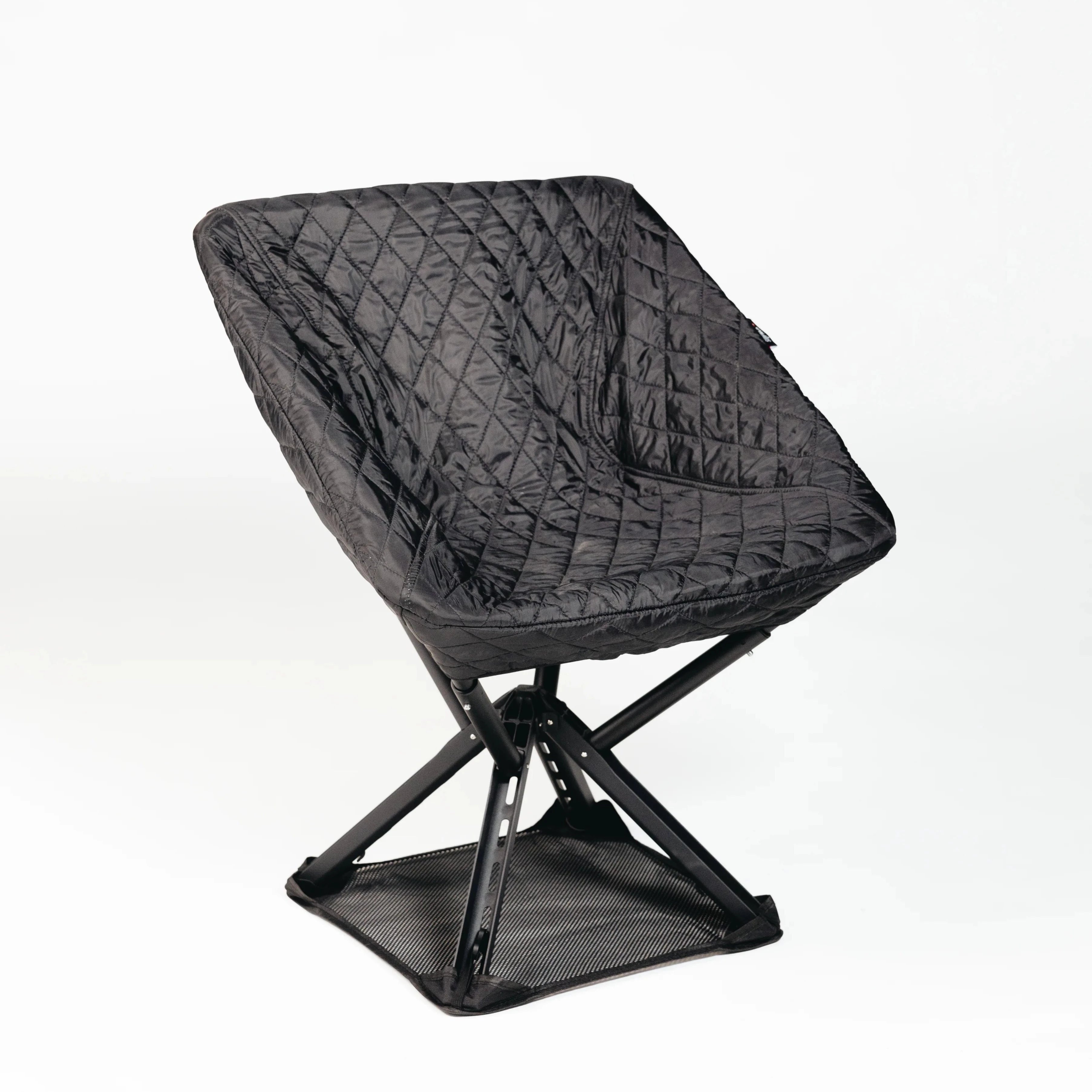
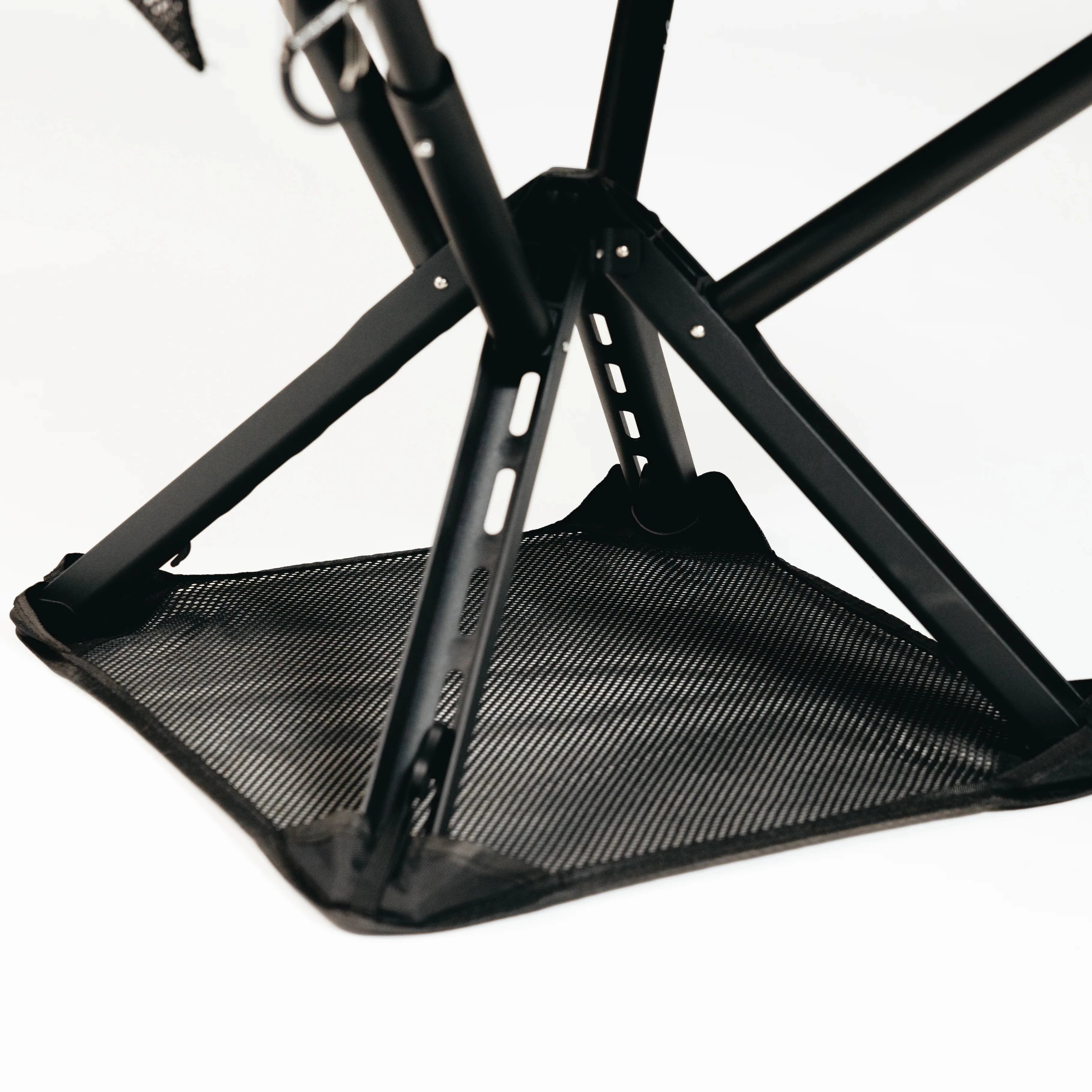
At Sitpack, we understand these pain points deeply. Our innovative seating solutions like the Campster II and Sitpack Zen offer foldable, minimalistic, and ultralight designs that deliver lasting comfort without adding bulk. Crafted with durable materials and designed for easy transport, our products help you stay comfortable and connected to nature wherever you go. Whether you are exploring rugged trails or unwinding at a festival, our seats provide the perfect synergy of ergonomics and sustainability, ensuring you never compromise on comfort or convenience.
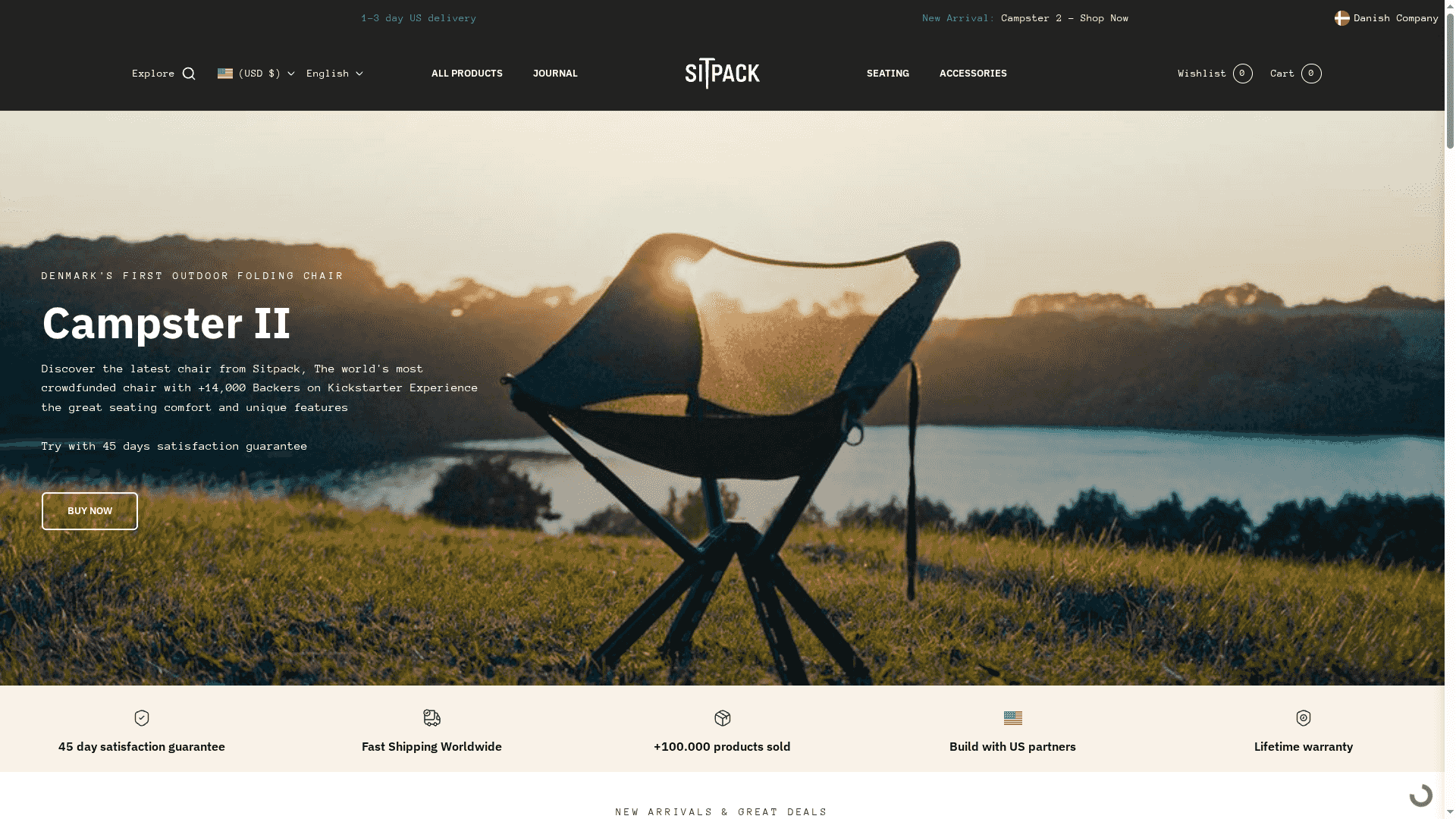
Ready to upgrade your outdoor comfort and make every rest break rejuvenating Let Sitpack guide you to smart seating choices that fit your needs perfectly. Explore our collection today and take advantage of fast worldwide delivery, a 45-day satisfaction guarantee, and durable products made for the modern traveler. Don’t settle for less when you can experience the ultimate in portable seating at Sitpack.
Backup seats are categorized into several types, including lightweight camping chairs, ground-level seats, stool-style seats, portable loungers, and motorhome or campervan seats. Each type is designed for different uses and preferences, from backpacking to car camping.
Material choice is crucial as it affects durability, weight, and weather resistance. Aluminum frames are lightweight and strong, while steel frames offer durability. Fabrics range from basic polyester to advanced materials like ripstop nylon, which resist tearing and weather damage.
Key comfort features include proper seat height for leg support, adequate backrest support to reduce spine strain, a wide seat base for better weight distribution, and armrests or side supports for stability. Additionally, consider the adaptability of the seat to different body types.
To maximize your backup seat’s usefulness, pack it in an easily accessible spot and use it frequently for breaks during hikes, at campsites, or while attending outdoor events. This will enhance relaxation and social interaction, transforming your outdoor experience.