Vogn
0
Tilmeld dig og få 10% i rabat på din ordre
Forventet levering
1-3 dage
Du vil måske også kunne lide
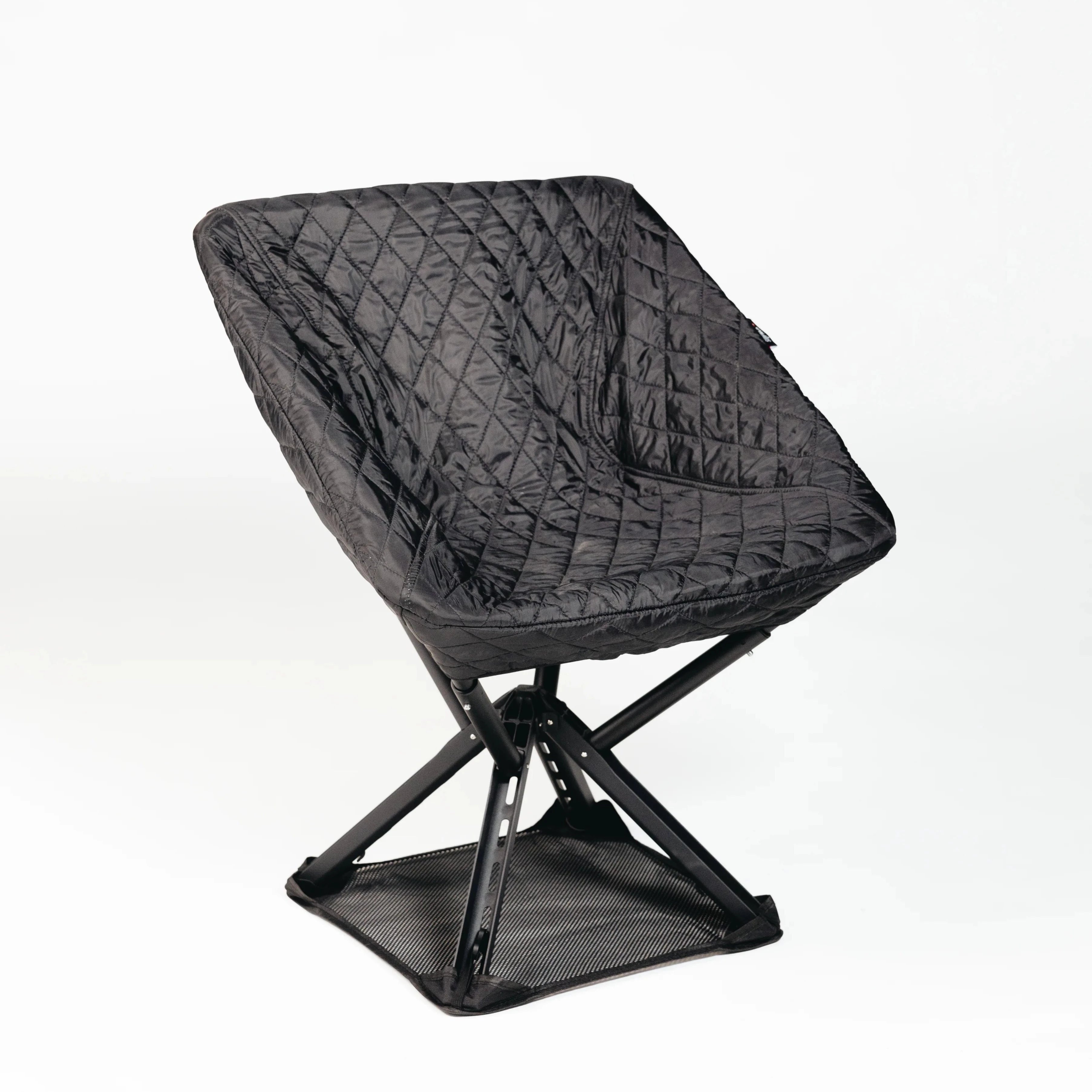
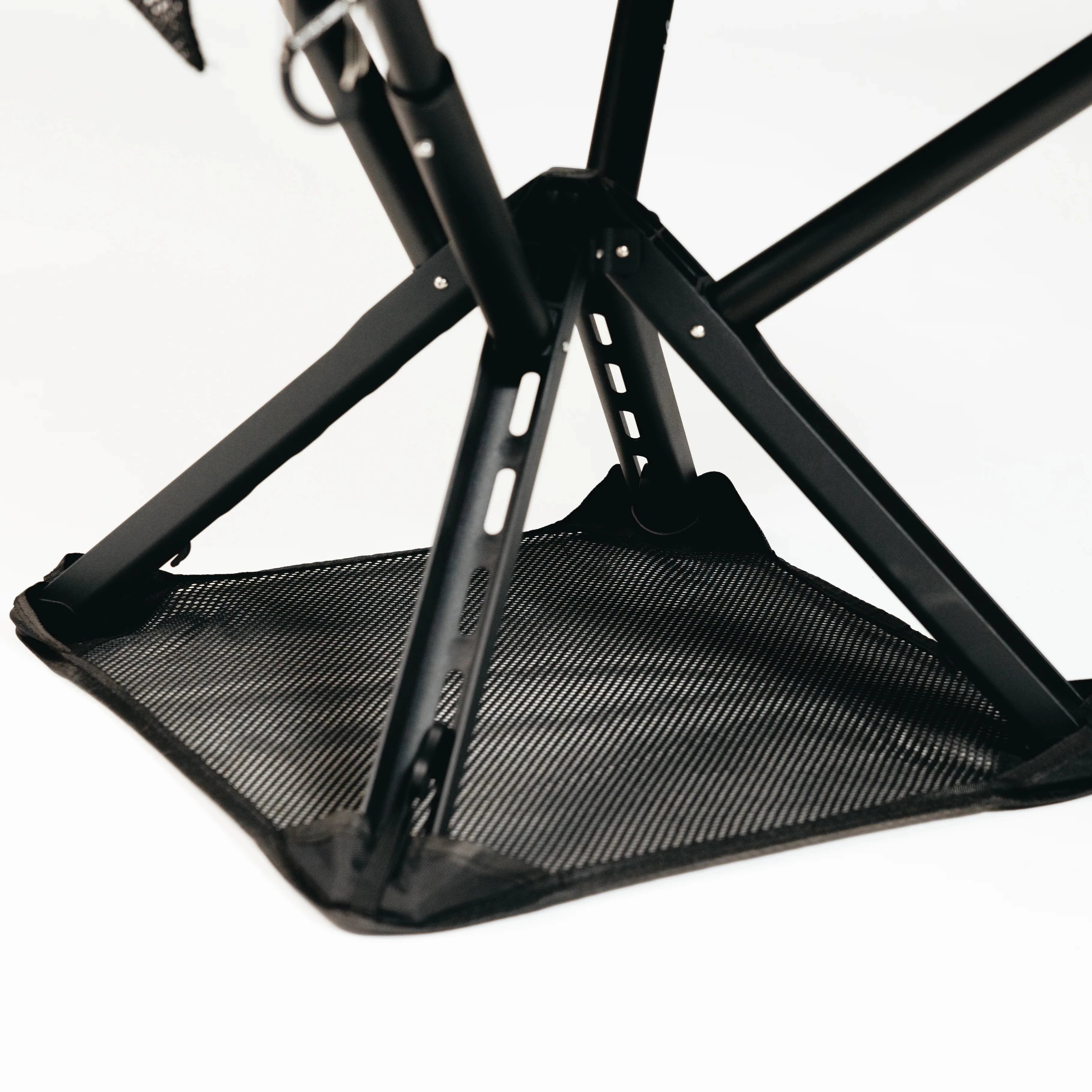
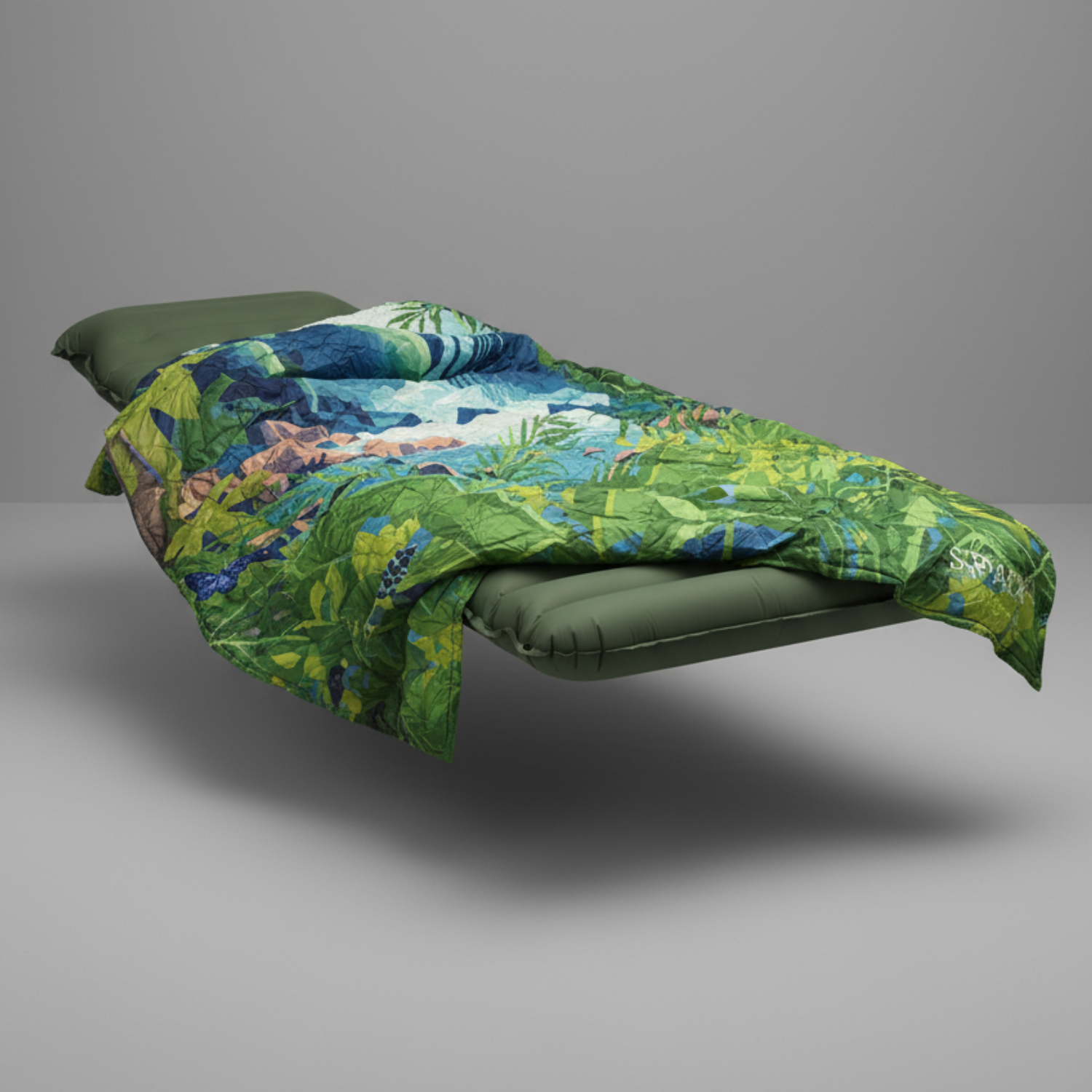


Dansk Firma


TL;DR:
- Seat insulation is a layered system of materials designed to manage heat transfer between you and your seat, requiring multiple components for optimal performance. Sitting compresses these layers, displacing trapped air and altering insulation effectiveness, which varies based on construction choices and moisture levels. Different seat types prioritize specific design features, with proper maintenance and material selection crucial for comfort and durability in outdoor and automotive settings.
Seat insulation is one of those things most people never think about until their backside is freezing on a cold stadium bleacher or they’re sweating through a long summer drive. So what is seat insulation, exactly? It’s the collection of materials and design strategies built into or added onto a seating surface to manage heat transfer between you and whatever you’re sitting on. Not just one magic layer. A whole system. And understanding how it works will help you make smarter choices whether you’re outfitting a car, shopping for a portable outdoor chair, or just trying to stay warm at a Saturday morning soccer game.
| Point | Details |
|---|---|
| Seat insulation is a system | Multiple layers including foam, backing, fill, and fabric all contribute to thermal performance. |
| Compression changes everything | Sitting on a seat alters how insulation behaves by displacing air and changing heat flow. |
| Material choice matters | Synthetic fills like THERMOLITE® and laminated foams serve different needs in warmth versus moisture management. |
| Context drives design | Automotive seats prioritize integration; portable seats prioritize packability and quick warmth. |
| Maintenance preserves performance | Gaps, moisture damage, and compression fatigue all reduce insulation effectiveness over time. |
Most people picture seat insulation as a single foam cushion or a thin layer of padding. Reality is more interesting than that. Seat insulation, properly understood, is a layered system where each component plays a specific role in managing how heat moves between your body and the seat surface beneath you. Covers, foam cores, backing materials, and insulative fillings all work together. Pull one out of the equation, and the whole system underperforms.
The thermal resistance of a seat increases significantly when all layers are in place. Research confirms that measurements without backing layers show notably lower thermal resistance, which means that thin fabric layer on the back of a seat cushion is doing more work than you’d expect.
Here’s a breakdown of the most common seat insulation materials you’ll encounter:
The way insulation works across these materials comes down to three physics principles: reducing conduction (direct heat transfer through contact), limiting convection (heat carried away by air movement), and blocking radiation (heat radiating outward from your body). Air is actually one of the best natural insulators, so materials that trap still air in small pockets are doing the heavy lifting.
Moisture plays a key role too. Laminated structures retain heat and humidity, which can work against you during long sitting sessions. Open textile architectures let moisture evaporate more freely, improving comfort when you’re active or sitting for hours.
Pro Tip: When evaluating any seat insulation product, check whether it addresses moisture as well as warmth. A product that keeps you warm but traps sweat will feel uncomfortable fast.
Here’s something the product label won’t tell you: the moment you sit down, you change how the insulation behaves. Seat insulation is not a static property. It’s dynamic, and compression is the main variable.
When you park yourself on a cushion, the foam and fill layers compress under your weight. That compression displaces the trapped air that was doing the insulating work. Thermal resistance varies under applied load, and subjective comfort correlates closely with the microclimate changes caused by that compression. Thinner insulation under pressure means more heat flows directly between your body and the seat structure.
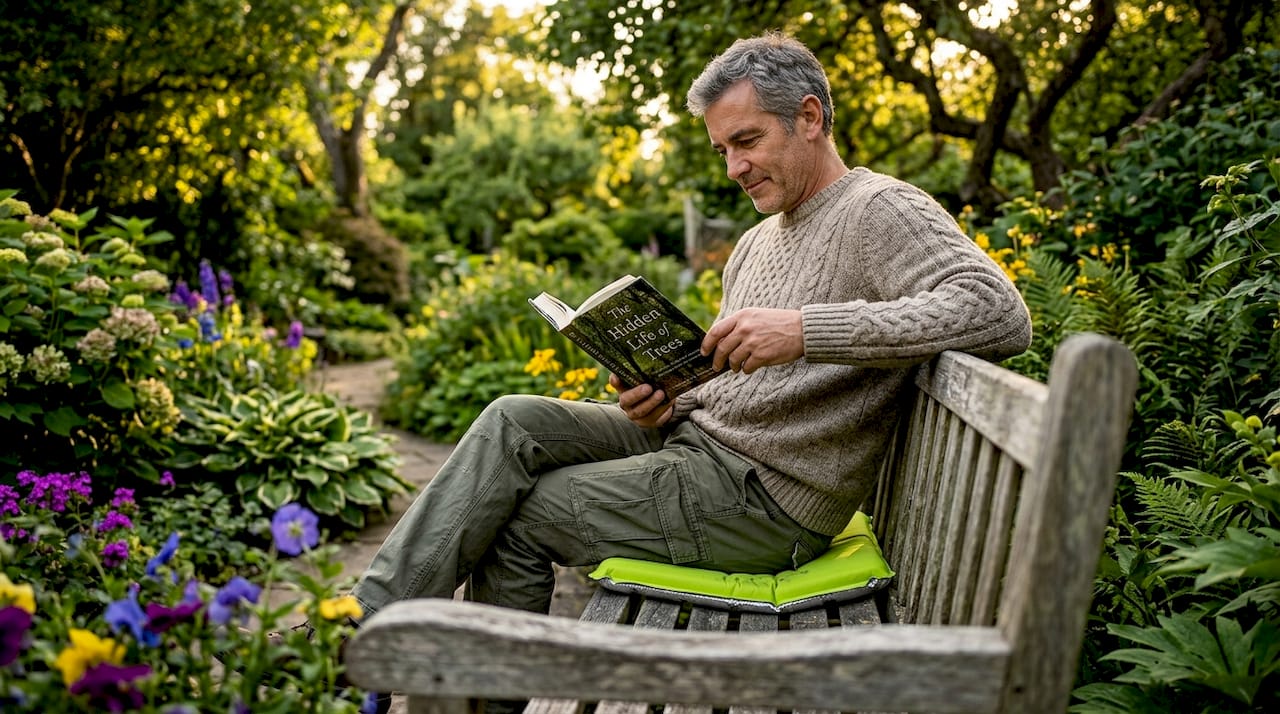
This has some surprising engineering consequences. A 2026 patent for vehicle seat conditioning describes intentionally compressing thermal devices against trim layers to increase thermal conductivity, speeding up heating and cooling. In other words, engineers sometimes deliberately use compression to accelerate temperature change rather than fight it. The same physics that reduces insulation when you sit down can be exploited to heat or cool a seat faster.
Here’s a quick look at how different construction choices affect performance outcomes:
| Construction element | Effect on warmth | Effect on moisture | Portability impact |
|---|---|---|---|
| Thick laminated foam | High thermal resistance | Retains humidity | Heavy, bulky |
| Synthetic fill (THERMOLITE®) | Good warmth retention | Breathable if open structure | Light, packable |
| Foil/reflective layer | Blocks radiant heat loss | Neutral | Adds minimal weight |
| Backing textile only | Low insulation | Good breathability | Very light |
“Automotive seat comfort evaluations must consider the entire system — cover, foam, backing — under dynamic load to accurately predict thermal performance, beyond fabric R-values alone.” — MDPI research on seat materials
The practical takeaway is that seat insulation specs measured in a lab don’t always translate cleanly to real-world sitting. A product with great thermal resistance numbers might still feel clammy after an hour if moisture management was an afterthought.
Seat insulation looks very different depending on where and how it’s used. Automotive seats, portable outdoor cushions, and stadium pads each prioritize different things. Knowing the differences helps you choose the right solution for your situation.
Automotive seats integrate insulation into the entire seat structure. The cover, foam padding, and backing work as one engineered system, and manufacturers balance warmth, breathability, and durability over years of daily use. You can’t easily modify these layers, but you can add aftermarket seat covers with insulative properties for extra warmth or cooling.
Portable outdoor seat insulation is a different game entirely. Here, the priorities are packability, weight, and quick warmth. Products like insulated inflatable stadium seats filled with THERMOLITE® weigh as little as 80 grams and pack down to almost nothing, while still keeping the cold ground from stealing heat through your seat. These products are purpose-built to solve one specific problem: cold surfaces sucking the warmth out of you from below.
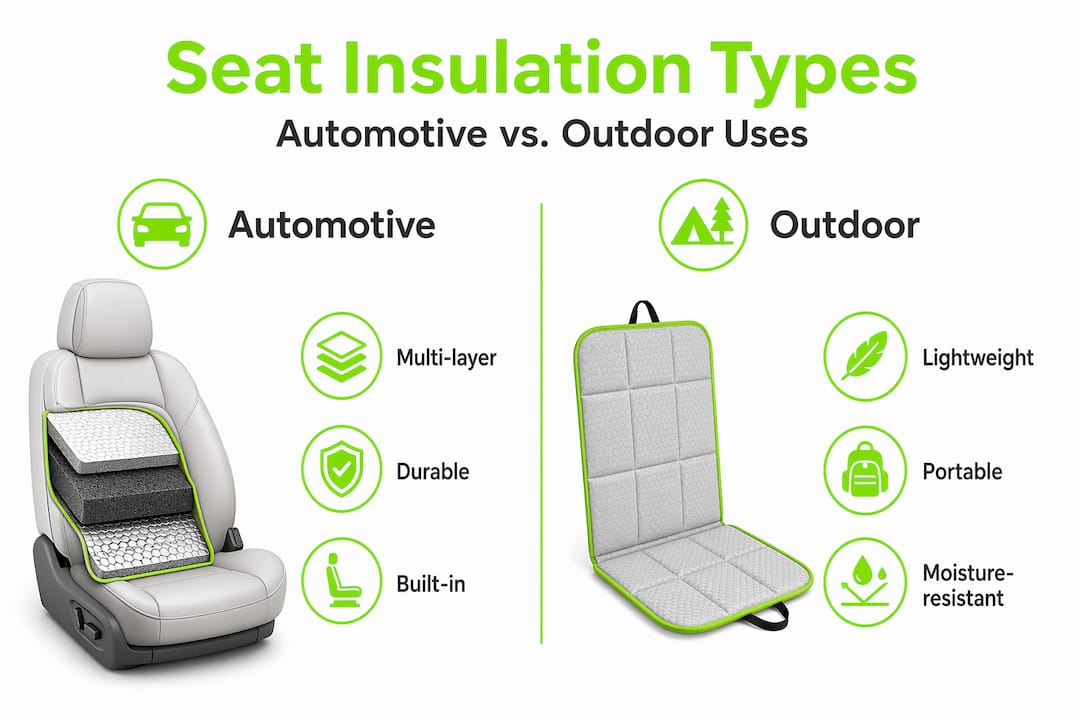
Stadium cushions and bleacher pads sit somewhere in between. They’re often foam-based, sometimes with a foil backing to block ground chill. Durability and price matter more here than packability.
Here’s a side-by-side comparison:
| Seat type | Primary insulation method | Key design priority | Best for |
|---|---|---|---|
| Automotive seat | Foam and fabric laminate system | Long-term durability and integration | Daily commuting, road trips |
| Portable outdoor pad | Synthetic fill in sealed cover | Light weight and packability | Hiking, camping, travel |
| Stadium/bleacher cushion | Foam with optional foil backing | Affordability and comfort | Sporting events, concerts |
| Insulated seat cover (add-on) | Fill or foam in removable cover | Flexibility and retrofit warmth | Cold-weather driving or outdoor sitting |
A few things worth knowing about portable insulated seats specifically:
If you’re putting together a kit for outdoor adventures, the outdoor seating buying guide from Sitpack walks through what to look for in portable insulated seating with a practical lens.
Getting seat insulation right isn’t complicated, but there are a few decisions and habits that make a real difference.
Pro Tip: For cold-weather outdoor events, layer a thin reflective pad underneath your regular seat cushion. The foil layer blocks radiant heat loss from below, and the combination outperforms a thicker single cushion at a fraction of the added bulk.
For anyone heading to outdoor events, the outdoor event seating tips from Sitpack cover seat selection with warmth and portability in mind.
I’ve spent enough time researching portable seating products to have a pretty clear opinion on how people get seat insulation wrong. The biggest mistake is treating it like a single product choice rather than a system decision.
Most buyers focus entirely on the fill material, see a rating like “THERMOLITE® insulated,” and assume the job is done. What I’ve learned is that the cover fabric, the air permeability of the structure, and how the seat responds to your body weight are often more important than the fill spec alone. A beautifully insulated core wrapped in a dense, non-breathable laminate can leave you warm on the outside and clammy on the inside after an hour.
The other thing I’ve noticed is that static product tests are misleading. A seat pad tested flat on a table has completely different thermal behavior from one compressed under a sitting adult for ninety minutes. Seated thermal comfort depends on compression-induced changes in airflow, not just the material’s baseline properties. I’d love to see more brands publish dynamic testing data instead of relying on flat-layer measurements.
My candid advice: when shopping for any kind of insulated seat product, don’t just ask “how warm is it?” Ask “how does it handle moisture?” and “how does it perform after an hour of sitting?” Those two questions separate products that actually work from ones that look great in the specs.
— Jonas
If this breakdown got you thinking about your own seating setup, Sitpack has a range of portable seating solutions worth exploring. Sitpack’s products are designed around the exact trade-offs we’ve been discussing: warmth, packability, and comfort that holds up in real outdoor conditions, not just in the product photos.

Whether you’re hitting the trail, setting up at a campsite, or grabbing a spot at a cold outdoor venue, the right portable seat makes a real difference in how long you actually enjoy being out there. Check out the full range of portable outdoor seats at Sitpack and find a setup that fits how you actually use it. Pair a seat with one of Sitpack’s accessories like thermal blankets or seat warmers and you’ve got a genuinely warm kit that weighs almost nothing.
Seat insulation typically uses synthetic fills like THERMOLITE®, polyurethane foam, laminated fabric layers, and reflective foil. Each material targets a different aspect of heat transfer, whether conduction, convection, or radiation.
When you sit, your weight compresses the insulation layers, which reduces trapped air and changes how heat flows through the seat. This is why full-seat system design matters more than any single material’s specs.
For cold-weather outdoor activities, seat insulation is highly practical since cold ground surfaces draw heat away from your body quickly. Even lightweight options like insulated inflatable pads make a noticeable difference in comfort during extended outdoor sitting.
Automotive seat insulation is built into the seat structure for long-term durability, while portable outdoor versions prioritize light weight and packability using synthetic fills. Stadium cushions sit in the middle, balancing comfort and affordability.
Yes. Moisture reduces insulation effectiveness by saturating fibers and eliminating the trapped air that provides warmth. Always store insulated seat products dry and air them out after use in damp conditions.