Vogn
0
Tilmeld dig og få 10% i rabat på din ordre
Forventet levering
1-3 dage
Du vil måske også kunne lide


Dansk Firma

TL;DR:
- Weather-adaptive furniture actively responds to changing weather conditions through materials and design features, unlike standard weather-resistant furniture. It uses passive and active methods, such as thermal surfaces and embedded sensors, to improve outdoor comfort and durability. Proper material selection and regular maintenance are essential for maximizing performance in specific climates.
Weather-adaptive furniture is defined as outdoor furniture designed to respond dynamically to changing climatic conditions through its materials, design features, and functional systems. Unlike standard outdoor pieces that simply sit there and take a beating from the elements, adaptive urban furniture responds through multiple mechanisms simultaneously, including design, materials, and sensor automation. For homeowners and renters who spend real time outdoors, this distinction matters. A patio chair that manages heat, sheds rain, and stays comfortable from april through october is a fundamentally different product than one that just looks good on the showroom floor.
Weather-adaptive furniture goes beyond being weather-resistant. Weather-resistant furniture survives the elements. Climate-responsive furniture actually adjusts to them. The difference shows up in how you feel sitting outside on a blazing july afternoon versus a cool september evening.
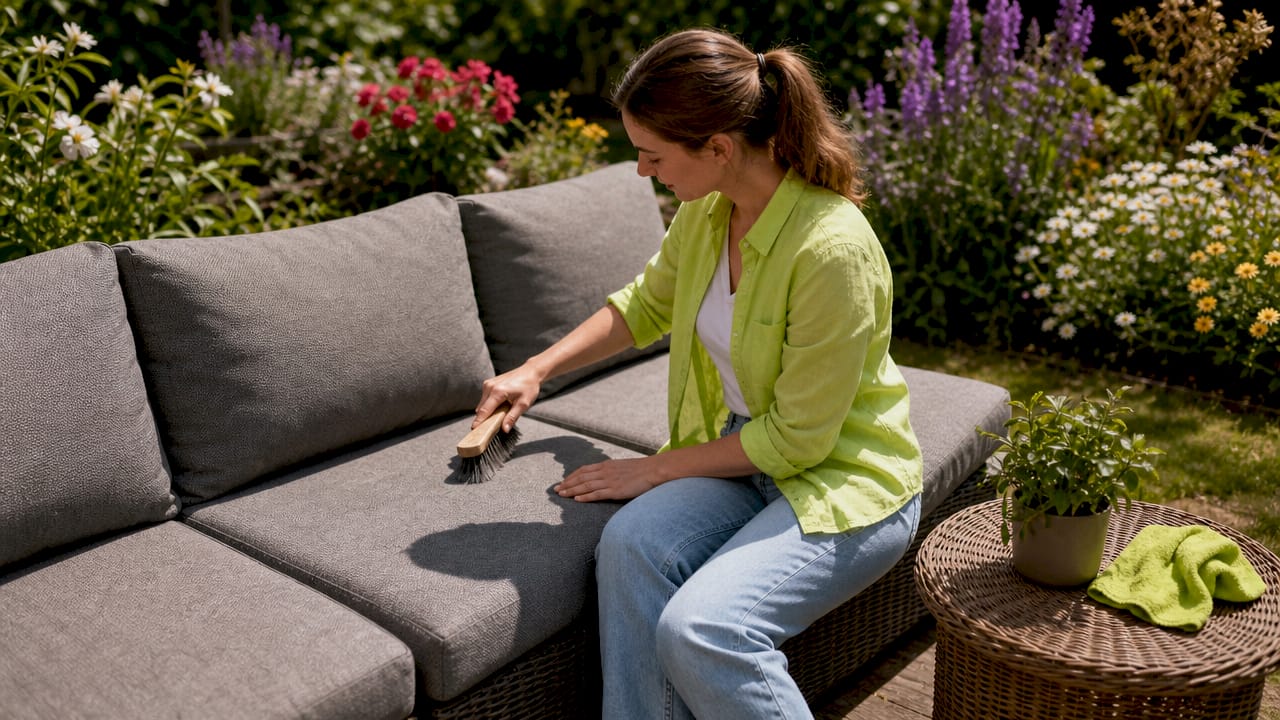
Standard outdoor furniture uses fixed materials that perform the same way regardless of conditions. Weather-adaptive designs, by contrast, use multiple adaptation mechanisms to shift their thermal, moisture, and comfort properties as conditions change. That might mean a surface that absorbs heat in winter and reflects it in summer, or a seat cushion with drainage channels that dry out in under an hour after rain.
The industry term for this category is “climate-responsive furniture,” though you will also see it called adaptive outdoor furniture or temperature-adaptive seating depending on the manufacturer. All three phrases describe the same core idea: furniture that works with the weather rather than against it.
Climate-responsive furniture uses two broad approaches to handle changing conditions: passive adaptation and active adaptation. Understanding both helps you decide which type fits your outdoor space.
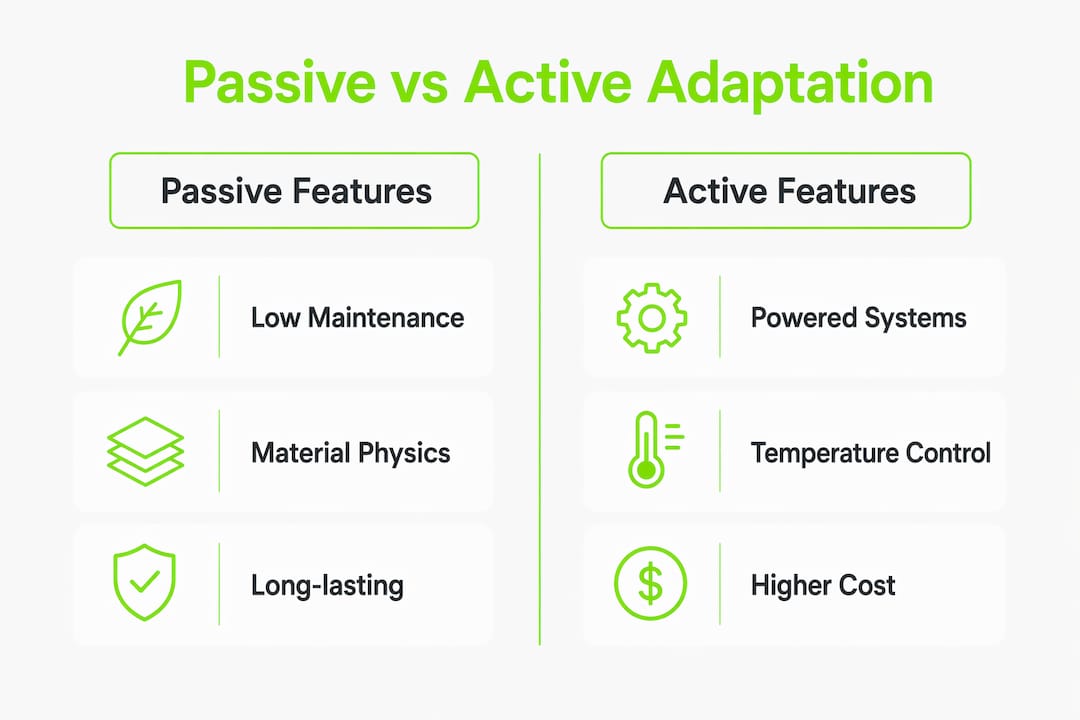
Passive adaptation requires no power source. It relies entirely on material science and design geometry to manage heat and moisture.
Passive features require almost zero maintenance beyond occasional cleaning. They degrade slowly over years rather than failing suddenly like electronics can.
Active systems use embedded components to control the microclimate around the seat. Intelligent seating systems sense temperature and humidity, then trigger ventilated heated seats, cooling airflow, or weatherproof covers in response. These systems focus on “time to comfort,” meaning how quickly a seat reaches a comfortable temperature after you sit down.
Patented airflow designs for outdoor seats include high-flow blowers, protective covers, and float seals that prevent water ingress after rain or cleaning. One-way valves stop moisture from entering the airflow channels while still allowing ventilation outward. It is genuinely clever engineering.
The tradeoff is complexity. Active systems cost more, require power, and have more components that can fail.
Pro Tip: Choose passive features if you want low maintenance and long-term reliability. Add active features only if your outdoor space has reliable power access and you genuinely need precise temperature control.
The right material choice determines how long your furniture lasts and how comfortable it stays. Weather-adaptive furniture materials must balance UV resistance, moisture repellence, corrosion resistance, and user comfort simultaneously. No single material does all of this perfectly, which is why good designs combine materials strategically.
Common materials and their strengths:
| Feature | Mesh fabric | Padded cushions |
|---|---|---|
| Airflow | Excellent, reduces heat buildup | Poor, traps heat against skin |
| Drying speed after rain | Fast (minutes) | Slow (hours to days) |
| Cold weather comfort | Poor insulation | Good insulation |
| Maintenance | Low, rinse and dry | High, remove and store covers |
| Durability outdoors | High, resists mold | Moderate, foam degrades with moisture |
Mesh wins for warm, humid climates. Padded cushions make more sense in cooler, drier regions where heat retention is a benefit rather than a problem.
Design features matter as much as materials. Drainage gaps in seat bases, ventilation channels in backrests, and modular cushion systems that can be swapped seasonally all contribute to long-term performance. For a deeper look at how outdoor seating materials compare across construction types, the differences in real-world durability are significant.
Pro Tip: Prioritize UV resistance and moisture repellence together. A seat that handles sun but soaks up rain will still fail within two seasons.
The most interesting developments in weather-adaptive seating are coming from two directions: urban public furniture research and automotive seat technology crossing over into residential use.
Here are the most practical innovations worth knowing about:
The most practical option for most homeowners is a combination of passive thermal design and modular components. You get meaningful weather adaptability without the cost and complexity of embedded electronics. For inspiration on smart outdoor seating picks that balance adaptability with practicality, the options have expanded considerably in 2026.
Selecting the right climate-responsive furniture starts with an honest look at your local climate. A homeowner in Phoenix needs maximum heat reflection and UV resistance. A renter in Seattle needs aggressive moisture management and fast-drying materials. The same chair will not perform equally well in both environments.
Follow these steps to make a smart choice:
For a complete walkthrough of setting up your outdoor space for lasting comfort, the outdoor seating setup guide covers the practical steps in detail.
Pro Tip: If you can, borrow or trial a piece before buying. Weather-adaptive features only reveal themselves under actual weather conditions, not in a showroom.
Weather-adaptive furniture outperforms standard outdoor pieces because it combines material science and functional design to respond to conditions rather than simply endure them.
| Point | Details |
|---|---|
| Core definition | Climate-responsive furniture adjusts to weather through materials, design, and active systems. |
| Passive vs. active | Passive methods need no power; active systems offer more control but add complexity and cost. |
| Material priorities | Combine UV resistance and moisture repellence together for real outdoor durability. |
| Selection approach | Match furniture features to your specific local climate stressors before buying. |
| Maintenance matters | UV coatings, drainage channels, and active components all need scheduled upkeep to stay effective. |
I have spent a lot of time sitting on outdoor furniture in conditions ranging from a scorching danish summer afternoon to a damp, gray october morning. The honest truth is that most patio furniture sold today is weather-tolerant at best. It survives. It does not adapt.
What changed my thinking was learning about the “time to comfort” concept from automotive seat research. The idea that a seat should reach a comfortable temperature quickly rather than just eventually is obvious once you hear it, but almost no residential furniture is designed with that goal in mind. You sit down on a sun-baked chair and just suffer through the first five minutes. That is a solvable problem.
The other thing most buyers overlook is the combination requirement. Thermal adaptation without moisture control leaves you with a seat that stays cool but stays wet. Moisture management without thermal design leaves you dry but roasting. Both mechanisms need to work together, and that is where cheap outdoor furniture consistently falls short.
My practical advice: do not chase the most technologically advanced option. A well-designed passive system with quality materials will outperform a budget active system every time. Spend your money on materials first, then on design features, and treat active electronics as a bonus rather than a baseline.
— Jonas
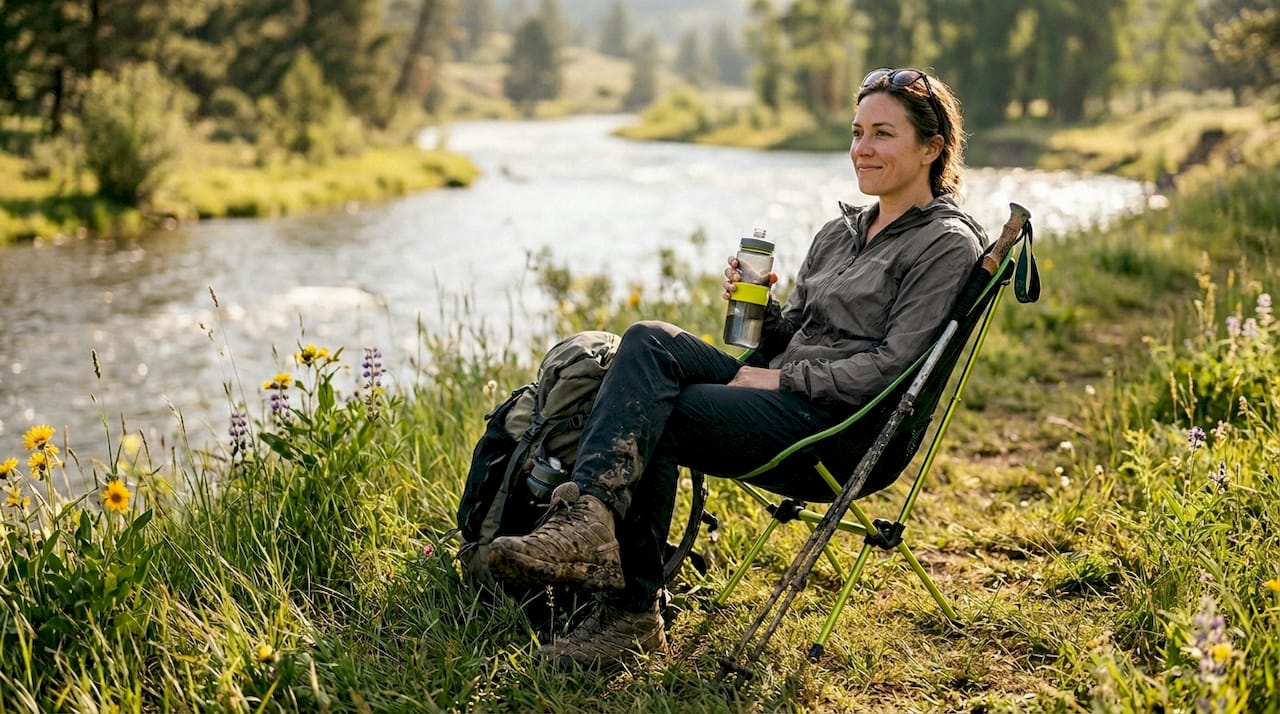
If this article has you rethinking what your outdoor seating should actually do for you, Sitpack’s approach to portable and durable outdoor chairs is worth a look. Sitpack designs lightweight, foldable seating built for real outdoor conditions, with materials chosen for durability and comfort across changing environments.
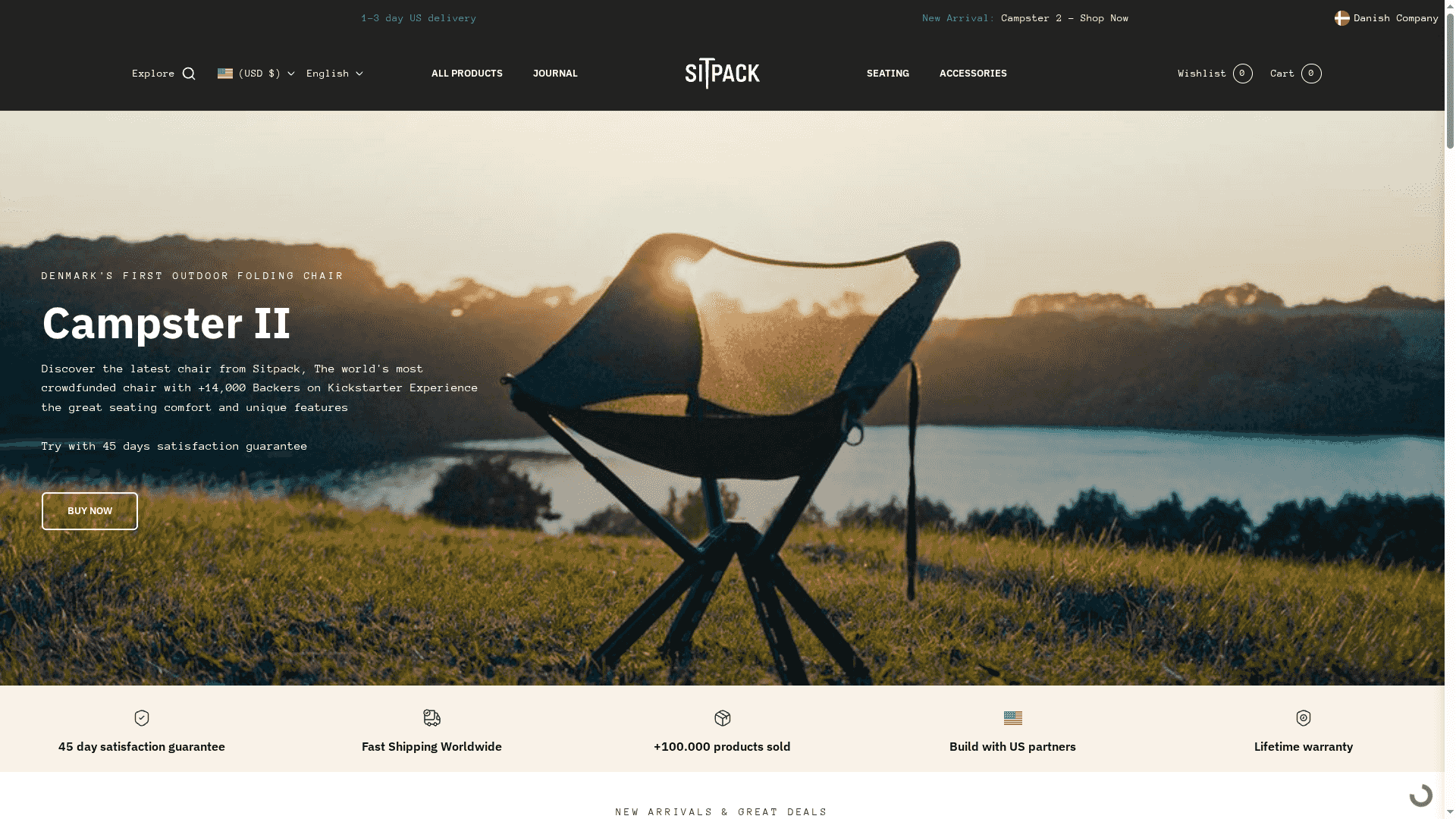
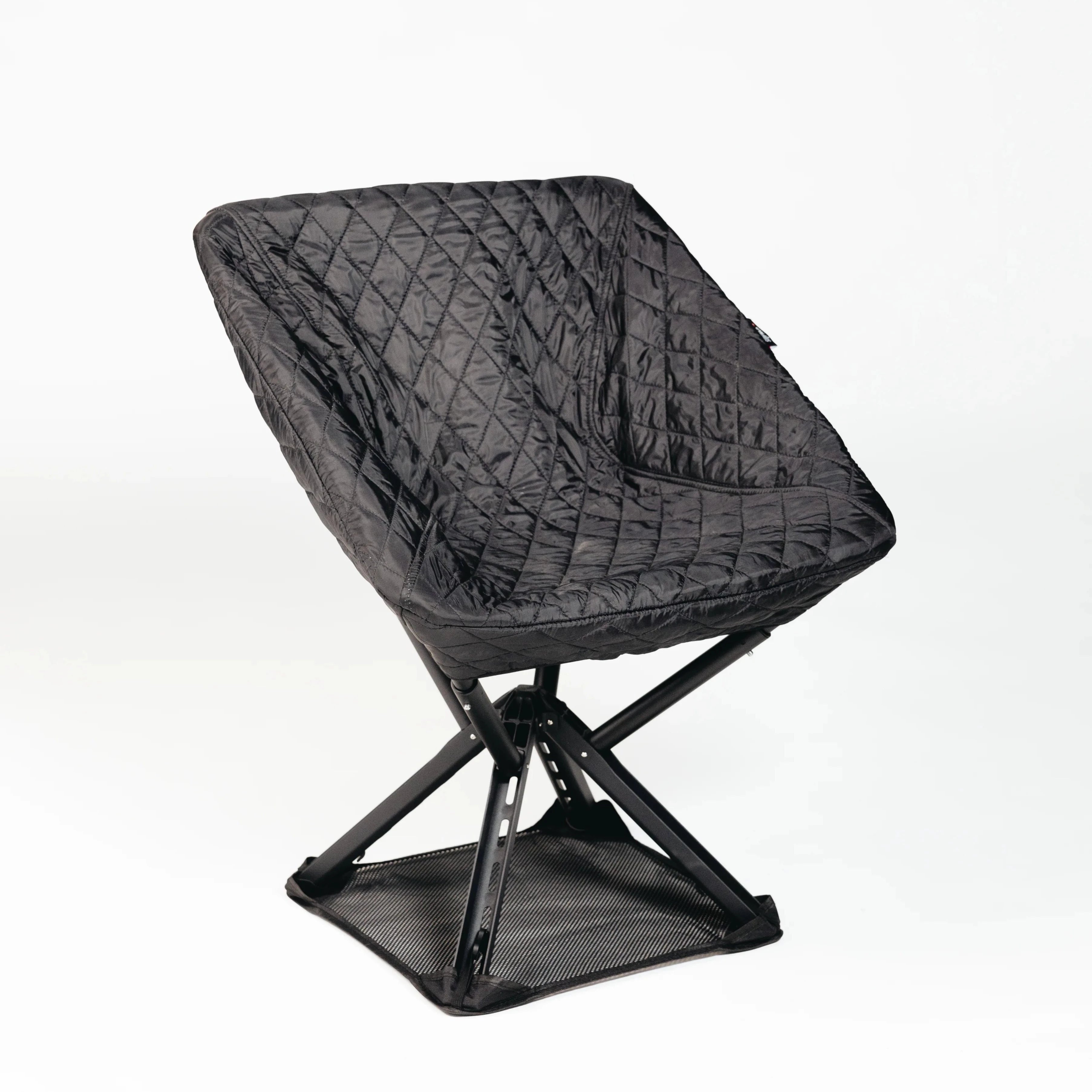
The Campster II and Sitpack Zen are built around the idea that good outdoor seating should go wherever you go and hold up when it gets there. Whether you are setting up on a rain-damp hillside or a sun-scorched festival field, the focus is on materials and design that perform rather than just look good. Sitpack also backs its products with a lifetime warranty and a 45-day satisfaction guarantee, so you are not gambling on a piece that might not survive its first season. Head to sitpack.com to see the full range of portable outdoor seating solutions.
Weather-adaptive furniture is outdoor furniture designed to respond dynamically to changing climatic conditions through its materials, design features, and functional systems. It goes beyond weather resistance by actively or passively adjusting to heat, cold, rain, and humidity.
Weather-resistant furniture is built to survive exposure to the elements without degrading. Climate-responsive furniture goes further by adjusting its thermal, moisture, or comfort properties in response to actual conditions.
Temperature-adaptive seating is a category of weather-adaptive furniture that specifically manages heat and cold, using thermal surface design, embedded heating or cooling elements, or airflow systems to keep the seat comfortable across a range of temperatures.
UV-stabilized plastics, powder-coated metals, treated hardwoods, and synthetic fibers each offer specific advantages. The most durable outdoor seating combines UV resistance and moisture repellence in the same design, since weather-ready outdoor seating requires both properties working together.
Reapply UV coatings every one to two seasons, clear drainage channels each spring, and inspect active components annually for water damage. Passive systems need less upkeep than active ones, but all outdoor furniture benefits from a seasonal maintenance check.