Vogn
0
Tilmeld dig og få 10% i rabat på din ordre
Forventet levering
1-3 dage
Du vil måske også kunne lide


Dansk Firma

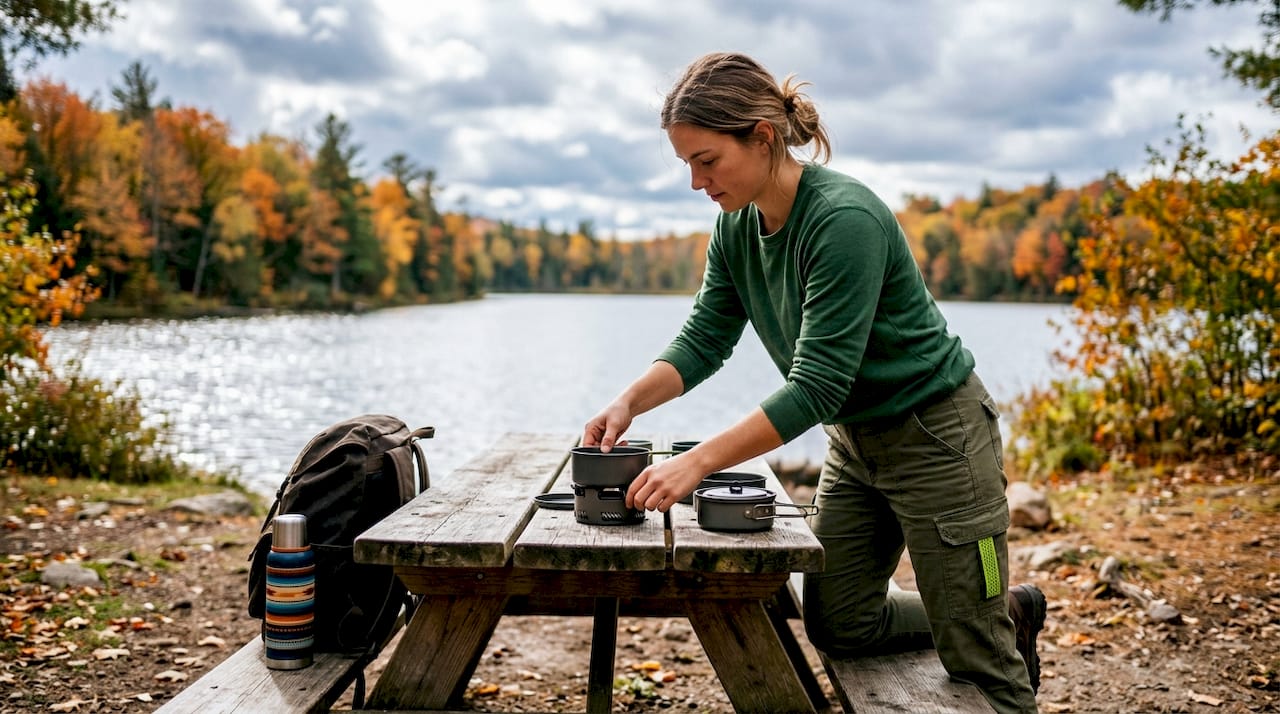
TL;DR:
- All-in-one camping solutions combine essential gear into a single, ready-to-use system that simplifies setup and improves organization. They are especially beneficial for quick assembly, reducing hassle for casual campers and weekend outdoor enthusiasts. However, they tend to be heavier and more costly, making modular systems preferable for long-distance hikers and full-time van dwellers.
All-in-one camping solutions are integrated gear kits that combine multiple essential items into a single, ready-to-use system, eliminating the need to source, pack, and organize individual pieces before every trip. If you’ve ever shown up at a campsite only to realize you forgot the stove adapter or left the utensils on the kitchen counter, you already understand the core problem these kits solve. The benefits of all-in-one camping go beyond simple convenience. They cover faster setup, better organization, and a genuinely more relaxed experience from the moment you park the car to the moment you’re sitting around the fire.
The single strongest argument for integrated camping kits is speed. Cooking can start in under 30 seconds with a pre-loaded camp kitchen kit, compared to the multi-step process of unpacking, locating, and assembling loose gear. That time difference sounds small until you’re setting up in the dark after a four-hour drive.
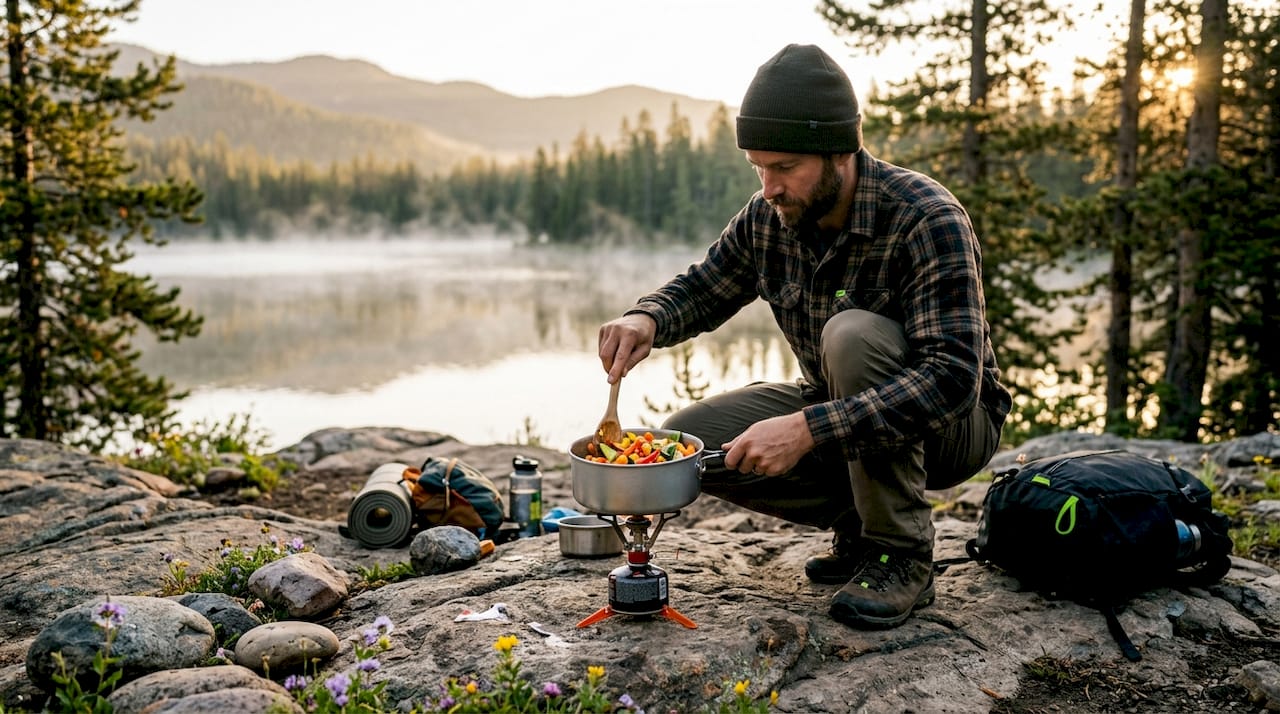
The organizational payoff is just as real. All-in-one kits eliminate the “forgotten gear tax” by keeping every item pre-packed in dedicated compartments. You stop forgetting stove adapters, misplacing the can opener, or discovering mid-trip that the fuel canister is still in the garage. Everything lives in one place, and that consistency builds a packing habit that actually sticks.
Integrated kitchen kits with built-in water tanks and electric faucets also improve hygiene and cleanup efficiency compared to traditional jug setups. The VOZ Camp Kitchen, for example, includes a 2-gallon removable tank and a USB-rechargeable sink, which makes washing up after dinner feel less like a chore and more like a normal kitchen routine.
Here’s what a well-designed all-in-one camping kit typically handles in a single package:
Pro Tip: Before your first trip with a new kit, do a full dry run in your backyard. Unpack everything, set it up, and repack it. You’ll learn the system’s logic once, and every future setup will feel automatic.
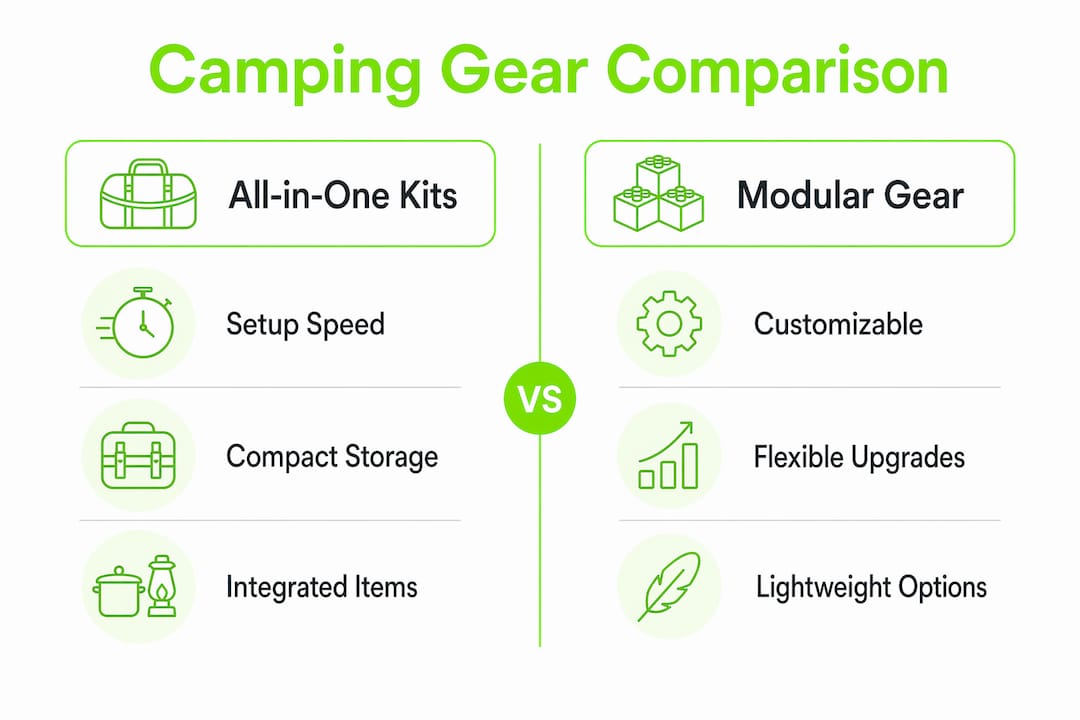
Choosing between integrated and modular gear reflects a core trade-off: time savings versus flexibility. All-in-one kits suit weekend warriors and car campers best, while full-time van lifers and serious long-distance hikers generally prefer modular systems they can upgrade piece by piece.
The table below breaks down the practical differences:
| Feature | All-in-one kits | Modular systems |
|---|---|---|
| Setup speed | Very fast, pre-configured | Slower, requires assembly |
| Portability | Bulkier, heavier | Customizable weight |
| Upgrade flexibility | Limited by proprietary design | Swap individual components |
| Compatibility risk | Pre-validated, no guesswork | Requires research |
| Best use case | Car camping, weekend trips | Van life, overlanding, backpacking |
| Cost entry point | Higher upfront | Lower initial, higher over time |
Integrated power systems often use proprietary connectors, which limits repair and upgrade options down the road. That’s a real drawback if your camping style evolves or if a single component fails and the whole system needs replacing. Modular setups let you swap a dead battery without touching anything else.
All-in-one camping gear is generally not suited for ultralight backpacking due to weight and bulk. A fully loaded camp kitchen kit or integrated sleep system adds significant mass. If you’re covering serious miles on foot, a modular approach with ultralight individual pieces wins every time.
The sweet spot for all-in-one solutions is the casual camper who goes out a handful of times per year, drives to the site, and wants to spend more time enjoying the outdoors than managing gear. For that profile, the convenience is worth every ounce.
Price is where campers often hesitate, and the hesitation is understandable. Integrated power systems cost roughly 20–40% more than building a comparable system from individual components. In real numbers, that can mean paying £2,500–£3,000 for an all-in-one campervan power kit versus £1,500–£2,200 for equivalent separate parts.
The honest counterargument is cost-per-use logic. A $300 camp kitchen kit that you use 15 weekends a year costs $20 per trip. A $180 collection of individual pieces that you forget to bring half the time, or that turns out to be incompatible, costs more in frustration than the price difference suggests.
Buying gear separately carries hidden costs that rarely show up in the initial price comparison. Time spent researching compatibility, sourcing from multiple retailers, and repacking before every trip adds up. For campers who value their weekends, that time has real value.
The all-in-one camping advantages become clearest when you think about what you’re actually buying:
Pro Tip: When comparing prices, add an honest estimate of your time to the modular option. If sourcing and testing individual pieces takes four hours, and your time is worth $30 an hour, that’s $120 in hidden cost before you’ve bought a single item.
The right kit depends entirely on your trip type, not on what looks impressive in a product photo. Start by identifying which category of gear creates the most friction in your current setup.
Identify your biggest pain point. If cooking setup takes forever, a camp kitchen kit solves the most immediate problem. If you wake up stiff and cold, an integrated sleep system with a built-in mattress rated to the right temperature range (look for comfort ratings around -5°C for three-season use) fixes that first.
Match the kit to your camping style. Car campers and family campers can handle heavier, bulkier kits because weight is not a constraint. Overlanders need weatherproofed, vehicle-mounted solutions. Ultralight backpackers should skip all-in-one kits entirely and build a modular system instead.
Check for built-in water and power features. Kits with integrated water systems and USB charging ports add genuine daily comfort. These features matter most on trips of three or more nights, where the cumulative time savings become obvious.
Verify weatherproofing ratings. A kitchen kit or power system that can’t handle rain is a liability. Look for IP-rated enclosures on electronics and water-resistant storage on kitchen kits.
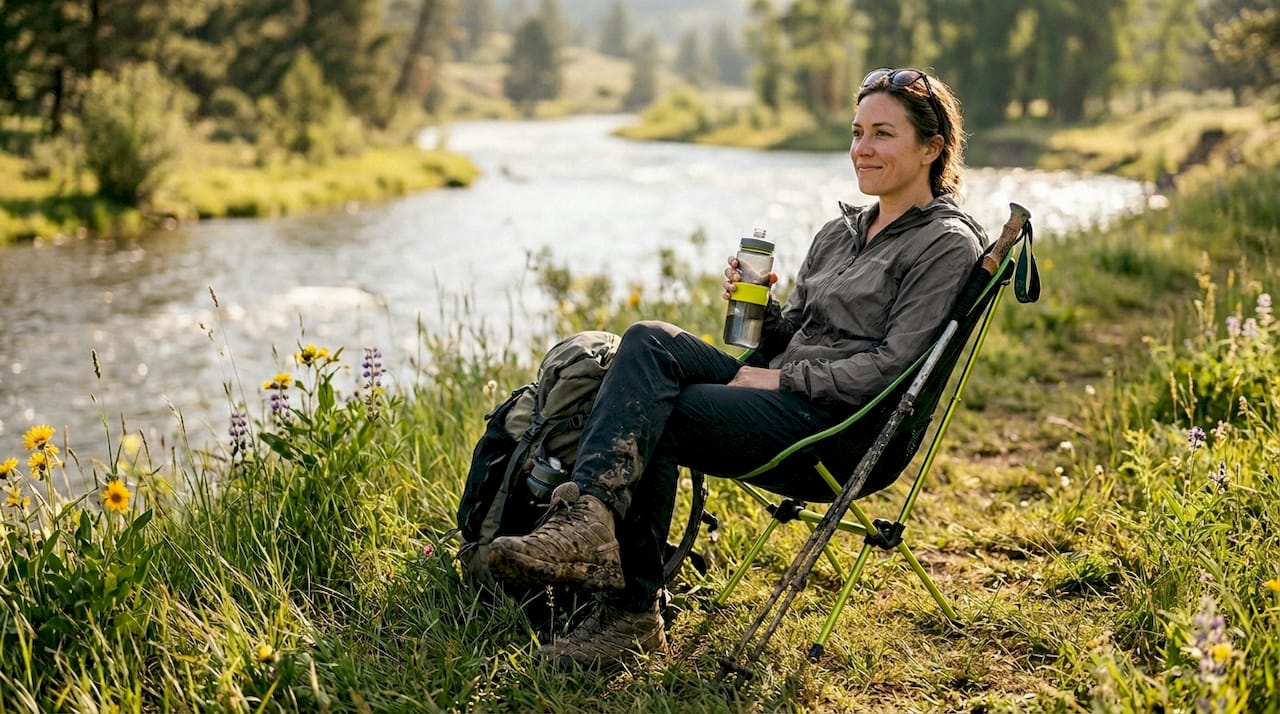
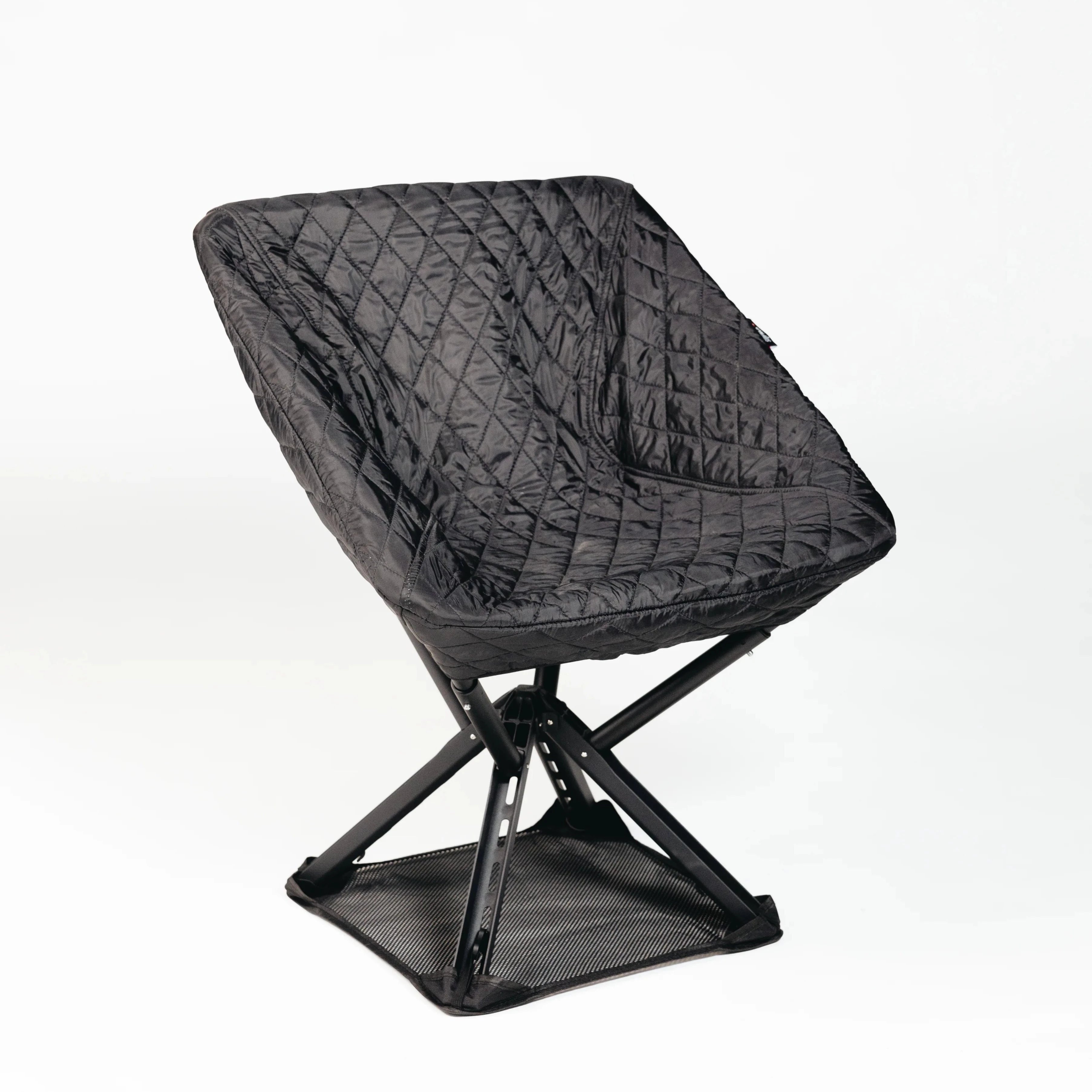
Think about the full camping gear kit picture. Seating, shelter, and comfort accessories like thermal blankets and seat warmers round out the experience. A great kitchen kit paired with a miserable folding chair still makes for a frustrating trip.
For a practical starting point on packing efficiently, the 2026 gear guide covers how casual outdoor enthusiasts can organize their kit for quick deployment without sacrificing comfort.
All-in-one camping solutions deliver the clearest value for car campers and weekend outdoor enthusiasts who prioritize fast setup, consistent organization, and a stress-free experience over maximum gear flexibility.
| Point | Details |
|---|---|
| Setup speed is the core benefit | Integrated kits enable cooking and camp setup in under 30 seconds vs. multi-step loose gear. |
| Organization prevents forgotten gear | Pre-packed compartments eliminate the risk of missing stove adapters, utensils, or fuel. |
| Cost premium is real but justified | All-in-one systems cost 20–40% more upfront, but hidden costs of modular sourcing close the gap. |
| Modular gear suits long-term users | Full-time van lifers and ultralight backpackers benefit more from upgradeable modular systems. |
| Match kit type to trip type | Sleep systems, kitchen kits, and power systems each solve different problems for different campers. |
I’ll be honest: I spent years being a gear snob about modular setups. I liked the idea of handpicking every piece, researching the best stove, the lightest sleeping pad, the most efficient fuel system. And then I started actually tracking how much time I spent doing that versus how much time I spent outside.
The math was embarrassing. I was spending more time optimizing my gear than using it. The first time I used a fully integrated camp kitchen kit, I had dinner on the table in under ten minutes after arriving at the site. No hunting for the pot lid, no realizing the spatula was in a different bag, no improvising with a stick because I forgot the tongs. Voila.
The real shift is psychological. When your gear is sorted before you leave, your brain switches into “trip mode” the moment you park. You’re not managing logistics at the campsite. You’re actually there. That mental freedom is worth more than any marginal weight saving or upgrade flexibility that I, as a weekend camper, was never going to use anyway.
My honest take: match your gear to your actual camping life, not to the camping life you imagine having. If you go out six weekends a year and drive to every site, an all-in-one solution will make every one of those trips better. Save the modular obsession for when you’re hiking the Pacific Crest Trail.
— Jonas
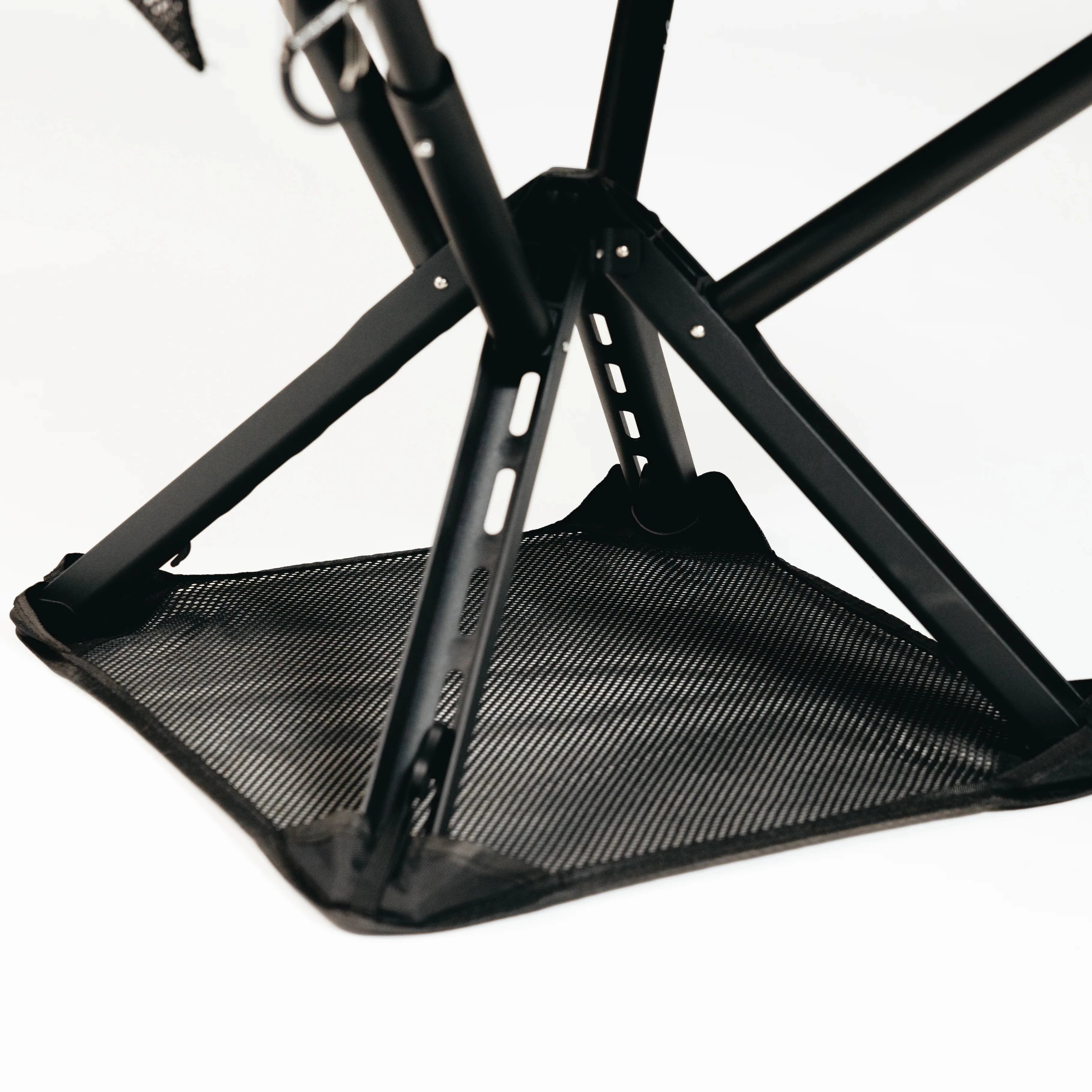
Gear that works together from the start makes every trip easier. Sitpack designs portable seating and camping accessories with exactly that philosophy in mind, building products like the Campster II and Sitpack Zen to complement a complete outdoor setup rather than complicate it.
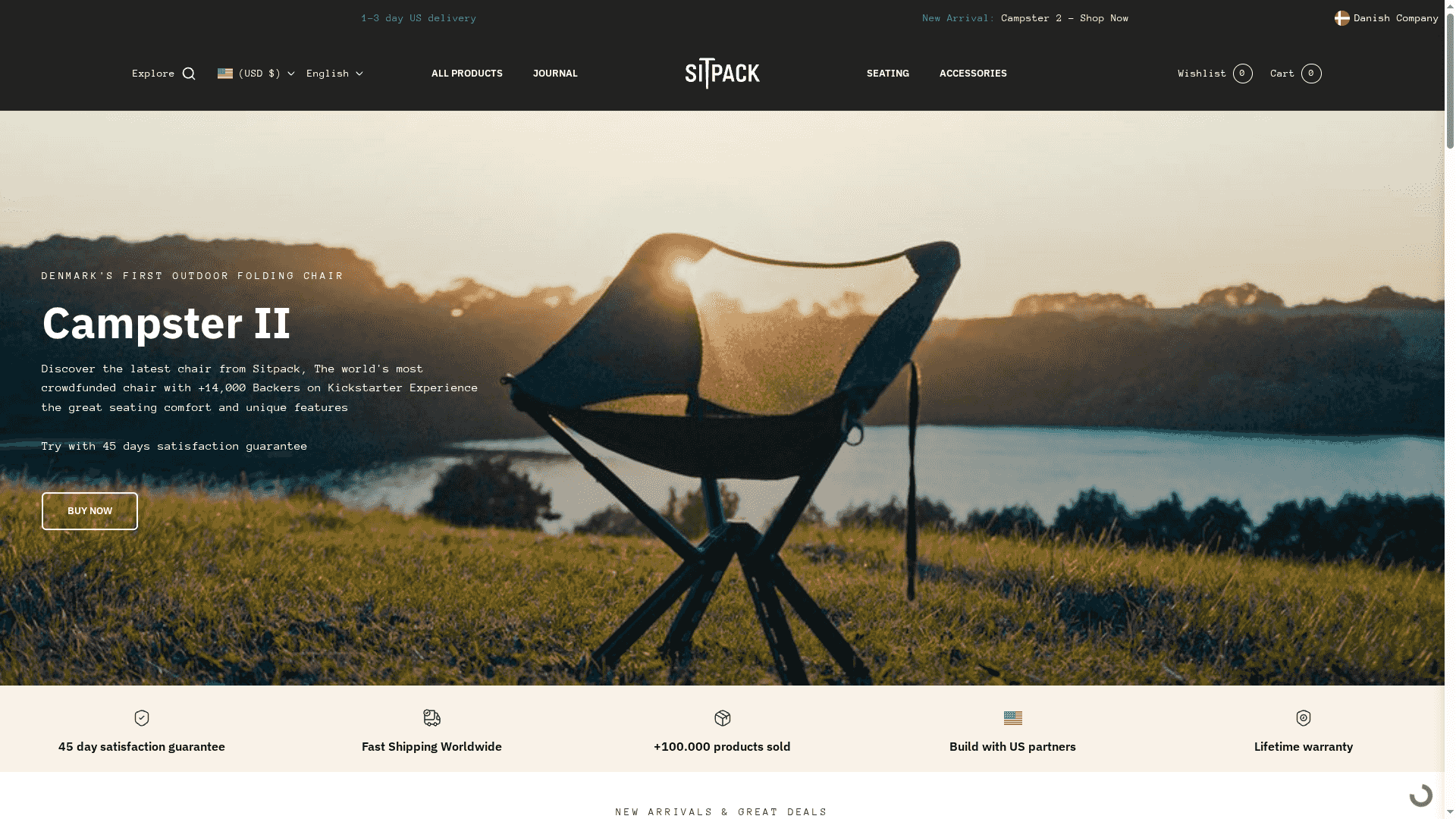
Whether you’re putting together your first integrated camping kit or rounding out an existing setup, Sitpack’s range of portable camping chairs and accessories fits naturally into any all-in-one approach. Lightweight, durable, and backed by a lifetime warranty, Sitpack products are built for campers who want to spend less time fussing with gear and more time enjoying the view. Fast worldwide delivery and a 45-day satisfaction guarantee mean you can try the setup risk-free.
An all-in-one camping solution is a pre-packaged kit that combines multiple essential camping items into a single, ready-to-use system. Common examples include camp kitchen kits with built-in water systems, integrated sleep systems, and pre-wired power stations.
Integrated camp kitchen kits can have cooking started in under 30 seconds, compared to the multi-step process of unpacking and assembling loose gear. The time saving compounds over a full trip, especially for campers who set up and break down multiple times.
All-in-one power systems and kitchen kits typically cost 20–40% more than equivalent modular builds, but they eliminate hidden costs like compatibility research, sourcing time, and forgotten gear. For weekend campers, the convenience usually justifies the premium.
Ultralight backpackers and full-time van lifers are better served by modular systems. All-in-one kits are heavier and bulkier, and their proprietary designs limit upgrade options for campers whose needs change over time.
Look for built-in water systems, IP-rated weatherproofing on electronics, pre-validated component compatibility, and a single warranty covering the full kit. Temperature comfort ratings matter most for sleep systems, especially for three-season camping.