Vogn
0
Tilmeld dig og få 10% i rabat på din ordre
Forventet levering
1-3 dage
Du vil måske også kunne lide


Dansk Firma

TL;DR:
- Outdoor seating is trending in 2025 due to strong consumer preferences for open-air environments, especially among Gen Z. Investment in weather protection and innovative designs extends outdoor usability, boosting restaurant revenue and social engagement. The trend reflects urban lifestyle shifts that favor comfort, sustainability, and multifunctional outdoor spaces.
Outdoor seating is the leading trend in 2025 for creating comfortable, engaging social spaces in both commercial and residential settings. The shift goes far beyond restaurants adding a few sidewalk tables. Consumer behavior, design innovation, and real economic returns have combined to make open-air seating a cultural staple rather than a seasonal afterthought. Whether you’re a café owner eyeing a patio expansion or an outdoor enthusiast who just wants a great spot to park yourself in the fresh air, understanding why outdoor seating is trending in 2025 tells you a lot about where lifestyle design is headed.
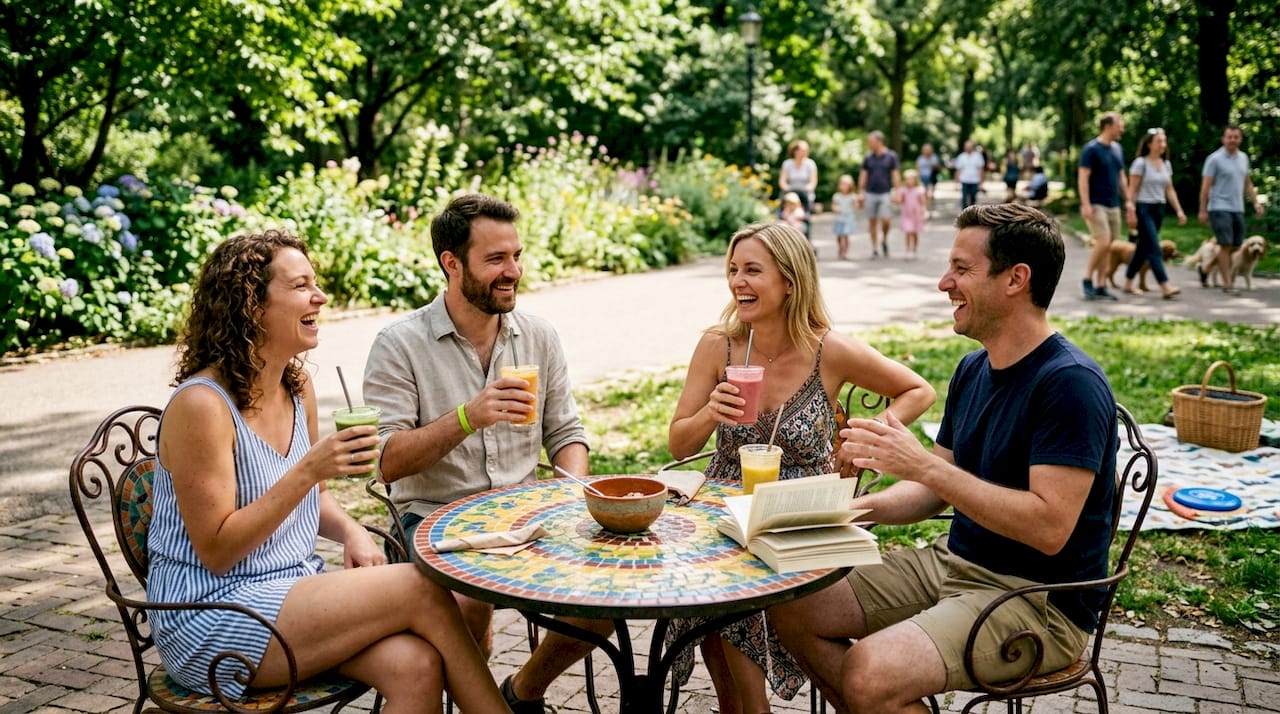
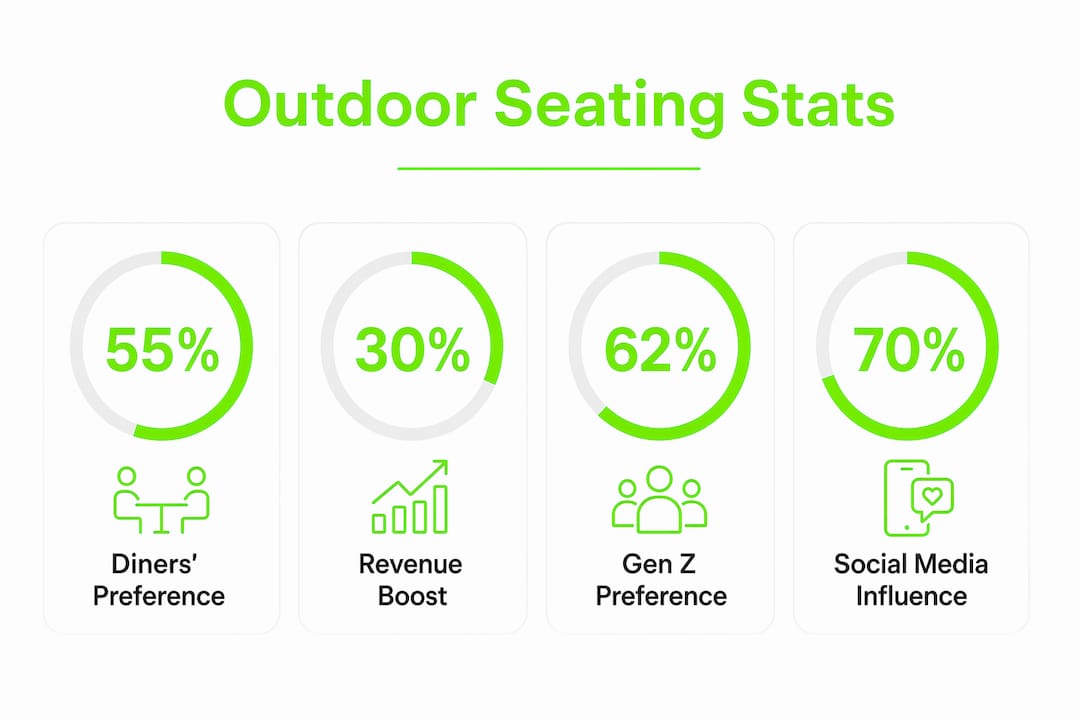
Consumer preference is the clearest driver. 55% of diners prefer outdoor seating in pleasant weather, and nearly 70% will wait longer for an outdoor table than an indoor one. That patience signals genuine desire, not just convenience.
Gen Z is pushing the trend hardest. 62% of Gen Z diners prefer rooftop bars, and 90% favor communal outdoor dining over private indoor tables. That’s a generational shift in how people define a good time out.
The psychology behind it is straightforward. Fresh air triggers a sense of escape. Even a 30-minute lunch on a patio feels like a genuine break from routine in a way that eating indoors rarely does. Designers and restaurateurs now call this the “mini-escape” effect, and they’re building entire concepts around it.
Social media accelerates everything. 75% of Gen Z discovers dining options through social media, and 70% of diners choose restaurants based on Instagram-worthy aesthetics. A well-designed outdoor patio is free marketing every time a guest posts a photo. That visibility loop keeps outdoor spaces at the center of hospitality strategy.
The key consumer behaviors fueling this trend include:
The financial case for outdoor seating is hard to argue with. Outdoor seating can increase revenue capacity by 25–50% without touching the indoor structure. That’s a significant return for what is often a relatively modest capital outlay.
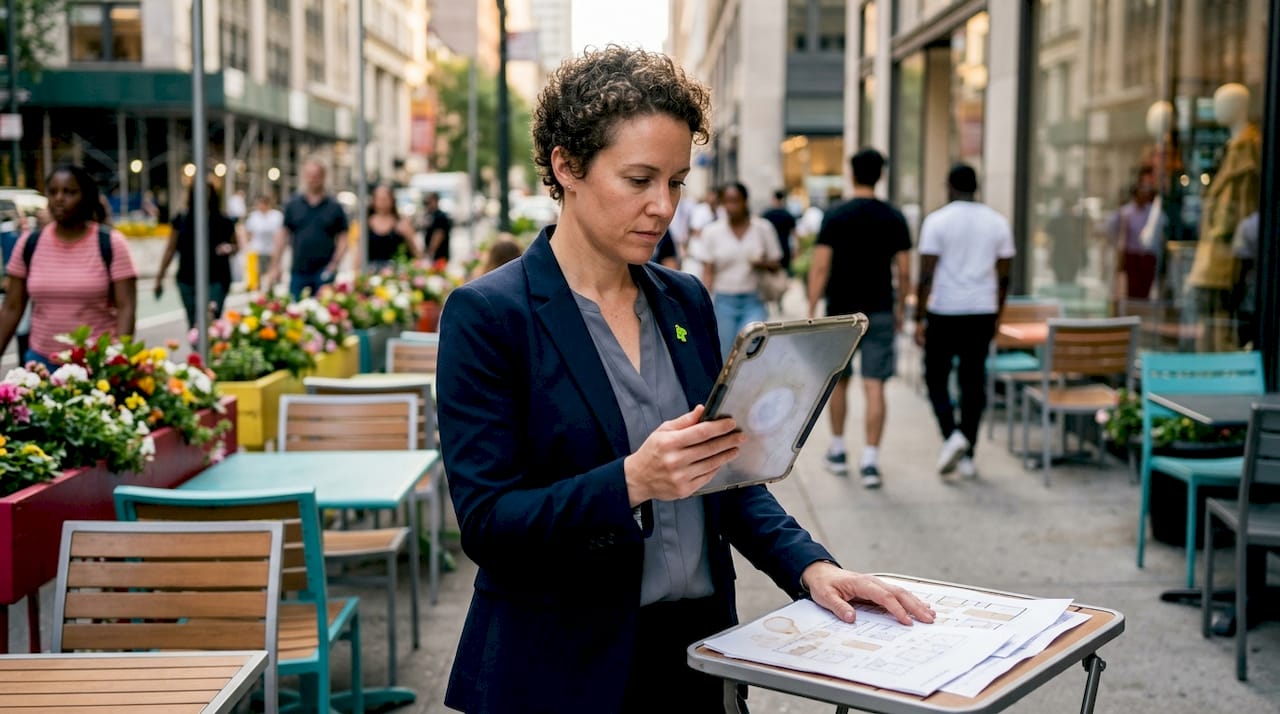
The numbers get more specific from there. A $200,000 outdoor dining investment can generate approximately $500,000 in additional annual sales. That’s a 2.5x return, which beats most interior renovation projects by a wide margin.
A busy patio also functions as passive advertising. Pedestrians see a full, lively terrace and read it as social proof. The place must be good if it’s packed. That visual cue pulls in walk-in customers who weren’t even planning to stop. No ad spend required.
Customer dwell time increases outdoors as well. People linger longer when they feel comfortable and relaxed, which translates directly to higher per-table revenue through additional drinks and desserts. Sound management plays a role here too. Excessive noise reduces guest stay time and tips, so smart operators invest in acoustic buffers alongside the furniture itself.
Pro Tip: Invest in commercial-grade, weather-resistant furniture from the start. Residential-grade pieces wear out faster outdoors, and replacement costs quickly erode the revenue gains you worked to build.
Outdoor dining can boost revenue by roughly 30% when managed as a core attraction rather than a backup option. The businesses winning with outdoor spaces treat the patio like a second dining room, not an overflow zone.
Seasonal limitations used to cap the value of outdoor seating. That constraint is disappearing fast. Well-planned weather protection extends usability from roughly 50% to 80–90% of the year. Pergolas, retractable awnings, radiant heaters, and windbreaks are now standard tools in any serious outdoor seating setup.
The furniture itself has changed dramatically. Modern outdoor seating is no longer a weatherproofed copy of indoor furniture. Designers now treat it as an extension of the living room, with tiltable backrests, modular configurations, and technology-integrated features that let users personalize their comfort on the fly. You can explore the full scope of these shifts in outdoor seating innovations 2025 to see how far the category has come.
Sustainability is now a design criterion, not a marketing add-on. Regenerative outdoor furniture can reduce carbon emissions by up to 62% while supporting local biodiversity. Concepts like the PhytoSymbiosis Seat treat outdoor furniture as ecological infrastructure, not just a place to sit. That framing is gaining traction among urban planners and forward-thinking hospitality brands alike.
Key design features driving the 2025 outdoor seating boom:
Pro Tip: When planning an outdoor seating area, prioritize flow and sound before you finalize furniture placement. A beautiful patio that feels chaotic or loud will underperform a simpler setup that gets the acoustics right.
For anyone building a personal outdoor kit rather than a commercial patio, portable seating trends 2025 covers the lightweight options worth considering.
Urban density is reshaping how people relate to outdoor space. In cities where apartments are small and streets are crowded, a well-designed outdoor seating area becomes genuinely precious. In Shanghai, outdoor seating areas exceed 90% occupancy during peak times, with consumers aged 20–35 ranking open-air seating as their top preference even when weather is imperfect. That data point reflects a cultural attitude, not just a dining preference.
The lifestyle framing of outdoor dining has shifted too. Eating outside is no longer just a warm-weather convenience. It’s a wellness statement. People associate open-air meals with better health, slower pacing, and more meaningful social connection. Restaurants and cafés that lean into this framing attract a loyal, values-driven customer base.
Hybrid and multifunctional outdoor spaces are gaining ground fast. The most popular outdoor patios in 2025 serve multiple purposes across a single day: morning coffee spot, afternoon coworking area, evening social venue. That flexibility requires thoughtful furniture choices and layout planning. The hybrid outdoor seating concept captures exactly this shift toward spaces that adapt rather than specialize.
Community engagement is another underrated benefit. Public outdoor seating regenerates neighborhoods. It draws foot traffic, supports local businesses, and creates informal gathering points that strengthen social fabric. Cities from Copenhagen to Austin are investing in public outdoor seating as urban infrastructure, not decoration.
The cultural forces compounding this trend:
Outdoor seating is trending in 2025 because it delivers measurable social, economic, and wellness benefits that neither indoor spaces nor digital experiences can replicate.
| Point | Details |
|---|---|
| Consumer demand is strong | 55% of diners prefer outdoor seating in good weather, with Gen Z driving the highest preference rates. |
| Revenue returns are real | A $200,000 outdoor investment can generate roughly $500,000 in additional annual sales. |
| Design extends usability | Weather protection systems push outdoor seating usability from 50% to 80–90% of the year. |
| Urban culture accelerates adoption | Cities like Shanghai see outdoor seating areas exceed 90% occupancy at peak times. |
| Sustainability is now a design standard | Regenerative furniture designs can cut carbon emissions by up to 62% while supporting local ecology. |
The outdoor seating boom is real, but most people misread what’s actually driving it. The common assumption is that it’s all about aesthetics and Instagram. That’s part of it, sure. But the deeper engine is comfort optimization, and most operators and consumers still underinvest there.
I’ve seen beautiful patios that sit half-empty because the chairs are stiff, the sun hits the wrong angle at 2:00 PM, or the street noise makes conversation exhausting. Voilà: a gorgeous space that nobody wants to stay in. The businesses and individuals who get outdoor seating right obsess over how it feels to sit there for 90 minutes, not just how it looks in a photo.
The indoor-outdoor transition matters more than people realize. The best outdoor spaces feel like a natural extension of what’s inside, not a separate experience bolted on. That continuity keeps guests comfortable and willing to stay longer.
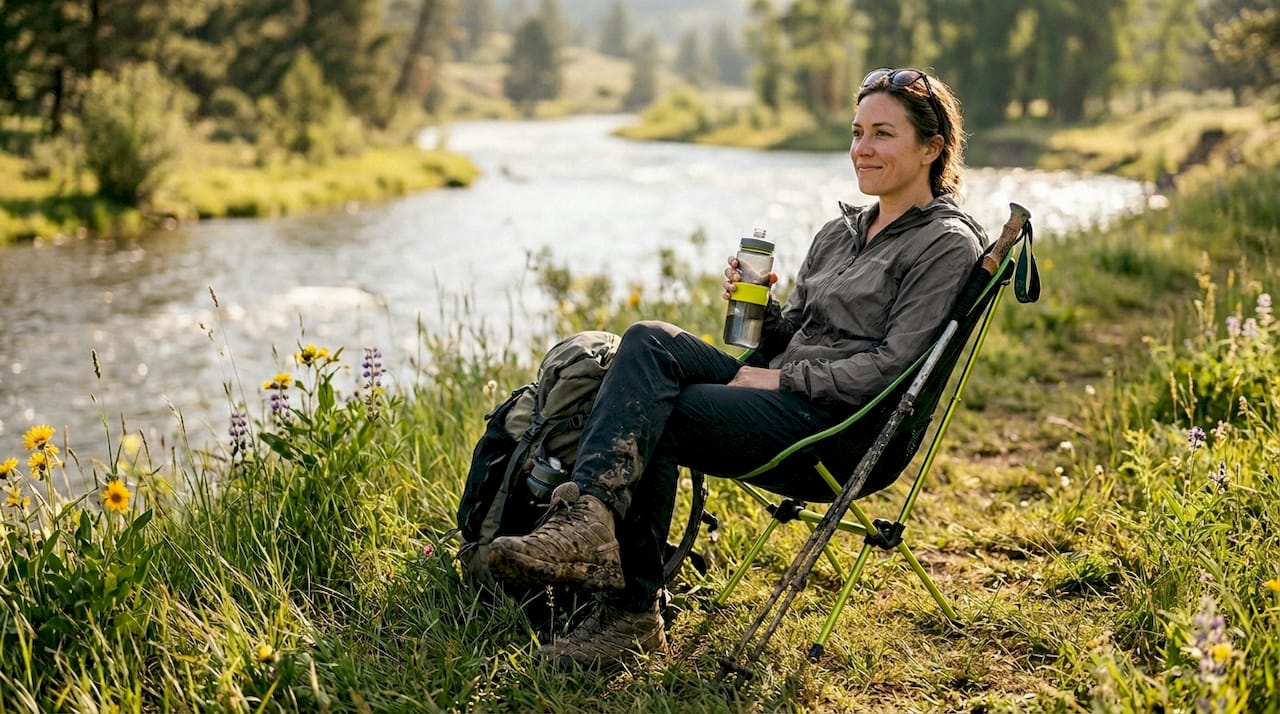
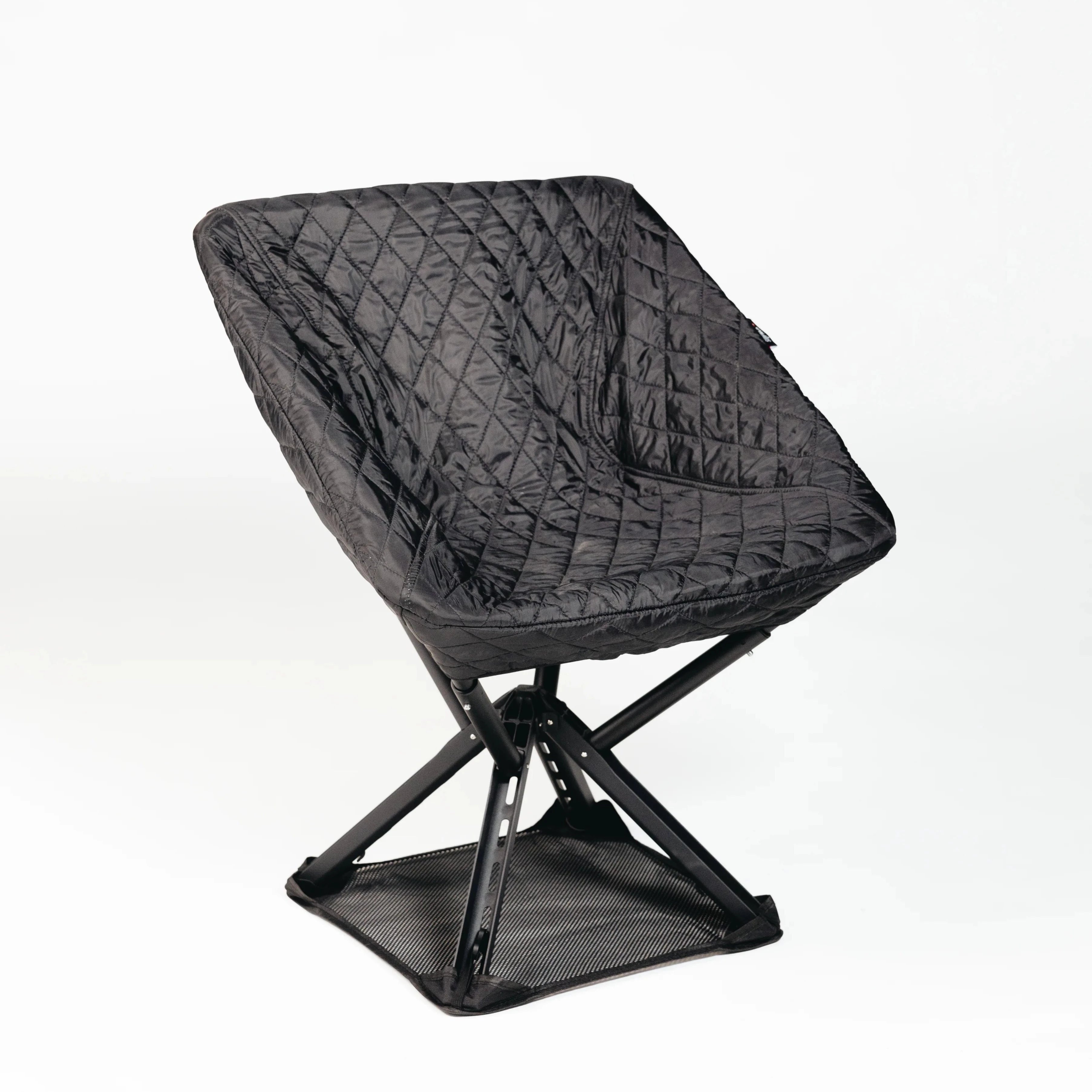
For personal outdoor use, the same principle applies. A portable chair that’s genuinely comfortable and easy to carry changes how often you actually use it. Sitpack’s approach to lightweight, ergonomic design reflects this thinking. The Campster II and Sitpack Zen are built around the idea that you’ll only bring seating with you if it doesn’t feel like a burden to carry.
The future I’m watching is regenerative design in public spaces. When outdoor furniture actively supports local ecosystems rather than just occupying space, it changes the entire value proposition of sitting outside. That’s not a niche idea anymore. It’s where serious designers and urban planners are pointing.
— Jonas
The trends shaping commercial patios and urban public spaces are filtering into personal outdoor gear too. Comfort, portability, and thoughtful design are no longer luxuries reserved for high-end restaurants.
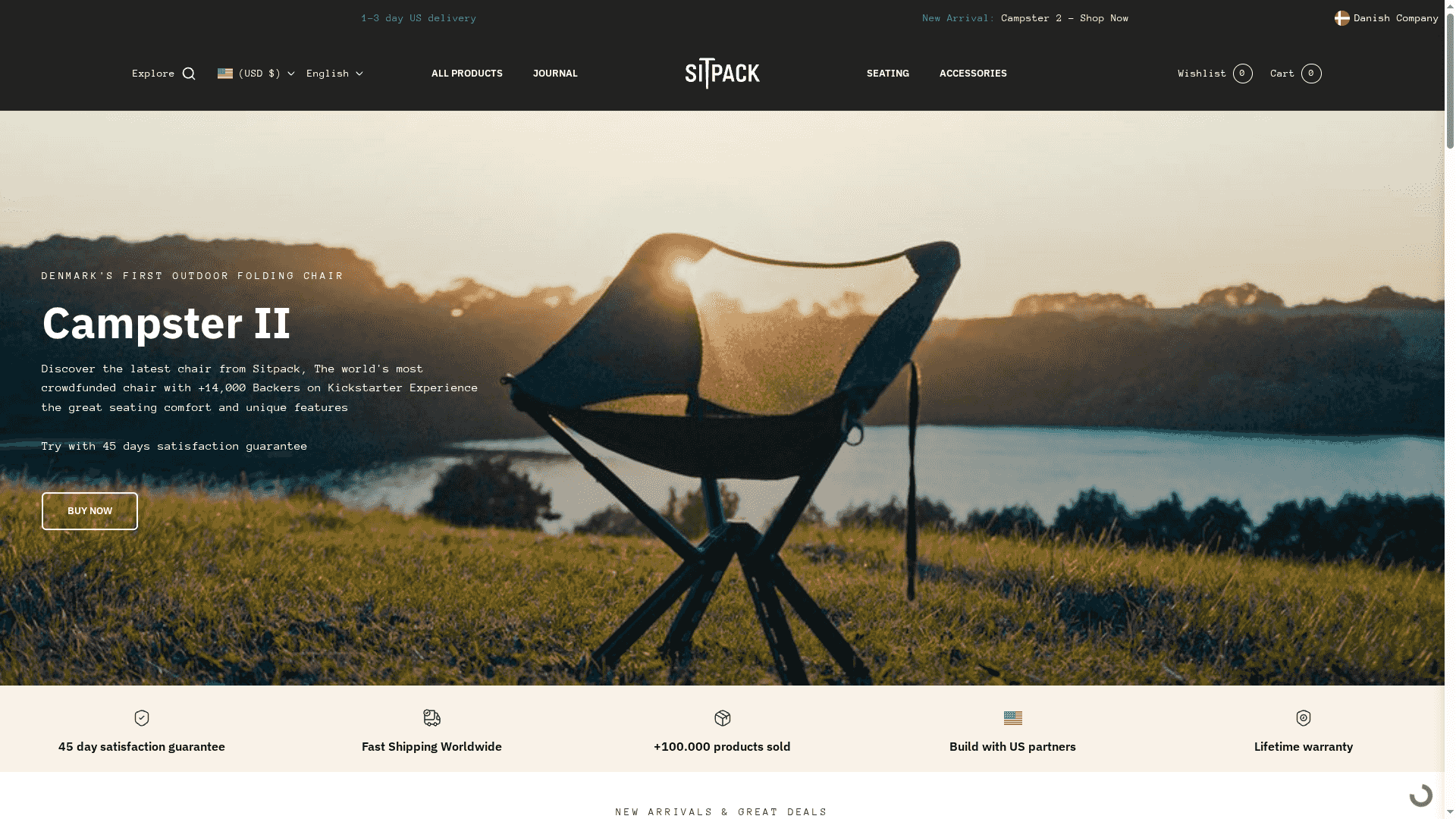
Sitpack builds portable seating around the same principles driving the 2025 outdoor seating wave: lightweight construction, ergonomic comfort, and durability that holds up across seasons. The Campster II and Sitpack Zen are designed for outdoor enthusiasts, travelers, and urban explorers who want a genuinely comfortable seat wherever they end up. Whether you’re at a festival, a trailhead, or a city park, good seating changes the whole experience. Check out the full range of outdoor seating picks to find what fits your lifestyle.
Outdoor seating is trending because consumers, especially Gen Z and millennials, actively prefer open-air environments for dining and socializing. Design innovations and weather protection systems have extended usability year-round, making outdoor spaces viable for businesses and individuals alike.
Yes. Outdoor dining can boost restaurant revenue by roughly 30%, and a well-executed patio investment can generate 2.5 times its cost in additional annual sales. Busy outdoor sections also act as visual social proof, pulling in walk-in customers without additional marketing spend.
Weather protection systems like pergolas and radiant heaters, combined with ergonomic and modular furniture, have dramatically improved outdoor comfort. Prioritizing sound management and traffic flow raises usability from around 50% to 80–90% of the year.
75% of Gen Z discovers dining options through social media, and 70% of diners choose restaurants based on visual aesthetics. A well-designed outdoor space generates organic photo content that functions as free, ongoing marketing.
Regenerative outdoor furniture is designed to support local biodiversity and reduce environmental impact. Some designs can cut carbon emissions by up to 62%, treating outdoor seating as ecological infrastructure rather than just functional décor.