Vogn
0
Tilmeld dig og få 10% i rabat på din ordre
Forventet levering
1-3 dage
Du vil måske også kunne lide


Dansk Firma

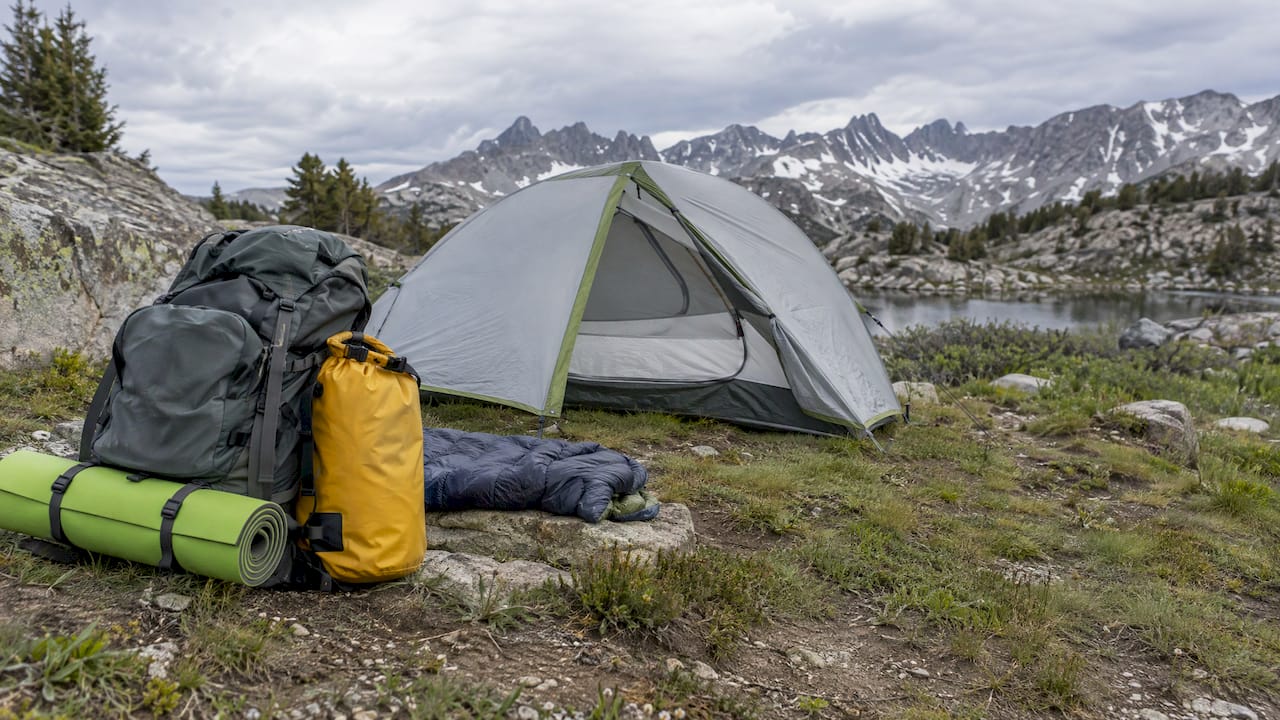
A solid backcountry camping gear list covers seven things: shelter, a sleep system, weather-ready clothing, food and water treatment, bear-safe food storage, navigation and safety gear, and a little camp comfort. Get those right and you can sleep out for one night or five. Below is the full list, organized the way you actually pack, with the reasoning from park agencies and mountain clubs so you know why each item earns its place.
Before any brand or gram count, there is the Ten Essentials. The list was developed by the Seattle-based Mountaineers and has been updated since the 1930s. According to Utah State Search and Rescue, it exists to answer two questions: can you respond to an accident or emergency, and can you safely spend a night or more out?
The systems are:
Notice these are systems, not products. A rain jacket and a puffy can both count as insulation. A bivy sack or a tent can count as emergency shelter. That flexibility is why the list has lasted so long: you can fill each slot with something light.
The backcountry rule of thumb that follows: pack for the worst conditions you could realistically meet, including a night you did not plan. The Colorado Mountain Club’s trekking manual says that in Colorado afternoon storms, wind and sudden cold fronts are the norm all year, and advises planning for staying out overnight.

These four items carry most of your weight and most of your comfort, so spend your thinking time here.
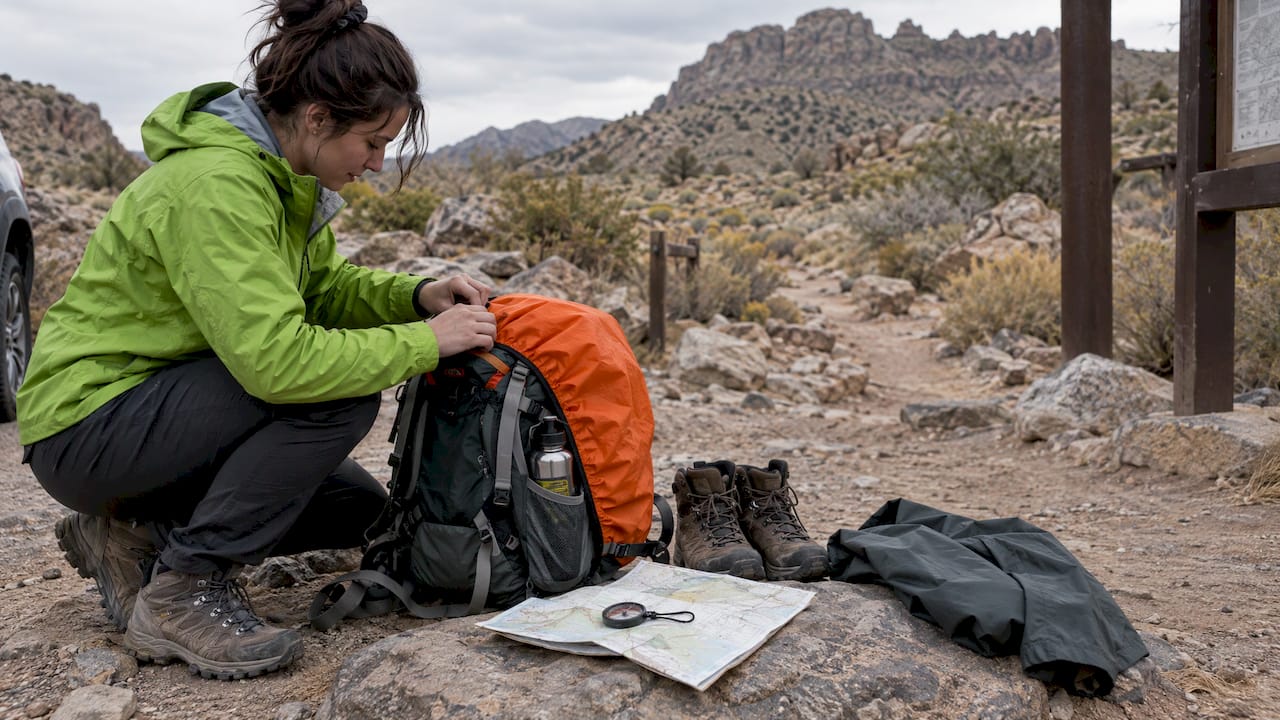
Backpack. For multi-day trips, New Zealand’s Department of Conservation suggests a 40 to 60 liter pack. Add a rain cover or a dry bag liner so your sleeping bag stays dry when the sky opens up.
Shelter. The National Park Service notes that dome tents are popular for backpacking because they give the most interior space for the least material. A tarp or bivy can work too, as long as it handles the bugs and weather where you are headed. Parks Canada’s backcountry lists specify a tent with a waterproof fly and groundsheet, plus a repair kit. If you want a quick, simple shelter for camp itself, our OCTO Quick Tent is built for exactly that kind of fast setup.
Sleeping bag. Pick one rated for the temperatures at your location and time of year. The NPS says it should suit your size and comfort needs, and that two or three blankets can substitute for a bag in car-camping situations. In the backcountry, a proper bag is the weight-efficient choice. DOC recommends a 3 to 4 season bag for multi-day hiking.
Sleeping pad. The NPS describes three types: foam pads are cheap but bulky and not very cushioned, air mattresses are comfier but need inflating, and hybrid foam-and-air pads give you a bit of both. The pad is also your insulation from the cold ground, which matters more than most first-timers expect.
Here is where most overpacking and most under-packing happens at the same time: too many shirts, not enough warmth.
New Zealand’s DOC says cotton jeans, T-shirts and sweatshirts are not suitable for multi-day walking because they will not keep you warm when wet. It recommends one set of clothes to walk in and a dry set to change into at night, in wool or polypropylene.
A practical clothing list drawn from the NPS Rocky Mountain checklist and Parks Canada’s backcountry lists:
Mountains do not care what month it is. Jasper National Park warns that mountain weather is unpredictable and that you should be prepared for winter conditions at any time of year.
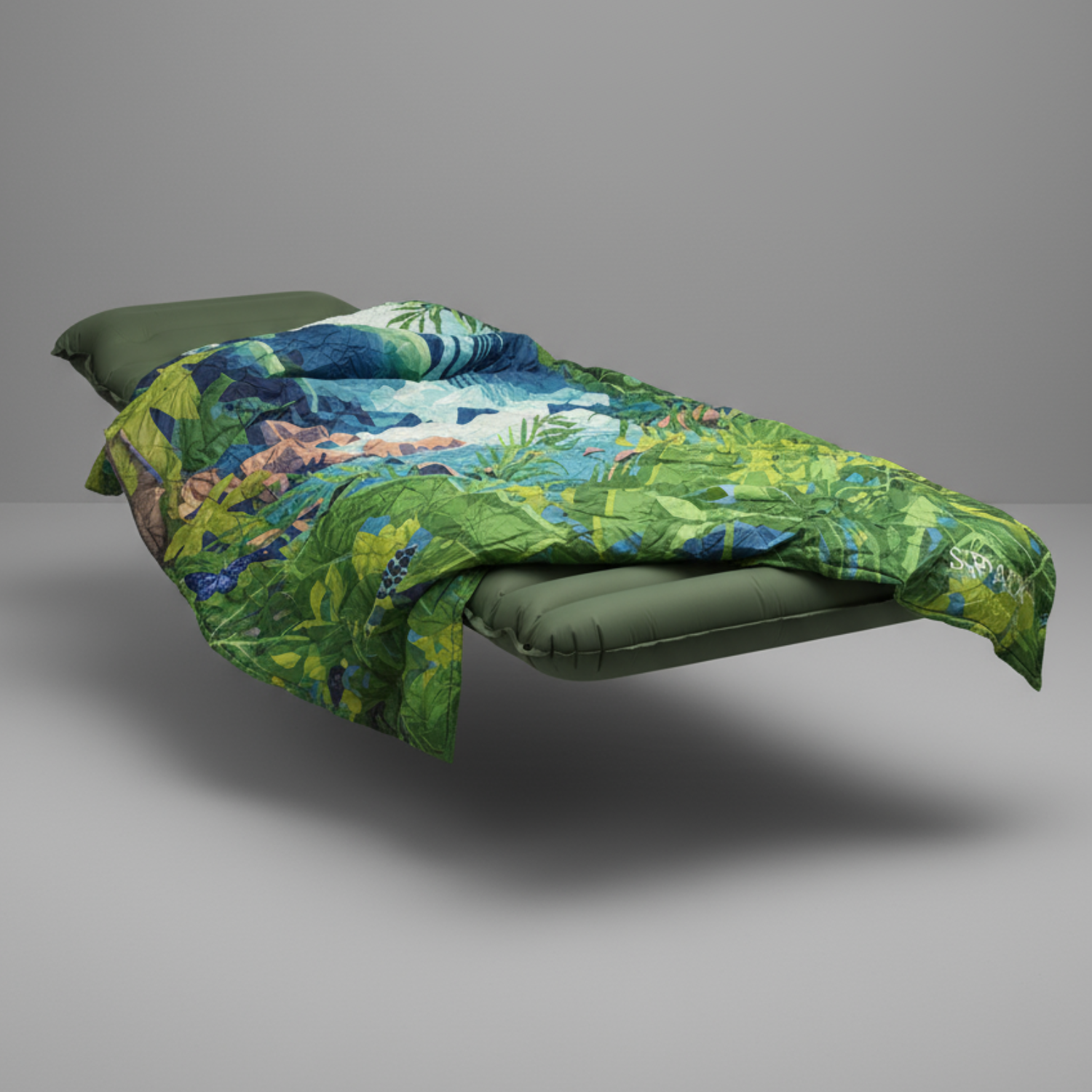
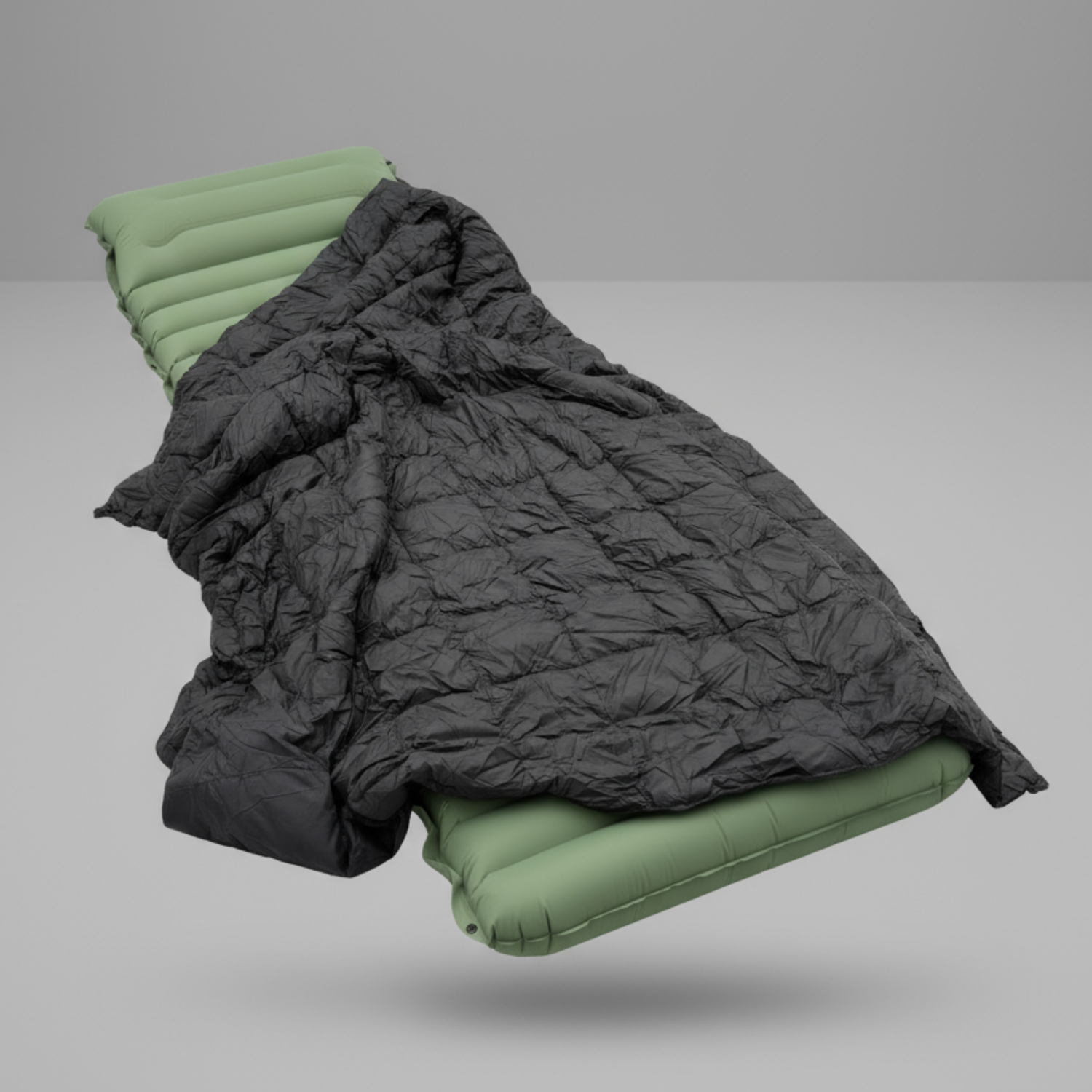
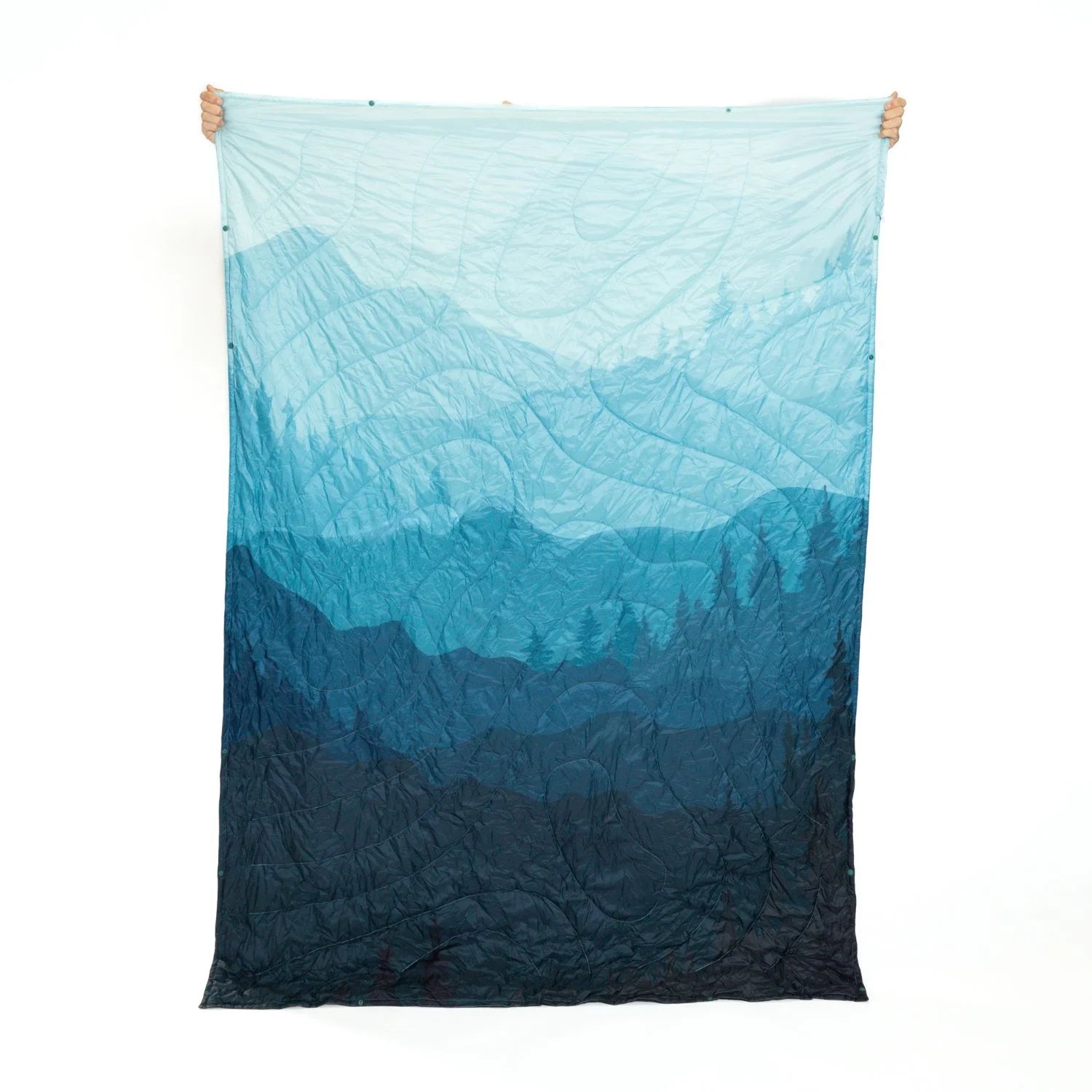
One warm piece we love for evenings is a packable down blanket. Our Airwrap puffy adventure blanket is designed to wrap around you at camp, which makes it a handy extra insulation layer when you stop moving and the temperature drops.
This is the category where you can quietly sabotage a trip. Pack too little and you are miserable by day three. Pack too much and your shoulders let you know.
Food. Bring a meal plan for every day, plus extra. Both the NPS Rocky Mountain list and Parks Canada’s checklists call for an extra day’s worth of food as an emergency reserve. Calorie-dense, easy-to-cook foods are the standard backpacker’s answer.
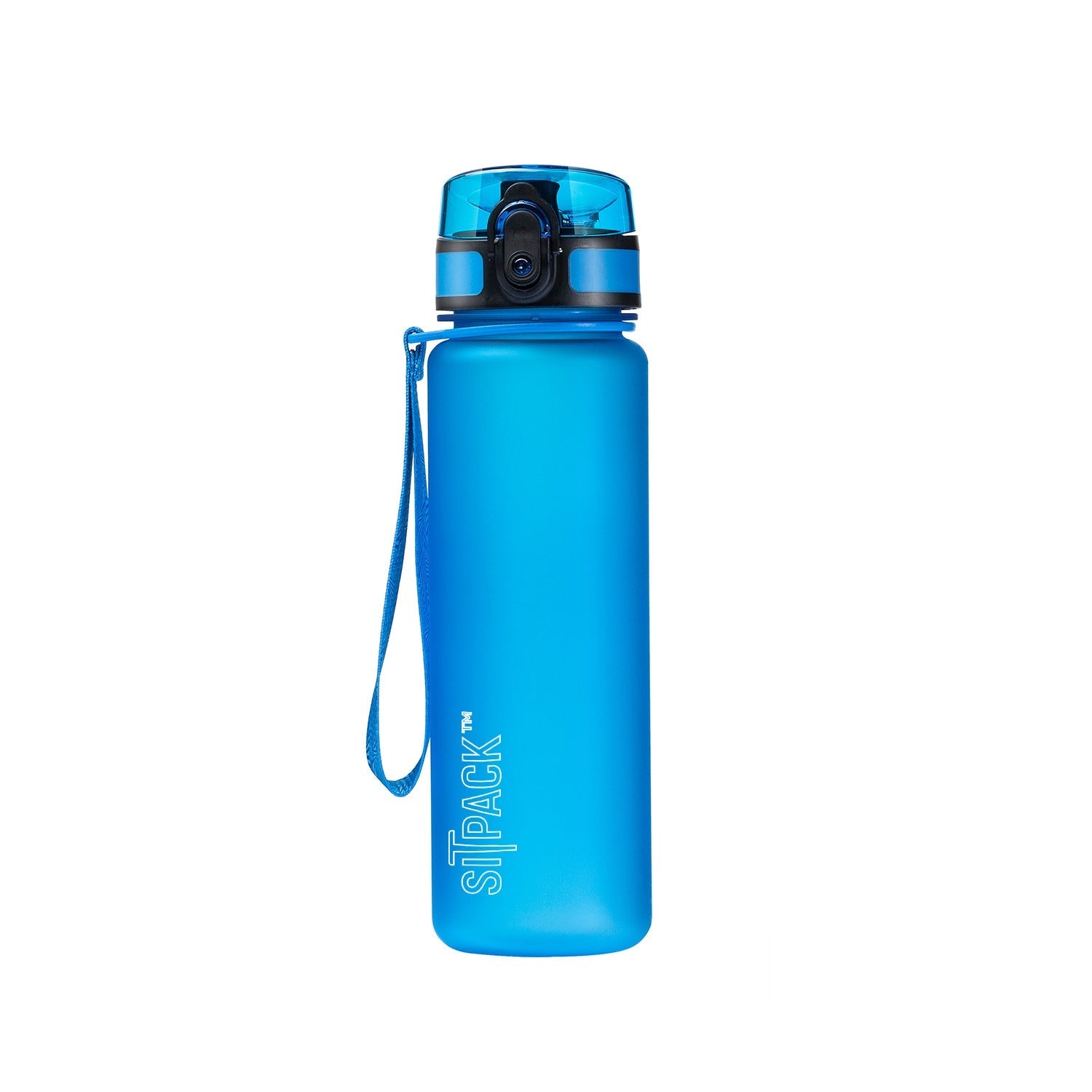
Water. Carry bottles or a bladder, and a treatment method: a filter or tablets. The BLM’s essential gear list includes both hydration and water treatment as separate items, and a backup treatment method is smart. How much to carry depends on where you are. In Big Bend’s desert Chisos Mountains, the park’s guide recommends at least a gallon (4 L) per person per day in summer. In a creek-rich forest, you will carry far less between sources.
Kitchen. The Rocky Mountain checklist lists a stove and fuel, a lighter or waterproof matches, cooking pots, a cup or bowl, a spoon, and biodegradable soap. Check stove rules too. Yoho National Park notes that campfires are not permitted in its backcountry, and Big Bend’s backcountry guide says users must use gas or propane backpacking stoves.
If your route is in bear country, this one is not optional. Grand Teton National Park requires backpackers to carry approved bear-resistant storage (Interagency Grizzly Bear Committee approved containers) unless food storage boxes are provided. Hanging food inside park boundaries is strictly prohibited there. All food, garbage, toiletries and odorous items go in the canister whenever they are not in immediate use, day and night.

The NPS Rocky Mountain checklist asks for a hard-sided, lockable, commercially produced canister for all food, trash and scented items. Parks Canada lists bear spray alongside bear-proof storage for Jasper and Yoho.
That “scented items” line matters more than people realize. It covers toothpaste, lip balm and sunscreen, and it covers pet food if a four-legged friend comes along. If you are bringing your dog camping, plan their food storage with the same rules as yours, and check whether your destination allows dogs in the backcountry at all.
Regulations differ by park and by season, so read the backcountry page of the specific park or forest before you pack.
This is the gear you hope to carry for nothing.
Leave a trip plan with someone reliable. Yoho’s backcountry page lists it among essentials, and it is the cheapest piece of safety gear there is.
Pack a trowel, toilet paper and a sealable bag. Human waste should be buried properly, and used paper should be carried out. Big Bend’s guide specifies burying waste at least 6 inches (15 cm) deep and packing out toilet paper. Shenandoah’s brochure tells campers to follow the seven Leave No Trace principles and also sets local rules: no more than two consecutive nights in one spot and a maximum group size of 10. That is a good reminder that every area has its own limits.
Add a garbage bag, hand sanitizer, toothbrush and toothpaste, and any personal toiletries.
The essentials get you through the trip. Comfort is what makes you plan the next one.
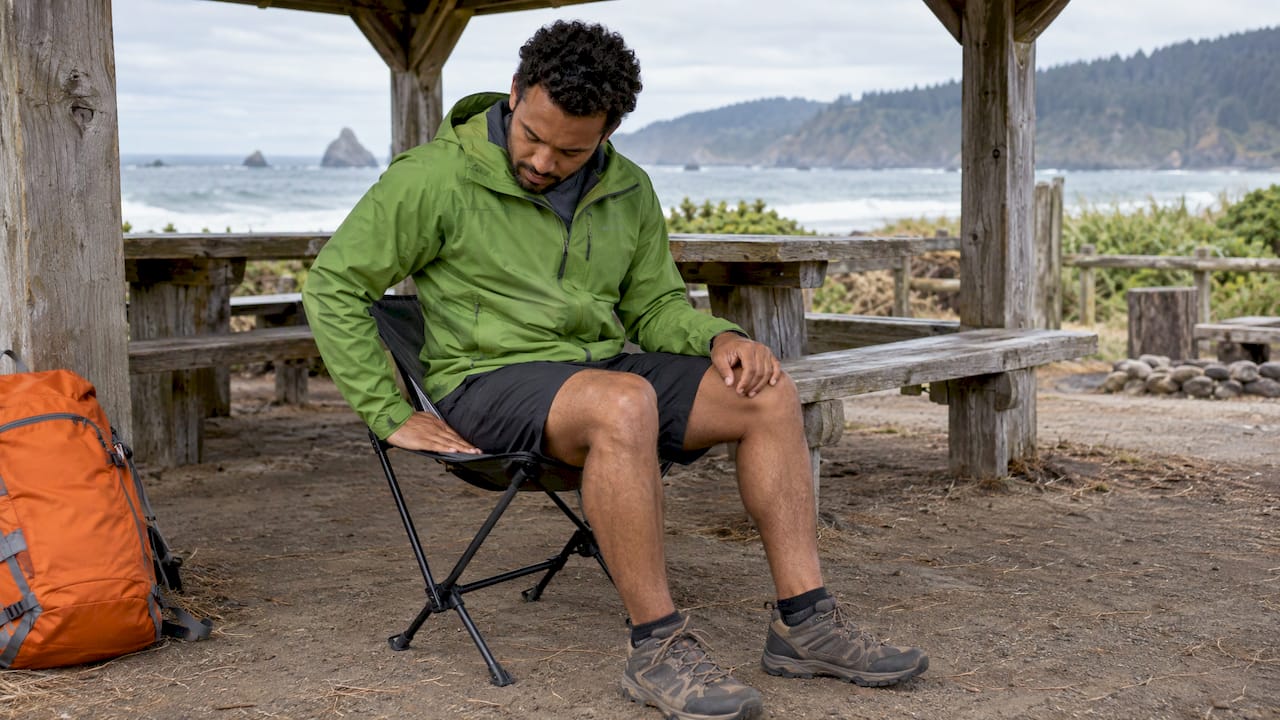
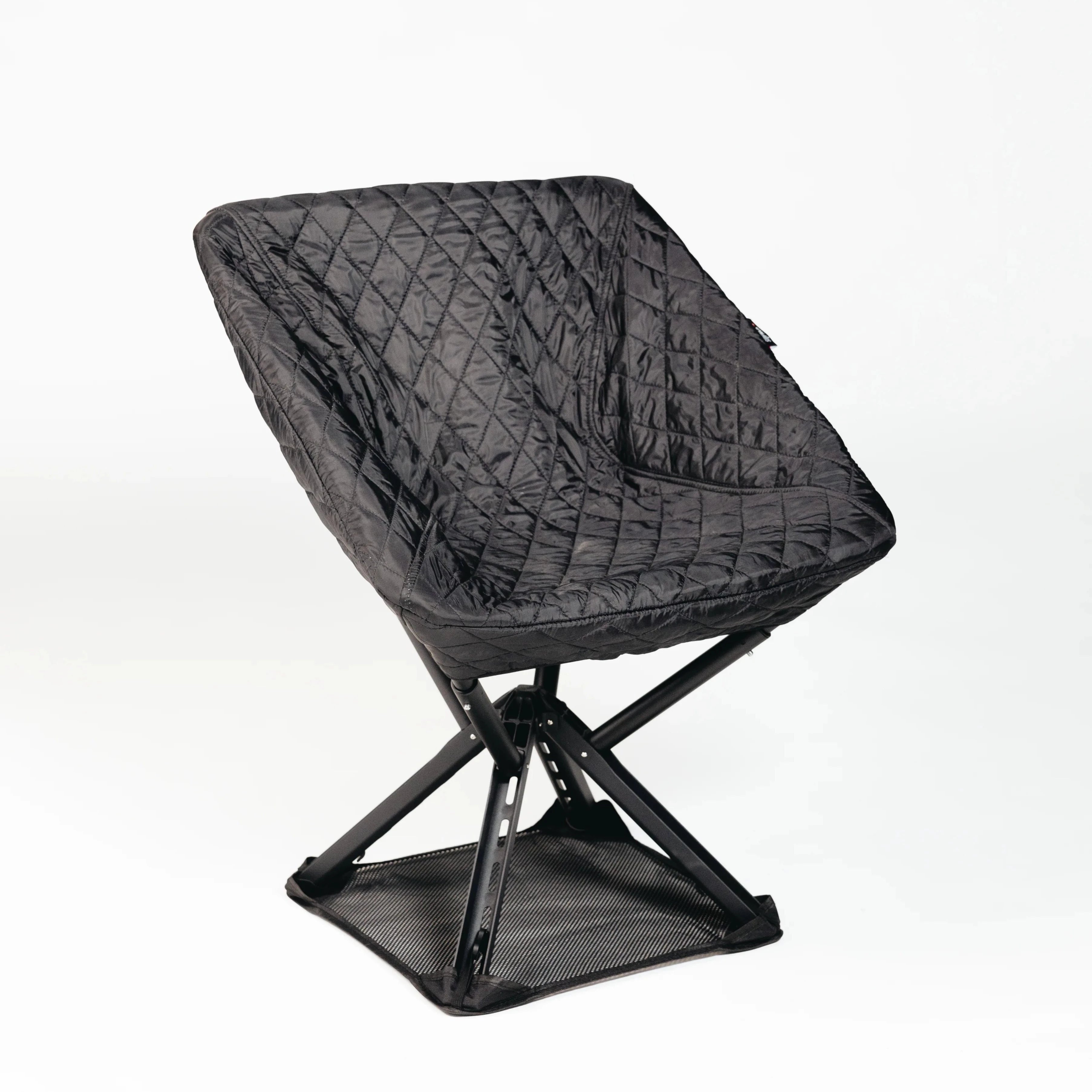
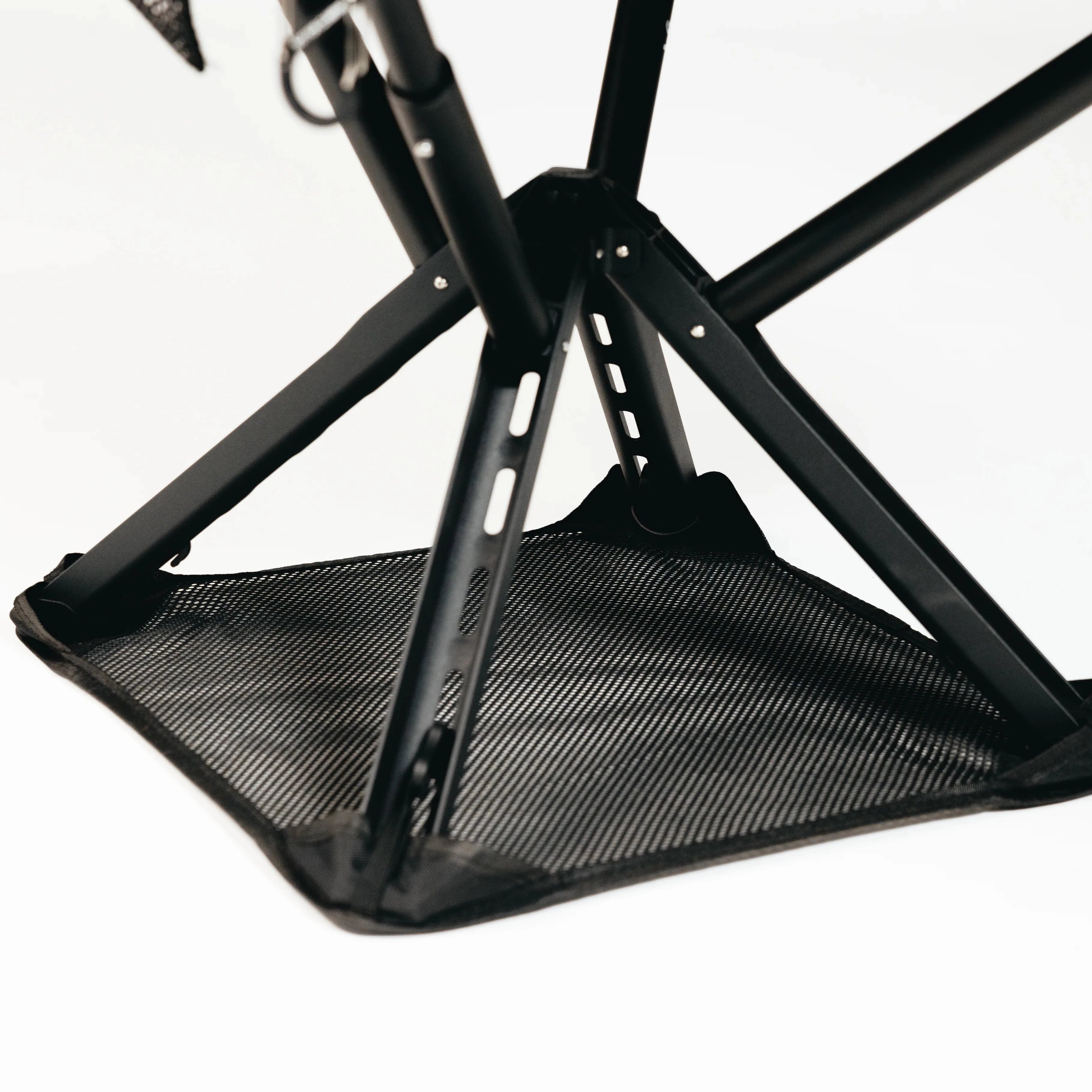
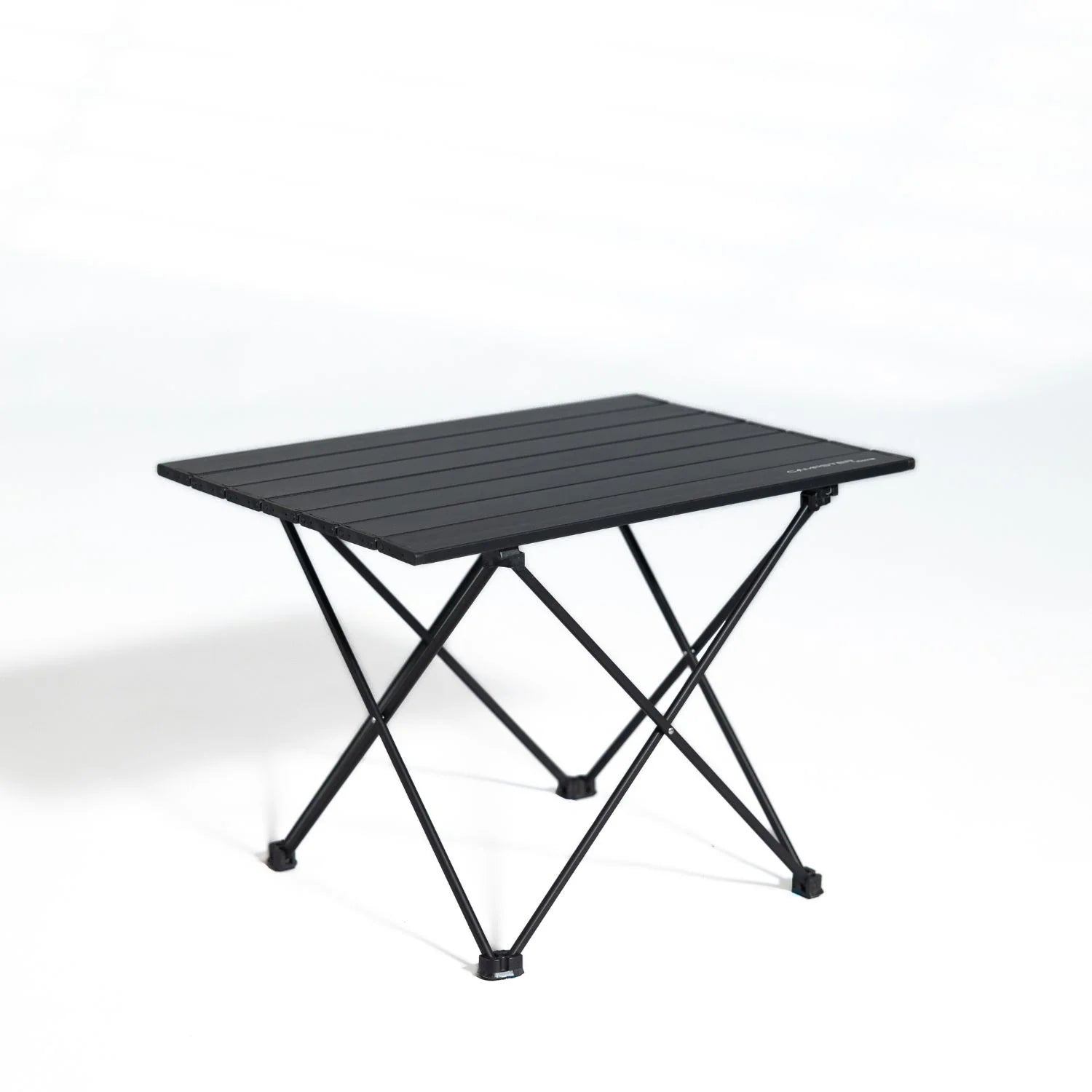
After a long day of walking, the first thing most people want is to sit down somewhere that is not a wet log or a rock. A lightweight folding seat turns camp into a place you actually want to be: dinner, journaling, stargazing, waiting for the water to boil. That is the idea behind our Campster II, a portable, foldable chair designed to be light and minimalistic.
A few other small comfort items worth a spot if your base weight allows:
We have gone deeper on this in our ultimate camping gear checklist for comfortable adventures.
We have spent a lot of evenings staring at gear piles on the living room floor, and the pattern is always the same. People obsess over the tent and the stove, then forget that the best part of backcountry camping is the two hours between dinner and sleep.
That is why we design our products around that moment. The Campster II gives you a proper seat without pretending to be a full camp chair. The OCTO Camp Light and the Airwrap puffy blanket do the same job for light and warmth. They are built to be lightweight, minimalistic and durable, and they come with a 45-day satisfaction guarantee, with a lifetime warranty on select items.
Our advice: lock down your essentials first, then add one or two comfort pieces on purpose. A pack that is slightly heavier but lets you actually enjoy camp beats a pack that is lean and a trip that feels like a chore.
Jonas
Every weight-saving article eventually says the same thing, and it is right: trim comforts and duplicates, never safety. Think in terms of base weight, which is what you carry before food, water and fuel.
The quick wins:
What stays no matter how hard you are counting grams: shelter, rain layer, first aid, navigation, headlamp, fire starter, and enough food and water. Read your route, season and distance from help, then fine-tune the list before each trip, because the same trail changes with the seasons.
Test your setup before you leave. Load the pack, go on a short hike, pitch the tent in the yard, light the stove and run the water filter. The boring afternoon at home saves you a bad evening in the woods.
| Category | What to pack |
|---|---|
| Big four | Backpack with rain cover, tent or tarp, sleeping bag, sleeping pad |
| Clothing | Rain jacket and pants, insulating layer, base layer, walking set, dry camp set, warm hat, sun hat, gloves, socks, boots |
| Food and water | Meals plus an extra day, stove and fuel, lighter, pot, cup, spoon, bottles or bladder, filter or tablets |
| Bear and scent storage | Approved canister where required, bear spray where recommended, nothing scented in the tent |
| Navigation | Topographic map, compass, GPS as backup, permit, trip plan |
| Safety | First aid with blister care, headlamp and spare batteries, whistle, emergency blanket, repair kit, multi-tool |
| Sanitation | Trowel, toilet paper, sealable bags, garbage bag, biodegradable soap |
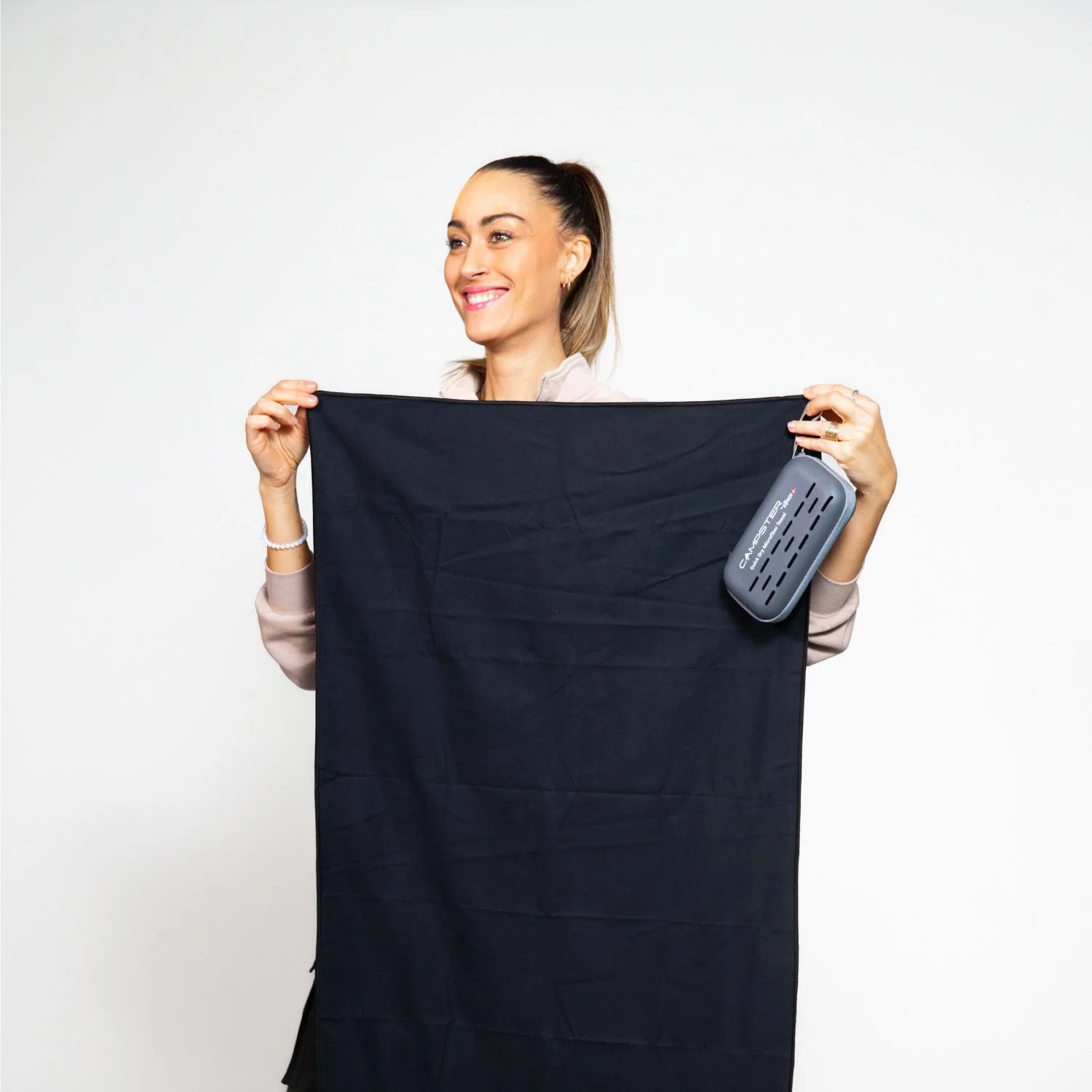
| Comfort | Folding seat, camp light, puffy blanket, towel, camp shoes |
If you want more checklists for different trip lengths, our guides on backcountry backpacking for 1 to 5 nights and things to bring backpacking go deeper on each stage.
If your list has the essentials covered and you are ready to add the comforts, take a look at our range. The Campster II is our portable, foldable seat, the OCTO line covers camp light and a quick tent, and the Airwrap is the puffy blanket for chilly evenings. Shipping goes worldwide, and every order is backed by our 45-day satisfaction guarantee.
Browse the full Sitpack collection or start with the Campster II.
Plan your meals day by day and add at least one extra day of food as an emergency reserve. Both the NPS Rocky Mountain checklist and Parks Canada’s backcountry lists call for this. Choose compact, calorie-dense foods and store them in the bear-resistant container your area requires.
It depends on where you go. Grand Teton requires approved bear-resistant storage and prohibits hanging food, while Parks Canada’s Jasper and Yoho lists call for bear-proof storage or a sturdy food sack. Read the backcountry rules for your specific park before packing.
Shelter, a rain layer, first aid, navigation, a headlamp, a way to make fire, and enough food and water. These map directly onto the Ten Essentials. Trim duplicates, extra clothing and packaging first.
Backcountry means you carry everything on your back, so every item needs to be light, compact and justified. Car camping lets you add bulky comfort gear. Our multi-night backpacking guide covers how to scale a list up or down.