Vogn
0
Tilmeld dig og få 10% i rabat på din ordre
Forventet levering
1-3 dage
Du vil måske også kunne lide


Dansk Firma

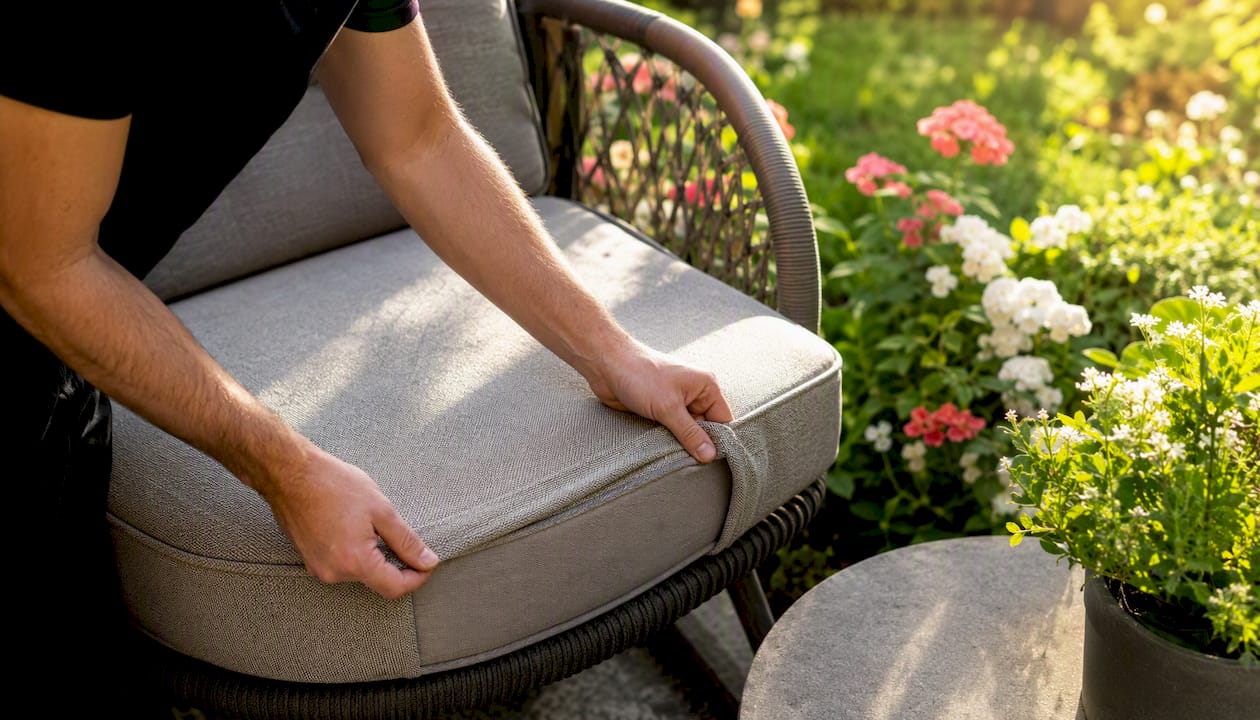
If you need to replace worn-out outdoor cushion covers right now, the short answer is this: go with a Sunbrella-based custom-fit cover if longevity is your priority, or a ready-made water-resistant cover if you need something on your patio by the weekend.
Before you order anything, grab a tape measure. You need three numbers: width (side to side), depth (front to back), and thickness (top to bottom including any foam). Miss the thickness, and even a “correct size” cover will pucker or split at the seams.
The single most important step before ordering any replacement cover is measuring your cushions seam-to-seam, including thickness, so your new covers fit without straining or sagging.
| Point | Details |
|---|---|
| Measure before you order | Take width, depth, and thickness seam-to-seam; use a paper template for curved or nonstandard shapes. |
| Prioritize solution-dyed acrylic | Sunbrella and comparable fabrics resist UV fading and mildew far longer than standard polyester blends. |
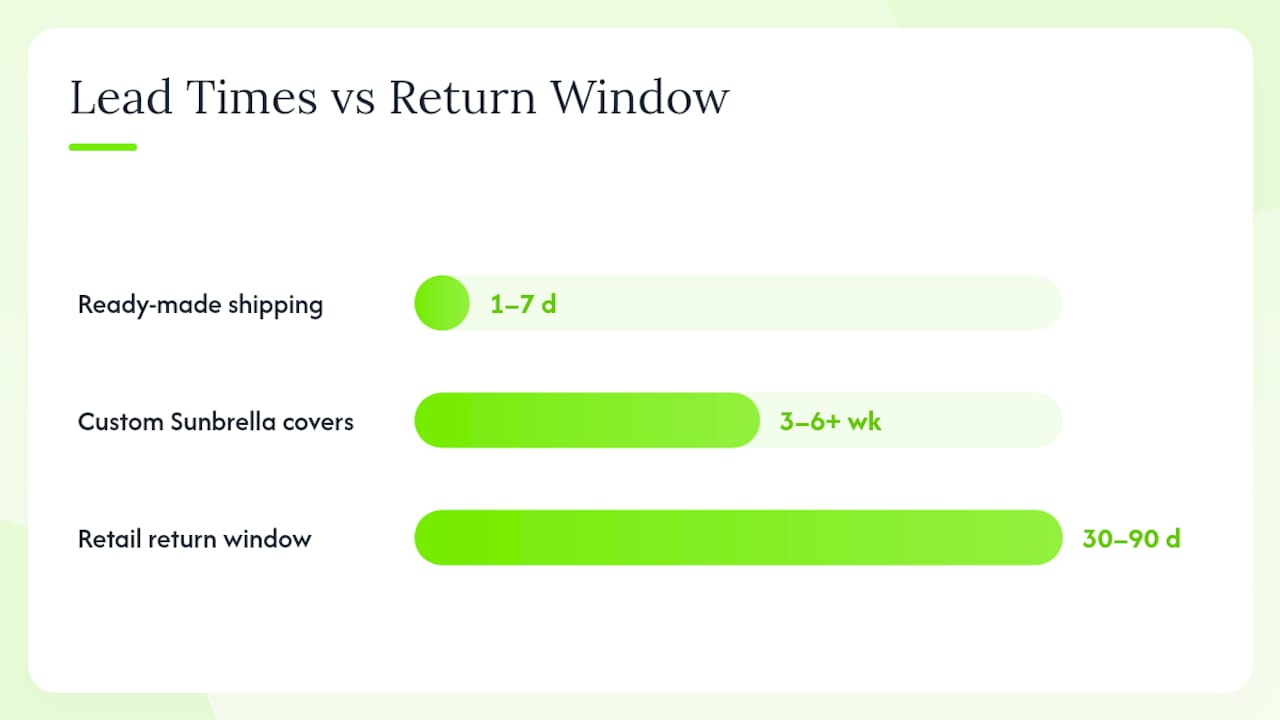
| Match channel to your timeline | Ready-made ships in 1–7 days; custom Sunbrella covers take 3–6+ weeks, so order early for seasonal deadlines. |
| Check warranty and return policy | Custom covers are almost always final sale; ready-made retailers typically offer 30–90 day return windows. |
| Sitpack for portable alternatives | Sitpack’s weatherproof portable chairs offer a durable complement or alternative to fixed cushion-based seating. |
The realistic buying channels for patio furniture cushions break down into four categories. Here’s how they stack up on the dimensions that actually matter:
| Option | Best for | Fabric / weather resistance | Sizing | Price range | Lead time | Warranty / returns | Ease of cleaning |
|---|---|---|---|---|---|---|---|
| Sunbrella (via custom makers) | UV/mildew resistance, long-term color retention | Solution-dyed acrylic; UV, mildew, stain resistant | Custom to exact dimensions | $$$–$$$$ | 2–6+ weeks | 5-year limited fabric warranty | Mild soap + water; air-dry |
| Custom cushion makers | Nonstandard shapes, exact fit, bespoke options | Wide fabric choice; quality varies by maker | Fully custom (round, curved, L-shape, trapezoid) | $$–$$$$ | 2–6+ weeks | Varies; check BBB profile | Depends on fabric chosen |
| Ready-made retail cushions | Standard dining chairs, benches, speed | Water-resistant backings; FadeSafe / Montlake fabrics | Standard sizes (2", 3", 5" foam) | $–$$ | 1–7 days | Retailer return window (typically 30–90 days) | Machine-washable covers common |
| Sitpack | Portable seating as an alternative or complement | Durable outdoor materials; weatherproof focus | N/A (portable chairs, not cushion covers) | $$ | Fast shipping; 45-day satisfaction guarantee | 45-day guarantee | Wipe-clean |
Sunbrella is the material benchmark. PatioHQ documents it as a solution-dyed acrylic with UV protection, mildew resistance, and a multi-year limited warranty, and it’s the fabric most premium custom makers default to for good reason. The color is baked into each fiber during manufacturing, so it doesn’t sit on the surface waiting to fade.
The core tradeoff is simple: custom-fit covers give you a glove-like fit and premium fabric options, but you’ll wait weeks and pay more. Ready-made covers get you sorted fast and cheaply, but only if your cushions match standard sizes.
Knowing where to shop is half the battle. Each channel has a different sweet spot:
Pro tip on returns: Custom-made covers are almost never returnable once sewn. If you’re ordering custom, double-check your measurements before submitting, and ask the maker whether they offer a remake policy if dimensions are off.
Measuring sounds obvious until you realize most sizing mistakes come from measuring the foam insert rather than the finished cushion. Here’s the correct sequence:
Common standard sizes for dining chair cushions run roughly 15"×15" to 20"×20", while chaise lounge pads typically land around 21"×72". If your measurements fall between standard sizes, size up and expect a slightly looser fit, or go custom.
Pro Tip: For wedge or curved cushions (common on rounded sectionals), trace the bottom face of the cushion onto cardboard, cut it out, and mail or photograph the template for the maker. A photo with a tape measure in frame is usually enough for most online custom shops to confirm the shape.
Not all “outdoor fabric” is created equal, and the difference between a cover that lasts two seasons and one that lasts ten often comes down to how the fiber was dyed.
Solution-dyed acrylic (Sunbrella being the most recognized brand) is the gold standard. The pigment is locked into the fiber before it’s spun, so UV rays can’t strip color from the surface. It also resists mildew without chemical treatments. PatioHQ’s Sunbrella guidance notes the fabric carries a multi-year limited warranty and is marketed with GREENGUARD certification claims, a useful trust signal for buyers who care about off-gassing near kids or pets.
Polyester blends (used in most budget ready-made covers) are water-resistant and affordable but fade faster under direct sun. They’re fine for covered patios or seasonal use; less ideal for year-round full-sun exposure.
Waterproof vs. water-resistant: Most outdoor covers are water-resistant, meaning they shed light rain but will eventually soak through. Truly waterproof covers use a coated or laminated backing. For weatherproof seating, the construction details matter as much as the fabric itself.
Key construction features to look for:
Most quality outdoor covers, including Sunbrella-based ones, are easier to clean than people expect. The key is acting before mildew gets a foothold.
Regular cleaning:
Seasonal storage:
Pro Tip: After a rain, prop cushions on their edge rather than leaving them flat. Air circulates around both faces and they dry in a fraction of the time. It’s a 10-second habit that adds years to a cover’s life.
For more on waterproofing and maintenance routines, Sitpack’s guide covers practical steps worth bookmarking before the season starts.
Go custom if: your cushions are an odd shape, oversized, or you want Sunbrella-grade fabric with a tailored fit. Custom covers from makers like ZipCushions, CoversandAll, or Coverstore handle everything from standard rectangles to trapezoid sectional pieces. You’ll pay more and wait longer, but the result fits like it was made for the chair (because it was).
Go ready-made if: your furniture uses standard dining chair or chaise lounge dimensions and you need covers within the week. Ready-made lines from Classic Accessories offer water-resistant backings and multiple foam thicknesses, making it straightforward to order without measuring to the millimeter.
A few practical cost and fit notes:
Local upholsterer advantage: For very large cushions (deep sectionals, oversized ottomans) or cushions with unusual profiles, a local shop can often match your existing piping profile exactly and turn around the work in 1–2 weeks, sometimes faster than an online custom maker during peak summer season.
Budget planning for replacement covers is straightforward once you know which channel you’re using:
If you’re refreshing cushions for a specific event or the start of the season, order at least 6 weeks out for custom work. Ready-made orders placed mid-week typically arrive before the weekend. Watch return windows carefully: a 30-day return policy on a ready-made cover ordered in April may expire before you’ve had a chance to test it through a full month of rain.
Choosing the right cover is only part of the equation. How it attaches and how thick the foam sits underneath determines whether it stays comfortable and in place all season.
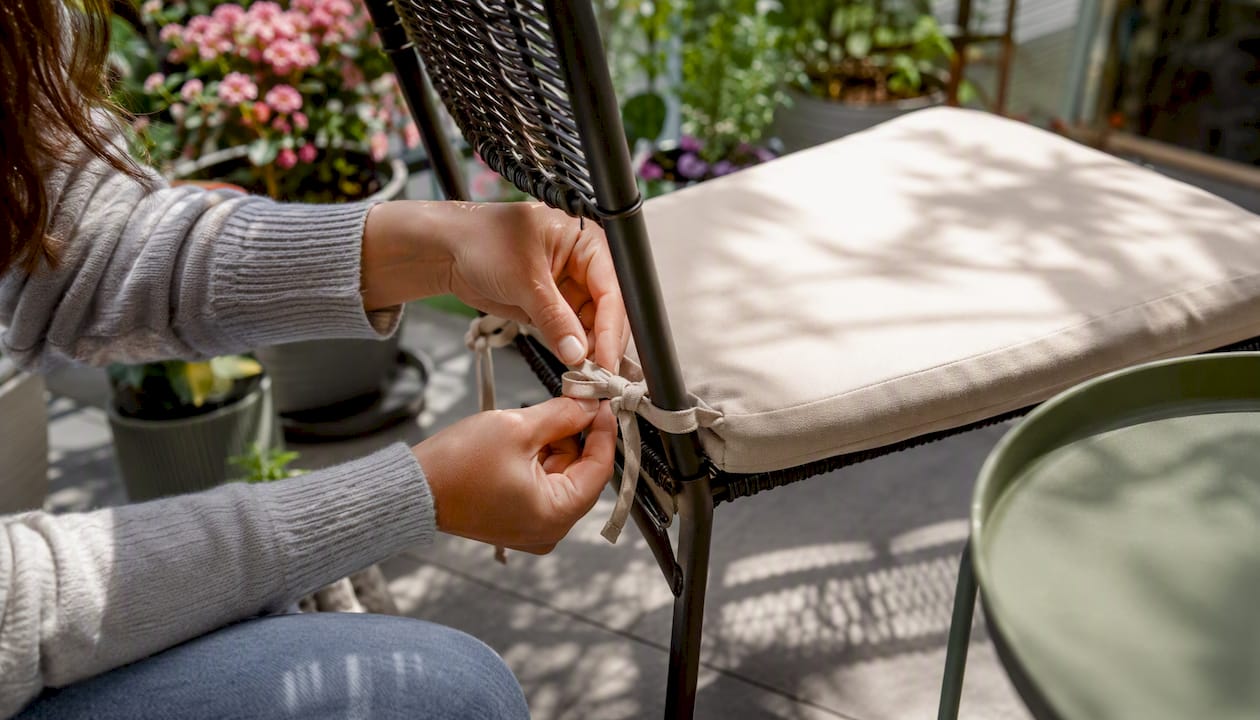
Fastening systems: Match the attachment to your furniture. Chairs with open backs need corner ties or back-strap loops to keep covers from sliding. Benches do better with non-slip rubber backing. Dining chairs with spindle backs often need both ties and a snug fit to stay put.
Zipper quality: Ask specifically about zipper brand before ordering custom. YKK zippers are the benchmark for outdoor use because they resist corrosion and UV degradation. A cheap zipper on an otherwise excellent cover is the first thing to fail.
Foam thickness and density: For seating comfort and long-term shape recovery, 3"–4" high-density foam (1.8 lb/ft³ or higher) holds up far better than thin, low-density alternatives. Covers sewn for 2" foam won’t accommodate a 3" insert without straining the seams.
Piping for edge protection: Piped edges aren’t just aesthetic. They distribute stress at the corners and prevent the seam from splitting when someone sits down hard. If you’re ordering custom, add piping to any cover that will see daily use.
Pro Tip: Before committing to a large custom order, ask the maker for a fabric swatch. Lay it outside in direct sun for a week and check it against the original. It’s a low-cost way to confirm the color match and UV performance before you’re locked in.
For a broader look at durable outdoor seating options and what separates long-lasting gear from the rest, Sitpack’s buyer guide is worth a read.
Here’s my honest take: most people underestimate how much a cover’s fabric construction affects the total cost of ownership. A $25 polyester cover that fades and mildews by August costs more over three years than a $120 Sunbrella cover that still looks sharp in year five. The math isn’t complicated, but the upfront price tag makes it feel like it is.
The other thing people consistently get wrong is fit. A cover that’s even half an inch too loose will trap water in the folds, accelerate mildew growth, and look shabby within a season. Measure twice, order once. And if your cushions are nonstandard shapes, don’t try to force a ready-made cover to work. The custom route exists precisely for that situation, and the price premium is smaller than most people expect.
Practically: measure your cushions today, pick a fabric tier that matches your sun exposure and how often you want to clean, and choose your channel based on how much time you have before you need them.
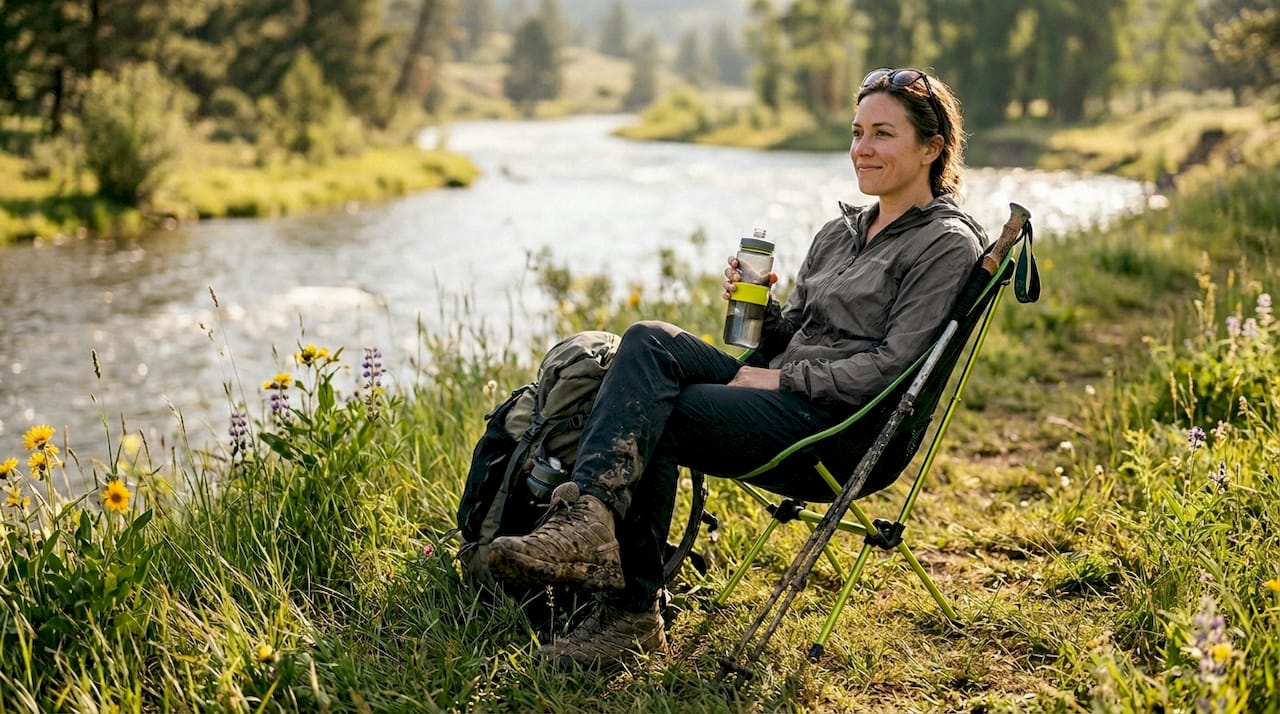
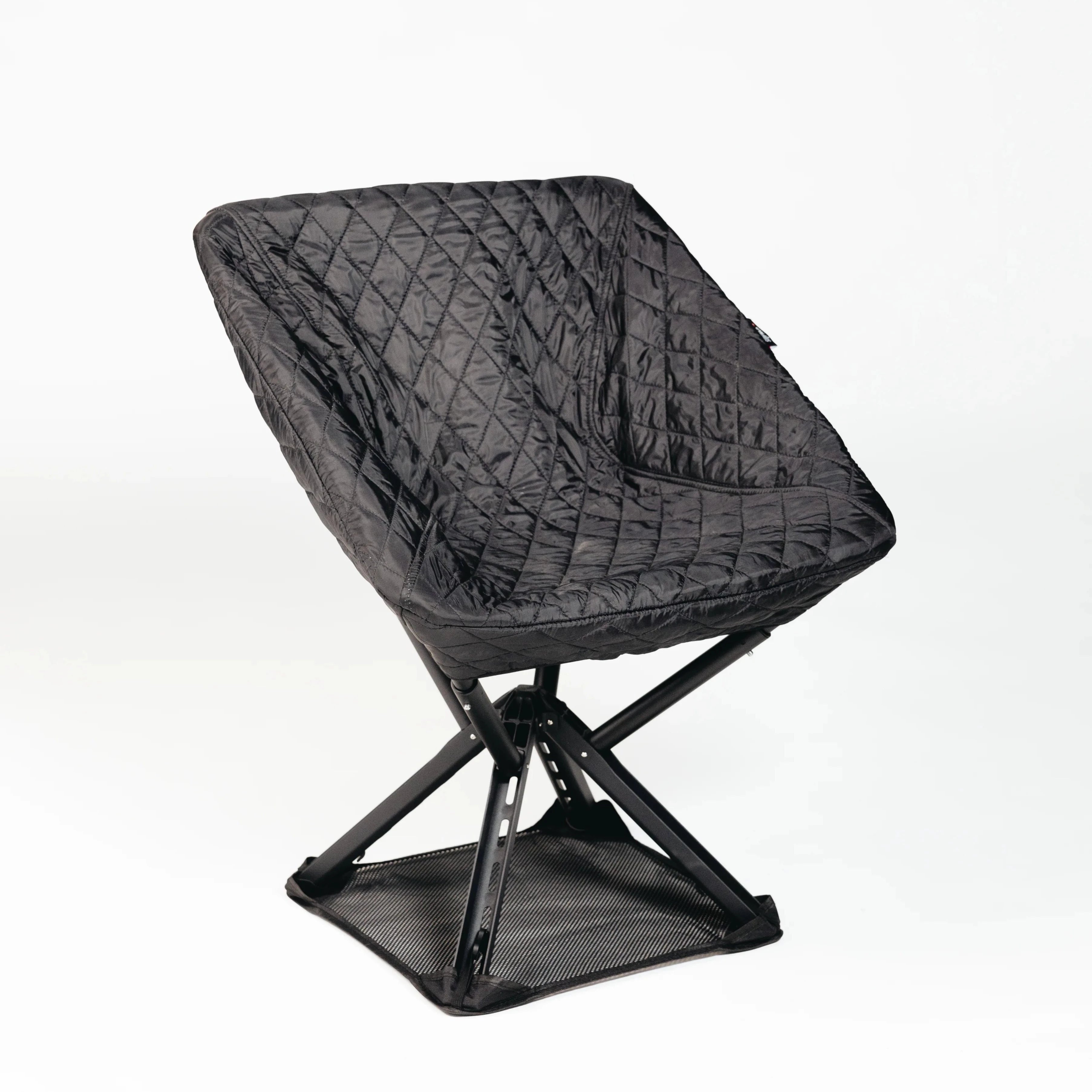
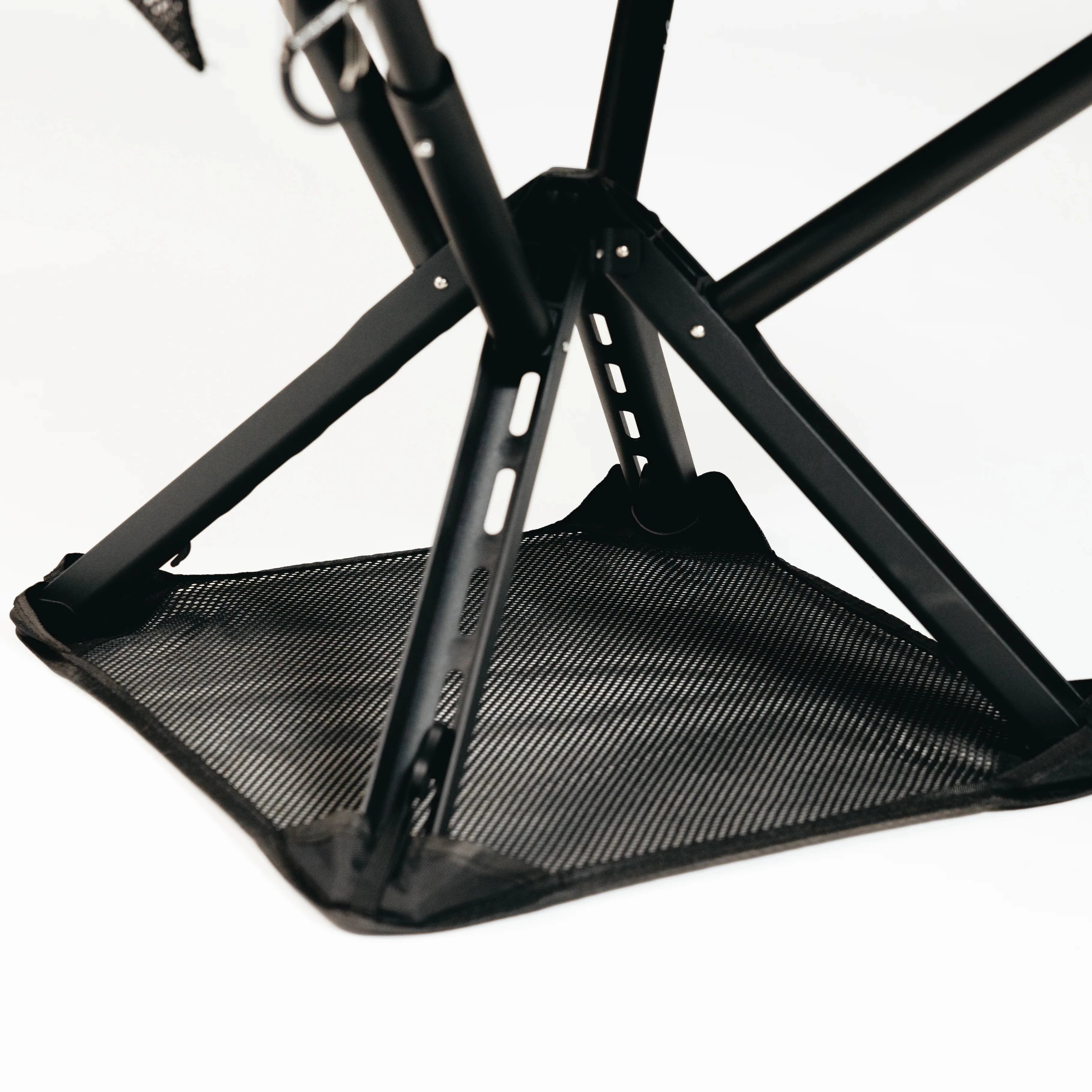
Cushion covers are one piece of the outdoor comfort picture. If you’re rethinking your whole patio setup, or you want seating that travels with you beyond the backyard, Sitpack’s portable chairs like the Campster II and Sitpack Zen are built around the same durability-first thinking: weatherproof materials, lightweight construction, and a 45-day satisfaction guarantee so you’re not stuck with something that doesn’t work for you.
Sitpack ships fast worldwide, and the product lineup includes outdoor accessories designed to complement any seating setup, whether you’re refreshing a fixed patio or building a kit for camping and travel. If you’re weighing a full outdoor refresh, it’s worth seeing what Sitpack’s outdoor seating range offers alongside your new cushion covers.
These are the sources referenced throughout this article. Check fabric technical sheets and warranty pages directly before finalizing any order.