Vogn
0
Tilmeld dig og få 10% i rabat på din ordre
Forventet levering
1-3 dage
Du vil måske også kunne lide


Dansk Firma

A good travel packing list does three jobs. It protects what is hard to replace (documents, medication, money, chargers), it covers your clothes and toiletries with the fewest items possible, and it adds a few small comforts that make the long, waiting parts of travel easier. The list below is built in that order, so you can stop reading whenever your trip is covered. We also added a category most lists forget: something to sit on. Airports, ferry queues, markets, trailheads and festival fields rarely have a free seat when you need one.
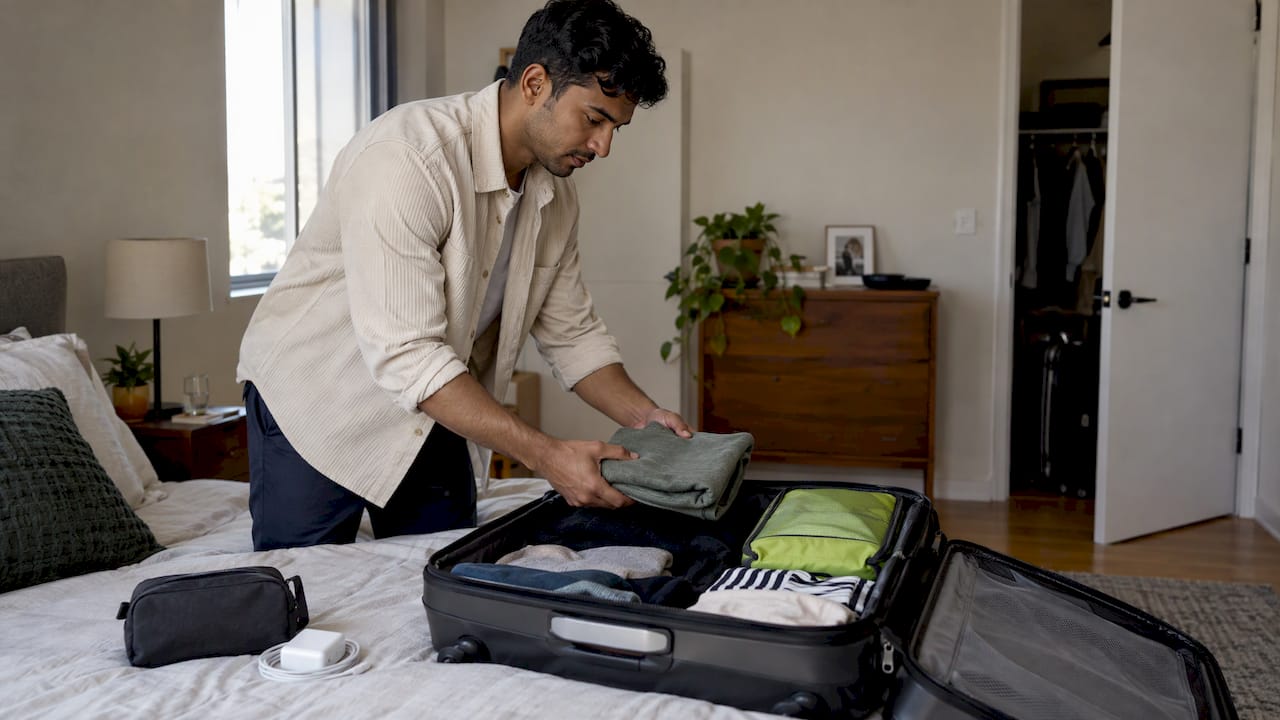
Pack the carry-on first, because it holds everything that would ruin a trip if it vanished. Allianz Partners says to keep crucial items on your person, including your passport or driver’s license, travel insurance documents, itinerary, boarding passes, visas or immunization records, cash and cards, and prescription medications with copies of the prescriptions. Its reasoning is simple: these items are difficult to replace on the road.
KAYAK gives the same rule from the airline side: travel documents, medications, electronics and valuables stay out of checked luggage. Rick Steves puts it as a test: anything you need at the airport, or absolutely cannot lose, goes on your body or in your carry-on.
One US detail matters for domestic flights. Allianz notes that for air travel after May 7, 2025, you need a REAL ID-compliant driver’s license (or another accepted ID such as a passport). Check the card in your wallet before you check anything else.
| Category | What to pack | Why it belongs here |
|---|---|---|
| Documents | Passport or ID, boarding passes, itinerary, insurance papers, visas, paper copies | Hard to replace, needed at every checkpoint |
| Money | Cards, some cash, copies of your cards kept separately | A lost wallet is survivable if you have a backup |
| Health | Prescription medication, copies of prescriptions, glasses or contacts, basic pain relievers | Pharmacies abroad may not stock your exact medication |
| Tech | Phone, charger, power bank, headphones, e-reader | You will want them in the seat, not in the hold |
| Comfort | Neck pillow, eye mask, earplugs, light layer | Cheap, light, and they change a long flight |
| Basics | Empty water bottle, snacks, hand sanitizer, one spare outfit | Covers delays and lost bags |
AAA also recommends paper copies of your documents and a small supply of basic medications in the carry-on, which is worth doing even if everything is on your phone. Phones die, and paper does not need a battery.
The most common packing mistake is building one outfit per day. Consumer Reports recommends the opposite: think through your itinerary day by day along with the weather, then pack mix-and-match pieces, limit your shoes and aim for roughly three tops for every bottom.
A workable base list for most trips, adapted from Lonely Planet’s packing guide:
KAYAK suggests keeping extra underwear and socks, one spare outfit and weather-appropriate layers in your carry-on. If your checked bag is delayed, you are inconvenienced instead of stranded. Allianz makes the same point with one lightweight change of clothes.
Liquids are where carry-on packing most often goes wrong. The 3-1-1 rule means each container holds 3.4 ounces (100 ml) or less, and all of them fit in a single quart-size zip-top bag. Anything bigger goes in checked luggage or gets bought at your destination.
Rick Steves seals squeeze bottles in plastic baggies as well, because pressure changes in flight can make them leak. A second bag is cheap insurance for your clothes.
A short toiletry list drawn from Lonely Planet’s guide:
We wrote a longer toiletries for travel checklist if you want the detailed version, including how to decide what stays home.
Keep electronics and chargers in your carry-on so they are within reach in the air. The Points Guy adds that you should check airline policies on portable chargers and whether your seat has a power outlet, so do not count on one.
AAA recommends a fully charged power bank in the carry-on, because airport outlets can be hard to find and public charging stations can carry a malware risk. Your own charger and cable plugged into a wall outlet or your own battery is the safer habit.
A tight tech kit looks like this:
The eSIM, adapter and tracker items come from Lonely Planet’s electronics list. Sort the cables into one pouch the night before you leave and you will not hunt for them at the gate.
This is the category that separates a list that merely covers you from one that makes the trip pleasant. AAA notes that even short flights are better with a neck pillow, eye mask and earplugs, and that on long-haul flights compression socks and a lightweight blanket can help with fatigue.
It also recommends:
Allianz adds a small notebook and pen, sanitizing wipes and a book or e-reader to its carry-on list.
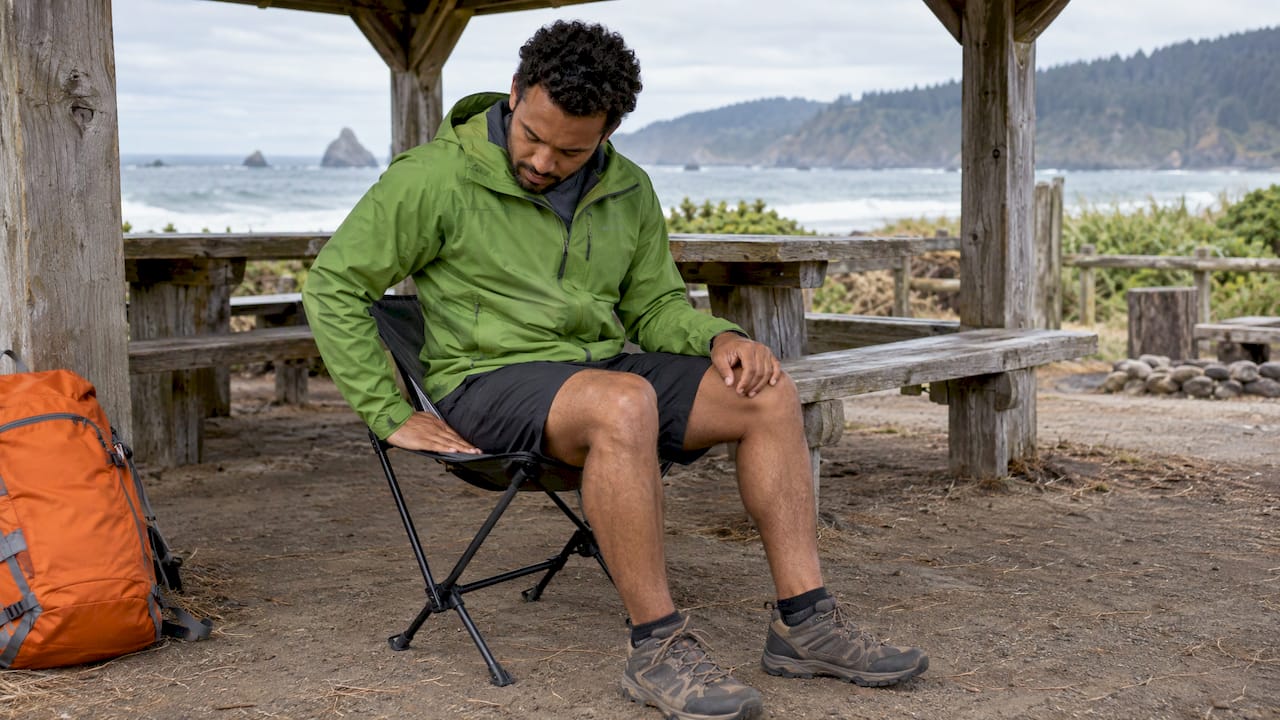
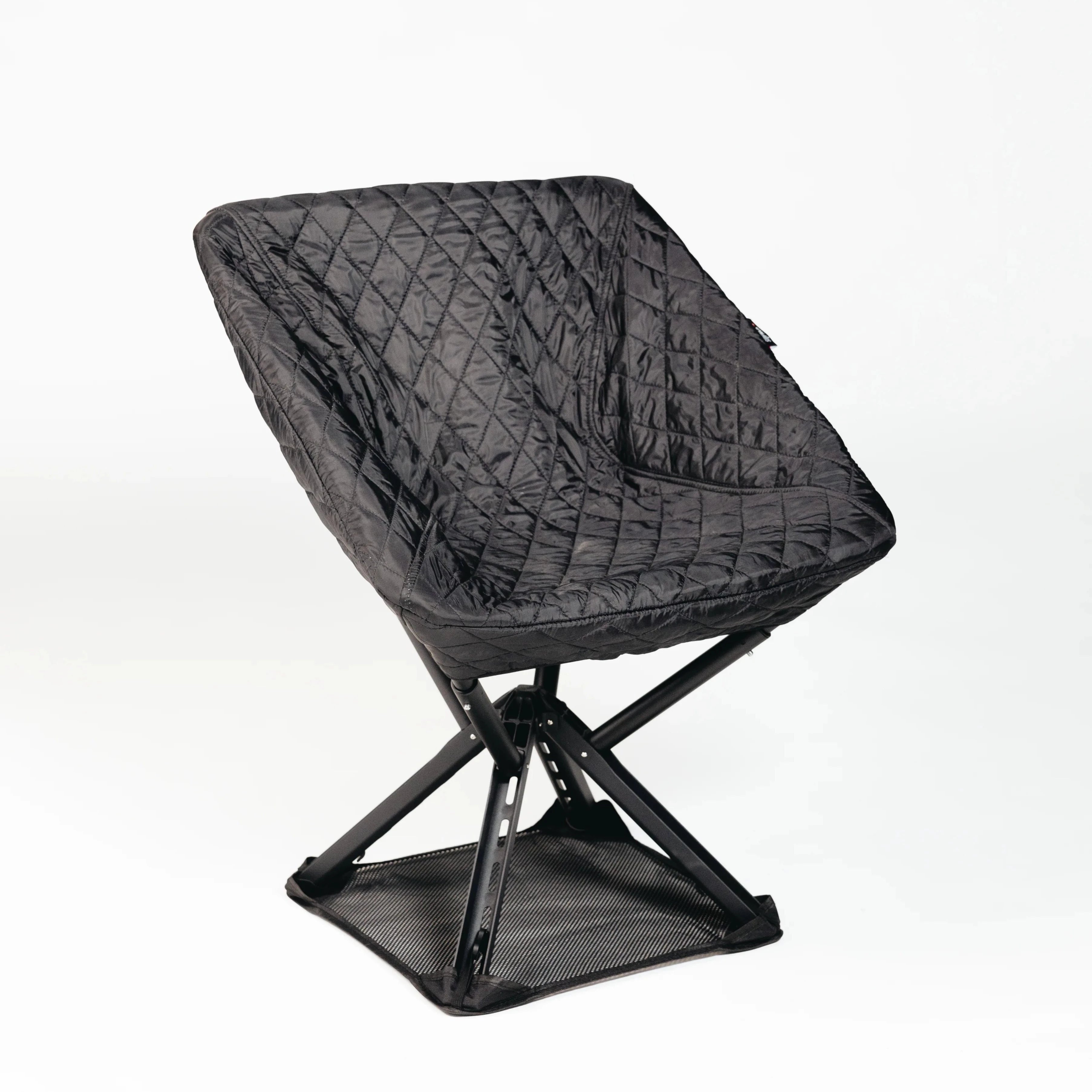
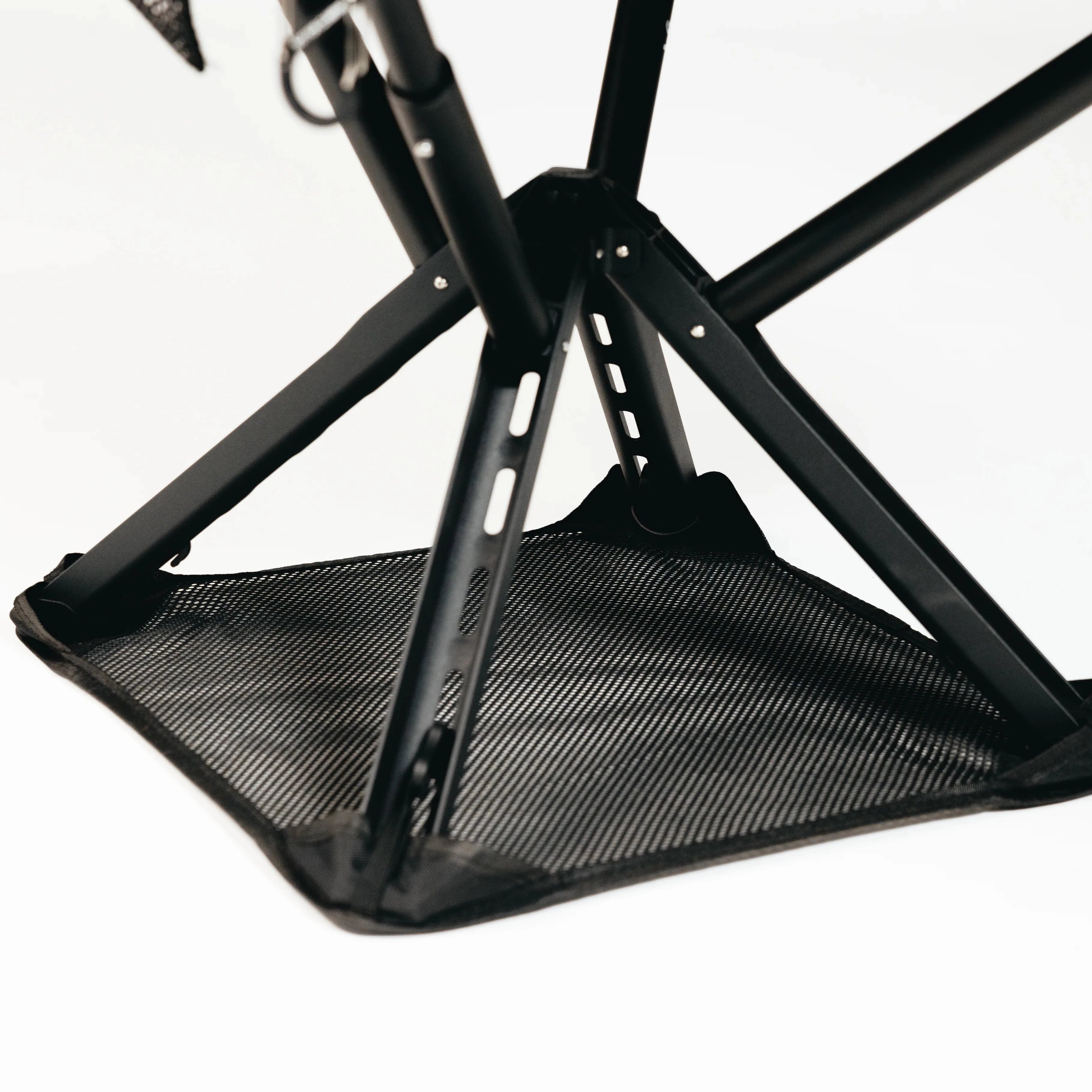
Here is the item that rarely makes a packing list: a seat. Think about how much of a trip is spent standing or sitting on the ground. Boarding queues at a crowded gate, the wait for a ferry, a long viewpoint stop, a street food market with no benches, a concert lawn, a campsite. A compact foldable seat turns those into rest stops.

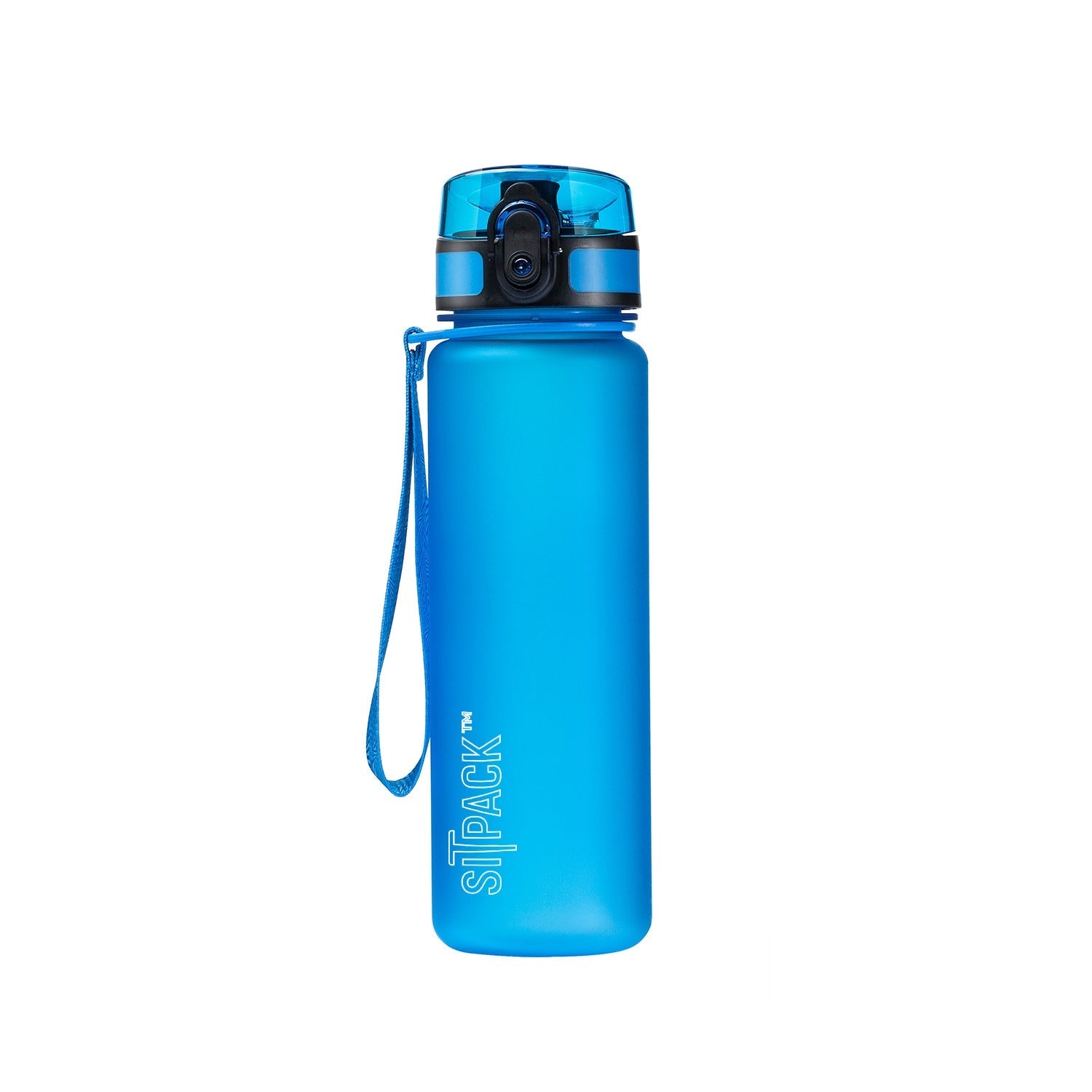
That is why we think about packing in terms of weight and volume per use. Our guides on why packability matters for travelers and how compact design changes travel cover how to judge a portable seat, and our travel seating checklist for long trips goes through what to bring when you expect long waits. If you also carry a bottle, our travel-friendly bottle guide helps you pick one that packs well.
A list only works if the packing method matches. Follow this order:
The night before, run through this short pass.
What we think a packing list should do
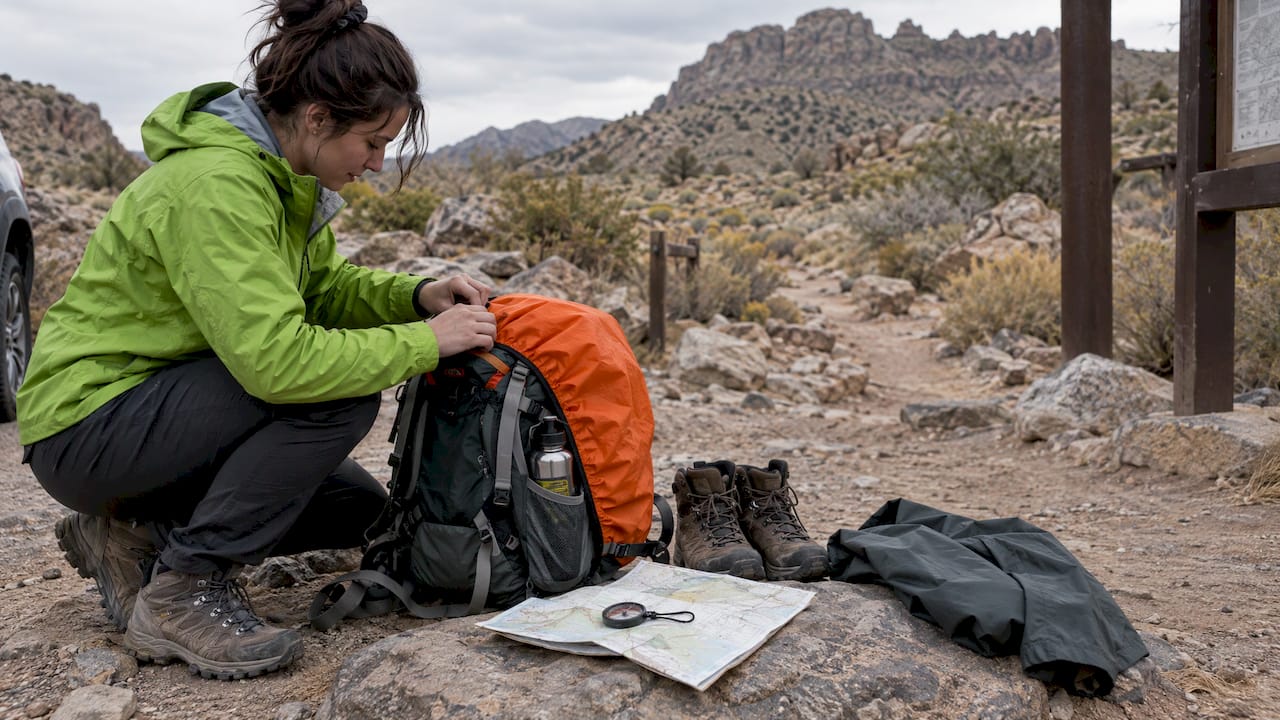
Most packing lists are written as if the trip happens in the hotel room. It does not. A trip happens in queues, on platforms, on rocks beside a trail, and on the ground at a market or a festival. The best packing list covers those moments, because those are when you feel your bag’s weight and its gaps.
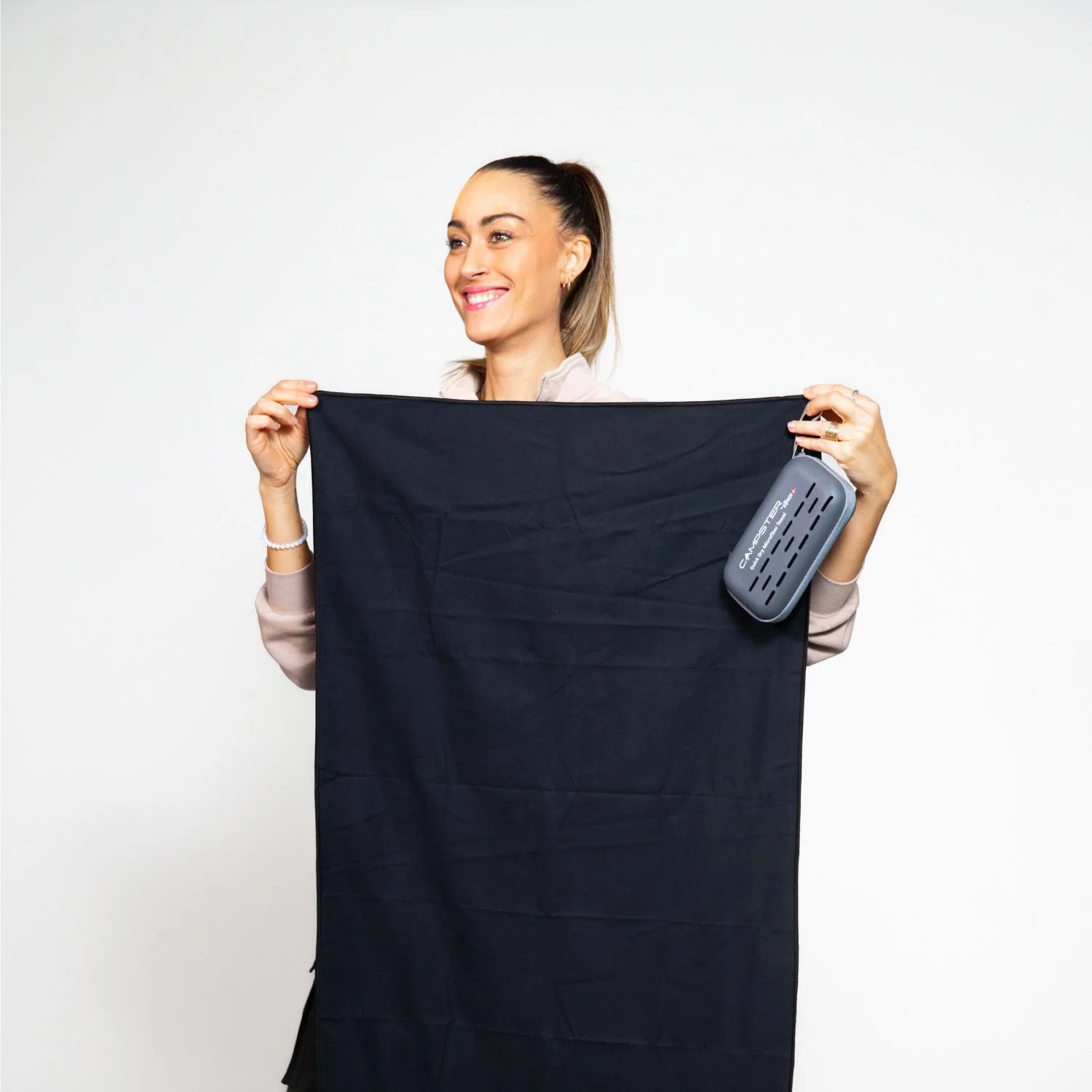
That is how we design at Sitpack: minimalistic, lightweight and durable, folding down small enough that it earns a spot even in a carry-on you have already packed too full. We make portable, foldable seats and accessories like blankets, seat warmers, tables, travel towels and water bottles with eco-friendly materials in mind, because the gear you bring should not be a burden to carry or to the planet.
If you take one idea from this list: pack the things you cannot replace first, then pack the things that make waiting comfortable. Everything in between is negotiable.
Jonas
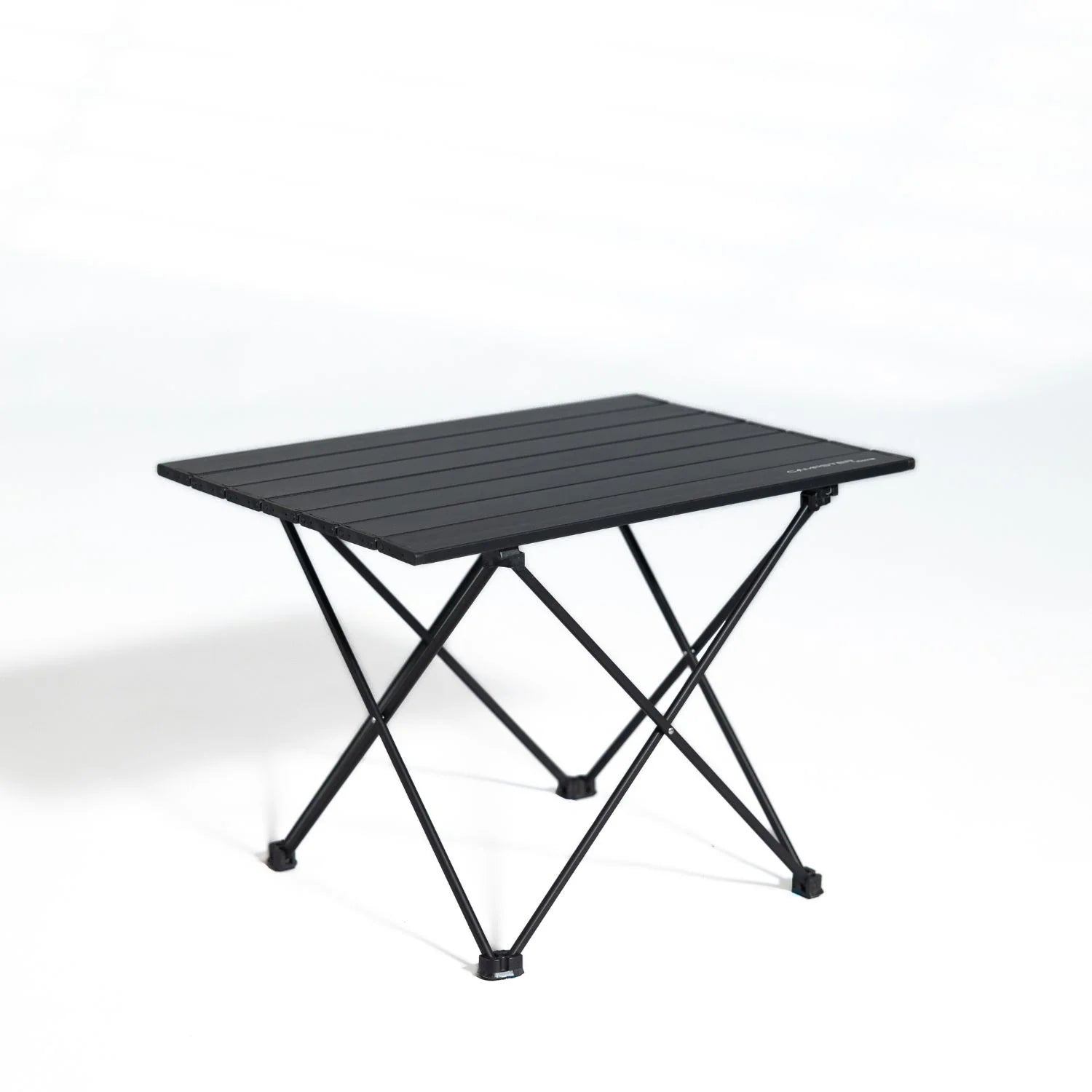
If you want the comfort category covered in one stop, look at our Campster collection, our foldable portable seats built to be lightweight and durable. Our full product range also includes the OCTO and Airwrap lines for camp and travel. Every order comes with international shipping and a 45-day satisfaction guarantee, and select items carry a lifetime warranty.
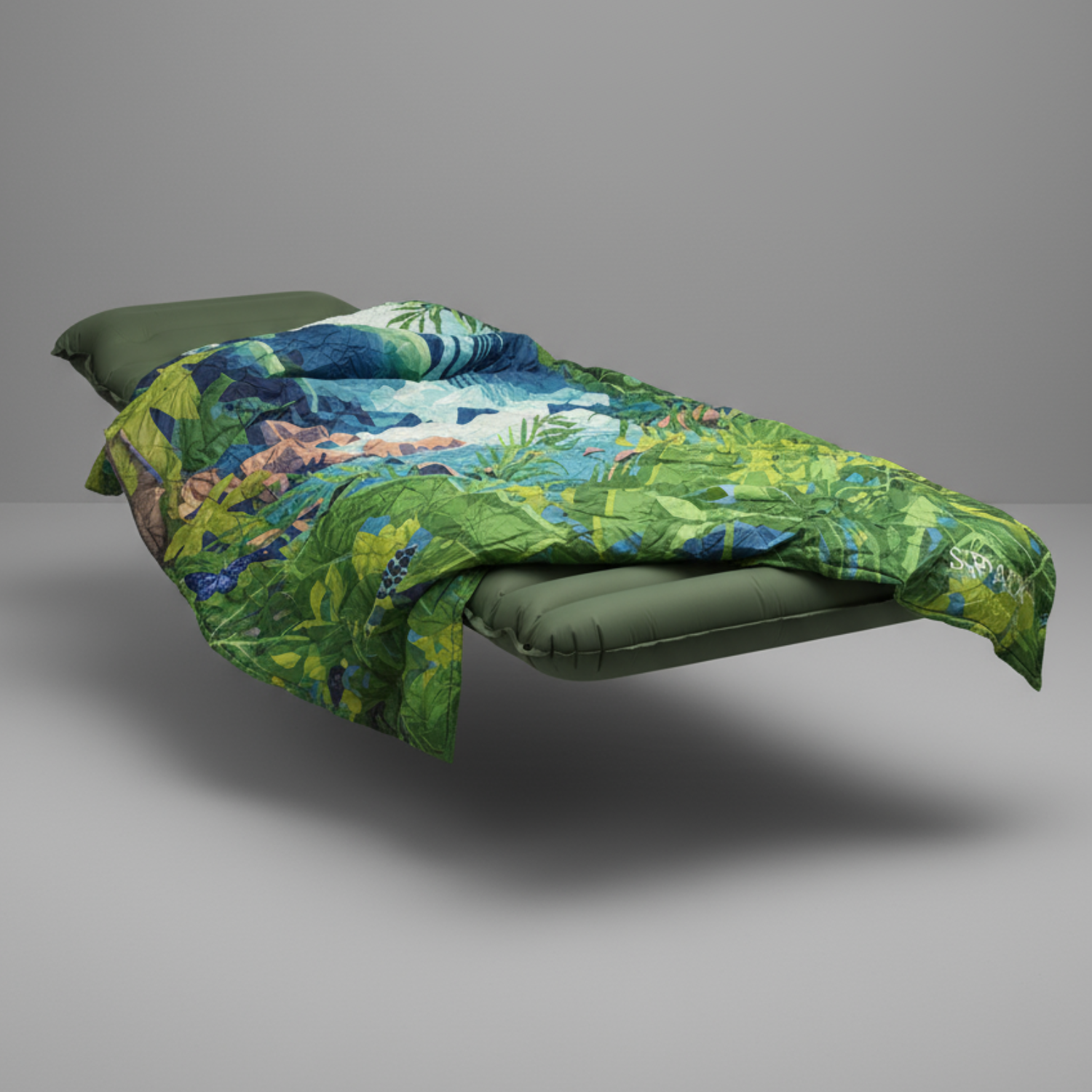
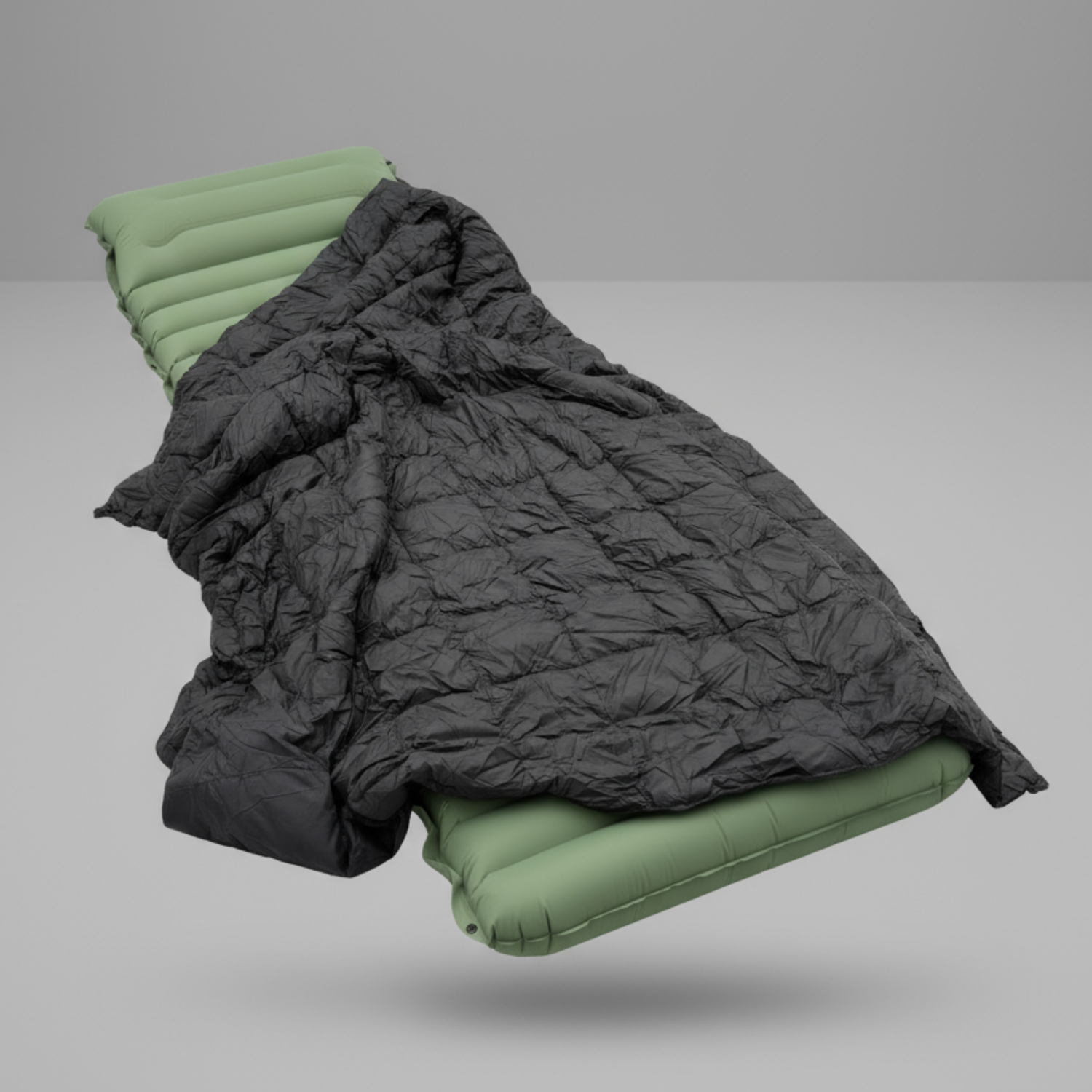
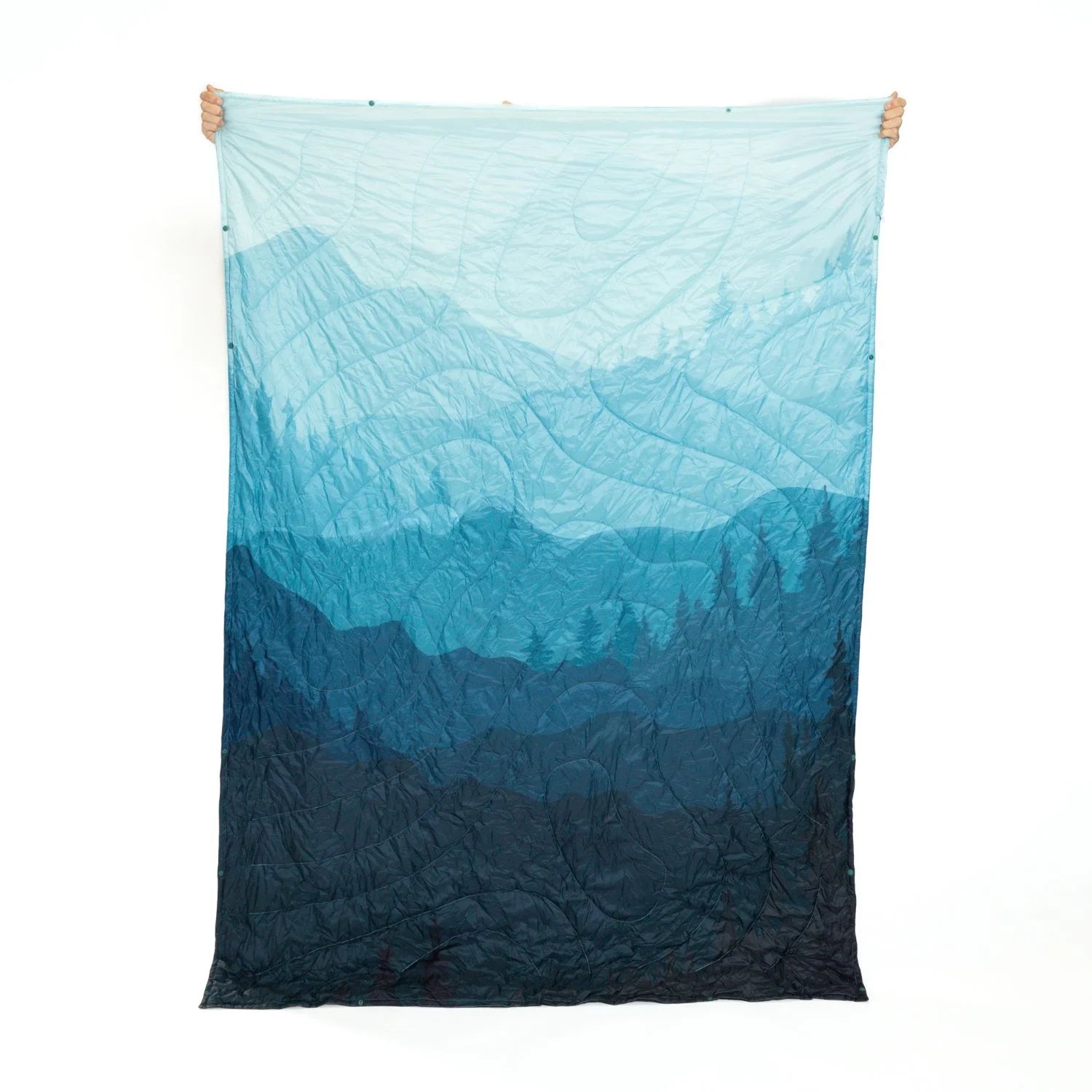
For a trip that mixes outdoor time with long travel days, the Campster II is the one to look at first, and our Airwrap puffy adventure blanket is the layer for cold mornings and long waits. If you plan to camp, our guide to packable accessories for campers shows how the pieces fit together.
Your passport or ID, boarding passes, insurance papers, prescription medication, cards and cash, phone and charger. These are the items that are hard to replace, so they go in your carry-on or on your body. Everything else is secondary to them.
Pack for about a week and plan to wash clothes on the road, not one outfit per day. Consumer Reports recommends mixing and matching pieces, limiting shoes and bringing about three tops for each bottom. Choose colors that go together so every top works with every bottom.
Each container must be 3.4 ounces (100 ml) or less, and all of them must fit in one quart-size zip-top bag. Larger containers belong in checked luggage. Sealing squeeze bottles in an extra bag also helps prevent leaks caused by pressure changes in flight.
Documents, medication, electronics, a fully charged power bank, a spare outfit, snacks and an empty water bottle. A neck pillow, eye mask, earplugs and a lightweight blanket make long flights easier. AAA also suggests compression socks for long-haul flights.
If your trip includes queues, outdoor stops, markets, trailheads or camping, yes. A lightweight foldable seat gives you somewhere to rest wherever you are, and it packs down small enough to share a bag with the rest of your gear.