Vogn
0
Tilmeld dig og få 10% i rabat på din ordre
Forventet levering
1-3 dage
Du vil måske også kunne lide


Dansk Firma

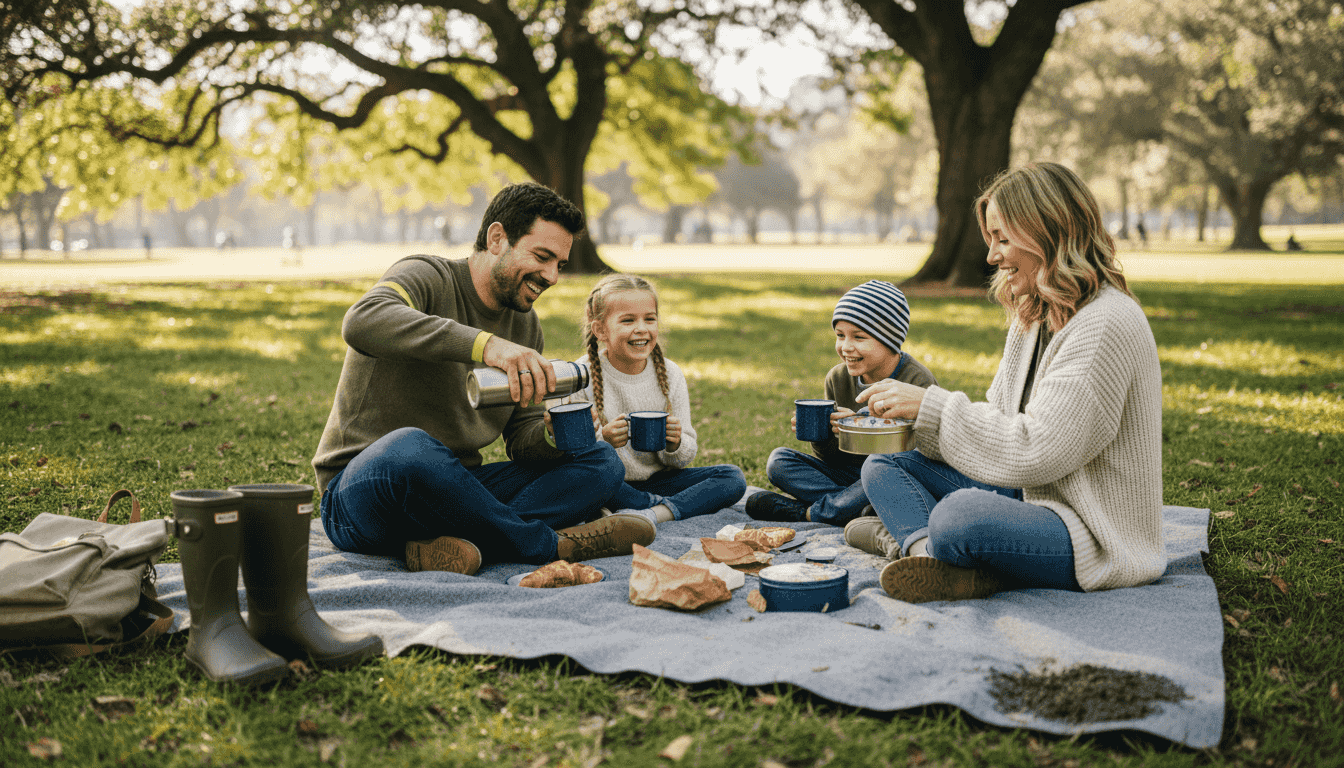
Most people assume outdoor blankets are bulky and heavy, but modern Sherpa and fleece designs weigh as little as 9.6 ounces while delivering superior warmth. These specialized blankets solve the dampness and portability problems that plague traditional indoor blankets during camping trips, picnics, and festivals. Unlike household blankets, outdoor blankets are engineered specifically to resist water and mud, with waterproof or water-resistant backing layers that prevent moisture from soaking through.
| Point | Details |
|---|---|
| Outdoor blankets combine waterproof backing with insulating layers | Multi-layer construction blocks moisture while trapping heat for comfort in varied conditions. |
| Material choice impacts performance | Wool offers fire resistance; fleece provides lightweight warmth; Sherpa balances water resistance and softness. |
| Durability depends on construction quality | Ripstop polyester and reinforced stitching at stress points ensure long-lasting performance outdoors. |
| Size and weight must balance coverage with portability | Blankets range from 28"x40" junior sizes to 84"x80" two-person options, weighing 9.6 oz to 4 lbs. |
| Modern materials debunk old myths | Advanced synthetics deliver warmth without bulk, making year-round outdoor use practical. |
Outdoor blankets are purpose-built textile products designed to withstand environmental challenges that ruin standard indoor blankets. The primary difference lies in their construction: outdoor blankets are engineered specifically to resist water and mud, with waterproof or water-resistant backing layers that prevent moisture from soaking through. This specialized design makes them ideal for camping, picnics, beach outings, and music festivals where ground moisture is inevitable.
Your typical household blanket fails outdoors because it lacks moisture barriers and durable fabrics. Cotton and standard polyester absorb water quickly, becoming heavy and uncomfortable. They also lack the reinforced construction needed to handle rough terrain, stakes, and repeated folding.
Outdoor blankets address these issues through strategic material selection and layered construction. Most feature a tough outer shell made from ripstop nylon or oxford polyester paired with soft inner linings of fleece or Sherpa. This combination creates a barrier against wet ground while maintaining warmth and comfort. Some models include corner loops for staking down in windy conditions, while others fold into compact carry pouches.
The waterproof feature is non-negotiable for outdoor use. Whether you’re sitting on dewy grass at sunrise or spreading out for an evening concert on damp soil, moisture protection keeps you dry and comfortable. This functionality transforms outdoor experiences by eliminating the constant worry about wet clothing and equipment.
The most common materials for outdoor blankets are wool, fleece, and Sherpa, each offering different balances of insulation, durability, weight, and fire-resistant properties. Understanding these options helps you select the right blanket for your specific outdoor activities.
Wool represents the traditional choice for outdoor warmth. It naturally resists flames, making it safer around campfires. Wool blankets retain heat even when damp and provide excellent insulation in cold conditions. However, they’re significantly heavier than synthetic alternatives, often weighing 3 to 4 pounds for a standard size. The coarse texture can feel scratchy against skin, and wool requires careful washing to prevent shrinkage.
Fleece blankets deliver impressive warmth-to-weight ratios. These synthetic polyester fabrics trap air effectively, creating insulation without bulk. A fleece outdoor blanket typically weighs under 2 pounds while providing substantial warmth. The soft texture feels comfortable against skin, and fleece dries quickly if it gets wet. The major drawback is flammability: fleece melts near flames, so keep these blankets away from campfires. You can learn more about durability and impact of outdoor materials for broader gear selection.
Sherpa fabric combines synthetic fibers in a dual-sided design. One side features a smooth, water-resistant shell while the other offers plush, fleece-like warmth. This versatility makes Sherpa ideal for changing conditions. Sherpa blankets typically weigh between 1.5 and 2.5 pounds, striking a balance between portability and coverage. The water-resistant side protects against ground moisture, while the soft side provides cozy comfort. For detailed comparisons of material options for outdoor blankets, manufacturers provide extensive testing data.
Material Comparison:
| Material | Weight Range | Fire Resistance | Water Resistance | Texture Comfort |
|---|---|---|---|---|
| Wool | 3-4 lbs | Excellent | Good | Moderate |
| Fleece | 1-2 lbs | Poor | Fair | Excellent |
| Sherpa | 1.5-2.5 lbs | Moderate | Very Good | Excellent |
Pro Tip: For multi-day camping trips where weight matters, choose fleece or Sherpa. Save wool blankets for car camping where you won’t carry them far.
Three technical features separate high-performance outdoor blankets from disappointing purchases: waterproof barriers, effective insulation, and robust construction. Understanding these elements helps you evaluate products confidently.
Outdoor blankets utilize multi-layer constructions combining water-resistant oxford exteriors with warm fleece or Sherpa interiors to provide both moisture protection and insulation. The waterproof backing typically uses polyurethane coating or laminated membranes that block water molecules while allowing some breathability. This prevents condensation buildup that would make the blanket clammy during extended use.
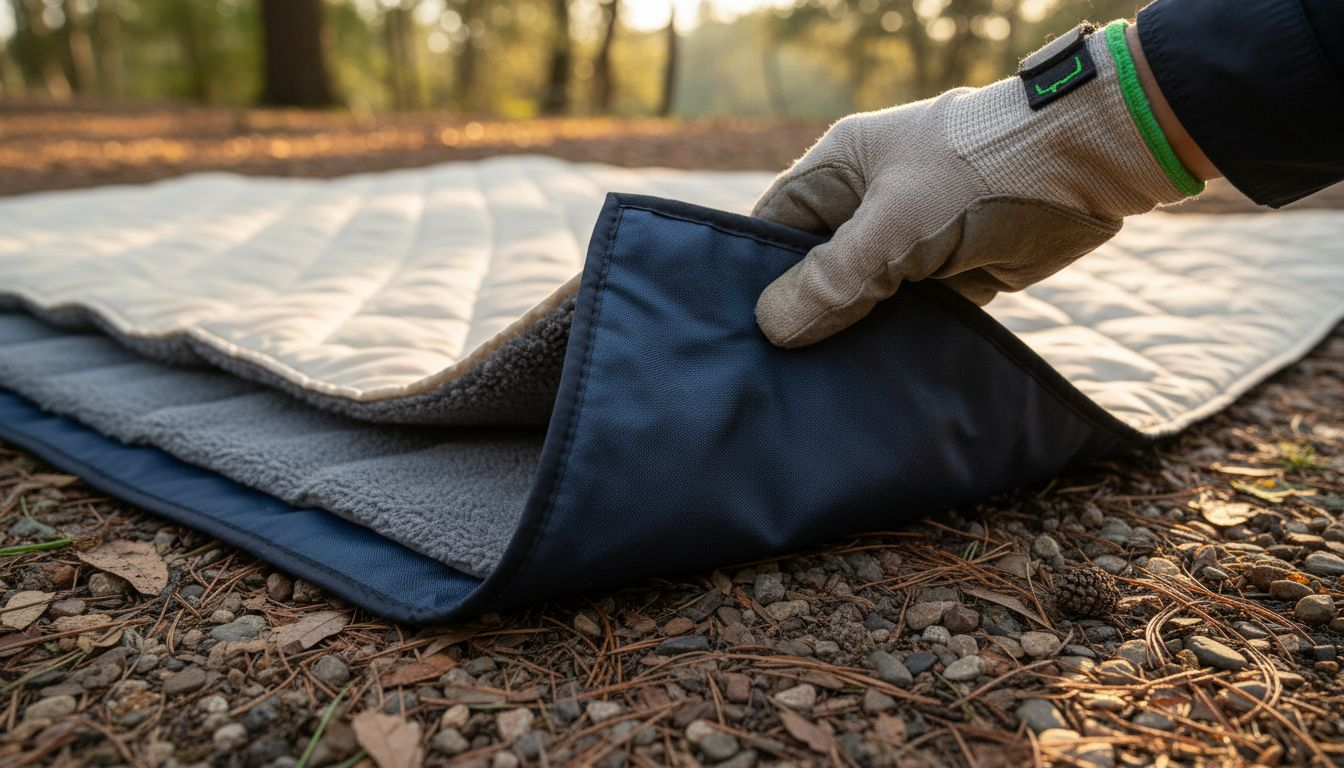
Insulation effectiveness depends on the middle layers. Quality outdoor blankets incorporate air-trapping materials like high-loft fleece or synthetic fill between the outer shell and inner lining. This trapped air creates a thermal barrier that prevents body heat from escaping to cold ground. Some premium models include reflective layers that bounce radiant heat back toward your body.
Durability matters because outdoor environments are harsh. Durability in outdoor blankets depends on quality construction methods including refined stitching, use of durable fabrics like 30D ripstop polyester, and reinforcement at stress points. The ripstop pattern prevents small tears from spreading, while double or triple stitching at seams handles repeated folding and tension. Understanding importance of durable stitching applies across outdoor gear categories.
Steps to Evaluate Key Features:
Pro Tip: Before buying, check manufacturer specifications for both multi-layer construction details and fabric durability ratings. This prevents disappointment with thin, poorly constructed products.
Size and portability are critical; larger blankets provide more coverage but must balance with packability and weight for travel convenience. Selecting the wrong size ruins your outdoor experience through inadequate coverage or excessive bulk.
Outdoor blankets typically range from compact junior sizes (28"x40") suitable for solo use to generous two-person options (84"x80") that accommodate couples or small groups. Mid-size blankets around 60"x70" work well for individual lounging with extra room for gear. Consider your primary activities: beach trips may need larger sizes for multiple people, while backpacking prioritizes compact dimensions.
Weight directly impacts portability. Ultralight models weigh as little as 9.6 ounces, perfect for backpackers counting every ounce. Standard camping blankets range from 1.5 to 2.5 pounds, offering more insulation and coverage. Heavy-duty options approaching 4 pounds provide maximum warmth but suit car camping better than hiking. The lightweight travel tips for comfort philosophy applies here: carry only what you’ll actually use.
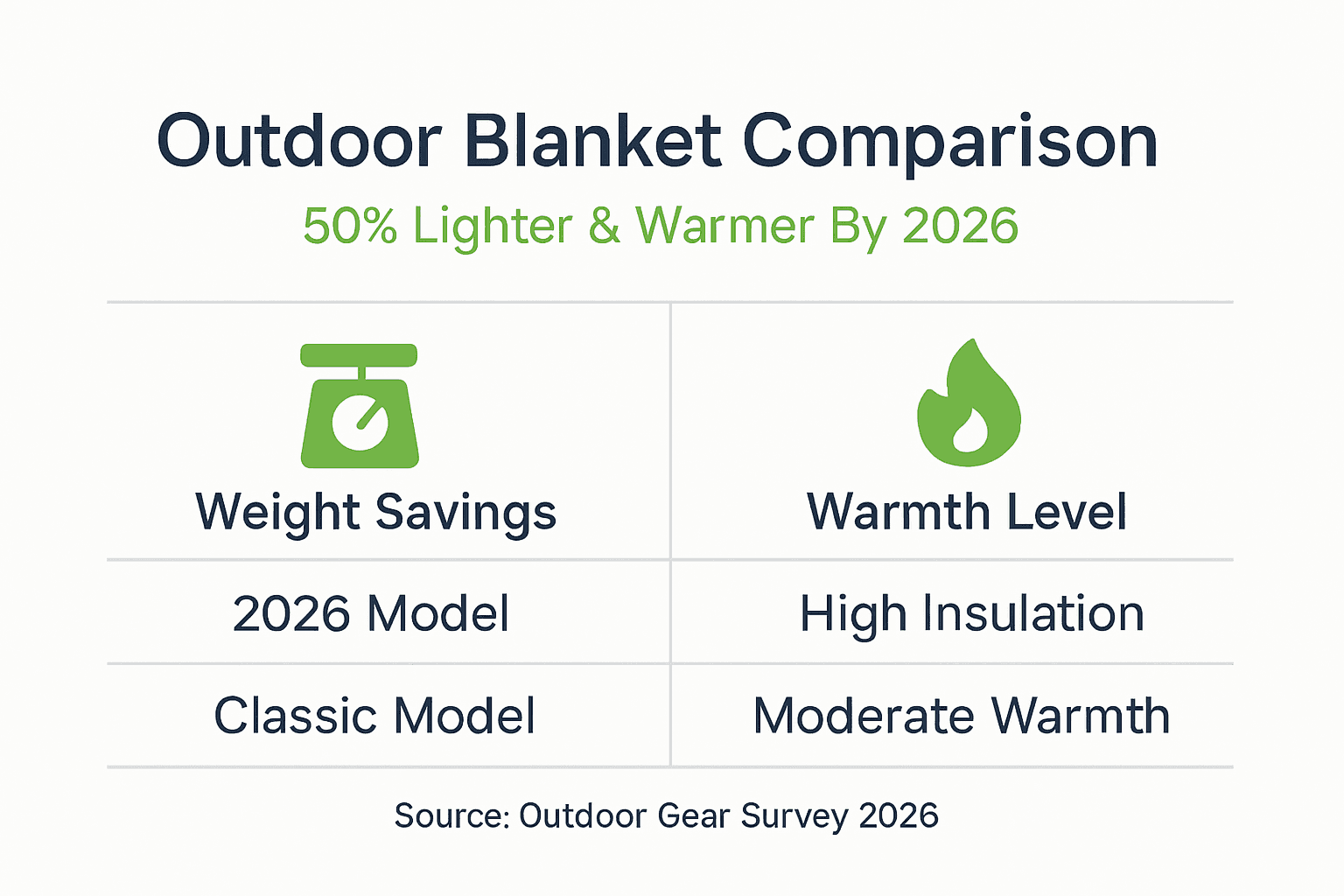
Packability measures how small the blanket folds or rolls. Quality outdoor blankets include stuff sacks or fold into integrated pockets, compressing to roughly the size of a water bottle or smaller. Some attach to backpack exteriors with carabiner loops. Check folded dimensions before buying, especially if packing into limited luggage space. Detailed specifications about outdoor blanket sizing and weight help you compare options accurately.
Size and Weight Reference:
| Blanket Size | Dimensions | Typical Weight | Best For |
|---|---|---|---|
| Junior | 28"x40" | 9.6-12 oz | Solo backpacking |
| Single | 50"x60" | 1-1.5 lbs | Individual camping |
| Standard | 60"x70" | 1.5-2.5 lbs | Versatile outdoor use |
| Two-Person | 84"x80" | 2.5-4 lbs | Couples, car camping |
Pro Tip: Match blanket size to your transport method. Backpackers need compact, lightweight options. Car campers can prioritize coverage over packability. For guidance on transporting outdoor gear efficiently, consider integrated carrying systems.
Three persistent myths prevent people from choosing optimal outdoor blankets. Let’s correct these misconceptions with current facts.
Myth: Outdoor blankets are bulky and heavy
Many consumers wrongly assume outdoor blankets are too heavy or bulky for year-round use; modern materials like Sherpa and synthetic fill provide lightweight warmth suitable from spring through fall and even winter in milder climates. Today’s ultralight models weigh less than a water bottle while delivering substantial insulation. Advanced synthetic fibers and strategic layering eliminate the bulk associated with older wool blankets. The lightweight outdoor gear benefits extend to blankets just as much as chairs and tents.
Myth: Only wool provides sufficient warmth
This outdated belief ignores decades of textile innovation. Modern fleece and Sherpa fabrics trap heat just as effectively as wool through different mechanisms. Synthetic materials create thousands of tiny air pockets that insulate without the weight and maintenance challenges of natural fibers. High-loft fleece delivers warmth-to-weight ratios that exceed traditional wool. For cold-weather camping, synthetic insulation often outperforms wool when properly designed into multi-layer systems.
Myth: Waterproof blankets are uncomfortable
Early waterproof blankets used stiff, crinkly materials that felt like tarps. Contemporary designs solve this through sophisticated fabric engineering. Quality outdoor blankets place the waterproof layer on the ground-facing side only, keeping the user-facing side soft and pleasant. Breathable waterproof membranes prevent the clammy feeling associated with non-breathable coatings. The result is blankets that protect against moisture without sacrificing comfort. Read more about debunking outdoor blanket myths from manufacturers who’ve tested these products extensively.
Proper maintenance extends blanket lifespan and preserves waterproof performance. Caring for outdoor blankets often requires machine washing or spot cleaning with air drying to maintain waterproof coatings and fabric integrity over time.
Cleaning Steps:
Storage requires attention to prevent mildew and material degradation. Always ensure your blanket is completely dry before folding and storing. Moisture trapped in storage creates mold that ruins fabrics and produces unpleasant odors. Store blankets in breathable bags or loosely folded in dry locations. Avoid compression for long periods, which can damage insulation loft.
Some waterproof coatings wear down over time and repeated washing. If water starts beading less effectively, consider reapplying durable water repellent (DWR) treatment. These spray-on products restore water resistance without replacing the blanket. Follow application instructions carefully for best results. The principles of maintaining outdoor gear durability apply equally to blankets and other textile equipment.
Pro Tip: Never use bleach or fabric softeners on outdoor blankets. These chemicals strip waterproof coatings and reduce fabric strength. For detailed care instructions, consult proper outdoor blanket care guidelines from manufacturers.
Matching blanket features to your specific activities ensures satisfaction and prevents buyer’s remorse. Consider how you’ll actually use the blanket before comparing products.
For cold-weather camping, prioritize insulation over packability. Look for blankets with high-loft synthetic fill or thick Sherpa linings. Wool works well if you’re car camping and won’t carry the extra weight. Ensure the blanket is large enough to wrap around your body or layer over sleeping gear for additional warmth. Dual-sided blankets that have one side designed for warmth retention and the other for wind and moisture protection enhance versatility and comfort in changing weather.
Picnics and beach outings require different features. Waterproofing becomes the top priority since you’ll sit directly on potentially wet ground. Size matters more here because you’re likely sharing space with others or spreading out food and gear. Look for blankets with sand-resistant fabrics that shake clean easily. Lighter weights work fine since warmth isn’t the primary concern.
Backpacking demands ultralight, compact options. Every ounce counts when you’re carrying everything on your back. Choose blankets under 1 pound that compress to water bottle size. Sacrifice some coverage area for reduced weight. Multi-functional designs that work as emergency shelters or ground cloths add value without extra weight. Review tips for choosing blankets for travel that balance functionality with minimal bulk.
Seasonal considerations affect material selection. Spring and fall require moderate insulation with good moisture protection for dewy conditions. Summer blankets can be thinner with emphasis on water resistance and easy cleaning. Winter use needs maximum insulation, possibly layering multiple blankets or choosing heavy wool options. For guidance on selecting blankets based on activity, manufacturers provide seasonal recommendations.
Selection Checklist:
Outdoor blankets transform camping and outdoor experiences through specialized materials, waterproof construction, and thoughtful design. Modern Sherpa and synthetic fabrics deliver warmth without the bulk of traditional wool, weighing as little as 9.6 ounces while providing substantial insulation. The key features are waterproof backing to block ground moisture, multi-layer insulation for warmth, and durable construction with reinforced stitching.
Choosing the right blanket requires balancing your priorities. Backpackers need ultralight, compact options. Car campers can prioritize coverage and maximum warmth. Beach users want waterproofing and sand resistance. Consider the activities you do most often and select materials and sizes accordingly.
Before purchasing, check construction quality by examining stitching, testing fabric strength, and verifying waterproof specifications. Read manufacturer care instructions to ensure you can properly maintain the blanket. With the right choice and proper care, a quality outdoor blanket serves you reliably for years across countless outdoor adventures.
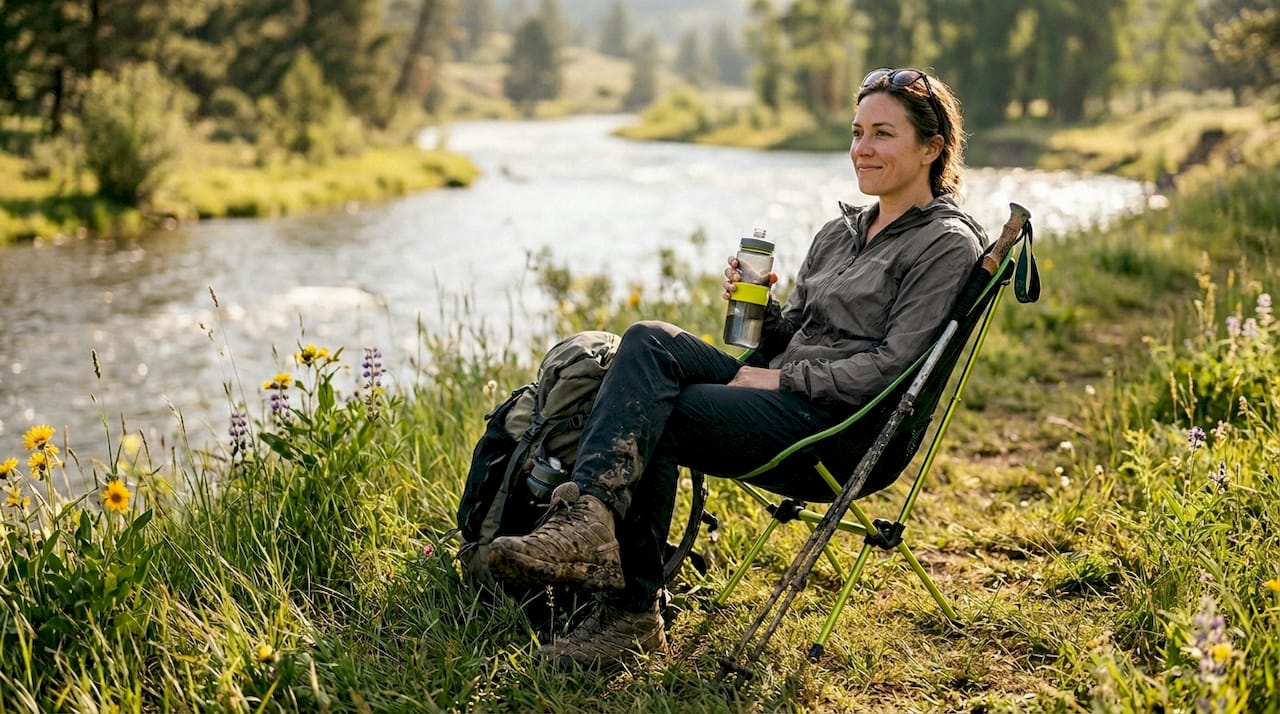
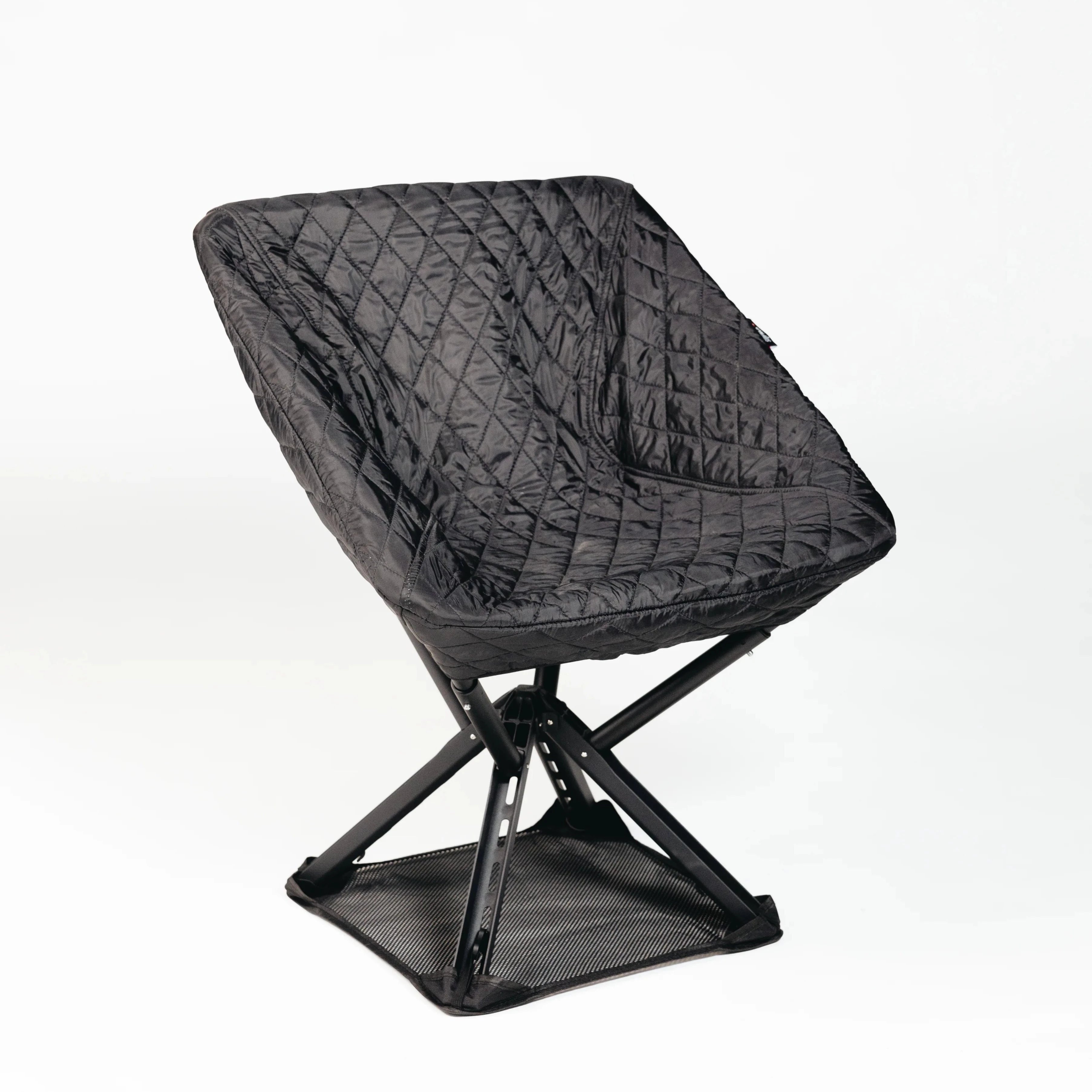
Pairing a quality outdoor blanket with portable seating creates the ultimate comfort setup for any outdoor adventure. Sitpack specializes in foldable, lightweight chairs that complement the portability and durability you need in outdoor blankets. These innovative seating solutions weigh as little as outdoor blankets while providing ergonomic support for extended outdoor relaxation.

Whether you’re camping in remote wilderness or enjoying a local park picnic, combining a waterproof blanket with a compact chair transforms your experience. Sitpack’s designs emphasize the same principles that make great outdoor blankets: minimal weight, maximum durability, and easy transport. Explore the complete outdoor seating buying guide to find products that match your adventure style, or discover more lightweight travel comfort tips that apply to all your outdoor gear choices.
Pro Tip: Visit Sitpack outdoor seating products to see how portable chairs and blankets work together for comprehensive outdoor comfort systems.
Sherpa and fleece offer the best balance for most users, combining lightweight portability with effective insulation. Sherpa provides dual-sided functionality with a water-resistant shell and plush warmth. Choose wool only if fire resistance near campfires is your top priority and you don’t mind extra weight.
Waterproof backing layers use polyurethane coatings or laminated membranes that block moisture from penetrating. These barriers prevent water from damp ground from soaking through while allowing some breathability to reduce condensation. The waterproof layer typically appears only on the ground-facing side, keeping the user-facing side soft and comfortable.
Yes, with proper material and thickness selection. Lightweight Sherpa or fleece blankets work well from spring through fall and in mild winter conditions. For harsh winter camping, choose thicker insulation or layer multiple blankets. Some users keep different blankets for different seasons, matching insulation levels to expected temperatures.
Machine wash on gentle cycle with cold water and mild detergent, or spot clean for minor dirt. Always air dry completely; never use high dryer heat which damages waterproof coatings and melts synthetic fibers. Avoid bleach and fabric softeners that strip waterproofing. Ensure the blanket is completely dry before storing to prevent mildew.
Multi-layer designs effectively trap heat and block cold transfer from ground surfaces. The combination of air-trapping fleece or synthetic fill with a barrier layer prevents your body heat from escaping to cold earth. For extreme cold, consider using a blanket over a sleeping pad for additional insulation and comfort.