Cart
0
Sign up and get 10$ off your order
Expected delivery
1-3 days
You may also like
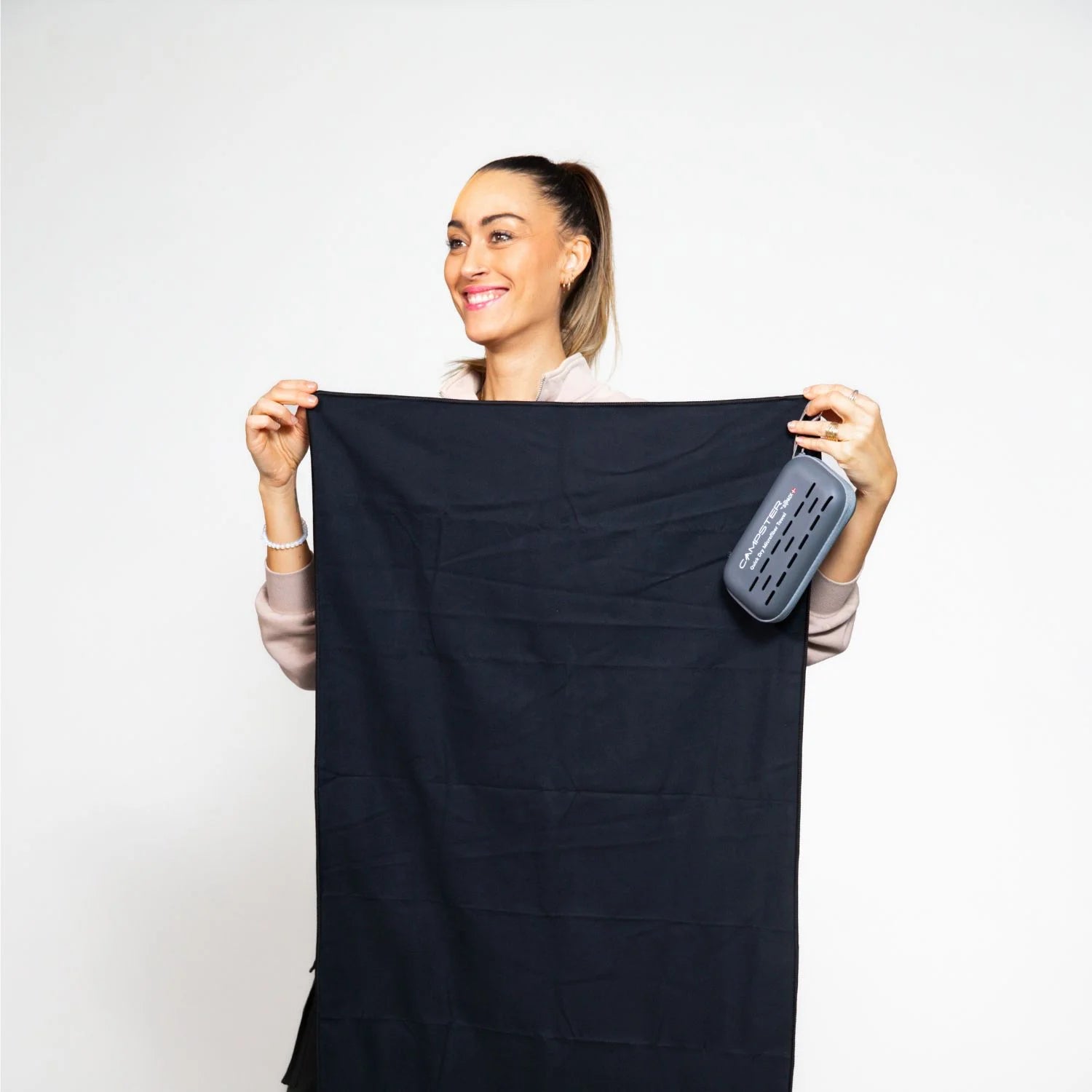


Danish Company


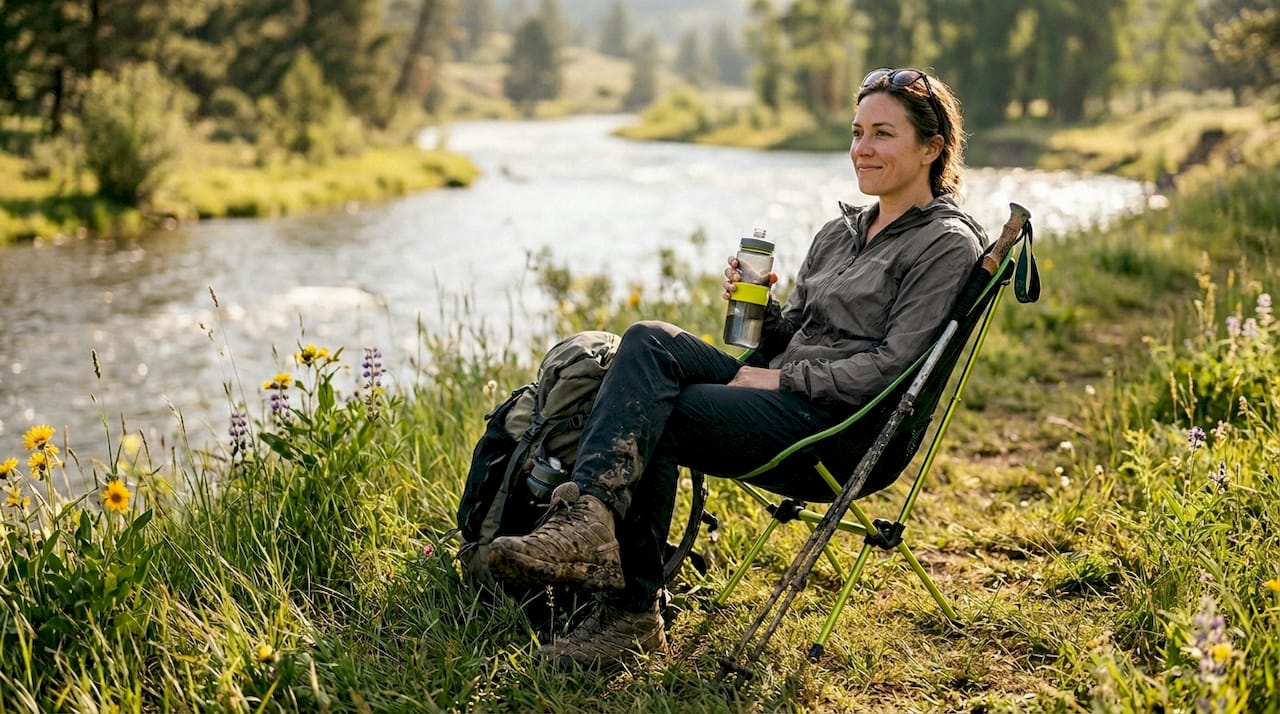
Finding comfort outdoors without adding extra bulk often challenges even the most seasoned adventurers. Eco-conscious travelers and urban campers care deeply about reducing both their physical and environmental footprint. Choosing lightweight travel solutions allows you to enjoy nature with less fatigue, greater mobility, and a smaller carbon impact—proving that intentional packing matters just as much as destination.
| Point | Details |
|---|---|
| Lightweight Travel Reduces Fatigue | Carrying less weight minimizes physical strain, allowing for longer and more enjoyable outdoor experiences. |
| Sustainable Choices Matter | Lightweight travel aligns with eco-conscious values, leading to reduced environmental impact and lower carbon footprints. |
| Smart Packing Maximizes Efficiency | Focused packing lists and multipurpose gear can significantly reduce weight without sacrificing essential items. |
| Cost vs. Weight Trade-Off | While lightweight gear may come with a higher upfront cost, the enhanced mobility and comfort can justify the investment for frequent travelers. |
Lightweight travel isn’t about sacrificing comfort or durability—it’s a smart strategy for moving efficiently through outdoor spaces. The core concept centers on carrying only what you truly need, reducing fatigue, and maximizing your enjoyment of nature.
What Lightweight Travel Actually Means
Lightweight travel refers to minimizing your gear weight while maintaining functionality and comfort. Ultralight backpacking emphasizes carrying a base weight under 4.5 kg (9.9 lb), compared to traditional backpacking where base weights often exceed 6.8 kg.
The philosophy is straightforward: less weight equals easier movement, reduced physical strain, and the ability to travel farther without exhaustion. This approach works whether you’re hiking a mountain trail, camping in urban parks, or traveling between destinations.
However, lightweight travel isn’t just about ultralight gear or extreme minimalism. It’s about being intentional with every item you pack.
Common Myths About Lightweight Gear
Myth #1: Lightweight means cheap and flimsy.
Reality: High-performance lightweight materials are engineered for durability. Military-grade lightweight equipment demonstrates that reducing weight doesn’t compromise strength—lightweight design principles used in demanding military applications prove equipment can be both lighter and more capable.
Myth #2: Lightweight gear costs a fortune.
Reality: Some ultralight gear is expensive, but lightweight travel works at any budget. Strategic choices—like multipurpose items and quality basics—deliver weight savings without breaking the bank.
Myth #3: Lightweight seating isn’t comfortable.
Reality: Lightweight seating designed for outdoor use balances portability with genuine comfort through thoughtful engineering and ergonomic design.
Myth #4: You need less gear overall.
Reality: Lightweight travel is about smart gear selection, not deprivation. You bring what matters for your specific trip, eliminating only true dead weight.
Why This Matters for Eco-Conscious Travelers
Lightweight travel aligns naturally with environmental values. Carrying less means less strain on trails, easier use of public transportation, and reduced fuel consumption when traveling. Your lighter footprint—literally and environmentally—matters.
Urban campers and outdoor enthusiasts find lightweight gear lets them explore more locations, spend more time in nature, and return with better memories and less physical wear.
Here’s how lightweight travel benefits both campers and eco-conscious travelers:
| Benefit Area | Camper Impact | Environmental Impact |
|---|---|---|
| Physical Health | Less fatigue and strain | More active outdoor time |
| Financial Savings | Reduced transport expenses | Fewer purchases over time |
| Mobility & Flexibility | Greater exploration freedom | Lower trail and ecosystem strain |
| Outdoor Enjoyment | Improved trip memories | Reduced discomfort and waste |
| Longevity of Gear | More durable over years | Less landfill contribution |
Pro tip: Start by inventorying what you actually use on each trip, then gradually replace heavy items with lightweight alternatives that serve the same purpose—building your ideal kit takes time, not a shopping spree.
Lightweight travel transforms how you experience the outdoors. When you reduce what you carry, you unlock real benefits that make every trip more enjoyable and sustainable.
Physical Comfort and Reduced Fatigue
Carrying less weight directly impacts your body. Lighter base weight reduces stress on muscles, joints, and your lower back, allowing you to hike farther without exhaustion.
This matters whether you’re tackling a 10-mile day or exploring urban parks. Less strain means you arrive at your destination energized, not depleted.
You can also move more freely and enjoy better balance on uneven terrain when you’re not weighed down.
Better Mobility and Flexibility
Lightweight gear increases your overall mobility. You’ll navigate trails easier, climb steeper sections with less effort, and move between locations without that heavy drag.
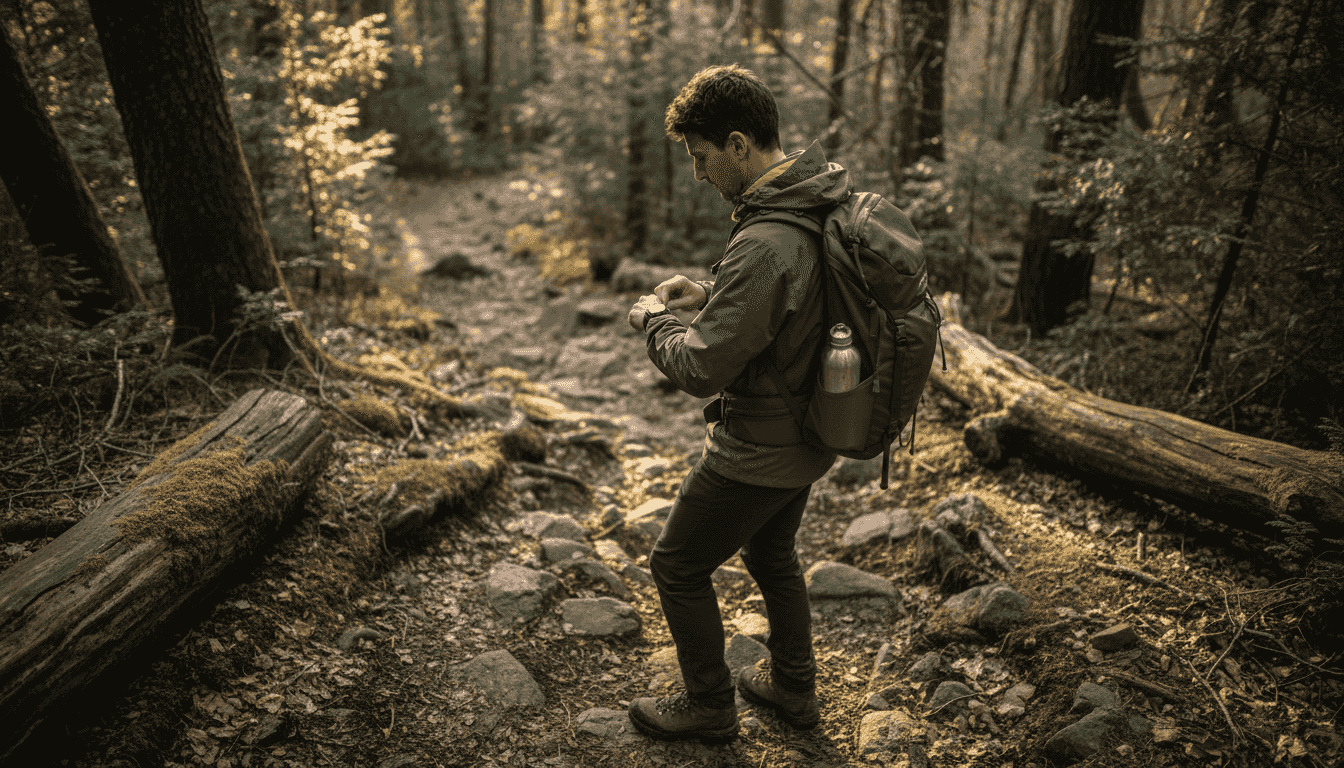
This flexibility lets you explore longer, discover hidden spots, and respond to changing conditions without feeling trapped by your equipment.
Environmental and Financial Benefits
Lighter travel means real environmental gains. Sustainable lightweight options require less energy for transport and lower your carbon footprint when traveling between destinations.
You also spend less on fuel if driving, reduce public transportation costs, and avoid unnecessary gear purchases.
Key Benefits at a Glance
Better Outdoor Experience
When gear isn’t a burden, you focus on what matters: the experience. Ergonomic camping equipment designed for comfort balances lightweight design with genuine support.
You spend more time enjoying nature and less time managing discomfort or fatigue.
Lightweight travel isn’t about deprivation—it’s about removing obstacles between you and genuine outdoor enjoyment.
Pro tip: Start with your heaviest three items and replace them with lightweight alternatives one at a time—this gradual approach lets you test what works before committing to a full gear overhaul.
Modern lightweight gear isn’t just about reducing weight—it’s engineered with environmental responsibility in mind. Manufacturers now prioritize sustainable materials and smart design that benefits both travelers and the planet.
Sustainable Materials Making a Difference
Advanced lightweight materials like aluminum alloys, magnesium composites, and engineered polymers reduce weight while maintaining durability and safety. These aren’t cheap shortcuts; they’re technological innovations balancing environmental goals with performance.
Sustainable outdoor gear uses recycled and renewable materials wherever possible, lowering manufacturing carbon footprints before you even start your trip.
How Lightweight Design Reduces Environmental Impact
The travel and tourism sector increasingly incorporates sustainable innovations focused on reducing environmental impact through energy-efficient practices and waste reduction. Lightweight gear directly contributes by lowering carbon footprints during transport and reducing ecosystem strain.
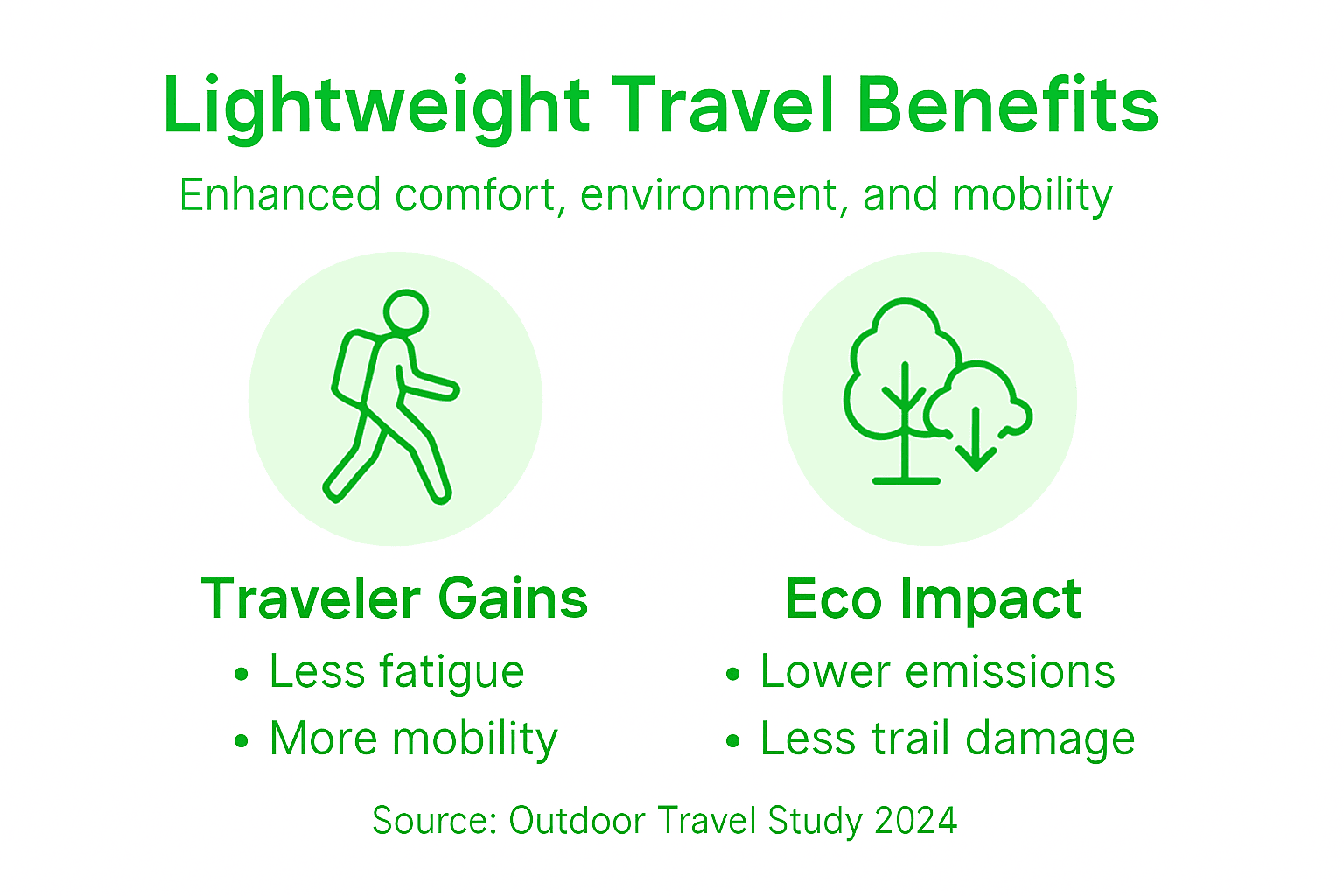
When you carry less, you consume less fuel whether hiking, driving, or using public transportation. This compounds across millions of trips annually.
Key Design Innovations
Quality That Lasts
Sustainable outdoor furniture design emphasizes longevity over disposability. Higher-quality lightweight gear costs more upfront but lasts years, reducing waste and eventual landfill burden.
Manufacturers offering lifetime warranties demonstrate confidence in durability while encouraging repair over replacement.
Compare key eco-friendly innovations found in modern lightweight gear:
| Innovation | Design Purpose | Sustainability Benefit |
|---|---|---|
| Modular Functionality | Multi-use items, save space | Fewer products manufactured |
| Recycled Materials | Reduce plastic reliance | Lower carbon footprint |
| Compact Mechanisms | Minimize storage and transport | Less fuel for logistics |
| Extended Durability | Lasts longer, repairs feasible | Reduced replacement waste |
Eco-conscious design means creating gear that performs exceptionally while minimizing harm to the environment throughout its entire lifecycle.
Making the Right Choice
When shopping for lightweight outdoor gear, look for certifications indicating sustainable sourcing, check material composition, and prioritize brands committed to environmental responsibility.
Your purchasing decisions support companies developing cleaner technologies and manufacturing practices.
Pro tip: Research brands’ sustainability practices before buying—many manufacturers now publish detailed environmental impact reports and material sourcing information, helping you align your gear choices with your eco-conscious values.
Packing light isn’t about leaving behind essentials—it’s about being intentional with every item. Smart packing strategies cut weight significantly while ensuring you have everything you actually need.
Start with a Focused Packing List
Smart packing strategies include using packing lists focused on essential items, choosing multipurpose clothing, and packing for shorter durations. This approach reduces physical strain and travel costs.
Write down what you’ve used on past trips, not what you think you might need. Real data beats guesses every time.
Choose Multipurpose Gear
Every item should serve at least two functions. A lightweight scarf becomes a blanket, sun protection, or fashion layer. Merino wool shirts work in warm and cool weather.
Multipurpose gear shrinks your total weight dramatically while maintaining versatility and comfort.
The Lightweight Packing Formula
Travel Health Kit Essentials
Smart travel preparation includes carrying necessary medications in original packaging, travel-sized toiletries, and copies of important documents. Tailoring your kit to your destination reduces unnecessary weight.
Skip the full-sized bottles and first-aid supplies you won’t use. Minimal, targeted packing works better than comprehensive overpacking.
Weight-Cutting Tactics
Intentional packing means questioning every item: “Will I genuinely use this, or am I packing from habit?”
When You Arrive
Plan laundry stops on longer trips. Washing clothes halfway through extends your wardrobe without additional weight. Most accommodations offer laundry facilities, and many towns have laundromats.
This single strategy cuts clothing weight in half for trips over five days.
Pro tip: Lay everything out before packing, then remove 25 percent of items you think you’ll need—you’ll rarely miss what you left behind, and you’ll feel the difference immediately.
Choosing between lightweight and traditional gear isn’t about picking a clear winner—it’s about matching your needs to the right tool. Each approach has genuine trade-offs worth understanding.
The Weight Difference
Lightweight gear typically weighs significantly less than traditional equipment, offering enhanced mobility and comfort. Advanced lightweight materials such as magnesium and carbon fiber composites reduce component weight by up to 50% compared to traditional steel parts.
This matters when you’re hiking 15 miles or moving camp frequently. Less weight means less fatigue and faster movement.
Cost Considerations
Lightweight gear usually costs more upfront. The specialized materials and engineering drive higher prices, sometimes double or triple traditional equipment costs.
Traditional gear tends to be less expensive and accessible for budget-conscious travelers. The investment question is whether weight savings justify the premium.
Durability and Robustness
Traditional gear is often more robust and durable for heavy use. Heavy-duty materials tolerate rough handling, extreme conditions, and years of abuse.
Lightweight gear can be durable too, but requires more careful handling and maintenance. It’s built for efficiency, not punishment.
Comparing Key Factors
| Factor | Lightweight Gear | Traditional Gear |
|---|---|---|
| Weight | Minimal | Heavier |
| Cost | Higher | Lower |
| Durability | Good with care | Very robust |
| Performance | Enhanced mobility | Reliable baseline |
| Learning curve | Moderate | Low |
When Lightweight Makes Sense
When Traditional Works Better
The best gear isn’t the lightest or heaviest—it’s what matches your actual trips, budget, and physical needs.
Finding Your Balance
Ultralight camping gear maximizes mobility outdoors while maintaining functionality, but you don’t need to go full ultralight. Start with traditional basics, then upgrade your heaviest items to lightweight alternatives as you discover what matters most on your trips.
This gradual approach lets you test the difference without big upfront costs.
Pro tip: Identify your three heaviest items and calculate how much weight you’d save upgrading each to lightweight alternatives—if the total savings exceeds 20 percent of your base weight, the investment likely pays off in comfort and extended trip capability.
The challenge of managing heavy gear while aiming for comfort and mobility is very real for outdoor enthusiasts. This article highlights the importance of prioritizing lightweight travel to reduce fatigue, enhance mobility, and stay eco-conscious. Your goal is to carry only what truly matters without sacrificing comfort or durability. That is where smart choices in portable seating come into play
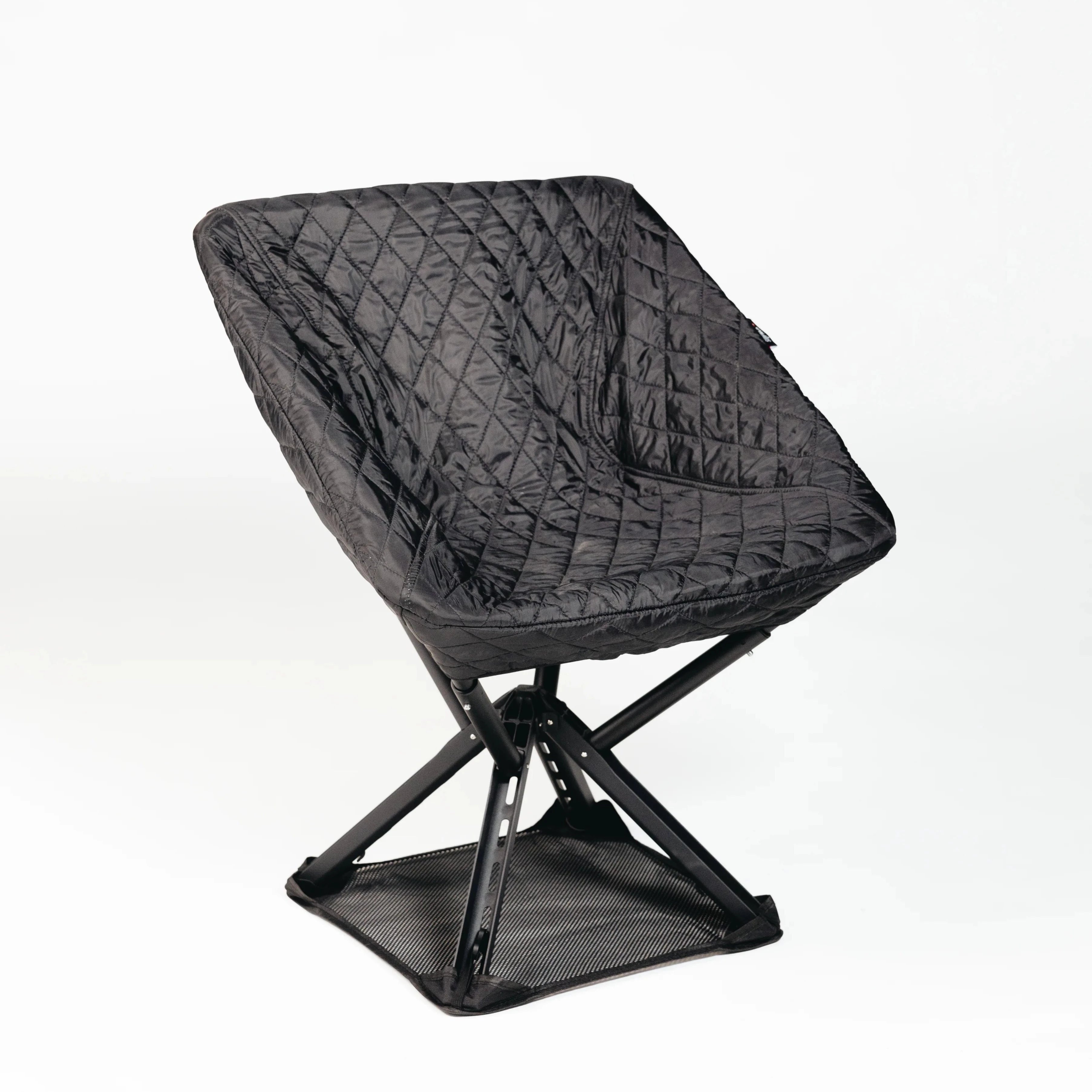
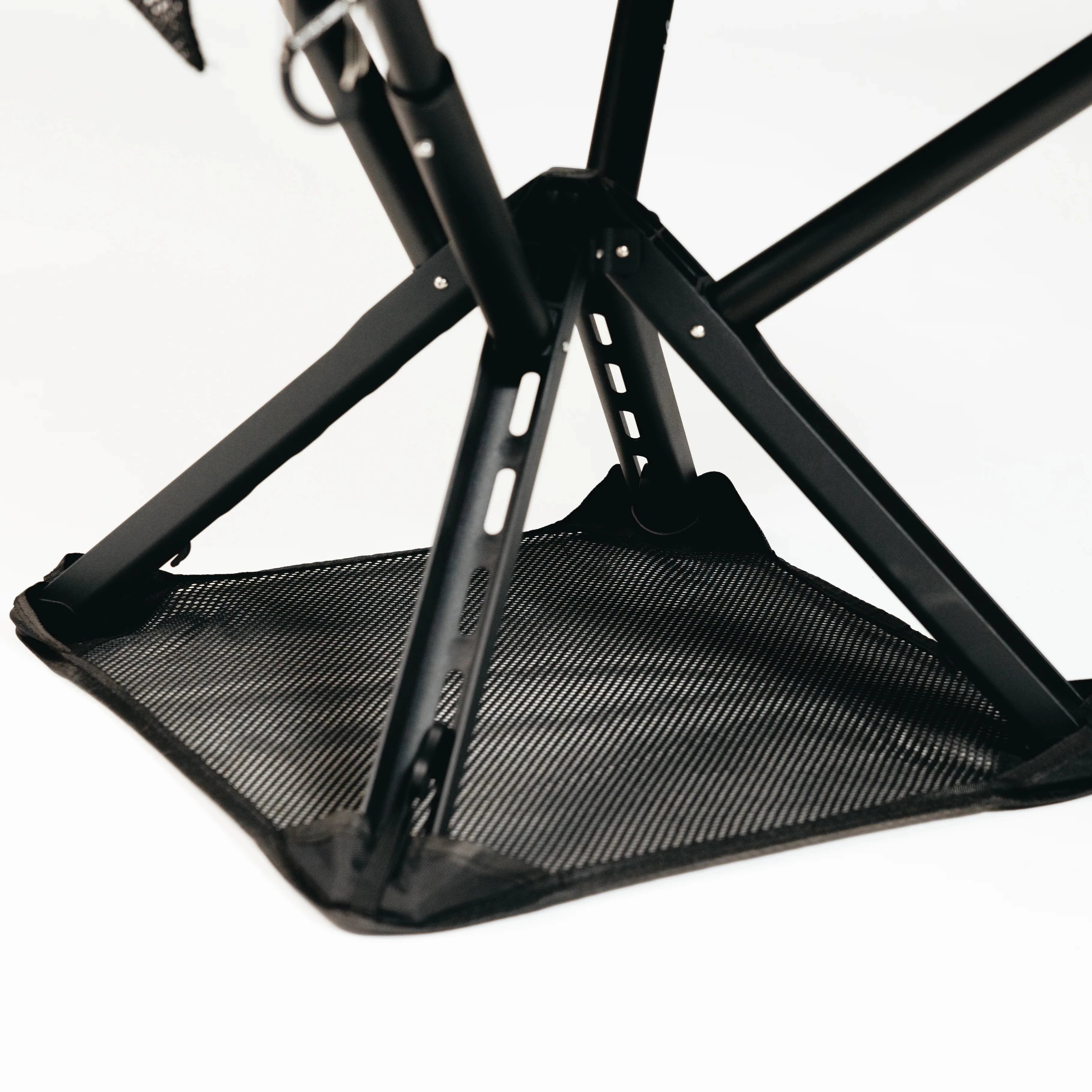
Experience the perfect blend of minimalistic design and durability with innovative products like the Campster II and Sitpack Zen offered at Sitpack. These lightweight, foldable chairs are engineered to ease your load on every trip while ensuring ergonomic support. They embody the same principles of smart packing and eco-friendly materials discussed in the article, helping you stay energized and comfortable no matter where your adventures take you
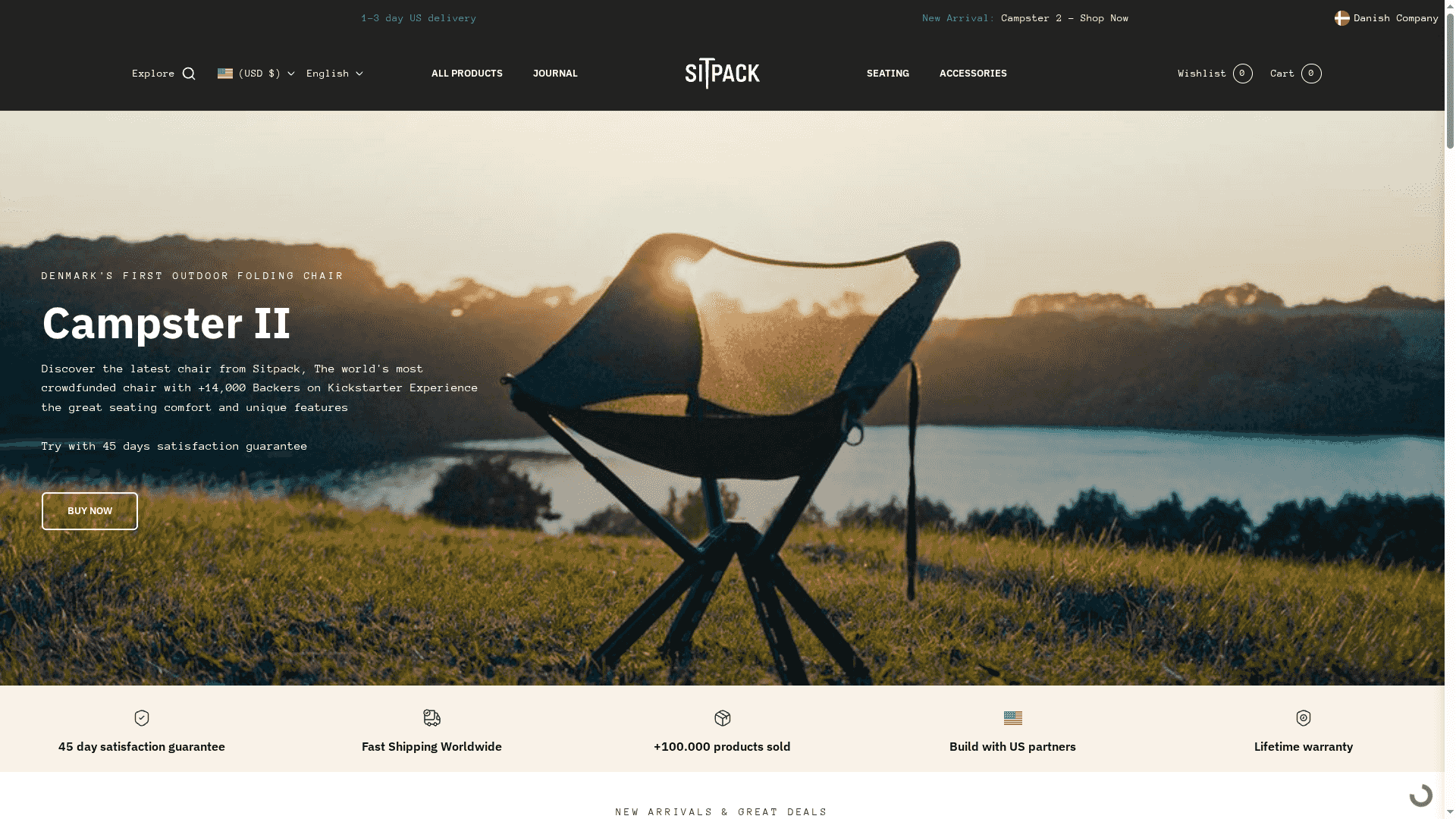
Discover how reducing your gear weight starts with the right seating solution. Explore the latest innovative outdoor seating options now and transform the way you travel. Act today because your next trip deserves smarter comfort and effortless portability.
Lightweight travel refers to minimizing the weight of your gear while maintaining functionality and comfort, allowing for easier movement and reduced fatigue during outdoor activities.
Carrying less weight directly reduces stress on your muscles and joints, allowing you to hike longer distances with less exhaustion and promoting overall physical comfort during your adventures.
Yes, high-performance lightweight materials are engineered for durability. Many lightweight items, including those used in military applications, demonstrate that reduced weight does not compromise strength or weather resistance.
Focus on a packing list that includes only essential items, choose multipurpose gear that serves multiple functions, and consider reducing the weight of clothing by prioritizing lightweight fabrics and versatile pieces.