Vogn
0
Tilmeld dig og få 10% i rabat på din ordre
Forventet levering
1-3 dage
Du vil måske også kunne lide


Dansk Firma

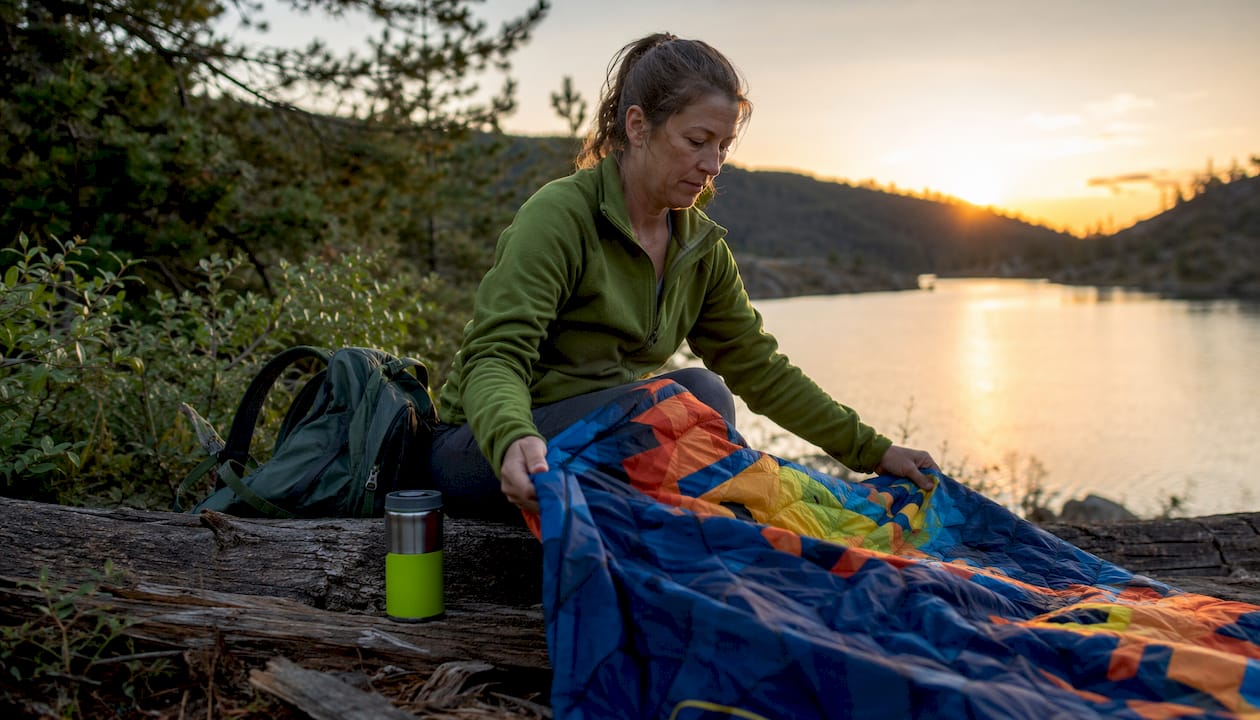
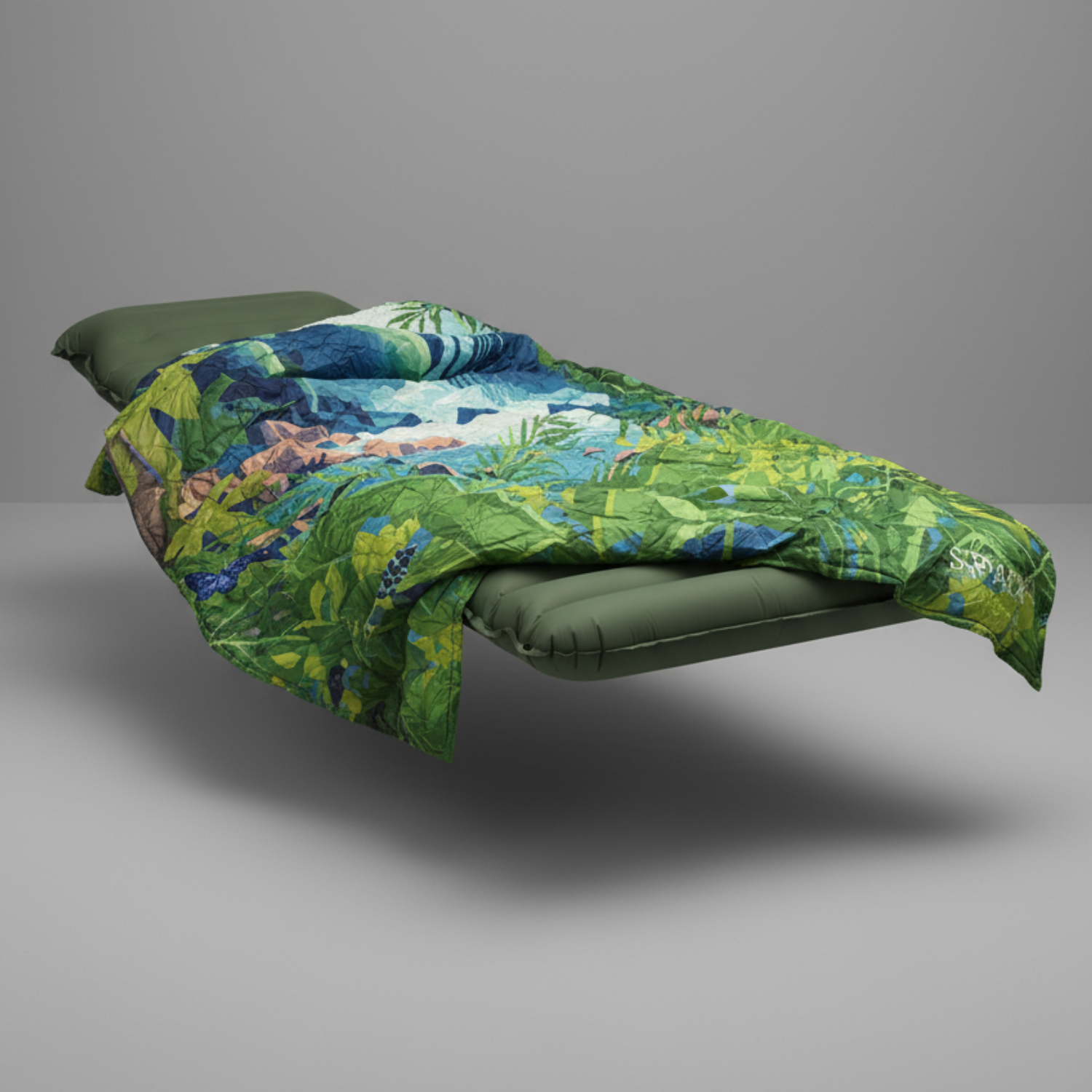
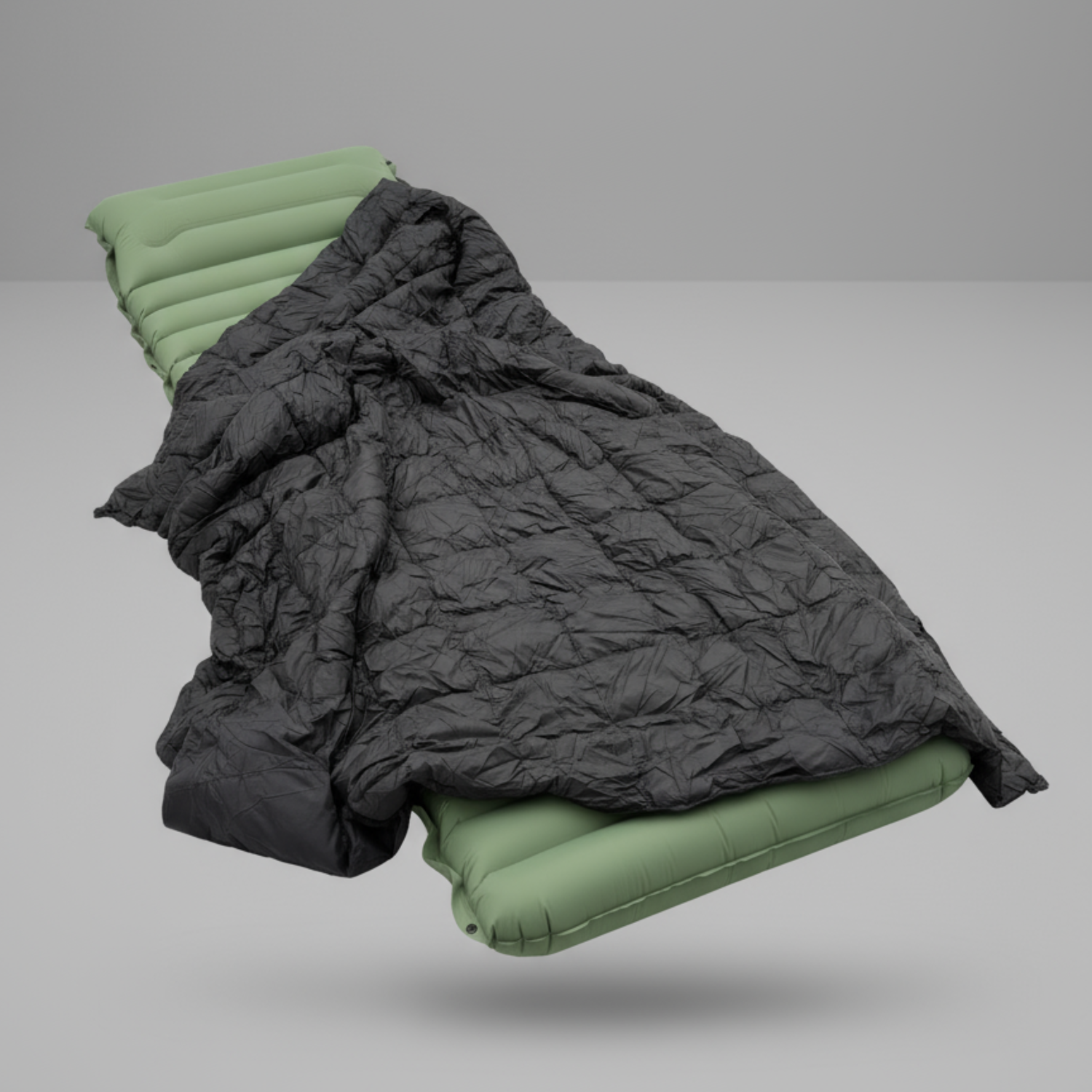
Packable blankets are the single best comfort upgrade you can make to your travel or camping kit. They compress to a compact size and deliver genuine warmth across a surprising range of situations, from shivering through a red-eye flight to wrapping up around a campfire while your sleeping bag waits in the tent. Unlike the sad, tissue-thin blanket an airline tosses at you, your own packable blanket is clean, reliably warm, and ready to pull double duty as a picnic mat, a makeshift pillow, or an emergency layer in your car’s glove compartment. Here is a quick look at why they earn their spot in any pack:
Not every blanket that technically fits in a bag qualifies. A true packable blanket is engineered from the ground up for compression and portability, and a few specific features separate the real deal from a regular throw you’ve stuffed into a stuff sack.
The outdoor blanket guide at Sitpack breaks down these features in detail if you want to go deeper on specs before buying.
This is where the rubber meets the road. A packable blanket is not a one-trick pony, and the more you travel or camp, the more situations you will find yourself reaching for it.
Pro Tip: Below 55°F, a blanket alone is not enough for sleeping outdoors. Wrap yourself fully and tuck the edges under your sleeping pad to cut drafts. Above that temperature, a packable blanket can substitute for a sleeping bag on mild nights.
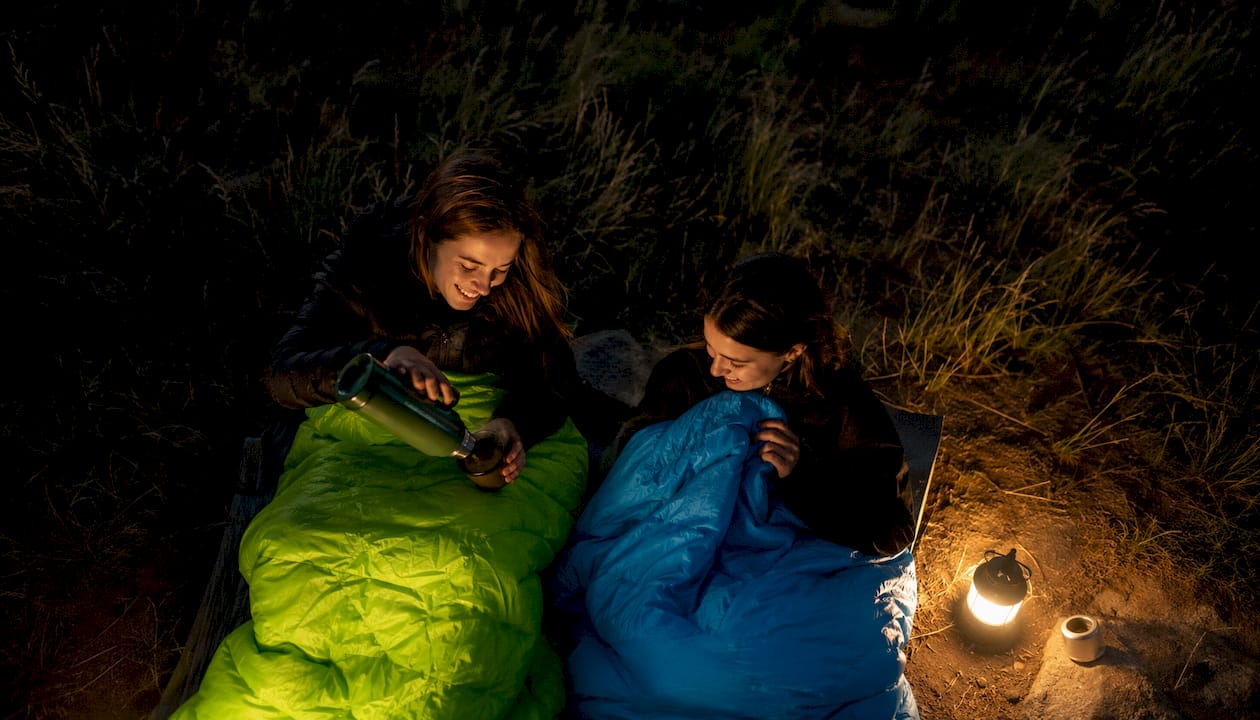
The material in your blanket determines how warm you stay, how much it weighs, how it handles moisture, and how long it lasts. Getting this right is the difference between a blanket you reach for every trip and one that stays in the closet.
Synthetic insulation maintains loft when damp, dries quickly, and is machine washable. For most camping and travel scenarios, especially shoulder-season conditions where morning dew and campfire condensation are facts of life, synthetic is the more practical choice. The trade-off is that it compresses over time with heavy use, though quality options hold up well for years.
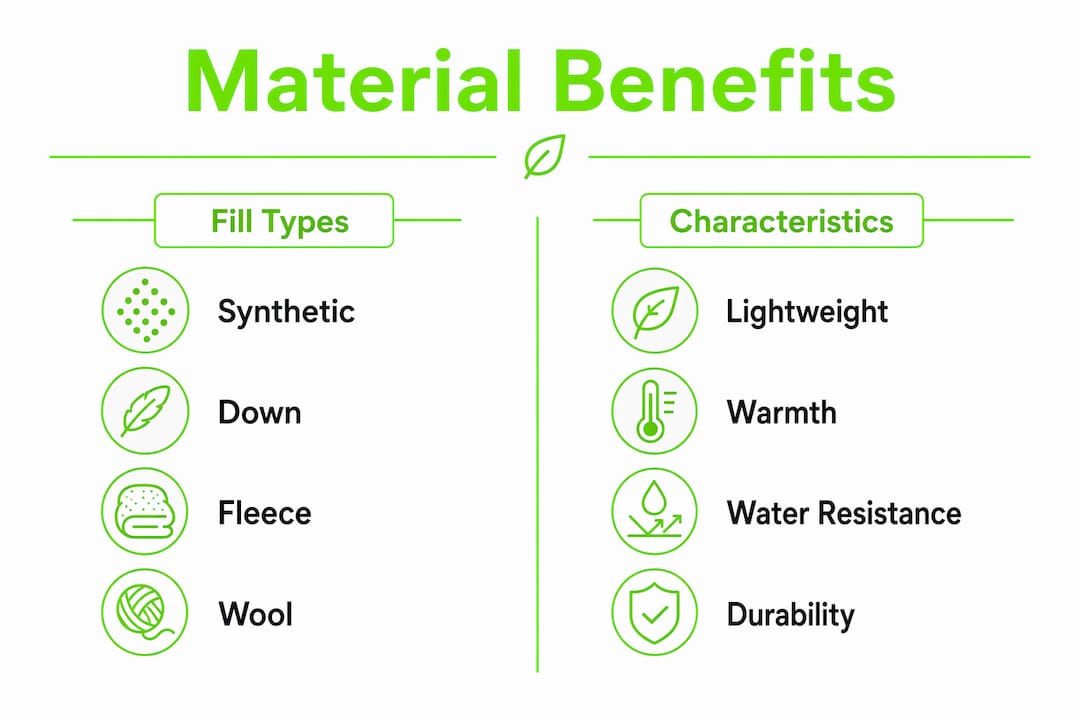
Down is lighter and more compressible than synthetic for a given warmth level. The catch is that it loses loft when wet and requires more careful cleaning. If you are backpacking and every ounce matters, down makes sense. For car camping or travel where you might encounter rain or humidity, synthetic wins.
Heavier and bulkier than either fill option, but nearly indestructible. Polartec 200-weight fleece stays warm when wet and resists pilling better than budget alternatives. If you do not need to pack light, fleece is often the more durable long-term choice for car camping.
Wool breathes better than synthetic options and naturally resists odors, which matters over a long weekend. The downside is weight, typically 3–5 lbs for a full camp blanket, and price. A quality wool blanket lasts decades and doubles as home décor, but it is not the choice for anyone counting grams.
Warm and soft, but heavy and slow to dry. Cotton is best left at home for anything beyond backyard use.
| Material | Weight | Warmth when wet | Machine washable | Best for |
|---|---|---|---|---|
| Synthetic fill | Light | Yes | Yes | Travel, camping, shoulder season |
| Down fill | Very light | No | Delicate cycle | Backpacking, dry climates |
| Fleece | Heavy | Yes | Yes | Car camping, durability |
| Wool | Heavy | Moderate | Cold/hand wash | Long-term investment, odor resistance |
| Cotton | Heavy | No | Yes | Backyard only |
DWR coating deserves its own mention. A DWR-treated outer shell sheds light moisture and morning dew, letting you toss the blanket on damp grass without soaking the insulation. Most quality packable blankets include it; re-treat with a wash-in product like Nikwax TX.Direct after several seasons of heavy use.
Choosing durable, high-quality materials also reduces waste compared to relying on single-use or flimsy airline-provided blankets, making a packable blanket the more environmentally responsible choice for frequent travelers.
The best argument for a packable blanket is not a spec sheet. It is what happens when you actually use one. Travelers who log serious miles consistently report the same thing: the blanket earns its weight many times over.
The camping accessory workflow that Sitpack outlines pairs a packable blanket naturally with other lightweight gear, keeping your kit warm and compact without redundancy.
Once you have decided a packable blanket belongs in your kit, the next question is which one. Size and warmth are obvious starting points, but a few less obvious factors separate a blanket you will love from one you will tolerate.
Pro Tip: If you are buying for travel rather than camping, prioritize a blanket with a built-in pouch or integrated stuff sack. It keeps the blanket contained in your carry-on and makes it easy to pull out and repack mid-flight without creating a fabric avalanche in the overhead bin.
For a broader look at how packable gear fits together, the packable furniture guide at Sitpack covers the full picture of lightweight outdoor comfort.
Packable blankets earn their place in any travel or camping kit because they deliver real warmth, genuine versatility, and zero packing penalty.
| Point | Details |
|---|---|
| Portability is the core advantage | Packable blankets weigh under one pound and compress to grapefruit size, fitting easily in a daypack or carry-on. |
| Synthetic fill beats down for most uses | Synthetic insulation stays warm when wet, dries fast, and is machine washable, making it the practical choice for travel and camping. |
| DWR coating is non-negotiable outdoors | A DWR-treated shell sheds dew and light moisture, letting you use the blanket on damp grass or near campfire condensation. |
| Packed size versus warmth rating matters most | A blanket that compresses small but rates for colder temperatures is a better investment than a larger blanket that requires external pack lashing. |
| Multi-use value reduces waste | One durable packable blanket replaces single-use airline blankets, disposable picnic covers, and emergency car blankets across its lifespan. |