Vogn
0
Tilmeld dig og få 10% i rabat på din ordre
Forventet levering
1-3 dage
Du vil måske også kunne lide


Dansk Firma

TL;DR:
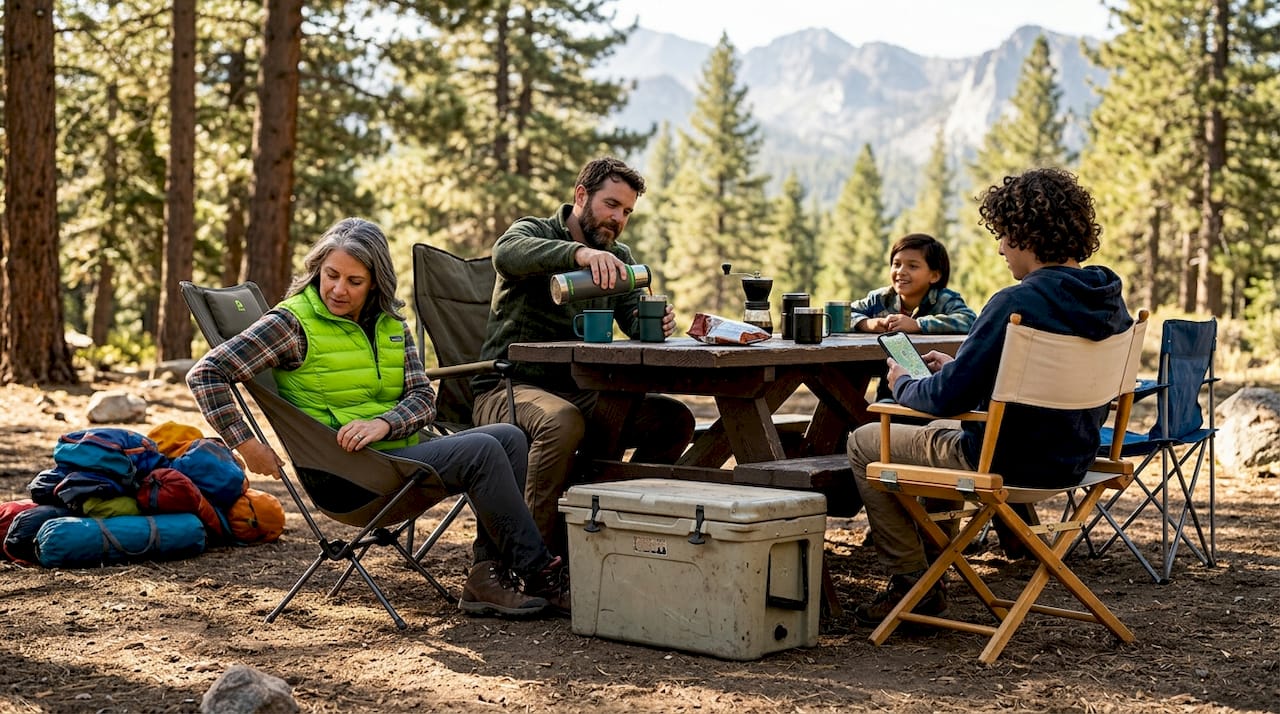
- Campsite seating trends focus on function-matched design, ergonomic features, and terrain stability improvements. Matching chair seat height to table height (17–19 inches) enhances comfort and prevents back pain during meals. Modular setups and accessories optimize group comfort, tailored to different camping styles and terrain conditions.
You sit down at your campsite after a long hike, ready to relax by the fire, and within 20 minutes your back aches, your knees feel jammed under the table, or your chair is slowly swallowing itself into the soft ground. Sound familiar? This explainer on campsite seating trends cuts through the noise to show you exactly what’s changed in outdoor chair design, why seat height matters more than most people realize, and how to pick the right setup for how you actually camp. Not just what looks good on Instagram.
| Point | Details |
|---|---|
| Seat height is critical | Match chair height (17–19 inches) to your camp table for pain-free dining. |
| Stability trumps ultralight hype | Wider feet and ground accessories prevent sinking on soft terrain. |
| Comfort and portability trade off | Reclining chairs offer superior lounging but weigh more; choose based on your camping style. |
| Budget shapes your priorities | A $15 chair works for occasional park days; frequent campers need durability-focused picks. |
| Modular setups improve group trips | Consistent seat heights and defined dining/lounge zones reduce friction for everyone. |
If you’ve browsed camping chairs lately, you’ve probably noticed the market has exploded. There are chairs that fold to the size of a water bottle, chairs with built-in footrests, chairs that cost $15 at Aldi and chairs that cost $400 from a backcountry gear brand. So what’s actually trending, and more importantly, what’s worth your attention?
The biggest shift in best camping chair trends for 2026 is a move toward function-matched design. Meaning, chairs are being engineered for specific activities rather than trying to do everything adequately and nothing brilliantly. Dining chairs are getting more upright geometry. Lounge chairs are getting deeper reclines and leg rests. Ultralight backpacking chairs are finally addressing the soft-ground sinking problem that plagued them for years. That’s real progress.
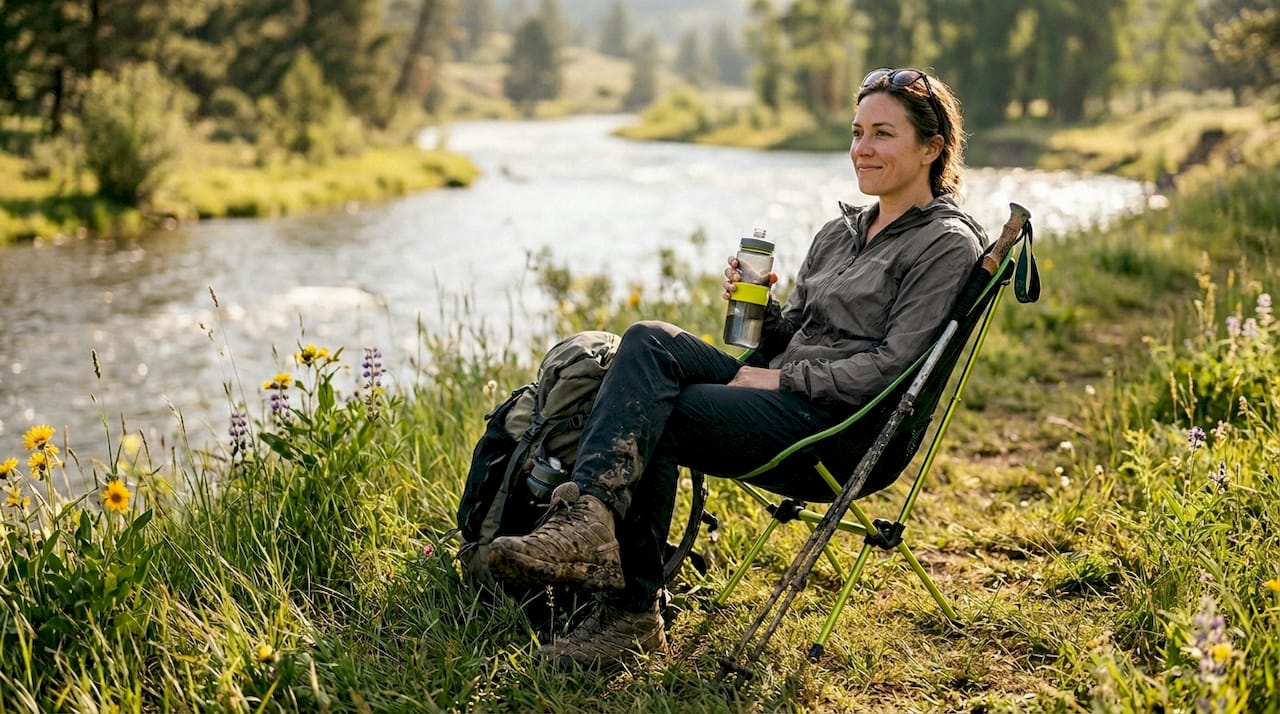
The second shift is ergonomics getting taken seriously at the campsite. Backrest angle matters: angles over 120 degrees suit fireside lounging, while 90 to 110 degrees works best for dining or playing cards. Campers are increasingly asking “what will I be doing in this chair?” before buying, rather than just grabbing whatever is on sale. That change in mindset is the real trend worth tracking.
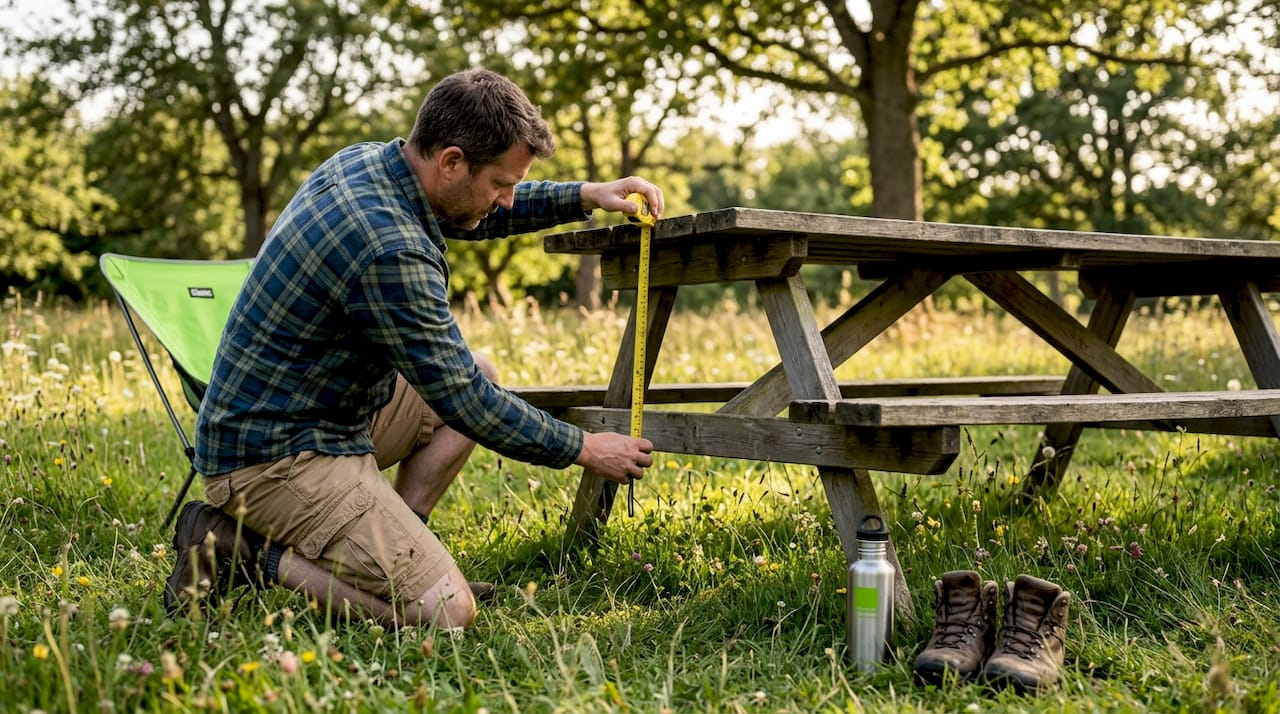
Here’s something most camping gear content glosses over: the height of your chair matters as much as the chair itself, especially when you have a table. Standard camp tables sit at 28 to 30 inches tall, and if your chair seat sits at only 12 or 14 inches, you’ll be craning your neck and hunching over your food all evening. That’s a guaranteed backache by morning.
The sweet spot for campsite dining chairs is a seat height between 17 and 19 inches. That gives you roughly 10 to 11 inches of knee clearance below the tabletop, which is what keeps your legs comfortable during a two-hour meal or board game session. Here’s a quick reference:
| Chair seat height | Table height | Knee clearance | Comfort verdict |
|---|---|---|---|
| 12–14 inches | 28–30 inches | 14–16 inches | Too much gap, awkward reach |
| 17–19 inches | 28–30 inches | 10–11 inches | Ideal for dining and games |
| 22–24 inches | 28–30 inches | 6–8 inches | Too little room, knees cramped |
| 14–16 inches | 28–30 inches | 12–14 inches | Marginal, tolerable for short meals |
The fix is simple: measure your table’s underside clearance before buying chairs. Chair fit against table height is not something most manufacturers spell out clearly, so you often have to do this math yourself.
Pro Tip: Bring a tape measure on your next camping trip and note your table’s underside height. That number becomes your seat height target for any future chair purchase.
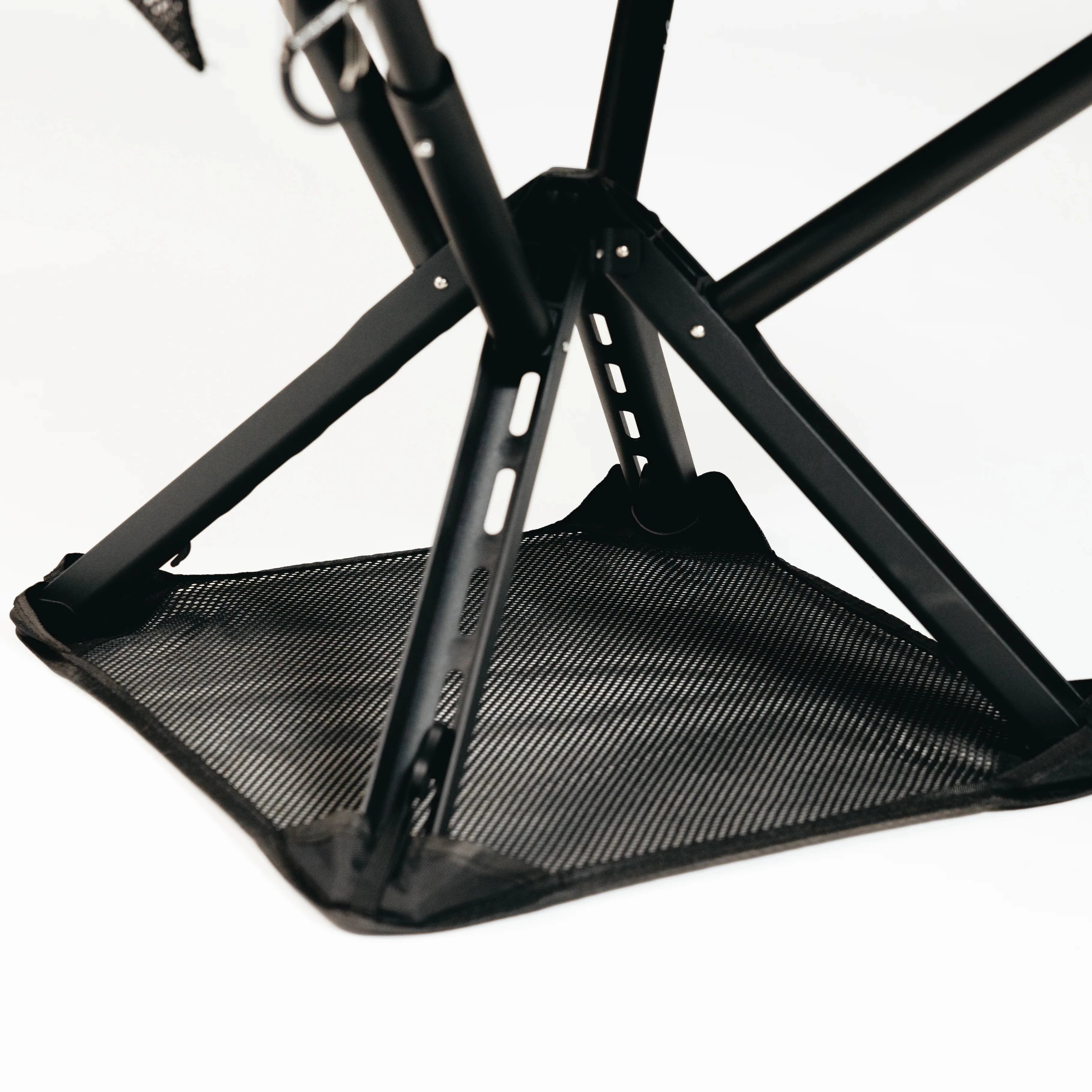
Ultralight chairs are genuinely impressive from an engineering standpoint. Some weigh under a pound and pack down smaller than a laptop. The problem is that many of them were originally designed with hard or flat ground in mind. Take them to a sandy campsite or a muddy festival field and the legs punch straight through the surface like little stakes. Not ideal.
The 2026 backpacking chair roundup from SectionHiker makes the stability issue plain: ultralight chairs need anti-sinking features to function reliably on soft terrain. The good news is that chair designers are finally taking this seriously. Here’s what the best designs now include:
Accessories like Chair Buddies attach to popular ultralight models such as the Helinox Chair Zero to widen the footprint without adding significant weight. They don’t fit every chair, but if you already own a light chair that sinks on soft ground, this is the cheapest fix available.
Pro Tip: Before buying an ultralight chair, check whether aftermarket stability accessories are available for that specific model. A chair with no compatible add-ons is a gamble on terrain type.
For a thorough breakdown of what to look for in lighter builds, the lightweight outdoor chair comparison from Sitpack covers how frame materials and foot geometry interact in real conditions.
One of the most talked-about areas of trending outdoor seating right now is the reclining camp chair category. These are not the sketchy plastic loungers of decades past. Modern reclining camp chairs offer adjustable backrest positions, built-in leg rests, breathable mesh panels, and padded headrests that genuinely compete with patio furniture.
For extended lounging, adjustable recline and leg rests dramatically improve comfort over multi-hour sessions by letting you shift posture as your body needs. That’s a real physiological benefit, not just a luxury.
Here’s what the better reclining designs tend to include:
The honest tradeoff: reclining chairs weigh more due to their mechanisms and size. If you’re car camping and your gear lives in the trunk of an SUV, that’s not a problem. If you’re hiking more than half a mile to your site, you’ll feel every extra pound. Car camping chairs lean into comfort and features like cup holders and high backs precisely because weight is less of a concern. Know which category you fall into before spending big.
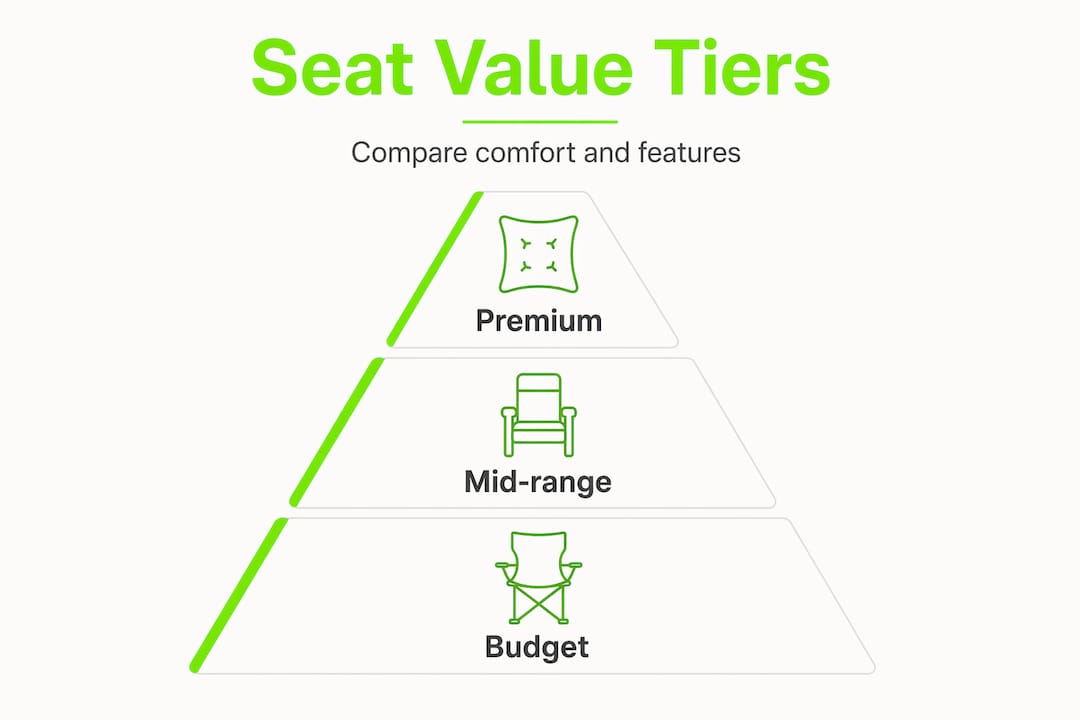
Not every camper needs a $300 chair. But not every camper should be sitting on a $15 one either, at least not every trip. Here’s how the value tiers break down in practical terms:
| Price tier | Typical cost | Best for | What you sacrifice |
|---|---|---|---|
| Budget | $15–$30 | Occasional park days, casual weekend trips | Durability, weight capacity, pack size |
| Mid-range | $60–$120 | Regular car campers, festival goers | Some comfort features, heavier than premium |
| Premium | $150–$350 | Frequent campers, backpackers, comfort-focused users | Cost, often minimal tradeoff |
A $15 budget camp chair can genuinely work for a person who camps twice a year at a flat campground. It’s not a disgrace to own one. The problems start when you use a budget chair in conditions it wasn’t built for: soft ground, long days, heavy users, or rough handling trip after trip.
For campers who go out more than four or five times a year, mid-range and above is almost always the better investment. Frame strength, weight capacity, and pack volume are the specs that separate a chair you’ll use for ten years from one that ends up in the trash after season two.
Pro Tip: Before buying any chair, check the weight capacity and frame material. Steel frames are heavier but more durable; aluminum is the sweet spot for most campers who want durability without the extra pounds.
Solo camping seating is a relatively simple problem. Group camping seating is where things get genuinely complicated, especially when you mix dining, lounging, and people of different heights all trying to share a table.
The best modular campsite furniture setups separate dining zones from lounging zones. The dining area gets upright chairs at the right table height. The lounge zone gets recliners and low seats around the fire. Keeping these zones distinct prevents the awkward situation where half your group is hunched over a table in low lounge chairs while the other half perches on tall stools.
A few practical tips for group seating layouts:
When you’re scaling seating for group comfort, the single biggest mistake is assuming everyone will just “figure it out.” Measure first, buy second, and your whole group will thank you by night two.
For broader campsite seating ideas and accessory pairing suggestions, Sitpack’s outdoor seating tips for 2026 is a genuinely useful read before your next trip.
I’ve watched campers spend an embarrassing amount of money on chairs that look incredible in unboxing videos and then proceed to slowly swallow themselves into the ground at their first sandy campsite. I’ve also watched people haul 10-pound recliners to backpacking sites and regret every step. Both situations are avoidable.
The thing I’ve learned from years of parking my posterior in just about every chair category on the market: comfort that lasts all day comes from fit, not from features. A $70 chair at exactly the right seat height for your table will make you happier than a $200 chair that has you hunching over your bowl of camp chili. Style fades fast when your lower back is screaming at you by 8pm.
What I tell anyone who asks me how to choose campsite seating is this: figure out your camping style first. Car camper? You can go big on comfort and features. Backpacker? Weight and stability should dominate your thinking. Festival camper on soft ground? Stability accessories are non-negotiable. The chair that’s perfect for one style is genuinely wrong for another.
I also think the modular group seating approach is underrated. Most camping groups just bring whatever chairs everyone owns and suffer the ergonomic chaos that follows. Taking 30 minutes to plan compatible seat heights and define zones changes the whole group experience. It’s the campsite seating idea I wish I’d discovered about ten trips earlier than I did.
— Jonas
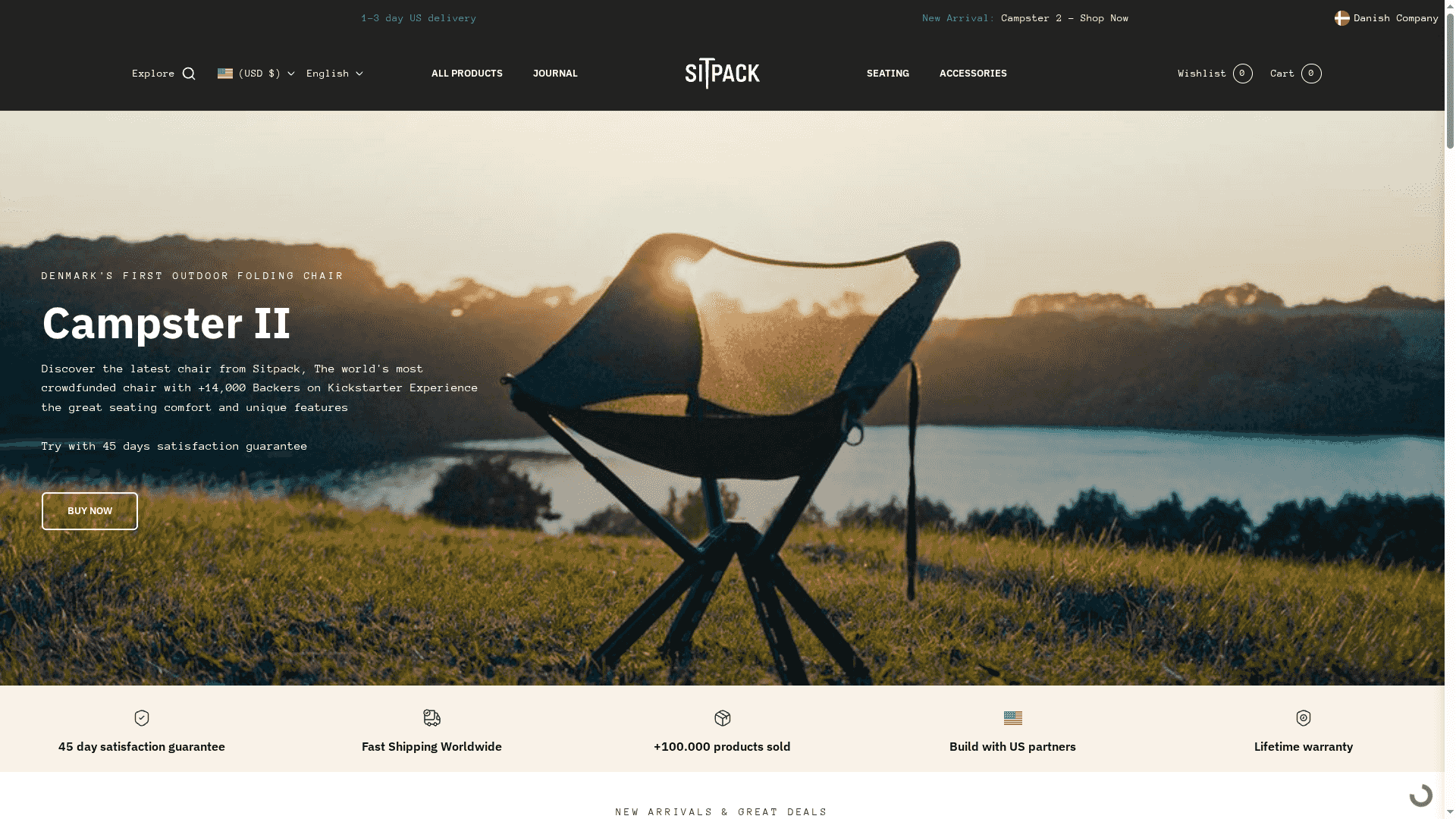
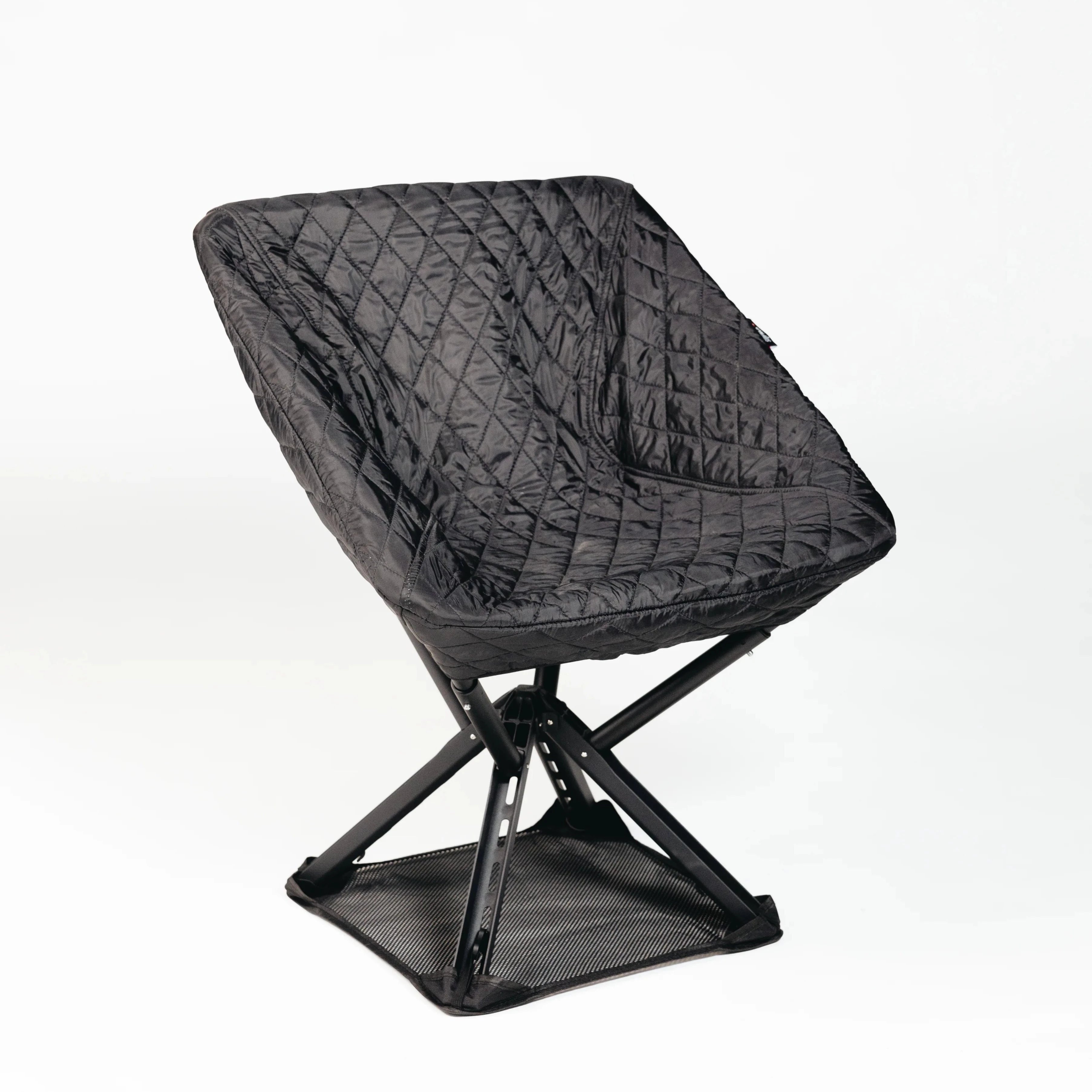
If these trends have you rethinking what’s currently taking up space in your gear bin, Sitpack’s portable seating lineup is worth a look. The Campster II and Sitpack Zen are built around the same principles covered here: correct seat geometry, real portability, and durability that holds up past the second season. Sitpack also carries camping accessories like seat warmers and compact tables that pair naturally with their chairs for a complete modular setup. If you want comfortable camping seats that don’t require a PhD in gear research to choose, explore the full range at Sitpack and see what fits your camping style.
A chair seat height of 17 to 19 inches pairs best with standard camp tables that sit 28 to 30 inches tall, giving you the 10 to 11 inches of knee clearance needed for comfortable dining.
Ultralight chairs have narrow leg feet that concentrate weight into a small area. Adding aftermarket accessories like wider foot caps or ground sheets distributes the load and stops sinking on soft soil or sand.
For car campers and festival goers, yes. Reclining chairs offer posture variation and extended comfort that standard chairs cannot match. For backpackers, the weight penalty usually makes them impractical.
A budget chair around $15 to $30 works fine for occasional, light use on flat ground. If you camp regularly or on varied terrain, invest in a mid-range model with a stronger frame and better weight capacity for long-term value.
Separate your dining zone from your lounge zone, match seat heights across all dining chairs to your table height, and bring one or two extra stools for overflow. Planning seat heights before the trip prevents the mismatched furniture chaos that ruins group meals.