Vogn
0
Tilmeld dig og få 10% i rabat på din ordre
Forventet levering
1-3 dage
Du vil måske også kunne lide
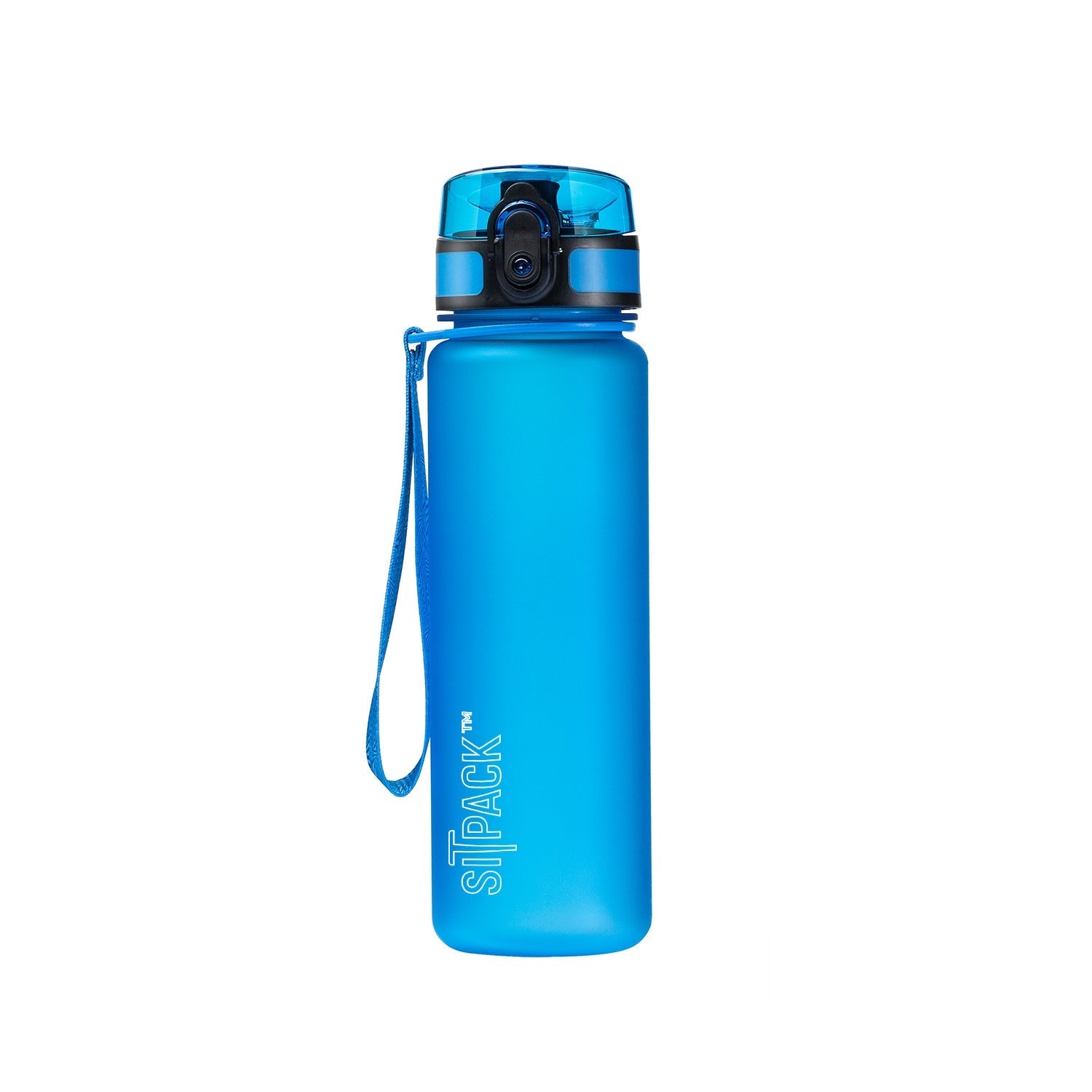


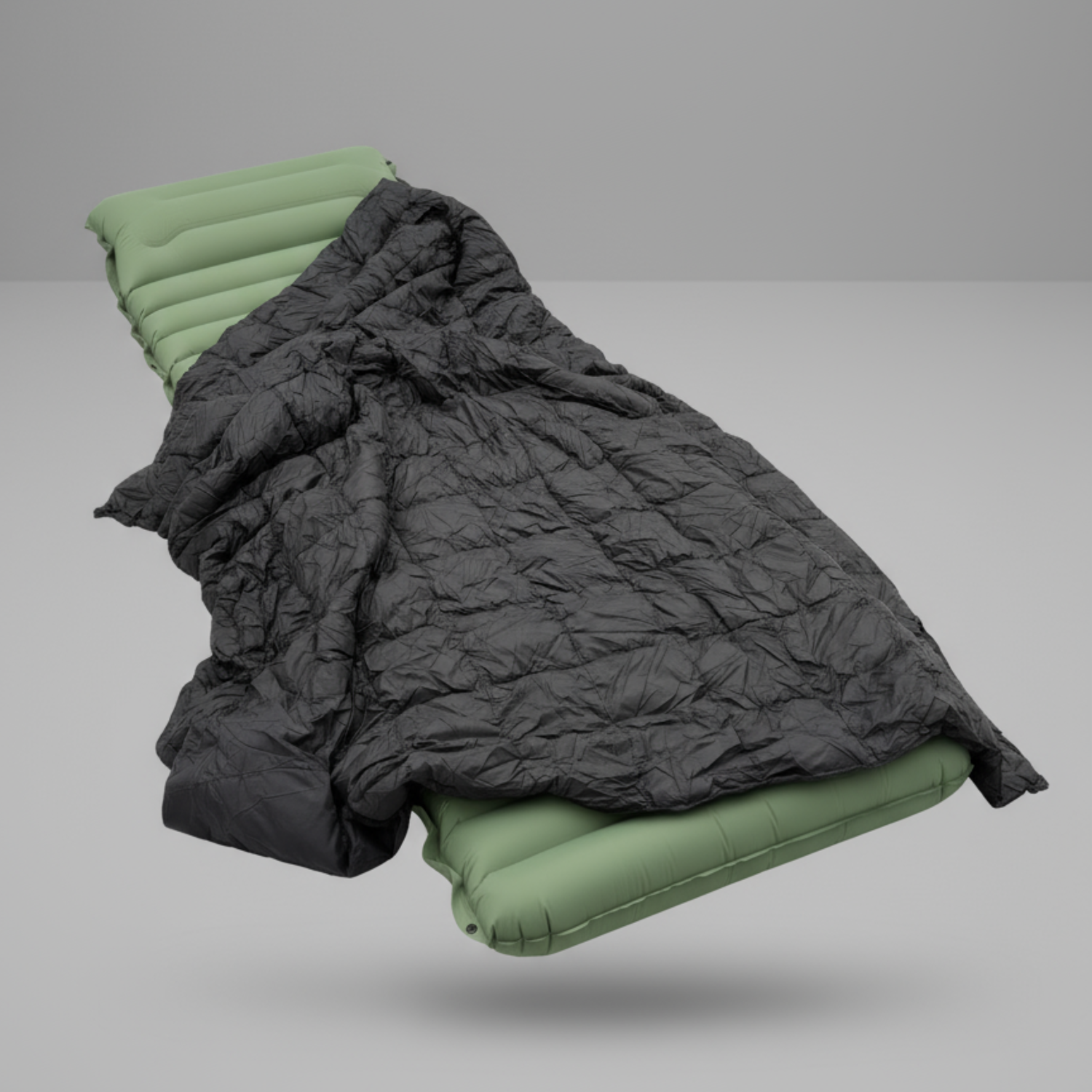


Dansk Firma

TL;DR:
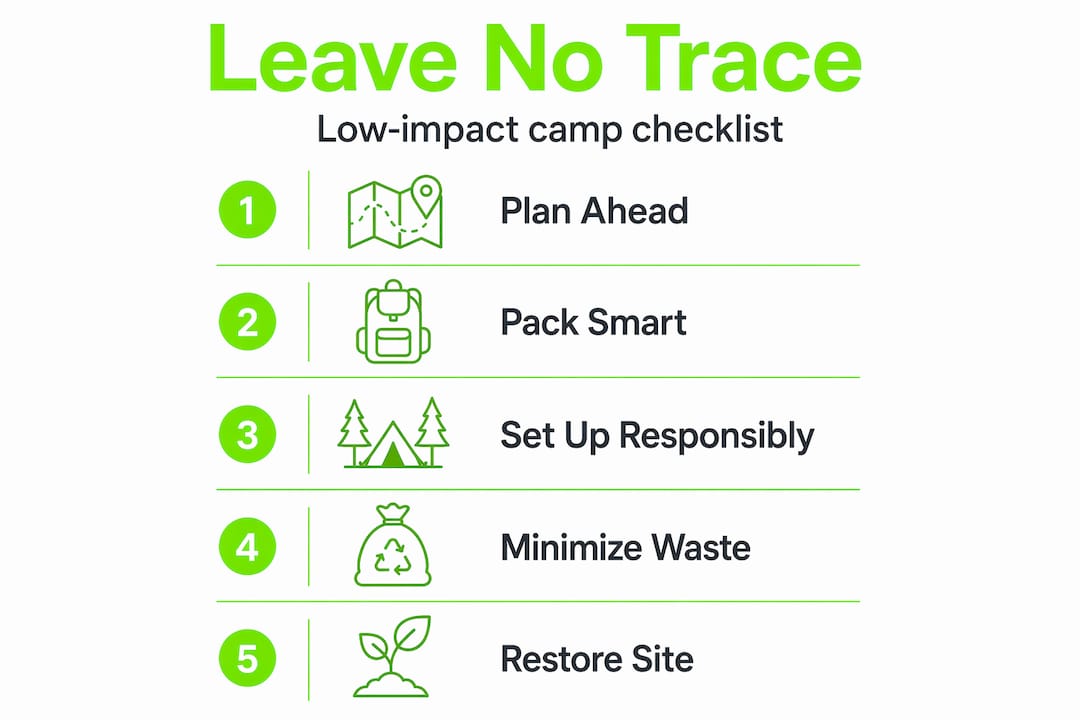
- Eco-friendly camping emphasizes planning on durable surfaces, packing out all waste, and minimizing fire impacts.
- Building sustainable habits makes low-impact camping intuitive, fostering enjoyment and conservation.
Most campers love nature. And yet, traditional camping habits, think single-use packaging, campfire rings carved into pristine soil, food scraps tossed “back to nature,” quietly chip away at the very places we go to recharge. The good news? Solid eco-friendly camping tips don’t require you to sacrifice comfort or fun. They just require a little more intention. This guide walks you through the full arc: planning, packing, setting up, living low-impact on site, and leaving without a trace. Your favorite trails will thank you.
| Point | Details |
|---|---|
| Plan before you pack | Choosing the right campsite and prepping meals in advance cuts waste before you even leave home. |
| Camp on durable surfaces | Staying on established sites and keeping 200 feet from water protects fragile ecosystems. |
| Pack out everything | Even food scraps and “biodegradable” items cause lasting harm if left behind. |
| Use stoves over fires | Camp stoves reduce fire scars and wildfire risk far better than open campfires. |
| Gear quality matters | Durable, repairable gear beats cheap disposables every single time for long-term sustainability. |
The most effective sustainable camping ideas start at home, not at the trailhead. What you bring, and what you decide to leave behind, shapes your entire environmental footprint before you pitch a single tent.
Choosing where to camp is your first real decision point. Look for established campgrounds that already have designated sites, existing fire rings, and waste facilities. If you’re heading into backcountry, research the area’s specific regulations in advance. Local park rules vary significantly when it comes to fire restrictions, group size limits, and waste disposal requirements, and not knowing them isn’t an excuse the ecosystem will accept.
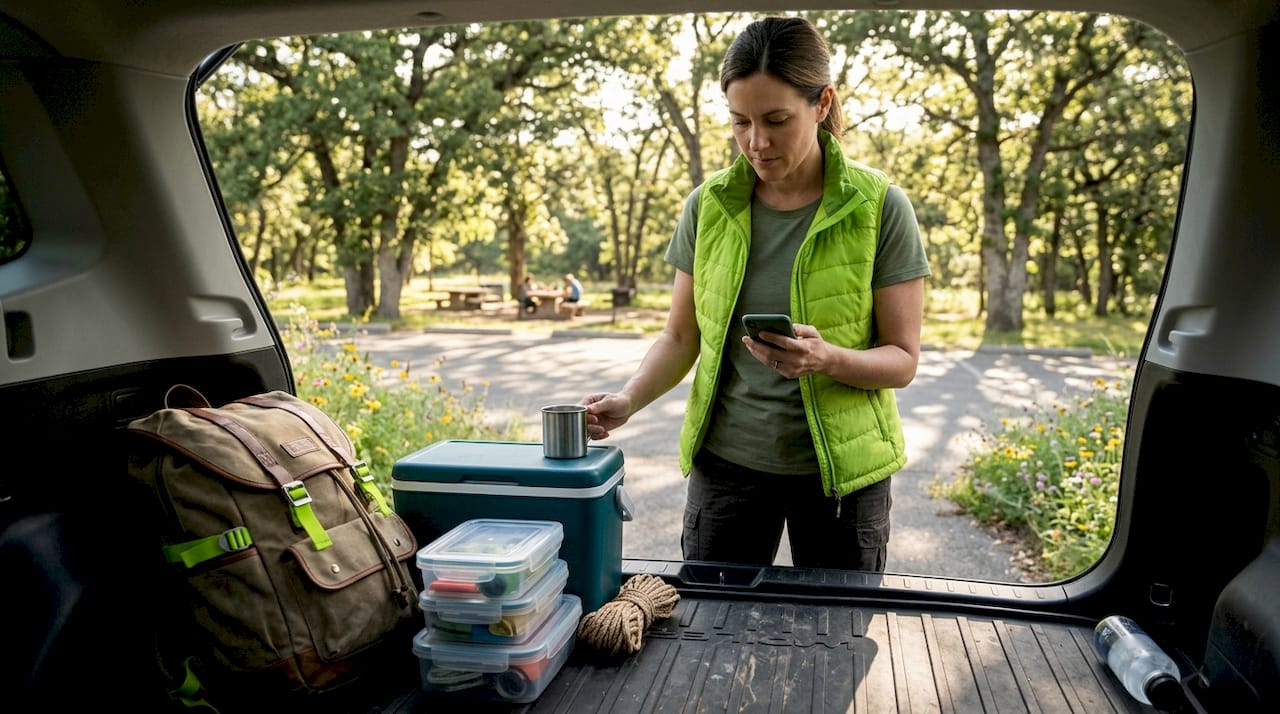
Meal planning is one of the most underrated eco-conscious outdoor tips in the game. Instead of dragging in an overloaded cooler full of excess packaging, try this:
Packing smart is where green camping gear really earns its keep. The most sustainable gear is the gear you already own, so start with your existing kit before you buy anything new. When upgrades are necessary, prioritize durable, repairable items made from recycled or responsibly sourced materials. A well-made sleeping bag that lasts 15 years beats three cheap ones that end up in a landfill.
Pro Tip: Pack a dedicated “leave no trace” bag alongside your trash bag. Use it specifically for micro-trash like twist ties, foil corners, and torn packaging, since these tiny items are the ones most often overlooked during camp cleanup.
Arriving at your campsite with a low-impact mindset means you make smart decisions in the first five minutes that protect the site for everyone who comes after you.
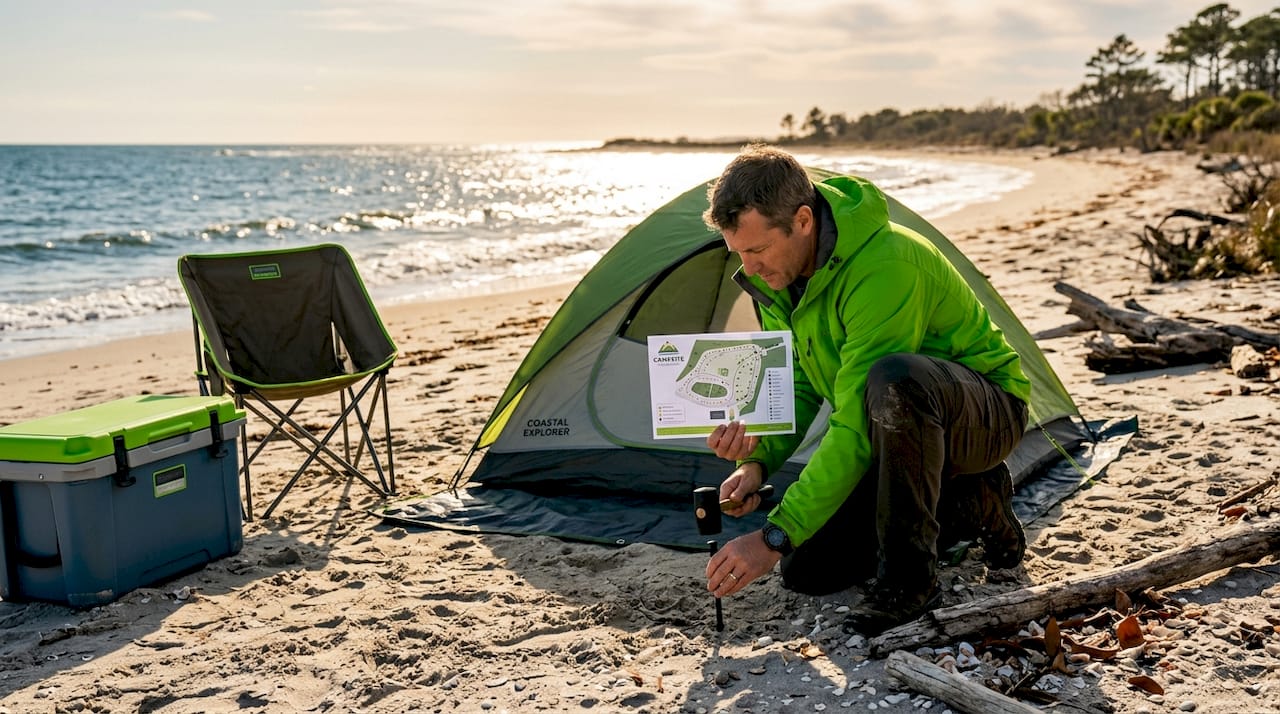
The single most important rule is this: camp on durable surfaces and keep a 200-foot buffer from any water source, lake, stream, or wetland. That distance is not arbitrary. It protects water quality and gives riparian vegetation the space it needs to filter runoff and support wildlife.
Here’s how to set up an environmentally friendly campsite with minimal fuss:
The principle behind all of this is simple: camping on durable surfaces reduces lasting ecological damage and stops impact from spreading into sensitive areas. It’s the kind of thing that makes almost no difference to your experience but a massive difference to the land.
This is where most campers either nail it or quietly unravel their good intentions. Day-to-day behavior on site accounts for the bulk of your actual environmental footprint.
Waste management sounds boring until you’ve seen a campsite littered with orange peels and tea bags left by campers who figured “it’s organic, it’ll break down.” Pack out all trash, including food scraps and items that seem biodegradable. Orange peels can take up to two years to decompose in dry mountain conditions, and in the meantime they attract wildlife and disrupt foraging behavior.
Fire use deserves real thought. Campfires are iconic, and nobody’s saying you can never have one. But stoves reduce fire scars and wildfire risk far more effectively than open campfires, and they’re also faster and easier for actually cooking food. When a fire is appropriate and permitted, use an existing ring, keep it small, and only burn dead wood you find on the ground nearby. Never cut live branches, and never burn trash, no matter how tempting it is to reduce your pack-out load.
Wildlife is a big one, and it’s where well-meaning campers often do real harm without realizing it.
Pro Tip: Use biodegradable soap for washing, but “biodegradable” doesn’t mean you can dump it in a stream. Use it at least 200 feet from any water source and let the soil do the filtering work.
How you leave a campsite matters as much as how you use it. This final stage of any trip is where low-impact camping practices either hold together or fall apart completely.
Follow these steps before you walk away:
Here’s a quick comparison of what “good” vs. “rushed” departure looks like in practice:
| Action | Responsible departure | Rushed departure |
|---|---|---|
| Fire extinguishing | Douse, stir, confirm cold | Douse once and leave |
| Trash sweep | Full perimeter including micro-trash | Obvious items only |
| Site restoration | Rocks and debris scattered back | Left as-is |
| Food scraps | Fully packed out | Assumed “biodegradable” |
The goal is leaving the site in the same condition you found it, or better. That’s not idealism. It’s the minimum bar for anyone who wants these places to exist in 20 years.
I’ll be straight with you: the first time I tried to camp “properly,” I found it exhausting. I was constantly second-guessing every decision, checking distances, wondering if the soap I used was actually fine or if I’d just poisoned a creek. That phase passed.
What I’ve learned after years of outdoor trips is that eco-friendly camping isn’t about guilt or perfection. It’s about building a set of habits that become automatic. You stop even thinking about it after a while. The 200-foot rule becomes muscle memory. Packing out all your trash just feels obvious. The site sweep before you leave feels like the natural closing ritual of a good trip.
What I’ve also found is that the campers who struggle most with sustainability are the ones who bought their way into it first. They invested in the priciest green camping gear before nailing the basics of behavior. Gear matters, but minimalistic camping gear that you actually use and maintain beats a collection of “eco” products gathering dust in a garage.
My biggest mindset shift came when I stopped thinking about sustainable camping as a constraint and started thinking of it as a skill set. You get better at it. And the better you get, the more you actually enjoy the places you visit, because you’re paying attention to them.
— Jonas
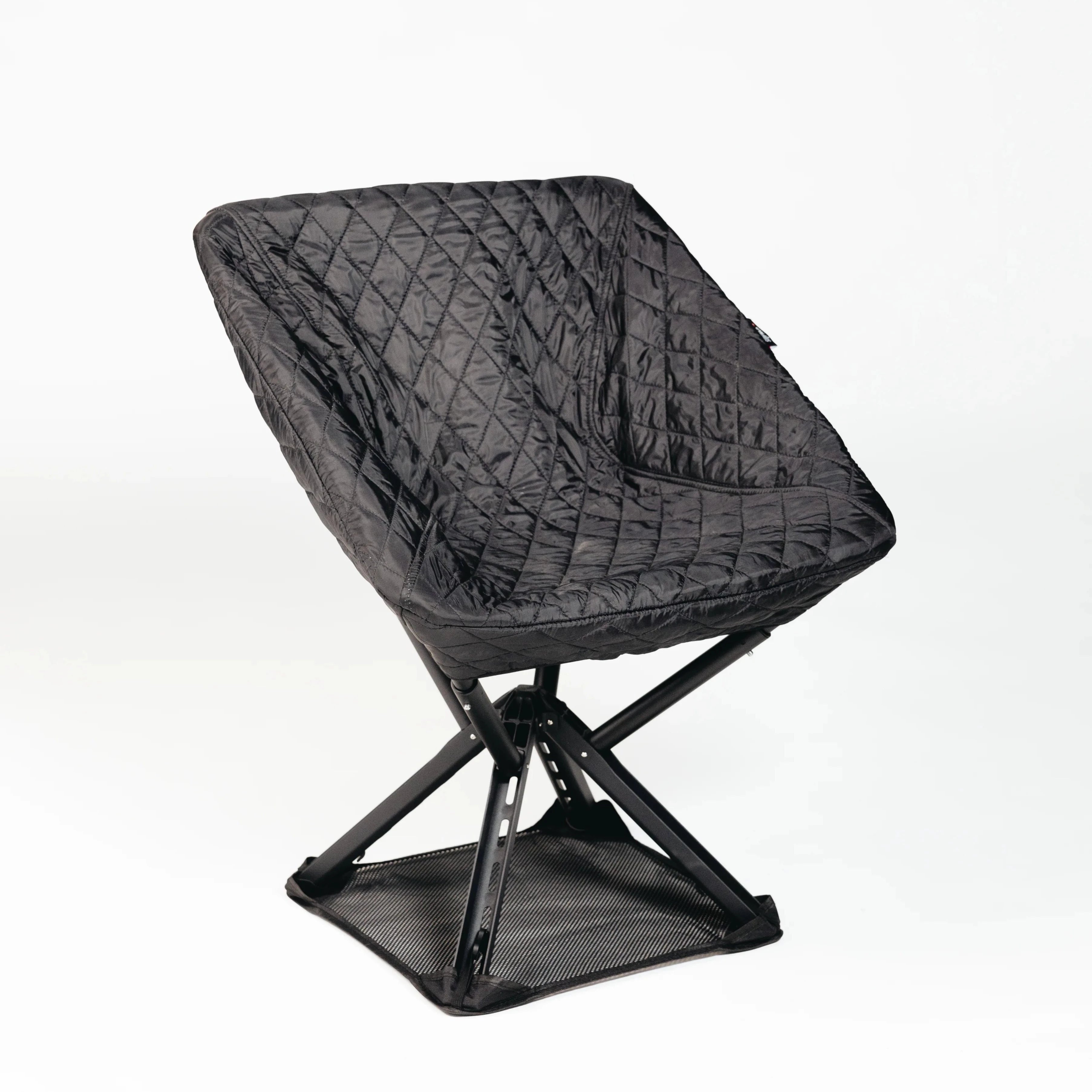
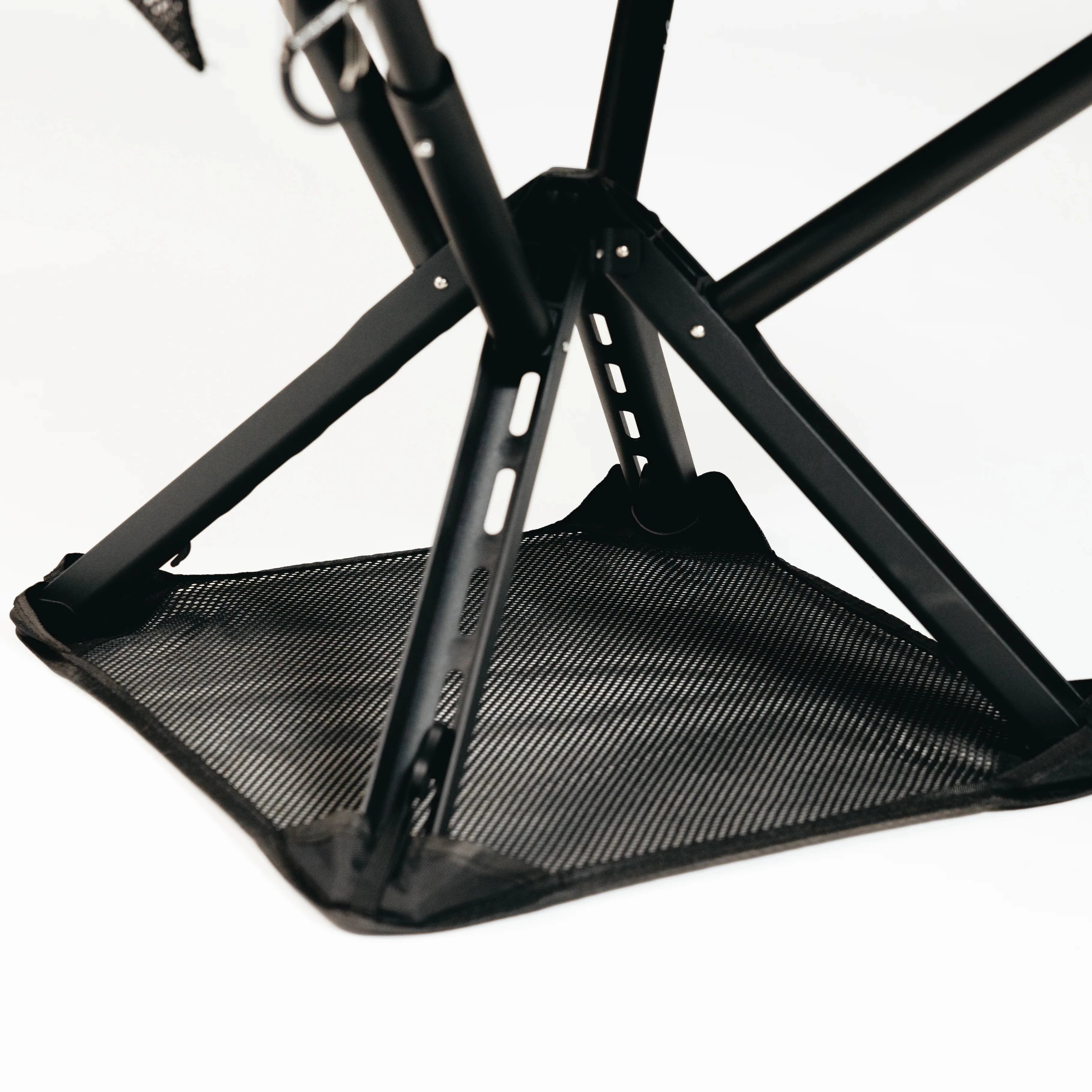
If you’re serious about reducing your footprint on the trail, what you carry matters. At Sitpack, we build portable, minimalist outdoor gear designed to last, not to be replaced every season. The Campster II and Sitpack Zen are built with durability and weight savings in mind, which means less material waste over time and more comfort per gram in your pack. Check out Sitpack’s take on camping innovation and eco solutions to see how smart design and low-impact adventures go hand in hand. Less stuff, better stuff, and gear you’ll actually hang onto for years. That’s the Sitpack philosophy, and it fits pretty naturally with the whole eco-camping mindset.
The core practices are camping on durable surfaces, packing out all trash including food scraps, using a camp stove instead of an open fire, keeping 200 feet from water sources, and storing food securely away from wildlife.
No. Even biodegradable soap can harm aquatic ecosystems. Always wash at least 200 feet from any water source and scatter greywater over soil to allow natural filtration before it reaches streams or lakes.
Leaving no trace means the site looks the same or better than when you arrived. That includes micro-trash removal, fire extinguishing, site restoration, and proper waste disposal well away from water sources and trails.
Pre-portion meals at home, pack food in reusable containers, avoid single-use packaging, and bring a dedicated bag for micro-trash. Planning simple one-pot meals drastically cuts down on both packaging and leftover food.
Not necessarily. The most sustainable gear is what you already own and will continue to use. When buying new, focus on durable, repairable items made from recycled materials rather than chasing the latest “eco” label.