Vogn
0
Tilmeld dig og få 10% i rabat på din ordre
Forventet levering
1-3 dage
Du vil måske også kunne lide


Dansk Firma

TL;DR:
- Outdoor seating trends for 2025 emphasize modular systems, curved forms, warm neutral palettes, and durable, low-maintenance materials. The focus is on flexibility, comfort, and aesthetic cohesion, especially for small spaces and renters seeking portability. Investing in quality and selecting adaptable pieces ensures longevity and better outdoor enjoyment over time.
Knowing which outdoor seating trends 2025 has served up can feel like picking a sofa blindfolded. There are curved lounge sets, modular systems, warm-toned neutrals, and enough mixed-material combos to make your head spin. But not every trend deserves a spot on your patio. The right choices balance durability, comfort, visual cohesion, and flexibility in ways that genuinely upgrade how you spend time outdoors. This guide cuts through the noise with a curated top-10 list built around what actually performs well, looks great over time, and fits the way real people use outdoor spaces.
| Point | Details |
|---|---|
| Materials matter most | Quick-dry foam and UV-resistant fabrics are the baseline for cushions that hold up season after season. |
| Modular beats fixed layouts | Flexible seating systems let you reconfigure for two people or twelve without buying new furniture. |
| Warm neutrals lead color trends | Sand, taupe, and driftwood gray anchor 2025 palettes, with botanical accents for personality. |
| Curved forms improve comfort and space | Rounded silhouettes reduce visual rigidity and make small outdoor areas feel more open and inviting. |
| Portability is a real trend | Lightweight and foldable seating options are capturing serious attention from renters and small-space dwellers. |
Not every trend is worth chasing. The ones that genuinely matter in 2025 share a few common qualities. Understanding these criteria helps you shop smarter and avoid the mistake of buying something that looks stunning in a catalog but ages badly on an actual patio.
Here’s what separates a lasting trend from a seasonal fad:
Pro Tip: Before buying into any trend, ask yourself whether you’d still love the piece in three years. Trendy colors fade from fashion faster than quality furniture fades in the sun. Invest in form and material first, then use accessories for seasonal color updates.
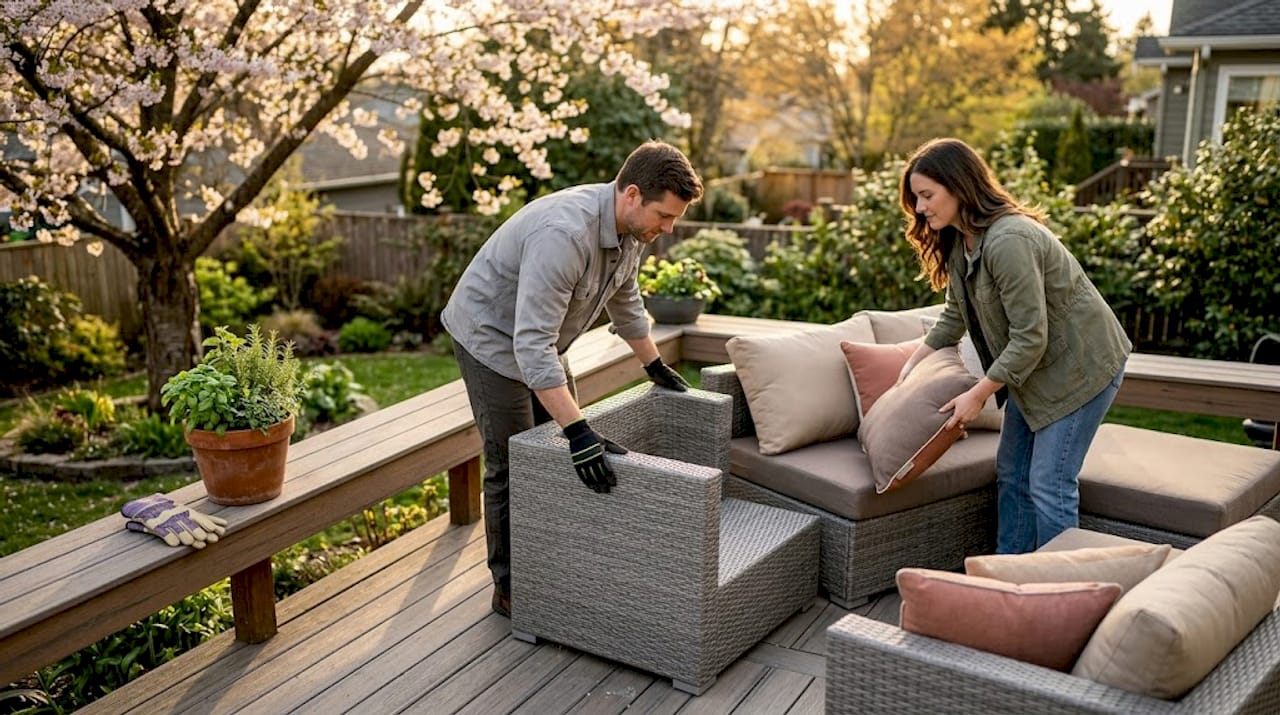
Modular outdoor seating is the trend with the most practical upside. Rather than a fixed sofa-and-two-chairs configuration, you get individual pieces that connect, rearrange, or stand alone. Hosting eight people for a summer cookout? Extend the configuration. Quiet evening for two? Pare it back to a corner unit.
Modular systems controlling layout from small, intimate setups to larger gatherings are now a core expectation in higher-end outdoor collections, not a novelty. For renters or anyone who moves frequently, this flexibility is especially useful since the furniture adapts to a new space instead of fighting it.
Pro Tip: Choose modular sets designed as a cohesive connected system rather than mixing individual chairs from different lines. Mismatched heights and awkward gaps between pieces undermine both comfort and aesthetics.
The barrel chair is having a serious moment outdoors. Deep, rounded backs that wrap around the sitter create a sense of enclosure without feeling closed off, which is exactly what a good lounging experience needs. Pair that with soft arm rests and a low seat height, and you have a chair people actually want to sit in for two hours.
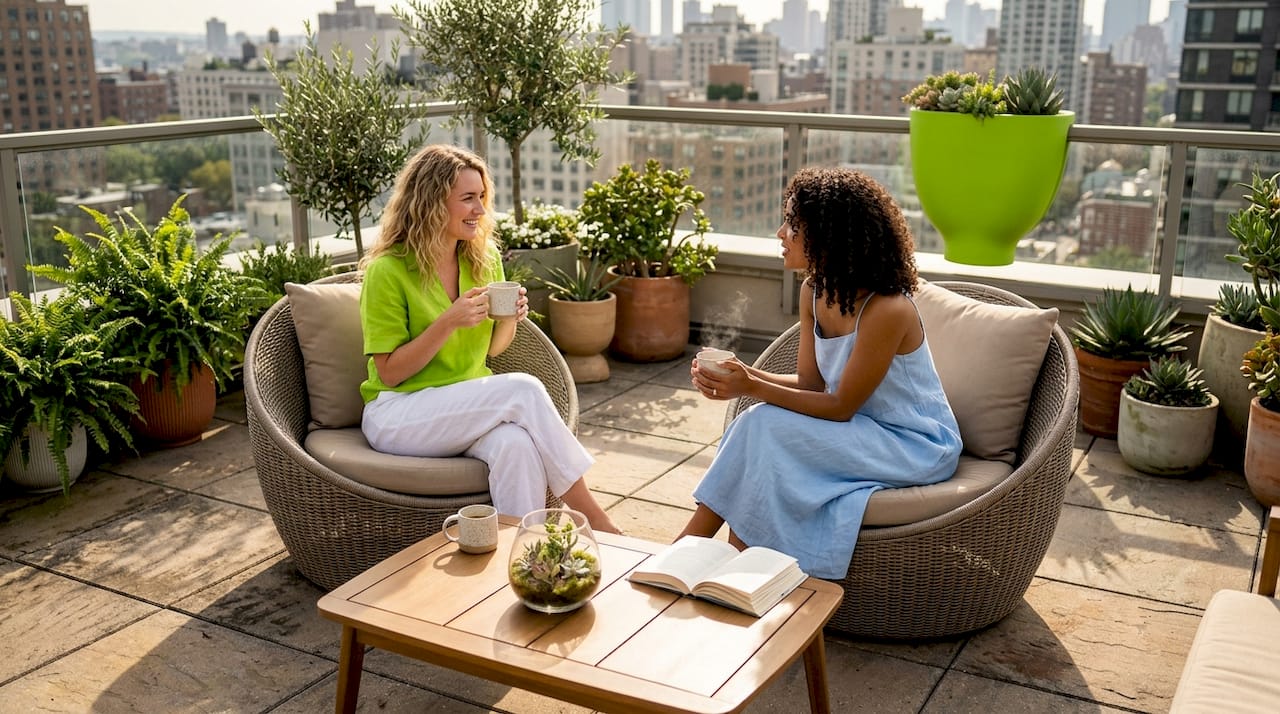
Rounded and curved furniture forms dominate 2025 outdoor seating because they soften the look of a space while improving posture and relaxation. From single accent chairs to full curved dining sets, the silhouette is everywhere right now.
Moving beyond simple curves, sculptural outdoor furniture brings an almost gallery-like quality to patios and garden spaces. Think asymmetric seat bowls, woven forms that resemble natural structures, and materials that show texture rather than hide it.
DEDON’s MDEAR collection is a solid reference point here. It combines rounded forms with modular adaptability across five pieces, letting a single collection work as a solo lounger or a large seating group depending on the arrangement. The visual effect is organic and cohesive, the kind of result you get when form and function are designed together rather than added as afterthoughts.
A beautiful frame means nothing if the cushions fall apart after one rainy season. In 2025, performance upholstery is front and center as a selling point rather than a footnote.
Damp cushions and color fading degrade the outdoor experience quickly and are among the top complaints from buyers who prioritized looks over material specs. The good news is that quick-dry foam cores and UV-stabilized solution-dyed fabrics are now widely available even in mid-range price points. Solution-dyed acrylic, in particular, holds color remarkably well because the pigment runs through the fiber rather than sitting on the surface.
The line between indoor and outdoor aesthetics has blurred considerably. Linen-look textiles, warm-toned woods, and furniture silhouettes borrowed from living rooms are now appearing on terraces and patios with materials engineered to handle the elements.
This trend appeals to anyone who wants their outdoor space to feel like a natural extension of their interior rather than a utility zone with weather-proof chairs. The key is choosing materials that truly perform outdoors while maintaining that relaxed, at-home visual quality. Powder-coated aluminum that mimics brushed steel, for example, reads as interior-grade while shrugging off rain and humidity.
Color is where 2025 outdoor decor styles make a clear statement. The shift is away from dark charcoal frames and cold gray cushions toward warmer, more grounded tones. Sand, taupe, warm gray, and matte driftwood finishes are dominating this year’s collections.
Florida designers are shifting toward warm sand tones and matte coastal finishes, using them as a base over which one or two botanical accent colors are layered. It’s a disciplined approach that keeps the space feeling calm rather than chaotic. Think terracotta throw cushions against a taupe sofa frame. Simple, warm, and cohesive.
“Cohesive color palettes are not just trendy but a strategy for longevity and visual calmness in outdoor spaces over multiple seasons.”
Once the neutral base is set, the fun part begins. Sage green, olive, terracotta, and dusty blush are the go-to accent colors for 2025. They read as natural and grounded rather than jarring, which means they age well and pair easily with plant life already present in most outdoor spaces.
Warm neutral bases with botanical accents create visually cohesive outdoor color stories that hold up across multiple seasons. The trick is restraint. One or two accent tones, applied through cushions, planters, or small accessories, do the work cleanly. Three or more accents and you’re decorating, not designing.
Combining materials in a single piece of furniture is no longer just about aesthetics. Teak slats paired with powder-coated aluminum frames, resin wicker over rust-proof steel, or HDPE lumber with stainless hardware all serve a practical purpose. Each material contributes what it does best while compensating for the weakness of the other.
Mixed-material construction also adds visual texture that monolithic designs lack. A chair that blends warm wood tones with matte metal reads as considered and layered rather than flat. You can explore current takes on this approach in guides covering modern outdoor furniture that combine sustainability with portability and style.
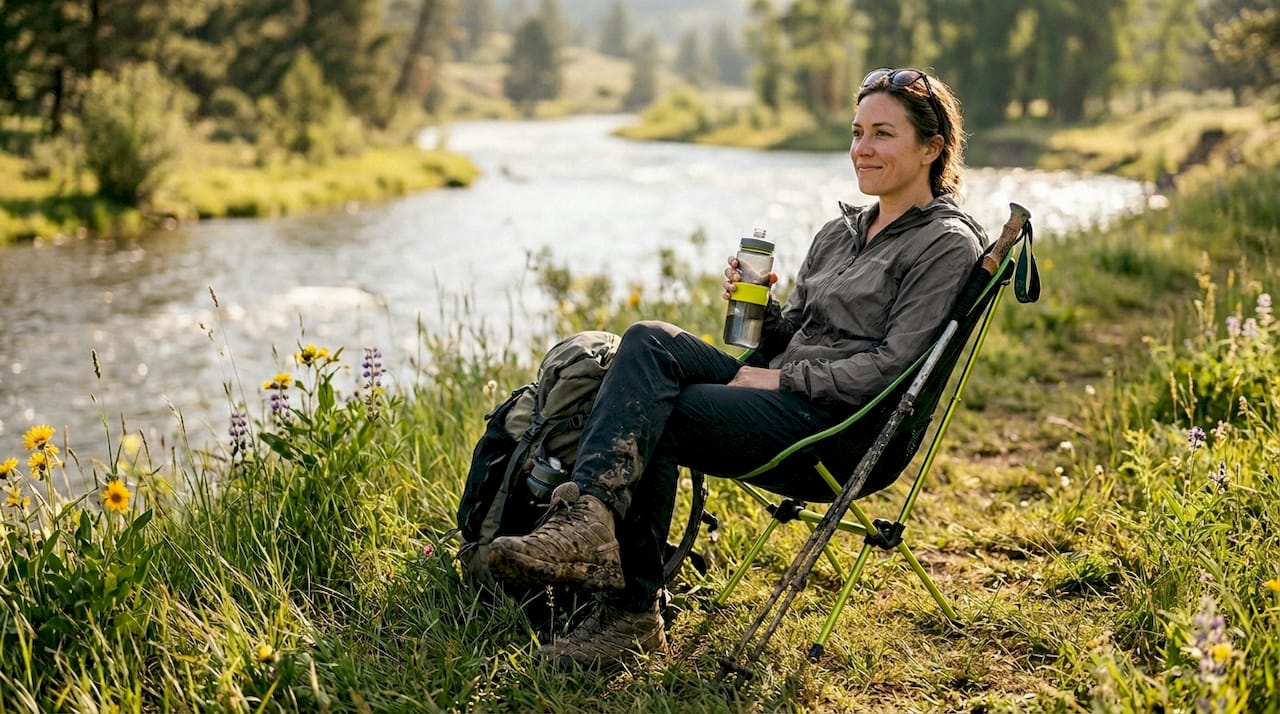
Not everyone has a sprawling deck or a permanent outdoor room. Renters, apartment dwellers, and anyone with a balcony or shared outdoor space need seating that packs away, travels easily, and doesn’t require a dedicated storage unit.
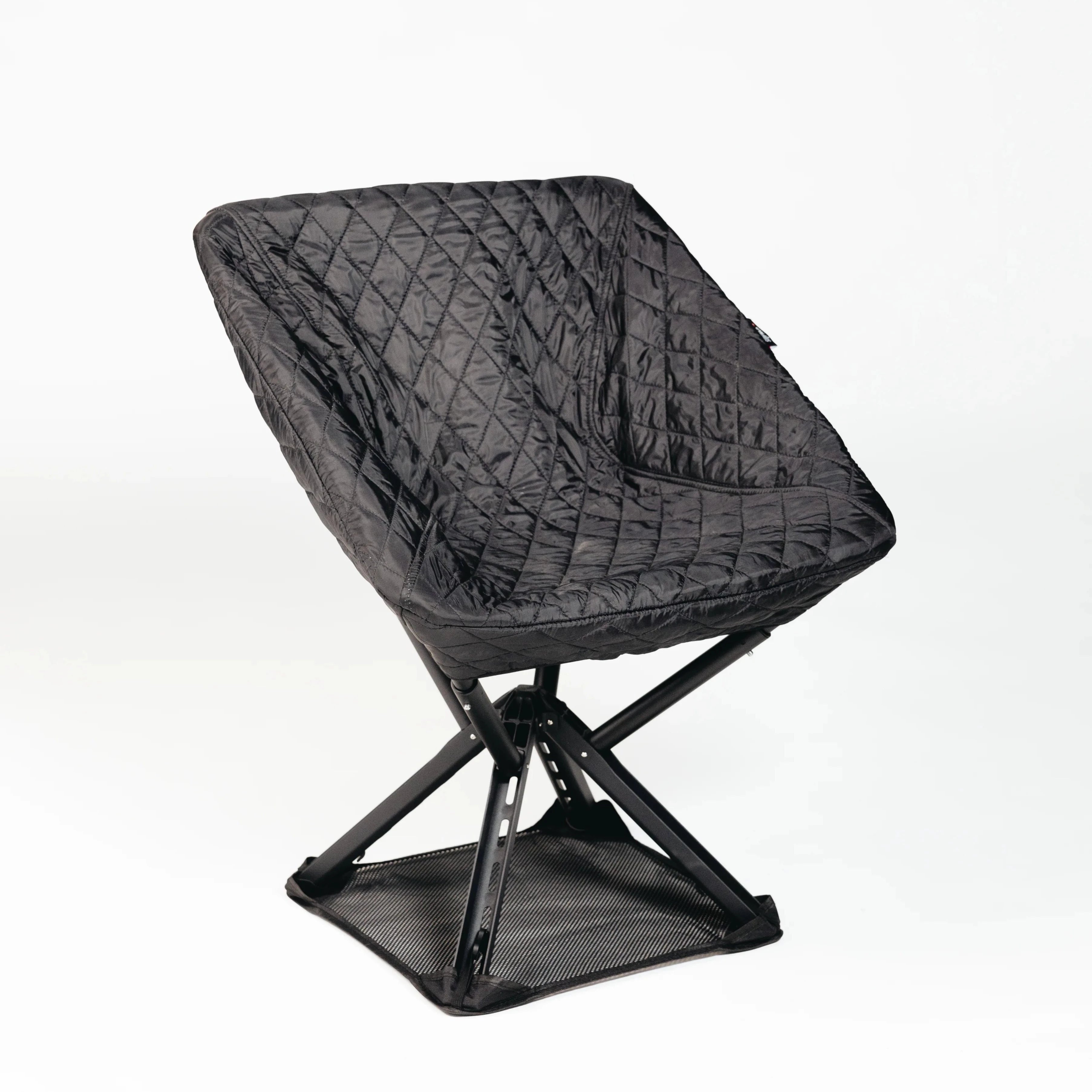
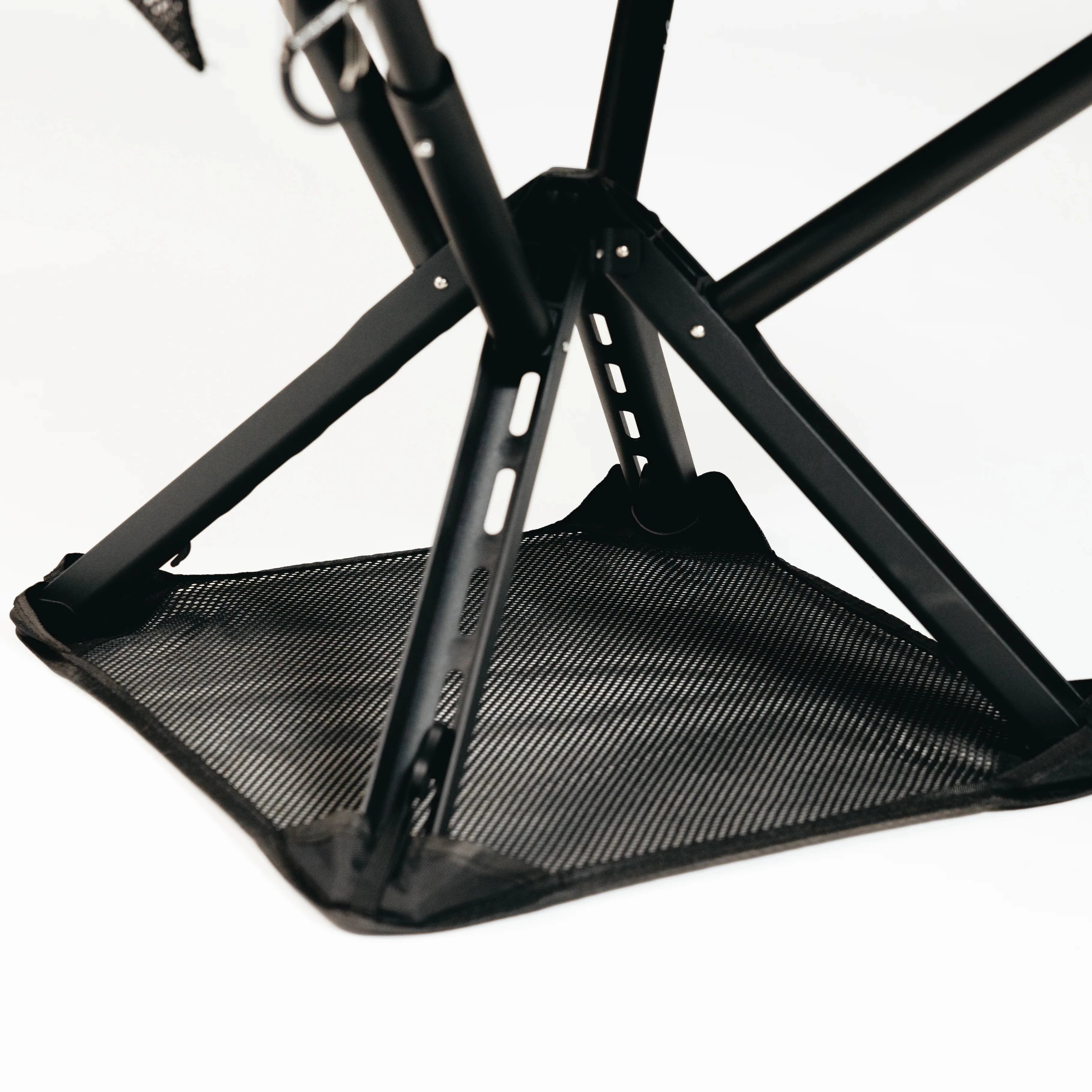
This is one of the most genuinely underserved areas of 2025 patio design ideas. Lightweight foldable seating has moved well past the cheap camping chair stereotype. Today’s portable options use aerospace-grade aluminum, weather-resistant fabrics, and ergonomic shapes that support the body properly. The portable seating trends 2025 space is growing fast precisely because flexibility and mobility now matter as much to urban users as they do to campers and hikers.
While warm neutrals dominate the base palette, bolder accent pieces are creeping into 2025 outdoor collections. Electric blue, deep burnt orange, and even rich jewel tones are appearing in accent chairs, hammocks, and standalone loungers designed to function as visual focal points.
The key here is using these pieces with intention rather than as the dominant tone. One bold hammock chair in a corner of an otherwise neutral patio creates a statement without overwhelming the space. It’s the outdoor equivalent of a gallery wall in an otherwise understated living room.
| Trend | Best material | Weather resistance | Flexibility | Space suitability |
|---|---|---|---|---|
| Modular lounge systems | Powder-coated aluminum + quick-dry foam | High | Very high | Medium to large spaces |
| Curved barrel chairs | Resin wicker or molded plastic | Medium to high | Low | All sizes |
| Organic sculptural forms | Mixed (wicker, aluminum) | High | Medium | Large or statement spaces |
| Performance cushions | Solution-dyed acrylic fabric | Very high | N/A (accessory) | All sizes |
| Indoor-outdoor hybrids | Teak + powder-coated aluminum | High | Low | All sizes |
| Warm neutral palettes | Fabric-based (any frame) | Medium to high | High (via accessories) | All sizes |
| Botanical accent colors | Cushion fabric | Medium | Very high | All sizes |
| Mixed-material construction | HDPE lumber + steel | Very high | Low | Medium to large |
| Lightweight portable seating | Aerospace aluminum + nylon | Medium to high | Very high | Small spaces, travel |
| Bold accent pieces | Weather-resistant fabric or plastic | Medium | High | All sizes |
Once you know what’s trending, the next challenge is figuring out what actually fits your specific situation. Here’s a practical decision-making sequence:
Pro Tip: The modular outdoor furniture approach works especially well for renters. Instead of buying a fixed sectional that may not fit the next place, invest in versatile individual pieces designed to connect or stand alone.
What I’ve learned watching outdoor furniture trends come and go is that the pieces people actually love are rarely the ones that looked best in the showroom. They’re the ones that worked on a random Tuesday in September when the weather turned, two extra friends showed up unannounced, and nobody wanted to go back inside.
Flexibility wins. I’ve seen gorgeous fixed sectionals sit unused because reconfiguring them for a different group size was more effort than it was worth. A modular set that can spread out or compress down to a loveseat configuration gets used constantly. That’s the real test.
Materials are where I’d encourage you to spend more than you think is necessary. The difference between a quality UV-stable fabric and a cheaper alternative isn’t visible in a store. It’s visible eighteen months later when one cushion still looks new and the other looks like it spent a summer on the highway.
Color trends are where I’d urge restraint. The botanical accents and warm neutrals that dominate outdoor decor styles 2025 are genuinely appealing, but next year’s palette will shift slightly. If your frames are in a neutral, muted tone, swapping out cushions for a fresh accent color is a minor expense. If you bought an electric blue sectional because it was the color of the year, you’re committed to it for a decade.
For renters and small-space dwellers especially, portable seating options have become legitimately good. They’re no longer the backup plan when real seating isn’t available. In some scenarios, they’re the better plan entirely.
— Jonas
If this rundown of outdoor seating trends got you thinking about flexibility and portability as seriously as style, you’re exactly the kind of person Sitpack builds for.
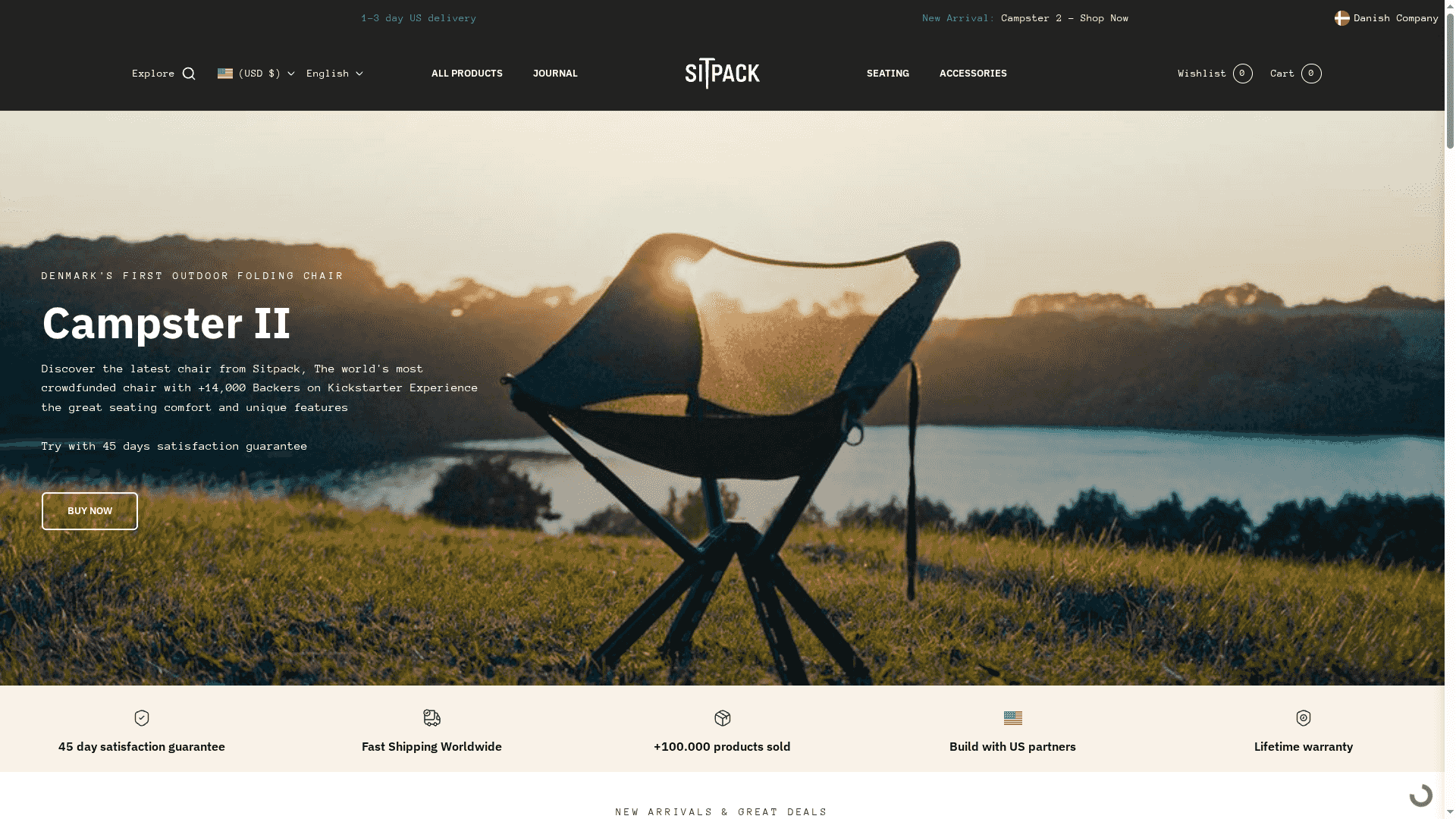
Sitpack specializes in lightweight, portable seating that travels as easily as it performs. Whether you’re outfitting a compact balcony, heading to a summer festival, or just want a go-anywhere chair that doesn’t embarrass you in front of your design-conscious friends, Sitpack’s lineup covers the practical end of modern outdoor furniture trends without sacrificing aesthetics. The Campster II and Sitpack Zen are built for real outdoor use, with materials and ergonomics that reflect everything covered in this article. Head over to sitpack.com to see what fits your setup.
The leading trends include modular lounge systems, curved and barrel-style chairs, warm neutral color palettes with botanical accents, mixed-material construction, and lightweight portable seating designed for flexible, small-space living.
Warm neutrals like sand, taupe, and matte driftwood gray are the dominant base colors, paired with one or two botanical accent hues such as sage, olive, or terracotta for visual depth without clutter.
Rounded silhouettes reduce the boundary effect in small spaces, encourage more natural conversation posture, and create a softer visual atmosphere compared to rigid, angular designs that can feel stiff and formal.
Powder-coated aluminum for frames and solution-dyed acrylic fabric for cushions consistently outperform other options. Quick-dry foam cores paired with UV-stabilized upholstery are the combination that survives the most weather exposure with minimal maintenance.
It’s genuinely both. Lightweight seating has evolved well past basic camping gear, with ergonomic forms and quality materials now standard in the category, making it a real option for design-conscious renters and outdoor enthusiasts.