カート
0
サインアップすると注文から 10 ドル割引になります
配達予定
1〜3日
こちらもおススメ


デンマークの会社

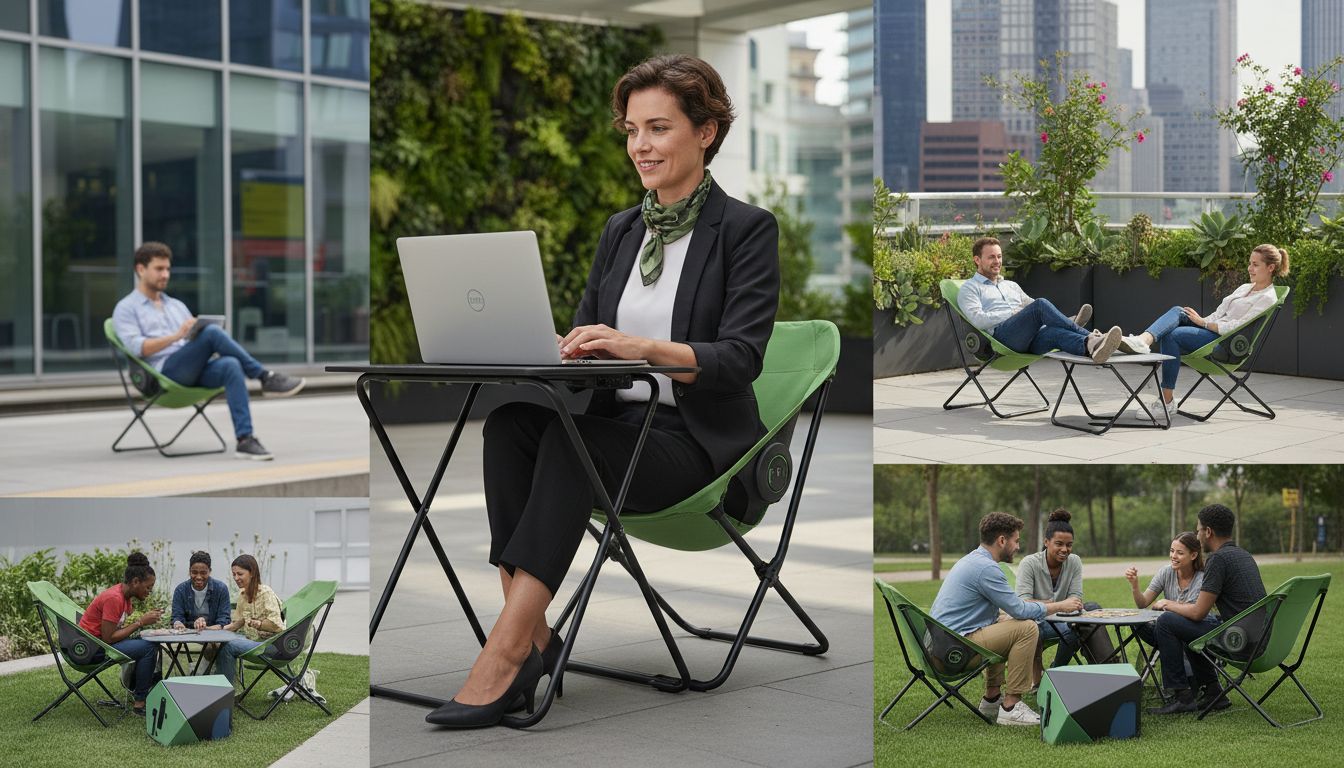
More american consumers are seeking portable seating that fits their busy, flexible lifestyles. With the market for portable beds alone predicted to grow at an impressive 7.1 percent annual rate through 2028, it is clear that expectations are shifting fast. This rapid rise reflects a growing demand for seating that can adapt, move easily, and deliver real comfort wherever life takes you. Discover how innovative designs and new technology are creating smarter, more sustainable options than ever.
| Point | Details |
|---|---|
| Market Growth | The portable seating market is expected to grow at a 7.1% CAGR from 2024 to 2028, reflecting shifting consumer needs for mobility and adaptability. |
| Innovative Designs | Key features include ultralight materials, smart technology integration, and modular construction that enhance flexibility and user experience. |
| Sustainability Focus | Manufacturers are increasingly prioritizing eco-friendly materials and carbon-neutral production processes in response to consumer demand for sustainability. |
| User-Centric Experience | Modern portable seating emphasizes comfort and adaptability, with ergonomic designs that cater to diverse environments and individual needs. |
The portable seating landscape is undergoing rapid transformation, driven by unprecedented consumer demands for flexibility, mobility, and multifunctionality. As urban lifestyles become increasingly dynamic, the market for compact and transportable seating solutions continues to expand dramatically. According to Technavio, the portable beds market is projected to grow at a compelling 7.1% Compound Annual Growth Rate (CAGR) from 2024 to 2028, signaling a significant shift in how consumers perceive and utilize portable seating options.
Key market trends are emerging that reflect broader societal changes and technological innovations. Mobility and adaptability have become critical factors for modern consumers, who increasingly seek seating solutions that can transition seamlessly between different environments. The rise of remote work, outdoor adventures, and flexible learning spaces has accelerated demand for lightweight, compact chairs that can be easily transported and deployed in various settings. Notably, Technavio reports that educational furniture markets are experiencing a similar transformation, with a 5.8% expected growth rate between 2024 and 2029, highlighting a substantial pivot towards dynamic and portable furniture designs.
The 2025 portable seating market will be characterized by several distinctive features:
Consumers are no longer satisfied with traditional, static seating solutions. They demand versatility that matches their mobile lifestyles - chairs that can transform from office settings to outdoor adventures with minimal effort. This trend is driving manufacturers to reimagine portable seating not just as functional objects, but as adaptable lifestyle accessories that reflect personal mobility and technological sophistication.
Portable seating is experiencing a revolutionary design transformation driven by advanced materials, consumer expectations, and technological integration. As outdoor experiences become increasingly sophisticated, manufacturers are pushing the boundaries of what portable seating can accomplish. Market Research Blog highlights this trend, noting the camping furniture industry’s growth is particularly centered on premium portable solutions that merge luxury with unprecedented functionality.
The 2025 portable seating landscape will be defined by several groundbreaking design innovations that prioritize user experience and adaptability. Modular construction is emerging as a key trend, with chairs featuring interchangeable components that allow users to customize their seating for different environments. These next-generation designs incorporate smart technologies like integrated power banks, bluetooth speakers, and temperature-regulating fabrics that transform simple chairs into comprehensive lifestyle accessories.
Key design innovations include:
Shape-Shifting Mechanisms: Chairs that can transform between multiple configurations
Lightweight Composite Materials: Ultra-strong frames weighing less than two pounds
Smart Fabric Technologies: Moisture-wicking, temperature-regulating textiles
Compact Folding Systems: Designs that compress into smaller footprints than traditional portable chairs
Manufacturers are increasingly viewing portable seating as more than just functional objects - they are becoming extensions of personal technology and lifestyle choices. The integration of sustainable materials, ergonomic design principles, and intelligent technologies signals a profound shift in how consumers perceive and interact with portable seating solutions. This evolution represents not just an incremental improvement, but a fundamental reimagining of mobility and comfort in the modern world.
The portable seating industry is experiencing a profound transformation driven by environmental consciousness and sustainable innovation. Casa Etech reports that manufacturers are increasingly integrating recycled and bio-based materials into product design, utilizing innovative sources like post-consumer plastics, reclaimed metals, and agricultural waste to significantly reduce environmental impact.
Sustainability is no longer a peripheral consideration but a core design philosophy in portable seating development. Advanced material sciences are enabling the creation of lightweight, durable seating solutions that dramatically reduce carbon footprints. According to Technavio, the portable fabric market is specifically focusing on products that balance durability with environmental responsibility, incorporating recyclable materials and efficient storage solutions that minimize waste and energy consumption.
Key sustainable innovations in portable seating include:
Consumers are increasingly demanding transparency and genuine commitment to sustainability from manufacturers. This shift is driving a holistic approach to portable seating design that considers not just the end product, but the entire ecosystem of production, usage, and eventual disposal. The future of portable seating lies in creating products that are not just functional and comfortable, but fundamentally responsible and aligned with global environmental preservation efforts.
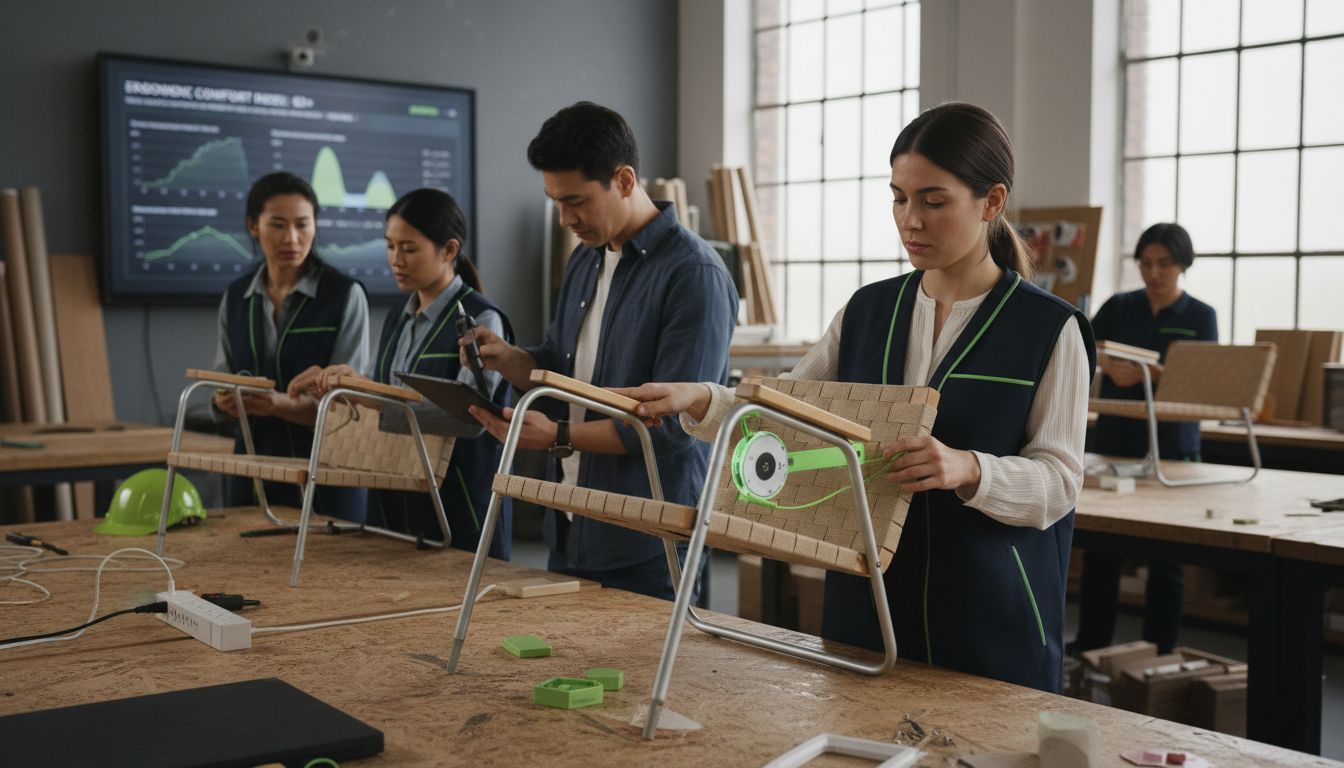
Portable seating is undergoing a technological revolution, transforming from simple functional objects into intelligent, connected lifestyle accessories. Stats and Data highlights this trend, reporting significant advancements in camping chairs that now feature sophisticated capabilities like built-in solar-powered charging stations and integrated coolers, specifically designed to cater to tech-savvy consumers who demand more from their portable seating solutions.
The 2025 smart portable seating landscape is characterized by unprecedented technological integration that goes far beyond traditional expectations. Intelligent seating systems now incorporate advanced sensors that can monitor user posture, track physical activity, and even adjust ergonomic support in real time. These next-generation chairs are equipped with bluetooth connectivity, allowing seamless integration with smartphones and wearable devices, enabling users to track everything from sitting duration to caloric expenditure and recommended movement intervals.
Key technological enhancements include:
Manufacturers are reimagining portable seating as dynamic, responsive platforms that adapt to individual user needs. By combining cutting-edge materials, intelligent design, and advanced sensor technologies, these smart seats are evolving from passive objects to active companions that enhance user comfort, health, and technological connectivity. The future of portable seating is not just about providing a place to sit, but about creating an intelligent, personalized experience that seamlessly integrates with our increasingly digital lifestyles.
The evolution of portable seating is fundamentally driven by an increasingly sophisticated understanding of user experience, where comfort, adaptability, and functionality converge. Technavio highlights this trend, noting a significant shift towards ergonomic design that prioritizes user-specific needs, including age-appropriate dimensions, height adjustability, and personalized support mechanisms that transform seating from a static object to a dynamic user interface.
Portable seating in 2025 represents a quantum leap in versatility, responding to the diverse lifestyle demands of modern consumers. Technavio’s Camping Furniture Market reports a surge in demand for solutions that seamlessly transition between multiple environments, driving manufacturers to develop ultra-adaptive seating systems. These next-generation chairs are engineered to provide maximum comfort whether deployed in urban settings, outdoor adventures, remote work scenarios, or recreational activities, with intuitive design features that accommodate rapid configuration changes.
Key user experience innovations include:
The future of portable seating transcends traditional boundaries, emerging as a holistic solution that understands and anticipates user needs. By integrating advanced materials, intelligent design principles, and user-centric engineering, manufacturers are creating more than just chairs - they are developing personal comfort ecosystems that adapt, support, and enhance human mobility across an increasingly dynamic world.
The landscape of portable seating is undergoing a radical transformation, moving decisively away from static, one-size-fits-all solutions towards dynamic, personalized experiences. Global Wood reports that the U.S. office furniture market is projected to reach $22.24 billion by 2030, driven by a profound shift towards modular and ergonomic systems that challenge conventional seating paradigms.
Technavio highlights a similar revolution in educational environments, where traditional rigid furniture is being replaced by adaptable, mobile seating solutions that support diverse learning styles and physical needs. Unlike traditional chairs that forced users to conform, modern portable seating now adapts to individual body mechanics, learning preferences, and environmental contexts, representing a fundamental reimagining of what a chair can accomplish.
Key differences between traditional and 2025 portable seating include:
The evolution of portable seating reflects broader societal shifts towards personalization, mobility, and intelligent design.
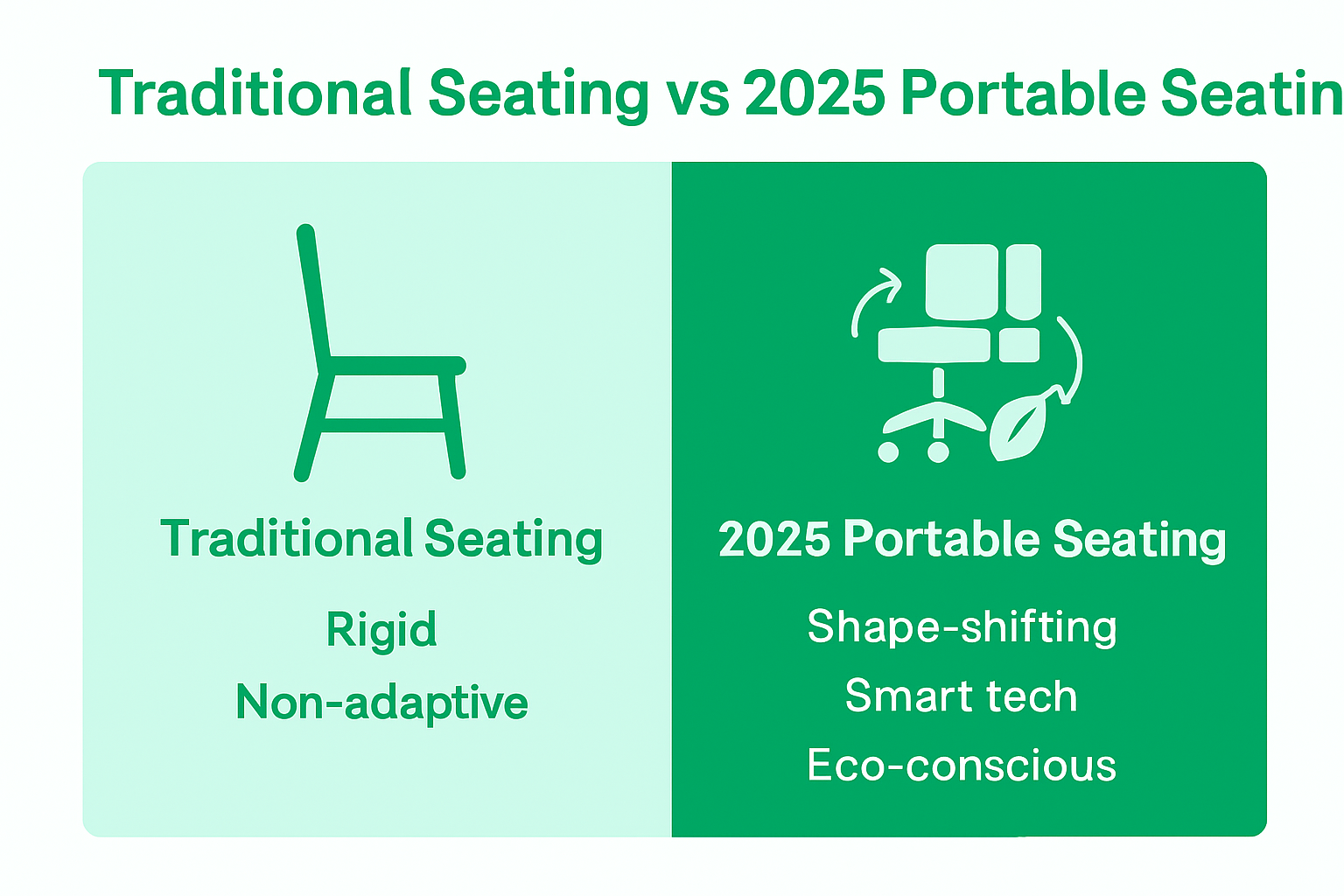 Where traditional seating was about occupying space, modern solutions are about enhancing human potential - creating environments that support physical comfort, technological connectivity, and adaptive functionality across increasingly complex and fluid lifestyle landscapes.
The article highlights a clear challenge facing modern portable seating users: the need for lightweight, ergonomic, adaptable seats that blend smart technology and eco-friendly materials to support dynamic, on-the-go lifestyles. Many consumers struggle with bulky, inflexible chairs that fail to meet evolving demands for mobility, sustainability, and user-focused design. If you are searching for seating solutions that align perfectly with the 2025 market shifts toward ultralight materials, modular design, and sustainable innovation, the answer is here.
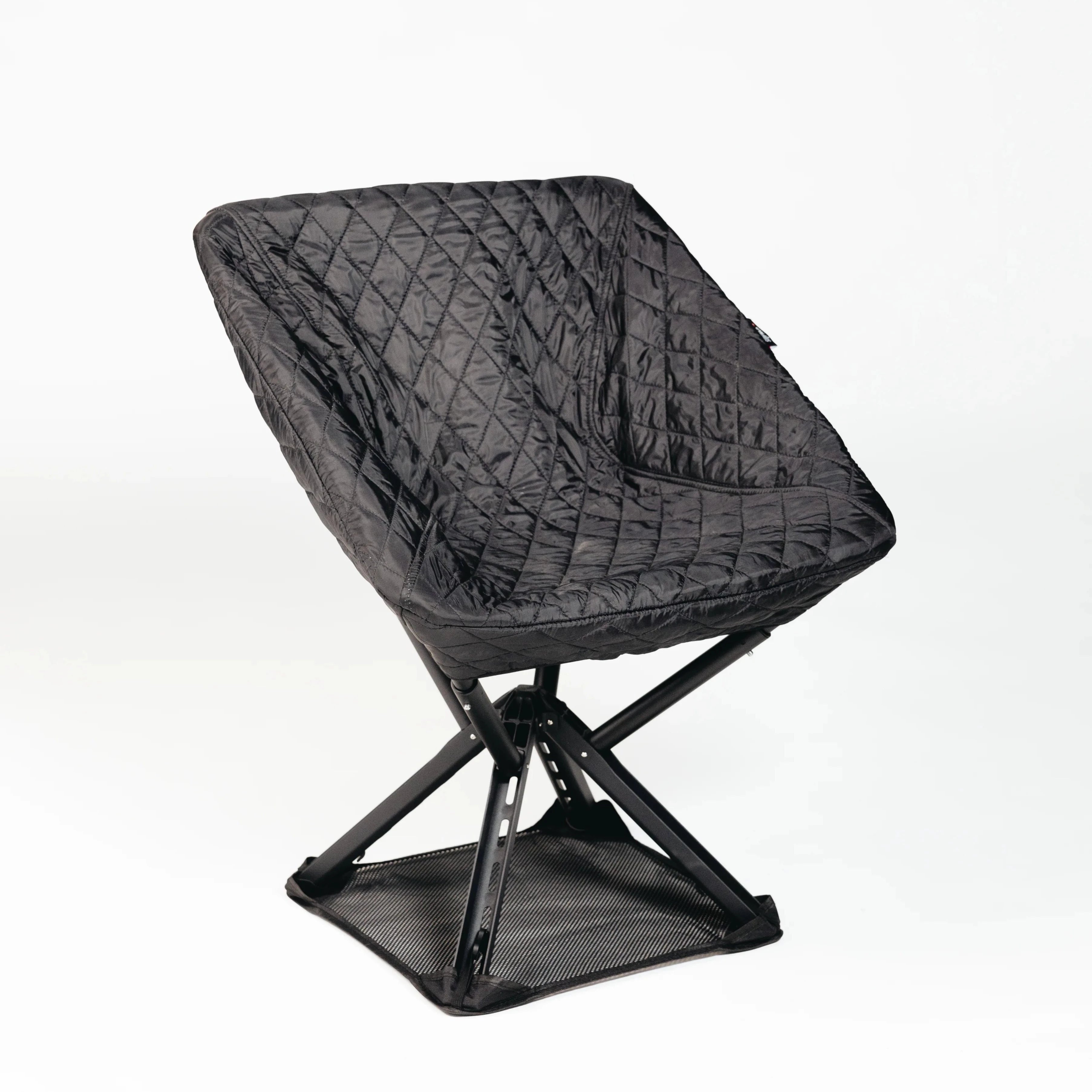
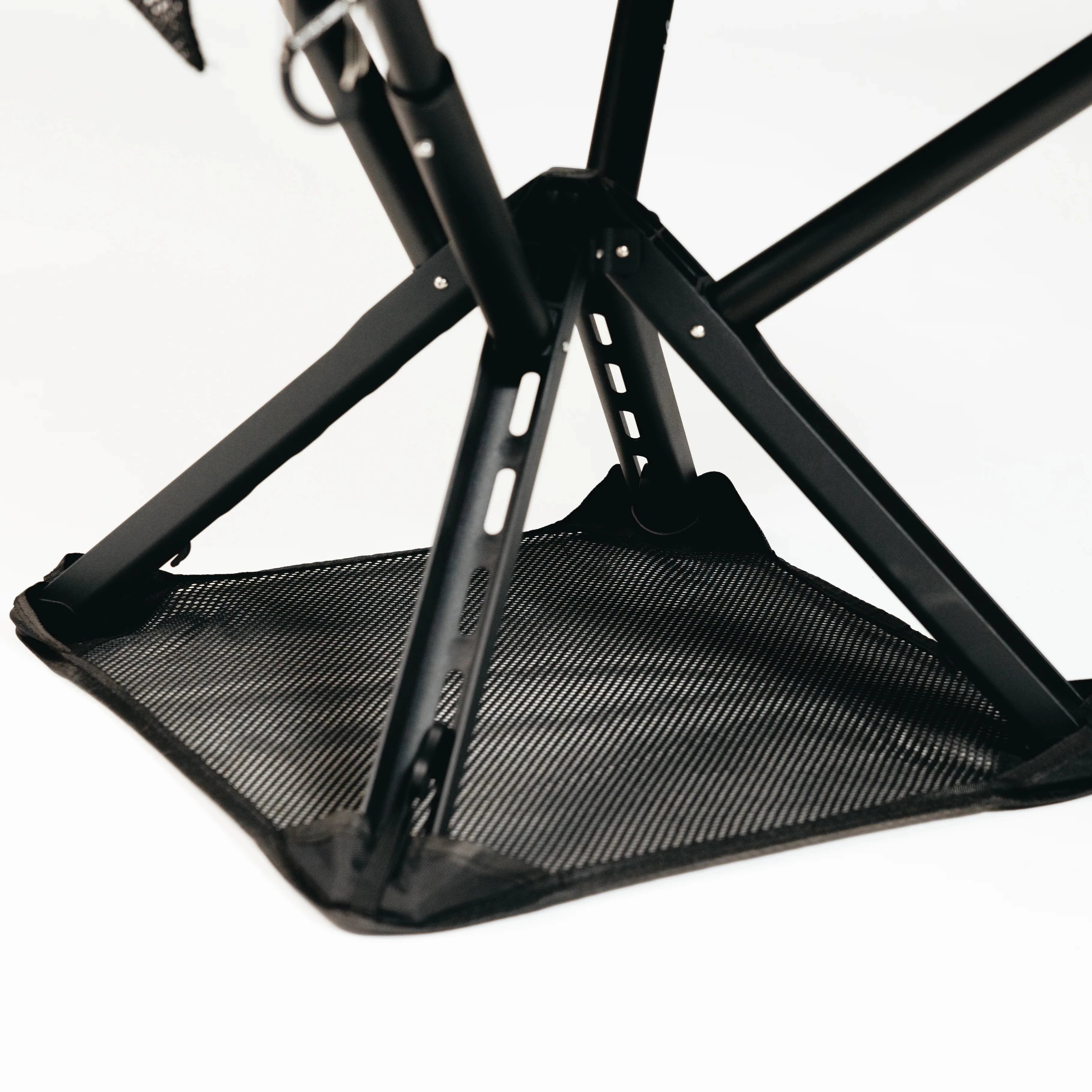
Explore the latest in portable seating with products like the Campster II and Sitpack Zen at Sitpack. These foldable chairs emphasize durability, minimalism, and user comfort while supporting eco-conscious living. Whether you are an outdoor enthusiast, a traveler, or an urban explorer, our chairs are crafted to provide ergonomic support and effortless portability every step of the way. Take advantage of fast worldwide delivery, a 45-day satisfaction guarantee, and a selection of thoughtful accessories designed to enhance your adventures. Step into the future of seating today by visiting Sitpack’s online shop and experience the perfect balance between cutting-edge innovation and practical comfort.
The key trends in portable seating for 2025 include ultralight materials, smart integration, ergonomic design, and a focus on sustainable manufacturing. These features are designed to meet the demands for mobility, adaptability, and eco-friendly solutions.
Technology is enhancing portable seating through features like integrated charging ports, biometric tracking, and climate control systems. These advancements turn seating into intelligent lifestyle accessories that adapt to user needs and enhance comfort.
Modern portable chairs differ from traditional seating in their flexibility, customization, technology integration, and environmental adaptability. They provide dynamic, ergonomic solutions that cater to individual preferences and various environments, unlike static and rigid traditional chairs.
Portable seating solutions address sustainability by incorporating recycled and bio-based materials, utilizing biodegradable composites, and adopting carbon-neutral manufacturing processes. This holistic approach minimizes environmental impact during production and throughout the product lifecycle.