Vogn
0
Tilmeld dig og få 10% i rabat på din ordre
Forventet levering
1-3 dage
Du vil måske også kunne lide





Dansk Firma

TL;DR:
- Eco-friendly camping hinges on thorough planning, packing with reusable containers, and minimizing impact at every stage. Setting up camp on durable surfaces and using designated fire rings helps protect ecosystems and prevent damage. Proper waste management, including pack-out and scattering greywater on durable ground, is essential for preserving natural environments.
Step by step eco-friendly camping is the process of planning and executing your outdoor trip in ways that minimize environmental harm through deliberate, low-impact choices at every stage. From the meals you prep at home to the way you sweep your campsite before leaving, every decision compounds. This guide walks you through each phase, from pre-trip preparation through campsite setup, cooking, hygiene, and waste management, so you can camp sustainably without sacrificing a good time. Think of it as your field manual for getting outside without trashing the place.
Preparation at home is the single biggest leverage point for reducing your camping footprint. What you pack, how you pack it, and what you leave behind determines roughly 80% of the waste you will generate on the trail. Getting this right before you leave the driveway makes everything else easier.
Plan meals by group size and activity level before you buy a single item. Higher-output days like long hikes require more caloric fuel, so match your portions to your itinerary rather than guessing and over-packing. Preparing snacks and meals at home using longer shelf-life items like granola, trail mix, and dehydrated meals reduces spoilage waste significantly. Spoilage is one of the most common and avoidable sources of campsite garbage.
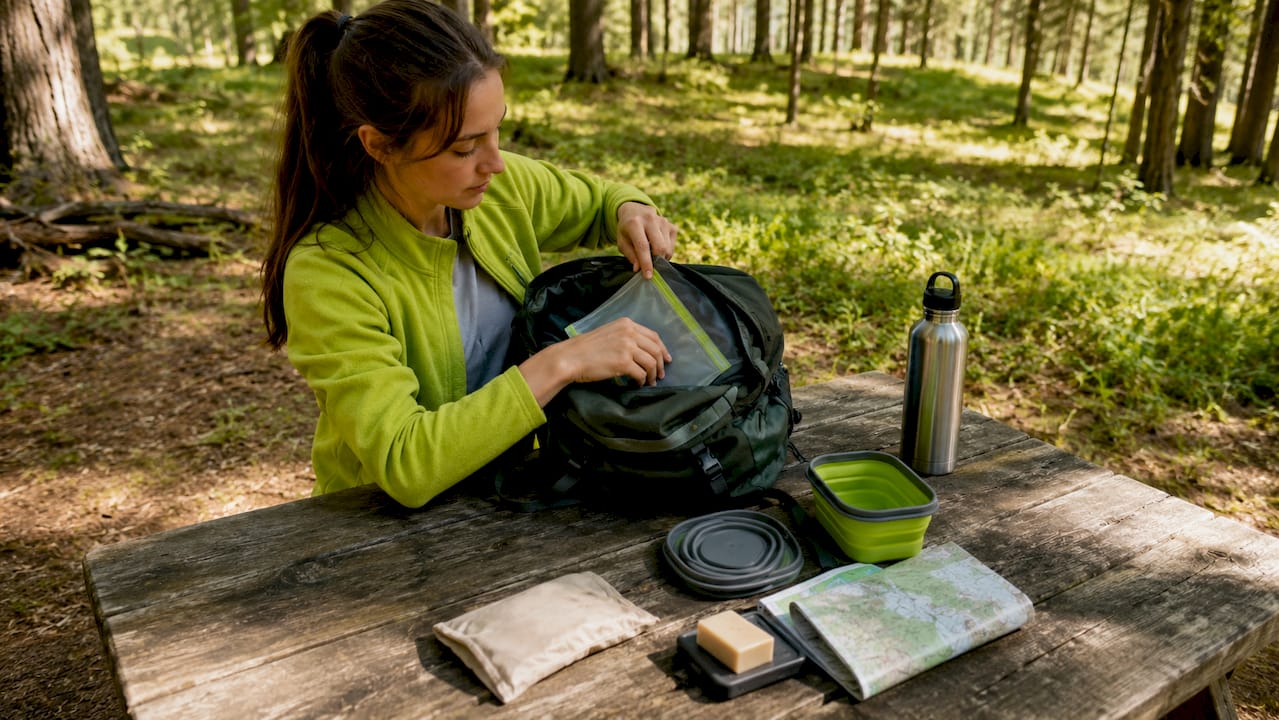
Reusable vacuum-sealable bags and collapsible silicone containers are your two best friends here. Decant food from its original retail packaging at home, and you eliminate a huge volume of cardboard, plastic film, and wrappers before you even arrive at the trailhead. Some parks ban cans and glass entirely, so check park-specific regulations before you pack. Carry a small dedicated container for packaging edges and wrappers, because those are the pieces most likely to blow away and become litter.
Pro Tip: Pack a labeled “trash capture” bag specifically for wrappers, twist ties, and foil edges. These small items are the ones that escape and end up in the ecosystem.
| Item | Why it matters |
|---|---|
| Vacuum-sealable reusable bags | Replaces single-use zip bags; keeps food fresh longer |
| Collapsible silicone containers | Packs flat; replaces disposable plastic tubs |
| Portable refillable camp stove | Reduces fire impact and vegetation damage |
| Biodegradable soap bar | Safer near waterways than liquid soap in plastic bottles |
| Odor-proof pet waste bags | Required for zero-waste trips with dogs |
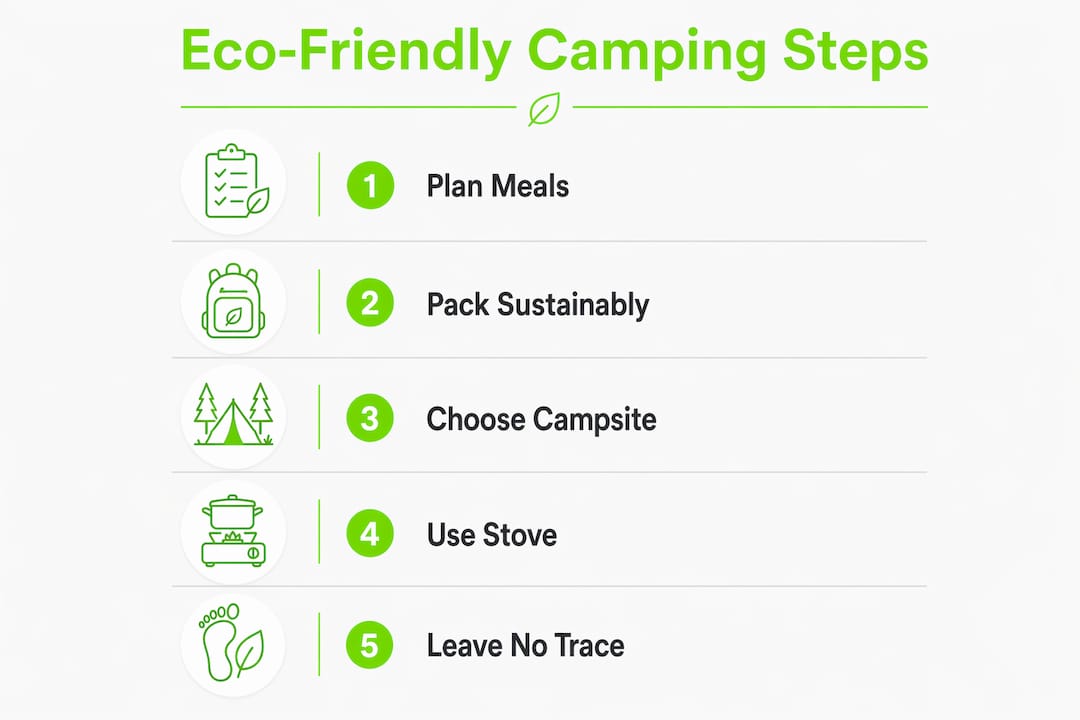
Pack out pet waste using odor-proof bags and a dedicated container throughout your trip. This is non-negotiable on a genuinely zero-waste camping trip, and it is one of the most commonly skipped steps. Check out this green camping checklist from Sitpack for a full gear rundown before you finalize your pack.
Choosing where and how you set up camp is the second major phase of environmentally friendly camping. The wrong site choice or setup method can damage vegetation, disturb wildlife, and degrade the experience for every camper who comes after you.
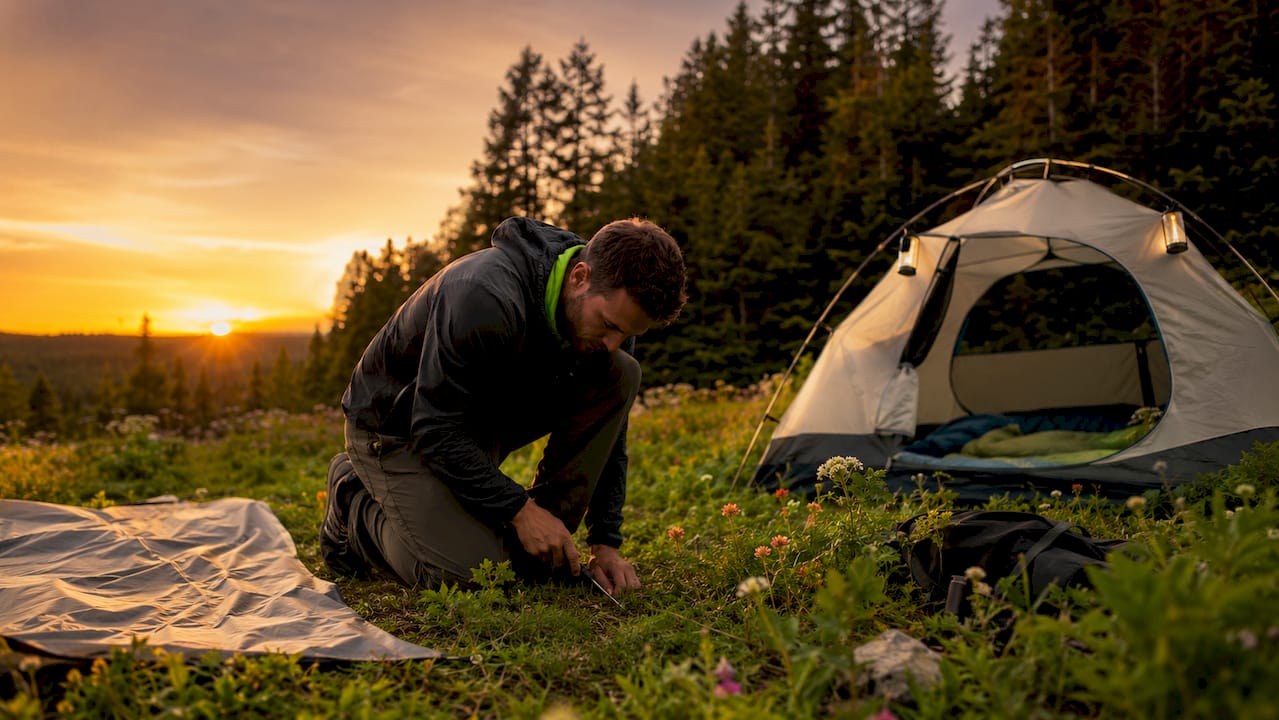
Always choose a durable surface: established tent pads, gravel, rock, or dry grass. Avoid setting up on fragile vegetation, wet soil, or near water sources. Most park systems designate approved campsites specifically to concentrate impact on already-disturbed ground, so use them rather than carving out a new spot.
Portable refillable camp stoves reduce the impact of campfires and prevent vegetation removal around fire rings. Ontario Parks staff actively encourage stove use at backcountry sites like Frontenac Provincial Park for exactly this reason. A stove also gives you more control over cooking temperature, which means less wasted fuel and food. If you do build a fire, use only the designated fire ring and never collect firewood from inside the park.
Harvesting firewood inside parks is prohibited and carries real penalties. Beyond the rules, bringing outside firewood can introduce invasive species to ecosystems that have no defenses against them. If you need to purchase firewood, use local or kiln-dried wood from a source near the park. The Leave No Trace organization’s 2025 Campground Guidelines reinforce this, emphasizing ethical campsite behavior that protects nature and promotes fair access for all visitors.
Pro Tip: Use your camp stove for both cooking and heating wash water. Consolidating heat sources reduces fuel consumption and keeps your site cleaner.
Cooking and washing routines are the most common failure points on low-waste trips. Getting these right requires a consistent location, the right soap, and a clear plan for where your greywater goes.
Here is a practical sequence to follow at every meal:
Pro Tip: Pre-portion all meals into your reusable containers at home so you never cook more than you need. Overpacking food is the number one driver of campsite food waste.
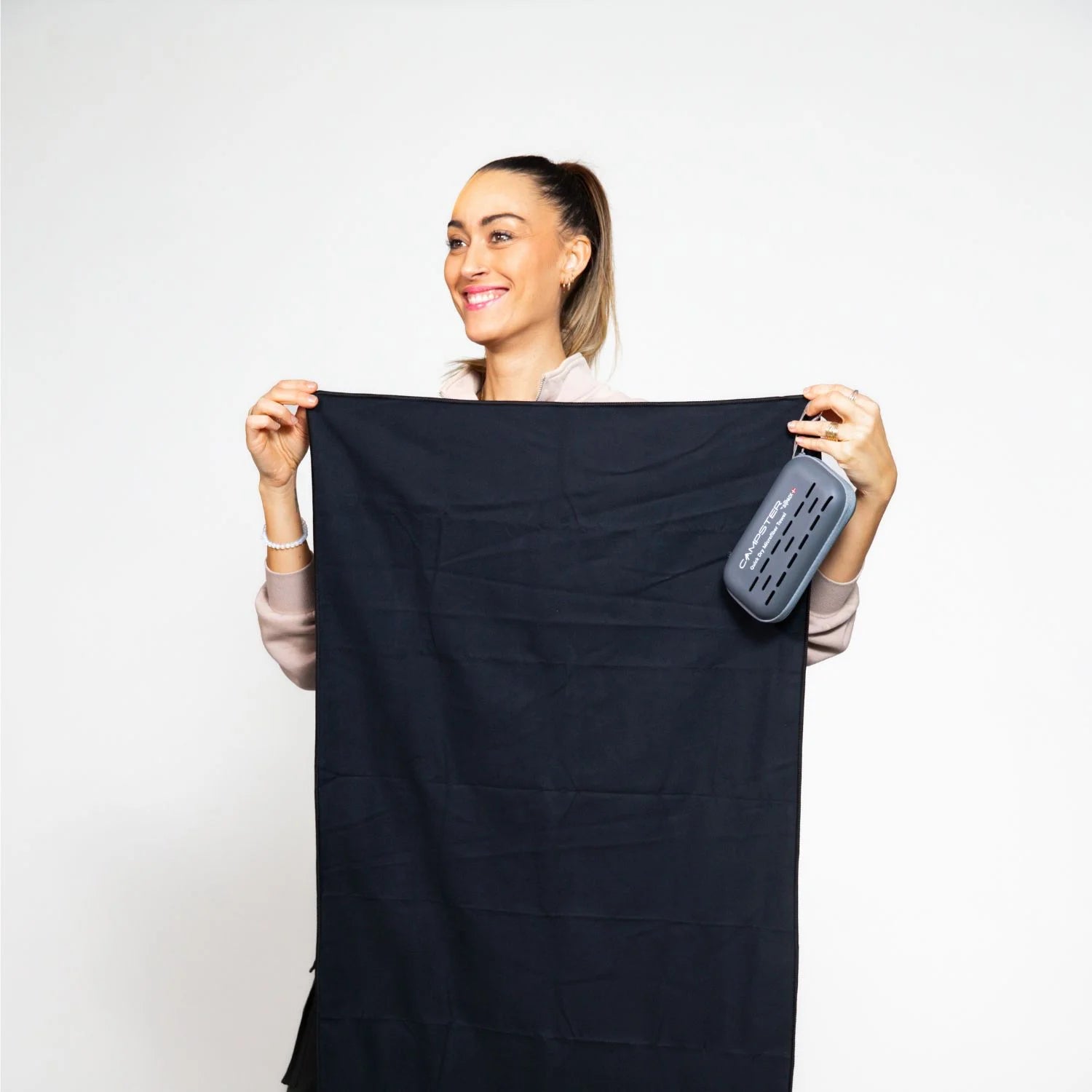
For personal hygiene, the same 200-foot rule applies. Brush teeth away from water sources and spit onto durable ground. Use a small camp towel rather than paper towels, and pack your toiletries in a reusable bag rather than a plastic kit that sheds microplastics. These small habits, practiced consistently, add up to a genuinely low-impact trip.
The final phase of camping with minimal impact is also the one most people rush. Leaving your campsite properly is not just about picking up your own trash. It is about restoring the site as close as possible to the condition you found it, or better.
Sweep your campsite for litter before you pack up, including areas around the fire ring, under the picnic table, and along the perimeter of your tent footprint. Separate recyclables from garbage using clear bags, just as you would at home. If the park’s recycling or garbage bins are full, carry your waste home rather than leaving bags beside an overflowing bin. Experienced campers plan for this contingency by bringing an extra garbage bag specifically for overflow situations.
“Small actions like properly disposing of dishwater and not collecting park resources help preserve ecosystems and prevent long-term damage.” Ontario Parks
The zero-waste camping ideal is genuinely achievable, but it requires treating pack-out as a system rather than an afterthought. Plan specific containers for wrappers and litter-prone packaging before you leave home. That planning is what separates a campsite that looks untouched from one that leaves a trace.
Pro Tip: Do a final “leave no trace lap” around your entire campsite before loading the car. Walk the perimeter slowly and look down. You will almost always find something you missed.
Eco-friendly camping succeeds or fails at the planning stage: preparation, consistent low-impact routines, and a deliberate pack-out system are the three non-negotiable pillars of a sustainable trip.
| Point | Details |
|---|---|
| Plan meals before you leave | Match portions to group size and activity level to eliminate food waste at the source. |
| Repack food at home | Decant into reusable containers to remove packaging before it reaches the campsite. |
| Use a camp stove over a fire | Portable stoves reduce vegetation damage and give you better fuel efficiency. |
| Wash and scatter greywater correctly | Always wash 200 feet from water sources and scatter strained greywater on durable ground. |
| Treat pack-out as a system | Bring dedicated containers for wrappers and plan for full park bins before you arrive. |
Here is the honest truth: most eco-friendly camping advice focuses on cleanup, and cleanup is the wrong place to focus. By the time you are picking up litter at your campsite, you have already lost. The real work happens at your kitchen table the night before you leave.
I used to think bringing a reusable bag was enough. It is not. The first time I actually decanted all my food into silicone containers before a trip, I was genuinely shocked by the pile of packaging I left at home. Cardboard boxes, plastic film, foil pouches, twist ties. All of it would have ended up in my pack, and most of it would have ended up scattered by wind before I even noticed. That one habit change made more difference than anything else I have tried.
The other thing I underestimated for years was the social dimension of sustainable camping. The Leave No Trace Campground Guidelines frame eco-conscious camping as a shared ethics problem, not just a personal one. When you leave a site clean, you are not just being tidy. You are making the next camper’s experience better, and you are signaling to park management that the site can handle continued use. That matters for keeping wild places open and accessible.
The pitfall I see most often is people treating zero-waste camping as an all-or-nothing proposition. You do not have to be perfect. You just have to be better than last time, and you have to plan for it rather than hoping it works out.
— Jonas
Sustainable camping is a lot more enjoyable when your gear actually works for you rather than against you. Sitpack designs portable, minimalist outdoor gear with exactly this kind of trip in mind: lightweight, durable, and built to reduce what you carry and what you leave behind.
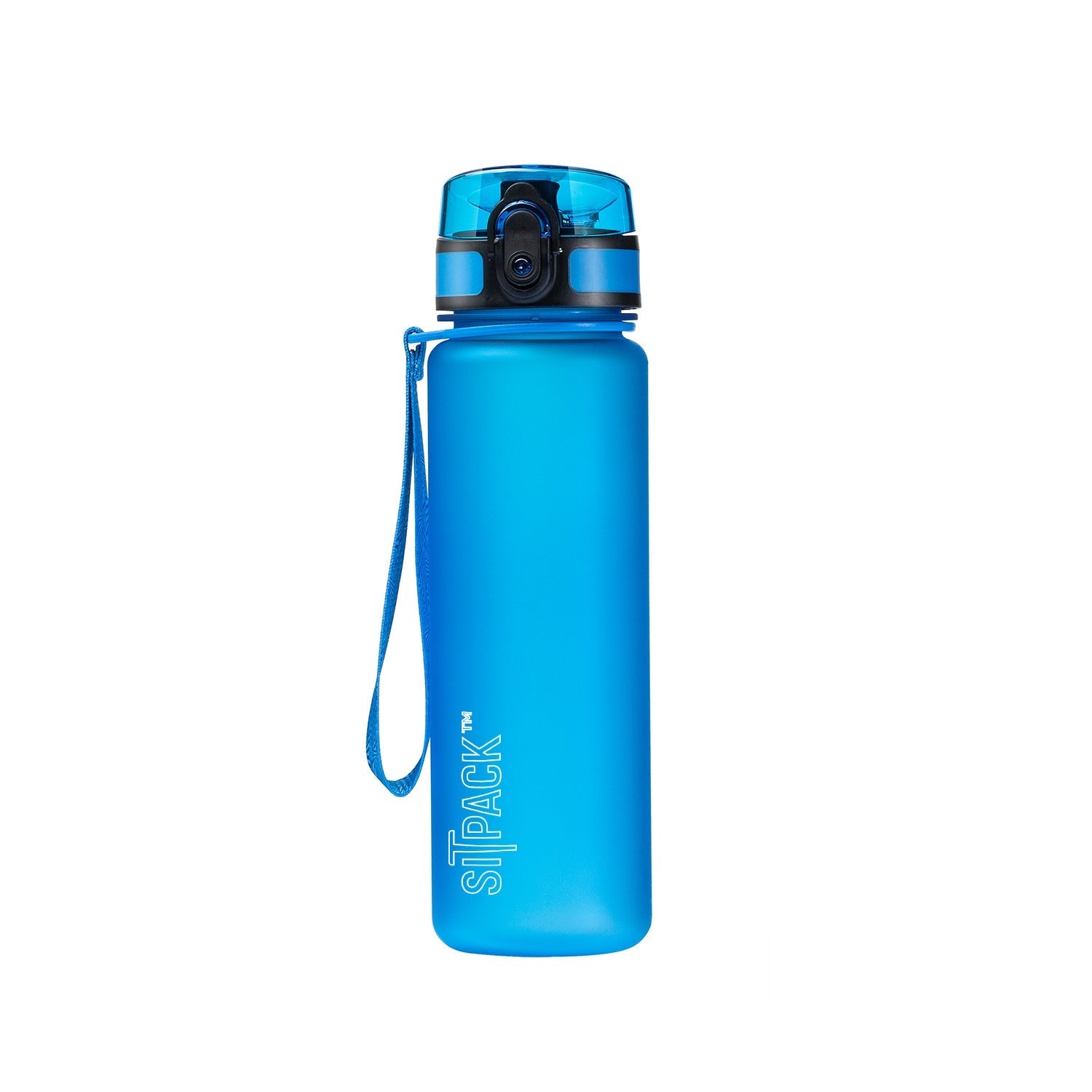
The Campster II and Sitpack Zen are built for campers who want to travel light without sacrificing comfort at the end of a long trail day. Sitpack also carries accessories like reusable water bottles and travel towels that fit naturally into a low-impact camping kit. Less gear, better gear, and gear that lasts. That is the Sitpack philosophy, and it lines up well with the zero-waste mindset. Browse the full range at sitpack.com and see what fits your next trip.
The first step is meal planning and repacking food at home into reusable containers. Removing retail packaging before you leave eliminates the majority of campsite waste before your trip even starts.
You can, but a portable refillable camp stove is the lower-impact choice. If you do build a fire, use only designated fire rings and never collect firewood from inside the park, as this spreads invasive species and is prohibited in most park systems.
Strain all food particles from dishwater, seal them in your waste bag, and scatter the remaining greywater broadly over durable ground at least 200 feet from any water source. Never dump dishwater directly into a stream or lake.
Carry your waste home. Experienced campers bring an extra garbage bag as a contingency for full bins, rather than leaving bags on the ground beside overflowing receptacles.
Yes. Pack out all pet waste using odor-proof bags and a dedicated container throughout your trip. Leaving pet waste, even buried, contributes to water contamination and disrupts local wildlife.