Vogn
0
Tilmeld dig og få 10% i rabat på din ordre
Forventet levering
1-3 dage
Du vil måske også kunne lide


Dansk Firma

TL;DR:
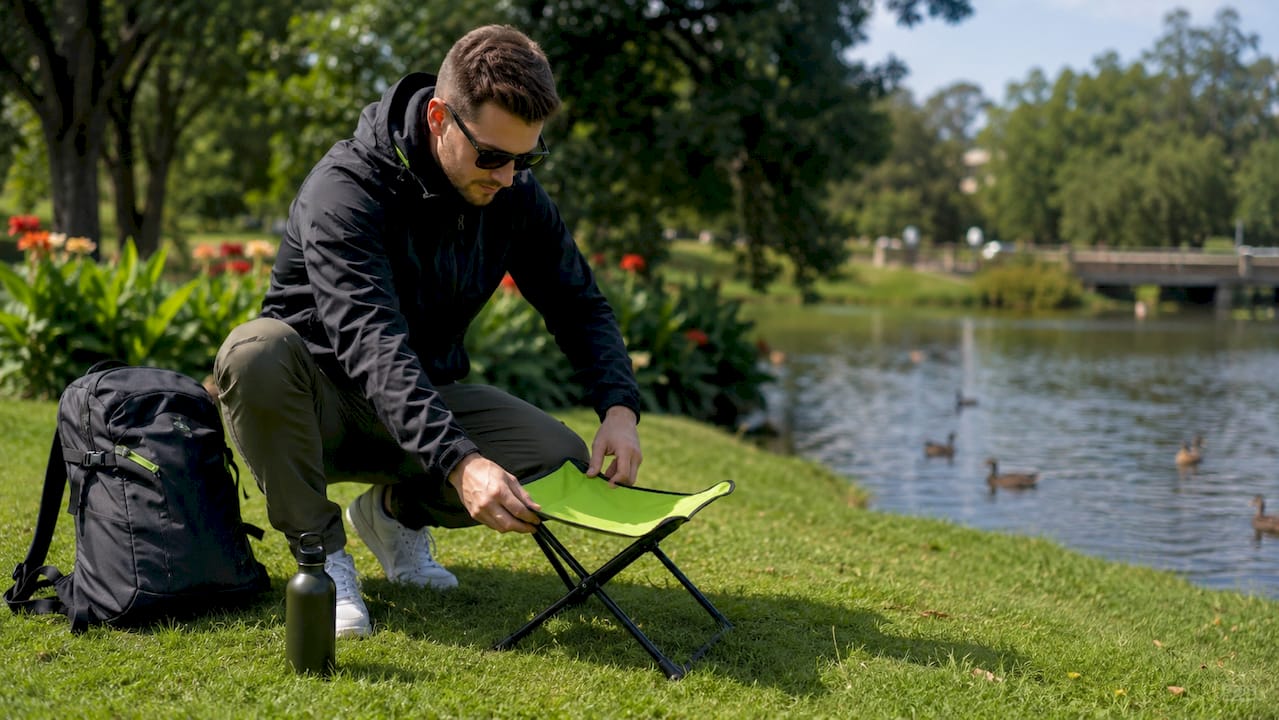
- Everyday carry seating is lightweight, portable chairs designed for quick deployment during daily activities. These seats prioritize minimal weight and ergonomic comfort, making them ideal for commuting, outdoor events, and quick rests. They can support up to 150 kg and weigh under one kilogram, fitting seamlessly into daily routines.
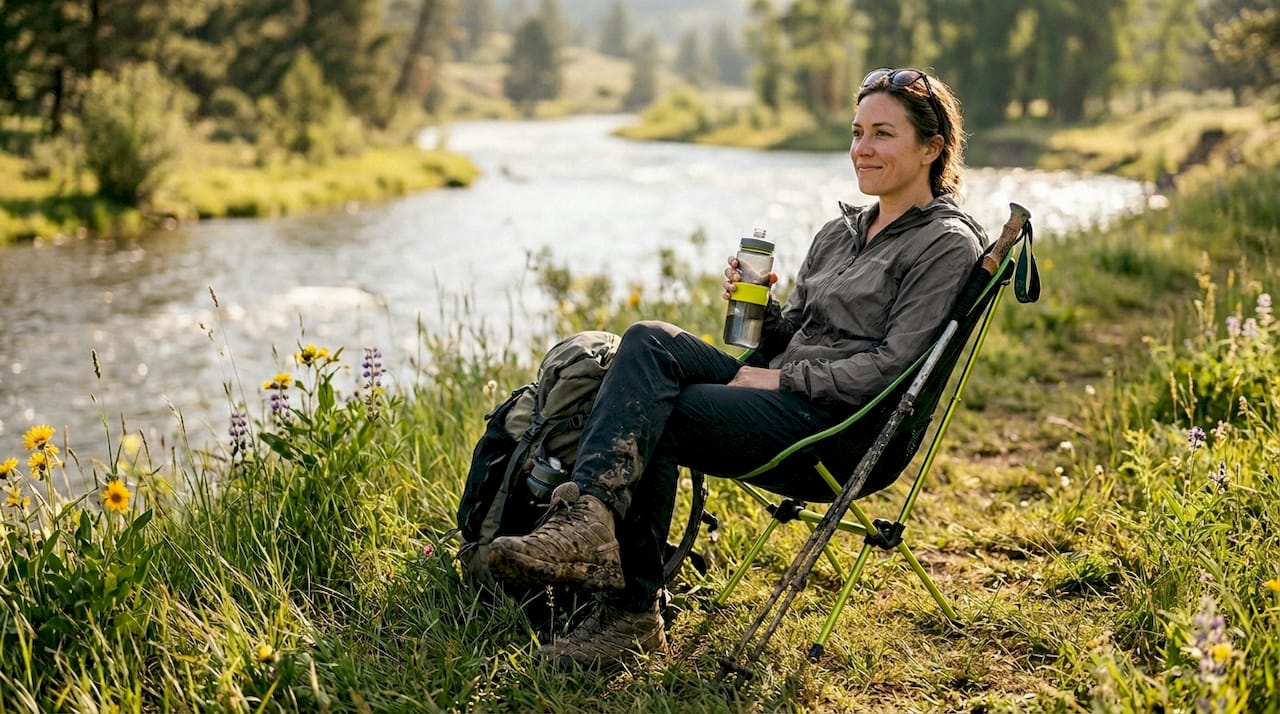
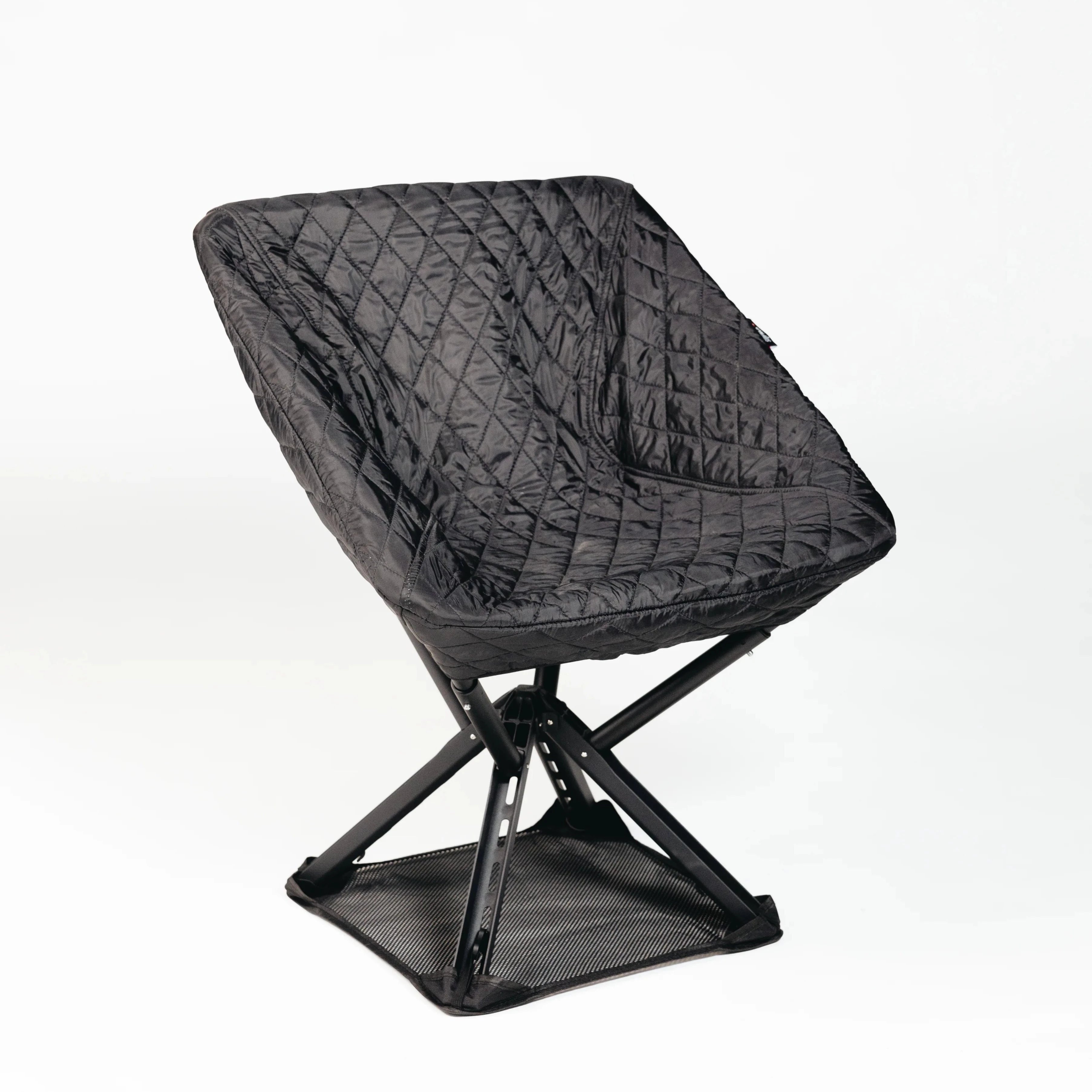
Everyday carry seating is portable, compact seating designed to be carried daily and deployed in seconds, giving you a comfortable place to park your posterior wherever life takes you. The concept borrows from the broader EDC (everyday carry) philosophy, where gear is chosen for maximum utility at minimum weight. Products in this category, like the Sitpack Zen and the SUNNEREY 2-in-1 Chair Bag, weigh under one kilogram and fold small enough to slip into a daypack. If you’ve ever stood for 40 minutes at a train platform or hunted for a bench at a crowded festival, you already understand the problem these seats solve.
Everyday carry seating is defined as any portable seat built specifically for daily, on-the-go use. The industry term you’ll also hear is “portable compact seating,” but EDC seating has become the shorthand for gear-minded commuters and outdoor enthusiasts alike.
The core promise is simple: sit anywhere, anytime, without hauling a full-size folding chair. Portable compact seating prioritizes ultra-lightweight construction, ergonomic comfort, and rapid deployment over the bulk of conventional foldable seats. That combination makes it genuinely different from the camping chairs you’d find stacked in a garage.
What separates EDC seating from a random folding stool is intentional design. Every gram is accounted for. Every fold is deliberate. The goal is a seat that you’ll actually carry every day because it costs you almost nothing in weight or space to do so.
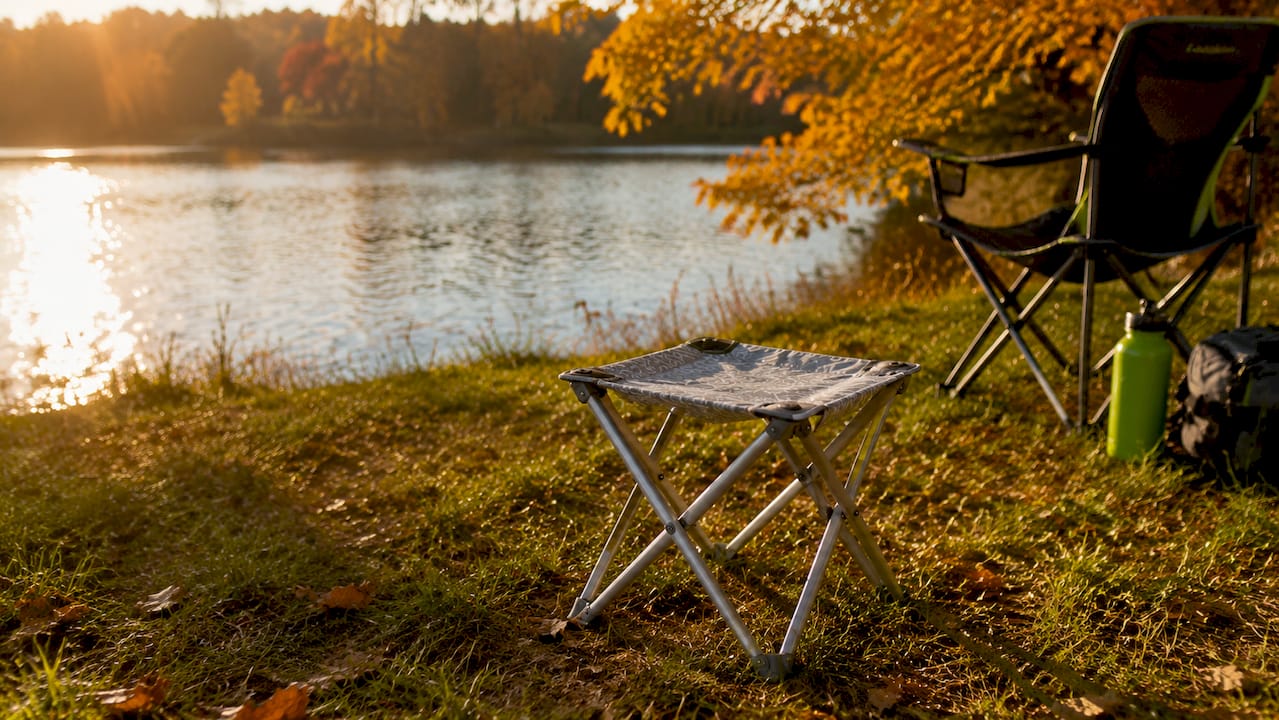
The best carry seating options share a tight cluster of measurable traits. Weight, deployment speed, load capacity, and ergonomic surface design are the four pillars worth examining before you buy anything.
Many products weigh under 1 kilogram and fold into shapes small enough to attach to a belt loop or slide into a side pocket. The SUNNEREY 2-in-1 Chair Bag hits approximately 750 grams, which is lighter than most water bottles when full. That kind of weight profile means you stop noticing it’s there, which is exactly the point.
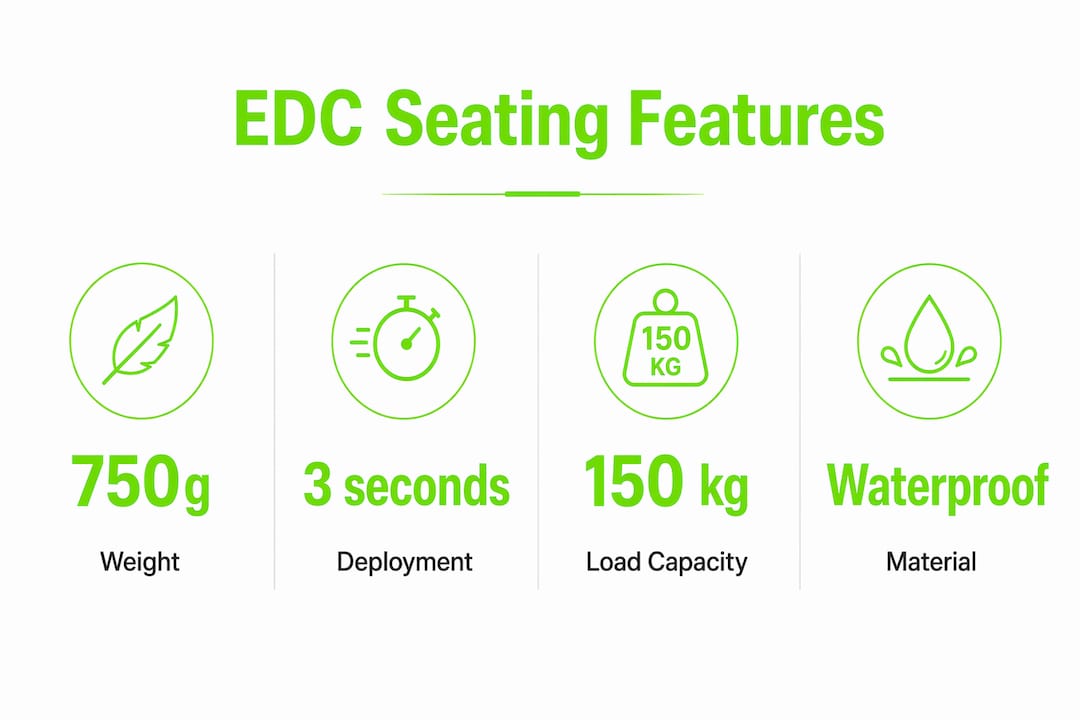
EDC seating deploys in roughly 3 seconds and supports up to 150 kg in well-engineered models. Three seconds matters more than it sounds. If setup takes two minutes, you’ll skip it half the time. Instant deployment is what turns a product from a novelty into a daily habit.
Seating that allows micro-movements and supports natural pelvic rotation reduces postural fatigue during extended sitting. This is backed by ergonomic research showing that flexible seat pan designs with multiple segments keep your spine active rather than locked. For a portable seat, that means looking for contoured surfaces or slight forward tilts rather than flat, rigid platforms.
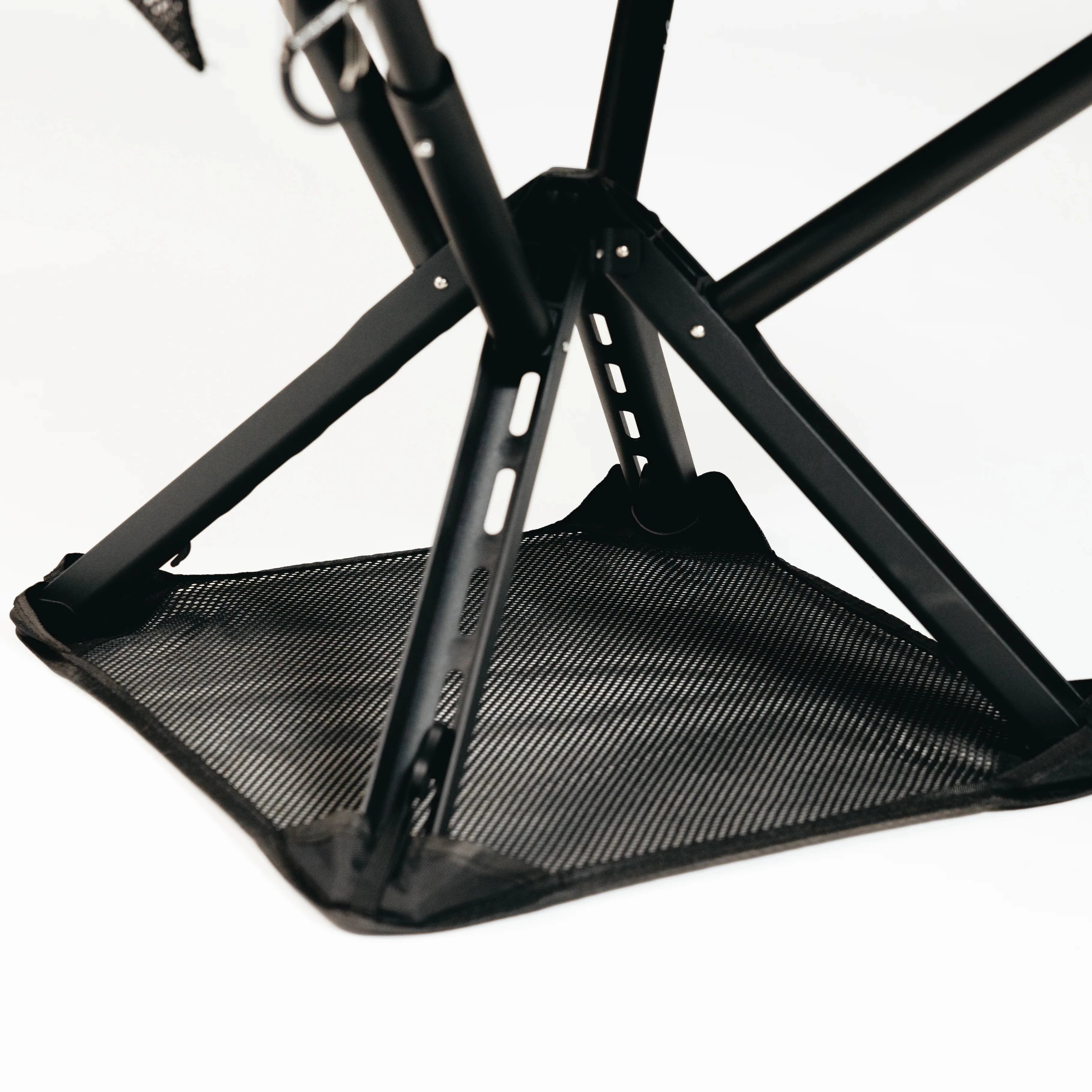
Waterproof fabric and steel frames are standard in quality EDC seats, protecting against damp grass, wet benches, and rough terrain. Cheap seats skip this. You’ll notice the difference the first time you sit on dewy ground at 7 a.m.
Pro Tip: Before buying, flip the seat over and check the frame material. Aluminum and steel frames handle repeated folding far better than plastic joints, which crack after a season of daily use.
| Feature | Benchmark for Quality EDC Seating |
|---|---|
| Weight | Under 1 kg (ideally ~750g) |
| Deployment time | 3 seconds or less |
| Load capacity | 100–150 kg minimum |
| Material | Waterproof fabric, steel or aluminum frame |
| Ergonomic design | Contoured or flexible seat surface |
Not all portable seating is everyday carry seating. The differences matter when you’re deciding what to actually bring with you on a Tuesday morning commute versus a weekend camping trip.
Traditional folding camp chairs are comfortable and stable, but they weigh 2–5 kg and pack into a bag the size of a rolled yoga mat. You’ll bring one to a campsite. You won’t clip it to your work bag. Backpacks with built-in seats are clever but compromise on both storage volume and seating comfort. Compact modular furniture, like folding stools or inflatable cushions, sit somewhere in the middle but rarely nail the deployment speed that makes EDC seating genuinely useful.
Here’s how the main categories stack up:
EDC seating emphasizes portability and ergonomic comfort over the bulk of conventional options. That trade-off is the whole point. You’re not replacing your camp chair. You’re filling the gap for every situation where a camp chair would never come with you.
Portable seating designed for daily carry covers a surprisingly wide range of real-life situations. Here are the most practical use cases, ranked by how often most people actually encounter them:
The benefits of lightweight seating show up most clearly in situations 1 through 4, where you’d never bring a traditional chair but genuinely wish you had somewhere to sit.
Choosing the right compact seating solution comes down to matching the product’s specs to how you actually live. Here’s what to prioritize:
Pro Tip: Check the outdoor event seating tips from Sitpack before buying. The guide breaks down comfort and portability trade-offs in plain language and helps you avoid the most common sizing mistakes.
For most people, a seat in the 700–900 gram range with waterproof fabric, a steel frame, and a load capacity above 120 kg covers 90% of daily use cases without compromise.
Everyday carry seating is the most practical upgrade for anyone who spends time commuting, traveling, or outdoors, because it turns “I wish I had somewhere to sit” from a complaint into a solved problem.
| Point | Details |
|---|---|
| Core definition | EDC seating is portable, compact seating built for daily carry and instant deployment. |
| Weight benchmark | Quality options weigh under 1 kg, with top products hitting around 750 grams. |
| Ergonomic value | Seats with flexible or contoured surfaces reduce postural fatigue during extended use. |
| Best use cases | Commuting, festivals, hiking, fishing, travel layovers, and urban sightseeing all benefit. |
| Buying priority | Match weight, load capacity, and weather resistance to your actual daily routine. |
Most people underestimate how much standing around they do in a day. I didn’t realize it until I started tracking it. Train platforms, coffee shop lines, outdoor markets, hiking rest stops. The time adds up fast, and your back keeps score.
The biggest mistake I see people make when choosing EDC seating is optimizing for the wrong thing. They buy the lightest possible option and end up with a seat that’s uncomfortable after five minutes, or they buy the most comfortable option and end up with something too heavy to carry consistently. The sweet spot is a seat you’ll actually bring with you every single day, not just when you remember to pack it.
Ergonomics in portable seating is a growing focus in product design, and it’s overdue. The research on dynamic sitting and micro-movements shows that even brief periods of active posture support make a measurable difference in fatigue. That science is starting to show up in compact products, which is genuinely exciting for anyone who spends a lot of time on the move.
My honest prediction: within a few years, EDC seating will be as standard in a commuter’s bag as a water bottle or a portable charger. The products are already good enough. The habit just needs to catch up.
— Jonas
Ready to stop standing around and start sitting comfortably wherever you go? Sitpack specializes in exactly this kind of gear, with a lineup that includes the Campster II and Sitpack Zen, both built for daily carry with lightweight frames, durable materials, and a 45-day satisfaction guarantee.
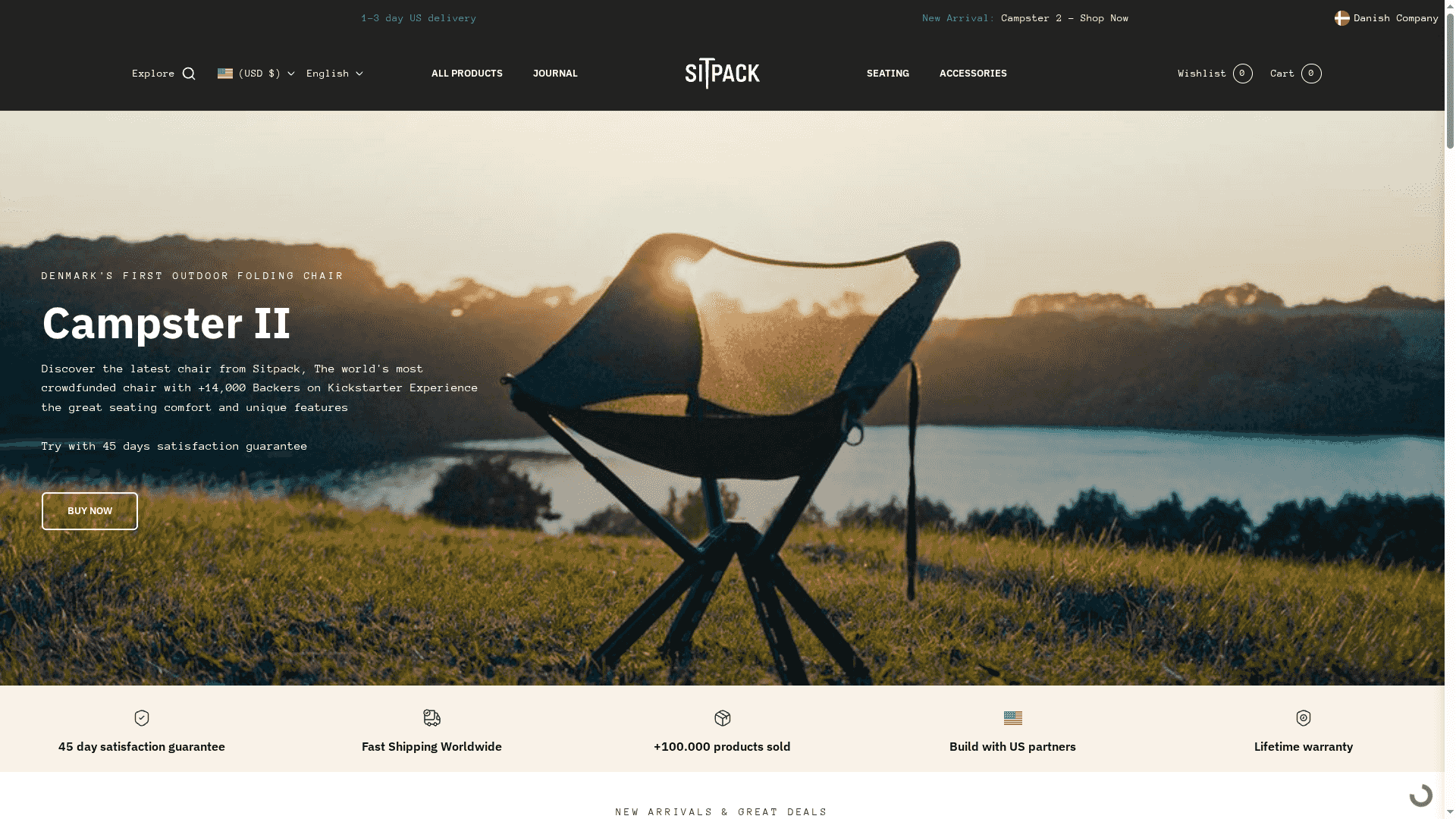
Whether you’re a daily commuter, a weekend hiker, or someone who just wants a reliable seat at the next outdoor festival, Sitpack has a portable seating solution that fits your bag and your lifestyle. Fast worldwide shipping, eco-friendly materials, and a lifetime warranty back every product. Browse the full collection and find the seat that goes everywhere you do.
Everyday carry seating is portable, compact seating designed to be carried daily and deployed quickly for comfortable sitting in commuting, travel, and outdoor situations. It prioritizes lightweight construction, ergonomic comfort, and fast setup over the bulk of traditional folding chairs.
Quality EDC seats weigh under 1 kilogram, with leading products like the SUNNEREY 2-in-1 Chair Bag coming in at approximately 750 grams. That weight profile makes them practical for daily carry without adding noticeable load to a bag.
Look for a load capacity of at least 120 kg, with 150 kg being the benchmark for well-engineered EDC seats. A higher rated capacity also means the frame and joints handle repeated daily use without wearing out prematurely.
Yes, when designed well. Seats with contoured or flexible surfaces that support natural pelvic rotation reduce postural fatigue, which is backed by ergonomic research on dynamic sitting. Flat, rigid platforms offer far less support during extended use.
EDC seating is built for daily carry, weighing under 1 kg and deploying in seconds, while traditional folding chairs weigh 2–5 kg and are designed for fixed outdoor setups like campsites. The trade-off is comfort for extended sitting versus portability for constant movement.