Vogn
0
Tilmeld dig og få 10% i rabat på din ordre
Forventet levering
1-3 dage
Du vil måske også kunne lide


Dansk Firma


TL;DR:
- Urban seating solutions are designed to enhance comfort, accessibility, and social engagement in outdoor city spaces. Reconfigurable modular systems and portable seats adapt to various needs, improving usability in small, high-traffic areas. Effective placement and design standards ensure inclusivity, while innovative technologies like smart benches and ergonomic motion devices shape the future of urban furniture.
Urban seating solutions are functional furniture and seating designs intended to improve comfort, accessibility, and social engagement in outdoor urban spaces. Whether you’re a daily commuter hunting for a place to rest your legs or a city resident trying to make a pocket park actually usable, understanding how public seating options work gives you real power to improve your environment. This article covers urban seating solutions explained from the ground up: the main types, how design and placement affect real people, what smart technology is doing to the category, and practical ideas you can act on today. Named players like Poltrona Frau, KI, and Ontario’s 2025 accessibility standards all show up here because they set the bar for what good looks like.
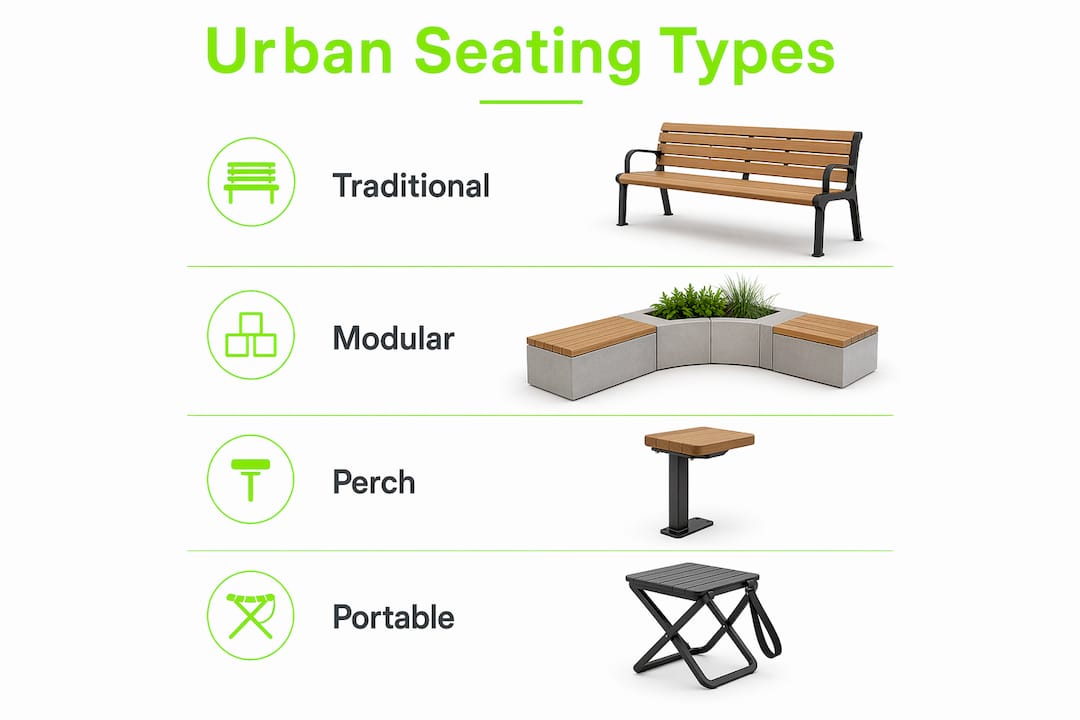
Urban furniture design covers a wider range of seating than most people realize. The category runs from the humble park bench to sophisticated modular systems that reconfigure themselves around events and crowds.
| Seating Type | Best Use | Key Trait |
|---|---|---|
| Traditional bench | Parks, transit stops | Fixed, low cost, familiar |
| Modular seating | Plazas, regeneration sites | Reconfigurable, adaptable |
| Perch seating | Sidewalks, retail frontages | Space-saving, quick rest |
| Portable seating | Commuters, outdoor events | Lightweight, personal carry |
| Integrated seating walls | Small urban courtyards | Doubles as landscape feature |
Traditional benches are the workhorse of community seating areas. They are cheap to install, easy to maintain, and universally understood. The downside is rigidity: a bench bolted to concrete cannot adapt when the space needs to serve a farmers market on Saturday and a quiet lunch spot on Monday.
Modular seating systems solve that problem. Modular and reconfigurable seating increases dwell time and optimizes space use by adapting to changing needs and events in urban regeneration sites. That adaptability is not a luxury. In space-limited city environments, furniture that serves one purpose is furniture that fails half the time.

Perch seating is the underrated workhorse of high-traffic sidewalks. A perch seat is a leaning rail or angled surface that lets you take weight off your feet without fully sitting down. It takes up almost no footprint, which makes it ideal for narrow pedestrian corridors where a full bench would create an obstruction.
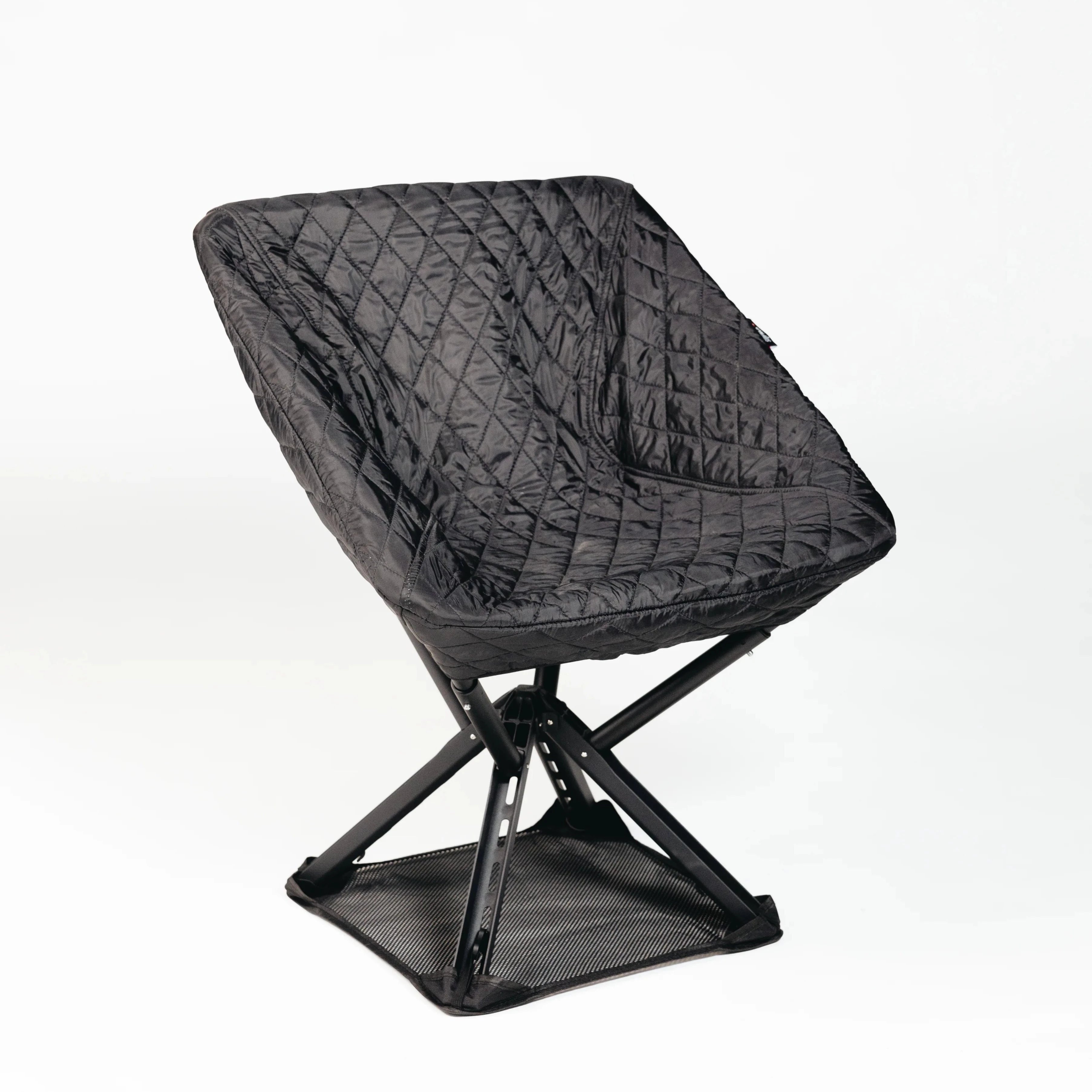
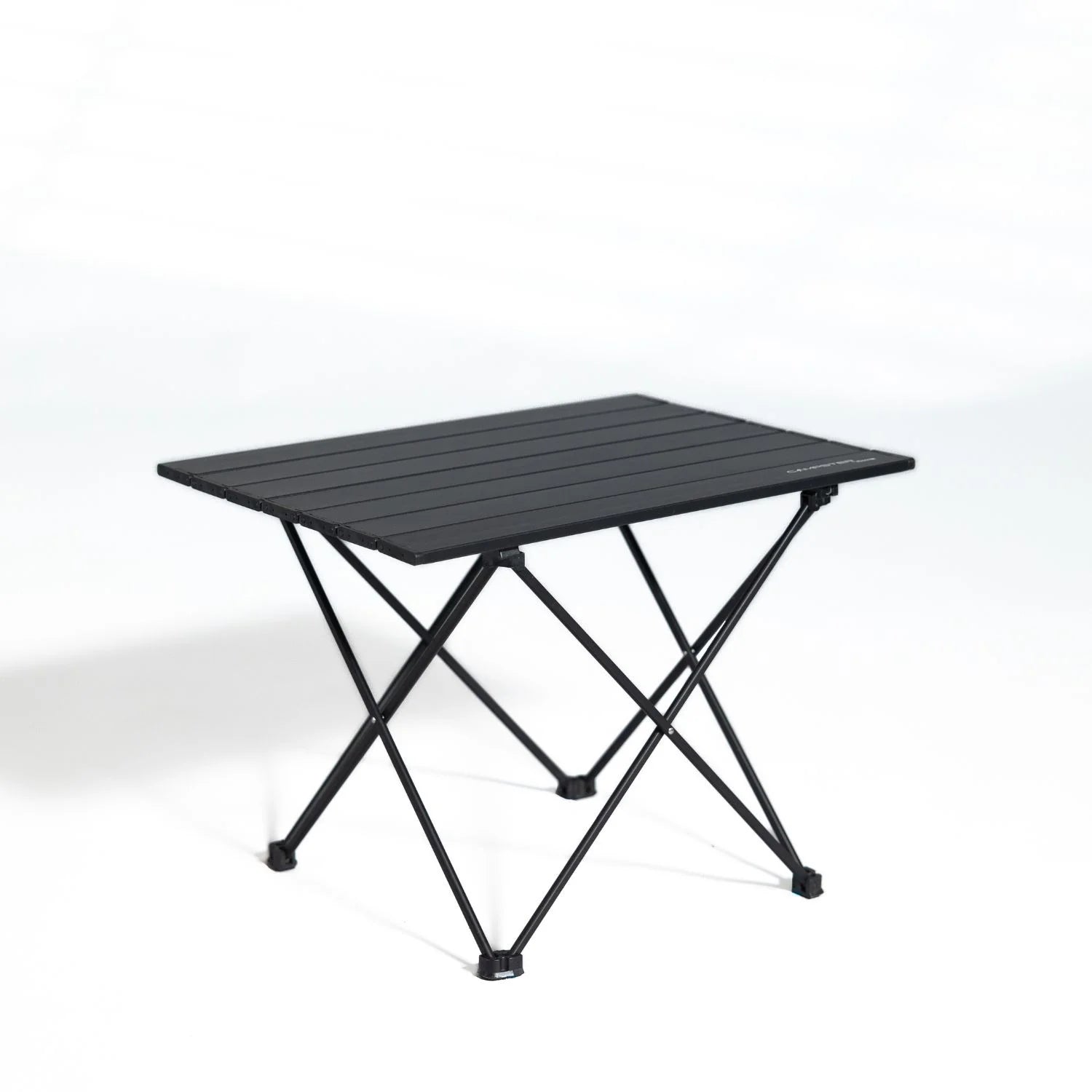
Portable seating is the category most relevant to individual urban dwellers and commuters. Products like the Sitpack Zen and Campster II let you carry your own seat and park it wherever the city gives you a moment to breathe. Check out urban portable seating as a smart solution for city comfort if you want a deeper look at this option.
Pro Tip: When evaluating seating for a specific urban spot, ask whether the space needs a destination seat (somewhere people go to sit) or a rest seat (somewhere people stop while doing something else). The answer changes everything about the right type.
Designing urban seating is not just about picking a nice-looking bench and dropping it on a sidewalk. Placement, surface quality, and clearance determine whether a seat is actually usable by the full range of people who need it.
UK inclusive-mobility guidance recommends placing seating at intervals no greater than 50 meters in high-footfall pedestrian areas to support independent mobility for older and mobility-impaired users. That 50-meter rule is a design anchor, not a suggestion. Miss it and you force people with limited mobility to choose between pushing through fatigue or staying home.
Ontario’s 2025 accessibility recommendations specify that accessible seating spaces must be level, firm, stable, and provide clear travel paths for continuous, unobstructed use by people using mobility devices. A bench on a sloped or soft surface fails the standard even if it looks fine. Ground conditions matter as much as the seat itself.
Clearance is the other critical variable. A 2026 UK street-furniture planning guide requires a minimum 1,200mm clear pedestrian corridor to keep walkways safe and accessible. That is roughly the width of a standard wheelchair plus a comfortable buffer. Drop a bench inside that corridor and you have created a hazard, not an amenity.
Here are the non-negotiable design features for genuinely accessible public seating options:
Pro Tip: Before installing any fixed seating, walk the route yourself at a slow pace and note where your legs actually want a break. Those fatigue points are where seats belong, not where the site plan looks tidy.
The future of urban furniture design is smarter, more ergonomic, and far more flexible than the cast-iron bench your grandfather sat on. Three developments stand out right now.
1. Smart benches with sensors and solar power
Smart street furniture with sensors and solar power helps measure usage intensity and enables planned maintenance, improving cost-efficiency and user experience. A sensor-equipped bench tells city managers which seats get heavy use and which ones nobody touches. That data drives smarter procurement and faster repairs. The key advice from smart-furniture guides is to start with a pilot bench, measure real-world performance, and iterate before scaling. Technology installed without that evidence loop tends to sit unused and unmaintained.
2. Modular transit seating: the Poltrona Frau Bay System
Poltrona Frau’s Bay System offers modular seating designed specifically for transit areas, providing distinct zones for short and long wait times with integrated amenities including power outlets and wireless charging. Launched in 2023 and expanded through 2025, the Bay System treats transit waiting as a spectrum of experiences rather than a single generic wait. A five-minute connection feels different from a two-hour layover, and the furniture reflects that. This is what transit seating differentiated by dwell time looks like in practice.
3. Gravity-powered ergonomic motion: KI Cognetic Technology
KI’s Cognetic Technology incorporates gravity-powered three-dimensional motion to promote comfort through micro-movement, reducing tension from prolonged sitting. Unlike a simple tilt or rock, the patented system allows body-driven orbital motion that keeps muscles subtly active. For urban environments where people sit for extended periods at transit hubs or outdoor workspaces, that micro-movement is a genuine comfort upgrade, not a gimmick.
“Best urban seating doubles as infrastructure shaping movement, dwell area, and inclusivity, meaning seating is a strategic urban design tool, not just an amenity.” — Outdoor Furniture for Urban Regeneration
Small urban spaces reward creative thinking. The goal is seating that earns its square footage by doing more than one job.
Outdoor living room concepts are the most transferable idea from residential design to urban public space. Flexible outdoor seating arrangements use weather-resistant fabrics and modular designs to transform urban outdoor spaces into social zones. The principle is simple: arrange seats to face each other rather than a wall or a street, and people will actually talk. Arrange them in a row facing traffic and you get a bus-stop vibe nobody wants to linger in.
Seating walls and integrated planters are the space-saver’s best friend. A low concrete or timber wall along the edge of a raised planter bed costs roughly the same as a row of benches but serves triple duty as a seat, a landscape boundary, and a visual break from hard paving. Cities like Copenhagen and Melbourne have used this approach extensively in pocket parks and transit plazas.
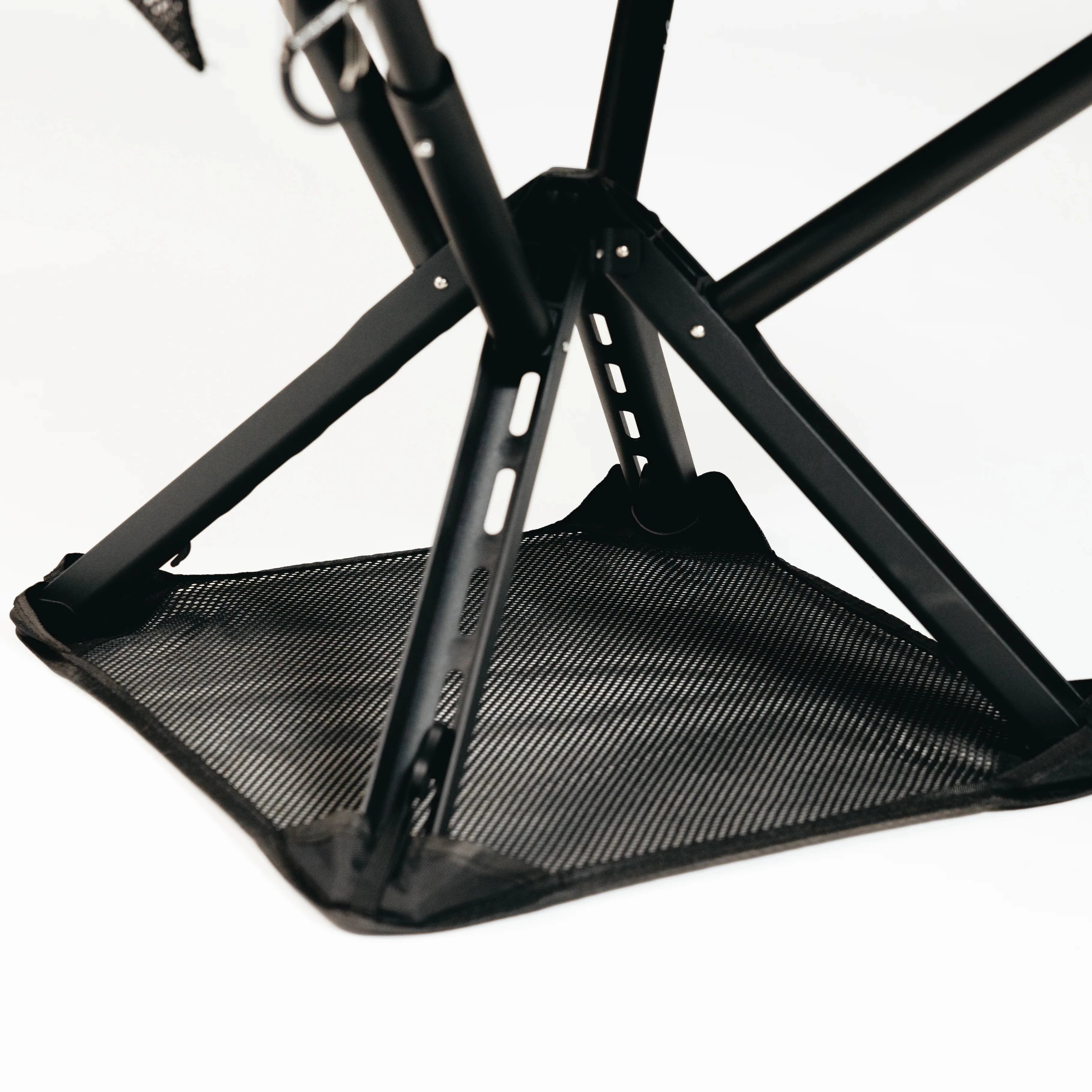
Portable personal seating fills the gaps that fixed furniture cannot. When you’re choosing weatherproof seating for daily urban use, look for materials that handle rain, UV exposure, and repeated folding without degrading. Sitpack’s Campster II, for example, uses durable materials with a minimalist footprint that fits in a backpack, meaning you carry your own comfort instead of hoping the city provides it.
Here is a quick checklist for selecting outdoor seating for small urban spaces:
Pro Tip: For a small courtyard or rooftop, buy two or three lightweight foldable chairs instead of one fixed bench. You get the same seating capacity with the flexibility to rearrange for different group sizes and activities.
Effective urban seating combines accessibility standards, smart placement, and flexible design to serve the full range of city users rather than just the average one.
| Point | Details |
|---|---|
| 50-meter seating intervals | Place seats no more than 50 meters apart in pedestrian zones to support mobility-impaired users. |
| 1,200mm clearance rule | Always maintain a minimum 1,200mm pedestrian corridor around fixed street furniture. |
| Modular beats fixed | Reconfigurable seating adapts to events and crowd changes, maximizing usability in small spaces. |
| Smart tech needs pilots | Test sensor-equipped benches in one location before scaling to avoid costly, unused installations. |
| Portable seating fills gaps | Personal carry-on seats like the Sitpack Campster II cover spots where fixed furniture does not reach. |
I’ve spent a lot of time thinking about why so many city benches feel like an afterthought. The honest answer is that most municipalities still treat seating as a one-time purchase rather than an ongoing operational asset. A bench gets installed, a photo goes in the annual report, and nobody checks whether anyone actually sits on it.
The cities doing this well, places like Amsterdam and Singapore, treat their street furniture the way a good restaurant treats its tables: as something that needs constant evaluation, rearrangement, and occasional replacement based on how people actually use the space. That mindset shift is more important than any specific product or technology.
The accessibility piece frustrates me most. The standards exist. Ontario’s 2025 recommendations and the UK’s inclusive-mobility guidance are clear and specific. But walking through most American cities, you will find benches on sloped ground, seats without armrests, and 800mm corridors squeezed by furniture that nobody measured before installing. The gap between what the standards say and what gets built is a planning and accountability failure, not a knowledge gap.
My advice to urban dwellers is to stop waiting for the city to get it right and carry your own solution in the meantime. A compact foldable seat weighs less than a water bottle and gives you the freedom to rest wherever the city actually takes you, not just where a planner decided you might want to stop. Advocate loudly for better fixed seating in your neighborhood, but don’t let the wait make you uncomfortable.
— Jonas
If you’ve ever stood for 40 minutes at a transit stop because the two available benches were taken, you already understand the core problem Sitpack solves.
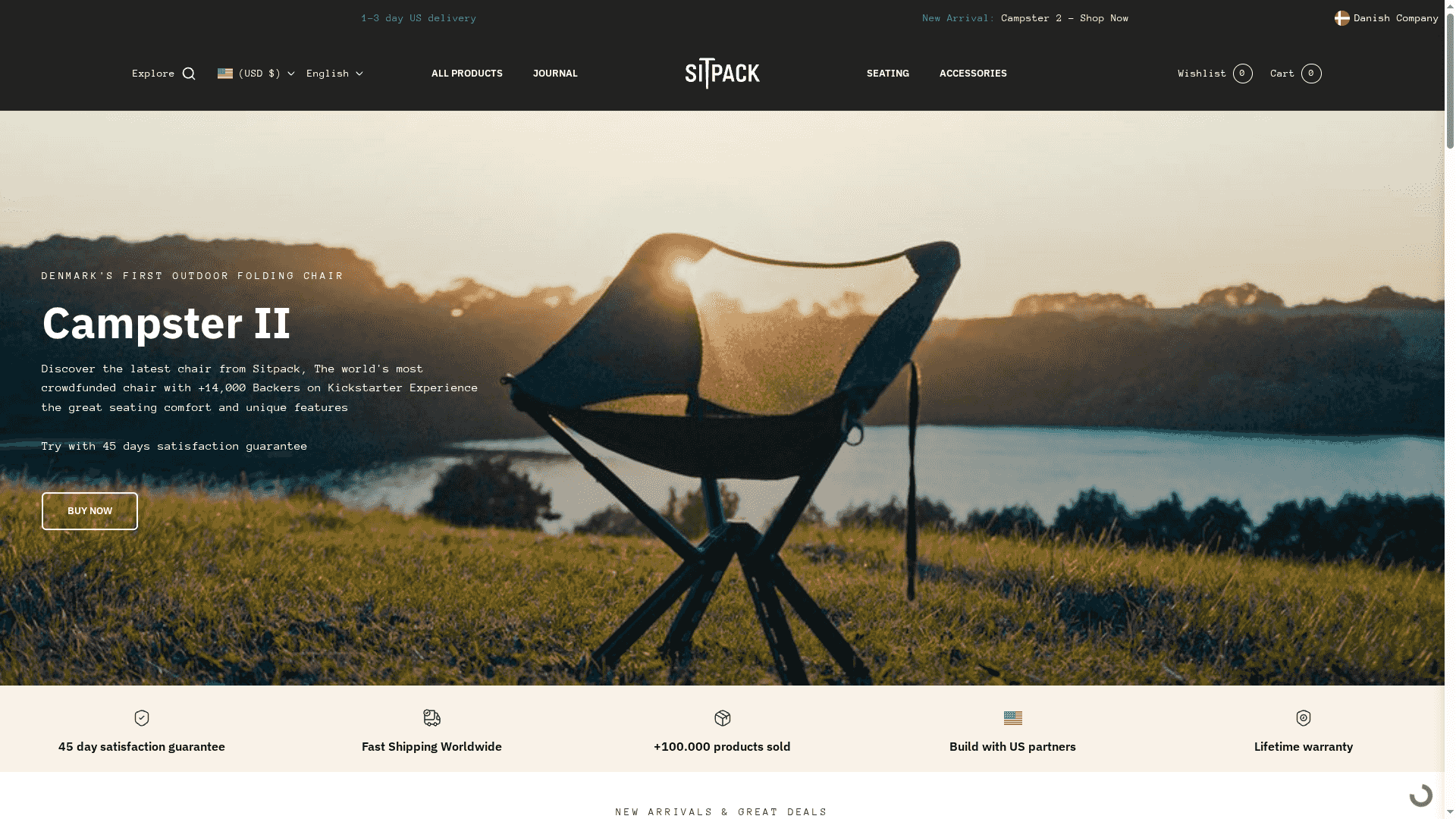
Sitpack designs compact, portable seating built specifically for urban life. The Campster II folds down small enough to clip onto a backpack, handles outdoor conditions without complaint, and sets up in seconds. The Sitpack Zen takes the same philosophy and strips it down even further for commuters who want the lightest possible carry. Both products come with a lifetime warranty and a 45-day satisfaction guarantee, so you are not taking a risk. Browse the full range of portable urban seats at Sitpack and find the one that fits how you actually move through your city.
Urban seating solutions are purpose-designed furniture and seating systems placed in outdoor city environments to improve comfort, accessibility, and social interaction for pedestrians and commuters.
UK inclusive-mobility guidance recommends placing seating at intervals no greater than 50 meters in high-footfall pedestrian areas to support independent mobility for older and mobility-impaired users.
A minimum 1,200mm clear pedestrian corridor is required around fixed street furniture to keep walkways safe and accessible, particularly for wheelchair users and visually impaired pedestrians.
Modular seating reconfigures to match changing uses, such as events or varying crowd sizes, which means a single installation serves multiple purposes rather than locking a space into one fixed layout.
Yes. Lightweight portable seats like the Sitpack Campster II weigh under 2 kg, fold to backpack size, and let commuters rest at any point along their route rather than depending on fixed public seating options that may be occupied or absent.