Cart
0
Sign up and get 10$ off your order
Expected delivery
1-3 days
You may also like


Danish Company

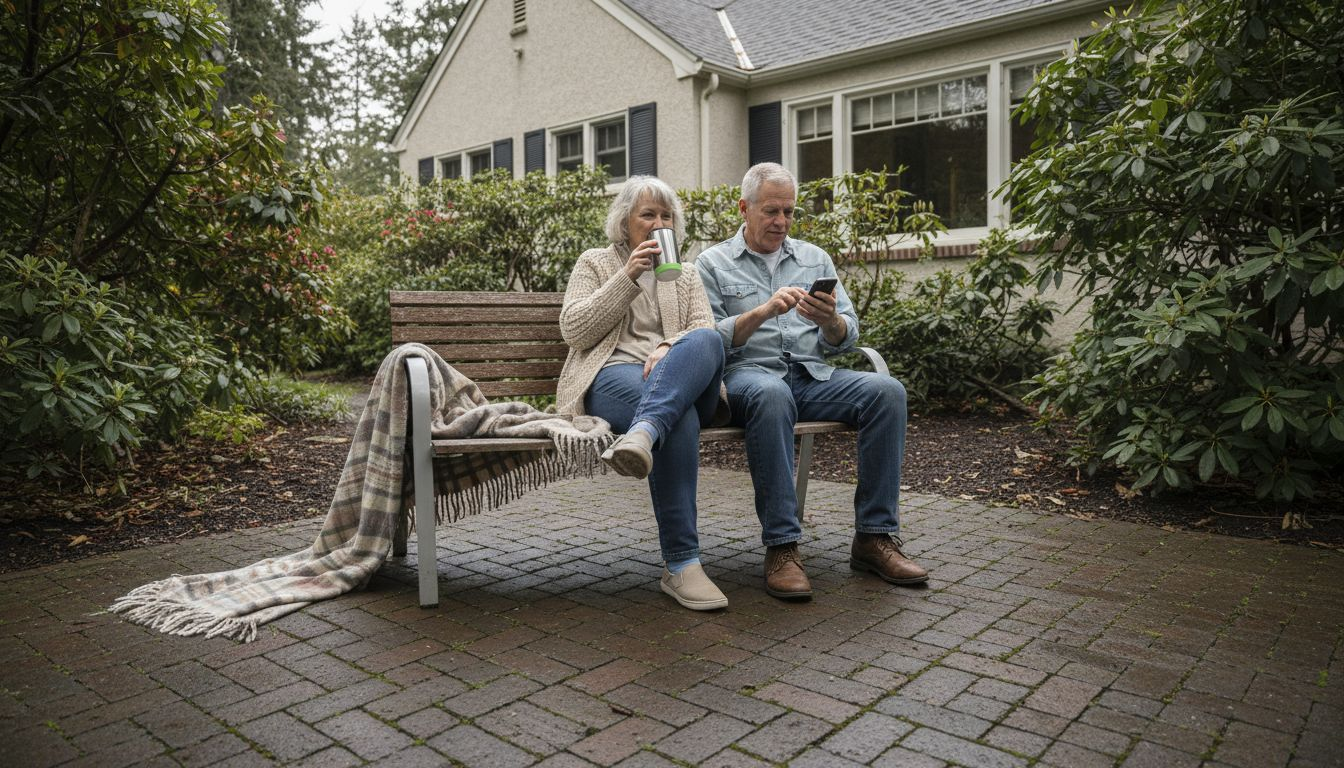
Many assume weatherproof seating means completely waterproof, but that’s misleading. Weatherproof seats resist moisture, UV rays, and temperature swings without fully blocking water. This guide clarifies what weatherproof truly means, explores materials that deliver durability, and shows how to choose portable seating for camping, travel, and outdoor events that balances comfort with resilience.
| Point | Details |
|---|---|
| Weatherproof resists but doesn’t waterproof | Seats withstand rain and sun but aren’t submersion-proof or maintenance-free. |
| Materials define durability | UV-treated plastics, teak, synthetic wicker, and aluminum offer superior weather resistance. |
| Design enhances protection | Raised seating, breathable fabrics, and coatings prevent moisture buildup and UV damage. |
| Maintenance extends lifespan | Regular cleaning and sealant reapplication every 1-2 years maximize investment. |
| Portability requires trade-offs | Balancing lightweight materials with structural stability ensures safe, comfortable use. |
Weatherproof seating refers to chairs and benches engineered to resist environmental stressors like moisture, ultraviolet radiation, and temperature extremes. Unlike standard indoor furniture, these products incorporate materials and designs that minimize damage from rain, sun, and heat fluctuations. For outdoor enthusiasts, campers, and urban dwellers attending events, weatherproof seating ensures comfort and longevity without constant replacement.
This category matters because outdoor activities demand gear that performs reliably across seasons. Whether you’re setting up camp in a damp forest or enjoying a beach concert, your seating should tolerate wet conditions and intense sunlight without warping, fading, or corroding. Weatherproof options reduce the hassle of covering or storing furniture after every use.
Common features include:
Understanding these qualities helps you make informed choices. Not all weatherproof products perform equally, so knowing what to look for saves money and frustration.
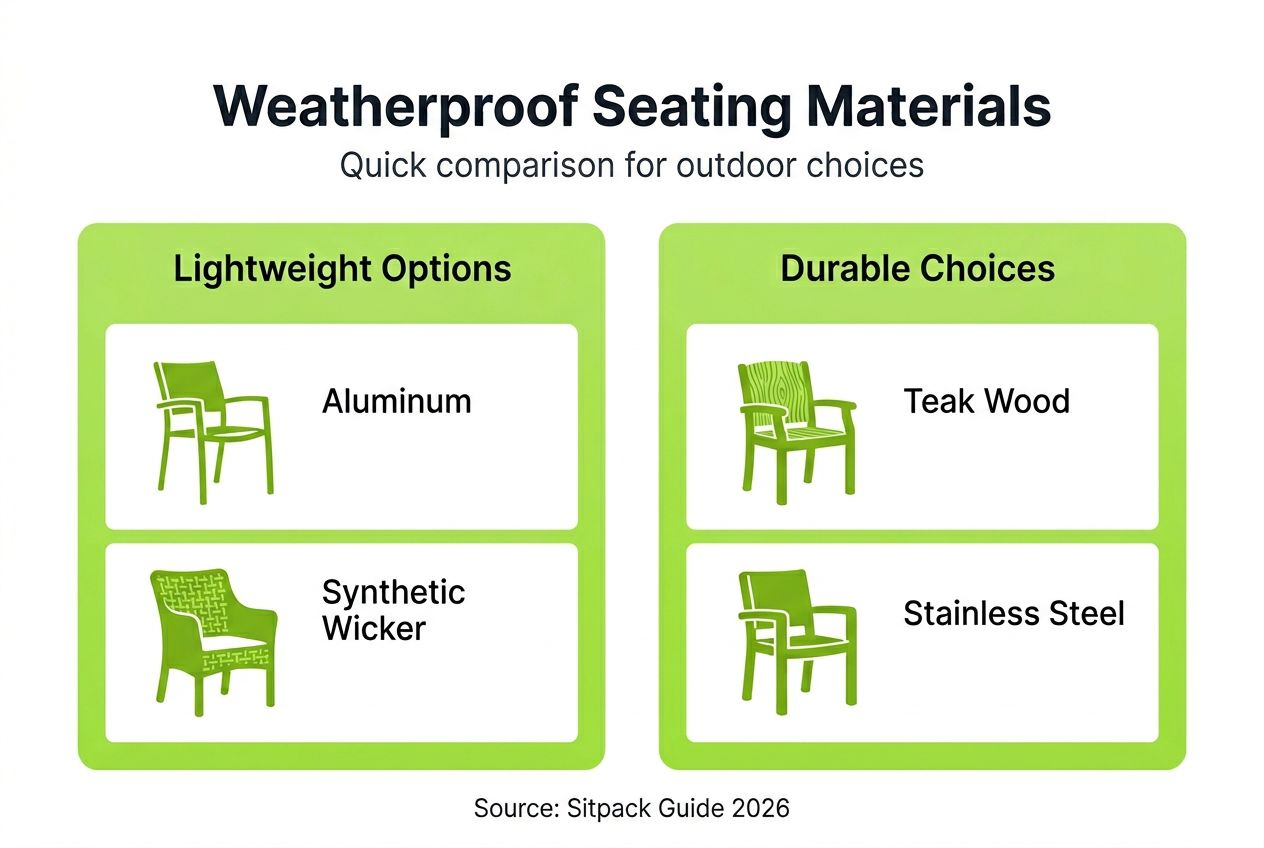
Material selection determines how well seating withstands harsh conditions. Weatherproof seating typically uses materials like UV-treated plastics, aluminum, synthetic wicker, teak, and stainless steel, each offering distinct advantages.
UV-treated plastics resist sun-induced brittleness and fading. They’re lightweight and affordable, making them popular for portable chairs. However, they may crack under extreme cold without proper formulation.
Teak wood naturally contains oils that resist water, rot, and insects without added treatments. This makes teak ideal for humid or rainy climates. Its density provides stability, though weight can limit portability.
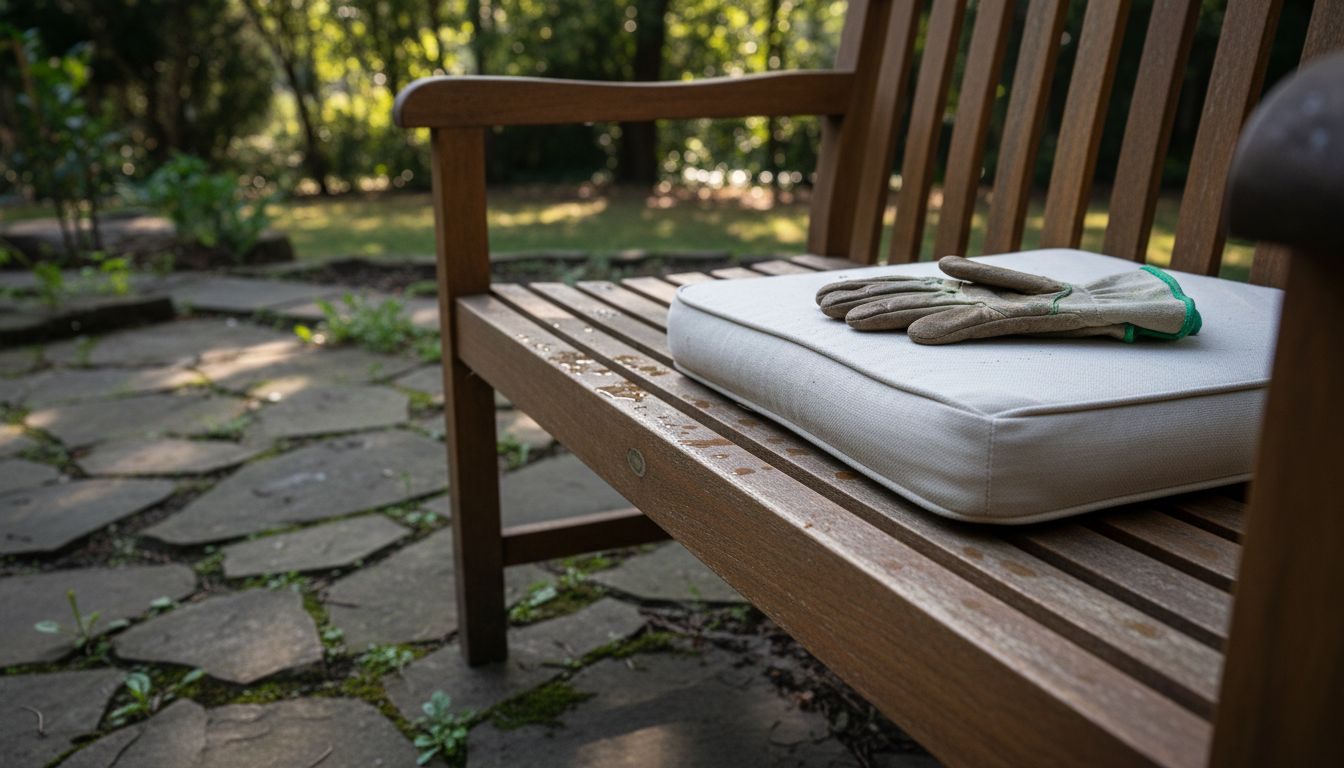
Synthetic wicker resists water absorption and UV fading better than natural wicker, preventing mold and brittleness. It mimics the aesthetic of traditional wicker while offering superior durability outdoors.
Aluminum frames combine strength with minimal weight, making them perfect for travelers prioritizing portability. Aluminum doesn’t rust, though it may dent under heavy impact.
Stainless steel offers maximum corrosion resistance, especially in coastal environments where salt accelerates metal degradation. Its weight makes it less portable but highly stable.
| Material | Durability | Maintenance | Weight | UV Resistance | Moisture Resistance |
|---|---|---|---|---|---|
| UV-treated plastic | Moderate | Low | Very light | High | Moderate |
| Teak wood | Very high | Moderate | Heavy | High | Very high |
| Synthetic wicker | High | Low | Light | Very high | High |
| Aluminum | High | Very low | Very light | High | Very high |
| Stainless steel | Very high | Low | Heavy | High | Very high |
Pro Tip: Choose aluminum or synthetic wicker for lightweight camping trips. Opt for teak if you prioritize longevity in consistently wet climates.
Understanding these materials lets you match seating to your specific needs, whether that’s portability for backpacking or durability for seasonal patio use.
Weatherproof seating relies on coatings, design features, and material properties to shield against environmental damage. UV protection coatings block harmful rays that degrade plastics and fade fabrics. These coatings absorb or reflect ultraviolet light, preventing molecular breakdown that causes cracking and discoloration.
Waterproof coatings and sealants create barriers preventing moisture from penetrating wood, fabric, or metal surfaces. These coatings enhance protection but require periodic reapplication to maintain effectiveness. Over time, exposure wears down sealants, leaving materials vulnerable to water damage.
Design elements also play critical roles:
Rust-resistant metals like aluminum and stainless steel naturally resist oxidation. Aluminum forms a protective oxide layer when exposed to air, while stainless steel contains chromium that creates a similar barrier. These properties make them suitable for humid or coastal environments.
Regular maintenance, including cleaning and sealant reapplication every 1-2 years, significantly extends the protective lifespan of weatherproof seating. Neglecting these tasks allows moisture and UV damage to accelerate, even with initially robust materials.
Combining these mechanisms creates seating that tolerates diverse weather without rapid deterioration. However, no product is invincible, making proper care essential for long-term performance.
Many buyers misunderstand what weatherproof actually means, leading to disappointment and premature wear. Weatherproof resists damage from weather but isn’t synonymous with fully waterproof or submersion-proof. Water resistance differs from waterproofing. Resistant materials repel moisture to a degree but can still absorb water over prolonged exposure.
Key misconceptions include:
Understanding these distinctions helps set realistic expectations. Weatherproof seating reduces maintenance compared to standard furniture but doesn’t eliminate it entirely. Recognizing limitations prevents frustration and ensures you get the best value from your investment.
Portable weatherproof seating balances lightweight materials with durable designs that maintain stability outdoors. Aluminum and high-grade plastics offer excellent weight-to-strength ratios, making them popular for travel. However, extremely lightweight designs may sacrifice stability on uneven terrain or during windy conditions.
Foldability affects structural integrity. Hinges and joints create potential weak points where stress concentrates. Quality foldable chairs use reinforced connections and locking mechanisms to prevent collapse, but these add slight weight.
How to select weatherproof seating balancing portability and durability:
Pro Tip: For activities requiring hiking to your destination, prioritize chairs under 3 pounds. For vehicle-based trips, you can opt for 5-8 pound models with enhanced comfort and stability.
| Feature | Aluminum Frame | Plastic Frame | Steel Frame |
|---|---|---|---|
| Weight | 2-4 lbs | 1.5-3 lbs | 5-8 lbs |
| Portability | Excellent | Excellent | Moderate |
| Durability | High | Moderate | Very high |
| Comfort | Good | Moderate | Excellent |
| Weather resistance | Very high | High | High (with coating) |
For detailed guidance on maintaining your choice, explore portable seating maintenance tips and care instructions for durability.
Balancing these factors ensures your seating meets both convenience and performance needs without compromising safety or comfort.
Selecting and maintaining weatherproof seating requires matching products to specific scenarios. For camping, prioritize lightweight aluminum or synthetic materials that pack small. Look for models with carry straps or storage bags for easy transport through trails.
Travel demands compact foldability. Chairs that collapse to briefcase size fit into car trunks or overhead compartments. Ensure latches secure firmly to prevent accidental opening during transit.
Outdoor events like concerts or sports games benefit from chairs with cup holders and side pockets. Stability matters on grassy or uneven surfaces, so wider leg spreads prevent tipping.
Maintenance routines to prolong seating life:
Design elements that reduce damage risk include raised seating to avoid ground moisture, protective caps on leg tips to prevent rust, and removable, washable fabric covers. Neglecting to cover or store weatherproof seating during harsh winters significantly decreases lifespan, even with resistant materials.
Seasonal storage recommendations vary by climate. In regions with freezing winters, store chairs in garages or sheds. In milder climates, breathable covers suffice. Avoid plastic tarps that trap condensation, promoting mold growth.
For comprehensive advice, check portable seating maintenance tips, care instructions, and how to maintain foldable chairs for outdoor use.
Implementing these practices ensures your seating remains functional and comfortable across multiple seasons, maximizing your investment and outdoor enjoyment.
Weatherproof seating transforms how you engage with outdoor activities by providing reliable comfort across varying conditions. Understanding materials like aluminum, teak, and synthetic wicker helps you choose products suited to your climate and use case. Recognizing that weatherproof differs from waterproof sets realistic expectations about maintenance needs.
Design features such as UV coatings, breathable fabrics, and rust-resistant frames work together to minimize environmental damage. However, periodic care like cleaning, sealant reapplication, and protective storage remains essential for longevity.
Balancing portability with durability ensures your seating meets practical demands without sacrificing stability or safety. Lightweight aluminum frames excel for backpacking, while heavier steel options provide superior comfort for car camping or patio use.
By selecting appropriate materials, maintaining them properly, and storing them during harsh conditions, you extend the life of your weatherproof seating significantly. This investment pays dividends in comfort and convenience during camping trips, travel, and outdoor events.
Equip yourself with seating that withstands the elements, and you’ll enjoy outdoor experiences with confidence and ease, knowing your gear performs reliably season after season.
If you’re seeking portable seating that combines weather resistance with innovative design, Sitpack offers solutions tailored for modern outdoor enthusiasts. Their lightweight, foldable chairs deliver durability without bulk, making them ideal for camping, travel, and urban events.
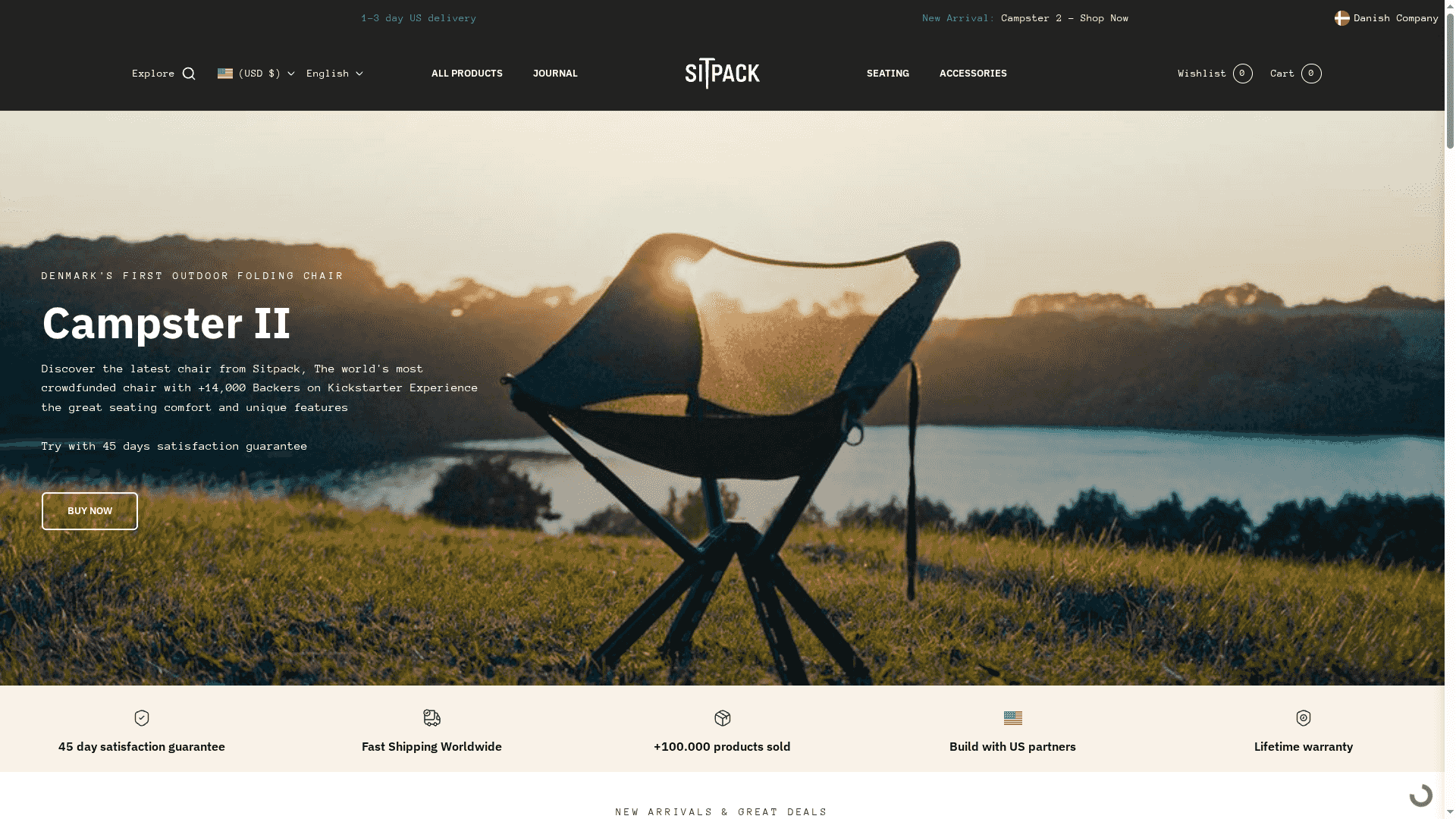
Sitpack designs balance portability with comfort, using materials that withstand sun, rain, and temperature changes. Whether you’re hiking to a remote campsite or attending a festival, these chairs pack small and set up quickly. Explore the full range of weatherproof portable seating at Sitpack to find options that match your adventure style and elevate your outdoor comfort effortlessly.
UV-treated plastics, teak wood, synthetic wicker, aluminum, and stainless steel offer the best weather resistance. Aluminum provides excellent portability, while teak excels in humid climates due to its natural oils. Consider your specific use case and climate when choosing.
Weatherproof seating resists rain and snow but isn’t impervious to prolonged exposure. Covering or storing chairs during harsh weather significantly extends their lifespan. Even resistant materials degrade faster without protection during extreme conditions.
Clean your seating monthly during active use and reapply sealants every 1-2 years. Inspect joints and hinges quarterly to ensure structural integrity. For additional guidance, visit portable seating maintenance tips to maximize your investment.
No, weatherproof means resistant to moisture and environmental damage, not fully waterproof. Seating can still absorb water during prolonged exposure or submersion. Waterproof coatings enhance protection but require periodic maintenance to remain effective.