Vogn
0
Tilmeld dig og få 10% i rabat på din ordre
Forventet levering
1-3 dage
Du vil måske også kunne lide


Dansk Firma

TL;DR:
- Many outdoor furniture labels claiming weather resistance can be misleading because durability depends on materials, design, coatings, and maintenance. Weather impacts outdoor furniture through UV radiation, moisture, freeze-thaw cycles, salt spray, and heat, varying based on environment and requiring proper matching of materials and coatings. Consistent maintenance and thoughtful design mechanics are crucial for long-term performance, surpassing the significance of material standards alone.
That shiny “weather-resistant” label on your outdoor chair? It might be lying to you — or at least being very economical with the truth. I’ve seen plenty of outdoor furniture marketed with bold durability claims collapse into a faded, mildew-speckled mess after a single rainy season. The uncomfortable reality is that weather resistance isn’t a single checkbox. It’s a layered system involving materials, design mechanics, coatings, textiles, and consistent maintenance. Get any one of those wrong, and you’re shopping for a replacement sooner than you planned. This guide cuts through the marketing noise and gives you the real framework for choosing, protecting, and maintaining outdoor furniture that actually holds up.
| Point | Details |
|---|---|
| Environment shapes durability | Furniture performance depends on matching materials and design to your actual weather conditions. |
| Benchmarks matter | Standards and lab tests like ASTM G154 offer proof of durability beyond marketing claims. |
| Design mechanics are critical | Poor drainage or hidden crevices can undermine even the best materials. |
| Textiles require top-tier solutions | Solution-dyed fabrics and reticulated foams are key for weather-adaptive comfort and resilience. |
| Maintenance multiplies adaptation | Using covers, seasonal rotation, and upkeep routines keeps outdoor furniture reliable year after year. |
Let’s start with the enemy. Weather isn’t one thing, it’s a relentless combination of forces working against your gear simultaneously. UV radiation bleaches and embrittles materials. Rain and humidity drive moisture into joints, cushions, and coatings. Temperature swings cause expansion and contraction cycles that eventually crack even robust finishes. And if you’re camping or adventuring near the coast, salt spray adds a whole other layer of corrosive punishment.
Durable outdoor furniture weather adaptation relies on matching material and coating systems to specific environmental stresses: UV, rain and moisture cycles, temperature swings, and for coastal use, salt spray and chlorides. That means a chair that performs brilliantly in the dry heat of the Arizona desert might deteriorate rapidly in the humid, salty air along the Gulf Coast. Geography matters enormously.
Here’s what you’re actually up against:
Understanding which stresses dominate your typical outdoor environment helps you match the right outdoor seating material types to your actual conditions. There’s no universal best option, only the best fit for your specific circumstances.
“The biggest mistake outdoor furniture buyers make is treating ‘weather-resistant’ as a universal quality rating. It’s not. It describes a potential under specific conditions, not a guarantee across all of them.”
Now that we know what weather actually does, let’s talk about how to evaluate whether a product is genuinely prepared to handle it. This is where standards and testing protocols come in, and they’re more useful than most shoppers realize.
ASTM G154 is a common accelerated-weathering method that uses fluorescent UV lamps plus moisture and condensation cycles to simulate outdoor exposure. Essentially, it compresses years of outdoor punishment into weeks of controlled lab testing, helping manufacturers predict how coatings and materials will perform before they hit the market. Products that reference ASTM G154 results aren’t just throwing out buzzwords. They’re pointing to documented evidence of performance.
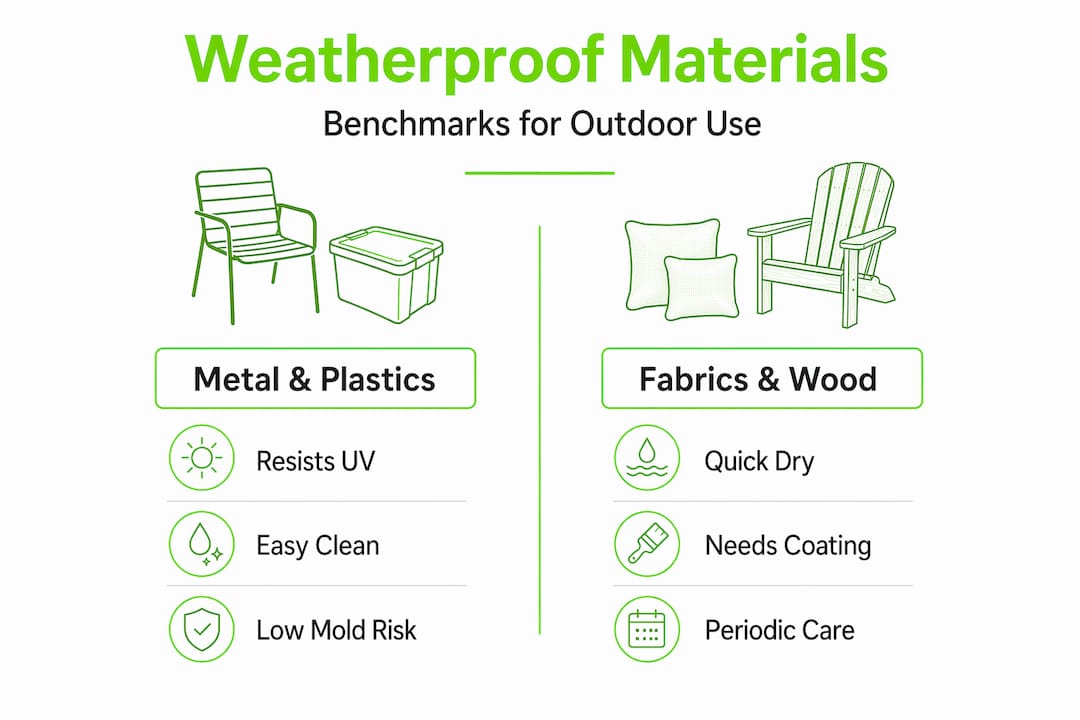
Here’s a quick comparison of common testing and certification benchmarks you might encounter:
| Standard | What it tests | Relevance to outdoor furniture |
|---|---|---|
| ASTM G154 | UV and moisture cycling via fluorescent lamps | Coatings, fabrics, and plastics |
| ASTM G155 | UV and moisture via xenon arc lamps (solar simulation) | More realistic sunlight simulation |
| AAMA 2604/2605 | Architectural coating durability | Powder-coated aluminum frames |
| EN 581 | Structural safety of outdoor seating | Frame strength and stability |
How to use this information when shopping:
The statistic that should make you pause: some low-cost outdoor furniture products fail accelerated UV tests within the equivalent of just one outdoor season. Spending a little more on documented benchmarks often pays for itself in years of additional service life.
When exploring outdoor seating material types, always prioritize products that can back their claims with actual test data rather than just colorful catalog descriptions.
Here’s where things get really interesting, and where a lot of otherwise decent furniture falls flat. You can choose the most UV-stable, corrosion-resistant materials on the planet, and still end up with a soggy, mildew-infested mess if the design mechanics are off.
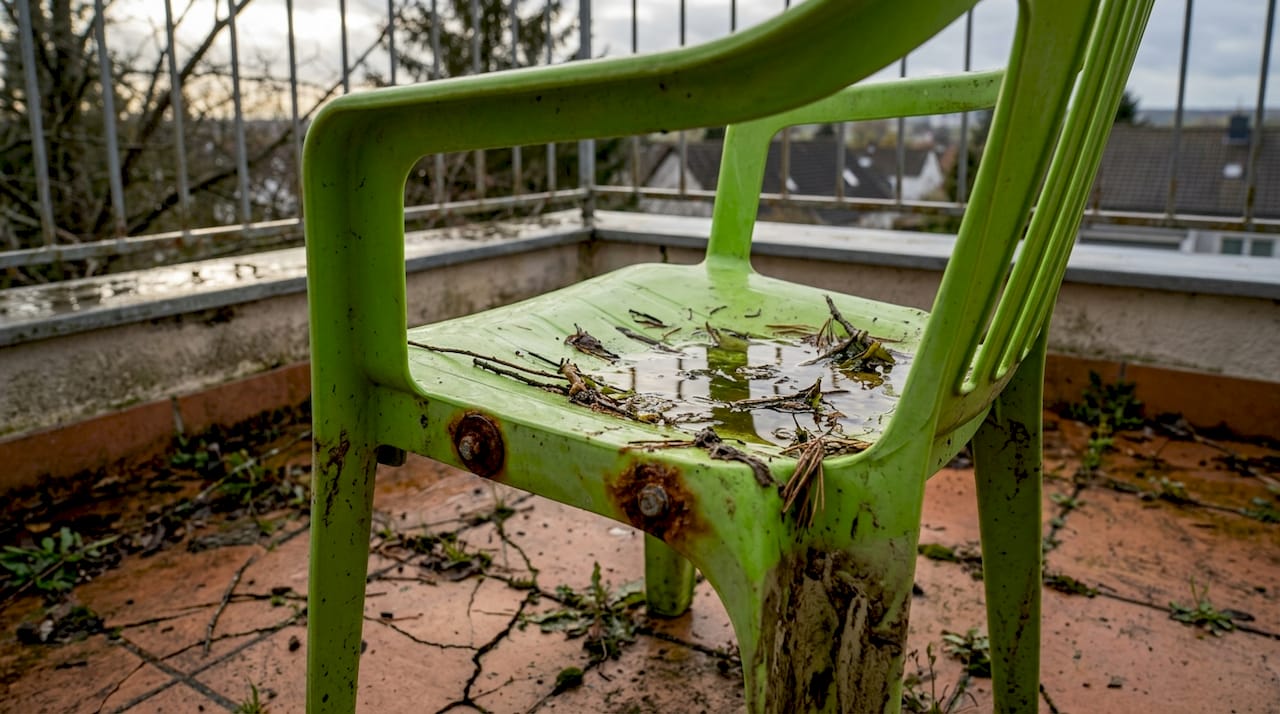
Even “weather-resistant” outdoor furniture can fail in practice when drainage is poor and moisture gets trapped in puddles or crevices. So design mechanics, specifically drainage, airflow, and crevice sealing, can matter just as much as the material spec sheet.
| Design feature | Why it matters | What to look for |
|---|---|---|
| Drainage holes | Prevents pooling in seat surfaces | Visible holes or channels in horizontal surfaces |
| Sealed joints | Stops moisture infiltration | Welded seams or sealed fasteners, not open rivets |
| Airflow channels | Reduces drying time for cushions | Gaps in seat base, elevated or slatted construction |
| Reticulated foam | Open-cell structure allows water to pass through | Specified in cushion product details |
| Corner guards | Protects finish at high-wear contact points | Rubberized or capped corners |
Common design pitfalls to avoid:
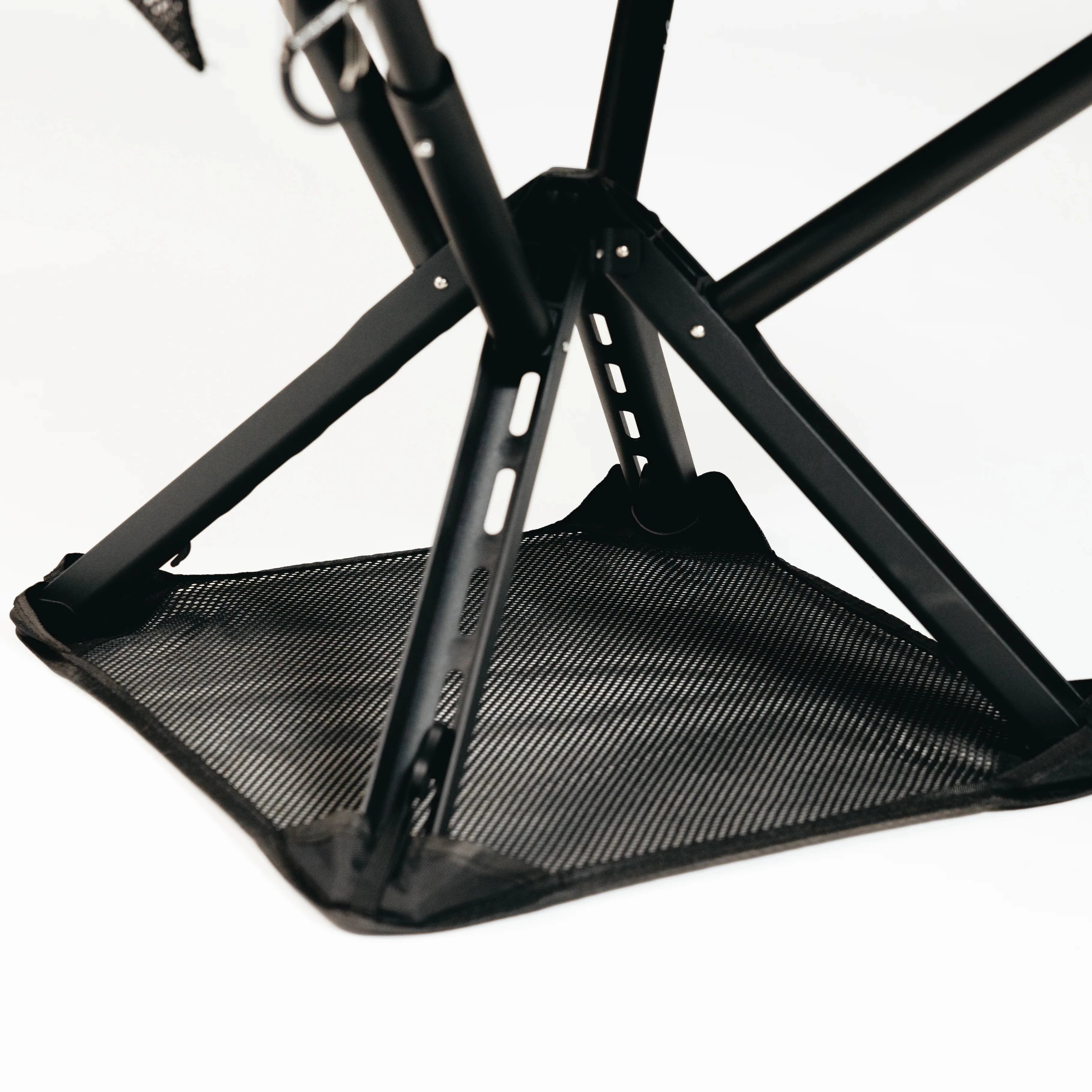
Pro Tip: Flip a chair upside down before buying it or before trusting any weather-resistant claim. If you can see obvious hollow openings, shallow channels that would pool water, or visible rust around fasteners, put it back. Good design is often most obvious from the underside.
Knowing how to clean outdoor chairs regularly also helps you spot early failure points like mildew in crevices or peeling around joints before they become structural problems.
Moving from frames to fabric: this is where a lot of outdoor comfort lives or dies, especially for camping and extended outdoor use. The cushion sitting between you and a metal or plastic frame is often the first component to show weather damage, and the choices you make here matter a lot.
Solution-dyed fabrics, commonly cited as acrylics, are designed to resist UV fading and also manage mildew risk better than many commodity dyed fabrics. The key here is “solution-dyed.” In this process, color is added to the fiber itself before weaving, rather than applied to the surface afterward. The result is a fabric where the color can’t fade out because it was never just on the surface to begin with. Water performance is further improved with barrier backings and quick-dry or reticulated foam cores.
Here’s what to look for in high-performance outdoor cushions:
Pro Tip: After a rain, standing your cushions on edge rather than leaving them flat speeds drying dramatically. Paired with a reticulated foam core, this simple habit can add years to cushion life.
Budget cushions with cheap dyed fabric and solid foam cores are the Achilles’ heel of otherwise solid outdoor furniture setups. Replacing them with performance textiles is often the single highest-impact upgrade you can make.
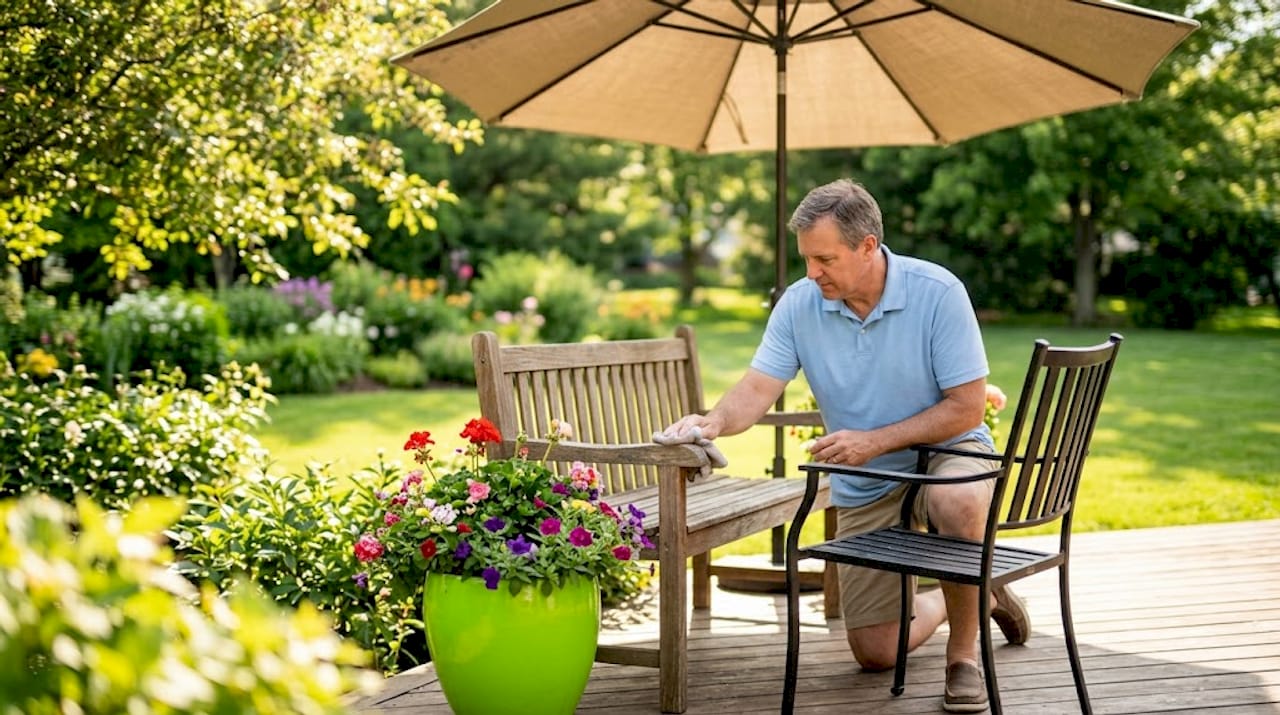
Even the best materials and design can’t do it alone. Consistent maintenance is the multiplier that turns a decent piece of furniture into a genuinely long-lasting investment. Think of it like this: UV and moisture are constant, low-grade attacks. Maintenance is your defense system. Skip it, and the attacks accumulate unchallenged.
Field maintenance tactics including covers, shading, seasonal rotation, and material-specific finishes are a core part of weather adaptation because they reduce UV dose and limit wetting and wet-to-dry cycling intensity.
Follow this seasonal maintenance routine to keep furniture performing at its best:
Material-specific maintenance priorities:
Staying on top of maintain foldable chairs specifically is worth a dedicated routine, since the pivot points and folding mechanisms are particular moisture traps that need periodic attention.
Here’s the honest, slightly uncomfortable truth about all those benchmark standards and material specifications: they’re necessary, but not sufficient. I’ve seen furniture carrying impressive ASTM certifications deteriorate fast because of a poorly designed cover that trapped moisture against the surface, or because the owner assembled it with the drainage holes facing upward. No standard accounts for that.
As research on outdoor cushion science confirms, accelerated-weathering benchmarks for coatings and fabrics do not automatically guarantee long-term performance for every real-world use case. Installation details, joints, drainage, touch points, cover fit and flapping, and maintenance frequency can dominate outcomes.
The real adaptation test isn’t in the lab. It happens in the field, through how you set things up, how you cover and uncover them, how consistently you clean and treat surfaces, and whether you notice early warning signs before they escalate. That’s the part no spec sheet can handle for you. Strong foldable chair care habits, for example, will outperform premium materials every time if the person with cheaper gear actually follows through on upkeep. The discipline of maintenance closes the gap between budget and premium more than most people expect.
The most weather-adapted furniture setup isn’t necessarily the most expensive one. It’s the one that matches the right materials to the right environment, incorporates smart design mechanics, uses performance textiles thoughtfully, and gets consistent maintenance attention. All four elements have to work together.
If reading all of this has you thinking seriously about upgrading your outdoor setup, that’s exactly the right instinct. Understanding the science of weather adaptation is step one. Putting it into practice with the right gear is step two.
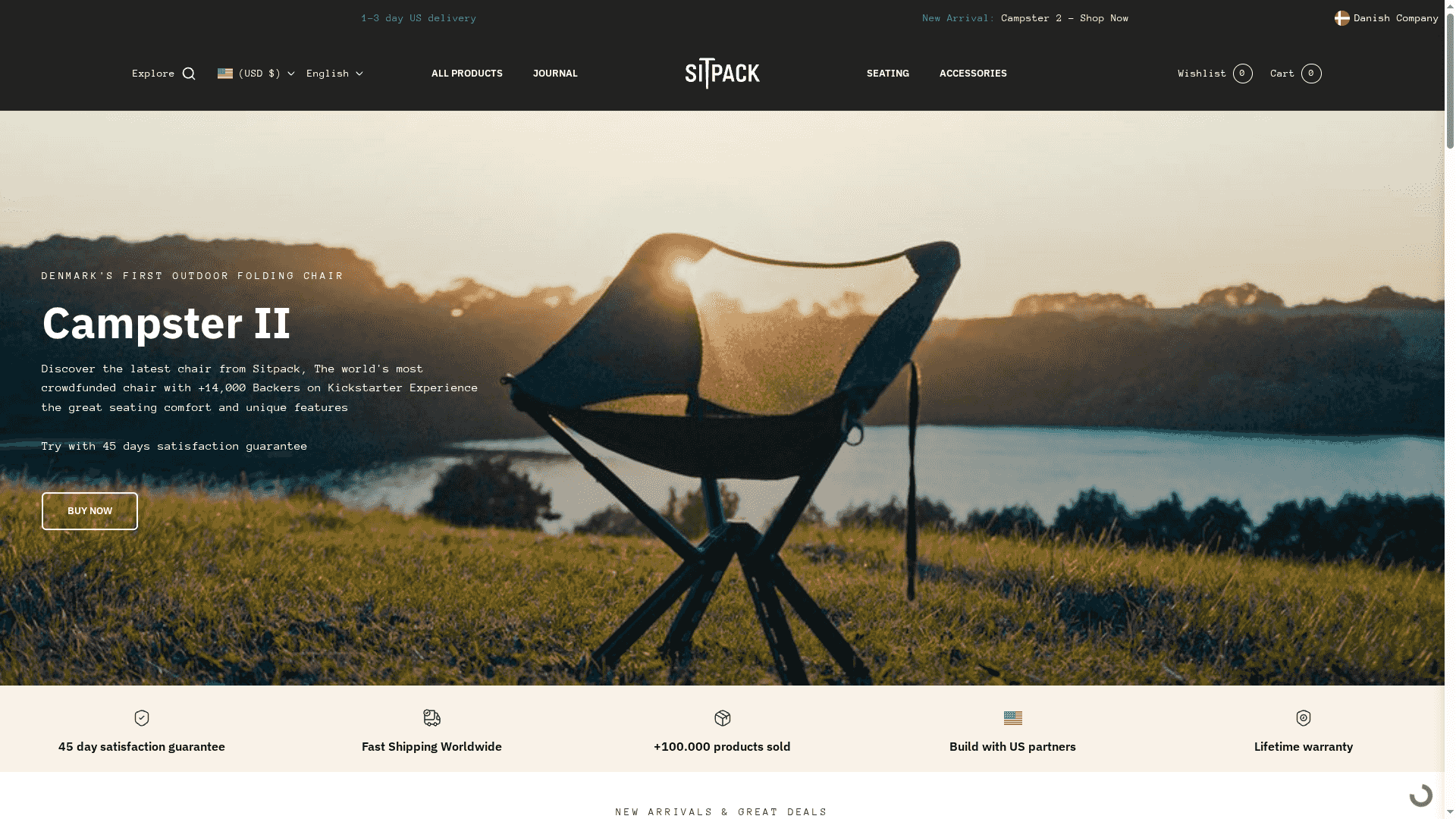
At Sitpack, we design portable, lightweight outdoor seating with real-world durability at the core of every decision. From the Campster II to the Sitpack Zen, our products are built for outdoor enthusiasts who demand more than just a seat. You also get access to expert resources on foldable chair maintenance to help you get the most from your gear across every season and condition. Your next adventure deserves furniture that actually keeps up.
Materials like resin and poly lumber paired with solution-dyed acrylics offer top-tier resistance to moisture, UV, and mildew, but only when combined with proper drainage design, as poly lumber testing confirms material alone isn’t enough without smart construction.
They provide documented evidence that materials and coatings have been tested against simulated UV and moisture exposure cycles, giving you a far more reliable signal of real-world durability than vague marketing claims.
Because moisture gets trapped in poor drainage points, hidden crevices, and sealed hollow sections, creating the exact conditions that drive mildew, corrosion, and structural failure regardless of how good the materials are on paper.
Use protective covers with a proper fit, rotate furniture out of direct sun and rain when not in use, and apply material-specific finishes each season to keep surfaces protected against ongoing UV and moisture damage.
Quick-dry reticulated foam has an open-cell structure that allows water to drain through and air to circulate freely, meaning cushions dry dramatically faster and are far less likely to develop mildew compared to solid foam alternatives.