Vogn
0
Tilmeld dig og få 10% i rabat på din ordre
Forventet levering
1-3 dage
Du vil måske også kunne lide



Dansk Firma

TL;DR:
- Proper use of FAA-approved child restraints greatly enhances safety during all travel phases, especially on planes. Selecting, installing, and inspecting seats carefully ensures maximum protection for children, while choosing lightweight, portable options benefits outdoor and multi-modal travel. Consistently following universal safety rules across all transport modes and practicing installation beforehand minimizes travel-related seating risks.
Travel seating safety tips are the practical strategies and tools that keep travelers, especially children, protected and comfortable during every phase of a trip. Whether you’re buckling into a Boeing 737, strapping a toddler into a car seat for a road trip, or parking yourself on a trailhead rock, how and where you sit matters more than most people realize. The FAA, the American Academy of Pediatrics (AAP), and UC Davis Health all publish specific guidance on this topic, yet millions of travelers still skip the basics every year. This guide covers the most current, field-tested practices for safe seating across air, ground, and outdoor travel.
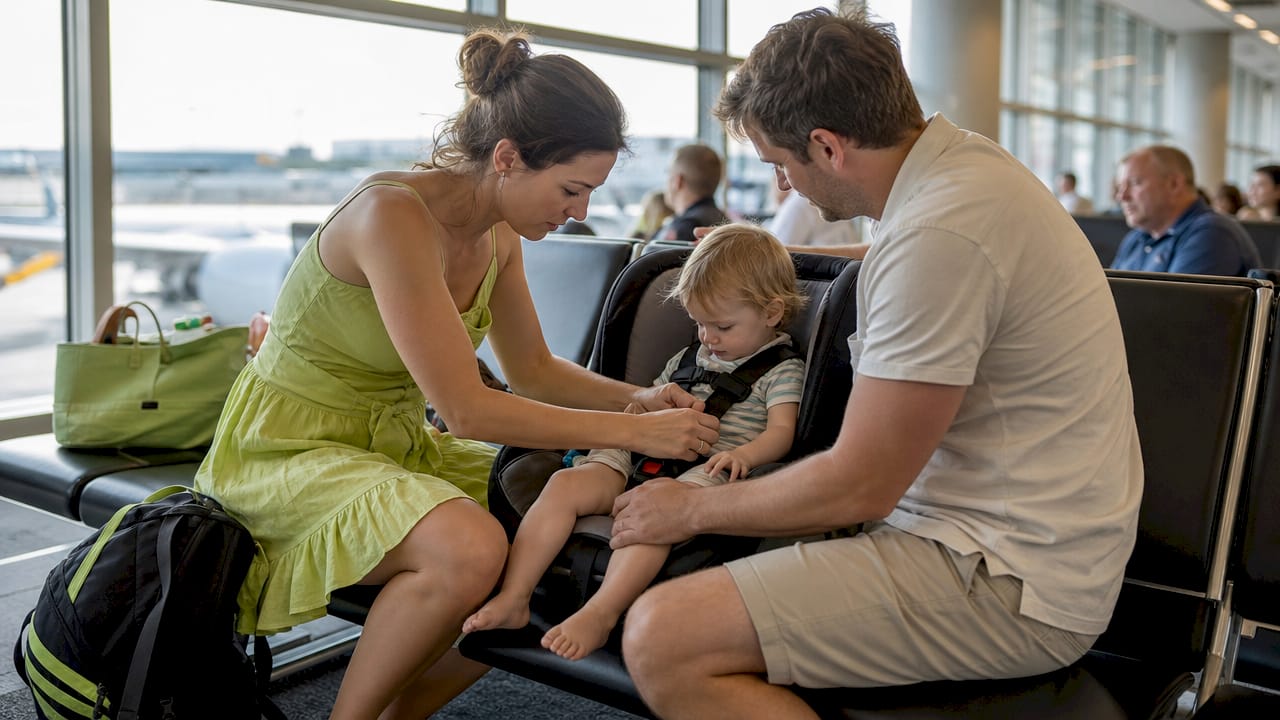
The FAA strongly recommends that all children be secured in an FAA-approved child restraint system (CRS) during every phase of flight, including takeoff, cruise, and landing. This is not a soft suggestion. Unrestrained children are highly vulnerable to injury during unexpected turbulence, which can hit without warning at any altitude.
The CARES harness (Child Aviation Restraint System) is one of the most practical FAA-approved options on the market. It is approved for children weighing 22 to 44 pounds and attaches directly to the airplane seat back, making it lighter and easier to carry than a full car seat. For infants and younger toddlers below that weight range, a rear-facing FAA-approved car seat installed in the airplane seat is the gold standard.
One misconception worth clearing up immediately: lap infant tickets do not equal lap infant safety. Holding a child on your lap during turbulence is the equivalent of holding a watermelon in a car crash. The physics are not on your side.
Pro Tip: Book a separate seat for your child even if they technically qualify as a lap infant. The cost of a ticket is far less than the cost of an in-flight injury.
Choosing the right seat is only half the battle. Installing it correctly is where most parents stumble, and a poorly installed seat offers almost no protection. Follow these steps to get it right every time.
Pro Tip: Practice installing your car seat in at least two different vehicles before your trip. Installing seats confidently in unfamiliar rental cars or taxis at your destination is a skill that takes repetition, not just reading.
Not every travel scenario calls for a full-size convertible car seat. Outdoor travelers, frequent flyers, and families hopping between rental cars, trains, and taxis need options that balance portability with genuine protection.
Here is a quick comparison of the most common alternatives:
| Seat type | Best for | Key trade-off |
|---|---|---|
| FAA-approved convertible car seat | Infants and toddlers on planes and in cars | Heavy and bulky to carry |
| CARES harness | Children 22 to 44 lbs on flights | Only works on aircraft, not in cars |
| Lightweight travel car seat | Multi-modal travel, rental cars | Less padding than full-size seats |
| Foldable booster (vehicle only) | Children over 40 lbs in cars | Not approved for airplane use |
| Portable ergonomic seat (adult) | Outdoor events, long waits, transit hubs | Not a restraint system |
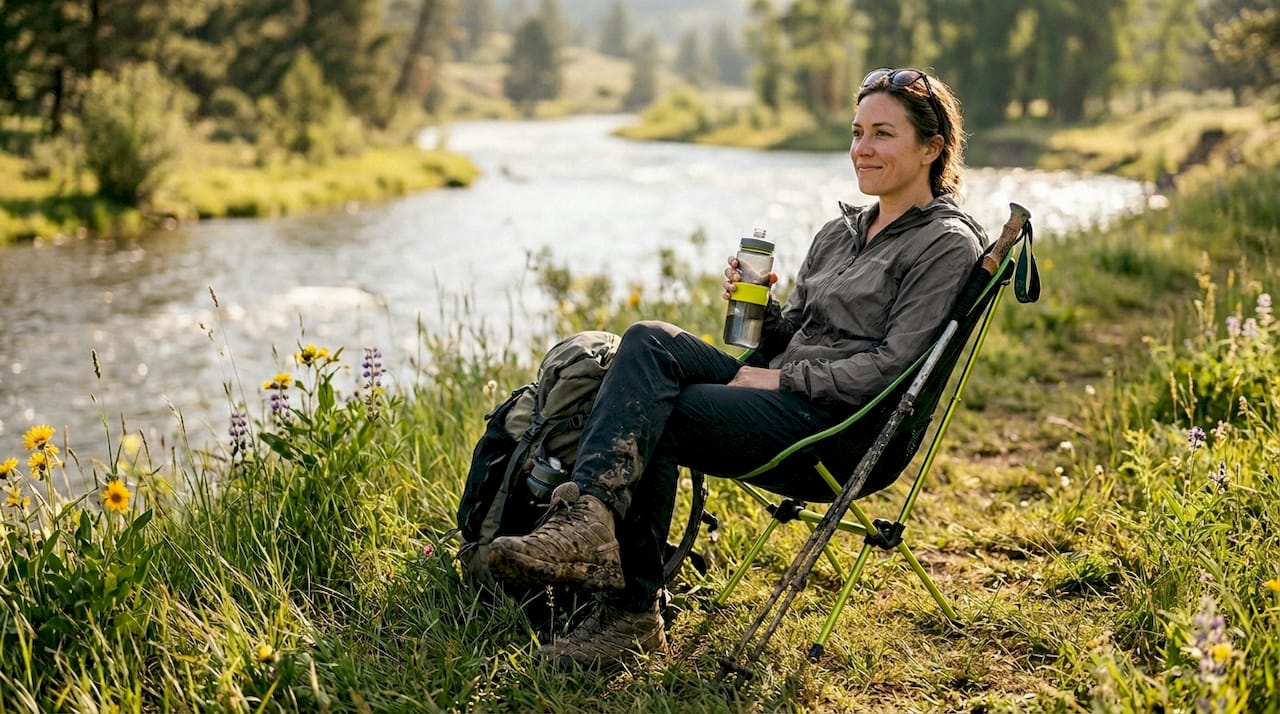
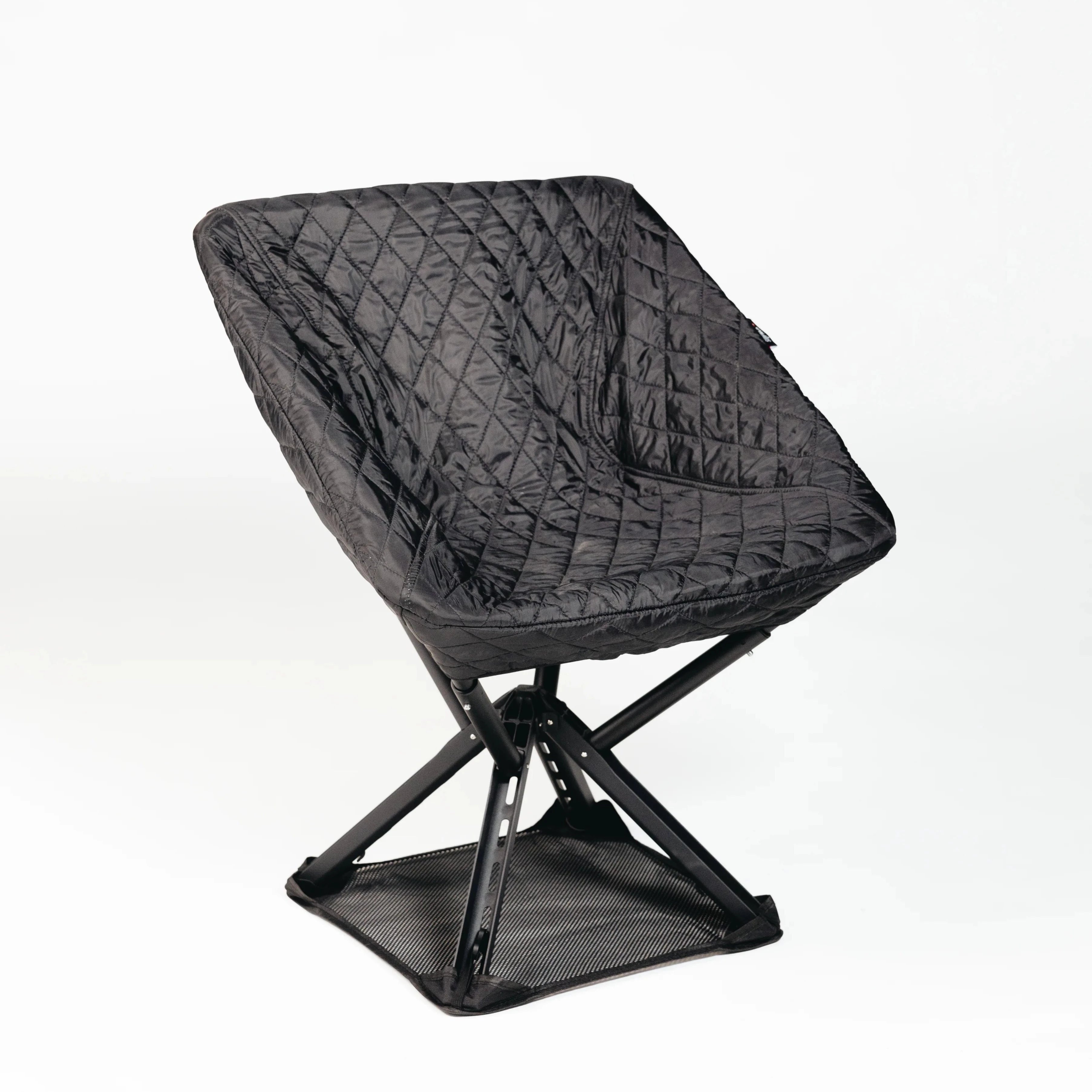
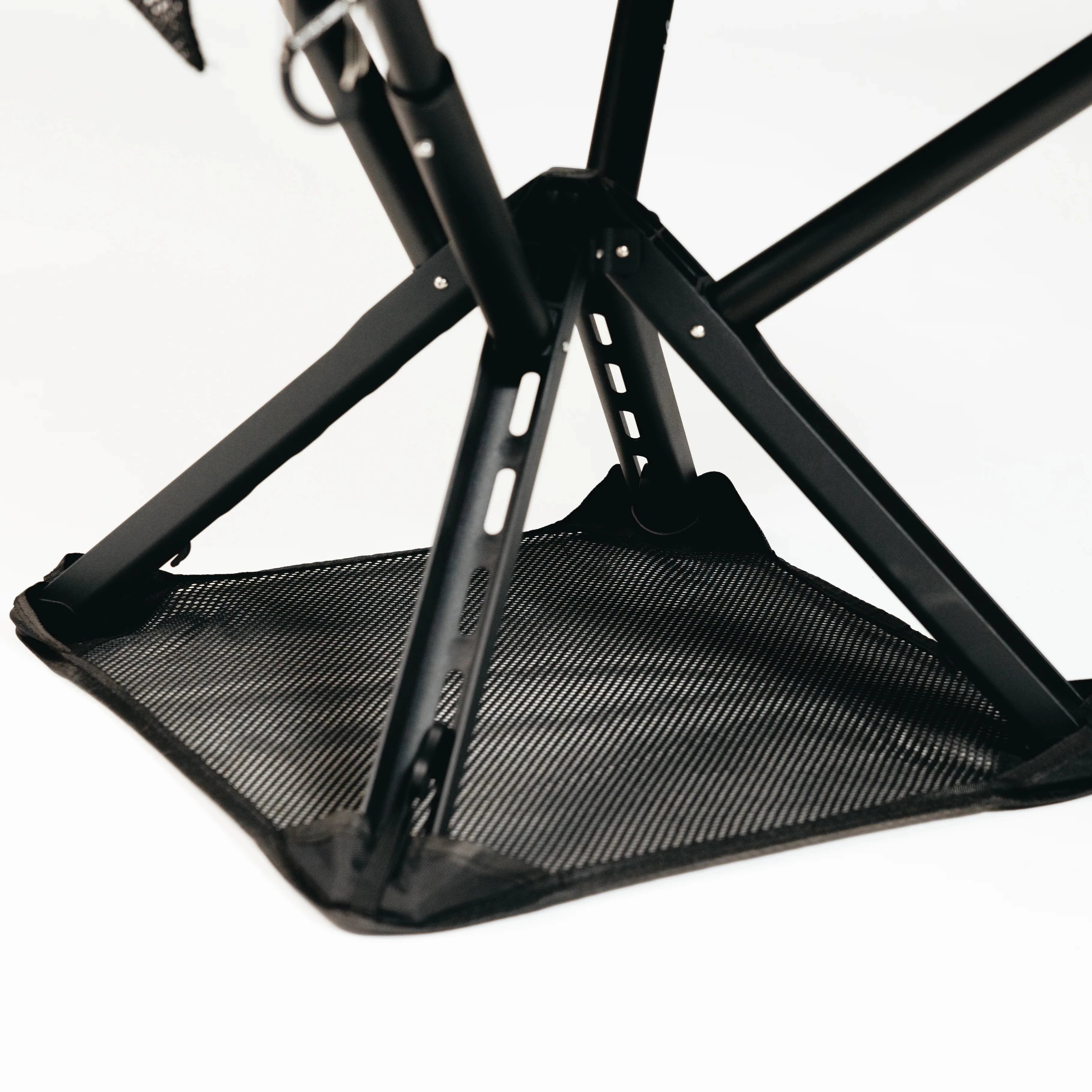
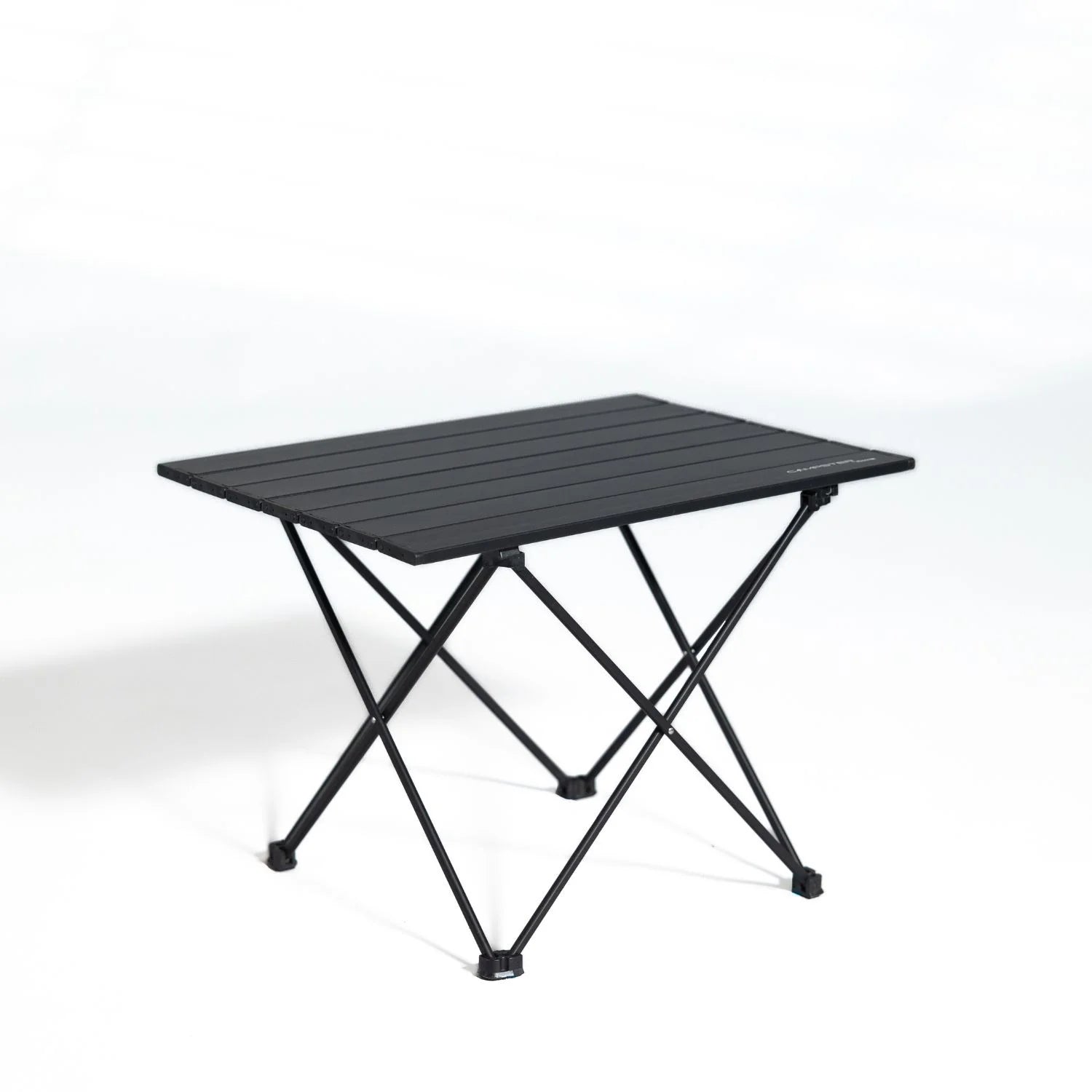
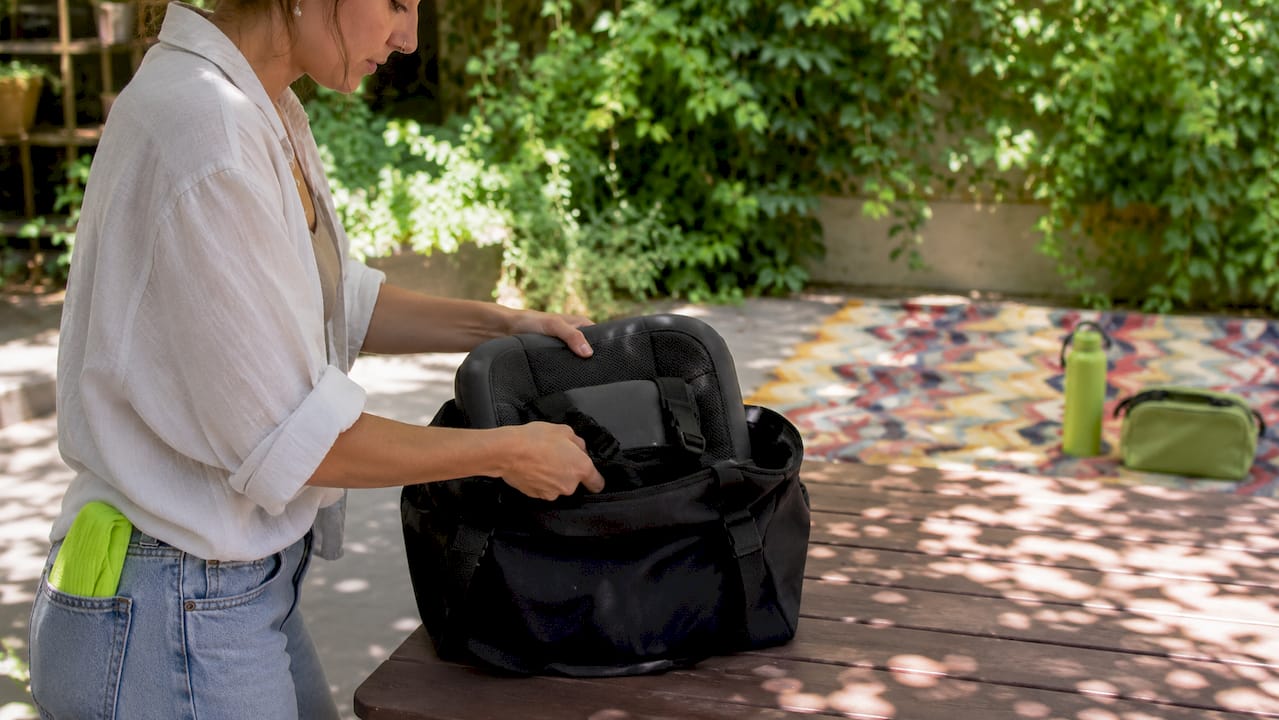
For outdoor enthusiasts and adult travelers who spend hours on hard stadium bleachers, airport floors, or trailhead logs, ergonomic travel seating from Sitpack offers a genuinely different approach. The Sitpack Zen and Campster II are compact, lightweight seats designed for exactly these situations.
The safest seating practices share a common thread regardless of whether you are on a plane, in a rideshare, or bouncing down a dirt road in a rental SUV. These guidelines apply universally.
Children younger than 13 should always ride in the back seat to avoid airbag-related injuries. Front airbags deploy with enough force to seriously injure a child, even in a minor collision. This rule holds in every vehicle type, including rideshares and taxis.
Speaking of rideshares: bringing your own car seat is the safest approach when traveling with young children in taxis or rideshare vehicles. Not all drivers carry seats, and even when they do, you cannot verify the seat’s history, installation quality, or whether it has been in a previous crash. Communicate with your driver in advance and confirm whether the vehicle has LATCH anchors or relies on seat belt installation.
For airplane seat selection, the back middle seat is statistically the safest position on a plane, though seat safety is a probability rather than a guarantee. More practically for families: avoid aisle seats for children during flights. Hot beverage spills from carts and falling overhead bin items are real hazards that window and middle seats largely avoid.
For international travel, registering with the U.S. Department of State’s Smart Traveler Enrollment Program (STEP) gives you real-time safety and health advisories before and during your trip. It is a free, five-minute registration that most travelers skip and later wish they had not.
Pro Tip: Digitize all your travel documents, including car seat certification labels and model numbers, before departure. If a seat gets lost or damaged in transit, having that information speeds up replacement or insurance claims considerably.
Proper restraint in an FAA-approved child restraint system is the single most effective travel seating safety measure for children on planes and in vehicles.
| Point | Details |
|---|---|
| Use FAA-approved CRS on flights | The CARES harness and certified car seats are the only compliant options for children on aircraft. |
| Never use booster seats on planes | Airplane lap belts lack shoulder straps; use a 5-point harness or CARES harness instead. |
| Inspect checked car seats | Treat any checked seat as potentially damaged and inspect the shell and harness before use. |
| Keep kids in the back seat | Children under 13 must ride in the back seat in all vehicles to avoid airbag injury. |
| Bring your own seat for rideshares | Relying on rideshare or taxi-provided seats risks unknown installation quality and crash history. |
Here is the honest truth: most travel seating mistakes are not made out of ignorance. They are made out of inconvenience. I have watched parents hold infants on their laps on turbulent flights because buying a separate seat felt expensive. I have seen families skip the car seat in a taxi because unpacking it felt like too much work after a red-eye. I get it. Travel is exhausting, and safety gear adds friction.
But the preparation gap is where real risk lives. Families who practice installing their car seat in different vehicles before a trip are dramatically more confident and accurate when they do it in an unfamiliar rental car at midnight. That confidence translates directly into a correctly installed seat, which translates into actual protection.
My honest recommendation: invest in one good lightweight travel seat rather than hauling your full-size home seat everywhere. The Cosco Scenera Next and similar compact options are genuinely good enough for travel, and you will actually use them consistently because they are not a pain to carry. Consistency beats perfection every time.
For adult travelers, do not underestimate the fatigue cost of bad seating on long journeys. Sitting on hard airport floors or stadium bleachers for hours wrecks your back and your mood. A compact portable seat from Sitpack weighs almost nothing and gives you a real place to park yourself without the drama. Check out their travel-ready seating options if you have not already.
— Jonas

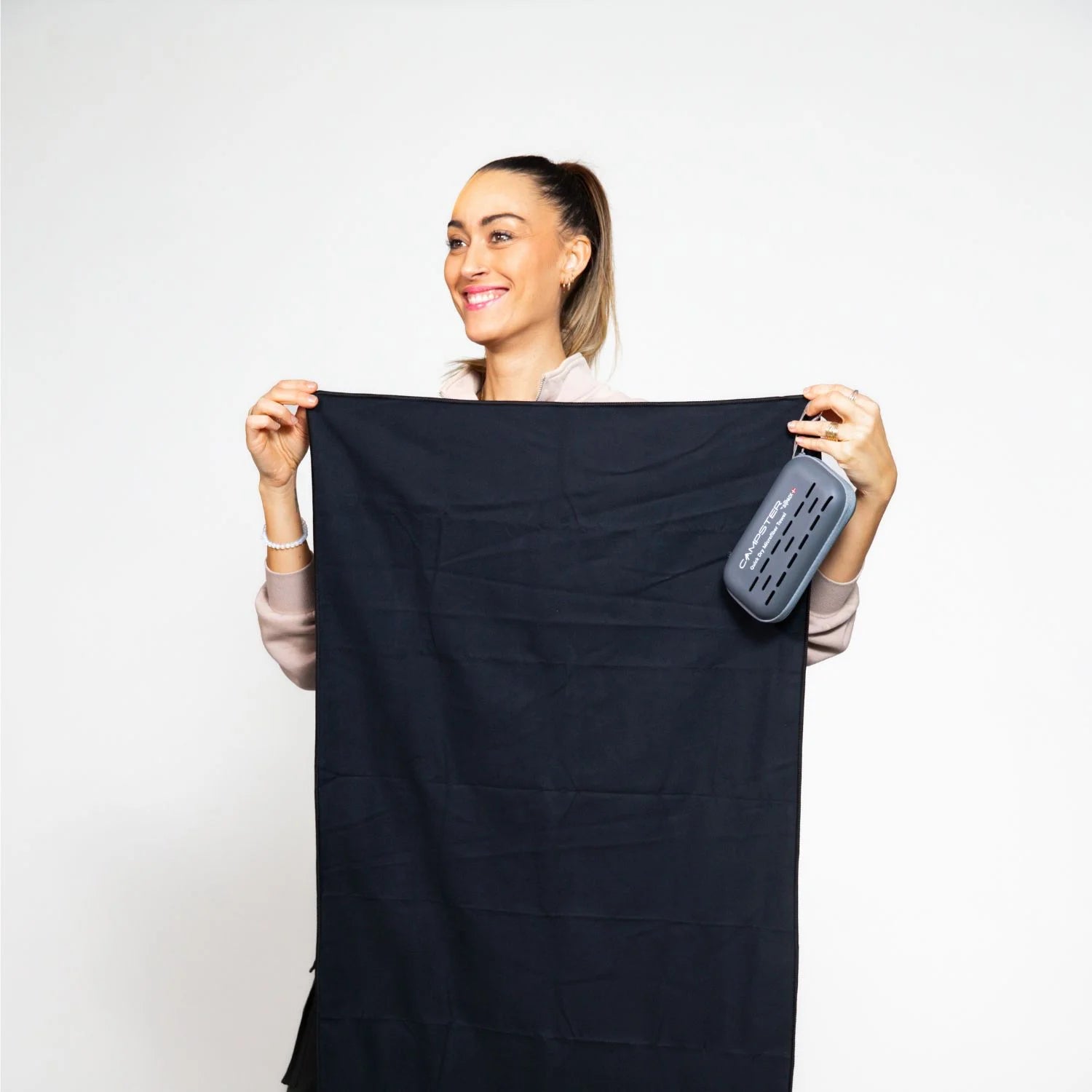
Sitpack builds portable seating for people who actually move. The Sitpack Zen and Campster II are compact, durable, and light enough to forget they are in your pack until you need them. Whether you are waiting out a long layover, watching your kid’s soccer tournament on a hillside, or taking a breather mid-hike, these seats give you a real place to sit without the bulk of traditional camp chairs. Sitpack ships worldwide and backs every product with a 45-day satisfaction guarantee. Explore the full range of lightweight travel seats and find the one that fits your travel style at sitpack.com.
An FAA-approved child restraint system (CRS) is a seat or harness certified for use on both aircraft and in motor vehicles, labeled with the phrase “This restraint is certified for use in motor vehicles and aircraft.” The CARES harness and most convertible car seats with this label qualify.
No. Booster seats are not approved for airplane use because they require a shoulder belt to function safely, and airplane seats only have lap belts. Use an FAA-approved 5-point harness or CARES harness for children on flights.
Window and middle seats are safer for children than aisle seats, which expose them to hot beverage cart spills and falling overhead bin items. The back middle seat is statistically the safest position on a plane overall.
No. Bringing your own car seat is the safest practice for young children in rideshares or taxis. Driver-provided seats cannot be verified for crash history or correct installation, and not all vehicles have LATCH anchor systems.
Inspect the seat thoroughly upon arrival. Check the shell for cracks and the harness for fraying or stress marks. Checked car seats are treated as damaged until proven otherwise due to rough baggage handling, so gate-checking is always the better option when available.