Vogn
0
Tilmeld dig og få 10% i rabat på din ordre
Forventet levering
1-3 dage
Du vil måske også kunne lide


Dansk Firma


TL;DR:
- Compact seating offers lightweight, portable, and ergonomic options suitable for outdoor and urban activities.
- Thoughtful engineering makes small chairs comfortable and supportive, often outperforming bulkier alternatives.
- Using compact chairs encourages spontaneous outdoor moments, saves space, and supports eco-friendly lifestyles.
There’s a particular kind of frustration that hits when you show up at a festival, spontaneous beach bonfire, or trailhead picnic spot and realize your massive folding chair is still sitting in the garage because there was absolutely zero chance it was fitting in your pack. Bulky traditional chairs are the furniture equivalent of a needy travel companion: heavy, clingy, and constantly in the way. The good news? Compact portable chairs have quietly revolutionized the way active people, urban explorers, and eco-conscious travelers park their posteriors, offering real comfort and serious portability without the bulk penalty.
| Point | Details |
|---|---|
| Portability redefined | Compact seating offers lightweight and packable solutions for outdoor and city use without sacrificing convenience. |
| Designed for comfort | Modern compact chairs use ergonomic and flexible materials to provide real comfort and healthy posture. |
| Perfect for small spaces | These seats minimize clutter and fit perfectly in apartments, cars, and backpacks. |
| Eco-friendly options | Sustainable materials and designs make compact seating an ethical choice for eco-conscious users. |
| Ideal for active lifestyles | Compact seating keeps you ready for adventure, travel, or city events with hassle-free setup. |
Now that we’ve seen why big, heavy furniture often fails on the go, let’s define what counts as compact seating and who benefits most.
Compact seating refers to any chair, stool, or seat designed to minimize its packed size and weight while still providing a functional, comfortable place to sit. Think foldable chairs that collapse into a stuff sack the size of a water bottle, telescoping stools that disappear into a jacket pocket, or low-profile camp chairs that pack down to roughly the dimensions of a rolled yoga mat. The core idea is simple: bring your own comfortable seat to places where hauling a full-sized chair is impractical or just plain silly.
The key features that define compact seating are worth spelling out:
So who actually needs this? Honestly, the list is longer than you might expect. Campers and backpackers are the obvious crowd, but compact seating is equally valuable for festival attendees, urban commuters who want a seat at crowded outdoor events, families navigating theme parks, and sports spectators who are tired of sitting on cold bleachers. City dwellers especially find that urban users and portable seating go hand in hand, since apartment storage is precious and spontaneous park hangs don’t exactly come with furnished seating.
“Compact seating is not about compromising. It’s about choosing freedom over furniture.”
For eco-conscious travelers and urban dwellers in particular, the appeal of compact seating goes beyond just saving bag space. Foldable chairs reduce storage demands and encourage a “bring your own” mindset for parks, transit stops, and small outdoor moments instead of relying on fixed, often resource-heavy public furniture. It’s a practical philosophy that fits neatly alongside a minimalist, lower-impact lifestyle. And if you’re also packing compact essentials for travel, you already understand that smart packing is its own form of freedom.
Once you know who benefits from compact seating, it’s important to dig into how these small seats manage to offer real comfort, and sometimes even outperform their bulkier counterparts.
Here’s the myth worth busting: small does not mean uncomfortable. In fact, some of the most thoughtful ergonomic engineering in furniture design right now is happening in the compact seating space, precisely because designers can’t rely on thick foam padding or wide wooden frames to compensate for a poor design. They have to actually think about how a human body sits.
Modern compact chairs typically rely on a few clever engineering approaches:
Research backs this up. Ergonomic seat-pan studies show measurable improvements in maintaining the spine’s natural S-shape and reductions in muscle fatigue when flexible, well-designed seat geometries are used compared to conventional rigid seating. That’s not a small deal when you’re sitting at a two-hour outdoor concert or a long afternoon of fishing.
Pro Tip: When evaluating a compact chair for comfort, sit in it for at least 15 minutes before committing. Tension-based designs sometimes feel odd for the first few minutes as the fabric conforms to your body shape, but quickly become quite supportive once settled.
You can find a deeper breakdown of tips for comfort and portability if you want to get really specific about matching a chair’s features to your intended activities. The short version is that comfort in compact seating comes from smart design, not from piling on extra material. Less really can be more, especially when every ounce of that “more” gets left at home because you didn’t want to carry it.
Comfort matters, but so does the ability to actually bring your chair anywhere. Here’s how portable designs fit real-world needs.
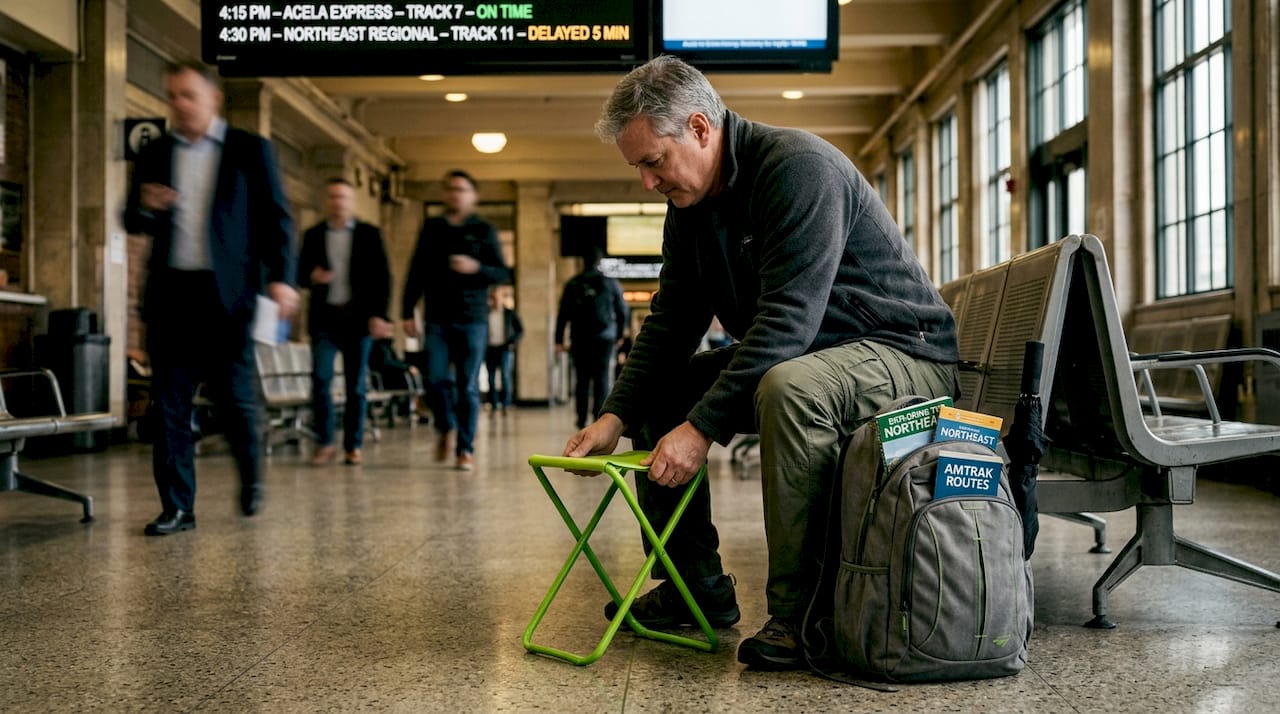
The driving force behind compact seating adoption is not that people are suddenly sitting more. It’s that modern life is increasingly spontaneous. You don’t always know three days in advance that you’ll want a seat at the farmers market, the pop-up film screening, or the trailhead lunch stop. Portable chair advantages shine brightest in exactly these unplanned moments, when a traditional bulky chair would have stayed home by default.
Consider the contrast between compact and traditional seating side by side:
| Feature | Compact seating | Traditional folding chair |
|---|---|---|
| Weight | 0.9 to 2.5 lbs | 5 to 15 lbs |
| Packed size | Fits inside a daypack | Requires dedicated carrying bag |
| Setup time | 10 to 30 seconds | 1 to 3 minutes |
| Storage at home | Closet shelf or drawer | Garage or storage room |
| Terrain flexibility | High (lightweight, stable on varied ground) | Low (often heavy, fixed footprint) |
The differences are not subtle. A traditional camp chair that weighs 12 pounds and takes up half your trunk becomes a deliberate commitment: you plan to use it, you pack the car around it, and if plans change, it comes home unused. A compact chair that weighs under two pounds and clips to your pack is just… there. Available whenever. It removes the friction from spontaneous outdoor moments.
Here’s how to use and pack a typical compact chair so you get the most out of every outing:
The portability story is also a practical one for frequent travelers who are already conditioned to pack smarter. When every item in your bag needs to justify its weight and volume, a chair that truly pulls its weight (or rather, doesn’t) becomes a genuinely valued piece of kit rather than an afterthought.
Beyond just being comfortable and easy to carry, compact seating also supports a cleaner, more organized, and greener lifestyle.
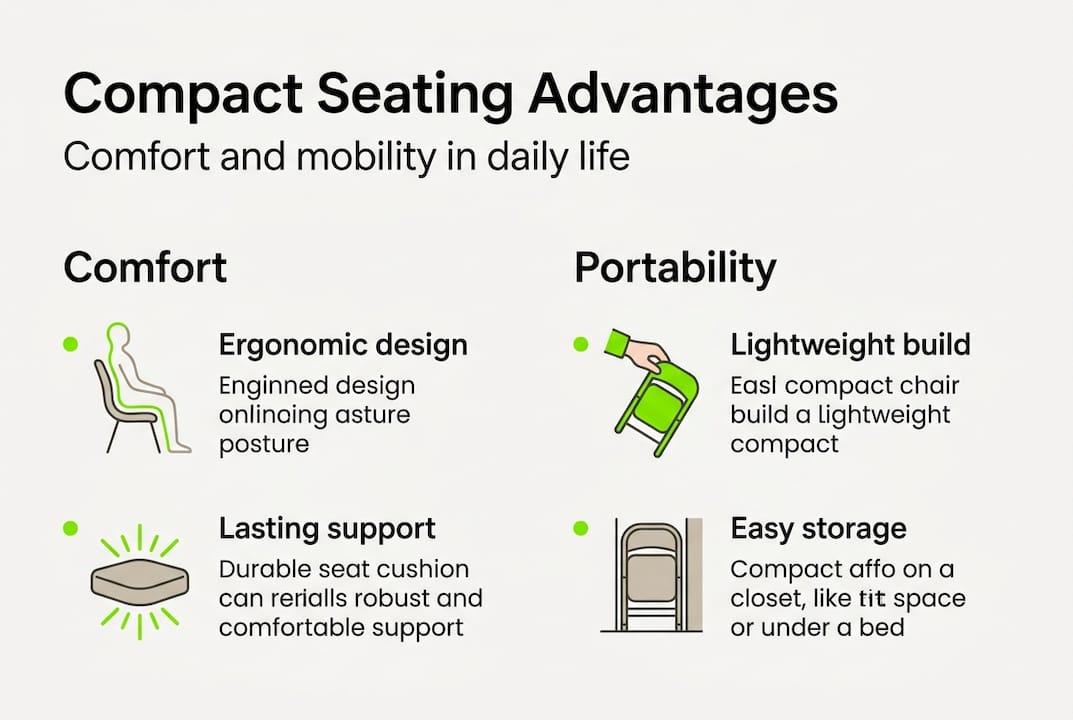
Storage is a silent stressor in a lot of homes. Bulky furniture that gets used twice a year takes up closet real estate, garage floor space, and mental bandwidth every time you see it crammed into a corner. Space-saving solutions for city life aren’t a luxury for apartment dwellers, they’re a necessity. Compact seating solves this elegantly: a well-designed folding chair can live on a single shelf, hang on a hook, or tuck into a closet corner without the spatial drama.
There are several concrete ways compact seating reduces your environmental footprint too:
For eco-conscious buyers, the growing trend toward sustainable foldable seating reflects a broader understanding that the products you bring into your life have an environmental cost. Choosing a compact, durable, recyclable-material chair over a cheap plastic folding chair that cracks after two seasons is a real and meaningful choice.
Pro Tip: When shopping for an eco-friendly compact chair, look specifically for brands that disclose the materials composition of both the frame and the fabric. Recycled aluminum frames and solution-dyed polyester fabrics (which use significantly less water in the dyeing process than conventional fabrics) are the current gold standard for sustainability in portable seating.
Beyond environmental benefits, the psychological benefit of a clutter-free, well-organized home is real. When your seating takes up less space and stores more neatly, you free up room for the things that actually matter. That’s a win at home and on the trail.
With the main facts and advantages explored, let’s step back for a candid reflection on what compact seating can actually mean for your life beyond convenience.
Here’s the honest truth: most people who discover compact seating initially think of it as a gear upgrade. A smarter version of the old lawn chair. And that’s fair, but it’s also a bit narrow. What we’ve found, talking to and hearing from real users across the camping, travel, and urban outdoor communities, is that the shift to compact seating tends to change behavior in ways that go well beyond just carrying a lighter chair.
When your seating is always available and never a burden, you go outside more. That sounds almost too simple to say out loud, but it’s genuine. The friction of “I’d need to pack a chair” disappears. The spontaneous evening in the park, the impromptu trailside lunch, the rooftop gathering with friends. These moments multiply because the barrier to comfortable sitting has been eliminated. That’s not a marketing claim. That’s just what happens when a practical problem gets a practical solution.
The other thing people consistently get wrong is focusing entirely on weight and packed size when choosing compact seating. Those numbers matter, but real user advantages come just as much from factors like seat height (which determines how comfortable it is to get in and out of, especially on uneven ground), weight capacity (which affects how stable and durable the chair remains over time), and the quality of materials at stress points like pole joints and fabric anchor points.
Cheap compact chairs often feel like a bargain until the third outing when a pole snap or a blown seam turns your trailside throne into a pile of parts. The upfront investment in a well-built, ergonomically considered compact chair pays off not just in comfort but in the number of times it actually comes with you rather than sitting in a failure pile at home.
The deeper insight here is this: compact seating is not just about what you carry. It’s about what you do because you’re carrying it. And that shift in perspective, from viewing a chair as occasional gear to treating it as everyday freedom, is where the real value lives.
If the idea of a chair that goes everywhere you go without becoming a chore sounds appealing, you’re already thinking like someone who’s ready for a real upgrade.
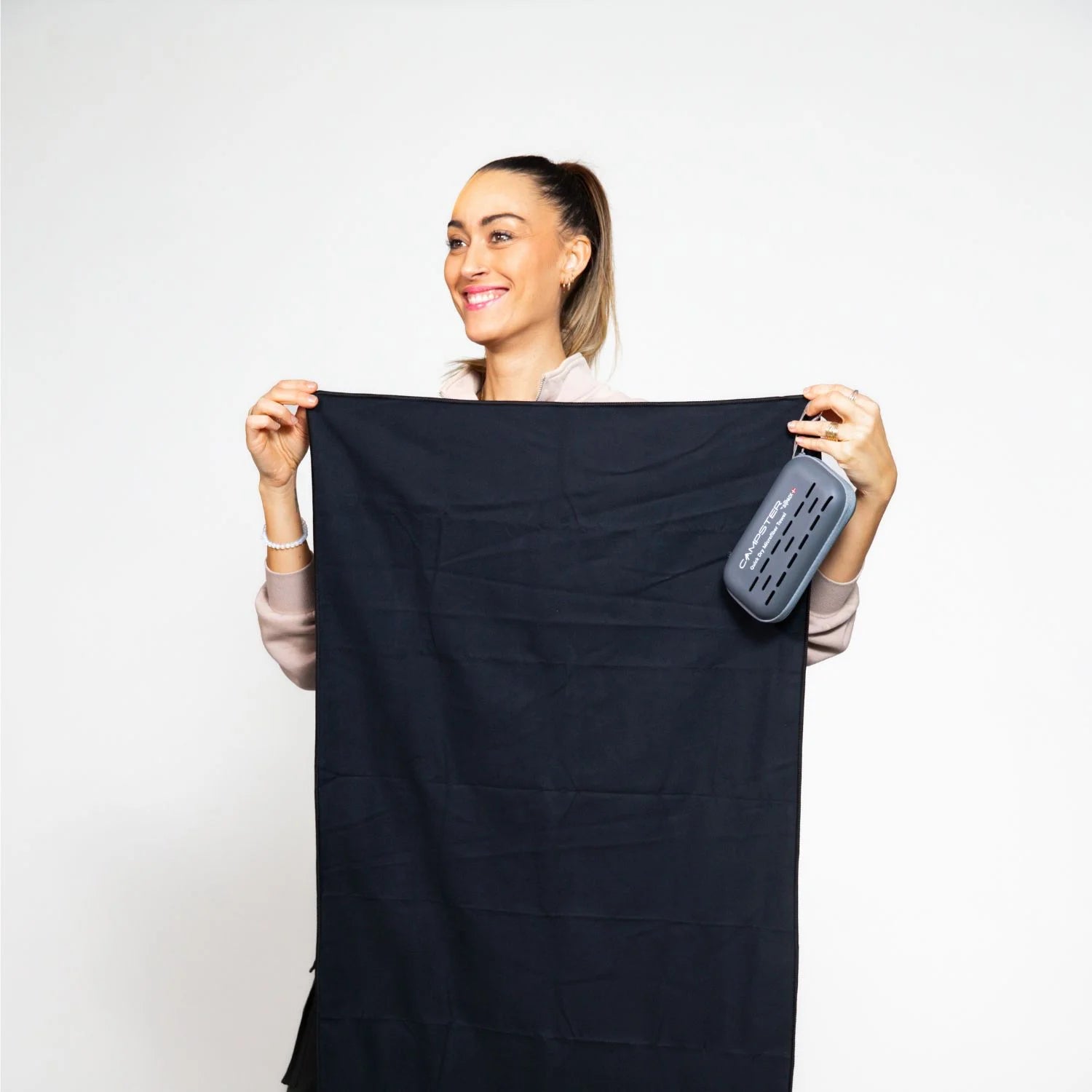
At Sitpack, we’ve spent years designing portable seating that fits real lives: active, spontaneous, urban, and outdoorsy all at once. From the ultra-minimal Sitpack Zen to the feature-packed Campster II, every seat in our lineup is built around the idea that comfort and portability don’t have to fight each other. We also offer accessories like seat warmers, thermal blankets, and travel towels that pair beautifully with compact seating for any adventure. Browse our full range and find your perfect match for everything from weekend hikes to city park hangs.
Compact seating is engineered for minimum packed size and maximum portability, using lightweight materials and ergonomic features that typical folding chairs simply don’t prioritize, making it practical to carry anywhere rather than just to planned events.
Not with a well-designed model. Many modern compact chairs use tension systems and ergonomic geometry to deliver genuine support and breathability, sometimes outperforming padded chairs that rely on bulk alone.
Space-saving foldable designs minimize floor and storage space, reduce clutter, and are easy to grab for spontaneous park visits, rooftop hangouts, or any outdoor moment that calls for a real seat.
Many quality brands now build compact chairs from recycled aluminum and sustainable fabrics, and their durability-focused designs mean fewer chairs replaced and less waste over time compared to cheap disposable alternatives.