Cart
0
Sign up and get 10$ off your order
Expected delivery
1-3 days
You may also like


Danish Company

TL;DR:
- Powder-coated aluminum is the leading durable outdoor material because it combines lightweight strength with weather resistance. HDPE lumber is optimal for wet and coastal environments due to its moisture and insect resistance, along with long warranties. Natural hardwoods like teak and ipe provide beauty and near-zero maintenance, especially when weathered to a silver patina.
Durable outdoor materials are defined as substances that resist weather, UV radiation, moisture, insects, and physical stress without failing structurally over years of use. The best durable outdoor materials list for 2026 starts with powder-coated aluminum, followed closely by HDPE lumber, teak, wrought iron, stainless steel, and modern synthetic fabrics. Each material excels in specific climates and use cases, so picking the right one depends on your environment, your budget, and how much maintenance you’re willing to do. Whether you’re building a deck, crafting a portable camp chair, or outfitting a coastal patio, this guide gives you the straight answers.
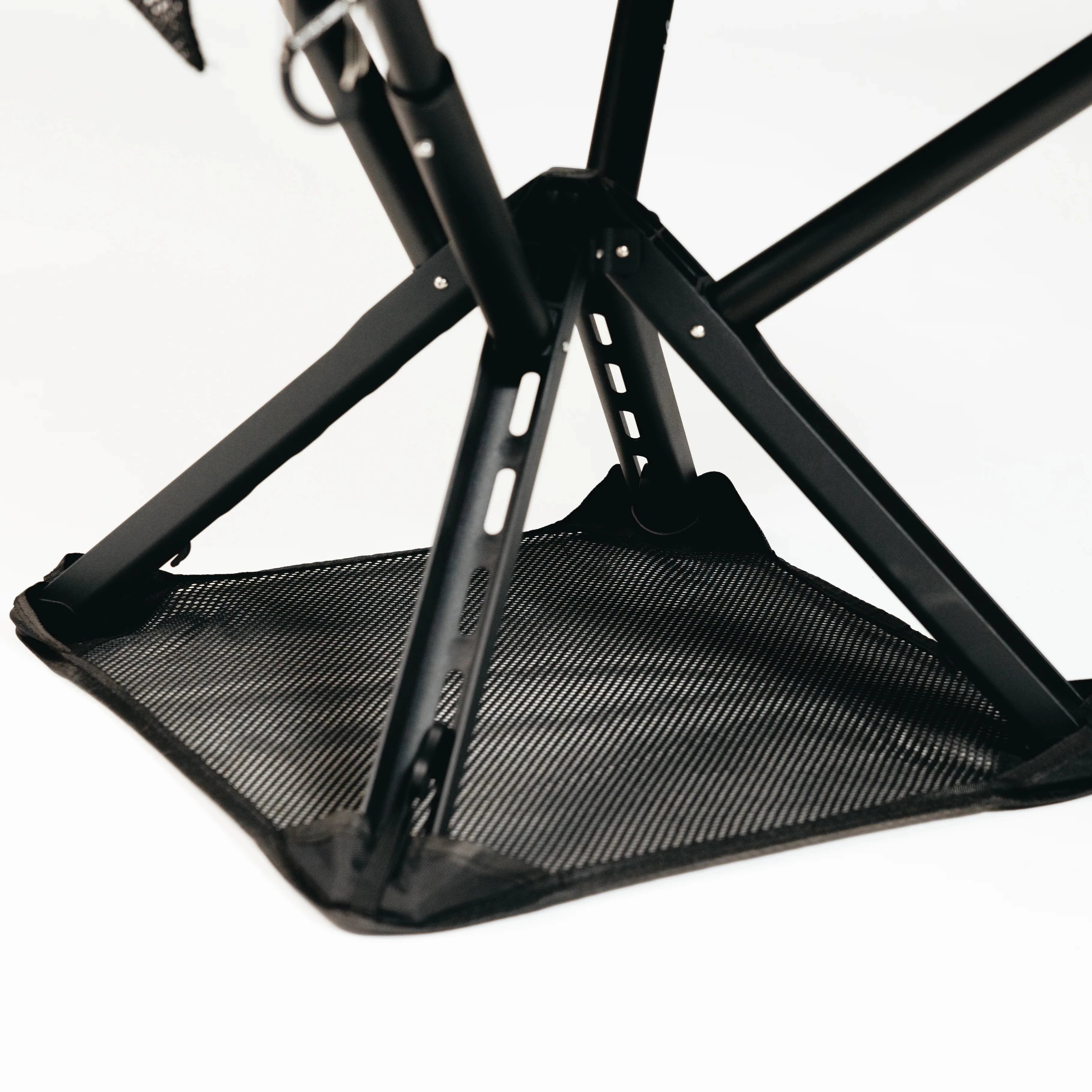
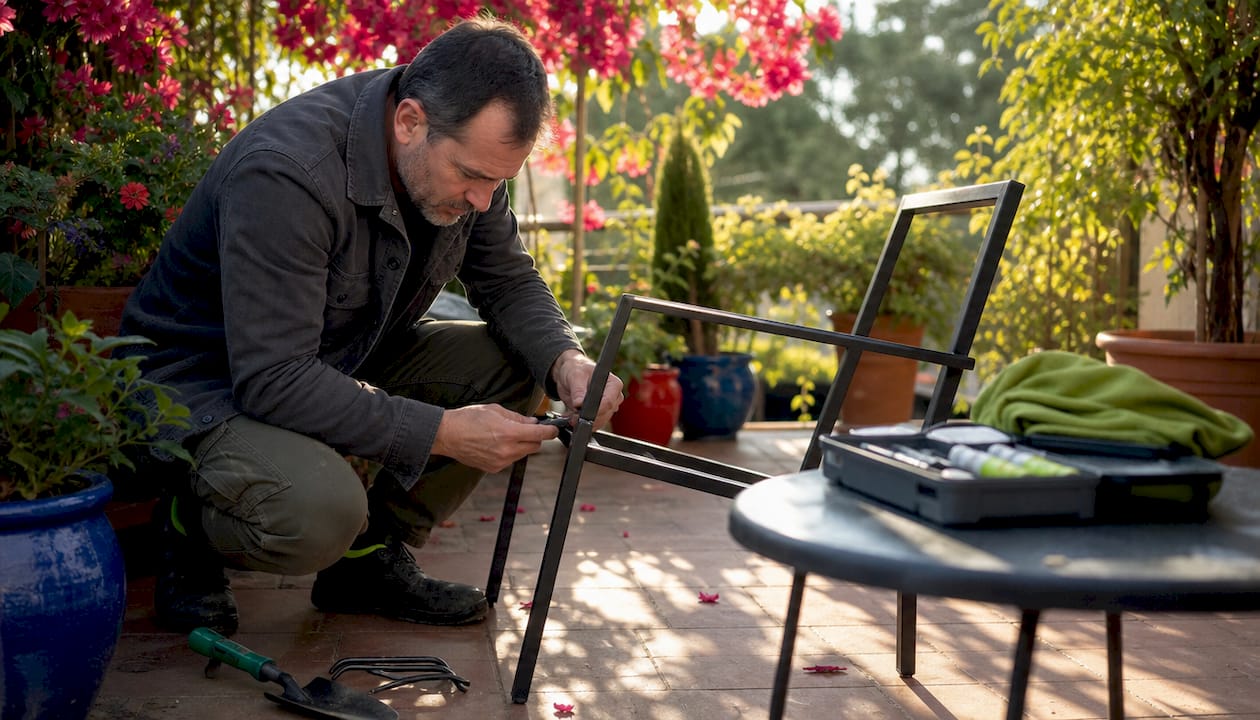
Powder-coated aluminum is the top choice for most outdoor projects because it combines lightweight strength with genuine weather resistance. The powder coating process bonds a dry polymer finish to the aluminum surface under heat, creating a shell that resists rust, chipping, and UV fading far better than standard paint. The result is a frame that handles salt air and high heat without corroding or warping. That makes it equally at home on a beachfront deck in Florida and a rooftop terrace in Phoenix.
Why outdoor builders love it:
What to watch for:
Pro Tip: Inspect powder-coated joints each spring. A small chip left untreated lets moisture reach bare aluminum, which can pit the surface. A touch-up with spray powder coat or a compatible enamel paint takes five minutes and adds years.
The outdoor seating material types guide from Sitpack breaks down how aluminum compares to other frame materials in real-world seating applications, which is worth a read if you’re building chairs or benches.
High-Density Polyethylene lumber, known as HDPE, is the best outdoor material for environments with constant moisture, heavy snow, or salt spray. HDPE is manufactured from recycled plastic, typically sourced from milk jugs and detergent bottles, and pressed into boards that mimic the look of wood without any of wood’s vulnerabilities. It resists moisture, insects, and temperature extremes without cracking, splintering, or absorbing water. That’s a big deal if you’ve ever watched a pressure-treated pine deck rot from the inside out.
Key advantages of HDPE lumber:
The 20-year warranty standard in the HDPE industry is not marketing fluff. It reflects the material’s actual performance record in wet and coastal installations. Compare that to pressure-treated pine, which typically needs replacement or major repair within 10–15 years in humid climates.
The one honest downside is cost. HDPE lumber runs significantly more per board foot than standard lumber. For a long-term outdoor project, though, the math usually favors HDPE when you factor in zero annual maintenance costs.
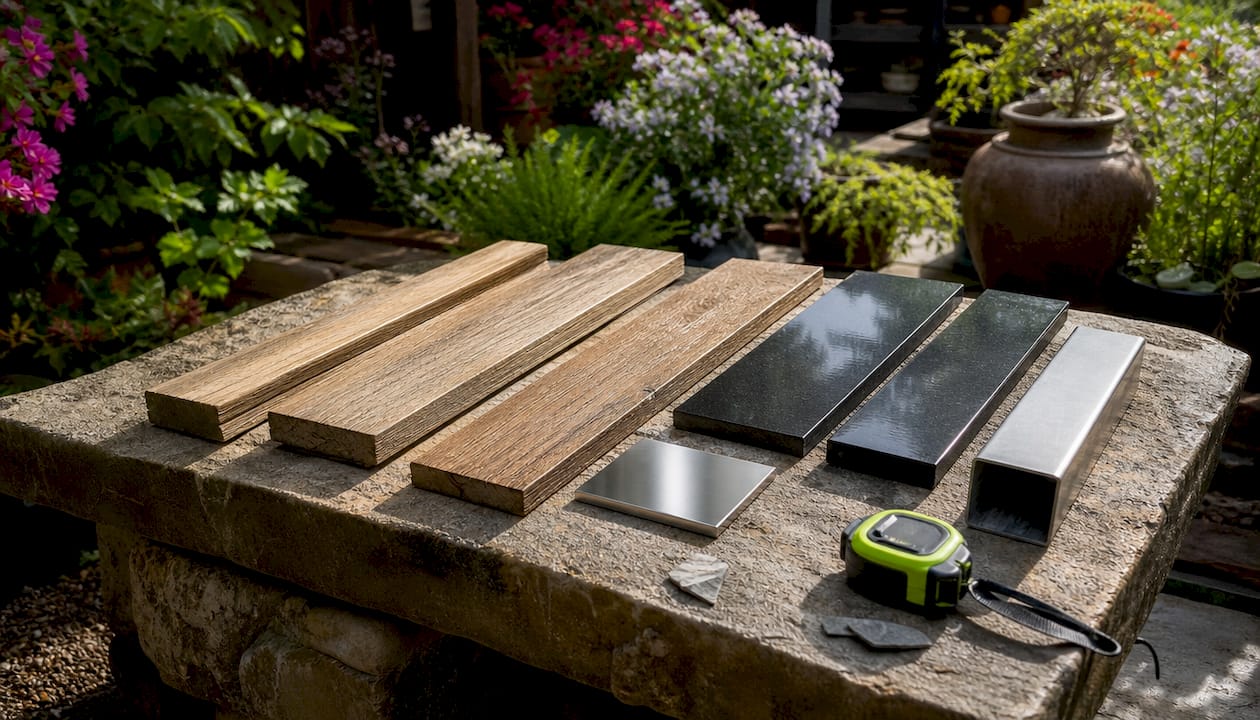
Teak is the gold standard for premium outdoor wood because its natural oils repel moisture and resist insect damage without any chemical treatment. Those oils are produced by the tree itself, and they remain active in the harvested wood for decades. Teak outperforms acacia and eucalyptus in long-term weather resistance, though both of those alternatives offer decent durability at a lower price point.
| Wood type | Hardness | Maintenance level | Best use |
|---|---|---|---|
| Teak | Very high | Low to medium | Furniture, decking, marine |
| Ipe | Extremely high | Low (cosmetic only) | Decking, boardwalks |
| Acacia | Medium-high | Medium | Furniture, accent pieces |
| Eucalyptus | Medium | Medium | Budget furniture |
Ipe deserves special mention here. It scores 3,680 on the Janka hardness scale, making it seven times harder than cedar. Ipe resists moisture and insects without chemical treatments, and it requires no structural maintenance. The only optional care is applying a UV-inhibitor oil if you want to preserve its rich brown color rather than letting it weather to silver-gray.
Pro Tip: If you let teak or ipe weather naturally to gray, you lose zero structural integrity. The silver patina is purely cosmetic. Skip the annual oiling if you don’t care about color, and you’ve got a genuinely zero-maintenance hardwood.
Teak furniture does cost more upfront than most alternatives. For projects where appearance matters as much as longevity, like a dining set or a garden bench that guests will actually notice, the investment pays off over a decade of use.
Wrought iron and heavy-gauge steel are the right call when wind stability is your primary concern. Heavier metals prevent displacement in gusts that would send lighter aluminum furniture skidding across a deck. Weight is a genuine structural advantage in exposed locations, not just a sign of cheap construction.
What you need to know about heavy metal options:
Stainless steel is worth the premium in coastal settings, but only if you specify the correct grade. Improperly finished or lower-grade steel corrodes quickly in salt air, which defeats the purpose entirely. Stick with 304-grade marine stainless for anything within a mile of the ocean.
The tradeoff with heavy metals is portability. A wrought iron bistro set is not moving anywhere without real effort. For fixed installations like pergolas, gate hardware, or anchored benches, that’s a feature. For gear you carry, it’s a dealbreaker.
Modern synthetic materials have closed the gap with natural options in both durability and aesthetics. The best weather-resistant building materials for cushions, weaving, and upholstery are now synthetic, full stop.
Solution-dyed acrylic fabric locks color into the fiber during manufacturing rather than applying it on top. UV rays and rain cannot strip the color because it’s part of the fiber itself. This fabric outperforms natural cotton and rattan in outdoor cushions by a wide margin.
Resin wicker is synthetic polyethylene woven over an aluminum frame. It looks like natural rattan but handles rain, sun, and temperature swings without cracking or unraveling. Natural rattan fails outdoors within a single season in most climates.
Synthetic rope made from polyester or polypropylene resists UV degradation and moisture absorption. It’s increasingly popular for sling-style outdoor chairs and hammock frames.
Breathable mesh fabrics made from PVC-coated polyester allow airflow while resisting mold and mildew. They work particularly well for seating in hot, humid climates where solid cushions trap heat.
The general rule is this: use synthetics for anything that will get wet regularly or sit in direct sun for hours each day. Reserve natural materials for sheltered spaces or projects where the organic look is worth the extra maintenance.
For outdoor fitness gear and equipment that also needs to hold up across climates, the best outdoor workout equipment guide covers material considerations worth knowing.
Two materials sit at the edges of most durable outdoor materials lists but deserve more attention than they typically get.
Wood-Plastic Composites, or WPC, blend wood fiber with thermoplastic resin to create boards that outperform basic resin composites in structural strength. WPC panels withstand up to 80 MPH winds and 30 lbs per square foot of snow load. That’s the kind of performance spec that matters if you’re building a shed, a pergola roof, or any structure that takes real weather punishment.
Titanium sits at the other end of the size spectrum. It’s not practical for large furniture, but for small outdoor gear components like cookware, tent stakes, and tool handles, titanium outlasts steel and aluminum in high-impact conditions by a significant margin. It’s prized for its strength-to-weight ratio and its near-total corrosion resistance. A titanium camp spork sounds like overkill until you’ve watched a steel one rust after one wet trip.
For DIY builders working on outdoor structures, WPC is the practical choice. For gear builders and minimalist packers, titanium components are worth the premium price for long-lasting outdoor products that genuinely go the distance.
The best outdoor material for any project is the one that matches your specific climate, maintenance tolerance, and load requirements. No single material wins every category.
| Point | Details |
|---|---|
| Powder-coated aluminum leads | It resists rust and UV in most climates with minimal upkeep. |
| HDPE excels in wet climates | 20-year warranties reflect genuine performance in moisture-heavy environments. |
| Teak and ipe for premium wood | Natural oils and extreme hardness make both nearly maintenance-free structurally. |
| Heavy metals for wind stability | Wrought iron and 304-grade stainless steel hold firm in gusts and coastal conditions. |
| Synthetics for fabrics and weaving | Solution-dyed acrylic and resin wicker outlast natural alternatives in direct sun and rain. |
Here’s the thing most material guides won’t tell you: the material itself is only half the decision. The other half is the manufacturer’s commitment to standing behind it.
I’ve seen powder-coated aluminum furniture from reputable brands last 15 years on a salt-air deck. I’ve also seen “powder-coated aluminum” from a budget retailer bubble and pit within two seasons. The coating thickness, the alloy grade, and the quality of the welds matter as much as the material category. Manufacturer repairability and long-term warranties are the real signal of a durable product, not just the material name on the spec sheet.
My honest recommendation for most DIY builders: start with powder-coated aluminum for frames, HDPE for any horizontal surface that will see water, and solution-dyed acrylic for any fabric component. That combination covers 90% of outdoor projects without requiring you to become a materials scientist.
For specialized gear, titanium and WPC composites are genuinely worth the research time. They’re not mainstream yet, but they perform at a level that justifies the cost for serious outdoor enthusiasts. The hybrid outdoor furniture guide from Sitpack covers how combining materials strategically gets you the best of durability and sustainability without blowing your budget.
Don’t overlook repairability when you’re shopping or building. A material that can be touched up, refinished, or have components replaced is worth more over a decade than a material that looks great on day one and gets thrown out on year three.
— Jonas
Outdoor gear built from the wrong materials doesn’t just look bad after a season. It fails when you need it most, usually at the worst possible moment.
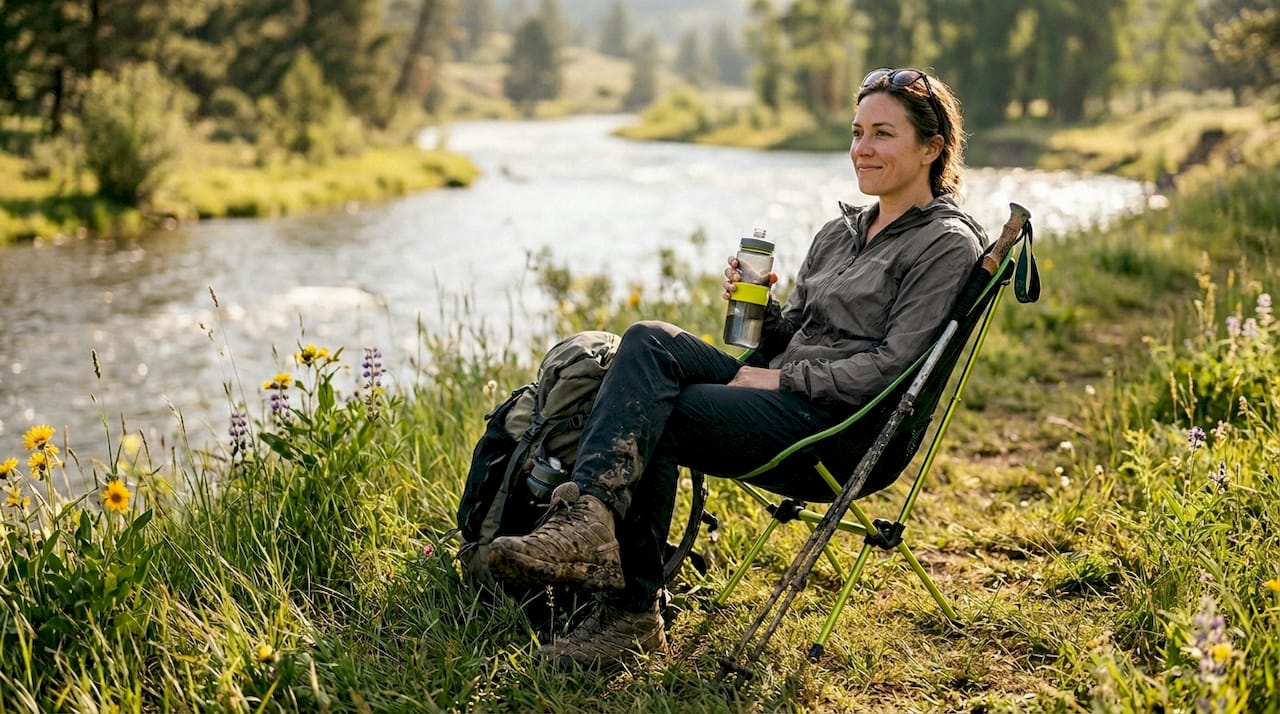
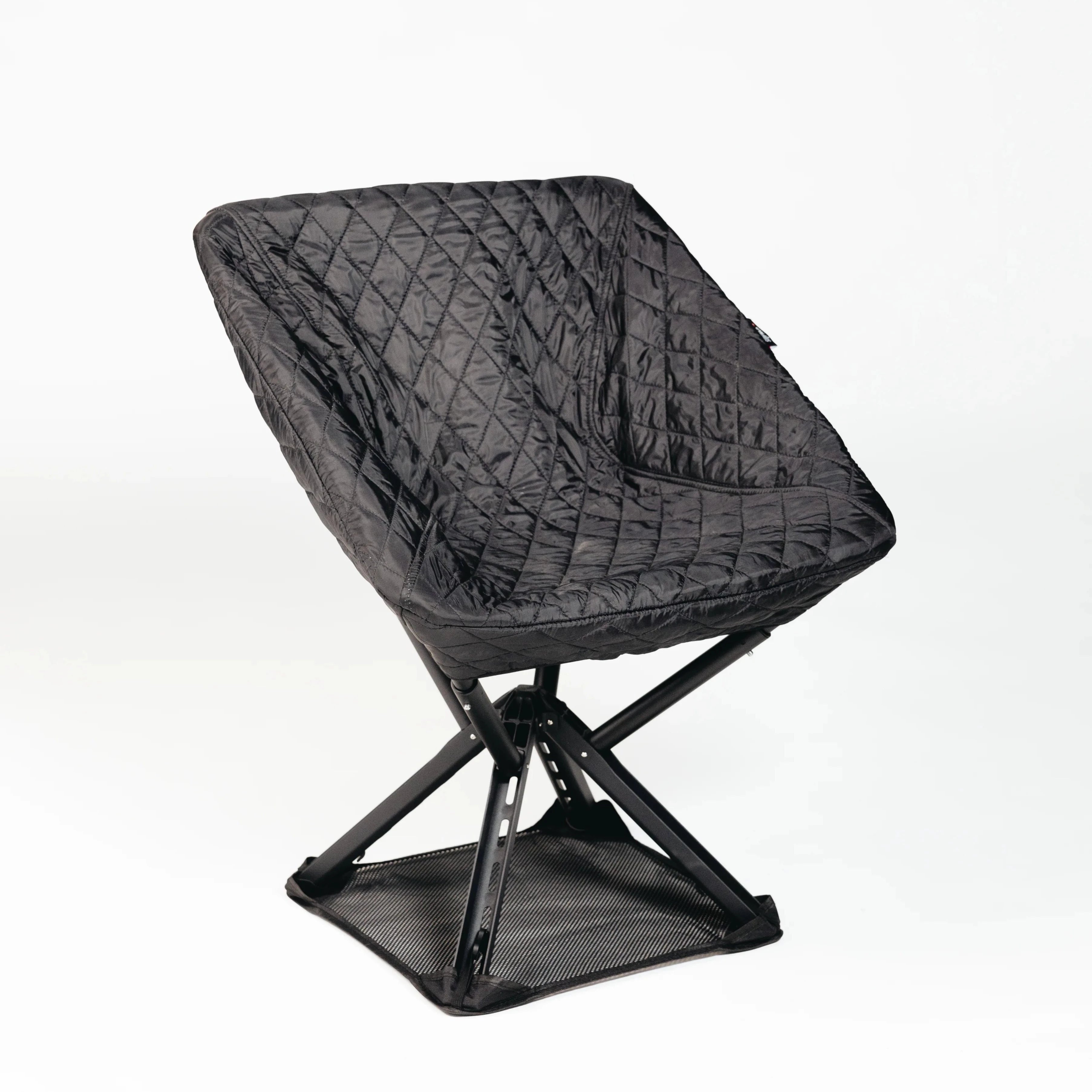
Sitpack designs portable seating like the Campster II and Sitpack Zen with material durability as a core requirement, not an afterthought. The focus is on lightweight frames that hold up across climates, from damp Nordic forests to sun-baked festival grounds. Every product comes with a satisfaction guarantee and a commitment to quality that goes beyond the first season. If you’re putting together a kit for outdoor adventures and want seating that actually travels well and lasts, explore Sitpack’s full range to see what durable, thoughtfully built outdoor gear looks like in practice.
Powder-coated aluminum is the most durable all-around material for outdoor furniture. It resists rust, UV damage, and structural degradation across climates with minimal maintenance.
HDPE lumber and 304-grade marine stainless steel perform best in coastal and humid environments. HDPE resists moisture and insects completely, while marine stainless steel handles salt air without corroding.
Choose teak for aesthetics and a natural look with occasional oiling; choose HDPE if you want zero structural maintenance and maximum moisture resistance. HDPE typically carries longer manufacturer warranties.
Solution-dyed acrylic and resin wicker outperform natural cotton and rattan in outdoor conditions. Synthetic fibers resist UV fading and moisture absorption far better than natural alternatives.
Heavy-gauge wrought iron and steel provide the best wind stability because their weight prevents displacement in strong gusts. Powder coating protects these metals from rust and extends their service life significantly.