Cart
0
Sign up and get 10$ off your order
Expected delivery
1-3 days
You may also like


Danish Company


TL;DR:
- Modular camping equipment consists of interchangeable components that you customize based on your trip’s needs. It reduces pack weight, enhances durability, and offers cost savings by allowing part-specific replacements. This system is especially effective for trips lasting five days or longer with variable conditions.
Modular camping equipment is defined as a system of interchangeable, customizable gear components that you can mix, match, and swap based on your specific trip needs. Unlike traditional all-in-one gear, modular outdoor gear lets you build your setup piece by piece, adding or removing components as conditions change. The result is a lighter pack, less waste, and a rig that actually fits the trip you’re taking, not some imaginary average adventure. Whether you’re a weekend warrior or a week-long backcountry type, understanding what is modular camping equipment gives you a real edge in planning smarter, more comfortable outings.
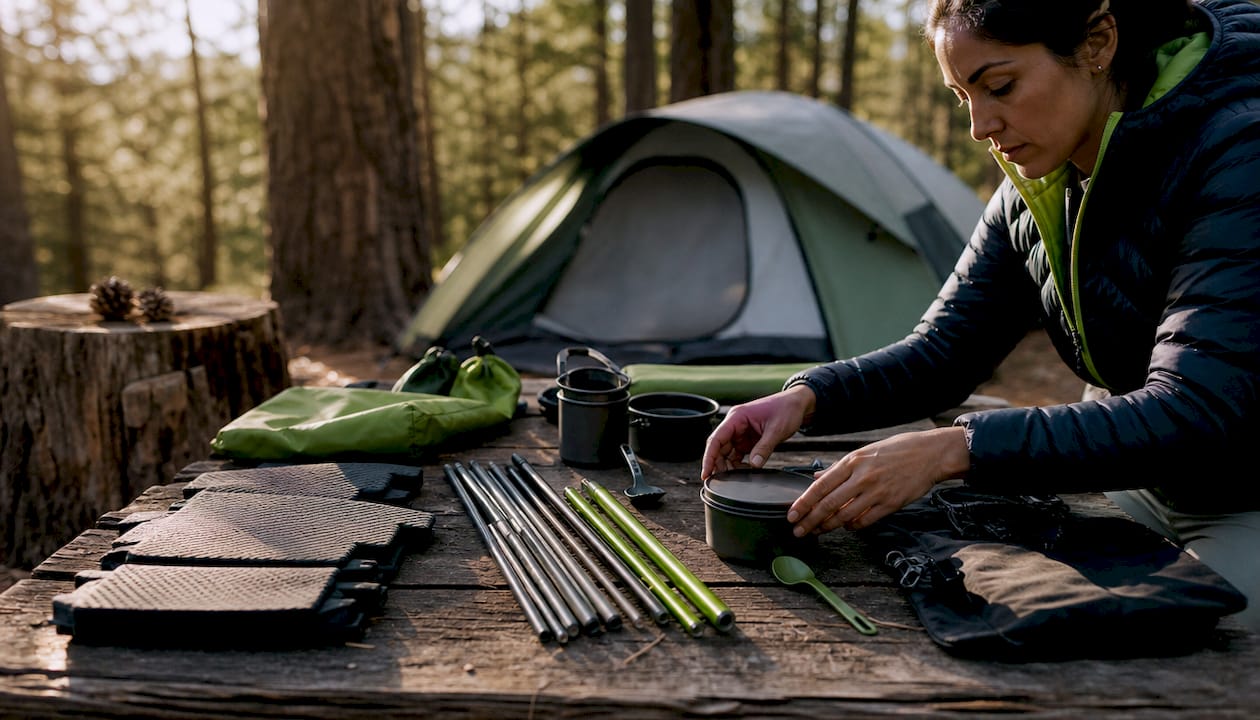
Modular camping equipment works by treating your gear as a system of independent parts rather than a single fixed kit. Each component, whether it’s a shelter, a sleep layer, a kitchen unit, or a storage solution, is designed to connect with or replace other parts without rebuilding the whole setup from scratch. Think of it like building with blocks: you keep the blocks you need and leave the rest at home.
The core of any modular system is a foundation setup, which typically includes your primary shelter, a base sleep layer, and a cooking unit. From there, you add modules based on the trip. A cold-weather weekend calls for an insulated sleep layer and a windbreak panel. A summer car-camping trip might swap those out for a mesh inner tent and a compact stove attachment.
Modular kitchens and storage modules allow scalable, organized packing that adapts easily between short and long trips. That adaptability is the whole point. You’re not hauling a full winter kit in July just because it came bundled with your tent.
The main components of a modular camping system include:
Each category is designed around the same principle: buy the base, add what you need, skip what you don’t.
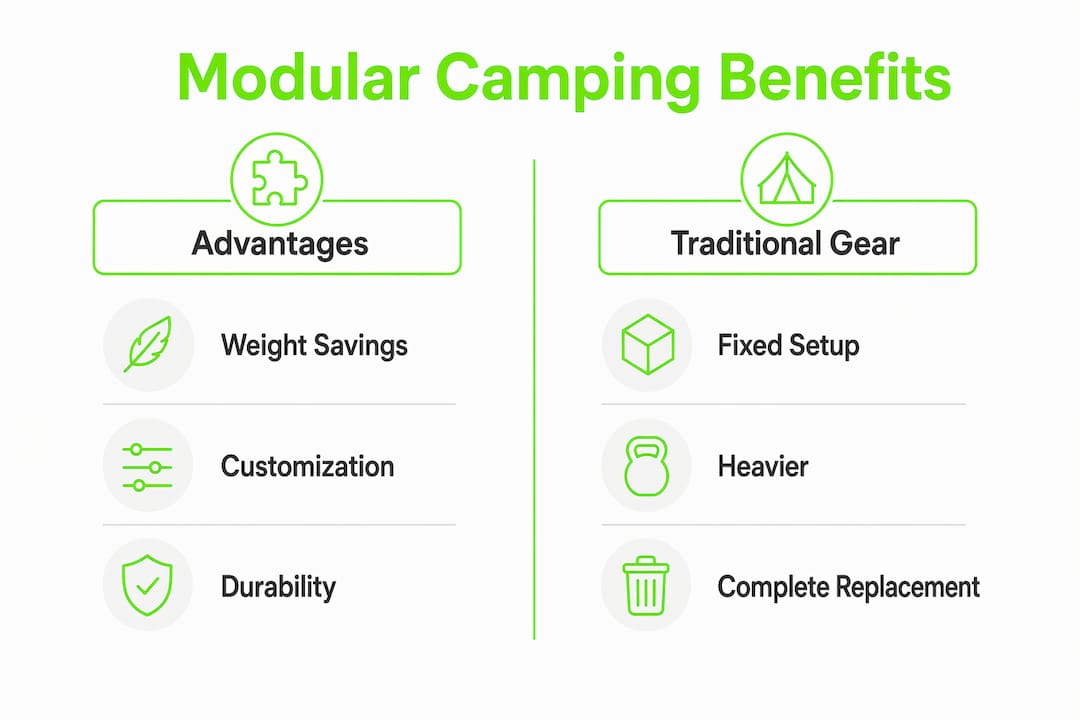
The most immediate benefit of modular camping gear is weight reduction. Combining modular sleeping and clothing layers with standard shelter gear can reduce total pack weight by 12% compared to all-in-one gear. That’s the difference between a pack that feels fine at mile three and one that’s grinding your shoulders down by mile one.
Durability is the second major win. Modular gear enables replacing individual damaged components cheaply, reducing environmental waste and improving cost-effectiveness. When a zipper fails on a traditional tent, you often replace the whole tent. With a modular system, you replace the zipper or the inner panel and keep going.
Cost is where modular gear gets interesting. Modular camping gear requires a higher upfront investment but offers more long-term value by allowing incremental scaling without a full inventory reset. You’re paying more at the start, but you’re not buying a new complete kit every few years. You upgrade the one part that needs upgrading.
Pro Tip: Before buying any new module, audit your current kit first. If you can’t name a specific trip condition that requires the new piece, leave it on the shelf.
Here’s a quick comparison of modular versus traditional all-in-one gear across the key decision factors:
| Factor | Modular gear | Traditional all-in-one gear |
|---|---|---|
| Pack weight | Lower with selective loading | Fixed weight regardless of trip |
| Upfront cost | Higher | Lower |
| Long-term cost | Lower via part replacement | Higher via full replacement |
| Adaptability | High across varied conditions | Low, fixed configuration |
| Setup speed | Slower, requires practice | Faster out of the box |
| Environmental impact | Lower waste from part replacement | Higher waste from full replacement |
The environmental angle is real, not just marketing. Replacing one broken component instead of discarding a full kit keeps gear out of landfills. For campers who care about leaving places better than they found them, that matters.
The biggest practical mistake campers make with modular systems is gear creep. Gear creep happens when you keep adding new modules without removing older ones, turning a lean system into a chaotic pile of redundant stuff. The fix is a standardized foundation.
A solid foundation system works like this:
Pro Tip: Label your module bags by category, such as “Cold Weather Add-ons” or “Extended Trip Kitchen,” so you can grab exactly what you need without unpacking everything.
Maintenance for modular gear is simpler than most campers expect. Because components are independent, you can clean, dry, and store each one separately. A wet tent inner doesn’t mean a wet sleeping bag. That separation also makes it easier to spot which piece needs attention before it becomes a problem on the trail.
Modular systems are best suited for 5–7 day or variable-condition trips, while all-in-one gear remains efficient for short 1–3 day trips. That’s the clearest decision rule in the whole modular versus traditional debate. If your trip is short and conditions are predictable, a traditional kit is faster and simpler. If your trip is long or conditions shift, modular gear earns its complexity.
| Trip type | Best gear approach | Key reason |
|---|---|---|
| 1–3 day weekend trip | Traditional all-in-one | Fast setup, predictable conditions |
| 5–7 day backcountry | Modular system | Weight savings, adaptability |
| Variable-condition expedition | Modular system | Swap components as conditions change |
| Vehicle-based camping | Modular system | Reconfigure without weight penalty |
| Family car camping | Either approach | Convenience often wins here |
Modular caravan gear is preferred by travelers seeking flexibility to reconfigure setups, manage weight, and preserve vehicle resale value. That last point surprises most people. Fixed fit-outs in a vehicle can reduce resale value because they’re permanent modifications. Modular gear leaves the vehicle intact.
Modular shelter systems are lighter and versatile but require more practice to pitch quickly compared to all-in-one tents. That learning curve is real. Your first few pitches of a modular shelter will take longer than snapping up a traditional dome tent. Give yourself a backyard practice session before relying on it in the dark at a trailhead.
Vehicle campers and long-distance travelers increasingly adopt modular gear as their routes, vehicles, and priorities evolve. The ability to upgrade and tailor setups step-by-step rather than replacing full systems each season is what keeps modular gear relevant across years of changing adventure goals.
Modular camping equipment delivers the most value on trips of five days or longer, where adaptability, weight savings, and part-level repairability outperform the simplicity of traditional all-in-one gear.
| Point | Details |
|---|---|
| Core definition | Modular gear uses interchangeable components you build, swap, and scale per trip. |
| Weight advantage | Selective loading with modular layers can cut pack weight by 12% versus all-in-one kits. |
| Cost trade-off | Higher upfront cost pays off long-term through part replacement instead of full kit replacement. |
| Gear creep risk | Standardized container sizes and pre-trip audits prevent redundant modules from piling up. |
| Best use case | Modular systems shine on 5–7 day or variable-condition trips; traditional gear wins for short, predictable outings. |
I’ll be honest: when I first heard “modular camping system,” I pictured some overcomplicated gear-nerd fantasy with color-coded bags and a spreadsheet. I was wrong, and it took one genuinely miserable trip to prove it.
I’d packed a traditional all-in-one kit for a six-day trip with wildly variable weather. By day three, I was carrying weight I didn’t need and missing insulation I’d left behind. That trip convinced me to rebuild my kit around a modular foundation, and I haven’t looked back.
The learning curve is real, though. My first modular shelter took me 20 minutes to pitch in calm conditions. Now I can do it in under seven. The practice is worth it, but don’t skip it. Set everything up in your backyard at least twice before you trust it in the field.
My honest advice: start small. Pick one category, like your sleep system, and go modular there first. Get comfortable with the logic before you rebuild your entire kit. Modularity rewards patience. You build a better system over multiple trips, not in a single shopping session. And when you finally nail the setup for a specific trip type, parking yourself at camp with exactly the right gear and nothing extra feels genuinely satisfying.
— Jonas
Gear that adapts to your trip is only half the equation. Where you rest at camp matters just as much as how you got there.
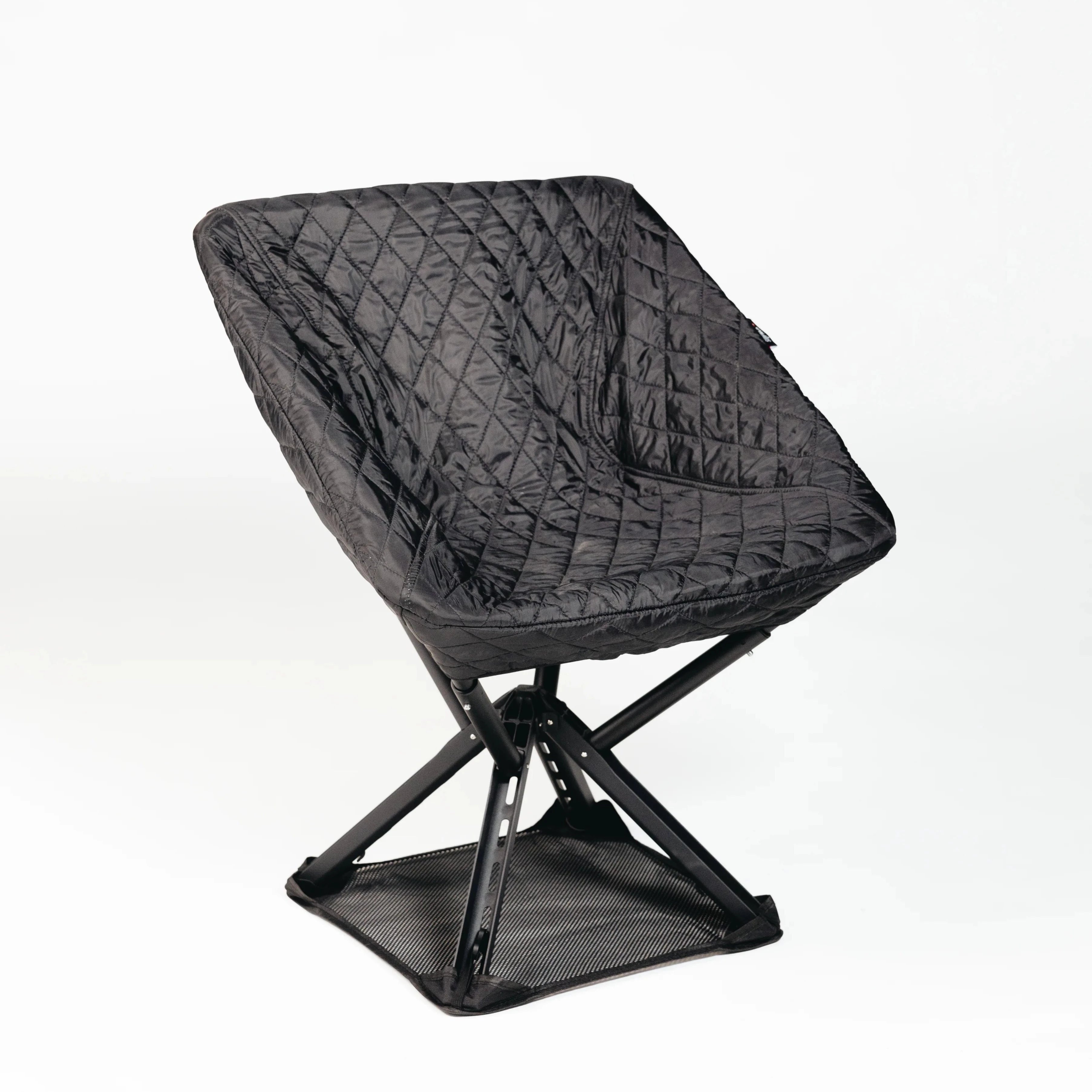
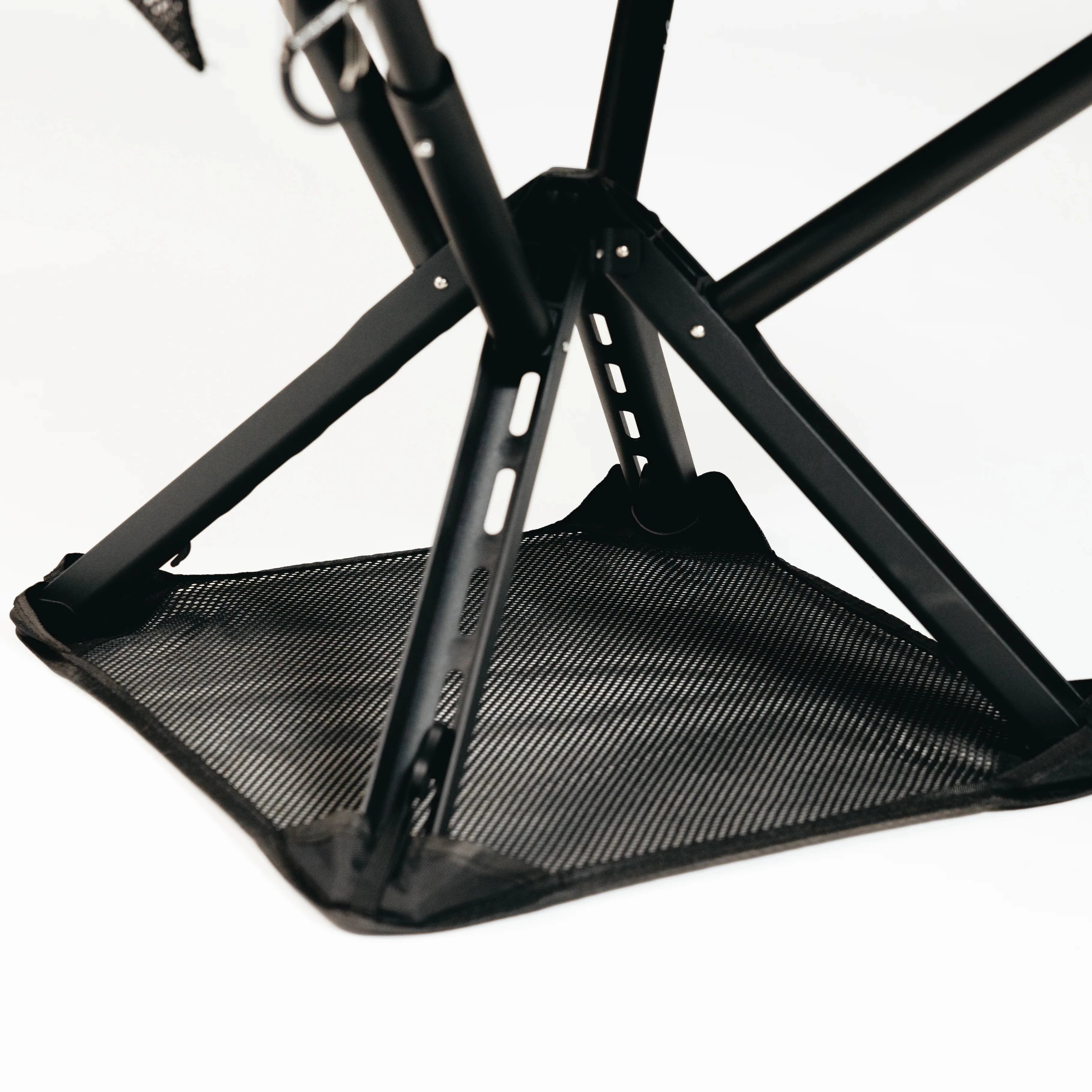
Sitpack builds portable camping seats designed around the same modular philosophy: lightweight, packable, and built to go wherever your kit goes. The Campster II and Sitpack Zen fold flat and attach to the outside of any pack without adding meaningful bulk. They’re built with durable materials, backed by a lifetime warranty, and sized to complement a lean modular setup rather than compete with it. If you’re rethinking your gear from the ground up, modular camping furniture is a natural next piece to consider. Your posterior will thank you.
Modular camping equipment is gear built from interchangeable components that you can mix, match, and swap based on your trip. Instead of one fixed kit, you build a custom setup from a base system and add-on modules.
Combining modular sleeping and clothing layers with standard shelter gear can reduce total pack weight by 12% compared to all-in-one gear. You only carry the components your specific trip actually requires.
Modular gear costs more upfront but saves money over time because you replace individual damaged parts rather than entire kits. Long-term, the cost per trip drops as your base system matures.
Modular systems perform best on 5–7 day or variable-condition trips where adaptability and weight savings matter most. Short 1–3 day trips with predictable conditions are often better served by traditional all-in-one gear.
Maintain a standardized foundation kit and use uniform container sizes to keep your system organized. Before every trip, audit your base kit and add only the modules that match that trip’s specific conditions.