Cart
0
Sign up and get 10$ off your order
Expected delivery
1-3 days
You may also like


Danish Company

TL;DR:
- Proper campsite setup and high R-value sleeping pads ensure comfort and warmth during camping.
- Smart layering with moisture-wicking, insulating, and weatherproof clothing maintains body temperature effectively.
- Portable seating, calorie-dense foods, and sleep hacks enhance relaxation, warmth, and overall outdoor experience.
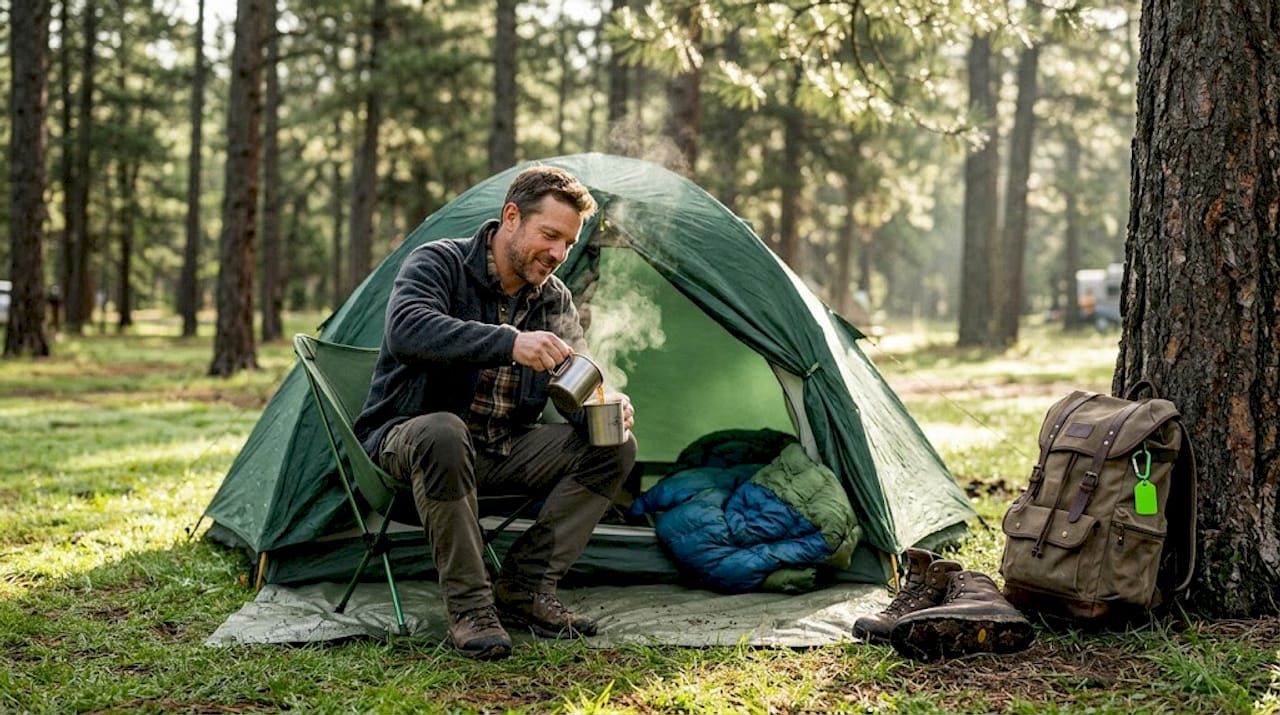
There’s nothing quite like waking up in the middle of nowhere, breathing in fresh pine air, and realizing your back aches, you’re freezing, and something lumpy is poking through your sleeping pad. Sound familiar? Camping often means trading home comforts for nature’s rewards, and that tradeoff doesn’t have to be brutal. Comfort isn’t just a luxury out there. It directly affects your sleep quality, physical recovery, and how much you actually enjoy the trip. In this guide, we’re sharing proven, experience-backed tips and smart gear ideas that’ll have you sleeping soundly and sitting pretty around the fire.
| Point | Details |
|---|---|
| Site selection matters | Choosing level and dry ground for your tent boosts comfort and sleep quality. |
| Layer clothing smartly | Wicking base layers and smart food choices keep you warmer through the night. |
| Portable seating enhances relaxation | Folding chairs and accessories transform your campsite into a comfortable retreat. |
| Sleep hacks make a difference | Stacked pads, liners, and routines help you wake refreshed in any weather. |
With the challenge of comfort introduced, let’s start by establishing the basics: your campsite foundation. Get this right, and everything else feels easier. Get it wrong, and even the fanciest sleeping bag won’t save you.
The first rule is simple: choose level ground. Sleeping on even a slight incline means you’ll spend half the night sliding toward one end of your tent. Spend an extra ten minutes scouting your site before committing. Look for natural windbreaks like trees or boulders, and avoid low-lying areas where cold air and moisture pool overnight.
Next up is insulation from the ground. The ground steals your body heat far faster than cold air does, which is why a high R-value sleeping pad is non-negotiable. R-value measures how well a pad resists heat transfer. A pad with an R-value of 2 is fine for summer camping. For three-season use, aim for R-3 to R-4. Cold weather camping calls for R-5 or higher.
Here’s a quick checklist for building your campsite comfort foundation:
Clothing choices matter just as much as gear. Layering moisture-wicking base layers made from Merino wool helps regulate your body temperature, and adding a liner to your sleeping bag can add 5 to 15°F of extra warmth without significant weight. That’s a huge return on a small investment.
Pro Tip: Toss your next day’s clothes into the bottom of your sleeping bag before you sleep. You’ll wake up to warm clothes instead of the shock of pulling on a cold shirt. Small wins matter out there.
For more ideas on what gear actually earns its place in your pack, check out our camping gear selection guide for a thorough breakdown.
With your campsite foundation sorted, keeping your body temperature regulated is the next big challenge. And here’s the thing: most campers get layering wrong because they overpack bulky items instead of building a smart system.
The golden rule is to ditch the cotton. Cotton absorbs moisture and holds it against your skin, which makes you feel cold and clammy fast. Instead, build your clothing system in three functional layers:
Eating before bed is another underrated warmth hack. Calorie-dense foods like nuts, cheese, or peanut butter eaten right before sleep give your body fuel to generate heat through the night. Your metabolism works as a natural furnace, but it needs wood to burn.
“Fill a water bottle with boiling water, wrap it in a sock or fleece, and slide it to the foot of your sleeping bag about 15 minutes before bed. You’ll climb into a pre-warmed bag that holds that heat for hours.”
One thing worth avoiding: alcohol around the fire might feel warming, but it actually causes your blood vessels to dilate, pushing heat to your skin where it escapes quickly. You’ll feel warmer briefly and then colder than before.
For a full rundown on building a smart, lightweight kit, our guide on packing light while camping has you covered without the gear overload.
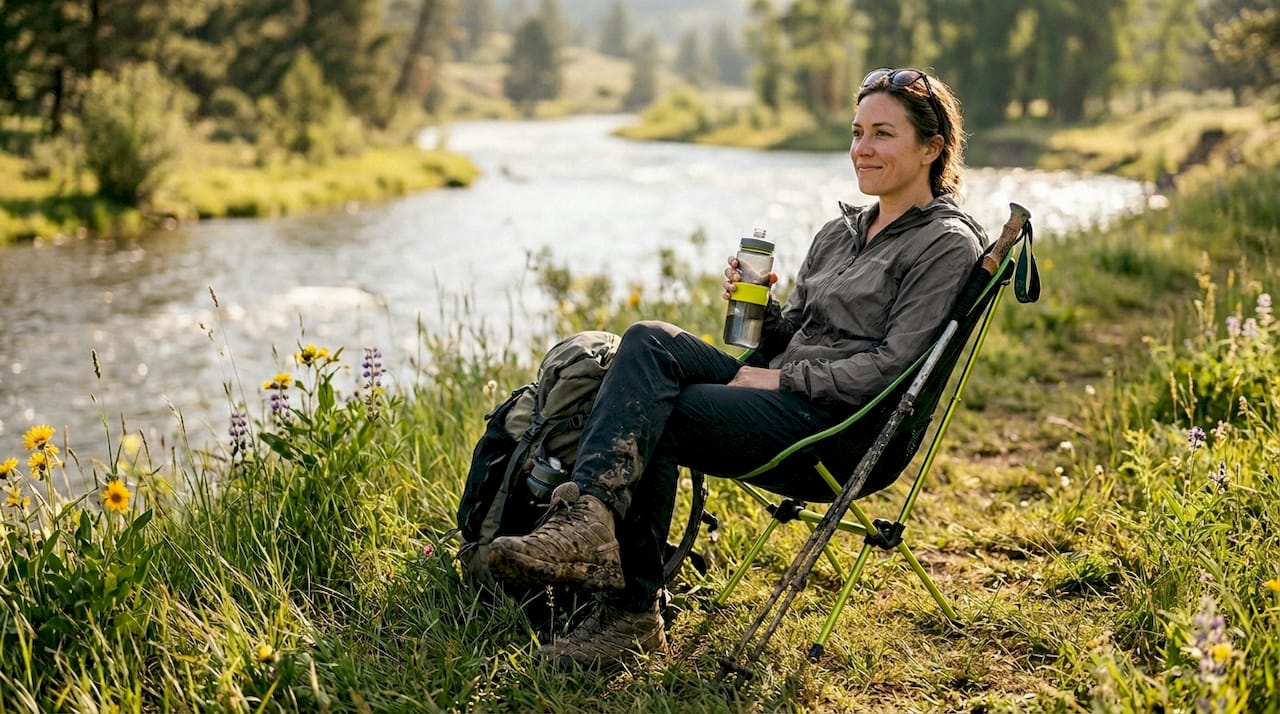
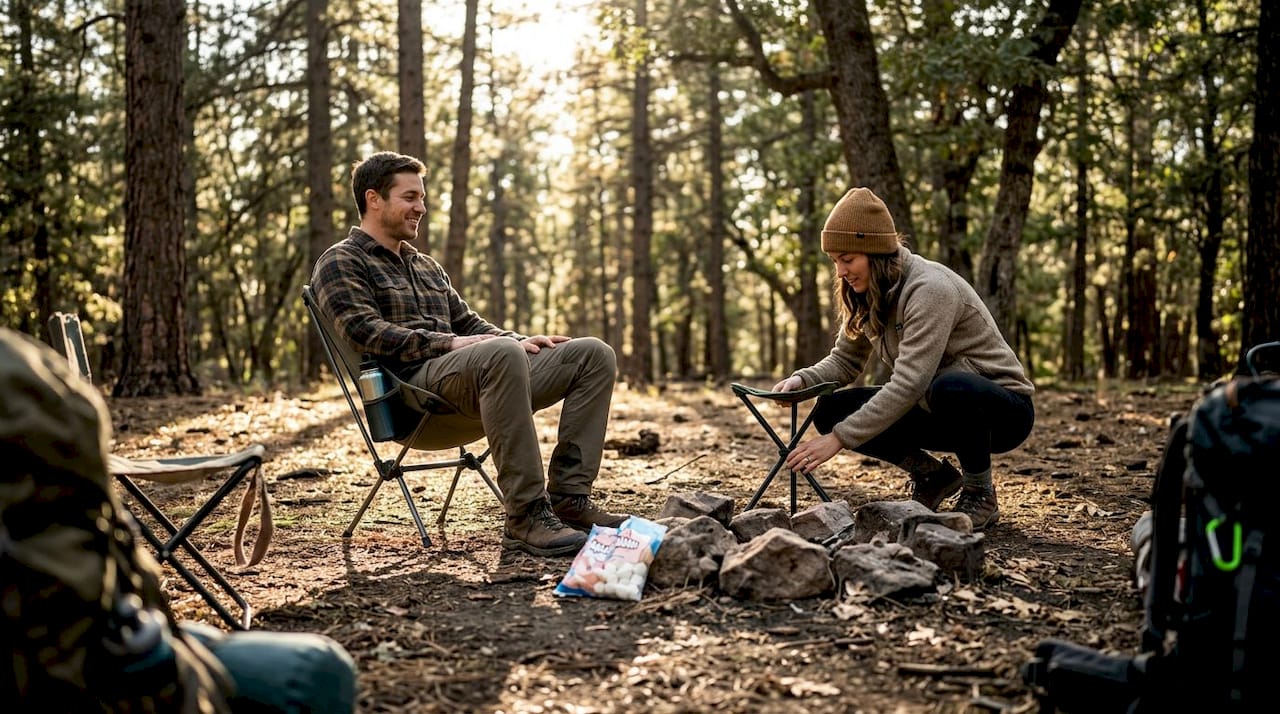
Once temperature is managed, the focus shifts to accessories that let you actually relax and enjoy your campsite. Because standing around a fire is fun for about ten minutes. After that, you want somewhere comfortable to park yourself.
Seating is where a lot of campers either overspend on heavy gear or underspend on flimsy chairs that fold in half under them. Camping comfort accessories and seating solutions make a genuinely significant difference to how relaxed you feel in camp. Here’s a quick comparison of the main options:
| Seating type | Weight | Packability | Back support | Best for |
|---|---|---|---|---|
| Folding camp chair | 1.5 to 3 kg | Bulky | Excellent | Car camping |
| Ultralight backpacking chair | 500 to 900 g | Compact | Good | Backpacking |
| Portable stool | 200 to 400 g | Very compact | Minimal | Ultralight use |
| Inflatable seat | 100 to 200 g | Tiny | Moderate | Festival or light use |
| Sitpack-style compact seat | Under 300 g | Pocket-sized | Good | Any adventure |
Beyond seating, a few small accessories punch well above their weight:
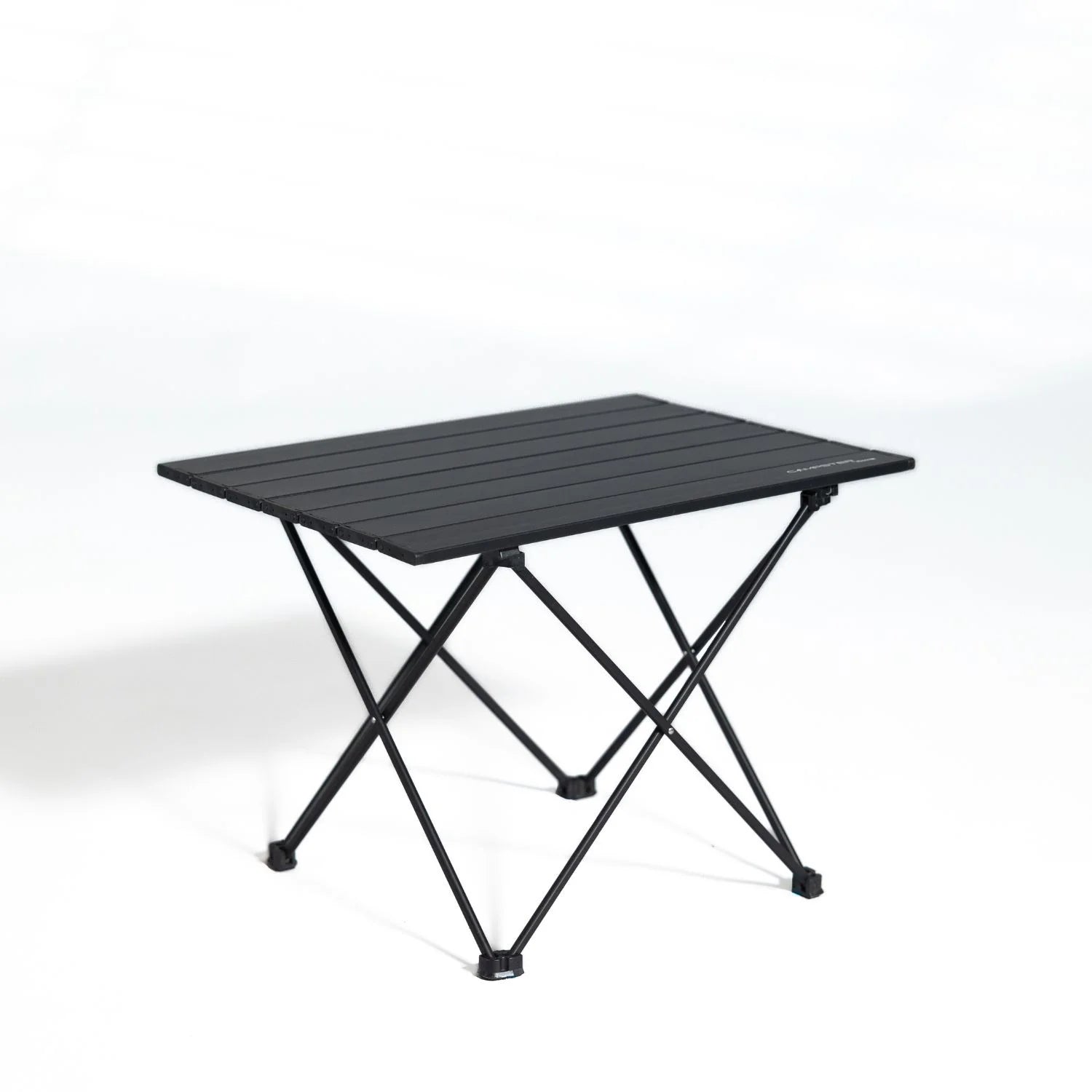
For ultralight campers, the priority is the lightest possible stool or packable seat. Family campers will appreciate a proper folding chair with armrests. Car campers can go all-in with full-size chairs and a small folding table.
Accessories handled, let’s move to the comfort drivers hiding in plain sight: what you eat, how much you drink, and how you structure your sleep.
Food plays a bigger role in camping comfort than most people realize. Your body generates heat by metabolizing food, so eating calorie-dense snacks before bed genuinely helps you stay warmer through the night. Think trail mix, nut butter, dark chocolate, or hard cheese. These aren’t just tasty; they’re working for you.
Here’s a quick look at the caloric value of popular camping snacks:
| Snack | Serving size | Calories | Warmth rating |
|---|---|---|---|
| Mixed nuts | 30 g | 180 kcal | High |
| Peanut butter | 2 tbsp | 190 kcal | High |
| Dark chocolate | 30 g | 170 kcal | Medium |
| Hard cheese | 30 g | 120 kcal | Medium |
| Dried mango | 30 g | 90 kcal | Low |
Hydration is just as critical. Dehydration impairs your body’s ability to regulate temperature, which makes you feel colder and less energetic. Aim for consistent water intake throughout the day, not just when you feel thirsty.
For sleep, the order of operations matters:
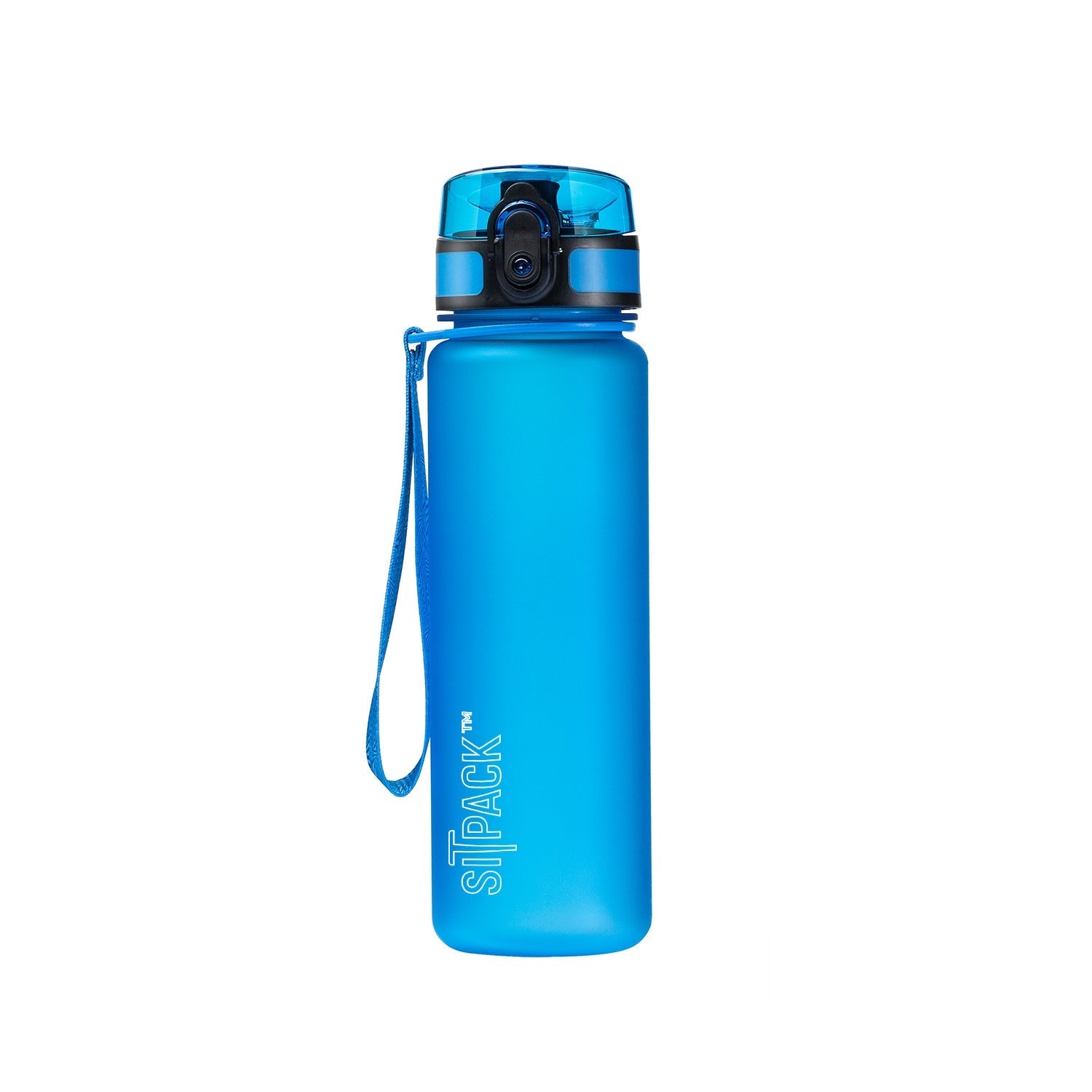
Pro Tip: Keep a small insulated water bottle near your sleeping bag overnight. Staying lightly hydrated through the night helps your body regulate temperature without making you get up constantly. A small sip before you drift off goes a long way.
For gear that supports solid sleep comfort camping, layering your sleep system with the right pad combination is the single biggest upgrade most campers can make.
Here’s something most outdoor gear content glosses over: comfort isn’t the opposite of adventure. It’s what makes adventure sustainable.
I’ve been on trips where tough conditions were the whole point, and I’ve been on trips where we dialed in every comfort detail and had the best time of our lives. The difference wasn’t the scenery or the challenge. It was energy. When you’re well-rested, warm, and not aching from sitting on a log all evening, you actually have the drive to do more the next day. You hike further, you stay up later around the fire, you’re better company.
Most camping guides celebrate suffering a little, as if discomfort is a badge of honor. But there’s nothing noble about cutting a trip short because you’re exhausted and cold. Smart comfort choices, from the right comfort accessories for camping to a properly layered sleep system, don’t make you soft. They make your trips longer and more inclusive for everyone in your group. That’s the real win.
If you’ve picked up a few ideas from this guide and you’re ready to act on them, we’ve got you covered. At Sitpack, we design portable seating and accessories specifically for outdoor enthusiasts who want lightweight, packable, and genuinely comfortable solutions without dragging a full living room into the wilderness.
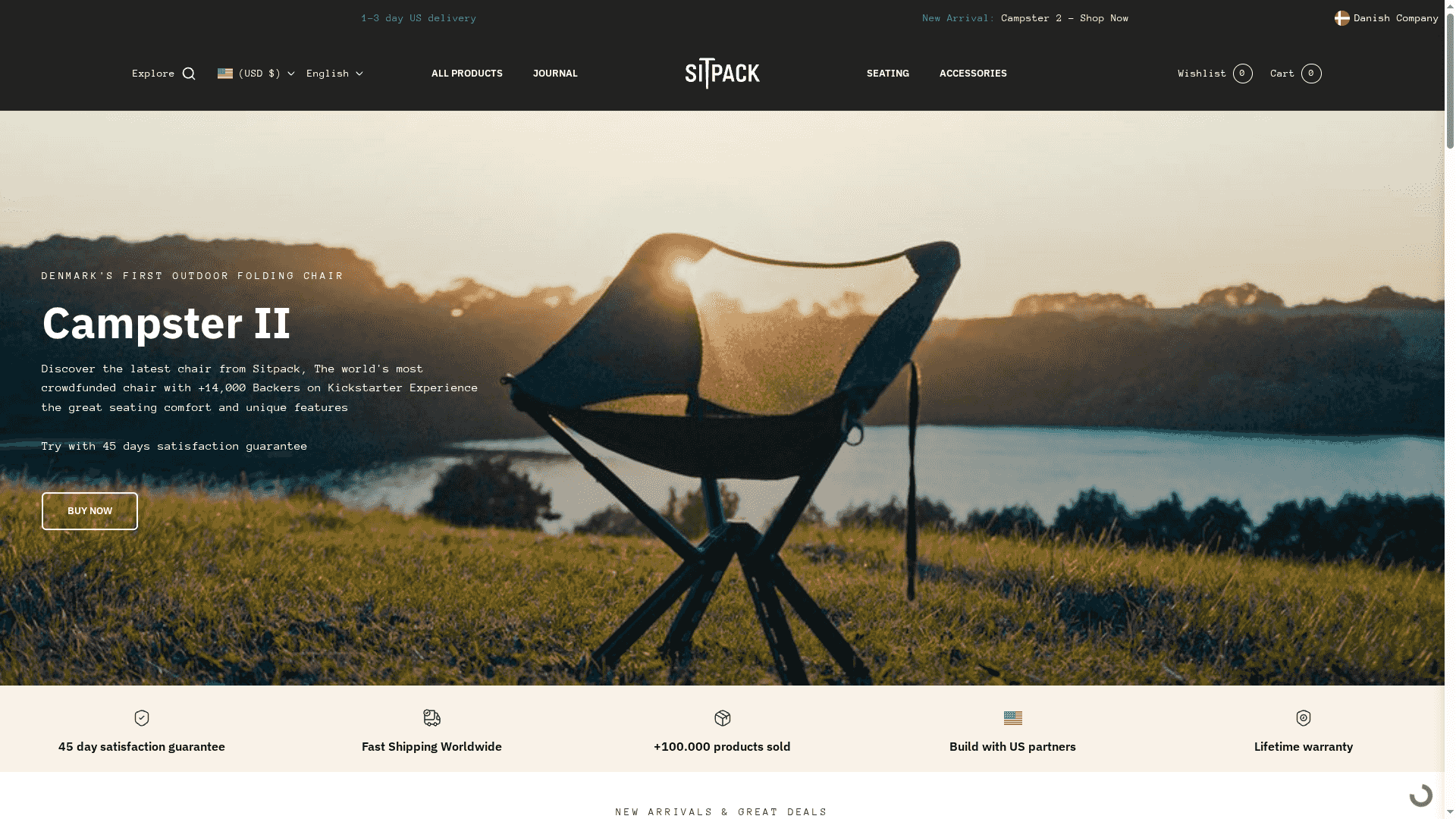
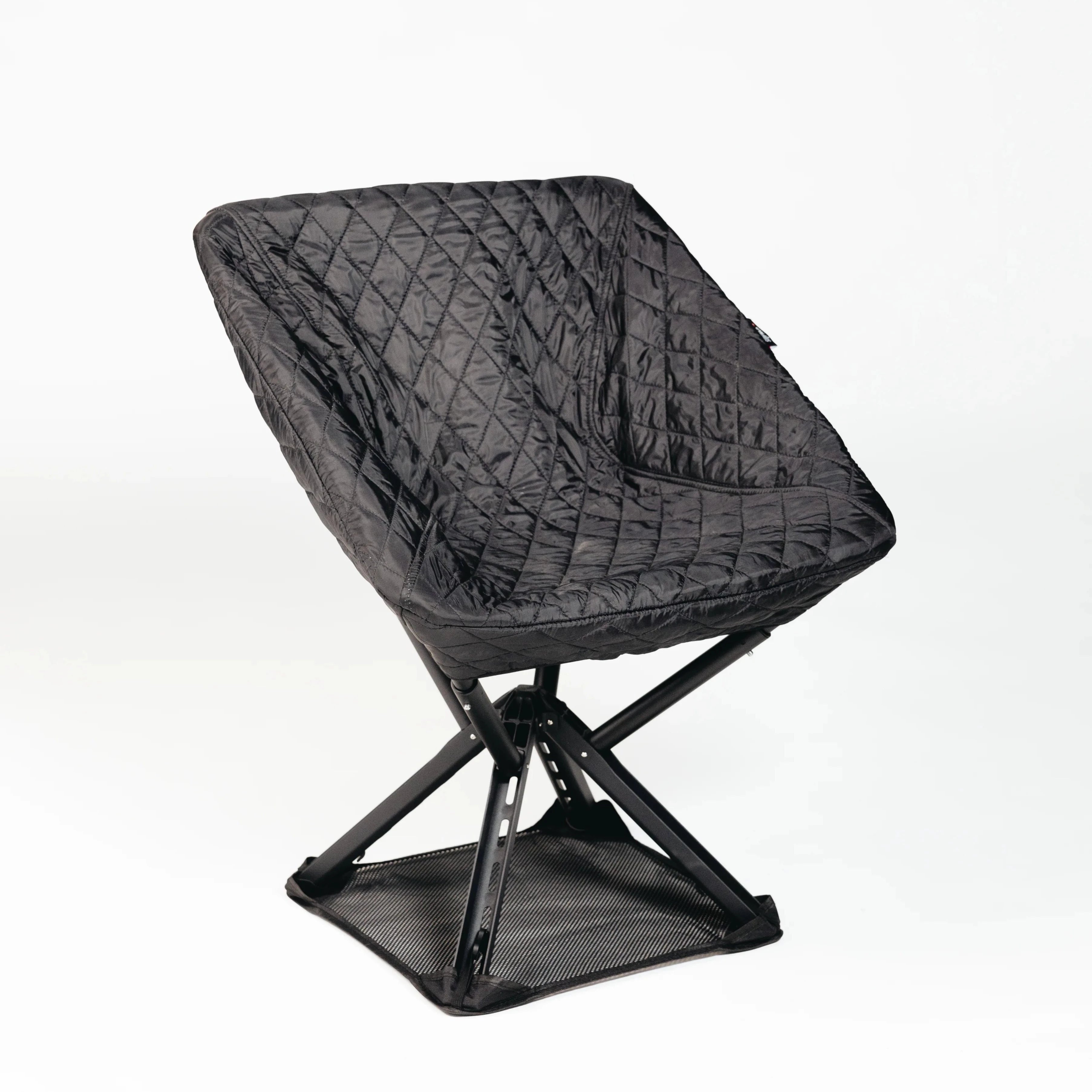
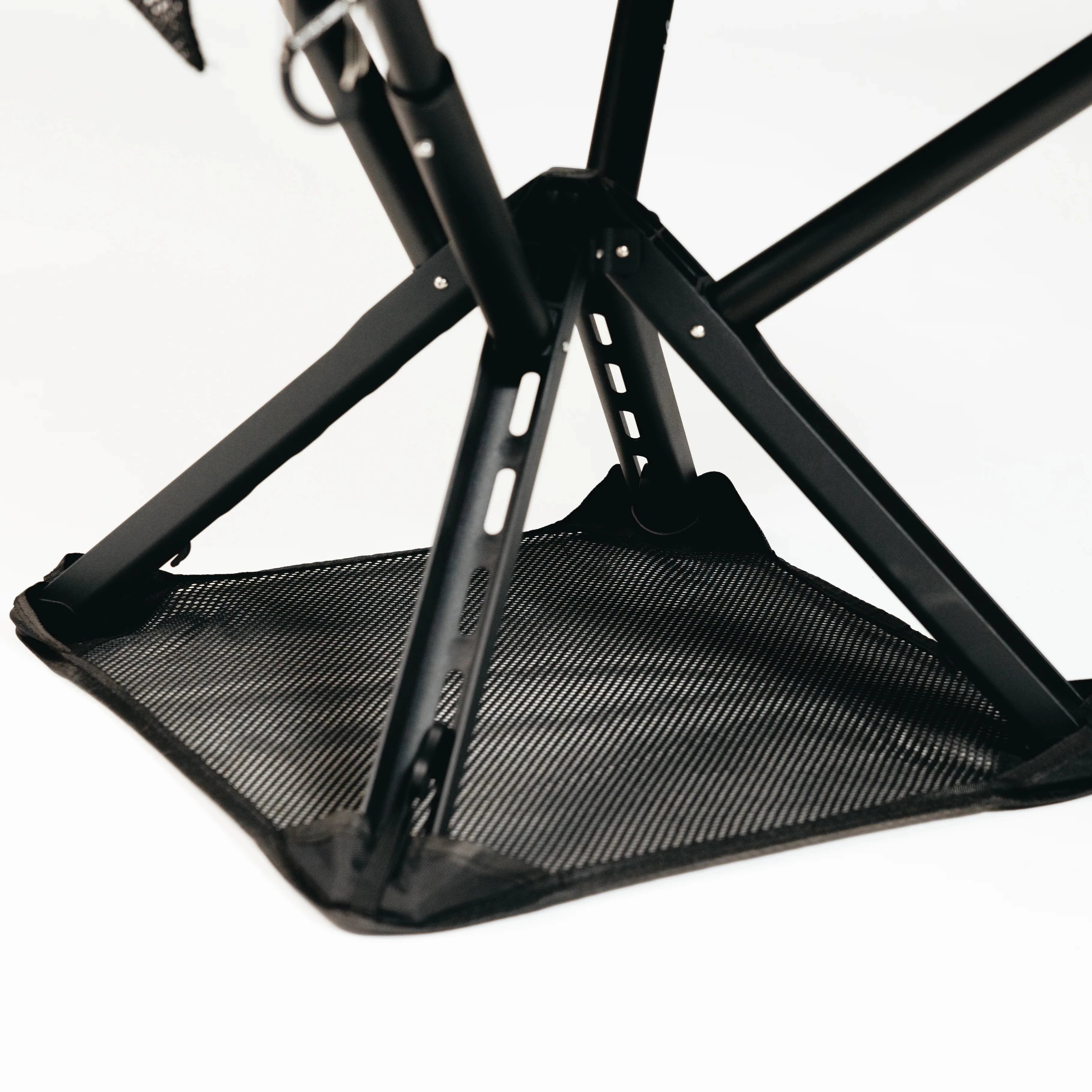
Our range includes the Campster II and Sitpack Zen, both built for real adventures where every gram matters and comfort still counts. We also have accessories like seat warmers and insulated bottles that pair perfectly with the practical tips in this guide. If you want more comfort ideas for camping, our blog is packed with honest, practical guides written by people who actually use this stuff outdoors.
Use moisture-wicking base layers like Merino wool, add a sleeping bag liner for 5 to 15°F of extra warmth, and eat calorie-dense foods like nuts or nut butter right before bed to fuel your body’s natural heat production.
Absolutely. Seating solutions significantly improve relaxation and socialization in camp, and modern ultralight options weigh well under 500 grams, so there’s no excuse to stand around all evening.
Stacking foam and inflatable pads together can hit an R-5+ insulation rating, and combining that with a sleeping bag liner and a consistent bedtime routine makes a dramatic difference in overnight comfort.
Calorie-dense foods like mixed nuts, peanut butter, hard cheese, and dark chocolate eaten before bed give your metabolism the fuel it needs to generate steady body heat through the night.