Cart
0
Sign up and get 10$ off your order
Expected delivery
1-3 days
You may also like


Danish Company

Choosing the wrong camping gear can turn an exciting outdoor adventure into a miserable ordeal marked by sleepless nights, exposure to the elements, and safety risks. Whether you’re a weekend warrior or planning an extended backcountry trek, selecting reliable, comfortable gear tailored to your trip type and conditions is essential for enjoying the wilderness. This guide walks you through practical methods and expert tips for choosing shelter, sleep systems, kitchen equipment, clothing, and safety essentials that deliver genuine comfort and durability. You’ll learn how to customize your gear checklist based on weather, trip length, and camping style, avoid costly mistakes with cheap equipment, and prepare systematically so you can focus on the experience rather than gear failures.
| Point | Details |
|---|---|
| Shelter and sleep first | Organize your kit starting with shelter and sleep systems to ensure warmth, dryness, and rest. |
| Gear chosen by trip type | Customize your checklist based on season, terrain, camping style, and group size. |
| Quality gear matters | High quality gear increases comfort and durability. |
| Adjust insulation to weather | Adjust insulation levels to match expected conditions so you stay warm without overheating. |
| Practice setup before trip | Practice assembling your shelter and sleep system to avoid surprises during camping. |
Successful camping begins with understanding the Big Four gear categories: shelter, sleep system, pack, and footwear. These items dominate your comfort, safety, and pack weight, making them the highest priority for careful selection. Core camping gear categories include shelter, sleep system, kitchen equipment, clothing, and safety essentials, with checklist methodologies helping you customize selections based on trip length, weather conditions, and group size. Car camping gear differs dramatically from backpacking ultralight setups because vehicle access eliminates weight constraints, allowing bulkier comfort items like spacious tents, padded chairs, and full-size coolers. Backpackers must obsess over every ounce, choosing minimalist shelters, compressed sleep systems, and dehydrated meals.
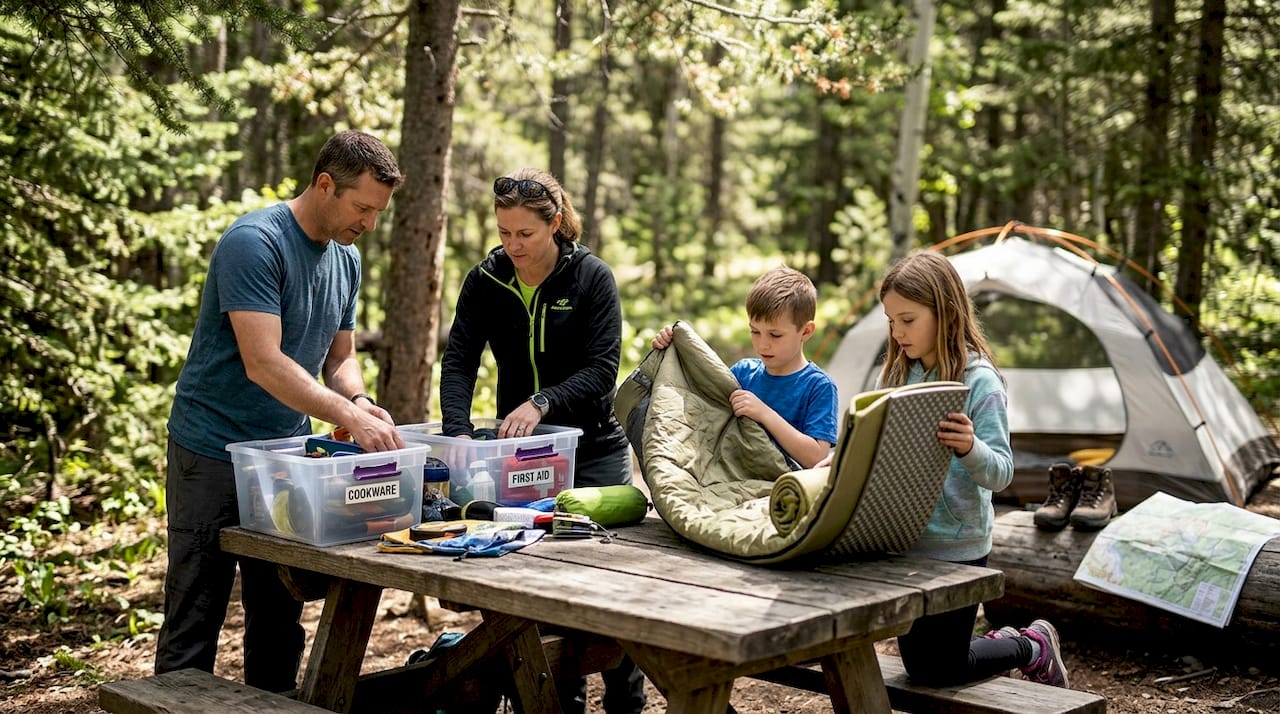
Organizing your gear in labeled bins or stuff sacks by category enhances packing efficiency and ensures nothing critical gets left behind. Start by building your ultimate camping gear kit around shelter and sleep system first, since these directly determine whether you stay dry, warm, and rested. Once you secure reliable shelter and insulation, you can confidently add kitchen equipment, clothing layers, and safety tools tailored to your specific adventure.
The checklist method works by creating trip-specific lists that account for season, terrain, and group dynamics. Summer lake camping requires minimal insulation but prioritizes sun protection and water activities gear. Winter mountain camping demands high R-value pads, four-season tents, and extensive layering systems. By systematically addressing each category with this customized approach, you avoid both overpacking unnecessary items and dangerous gaps in essential protection.
Your tent serves as home base in the wilderness, making shelter selection one of the most consequential gear decisions you’ll make. Tent selection methodology balances space and comfort, weather resistance, ease of setup, and weight, with reputable outdoor labs scoring models on these metrics to help you compare performance objectively. The Big Agnes Copper Spur UL2, for example, scores 80 out of 100 by excelling in livability and weight while offering solid weather protection for three-season use. Car camping tents prioritize spacious interiors, standing height, and comfort features like room dividers and storage pockets, since weight barely matters when you park steps from your campsite. Backpacking tents flip these priorities, focusing obsessively on minimizing pack weight and volume while maintaining adequate weather resistance and quick setup.
Premium four-season tents like the Hilleberg Jannu score 9.0 in storm resistance and durability compared to budget three-season models, justifying their higher cost for mountaineering and winter camping where tent failure could prove life threatening. These high-end shelters use reinforced pole structures, expedition-grade fabrics, and bomb-proof stake-out systems that withstand hurricane-force winds and heavy snow loads. For most recreational campers, a well-reviewed three-season tent offers the best balance of performance, weight, and cost.
Pro Tip: Practice setting up your tent at home before your trip to identify any missing stakes or poles, understand the setup sequence, and build muscle memory so you can pitch it quickly in fading light or bad weather.
When comparing tents, use this decision framework:
| Factor | Car Camping Priority | Backpacking Priority |
|---|---|---|
| Weight | Low (5-15 lbs acceptable) | Critical (under 4 lbs ideal) |
| Interior Space | High (standing room valued) | Moderate (efficient layout) |
| Setup Time | Moderate (10-15 min OK) | Fast (under 5 min preferred) |
| Weather Rating | 3-season sufficient | Match to conditions |
| Cost Range | $150-400 | $250-600 |
Weather resistance deserves special attention because even three-season tents vary dramatically in how they handle wind-driven rain and sustained storms. Look for full-coverage rainflies, bathtub floors with at least 5 inches of waterproof sidewall, and sealed seams throughout. Vestibules provide crucial covered storage for boots and packs, keeping your sleeping area dry and organized. Comparing portable fire options can also enhance your campsite comfort once shelter is secured.
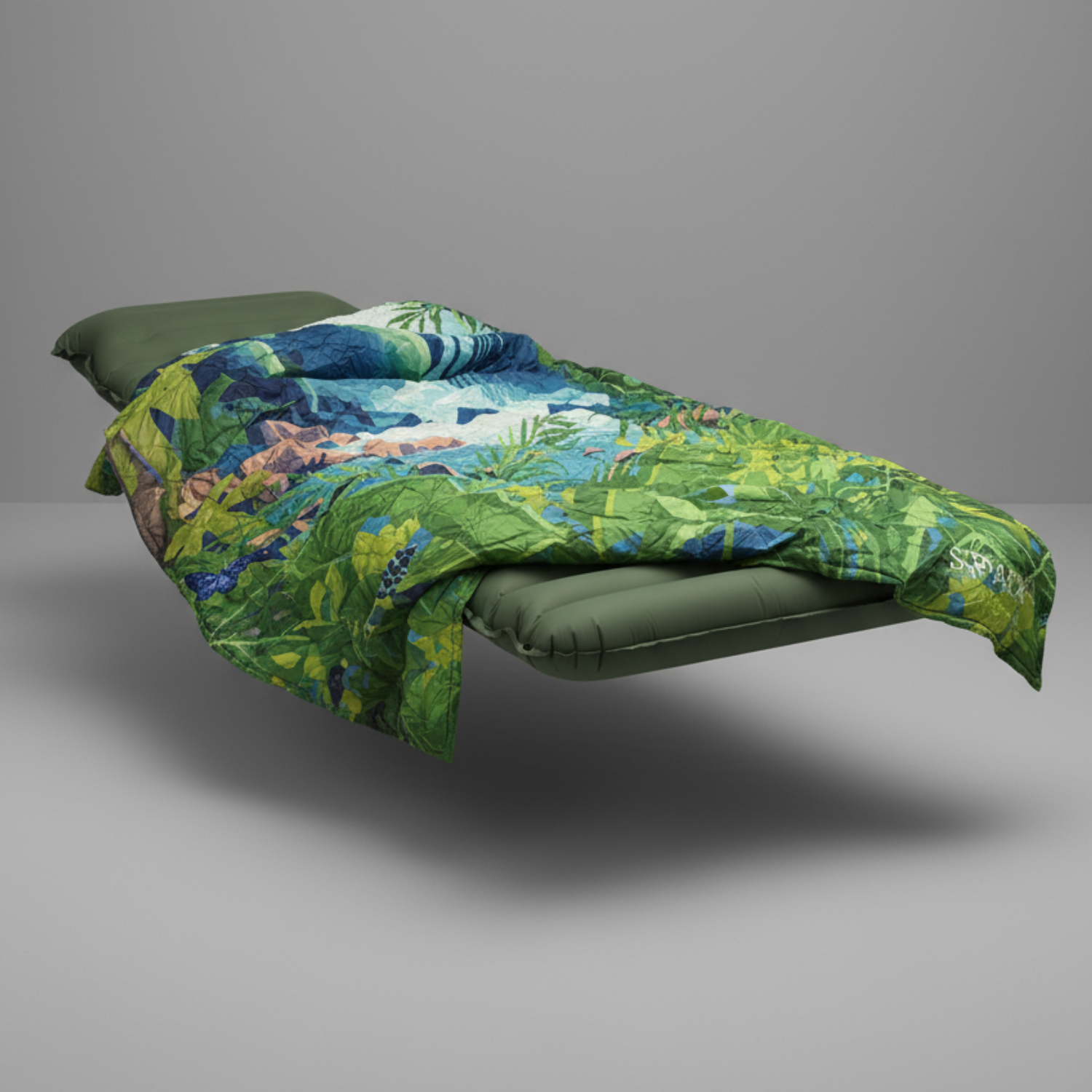
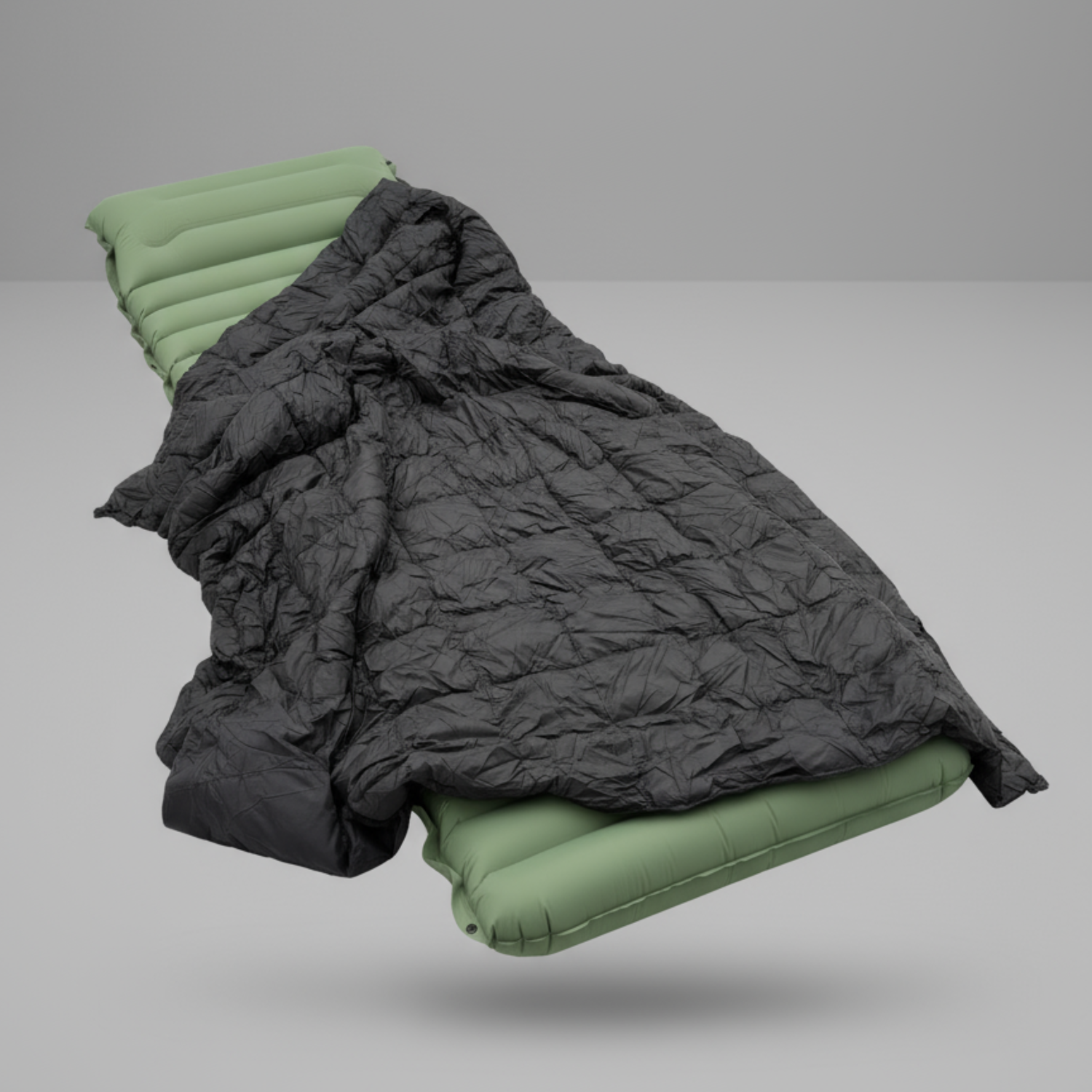
Your sleep system combines sleeping bag and pad to create an integrated insulation barrier between your body and the cold ground. Sleeping bag temperature ratings define the lowest temperature at which an average sleeper remains comfortable, but these ratings assume you’re using an adequately insulated pad beneath you. Sleep system effectiveness relies on R-value for pad insulation and bag temperature ratings, with ground heat loss dominating your thermal comfort more than most campers realize. A zero-degree sleeping bag provides zero warmth if you place it directly on frozen ground without an insulated pad, because conductive heat loss through compression crushes the bag’s loft beneath you.
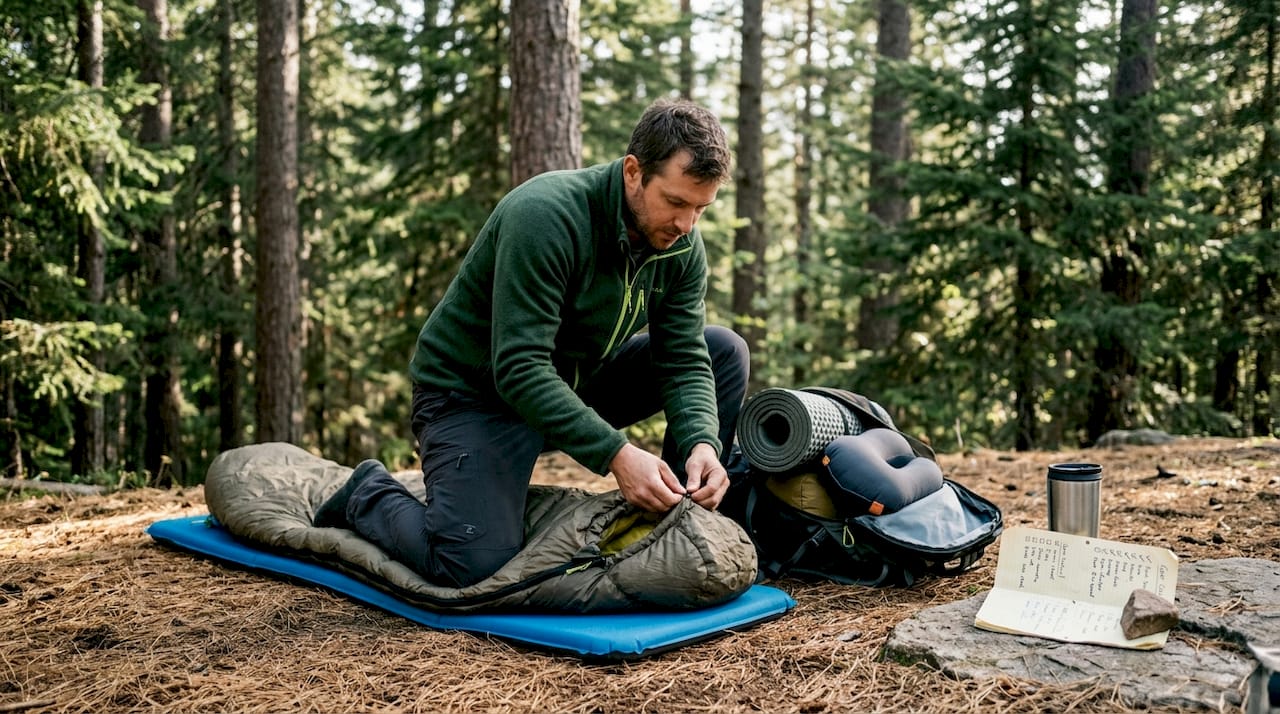
Pad R-value measures resistance to heat flow, with higher numbers indicating better insulation. R-values stack additively when you layer multiple pads, allowing you to boost warmth for unexpectedly cold conditions. Summer camping requires R-values between 1 and 2.5, three-season camping needs R-values from 2.5 to 4.5, and winter camping demands R-values of 4.5 or higher. These ranges assume you’re pairing the pad with an appropriately rated sleeping bag for the expected low temperature.
| Season | Pad R-Value | Bag Rating | Combined System |
|---|---|---|---|
| Summer | 1.0-2.5 | 35°F-50°F | Warm nights above freezing |
| 3-Season | 2.5-4.5 | 15°F-35°F | Spring through fall camping |
| Winter | 4.5+ | 0°F-15°F | Snow camping and cold weather |
| Extreme | 6.0+ | Below 0°F | Mountaineering and polar |
Pro Tip: Rent or borrow sleeping bags and pads before investing heavily to test comfort, warmth, and your personal sleep style, since individual cold sensitivity varies dramatically and an uncomfortable sleep system ruins trips.
Testing gear in real conditions and stacking pads adds R-value for colder climates, giving you flexibility to adapt your sleep system as seasons change without buying entirely new equipment. A summer pad (R-2.0) combined with a closed-cell foam pad (R-2.0) creates a four-season system (R-4.0) suitable for shoulder-season camping. This modular approach saves money and pack space compared to owning separate sleep systems for each season.
Sleeping bag shape matters too. Mummy bags maximize warmth-to-weight ratio by minimizing air space, making them ideal for backpacking. Rectangular bags offer more room to shift positions and can unzip fully to function as blankets, perfect for car camping comfort. Semi-rectangular bags split the difference, providing reasonable warmth efficiency with better mobility than mummy designs. Optimizing your camping accessory workflow includes coordinating your sleep system with other comfort items for maximum rest quality.
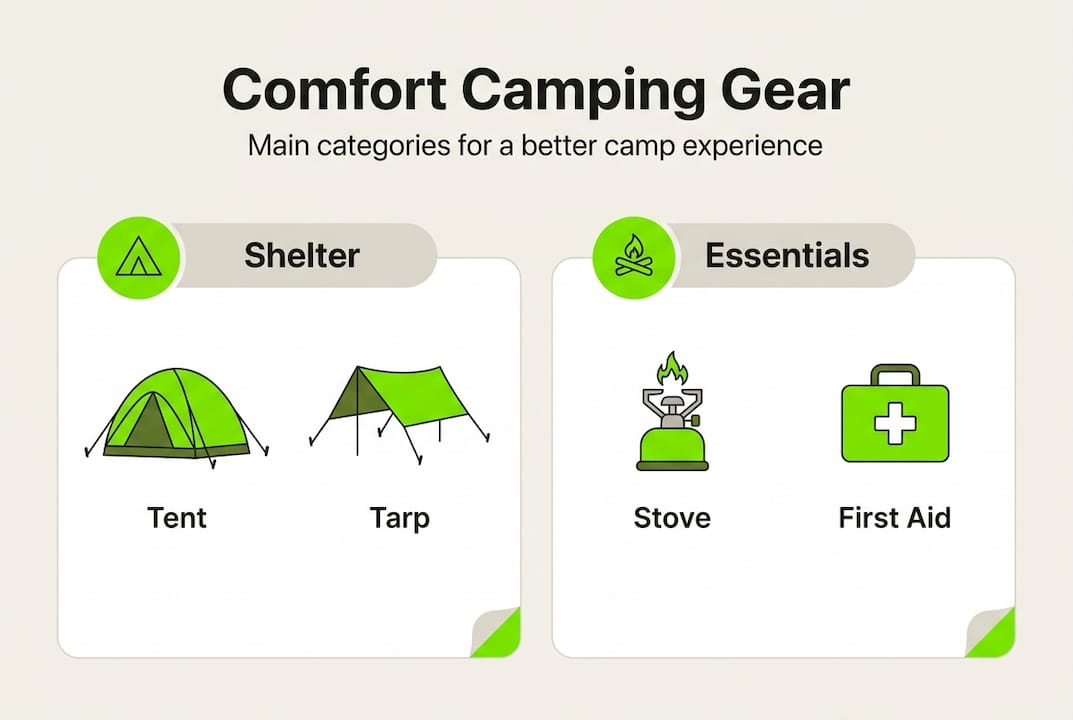
Beyond shelter and sleep, your camping kitchen, clothing layers, and safety equipment complete your gear system. Car camping prioritizes bulky comfort items while backpacking opts for ultralight stoves and dehydrated food to minimize pack weight. Car campers enjoy propane stoves with multiple burners, full-size coolers, cast iron cookware, and fresh ingredients because vehicle access eliminates weight penalties. Backpackers carry canister stoves weighing ounces, titanium pots, and freeze-dried meals that rehydrate with boiling water, sacrificing culinary variety for mobility.
Clothing layers follow the same trip-specific logic. The layering system uses a moisture-wicking base layer next to skin, an insulating mid layer for warmth, and a waterproof shell layer for weather protection. This modular approach lets you add or remove layers as activity level and conditions change throughout the day. Avoid cotton entirely in favor of synthetic or merino wool fabrics that retain insulating properties when damp.
Safety essentials include navigation tools (map, compass, GPS), first aid kit, headlamp with extra batteries, fire starter, emergency shelter, and communication device. These items address the most common camping emergencies: getting lost, minor injuries, equipment failure after dark, and inability to signal for help.
Top five kitchen items for typical camping:
Top five safety essentials:
When packing light for camping, prioritize multi-use items that serve several functions, reducing overall gear count without sacrificing capability. A bandana works as sweat rag, water filter pre-filter, pot holder, and emergency bandage. Trekking poles double as tent poles for ultralight shelters. A stuff sack becomes a camp pillow when filled with spare clothes.
Budgeting realistically for camping gear prevents both overspending on unnecessary features and dangerous underspending on critical items. Budget $600 to $900 for beginner essentials including tent, sleep system, pack, and basic accessories, allocating the largest portion to shelter and insulation since these determine comfort and safety most directly. This range assumes mid-tier quality gear that balances performance and cost, avoiding both bargain-bin failures and premium expedition equipment you don’t need yet.
Testing your tent and sleep system setup at home eliminates field surprises and builds confidence in your gear. Pitch your tent in the backyard, sleep in your bag on your pad for a night, and identify any missing stakes, broken zippers, or comfort issues while you can still exchange or repair items. This practice run also teaches you the setup sequence so you can execute it quickly when you arrive at camp tired and hungry.
Checking weather forecasts in the days before your trip allows you to adjust insulation levels, pack appropriate clothing layers, and prepare for conditions rather than hoping for the best. A forecast showing overnight lows ten degrees colder than expected might prompt you to add an extra sleeping pad, warmer bag liner, or additional insulation layers. Conversely, warmer than expected conditions let you leave heavy gear at home, reducing pack weight and increasing mobility.
Pro Tip: Renting expensive specialized gear like four-season tents, winter sleeping bags, or mountaineering equipment for your first few trips in those conditions saves hundreds of dollars and prevents costly mistakes before you understand your actual needs and preferences.
Warning: Unreliable cheap gear fails at the worst possible moments. A $40 tent that leaks during a rainstorm or a $30 sleeping bag that loses loft after three uses creates dangerous situations and ultimately costs more when you replace it with quality equipment. Invest appropriately in items that keep you alive and comfortable.
Additional expert preparation tips:
Building your ultimate camping gear kit becomes easier as you gain experience and understand which features matter most for your camping style and typical conditions. Start with reliable basics, test thoroughly, and upgrade strategically based on actual field experience rather than marketing hype.
Now that you understand the systematic approach to selecting camping gear for comfort and durability, you’re ready to build or refine your personal kit. Sitpack offers expert-curated camping gear solutions including innovative portable seating that transforms campsite comfort without adding significant weight or bulk. Our ultimate camping gear kit guide provides detailed product recommendations and customizable checklists that help you implement the selection strategies covered in this article.
Whether you’re upgrading a single component or building a complete system from scratch, accessing practical resources and proven gear recommendations accelerates your preparation and increases confidence. Visit Sitpack to explore portable chairs, accessories, and comprehensive camping resources designed specifically for outdoor enthusiasts who refuse to compromise on comfort or quality during their adventures.
R-value selection depends on the lowest temperature you expect during your trip. Summer camping requires R-values between 1 and 2.5, three-season camping needs R-values from 2.5 to 4.5, and winter camping demands R-values of 4.5 or higher. You can stack multiple pads to add their R-values together for extra warmth in unexpectedly cold conditions.
Balance space and comfort, weather resistance, ease of setup, and weight based on your camping style. Car campers should prioritize interior space and comfort features since weight doesn’t matter, while backpackers must focus on minimizing weight and pack size while maintaining adequate weather protection. Match tent season rating (three-season versus four-season) to your typical camping conditions and expected weather challenges.
Rent specialized or expensive gear for your first few trips to test functionality and comfort before committing to a purchase. This approach saves hundreds of dollars and prevents buying equipment that doesn’t match your actual needs or preferences. Once you understand your camping style and typical conditions, invest in quality gear that fits your confirmed requirements rather than guessing based on marketing claims.
Use the checklist method customized by trip type, season, and weather forecast to ensure you pack all essentials without unnecessary items. Organize gear in labeled bins or stuff sacks by category (shelter, sleep, kitchen, clothing, safety) so you can quickly locate items and verify nothing is missing. Create a master digital checklist that you refine after each trip, adding forgotten items and removing unused gear to continuously improve your system.