Cart
0
Sign up and get 10$ off your order
Expected delivery
1-3 days
You may also like


Danish Company


TL;DR:
- Getting your outdoor relaxation setup right improves comfort and reduces stress, making your outdoor time more beneficial. Selecting lightweight, eco-friendly chairs with quick setup and appropriate seat height ensures you enjoy your environment comfortably regardless of activity type. Pairing the gear with mindful practices enhances relaxation, turning simple outdoor moments into truly restorative experiences.
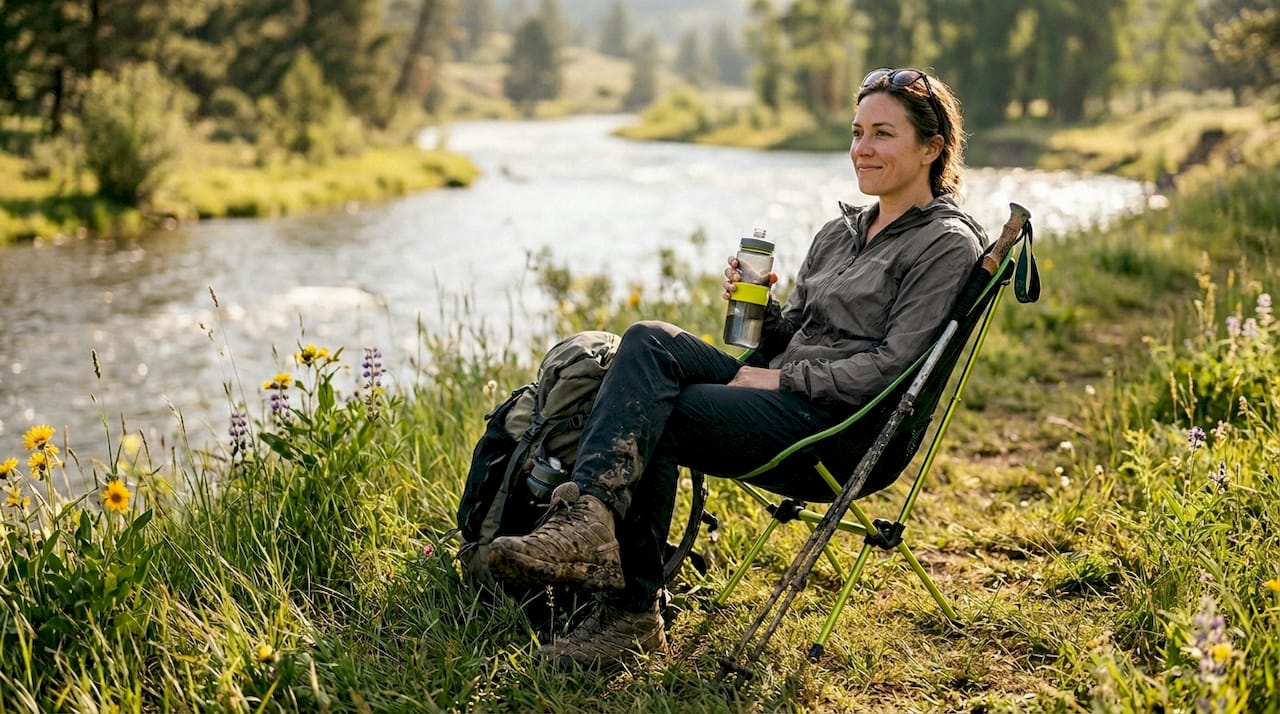
There’s a familiar frustration that hits when you’ve hiked to a gorgeous viewpoint, found the perfect spot overlooking a valley, and then realized you have nowhere comfortable to sit. You’re either plonking your posterior down on a sharp rock, standing awkwardly, or wrestling with a bulky, back-breaking folding chair you wish you’d left in the car. Green spaces reduce cortisol by up to 28% with just 20 to 30 minutes of exposure, which means getting your outdoor relaxation setup right isn’t just about comfort. It’s genuinely good for your health, and it’s worth doing properly.
| Point | Details |
|---|---|
| Portable setup matters | Choosing the right lightweight, stable chair can dramatically increase outdoor comfort and relaxation. |
| Eco-friendly options excel | Top portable chairs increasingly use recycled, certified materials without sacrificing durability or comfort. |
| Mindfulness enhances benefits | Combining comfortable seating with basic mindfulness techniques significantly increases relaxation and stress relief. |
| Match gear to use case | Evaluate your chair based on terrain, typical activities, and any mobility or accessibility needs. |
| Prioritize experience over gear | Ultimate relaxation outdoors comes from blending quality equipment with personal rituals and presence. |
Before you spend a single dollar on gear, it helps to get honest with yourself about what you actually need. Are you a weekend car camper who doesn’t mind a few extra pounds? A fastpacking obsessive who counts grams? Or somewhere in between, hauling your kit on day hikes and needing something that sets up in seconds?
The four factors that matter most are weight, packed size, setup speed, and material sustainability. These aren’t marketing buzzwords. They’re the real levers that determine whether your chair gets left at home or becomes the piece of gear you refuse to leave without.
Weight and packed size go hand in hand. A chair that folds down to the size of a wine bottle and weighs under two pounds is genuinely packable. Anything heavier than four pounds starts to feel like a burden once you’re two miles into a trail. Setup speed matters more than people admit. If your chair takes ten minutes and a YouTube tutorial to assemble, you’ll dread unpacking it. The best chairs pop together in under a minute. Sustainability is increasingly non-negotiable for outdoor enthusiasts who care about the places they visit. Choosing gear built from recycled materials or eco-friendly gear choices reduces your footprint without compromising performance.
Seat height and design are also worth thinking through carefully. There are broadly two philosophies here:
Research on chairs like the Helinox Chair Zero LT confirms that low seats suit agile users well but can genuinely challenge those with mobility limitations, especially on sand or uneven terrain where sinking and wobbling become real issues.
Explore the full range of types of portable chairs to understand which design category matches your lifestyle before buying anything.
Pro Tip: Always test your chair’s stability on actual terrain before heading out for extended use. Your backyard grass is not the same as a rocky alpine meadow or soft beach sand. A five-minute stability test saves a lot of disappointment later.
Once you’ve figured out what you need, it’s time to look at what’s actually out there. The market for ultralight, eco-conscious portable seating has genuinely improved in recent years, and a couple of options stand out for getting both the performance and the sustainability story right.
Helinox Chair One (re): This chair is something of a gold standard in the ultralight category. It weighs just 2.25 lbs, holds up to 320 lbs, and uses recycled DAC aluminum in the frame alongside bluesign-certified polyester in the seat fabric. The bluesign certification is meaningful because it verifies that the fabric was produced with minimal environmental impact, covering water use, chemical safety, and worker welfare.
The Chair One (re) sets up in under two minutes once you get the hang of it, and the seat height is comfortable enough for most users. It’s the kind of chair you pull out on a multi-day backpacking trip and feel quietly smug about. Compact, light, and genuinely sustainable.
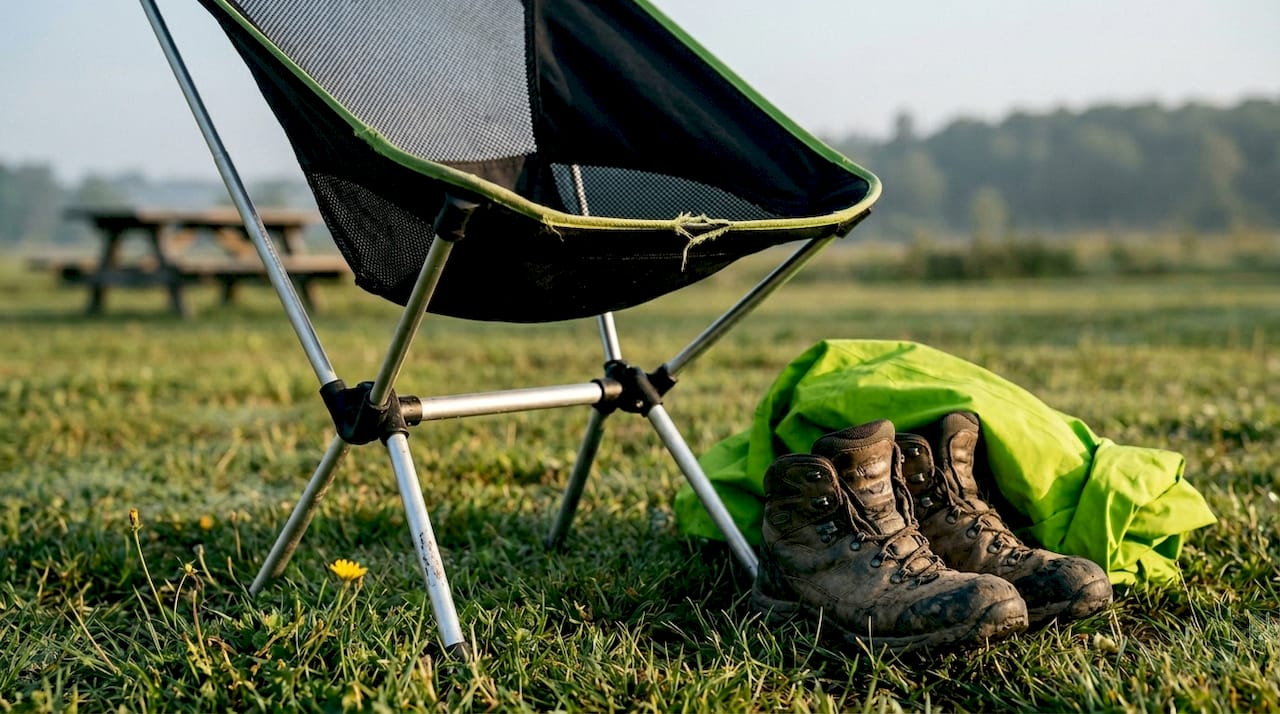
REI Flexlite Camp Dreamer: If you want something a step up in comfort, especially for longer sits around a basecamp, the Camp Dreamer weighs 3 lbs 7 oz and holds up to 300 lbs. It uses 300D ripstop polyester for the seat and aluminum legs for the frame, resulting in a noticeably stable platform that doesn’t wobble when you shift your weight. The padding is more generous than most ultralight chairs, making it a smart pick for people who plan to sit for a while rather than just take a breather.
When evaluating any eco-friendly portable chair, look for these specific features:
Don’t overlook maintenance as a sustainability factor. A chair you care for properly can last a decade, which is far better for the environment than buying a cheapo chair every two seasons. Understanding eco-friendly design strategies also helps when comparing options beyond chairs, including backpacks and other carry systems.
Pro Tip: When evaluating new gear, always check for third-party eco-certifications like bluesign. Brand-owned “eco” labels are often marketing. Independent certifications carry actual weight because they require third-party audits.
Browsing outdoor comfort tips alongside these reviews can help you think about your full kit, not just the chair itself.
Numbers and prose are useful, but sometimes you just want the facts lined up in a row. Here’s a quick-glance comparison of the top options discussed:
| Feature | Helinox Chair One (re) | REI Flexlite Camp Dreamer |
|---|---|---|
| Weight | 2.25 lbs | 3 lbs 7 oz |
| Weight capacity | 320 lbs | 300 lbs |
| Seat height | ~13.8 inches | ~17 inches |
| Frame material | Recycled DAC aluminum | Aluminum alloy |
| Fabric | bluesign-certified polyester | 300D ripstop polyester |
| Setup time | Under 2 minutes | Under 3 minutes |
| Best for | Ultralight backpacking | Car camping, basecamp |
| Eco credentials | Strong (recycled materials, certified fabric) | Moderate (durable build, long lifespan) |
| Price range | $$$$ | $$$ |
Now, who actually suits each option? Here’s the honest breakdown:
You can compare chair options in much more detail to find the right fit for your specific adventures and budget.
Here’s where things get genuinely interesting. Most gear guides stop at “buy this chair.” But the research is pretty clear: the chair gets you comfortable, and what you do in that chair determines how relaxed you actually become.
Pairing your portable seating with intentional mindfulness practices measurably amplifies the benefits. Nature exposure lowers stress even in short doses, but combining it with purposeful mindfulness techniques takes that effect noticeably further. Here are five practices worth building into your outdoor routine:
“Combining portable seating with techniques like forest bathing or breathwork creates a compounding relaxation effect. The gear removes physical discomfort, and the mindfulness practice removes mental noise. Together, they’re more powerful than either alone.”
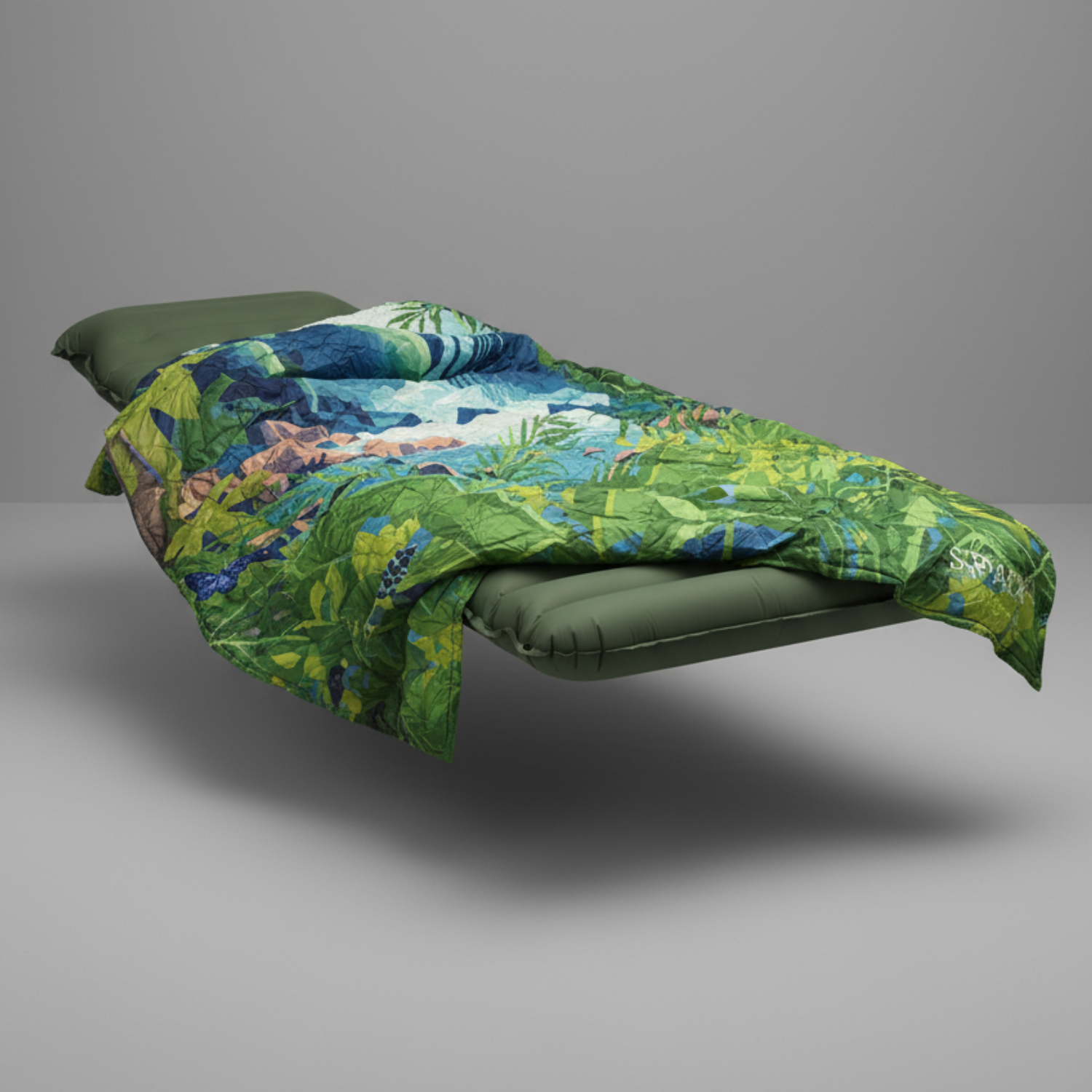
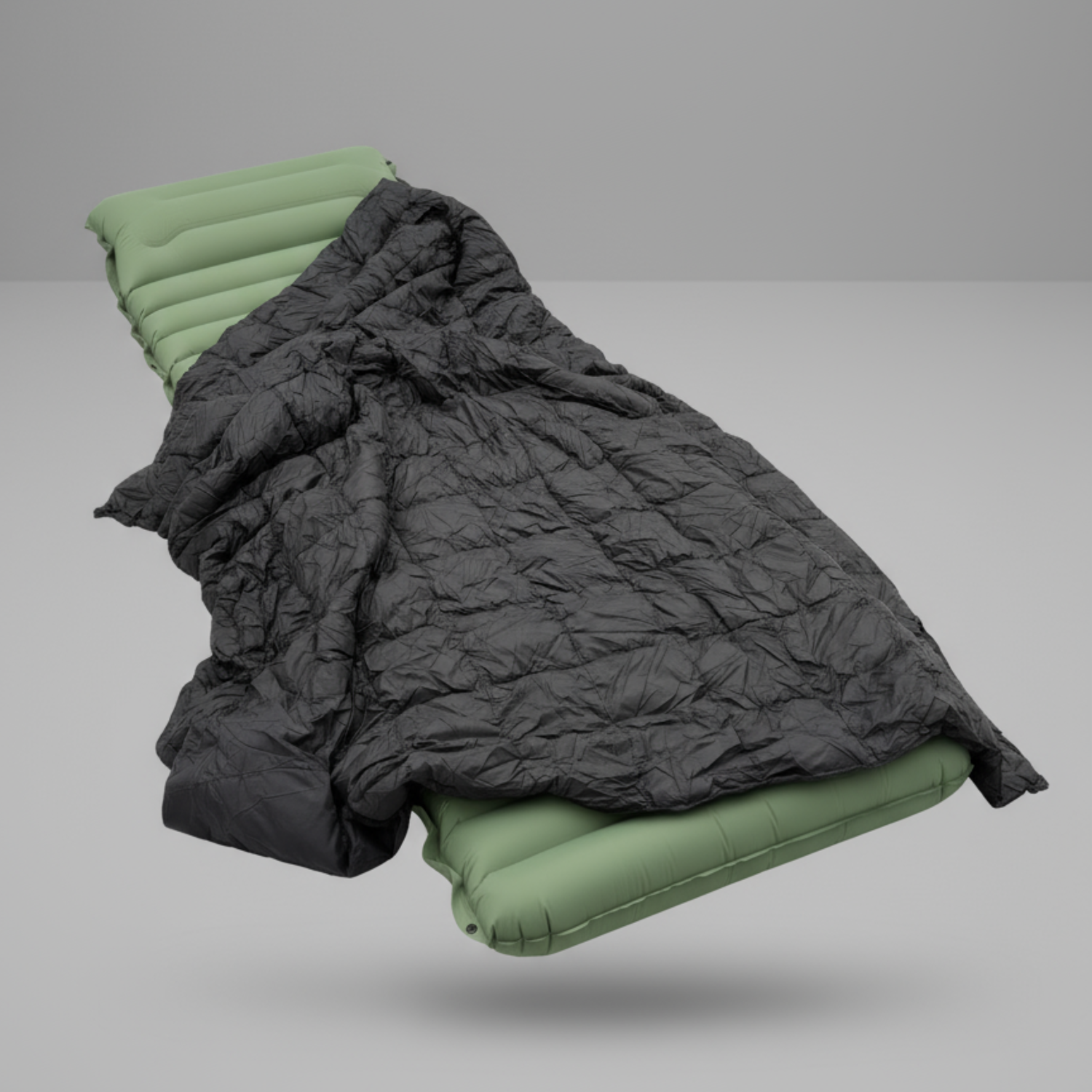
The outdoor relaxation routines on our blog go deeper into building these habits into your outings. And if you’re thinking about what else rounds out a proper relaxation kit, our guide to camping accessories for relaxation covers everything from seat warmers to thermal blankets.
For longer meditative sessions, outdoor clothing for relaxation matters more than you’d think. Being cold or sweaty breaks concentration fast.
Pro Tip: Wear moisture-wicking clothing to maximize comfort during longer meditative sessions. Cotton holds sweat and makes you feel clammy within minutes. Merino wool or technical synthetics keep you regulated and focused.
I’ve spent a lot of time field-testing gear and thinking about what actually makes an outdoor relaxation session memorable, and I’ll be straight with you: the chair matters less than most people assume. It’s a precondition for comfort, not the source of it.
The real magic happens in the micro-habits. Pausing to genuinely listen to birdsong rather than immediately reaching for your phone. Taking thirty seconds to feel the warmth of sun on your face after you’ve set up your kit. Carrying the lightest setup you truly need so the walk itself feels like pleasure rather than punishment. These things don’t cost anything and they don’t weigh anything.
I’ve had genuinely transcendent outdoor moments on a folded-up rain jacket and deeply forgettable ones in a well-padded, perfectly positioned premium chair while mentally composing work emails. The gear creates the conditions. You still have to show up for them.
The ritual matters too. Setting up your chair in a deliberate way, taking a moment before sitting to look around and orient yourself, and having a wind-down habit when you pack up all signal to your brain that this time is different. It’s not transit time or task time. It’s rest time. That psychological framing, small as it sounds, shapes the whole experience.
There’s no universal formula for outdoor relaxation. Some people need total silence. Others want good company and a dancing campfire. Some want to cover ground first and then sit. Others want to drop into stillness immediately. Experiment honestly with what works for you, and don’t let anyone else’s outdoor aesthetic pressure you into their version of peace.
For a broader look at building a holistic outdoor relaxation practice that fits your personality and lifestyle, we’ve got plenty of ideas to get you started.
If this article has you thinking seriously about upgrading your outdoor relaxation game, the next step is finding gear that genuinely matches your needs rather than just the most hyped option on social media.
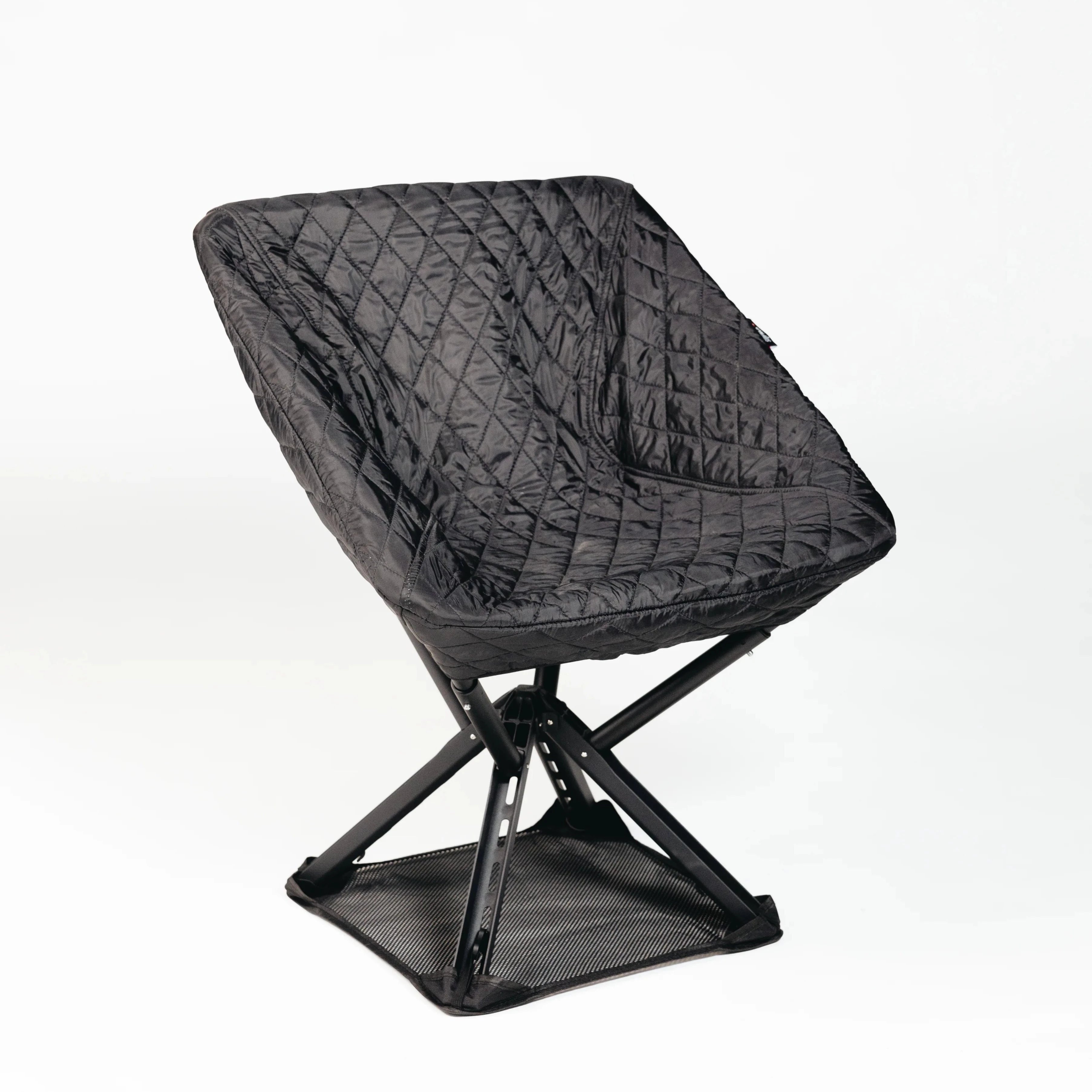
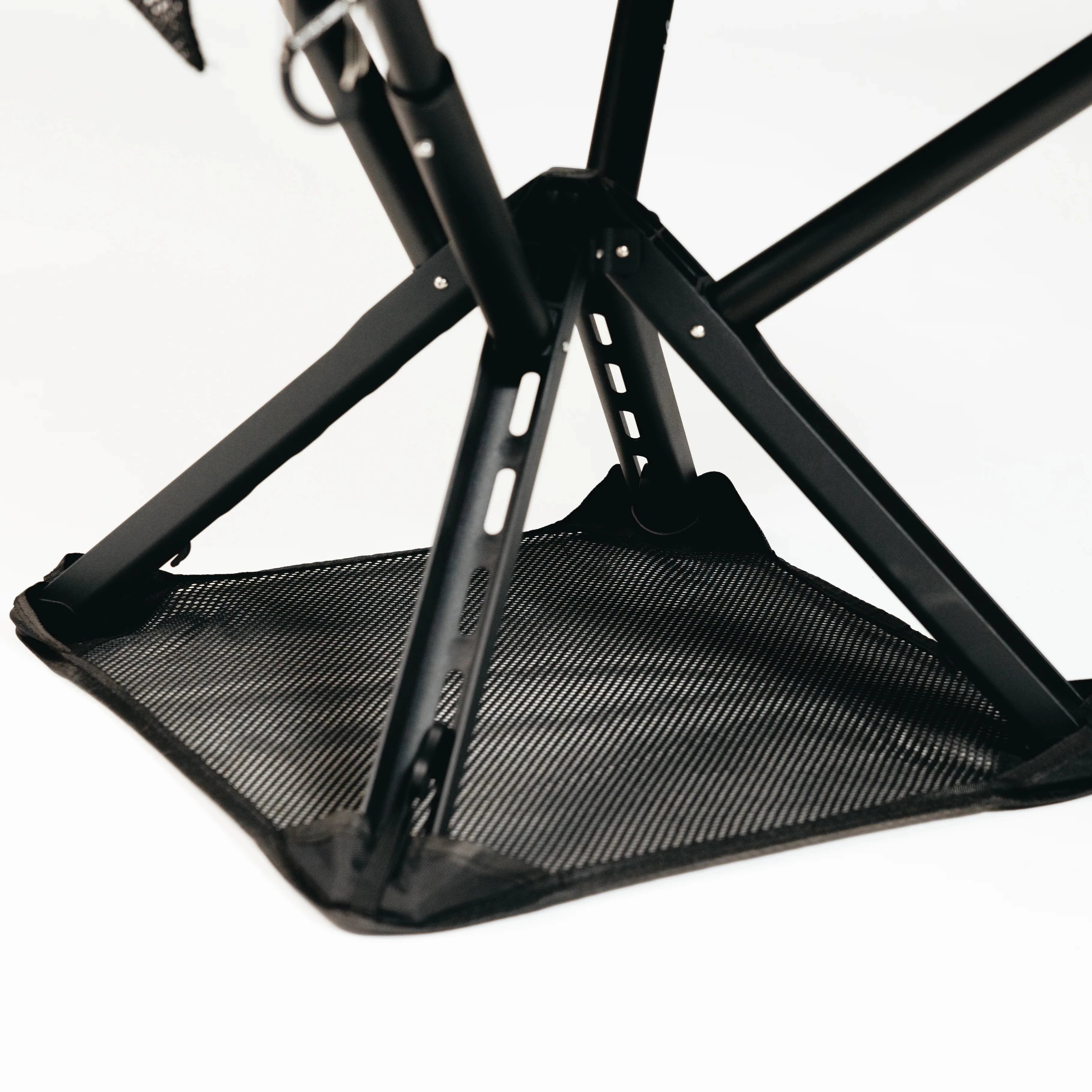
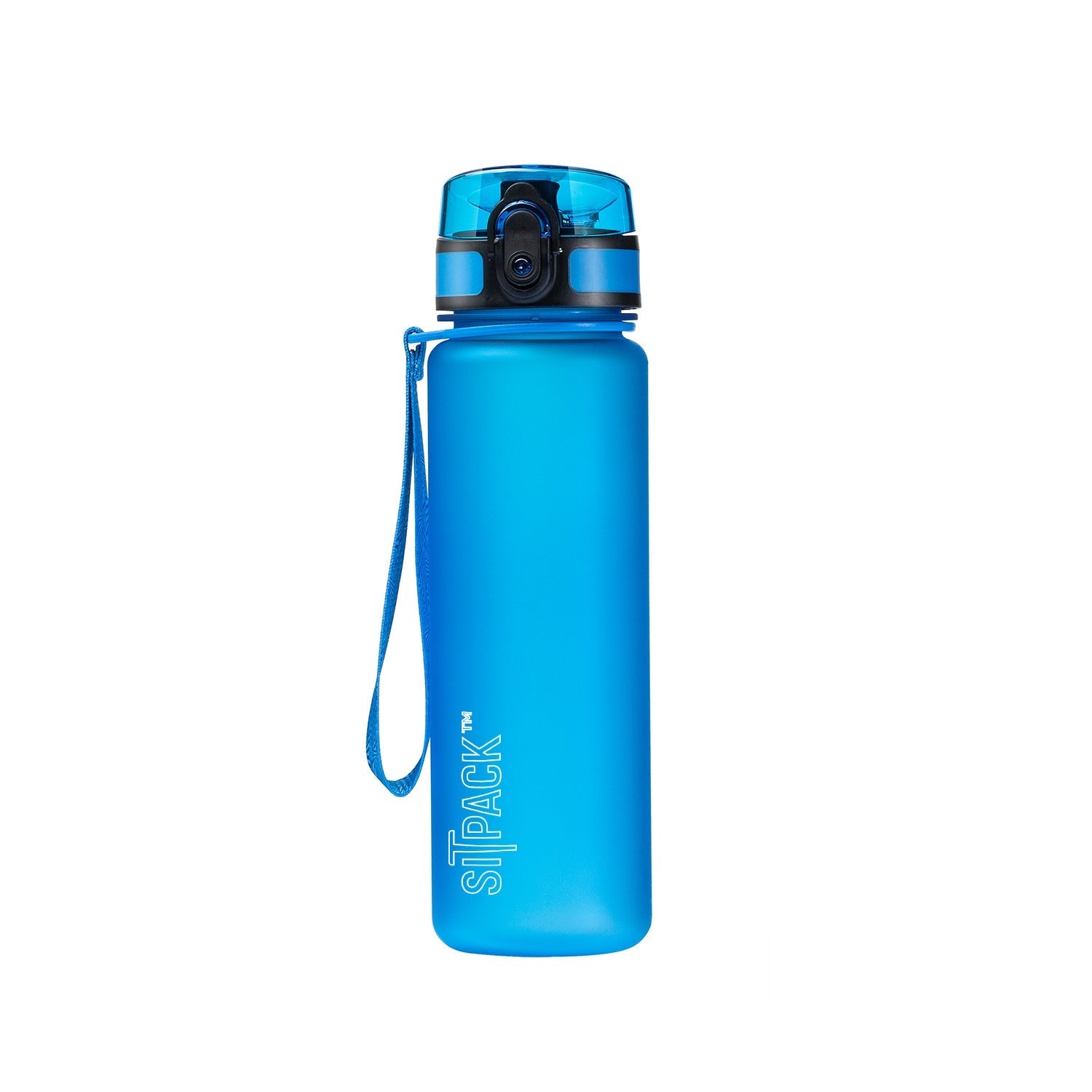
At Sitpack, we’ve built our whole catalog around the principle that your kit should make you more free outdoors, not weigh you down. From ultralight foldable chairs to accessories like seat warmers, thermal blankets, and travel-ready water bottles, everything is designed with portability and durability front and center. Many of our products come with a lifetime warranty because we believe sustainable gear starts with gear that lasts. Explore our portable seating solutions to find your fit, or dig into our detailed guide to help you find your next outdoor chair based on the way you actually adventure.
Just 20 to 30 minutes in green spaces can lower cortisol levels by up to 28%, making even a short outdoor break genuinely beneficial for stress relief.
Prioritize lightweight design, fast setup, durable eco-friendly materials, and a seat height suited to your mobility needs. Low seats around 8 to 12 inches work well for agile users but can be tricky on uneven terrain or for those with limited mobility.
Yes, research supports this clearly. Pairing comfortable portable seating with practices like breathwork or forest bathing intensifies the stress-reduction benefits beyond what either approach achieves alone.
Absolutely. Chairs built from recycled DAC aluminum and certified fabrics often match or exceed the durability of conventionally manufactured chairs, especially when paired with proper maintenance habits.
The combination of comfortable gear and intentional mindset. Get your physical setup right so discomfort isn’t stealing your attention, then show up mentally by putting the phone down and actually noticing where you are.