Cart
0
Sign up and get 10$ off your order
Expected delivery
1-3 days
You may also like


Danish Company

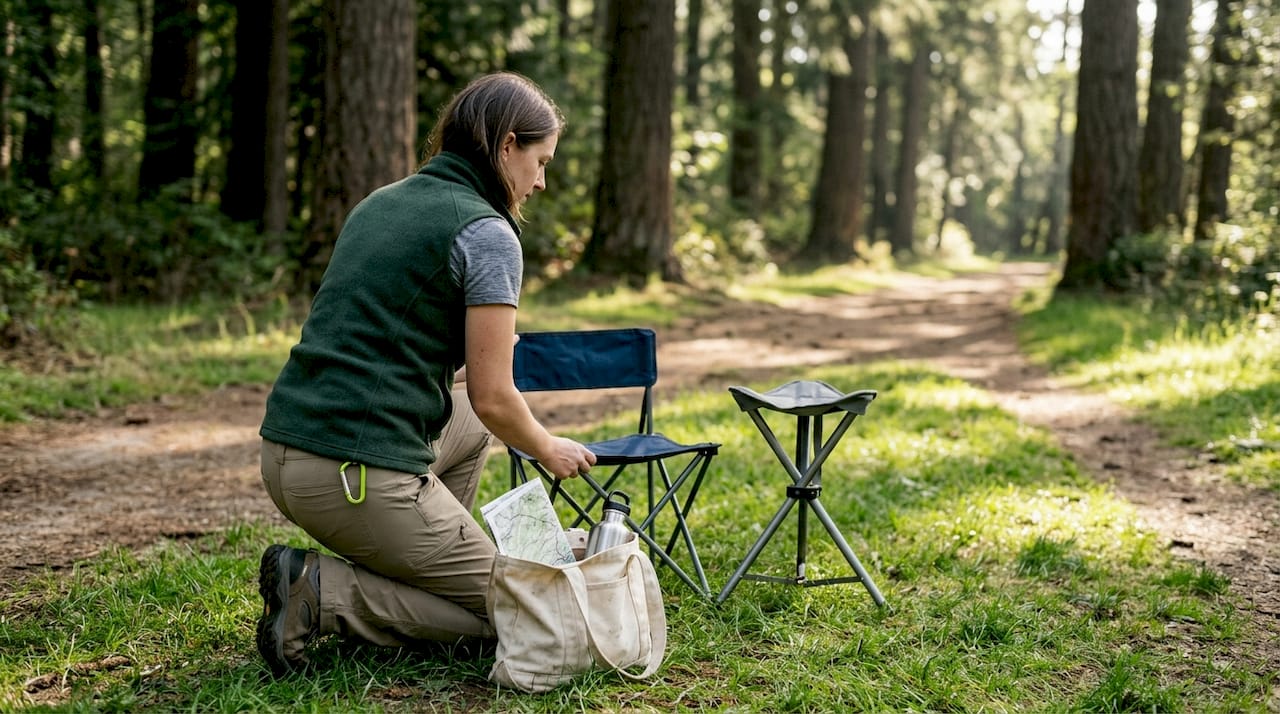
Picture this: you’ve hiked three miles to the perfect lakeside spot, set up camp as the sun dips low, and now you’re ready to relax by the fire. But there’s no log, no rock, just uneven ground and the sinking realization that your back is about to stage a protest. Without proper portable seating, even the most stunning outdoor adventure can turn into an endurance test. This guide walks you through identifying your comfort needs, selecting the right gear, setting up like a pro, and troubleshooting common mistakes so every camping trip, festival, or urban picnic becomes genuinely enjoyable.
| Point | Details |
|---|---|
| Assess your needs | Understand activity, terrain, and personal preferences to optimize your comfort. |
| Choose smart solutions | Select portable seating based on key factors like durability, weight, and setup ease. |
| Avoid common pitfalls | Prevent discomfort and accidents by knowing safety tips and maintenance routines. |
| Test for comfort | Regularly check your seating for posture and support to ensure long-term satisfaction. |
Now that you understand why comfort matters, it’s time to evaluate your needs before choosing any solution. Your seating requirements shift dramatically depending on whether you’re backpacking solo through alpine trails, car camping with family, or catching an outdoor concert in the city. A lightweight telescopic stool that fits in your pack works wonders for hikers covering serious mileage, while a roomier folding chair with armrests and a cup holder makes sense for leisurely campsite evenings. Urban adventurers heading to festivals or parks often prioritize quick setup and compact storage over ultralight specs.
Personal factors matter just as much as your destination. Taller folks need chairs with higher seat heights to avoid knee strain, while those with mobility challenges benefit from models offering back support and stable armrests for easier standing. If you’re carrying extra weight or prefer lounging for hours, look for reinforced frames with higher weight capacities and breathable mesh that won’t leave you sweaty. Ergonomic design isn’t just a buzzword. Proper lumbar support and seat angle prevent the lower back fatigue that can ruin an otherwise perfect sunset.
Safety and stability should anchor every decision. Check weight limits religiously, especially if you’re sharing gear among friends or family members of different sizes. Uneven terrain demands wider leg spreads or rubberized feet to prevent tipping. For detailed advice on matching seating to specific activities, explore our event seating tips and camping seating advice.
Before you shop, run through this quick checklist:
Pro Tip: Write down your top three priorities (weight, comfort, durability) and use them as filters when comparing models. This keeps you from getting distracted by flashy features you’ll never use.
Once your needs are clear, let’s explore the tools and materials that can transform your outdoor comfort. The portable seating market offers everything from minimalist stools to full-featured recliners, each with trade-offs worth understanding. Telescopic stools collapse into compact cylinders, making them ideal for backpackers who count every ounce. Folding chairs provide more traditional comfort with backrests and armrests but add bulk. Inflatable seats offer surprising support when properly inflated, though punctures can end your comfort fast.
Material choice directly impacts durability, weight, and price. Aluminum frames deliver strength without excessive heft, resisting corrosion from rain or coastal salt air. Polycarbonate components keep costs down while maintaining decent rigidity for lighter users. Mesh fabrics breathe beautifully on hot days, drying quickly after unexpected showers, while ripstop nylon handles abrasion from rough surfaces. For a deeper dive into material pros and cons, check our outdoor seating buying guide.
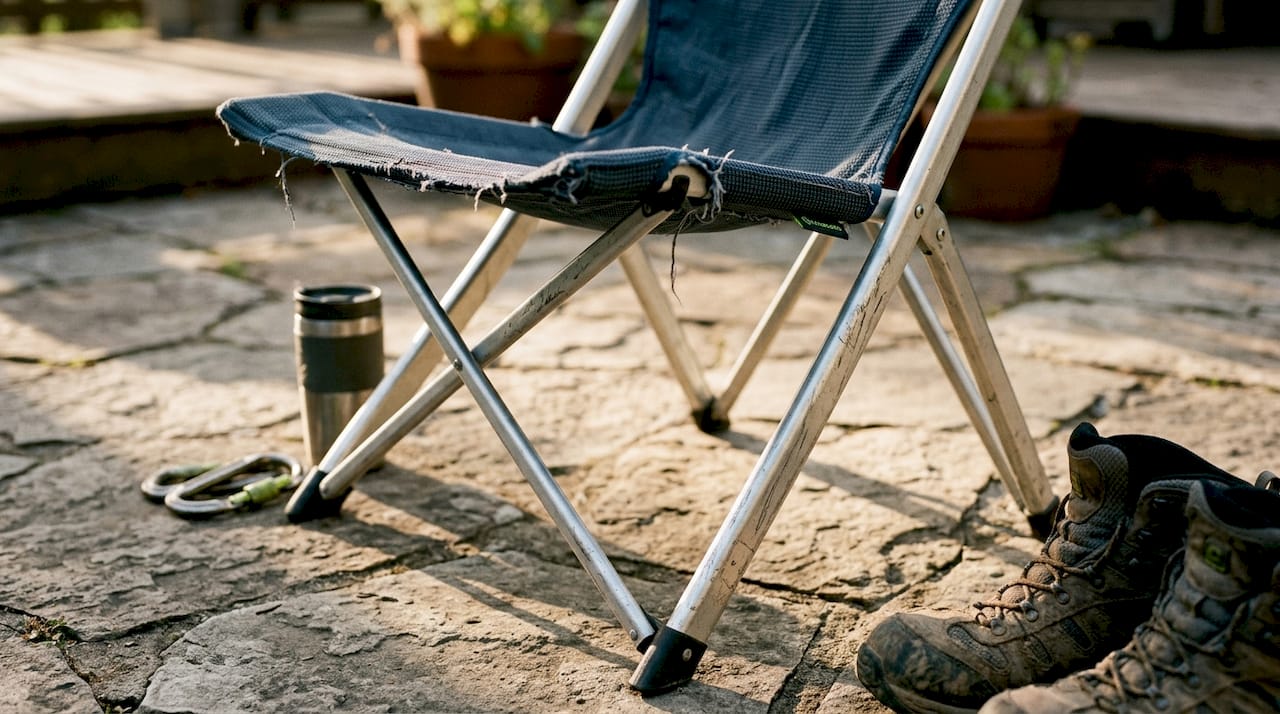
Here’s how popular options stack up:
| Seating Type | Weight Range | Pack Size | Setup Time | Comfort Level | Best For |
|---|---|---|---|---|---|
| Telescopic Stool | 1-2 lbs | 12-15 inches | 5 seconds | Moderate | Hiking, backpacking |
| Folding Chair | 3-6 lbs | 18-24 inches | 15 seconds | High | Car camping, festivals |
| Inflatable Seat | 0.5-1 lb | 6-8 inches | 60 seconds | Moderate | Ultralight trips, beaches |
| Compact Rocker | 2-4 lbs | 14-18 inches | 10 seconds | High | Basecamp lounging |
When comparing models, prioritize these factors:
For broader outdoor gear insights, outdoor gear tips offer useful perspectives on balancing portability with functionality.
Pro Tip: Test your seating at home on different surfaces (carpet, tile, grass) to identify stability issues before you’re miles from the trailhead. Adjust leg tension or add rubber caps if needed.
With your seating solution selected, follow these steps to ensure your setup delivers real comfort wherever you go. Proper technique transforms even basic gear into a reliable comfort station, while sloppy setup can make premium chairs feel wobbly and unsafe.
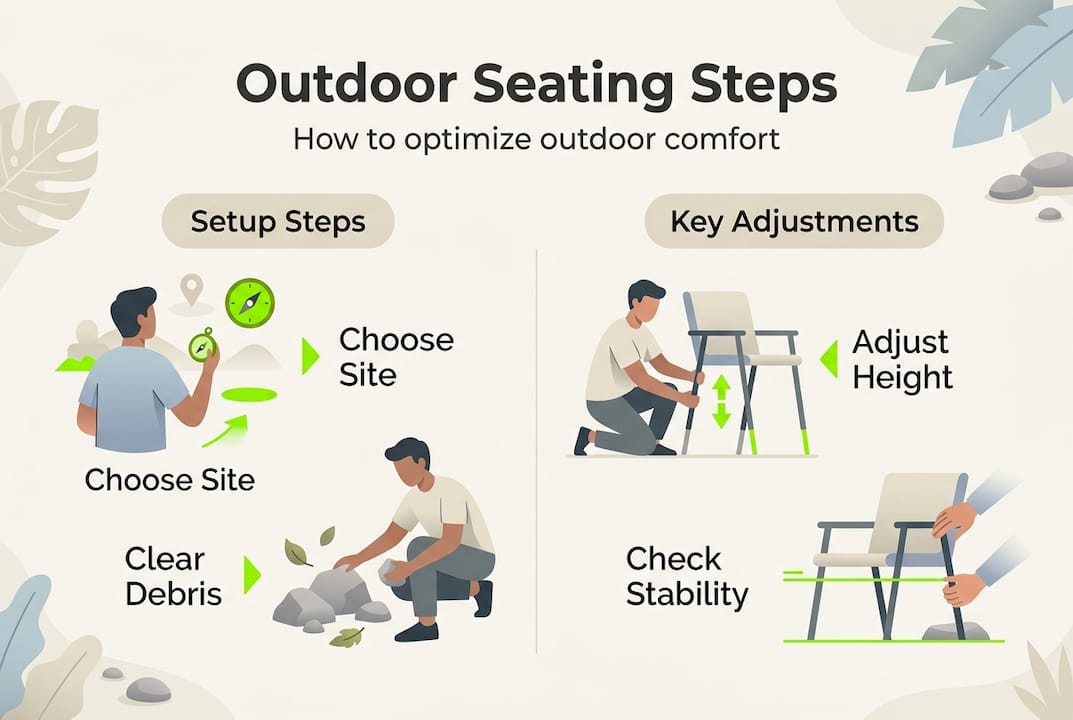
Step 1: Site selection and terrain assessment
Scout your spot before unfolding anything. Flat, firm ground beats sloped or soft surfaces every time. Clear away rocks, sticks, and pinecones that could puncture fabric or create pressure points. If you’re on sand or loose soil, look for models with wider feet or consider adding small platforms under each leg. Avoid setting up directly on wet ground, which can corrode metal components and soak through mesh seats.
Step 2: Proper unfolding and setup techniques
Most portable chairs feature intuitive designs, but rushing leads to bent frames and pinched fingers. For telescopic stools, extend sections smoothly without forcing, listening for the click that signals each segment has locked. Folding chairs often require you to spread the legs first, then lock the seat and backrest into position. Never sit before confirming all locking mechanisms have engaged. A half-open chair collapses fast, and trust me, landing on your tailbone isn’t the adventure you signed up for.
Step 3: Adjusting height and support
If your model offers height adjustment, set it so your feet rest flat on the ground with knees at roughly 90 degrees. This position reduces strain on your lower back and improves circulation during long sits. Tilt the backrest (if adjustable) to support your natural spine curve. Some chairs include removable lumbar pads, position these at the small of your back for maximum relief.
Step 4: Safety precautions and weight limits
Safety Warning: Always verify the manufacturer’s weight capacity before use. Exceeding limits risks sudden frame failure, which can cause serious injury. Inspect all joints and fabric for wear before each trip, replacing gear that shows cracks, tears, or loose connections.
Here’s how classic stools compare to innovative options:
| Feature | Traditional Tripod Stool | Sitpack Telescopic | Standard Folding Chair |
|---|---|---|---|
| Weight Capacity | 200-250 lbs | 220-300 lbs | 250-350 lbs |
| Setup Complexity | Low | Very Low | Moderate |
| Back Support | None | Optional | Yes |
| Portability Score | High | Very High | Moderate |
| Price Range | $15-30 | $60-100 | $25-80 |
For more setup strategies, visit our portable seating strategies resource.
Even the best seating can let you down if not used correctly. Here are the top mistakes to avoid for optimal comfort. Recognizing these pitfalls early saves you from backaches, broken gear, and the frustration of a ruined outing.
Uneven ground tops the list of comfort killers. A chair that rocks or tilts forces your body into constant micro-adjustments, fatiguing muscles and joints. Quick fix: carry a small foam pad or folded towel to shim under the short leg. For sandy or soft terrain, wide plastic discs (often sold as tent stake protectors) distribute weight and prevent sinking. Improper setup comes next. Skipping the lock-check or forcing stubborn joints damages mechanisms and creates safety hazards. If a component won’t move smoothly, stop and inspect for dirt, corrosion, or misalignment rather than muscling through.
Material wear sneaks up on casual users. UV exposure degrades fabrics over months, while salt air corrodes aluminum surprisingly fast. After each trip, wipe down frames with a damp cloth and let mesh air-dry completely before storage. Lubricate moving parts annually with silicone spray (never WD-40, which attracts grime). Store chairs in cool, dry spaces away from direct sunlight to extend their lifespan.
Common issues and solutions:
Pro Tip: Pack a lightweight backup like an inflatable seat cushion or closed-cell foam pad. If your primary chair fails, you’ll still have a comfortable place to sit rather than spending the evening on cold, hard ground.
Key Reminder: Before every outing, perform a 30-second safety check. Unfold your chair, press down on the seat with your hands, and wiggle it side to side. Any creaking, flexing, or looseness signals a problem that needs fixing before you trust it with your full weight.
For insights on avoiding festival seating mistakes, our guide covers scenarios from muddy fields to crowded venues.
Finally, let’s make sure your comfort on each adventure is measurable and consistent with some quick verification tips. Objective testing reveals whether your seating choice truly meets your needs or just looked good in the store.
Start with simple comfort checks during your first few uses. After sitting for 20 minutes, assess your posture. Are you slouching or leaning awkwardly to compensate for poor support? Do your legs feel numb or tingly from restricted circulation? Can you stand up easily without using your hands for leverage? Positive answers indicate a good fit. If you’re shifting constantly or developing soreness, the seat height, depth, or back angle likely needs adjustment.
Durability testing happens over time but shows up in predictable ways. Inspect fabric for fraying at stress points where it wraps around the frame. Check welds and joints for hairline cracks that signal metal fatigue. Test locking mechanisms monthly, they should click firmly into place without excessive force. Clean your chair after every three to five uses, removing dirt that accelerates wear. Proper storage between trips (dry, out of sunlight, not compressed under heavy items) dramatically extends lifespan.
Optimized seating improves outdoor satisfaction by reducing physical discomfort that distracts from scenery, conversation, and relaxation. When your body feels supported, you stay present in the moment rather than counting down minutes until you can stand and stretch.
Signs your seating solution is working:
For long-term maintenance advice, our seating durability tips cover everything from winter storage to saltwater exposure.
With these actionable strategies, you’re ready to optimize your comfort and see how Sitpack’s solutions can elevate your next outdoor adventure. We’ve spent years refining portable seating that balances ultralight portability with genuine comfort, because we believe you shouldn’t have to choose between a sore back and a heavy pack.
Our Campster II and Sitpack Zen models embody the principles we’ve covered: thoughtful material selection, ergonomic design, and bombproof durability. Whether you’re summiting peaks, camping with family, or catching a concert in the park, we’ve engineered solutions that disappear into your gear until the moment you need them. Every product comes with a 45-day satisfaction guarantee and lifetime warranty, so you can test our claims in real-world conditions without risk. Explore the full range at Sitpack and discover how proper seating transforms every outdoor moment from endurable to genuinely enjoyable.
Telescopic stools and ultralight folding chairs balance weight and stability best, typically weighing under two pounds while supporting 220-plus pounds.
Prioritize durable frames, quick setup, and a range of sizes to accommodate different ages, weights, and comfort preferences across your group.
Skipping site preparation, ignoring weight limits, and neglecting regular cleaning and maintenance compromise both comfort and safety over time.
Proper seating reduces fatigue and physical discomfort, allowing you to stay engaged in activities longer and enjoy surroundings more fully.
Yes, if you choose a mid-weight model (2-4 pounds) with compact pack size, though dedicated ultralight or comfort-focused options optimize each use case better.