Cart
0
Sign up and get 10$ off your order
Expected delivery
1-3 days
You may also like


Danish Company

TL;DR:
- Efficient, multi-use, and adaptable seating solutions are essential for small urban outdoor spaces. Choices like foldable bistro sets, built-in benches, and portable stools maximize functionality while conserving space. Prioritizing weather resistance and storage potential ensures comfort and practicality in city environments.
Living in a city usually means making peace with small outdoor spaces, whether that’s a narrow balcony, a postage-stamp patio, or a shared rooftop terrace. But cramped square footage doesn’t have to mean uncomfortable or uninspiring. The right urban outdoor seating ideas can turn even the most modest city perch into a spot you actually want to spend time in. This article walks you through practical criteria, specific furniture types, and creative setups tailored to the real constraints of urban outdoor living, so you can stop settling and start sitting in style.
| Point | Details |
|---|---|
| Function first | The best layouts start with how you use the space, not how big it is. |
| Foldable wins small spaces | Bistro sets and collapsible stools recover floor space when not in use. |
| Multi-use furniture matters | Poufs, storage benches, and modular pieces do double or triple duty in tight spots. |
| Vertical space is underused | Wall-mounted and hanging solutions free up floor area for seating. |
| Portability adds flexibility | Lightweight seating lets you reconfigure your outdoor space throughout the day. |
Before you buy anything, it pays to know what you’re actually optimizing for. Urban outdoor spaces punish bad furniture choices fast. Here’s what deserves attention before you start shopping.
Space efficiency is the obvious starting point. If a chair can’t fold, stack, or tuck away, it’s eating floor space you don’t have. Look for pieces with a small footprint that can serve multiple roles.
Flexibility and modularity matter more than most people realize. Modular and multi-use seating is recommended specifically for adapting small urban footprints to different activities throughout the day. A chair that works for a morning coffee and an evening cocktail hour is worth twice as much as one that does only one.
Weather and pollution resistance deserve a harder look in cities. Urban air is dirtier than suburban air, and balconies funnel wind, sun, and rain in punishing combinations. Teak, powder-coated aluminum, and high-density polyethylene all hold up well. Cheap wicker and untreated wood tend not to.
Storage potential is the wildcard most buyers ignore until it’s too late. Multi-functional furniture with hidden storage is critical in small city environments where clutter accumulates faster than you’d expect. Cushions, throws, and small accessories need somewhere to go when it rains.
Style fit rounds things out. Your outdoor space is an extension of your home, and it should feel like it. That doesn’t mean spending a fortune on designer pieces. It means choosing a coherent palette and sticking to it.
Pro Tip: Before buying outdoor furniture, trace your space’s footprint on paper and cut out scale-model shapes of the pieces you’re considering. You’ll catch sizing mistakes before they cost you money or a painful return trip.
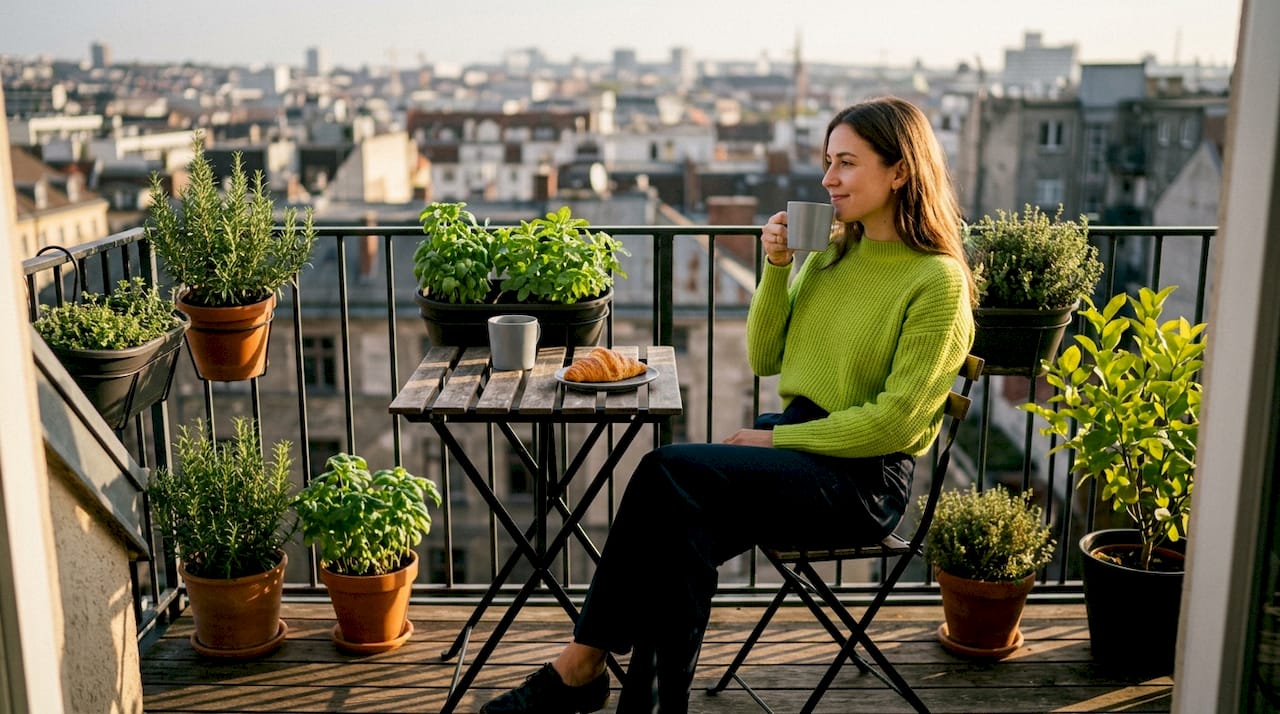
For a city balcony seating setup under 60 square feet, bistro sets are the go-to recommendation from design experts. A classic two-chair-and-table bistro set folds flat against a wall when not in use, freeing up floor space for literally anything else. The proportions are scaled for humans, not hotel lobbies, which makes them feel surprisingly generous even in a cramped spot.
Metal and resin bistro sets are your best bets for outdoor durability. Wrought iron looks great but gets heavy fast. Aluminum costs a bit more but won’t rust and weighs almost nothing. If you want a continental café feel on your tenth-floor balcony, this is your move.
If you have more room to work with, say a shared rooftop or a larger city patio, modular sofas are the furniture equivalent of a Swiss Army knife. You can arrange sections in an L-shape for conversation, push them into a row for watching a movie outdoors, or break pieces apart when a friend needs a seat on the other side of the space.
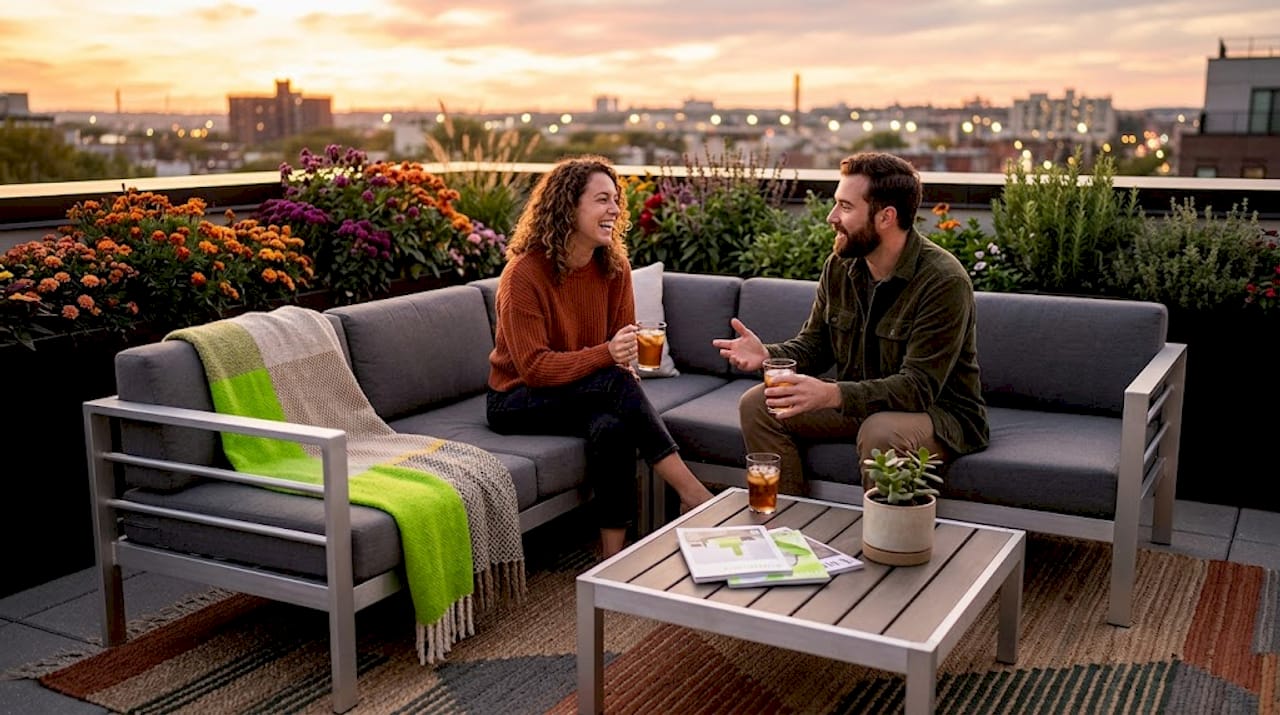
The best modular sets for urban outdoor use come in weatherproof wicker or recycled aluminum frames with UV-resistant cushions. They’re also surprisingly easy to partially disassemble and store for winter. The big caveat: measure obsessively before buying. Even “compact” modular sofas can dwarf a medium-sized balcony faster than you’d think.
Built-in benches are the secret weapon of patio design ideas that make small spaces punch above their weight. A bench running along one or two walls of a narrow terrace provides seating for four to six people without taking up any freestanding floor space. Add a hinged seat and you’ve got a storage compartment underneath, which is exactly the kind of three-zone thinking (eating, prep, storage) that makes outdoor spaces work year-round.
Built-ins are also permanent investments that add genuine property value. Homeowners can recoup roughly 95% of a new patio’s cost, which makes permanent additions easier to justify financially. Add colorful cushions, weather-resistant throws, and you’ve turned a structural feature into the coziest seat in the city.
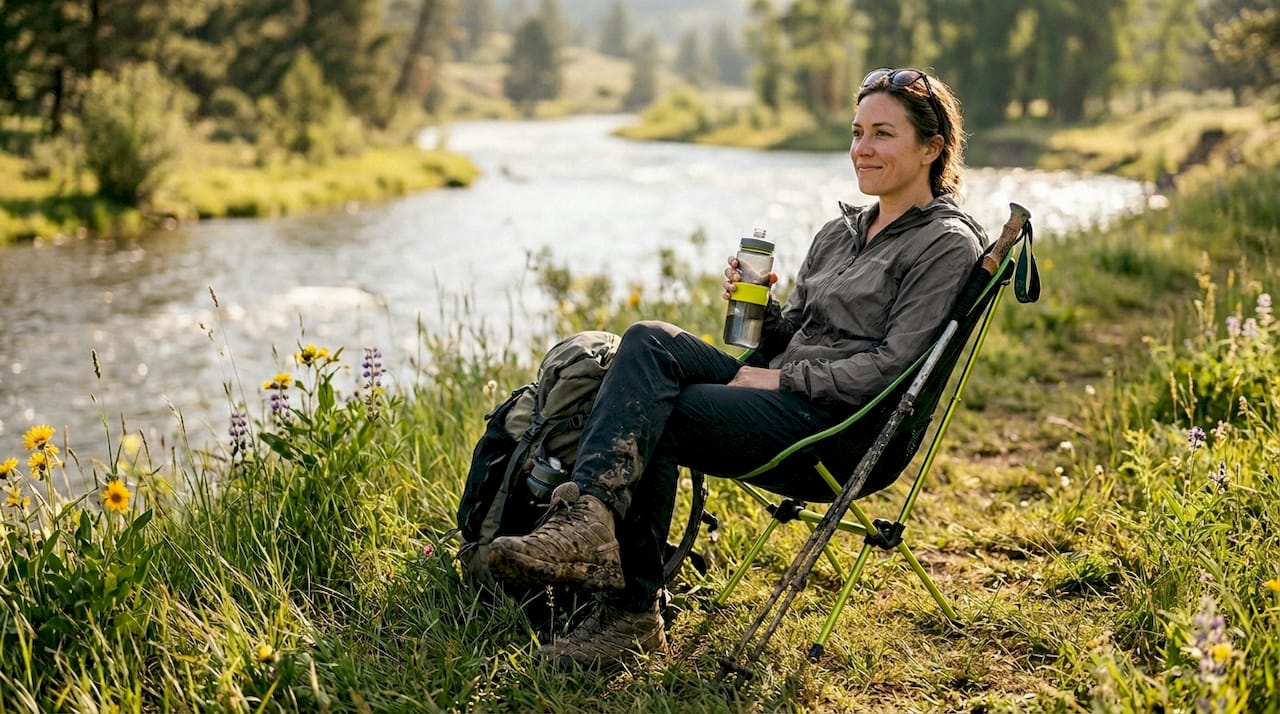
Portable stools are underrated for city living. Lightweight, collapsible seating lets urban outdoor spaces shift effortlessly from a quiet morning coffee setup to an evening social gathering without needing to rearrange heavy furniture. A set of four portable stools stacks into a corner when not needed, then fans out across a balcony or shared patio in minutes.
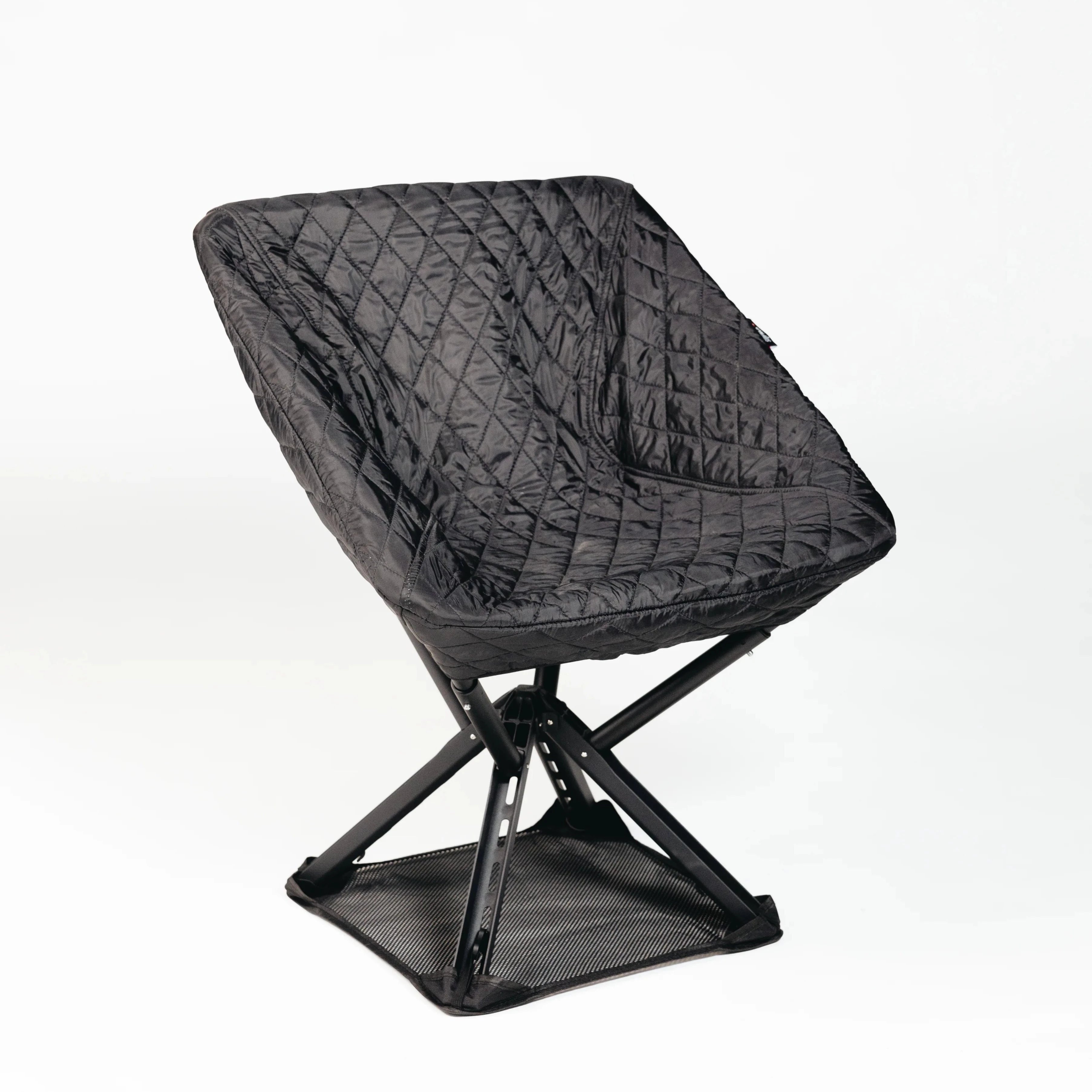
This is also where truly compact, purpose-designed seating earns its keep. Think foldable camp-style stools, tripod seats, or portable city seating made for exactly these constraints. They travel well, store easily, and don’t look out of place in a polished urban setting when the materials are right.
Pro Tip: When buying portable stools for outdoor use, check the weight rating. Many stylish stools are rated for indoor use only. Look specifically for outdoor-rated versions with rust-resistant hardware.
A good pouf is one of the most versatile pieces of small space seating you can own. It works as a footrest, a side table, extra seating for surprise guests, or a standalone seat with a tray on top. The best outdoor poufs are made from weather-resistant materials like Sunbrella fabric or coated canvas and can stay outside through light rain.
For urban garden seating setups, poufs in earthy, natural tones blend well with planters and greenery, which creates that lush, layered feeling that applying indoor design principles outdoors produces. Pair two poufs with a low coffee table and you’ve got a casual seating arrangement that takes up far less room than a loveseat. You can explore multi-use outdoor furniture options for even more creative ways to squeeze function from a single piece.
Here’s a quick-reference breakdown of the options covered so far to help you figure out which fits your specific setup.
| Seating type | Space efficiency | Flexibility | Weather resistance | Storage potential | Best for |
|---|---|---|---|---|---|
| Bistro set | High (folds flat) | Low | Medium to high | None | Tiny balconies under 60 sq ft |
| Modular sofa | Medium | Very high | High | Low | Rooftops and large terraces |
| Built-in bench | Very high | Low | Very high | High (with storage lid) | Narrow patios and terraces |
| Portable stool | Very high | Very high | Medium | Very high | Dynamic, multi-use balconies |
| Multi-use pouf | High | High | Medium | Medium | Casual seating in urban gardens |
The standout performers for pure small-space efficiency are portable stools and foldable bistro sets. Modular sofas earn their place only when you have genuine room to spread out. Built-ins are the most permanent solution but also the most space-smart for narrow layouts.
This is where urban outdoor seating ideas get genuinely interesting. Four lesser-known options deserve serious consideration, especially if your space has unusual constraints.
Hanging chairs attach to a ceiling beam, a sturdy pergola, or a wall-mounted bracket. They save floor space entirely and add a visual focal point that makes even a utilitarian balcony feel designed. Hang one in a corner with a small side table next to it and you’ve created a reading nook where there was nothing before. Vertical space is the most underused asset on a small balcony or patio, and hanging chairs exploit it perfectly.
Fold-down wall seats are the most space-efficient option that exists. They mount flush to a wall and fold down when you need a seat, then fold back up when you’re done. If your balcony is too narrow for any freestanding furniture at all, a fold-down wall seat is the only answer that actually works.
Planter bench hybrids combine a planter box on each end with a bench seat in the middle. They’re popular in urban garden seating setups because they bring greenery and seating together into one footprint. The planters frame the seating and create a sense of enclosure that makes outdoor spaces feel intentional rather than accidental.
Built-in window seats work particularly well on enclosed terraces or glass-walled balconies. A cushioned seat built against the glass wall or railing line doubles as a daybed and seating zone while keeping the center of the space open. This technique borrows directly from interior design, which is exactly the right instinct for making an outdoor space feel like a true extension of your home.
Not all urban outdoor setups are the same, and the right seating choice depends heavily on what kind of space you have.
Pro Tip: For shared outdoor spaces with multiple residents, choose seating in neutral, weatherproof materials that won’t clash with other people’s additions. Light gray, cream, and natural wood tones are the easiest to work with.
I’ve spent years paying attention to how city residents actually use their outdoor spaces, and the pattern is pretty consistent. People invest in outdoor furniture with the best of intentions, then stop using it because the setup is too awkward to reconfigure for different moods and activities. The chairs are heavy, the cushions are a pain to store, and after one rainy season, everything looks tired.
What I’ve learned is that adaptability matters far more than aesthetics in small spaces. A beautifully styled bistro set that you can’t move when the sun shifts angles becomes furniture you work around rather than furniture you enjoy. The residents I’ve seen genuinely love their outdoor spaces almost always have at least one piece of seating that’s easy to move, fold, or reconfigure without any effort.
The other thing that gets overlooked: storage. People underestimate how much stuff accumulates outdoors. Candles, throw blankets, citronella, a spare charging cable. If your seating setup doesn’t account for that clutter, the space starts feeling cramped and chaotic within a few weeks. Pick at least one piece that has storage built in. Your future self will appreciate it.
My honest advice? Think less about what looks good on Pinterest and more about what gets used on a Tuesday evening. The best outdoor seating is the seating you actually sit in.
— Jonas
If you’ve been nodding along to the portable and foldable seating section, Sitpack is worth a serious look for your city balcony seating or patio setup.
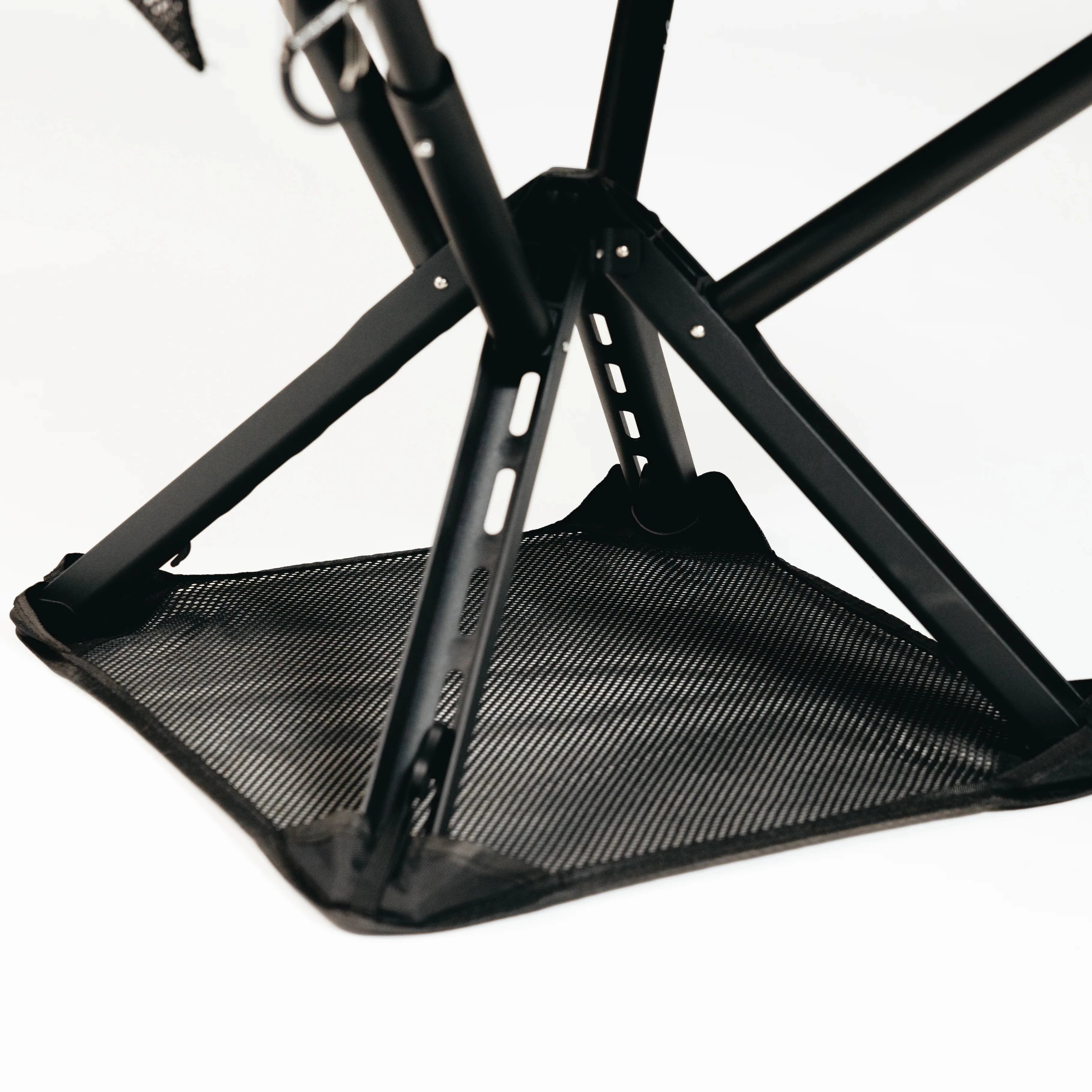
Sitpack designs foldable, ergonomic seating built specifically for people who don’t have room to waste. The Campster II and Sitpack Zen fold down to almost nothing and weigh next to nothing, which makes them ideal for balconies, rooftop hangouts, and urban patios where storage is always the limiting factor. They’re made from durable, lightweight materials with lifetime warranty backing, so you’re not replacing them every couple of seasons like the cheapo folding chairs from a big-box store. Check out why urban users need portable seating if you want a deeper look at the case for going foldable, or head straight to the Sitpack shop to see the full lineup. Fast worldwide shipping, a 45-day satisfaction guarantee, and products that actually fit urban life. Voila.
A foldable bistro set is the top pick for balconies under 60 square feet, since it scales to the space and folds flat against a wall when not in use. Hanging chairs are also a strong option if you have ceiling anchor points and want to preserve floor space entirely.
Look for powder-coated aluminum, teak, or high-density polyethylene, as these materials resist both weather and urban pollution well. Avoid untreated wood and cheap wicker, which deteriorate quickly in exposed city conditions.
Yes, provided you buy models rated specifically for outdoor use with rust-resistant hardware. Lightweight collapsible stools are one of the most flexible small space seating solutions available, since they stack small and reconfigure in seconds.
Use vertical space. Hanging chairs, fold-down wall seats, and built-in benches along perimeter walls all add seating capacity without increasing the furniture footprint on the floor. Built-in benches with hinged storage lids also solve the clutter problem at the same time.
Durable, neutral-toned pieces that are easy to move and store are the smartest choice for shared outdoor spaces. Built-in perimeter benches provide reliable seating for everyone, while multi-use poufs and portable stools handle flexible seating needs without becoming obstacles.