Cart
0
Sign up and get 10$ off your order
Expected delivery
1-3 days
You may also like


Danish Company


Finding gear that balances comfort with portability is a challenge every eco-conscious camper faces. Campgrounds in places like the United States offer amenities such as parking spots, restrooms, and fire rings, making car camping a unique experience where your vehicle carries most of the load. This guide highlights the core concepts behind car-camping gear, emphasizing how the right choices can enhance your outdoor adventure and reduce your environmental impact.
| Point | Details |
|---|---|
| Car Camping Defined | Car camping allows for a comfortable outdoor experience by enabling campers to use their vehicles to bring more gear, prioritizing convenience over weight. |
| Essential Gear Categories | Key gear categories include shelter and sleeping systems, cooking equipment, lighting solutions, and comfort items to enhance the camping experience. |
| Eco-Friendly Choices | Investing in high-quality, sustainable materials for camping gear not only supports durability but also minimizes environmental impact. |
| Avoiding Common Pitfalls | Proper planning and organization are crucial to avoid overpacking, ignoring campground regulations, and neglecting wildlife safety. |
Car camping isn’t roughing it in the traditional sense. It’s a hybrid outdoor experience where you drive to an established campground, park your vehicle nearby, and enjoy nature with real creature comforts. Think sleeping under stars while keeping your food in bear-proof storage and your gear minutes away.
Frontcountry camping is the official term for this style of outdoor adventure. These established campgrounds offer amenities like parking spots, electric hookups, restrooms, potable water, fire rings, picnic tables, and designated tent pads. You get the outdoor experience without sacrificing access to basic conveniences.
The biggest difference between car camping and other styles comes down to weight and accessibility. Your vehicle carries the load, so you’re not trapped by what fits in a backpack.
Backpackers must carry everything on their backs for miles, sometimes days. Car campers unload once and stay put. This fundamental difference shapes every gear choice.
Here’s what separates these two approaches:
Car-camping gear is any equipment that enhances your comfort at a drive-to campground. It includes obvious items like tents and sleeping bags, but also everything that makes the experience enjoyable.
Core categories include:
The unifying principle? Your gear should make outdoor time more comfortable without requiring extreme minimalism. You’re not counting grams; you’re enhancing relaxation.
Car-camping gear balances comfort with portability—heavy enough to feel luxurious, light enough to pack and set up easily.
For eco-conscious campers, this distinction matters deeply. You can choose durable, sustainably-made gear without worrying about ultralight weights. Quality materials last longer, reduce replacement waste, and perform better in real conditions.
Pro tip: Start by identifying your biggest comfort gaps during camping trips—whether that’s seating, temperature control, or light—then invest in quality gear for those specific needs rather than buying everything at once.
The gear you choose depends entirely on how you travel. Car camping and backpacking demand different equipment because of one simple fact: one uses vehicles, the other uses your back.
This distinction transforms every decision you make about what to pack. Weight, bulk, and durability matter in completely different ways for each style.
Backpacking requires lightweight, compact gear) because every ounce stays with you for miles. Your tent, sleeping bag, and cooking kit must minimize weight without sacrificing function. Car campers enjoy the opposite reality—you can bring heavier, more comfortable equipment because your vehicle handles the load.
This single difference ripples through every gear category:
Backpackers obsess over multipurpose items. A single tool handles cooking, eating, and cleaning. Backcountry camping emphasizes essentials, cutting anything that serves only one function.
Car campers take the opposite approach. You might bring a dedicated camp chair, a separate table, a specific lantern, and specialized seating solutions. Each item excels at one job instead of compromising across multiple uses.
This matters for eco-conscious campers. Quality, specialized gear lasts longer than multipurpose compromises. A durable camp chair used for years beats replacing a flimsy multipurpose item annually.
Backpackers prioritize essentials only. They sleep on thin pads, cook simple meals, and minimize belongings. Car campers can prioritize relaxation alongside basic needs.
Car-camping equipment reflects your campground experience, not your hiking ability—comfort becomes the organizing principle.
Consider seating. Backpackers might sit on rocks or logs. Car campers can bring portable chairs designed for comfort during long evenings. These aren’t luxuries—they’re practical comfort investments that enhance outdoor time.
For eco-conscious outdoor enthusiasts, this means choosing durable, sustainably-made seating and accessories that you’ll use for decades rather than lightweight disposables you’ll replace constantly.
Pro tip: Invest in quality, multipurpose car-camping gear for your specific comfort needs—like a durable portable chair—rather than buying numerous single-purpose items that clutter your campsite.
Success at a campground depends on having the right gear categories covered. You don’t need everything, but you do need the fundamentals that keep you safe, fed, and comfortable.
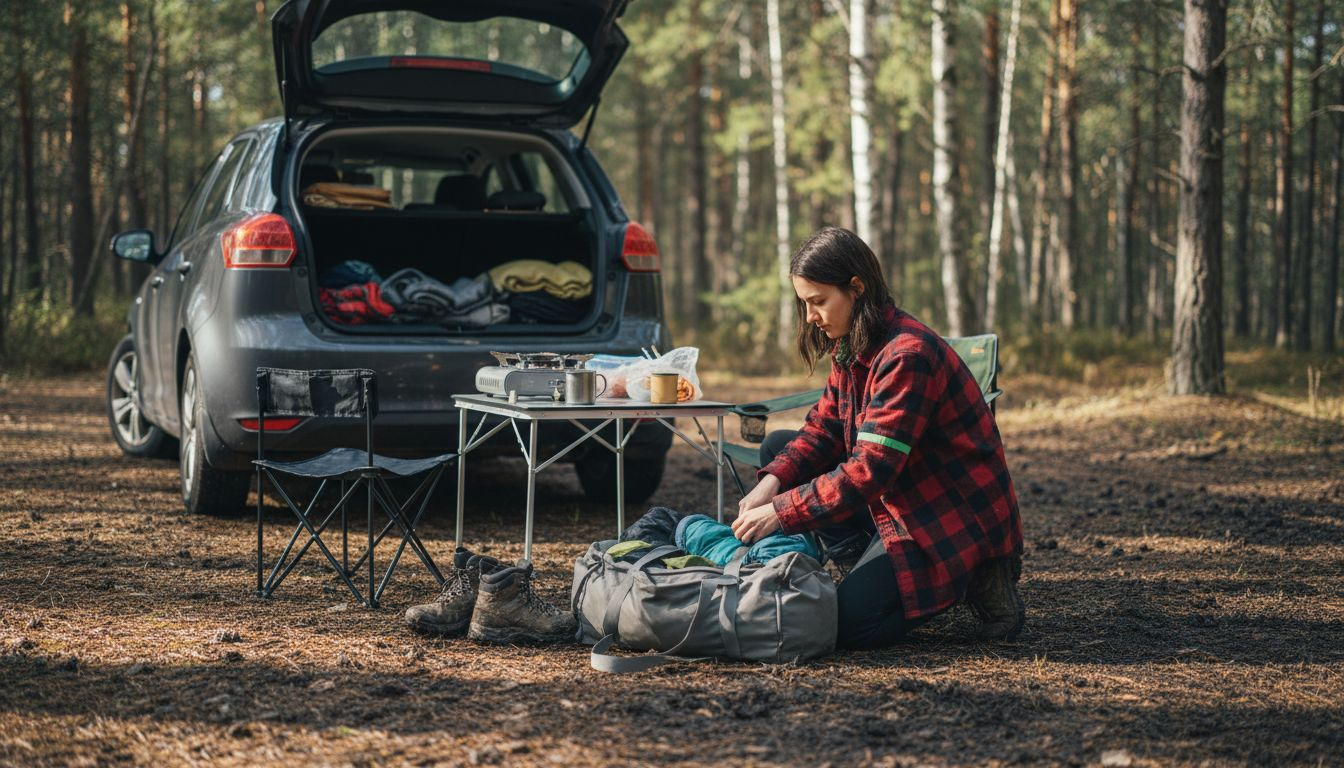
Think of these categories as your foundation. Missing one creates real problems that no amount of other gear can fix.
Your tent is your primary defense against weather and insects. Car camping lets you choose larger tents with better ventilation and headroom compared to backpacking alternatives.
Sleeping systems include three critical components:
For eco-conscious campers, investing in quality gear that lasts decades beats replacing cheap tents every few years.
Here’s how car camping gear categories support different needs at the campground:
| Gear Category | Key Benefit | Example Item |
|---|---|---|
| Shelter & sleeping | Weather protection, comfort | Large tent, thick pad |
| Cooking & storage | Safe food prep, freshness | Camp stove, ice cooler |
| Lighting & visibility | Safety after dark | Lantern, headlamp |
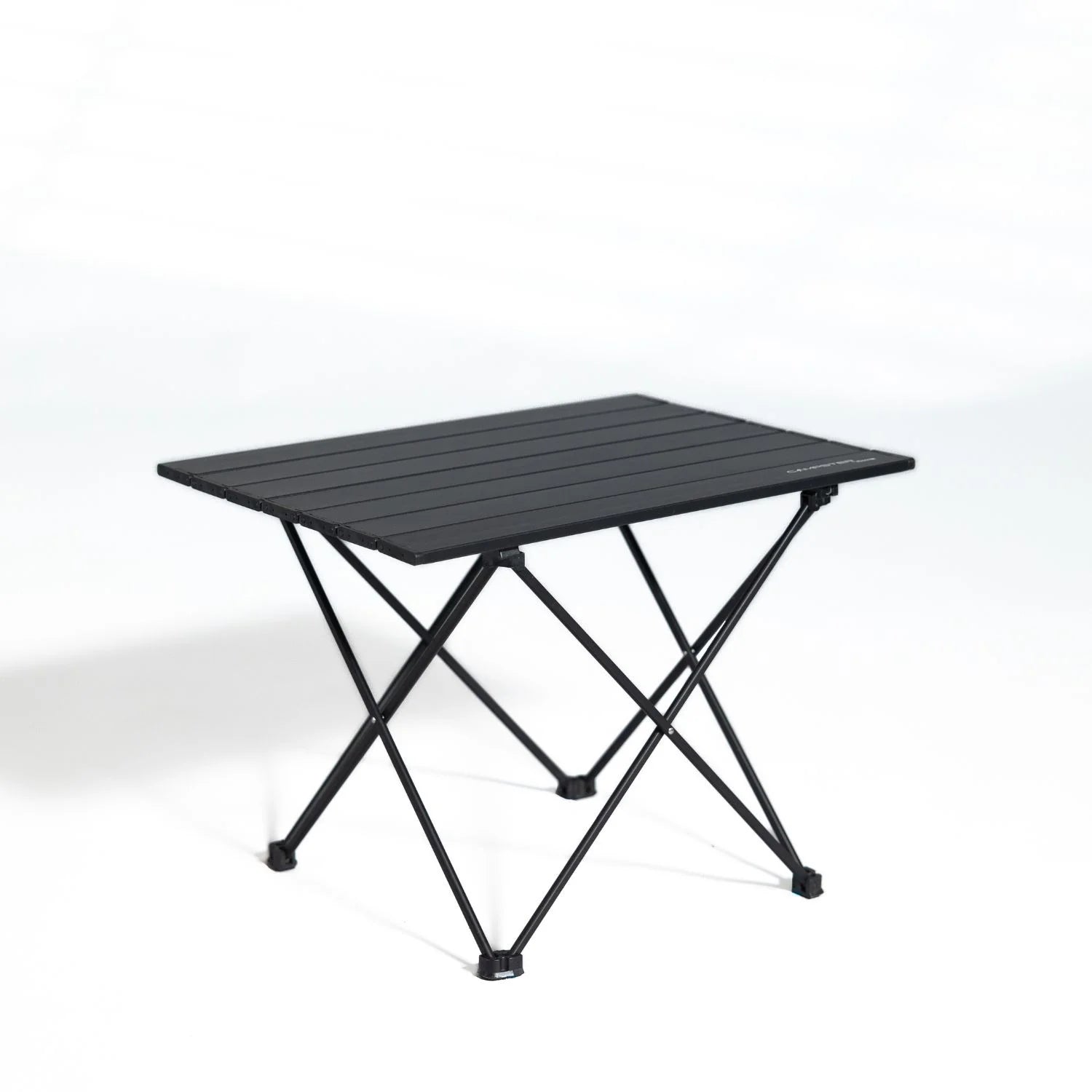
| Comfort & furniture | Relaxation, convenience | Portable chair, camp table |
| Safety & health | Problem prevention | First aid kit, repellent |
Essential camping gear includes coolers and portable stoves for food preparation and storage. Car camping removes weight restrictions, so you can bring larger coolers and more versatile cooking setups.
This category covers:
Quality coolers with thick insulation keep food fresh longer, reducing waste and spoilage.
Darkness falls fast at campgrounds. You need multiple light sources for safety and functionality.
Essential lighting includes:
Proper lighting transforms your campsite from uncomfortable to genuinely enjoyable after sunset.
Car camping furniture like chairs and tables enhances every campground experience. Quality portable seating solutions let you relax comfortably during long evenings around the fire.
Key comfort items include camp chairs, tables, and thermal blankets. These items directly improve your camping experience without adding unnecessary weight stress.
First aid kits, insect protection, and fire-starting materials belong in every car campground setup. These prevent problems rather than solving them after they occur.
Include basic first aid supplies, insect repellent, sunscreen, and fire starters. Check your first aid kit before each trip to replace expired items.
Pro tip: Create a master gear checklist organized by category and keep it with your camping supplies so you never forget essentials, then add items based on specific trip conditions like season or location.
Eco-conscious campers face a choice: buy cheap gear repeatedly or invest in sustainable products built to last. The materials you choose directly impact both your camping experience and the environment.
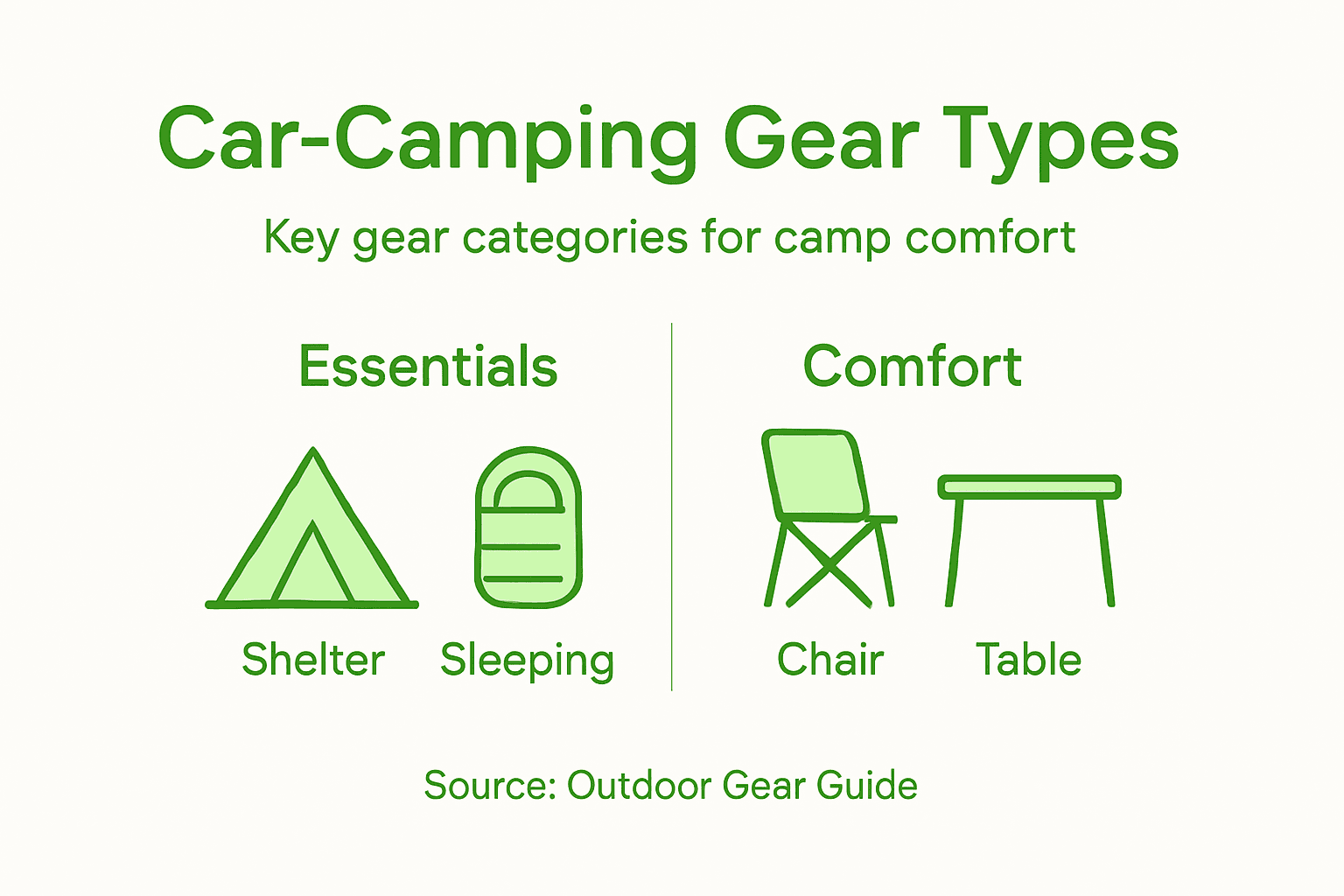
Modern innovations make this decision easier than ever. Manufacturers now create durable, high-performance gear using renewable and recycled materials without sacrificing quality.
Lightweight materials like aluminum alloys and polymer composites reduce environmental impact while improving product performance. These materials weigh less, last longer, and require fewer replacements over time.
Common sustainable camping gear materials include:
Each material choice affects how long your gear lasts and its environmental footprint.
Sustainable natural fibers combined with recycled plastics create innovative camping materials. Researchers repurpose agricultural waste like almond shells into durable composites.
This approach accomplishes two goals simultaneously. It reduces agricultural waste heading to landfills while creating stronger, more eco-friendly camping gear.
Waste-based materials perform as well as virgin plastics but cost less to produce. Your camping chair or table might contain crop residue instead of newly extracted petroleum.
Compare the environmental impact of commonly used camping materials:
| Material | Sustainability Factor | Typical Camping Use |
|---|---|---|
| Recycled polyester | Lowers plastic waste | Tent fabrics, sleeping bags |
| Aluminum | Infinitely recyclable | Poles, cookware, frames |
| Natural fibers | Biodegrades over time | Towels, blankets, bags |
| Recycled nylon | Cuts landfill waste | Backpacks, tarps, accessories |
| Agricultural byproducts | Uses farm waste | Chair seats, table surfaces |
The most eco-friendly gear is gear you keep for decades. A durable portable chair used for 20 years beats replacing a cheap one every 3-4 years.
When evaluating materials, consider:
Quality materials that last decades create less waste than bargain gear you replace constantly.
Read gear descriptions carefully. Look for recycled content percentages and material certifications. Brands prioritizing sustainability highlight these details prominently.
Ask yourself: Will I use this for years? Can it withstand real campground conditions? Does the manufacturer stand behind it? These questions guide better purchasing decisions.
Eco-conscious campers investing in sustainable seating solutions and accessories enjoy superior comfort while reducing their environmental impact. Quality becomes an environmental choice, not just a comfort preference.
Pro tip: Choose multi-season gear made from durable, recycled materials with extended warranties over single-season items, since you’ll use them year after year and avoid the waste of constant replacement.
Most camping disasters stem from preventable mistakes rather than bad luck. Learning what goes wrong helps you sidestep problems before they ruin your trip.
The good news? These pitfalls are entirely avoidable with basic planning and attention.
Bringing too much gear creates chaos at the campsite. Your vehicle has space, but unlimited capacity doesn’t mean unlimited wisdom.
Overpacking leads to:
Start with a core gear list, then add only items you’ll genuinely use. Test your setup at home before heading to the campground.
Common camping pitfalls include failing to research park-specific rules regarding permits, fire safety, and food storage. Each campground operates differently, with unique regulations protecting both visitors and wildlife.
Before booking, research:
Reading park websites takes 15 minutes but prevents conflicts and fines.
Improper food storage and neglecting wildlife safety create dangerous situations. Bears, raccoons, and smaller animals investigate unattended food, damaging your gear and becoming habituated to humans.
Prevention strategies:
Proper food storage protects both wildlife and your camping experience.
Campsites present hazards you might overlook. Inspect your campground for poisonous plants, unstable terrain, and dead branches overhead.
Bring a comprehensive first aid kit containing:
Check expiration dates before each trip. Know your campground’s nearest medical facility location.
Ignoring weather forecasts creates miserable conditions. Check forecasts weekly leading up to your trip, then daily closer to departure.
Understanding weather helps you pack appropriate clothing layers, shelter upgrades, and safety equipment. Rain ruins trips when you lack proper protection but becomes manageable with planning.
Pro tip: Create a pre-trip checklist covering permits, rules, weather, food storage, first aid, and gear organization, then photograph or print it to verify you’ve addressed every category before leaving home.
Car camping offers the perfect balance between outdoor adventure and creature comforts. The article highlights a major challenge for car campers trying to optimize comfort without overpacking bulky furniture. Lightweight yet durable seating can enhance your relaxation at the campsite after a long day without sacrificing vehicle space or convenience. That is where smart, foldable chairs come in to transform your camp setup.
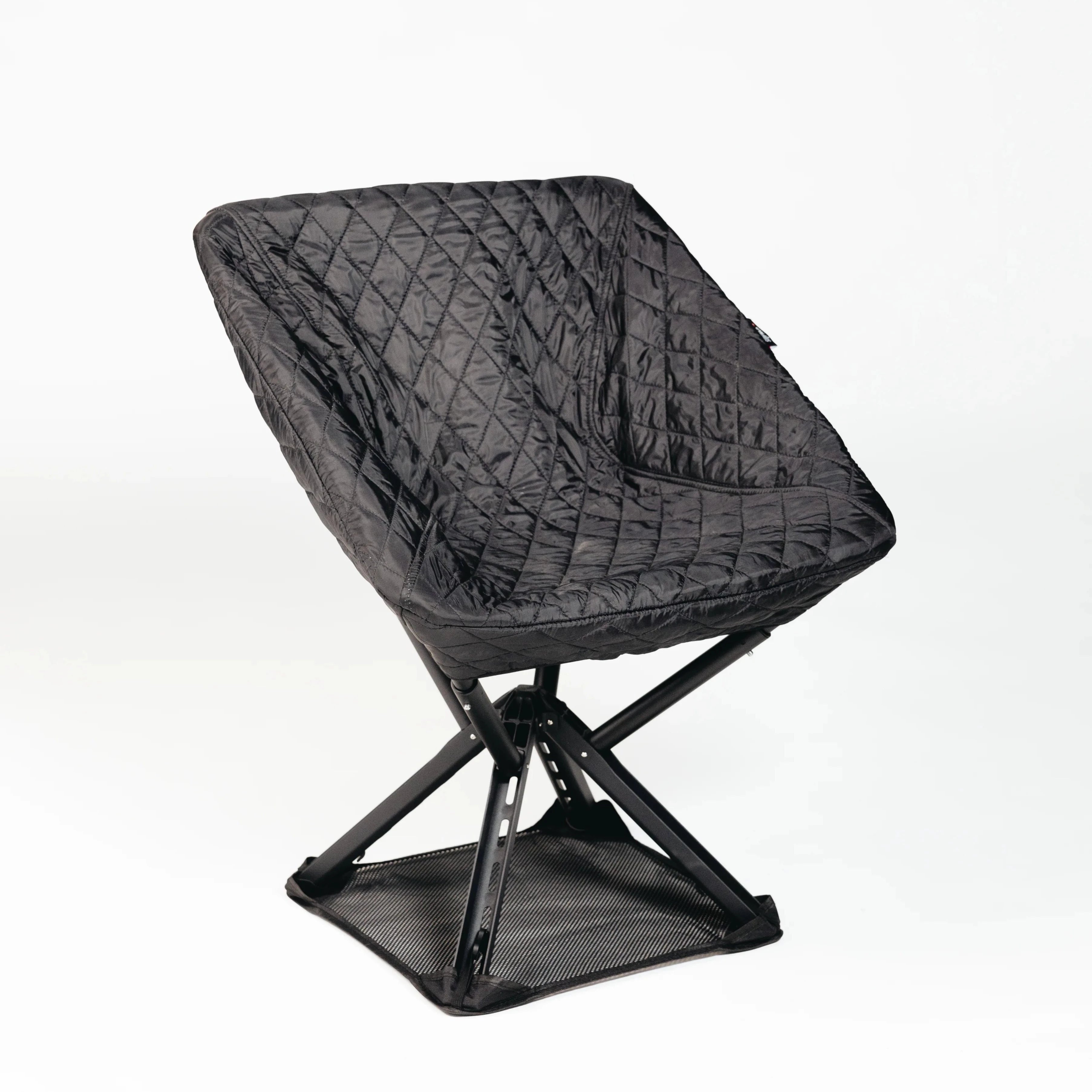
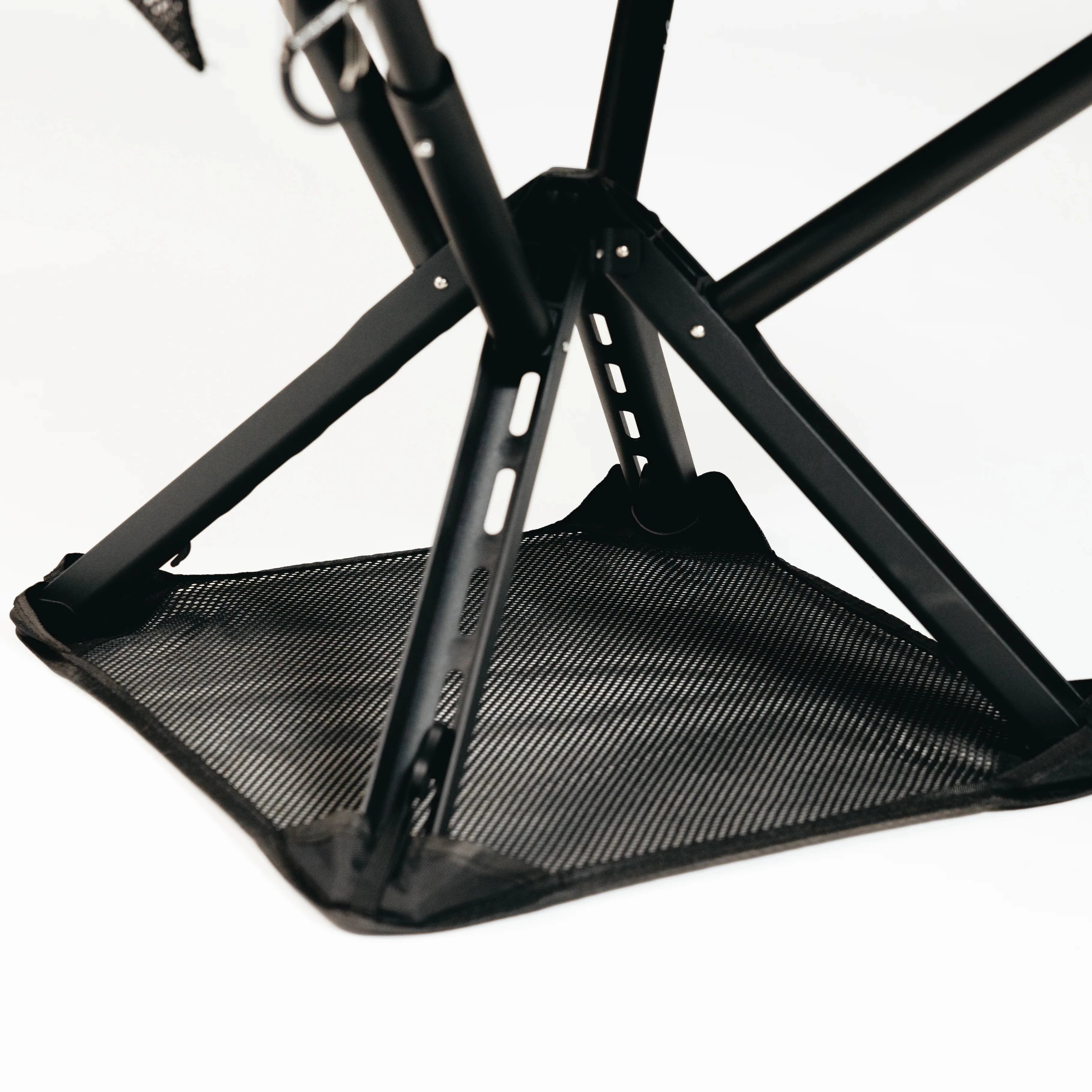
Discover top-tier portable seating options at Sitpack designed to perfectly complement your car-camping gear. Featuring ergonomic, minimalistic designs with durable, eco-friendly materials, products like the Campster II and Sitpack Zen help you avoid common pitfalls like discomfort and disorganization discussed in the article. Invest in quality gear that lasts and makes every camping trip feel like a retreat. Take your comfort seriously and shop now to enjoy fast worldwide delivery and a 45-day satisfaction guarantee. Explore the full range of innovative outdoor seating and essential accessories that will enhance your frontcountry camping experience.
Car-camping gear includes any equipment that enhances your comfort while camping at established campgrounds where you can drive to your site. This includes tents, sleeping bags, cooking equipment, and furniture that allows for a more relaxed outdoor experience.
Car camping gear prioritizes comfort and the ability to bring larger items since your vehicle carries the load, allowing you to use heavier, more spacious tents, larger sleeping systems, and full cooking setups. In contrast, backpacking gear focuses on lightweight and compact equipment as it must be carried on your back for extended distances.
Essential categories of car-camping gear include shelter and sleeping systems (tents and sleeping pads), cooking and food storage (camp stoves and coolers), lighting (lanterns and flashlights), comfort items (camp chairs and tables), and safety supplies (first aid kits and insect repellent).
Eco-friendly gear is significant because it reduces waste and environmental impact. Investing in sustainable, durable materials contributes to less frequent replacements, allowing for a lower overall footprint while enjoying the comforts of camping.