Cart
0
Sign up and get 10$ off your order
Expected delivery
1-3 days
You may also like




Danish Company

TL;DR:
- Ultralight alloys are engineered metals that significantly reduce weight while maintaining strength, used mainly in aerospace and outdoor gear. Manufacturing processes like grain refinement and additive manufacturing enhance performance, but increase costs, limiting their use to high-value applications. These materials enable better fuel efficiency, portability, and durability due to their superior strength-to-weight ratios.
An ultralight alloy is a metallic material engineered specifically for extreme weight reduction without sacrificing structural strength or durability. The industry term for this category is “lightweight structural alloy,” though “ultralight alloy” has become the practical shorthand across aerospace, outdoor gear, and manufacturing circles. The three dominant families are aluminum-lithium alloys, magnesium alloys, and titanium-based alloys. Each delivers a different balance of density, strength, and heat resistance. If you are researching materials for a backpack frame, a vehicle chassis, or an aircraft fuselage, understanding these differences is the fastest way to make a smart material choice.
Ultralight alloys are not simply “light metals.” They are precisely engineered compositions where alloying elements reduce density while preserving or improving mechanical performance. The three main types each serve distinct applications.
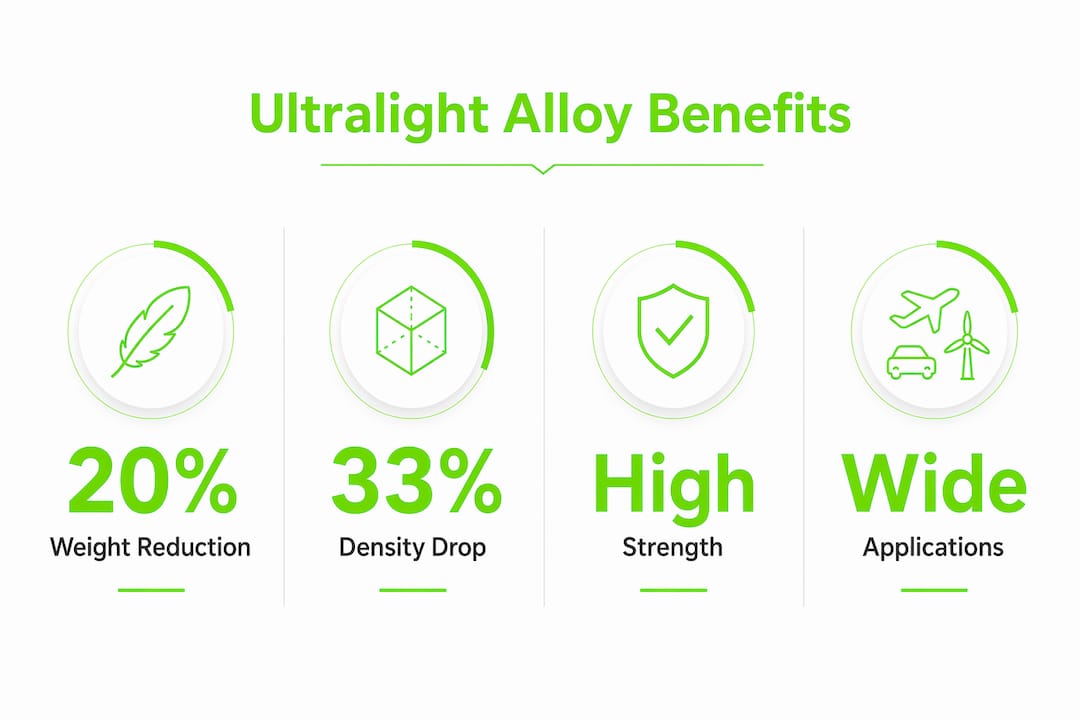
Third-generation Al-Li alloys reduce structural weight by up to 20% compared to standard 7000-series aluminum alloys. Their density ranges between 2.47 and 2.72 g/cm³, with lithium content between 0.75% and 1.8%. That lithium addition is the key. Lithium is the lightest solid metal on the periodic table, and each 1% added to aluminum reduces density by roughly 3% while increasing stiffness. Tensile strength in these alloys can exceed 490–580 MPa, making them a go-to material for commercial aircraft fuselage panels and wing skins.
Magnesium alloys are approximately 33% less dense than aluminum, making them the lightest structural metal family in common use. Modern magnesium-lithium (Mg-Li) alloys show ultimate tensile strength of 273 MPa and plasticity of 20.6%, with grain sizes refined to as small as 2.9 µm. That fine grain structure is what gives them usable ductility, which older magnesium alloys lacked. The traditional knock against magnesium is corrosion and flammability, but rare earth additions like yttrium create stable protective oxide layers that address both concerns directly.
Titanium alloys sit at the heavier end of the ultralight category but offer unmatched heat resistance. The TiAl-CA alloy developed by IIT Jodhpur retains structural yield strength at 900°C, outperforming traditional superalloys in extreme environments. At the experimental frontier, hollow metallic microlattices achieve densities as low as 0.01 g/cm³, offering exceptional energy absorption for aerospace and protective applications. These are not yet mainstream production materials, but they show where the field is heading.
| Alloy type | Density (g/cm³) | Key strength | Primary use |
|---|---|---|---|
| Aluminum-lithium | 2.47–2.72 | Up to 580 MPa tensile | Aircraft panels, automotive |
| Magnesium-lithium | ~1.4–1.6 | 273 MPa UTS | Portable gear, electronics |
| Titanium (TiAl-CA) | ~3.7–4.0 | Stable at 900°C | Aerospace, defense |
| Hollow microlattice | As low as 0.01 | High energy absorption | Protective, thermal applications |
Pro Tip: If you are selecting a material for outdoor gear where weight is the top priority, magnesium-lithium alloys offer the best density advantage. If you need durability under mechanical stress, aluminum-lithium alloys give you a better strength-to-weight balance.
Producing ultralight alloys requires more than just mixing metals. The manufacturing process directly determines whether the final material hits its weight and strength targets.
Alloying element selection. Lithium, scandium, magnesium, and rare earth elements are added in precise ratios. Each element serves a specific role: lithium reduces density, scandium refines grain structure, and rare earths improve corrosion resistance.
Grain refinement. Smaller grains mean stronger, more ductile metal. Techniques like equal-channel angular pressing and severe plastic deformation push grain sizes into the micrometer range, which is what gives modern Mg-Li alloys their improved plasticity.
Laser welding over riveting. Laser welding replaces traditional rivets in aviation structures, reducing weight and eliminating stress concentration points. Scandium additions make aluminum alloys weldable in ways that standard alloys are not, enabling monolithic panel designs.
Additive manufacturing. 3D printing enables ultralight components with complex internal lattice structures that traditional casting or machining cannot produce. The design freedom is genuinely different in kind, not just degree.
Topology optimization. Inspired by biological structures like bone, topology optimization reduces metal use by 40–60% by placing material only where mechanical stress demands it. This requires advanced software and additive manufacturing to execute.
The biggest production challenge is cost. Additive manufacturing and laser welding are expensive processes. Rare earth elements add further cost and supply chain complexity. These trade-offs are real, and they explain why ultralight alloys remain concentrated in high-value applications like aerospace and premium outdoor gear rather than mass-market consumer products.
Pro Tip: When evaluating an ultralight alloy product, ask whether the manufacturer uses grain refinement or additive manufacturing. Those two processes are the clearest signals that the material has been engineered for performance rather than just marketed as “light.”
The core benefit of lightweight structural alloys is simple: less mass means less energy to move. Every other advantage flows from that.
| Application domain | Alloy type used | Key benefit |
|---|---|---|
| Commercial aviation | Aluminum-lithium | Weight reduction, fuel savings |
| Automotive structures | Magnesium, Al-Li | Reduced vehicle mass |
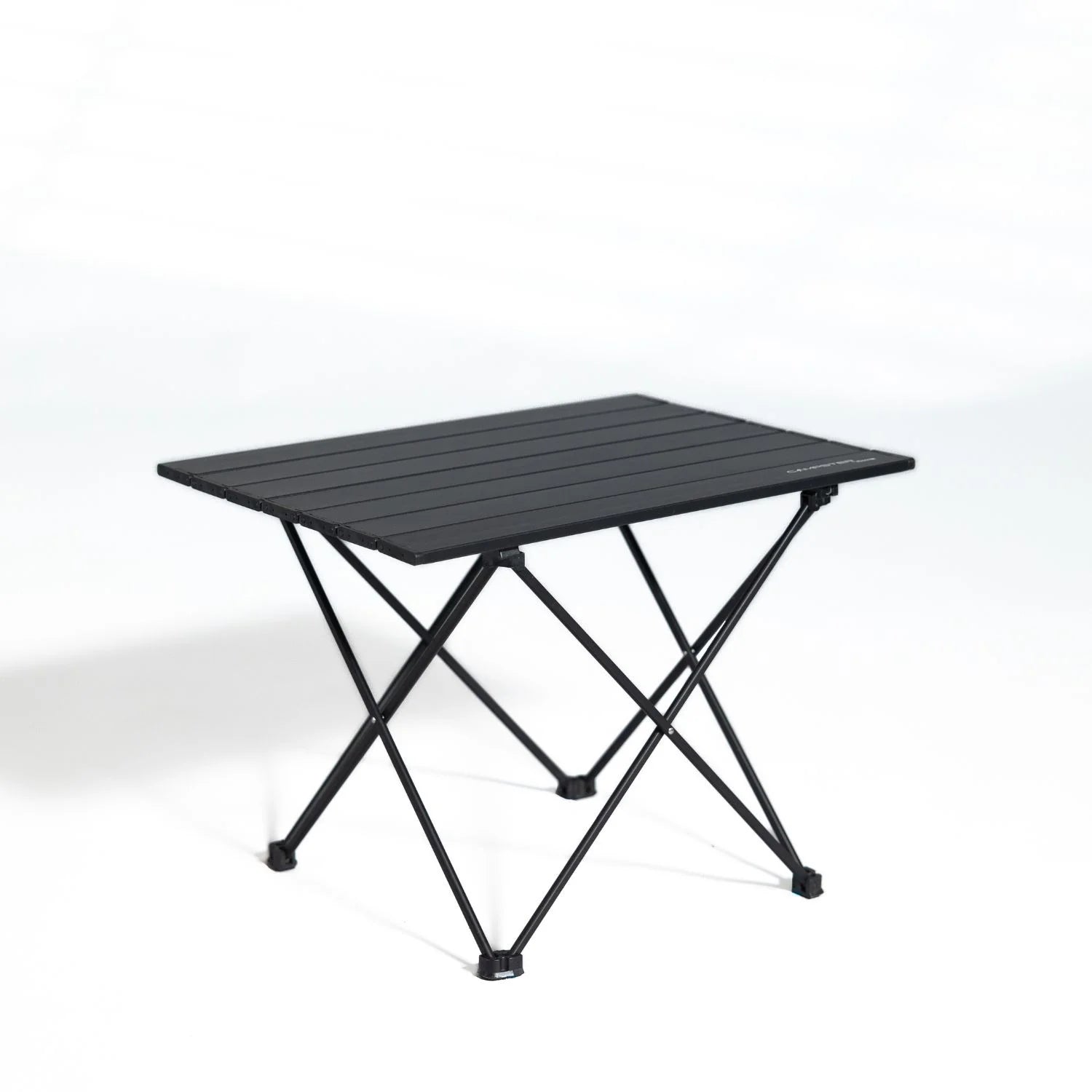
| Camping and outdoor gear | Magnesium, aluminum | Portability, durability |
| Sports equipment | Titanium, aluminum | Strength with low weight |
| Defense and aerospace | Titanium (TiAl-CA) | Heat resistance, structural integrity |
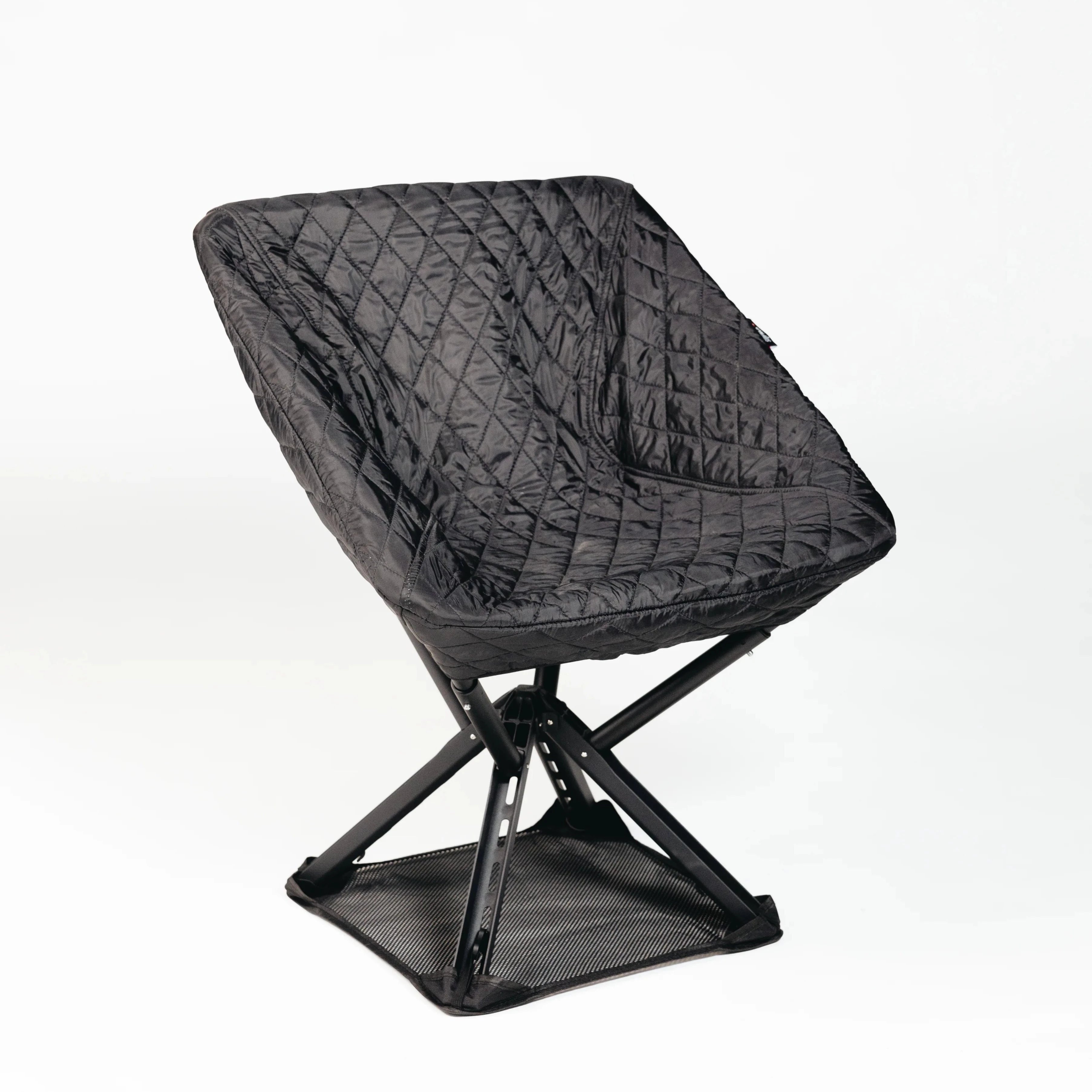
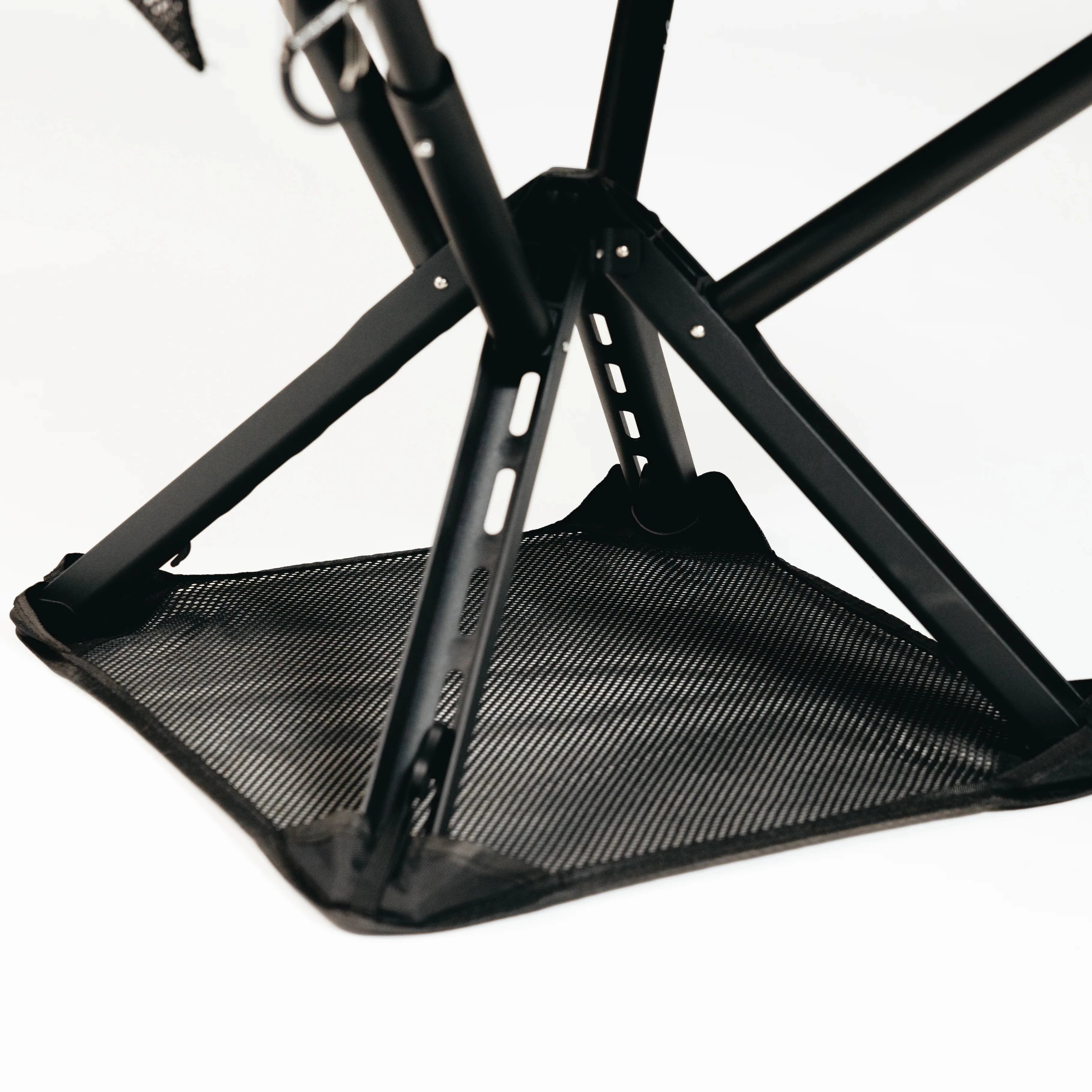
For outdoor enthusiasts, the practical payoff is real. A chair frame, trekking pole, or ultralight camping gear built from magnesium or aluminum-lithium alloy can weigh a fraction of a steel equivalent while handling the same load. That is not marketing. That is physics.
The field is moving fast, and several developments are worth watching closely.
Magnesium-lithium alloys with refined grain structures are closing the strength gap that held magnesium back for decades. The 273 MPa tensile strength now achievable in Mg-Li alloys puts them in contention for structural applications that previously required aluminum. That opens doors for minimalistic camping gear and portable product design where every gram counts.
Nanoparticle reinforcement is another active frontier. Adding graphene or carbon nanotubes to metal matrices creates composites that outperform the base alloy in both stiffness and fatigue resistance. These are not yet in mass production, but laboratory results are strong enough that aerospace suppliers are paying close attention.
“The shift to monolithic laser-welded parts removes millions of heavy rivets and stress concentrators, fundamentally changing how aircraft are assembled and how light they can be.” — IAExplore, Ultralight Alloys in Aviation
Additive manufacturing is the production method that ties all of this together. Complex internal lattice structures are now achievable in production-grade aluminum alloys, not just research prototypes. Those lattices distribute stress the way bone does, which is a genuinely elegant solution to a hard engineering problem.
Sustainability is also driving investment. Net-zero carbon targets in aviation and automotive manufacturing make weight reduction a regulatory priority, not just a performance goal. That pressure accelerates funding for ultralight alloy research across the board.
Ultralight alloys are the most effective materials available for combining low density with high structural strength across aerospace, transportation, and outdoor gear applications.
| Point | Details |
|---|---|
| Definition matters | Ultralight alloys are engineered metal compositions, not just any light metal. |
| Three core families | Aluminum-lithium, magnesium, and titanium alloys each serve different performance needs. |
| Manufacturing drives performance | Laser welding, grain refinement, and additive manufacturing determine final material quality. |
| Weight savings are measurable | Al-Li alloys cut structural weight by up to 20% versus standard 7000-series aluminum. |
| Sustainability link is direct | Reducing aircraft weight by 1,000 kg cuts CO2 emissions by thousands of tons over its service life. |
I spent years assuming that “lightweight” was mostly a marketing claim. Then I started paying attention to what was actually inside the products I trusted on long trips. The difference between a magnesium-framed piece of gear and a steel or cheap aluminum equivalent is not subtle. You feel it in your hands before you even leave the trailhead.
What surprised me most was learning how much the manufacturing process matters. Two products can both claim to use aluminum alloy and perform completely differently, because one uses a grain-refined, scandium-enhanced composition and the other uses a basic extrusion. The alloy family is only half the story. The processing method is the other half.
The sustainability angle also shifted my thinking. I used to see material science as a purely technical domain. Knowing that lightweight travel essentials built from ultralight alloys contribute to measurable emissions reductions makes the material choice feel more meaningful. It is not just about comfort on the trail. It is about what the product represents in a broader sense.
My practical advice: when you are evaluating any gear that claims ultralight credentials, look for specific alloy designations, not just generic terms like “aircraft-grade aluminum.” A manufacturer who knows their material will tell you exactly what they are using and why.
— Jonas
Sitpack builds portable seating products like the Campster II and Sitpack Zen with lightweight materials at the core of every design decision. The goal is simple: gear that you actually carry, not gear that stays in the car because it is too heavy to bother with.

Ultralight alloy construction is what makes that possible. A seat that weighs almost nothing but holds a full-grown adult without flexing is not an accident. It is the result of material selection done right. If you want portable gear that takes the weight question off the table entirely, explore Sitpack’s full range and see what thoughtful alloy design looks like in practice.
An ultralight alloy is a metal mixture engineered to be significantly lighter than standard metals while keeping its structural strength. Common examples include aluminum-lithium, magnesium-lithium, and titanium-based alloys.
Standard aluminum alloys have densities around 2.7 g/cm³, while aluminum-lithium alloys reach as low as 2.47 g/cm³ and cut structural weight by up to 20%. The lithium content and grain refinement process are what separate them from conventional aluminum.
Ultralight alloys are used in commercial aircraft fuselages, automotive body panels, camping gear frames, sports equipment, and defense components. Their high strength-to-weight ratio makes them the preferred choice wherever reducing mass directly improves performance or portability.
Yes, generally. Advanced production methods like additive manufacturing, laser welding, and rare earth element additions increase cost significantly. That is why ultralight alloys are most common in high-value applications like aerospace and premium outdoor gear.
Traditional magnesium alloys corrode readily, but modern formulations with rare earth elements like yttrium form stable protective oxide layers that reduce corrosion and flammability. Aluminum-lithium alloys also require surface treatments, but their corrosion resistance is well-managed in production environments.