Cart
0
Sign up and get 10$ off your order
Expected delivery
1-3 days
You may also like


Danish Company

TL;DR:
- Active lifestyle seating promotes continuous subtle movements to engage core muscles and improve posture. It burns more calories and enhances blood flow compared to static chairs, supporting overall health. Portable designs for outdoor and commuting use allow ergonomic support in diverse environments, encouraging consistent use.
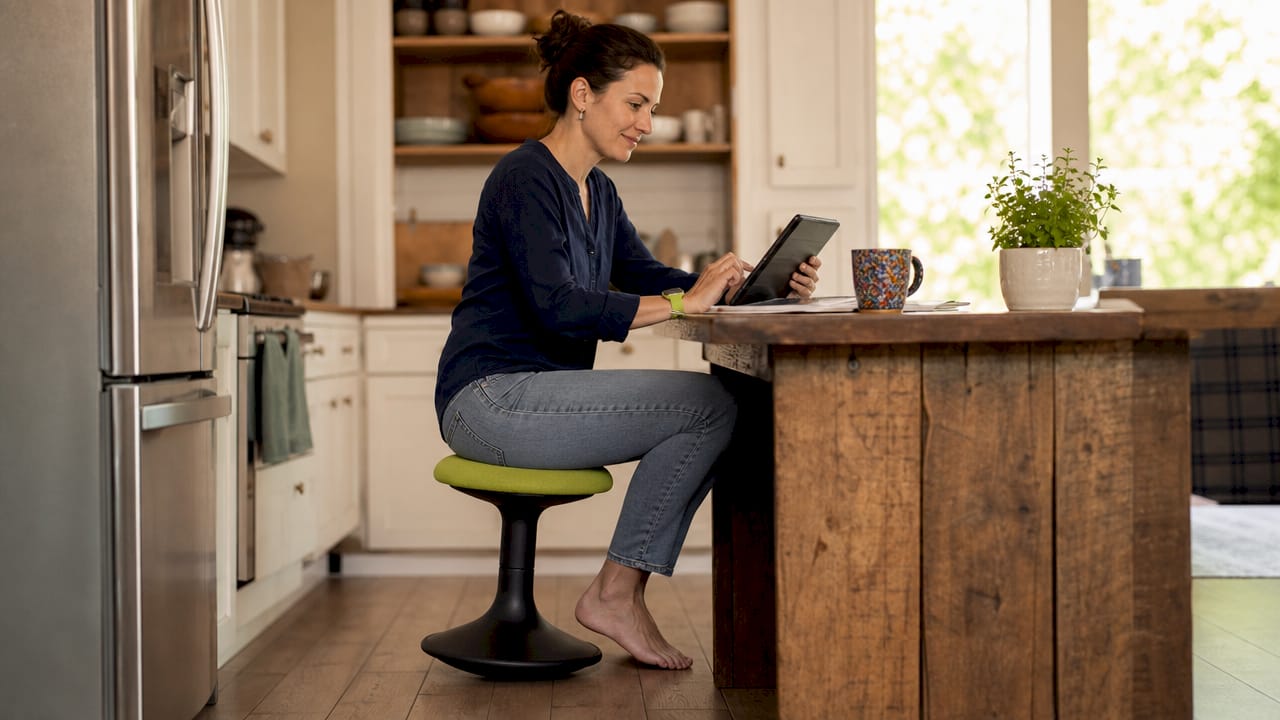
Active lifestyle seating is defined as a dynamic seating approach that encourages continuous subtle movements while sitting, engaging core muscles and improving posture rather than locking the body into a fixed position. Unlike traditional static chairs, active seating keeps your body in a state of gentle, ongoing motion. The industry term for this practice is “active sitting,” and it sits at the intersection of ergonomic design and everyday health. For outdoor enthusiasts, commuters, and anyone tired of parking their posterior in a rigid chair all day, understanding what active lifestyle seating offers is the first step toward a healthier, more comfortable routine.
Active lifestyle seating is built on a simple but powerful idea: the static nature of sitting is more problematic than sitting itself. Traditional chairs hold your body in one fixed position, which gradually switches off your core muscles and compresses your spinal discs. Active seating introduces controlled instability to keep your posture muscles firing continuously. Your body makes tiny, constant corrections to stay upright, which is exactly the point.
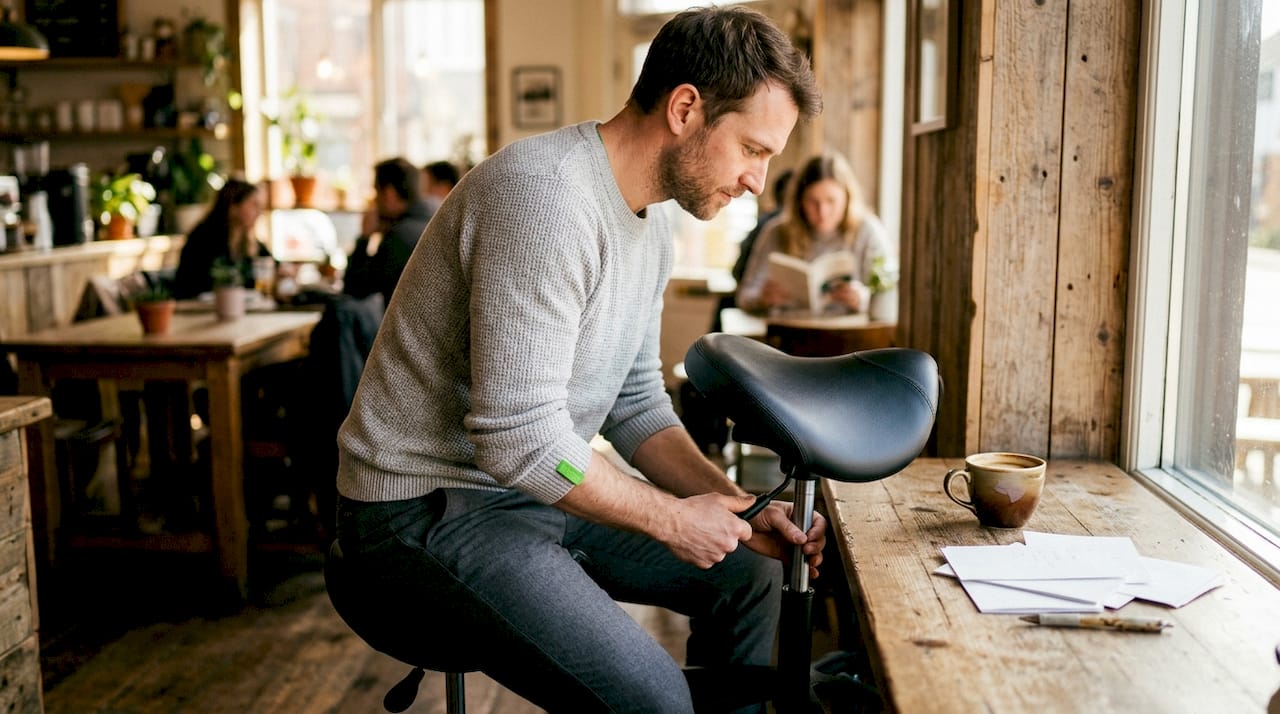
The most common active seating formats include wobble stools, saddle seats, balance ball chairs, and portable perch-style seats. Each design tilts, rocks, or flexes slightly under your weight. That gentle movement keeps blood circulating, lubricates your joints, and prevents the deep muscular shutdown that comes with prolonged static sitting. Think of it as the difference between standing on a moving boat deck versus standing on solid concrete. Your body stays alert on the boat.
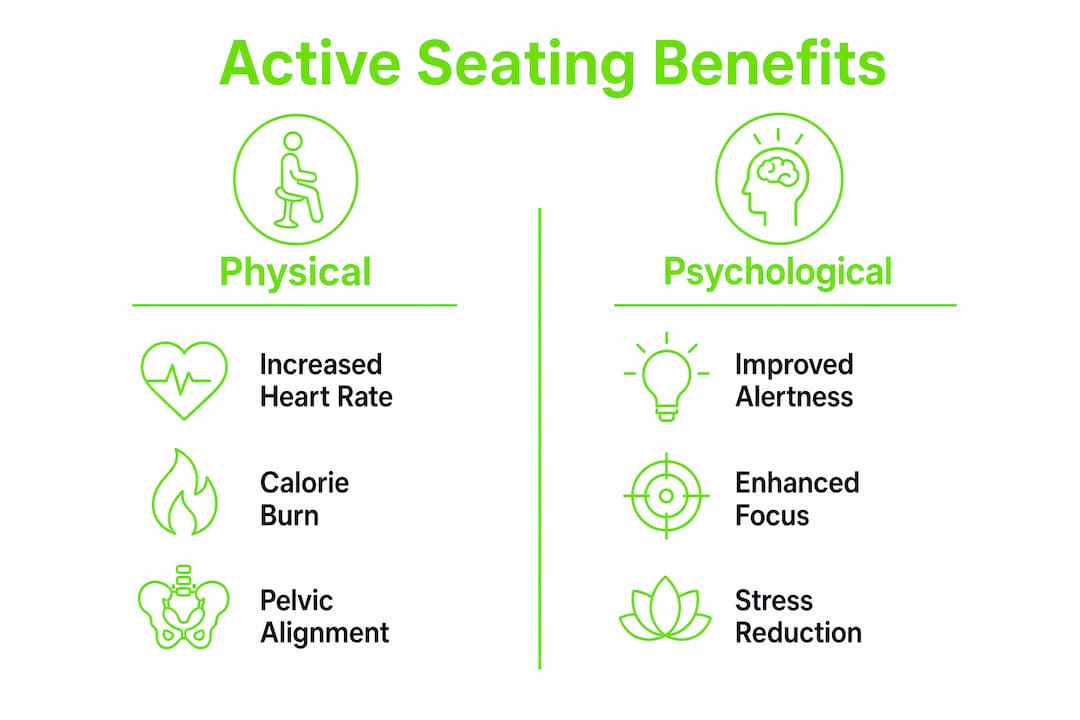
The physiological payoff is real. Active sitting increases heart rate by 6–13% and burns 19–40% more calories per minute compared to static seating. That calorie difference sounds small per session, but it compounds meaningfully across a full workday or a long outdoor event. Active seating also encourages small pelvic movements that improve spinal mobility and blood flow, supporting respiratory and digestive processes at the same time.
The impact of seating on health is more significant than most people realize. Sedentary behavior above 8–9 hours daily poses serious health risks including cardiovascular disease, metabolic dysfunction, and musculoskeletal deterioration. Active seating directly addresses the mechanical side of that problem by keeping your body a moving target throughout the day.
Here is what active seating does for your body:
Active seating also has a psychological effect. When your body is gently moving, your brain stays more alert. Many people report better focus and less afternoon energy slump when they switch from a static chair to an active seat. The movement keeps your nervous system slightly engaged, which translates directly into better productivity during long work or outdoor sessions.
Not every seat labeled “ergonomic” actually delivers active support. The label “ergonomic” is not a guarantee. Real ergonomic design means the seat accommodates natural body movement rather than restricting it, using adjustable lumbar support, tilt mechanisms, and proper seat depth. A chair that simply has a curved backrest and a foam cushion is not truly ergonomic in the active sitting sense.
BIFMA G1-2013 guidelines recommend that seat designs fit the 5th to 95th population percentiles for proper ergonomic fit. That standard exists because a seat that only fits average-sized bodies will cause discomfort or injury for a large portion of users. When you evaluate active seating options, check whether the product specifies its fit range.
| Feature | Active lifestyle seating | Traditional static chair |
|---|---|---|
| Seat base | Tilts, rocks, or flexes | Fixed and flat |
| Core engagement | Continuous, low-level | Minimal to none |
| Lumbar support | Dynamic or absent by design | Fixed backrest |
| Portability | Often lightweight and foldable | Typically heavy and stationary |
| Pelvic alignment | Promotes anterior or neutral tilt | Often encourages posterior tilt |
| Adjustability | Tilt angle, height | Height, armrests |
Pelvic alignment is the most overlooked ergonomic factor in active seating. Poor pelvic alignment still risks back pain even on an active seat. Effective seats promote an anterior or neutral pelvic tilt to minimize lumbar disc stress. If a seat tips you too far backward, it defeats the purpose entirely.
Pro Tip: When testing an active seat, sit on it without back support and check whether your lower back naturally curves inward. If it does, your pelvis is in the right position. If your lower back flattens or rounds, the seat height or tilt needs adjustment.
Choosing the right active seat for outdoor activities and commuting requires a different checklist than choosing an office chair. Weight, packability, and durability matter as much as ergonomic principles when you are hauling your seat to a trailhead, a stadium, or a train platform.
Follow these steps to choose and adapt effectively:
Pro Tip: Build your active sitting time the same way you would build a running habit. Add five minutes per session each week. After a month, most people can sit actively for 60–90 minutes without discomfort.
Active seating is not a replacement for regular exercise or standing breaks. Active seating complements movement by keeping the user a moving target, but it does not substitute for aerobic exercise, which remains essential for cardiovascular and metabolic health. Setting realistic expectations prevents disappointment and helps you use active seating as part of a broader healthy lifestyle rather than a standalone fix.
Key limitations to keep in mind:
The most effective approach combines active seating with a height-adjustable workstation, timed movement breaks, and a consistent exercise routine. Active seating handles the micro-movement layer. Exercise handles the macro-movement layer. Together, they address the full impact of sedentary behavior on heart health and musculoskeletal function.
Active lifestyle seating delivers real health benefits only when paired with proper ergonomic fit, gradual adaptation, and consistent daily movement habits.
| Point | Details |
|---|---|
| Active seating definition | Dynamic seating that promotes continuous subtle movement to engage core muscles and improve posture. |
| Health impact | Increases heart rate by 6–13% and burns 19–40% more calories per minute versus static seating. |
| Ergonomic fit matters | BIFMA G1-2013 standards require seats to fit the 5th to 95th population percentiles for safe use. |
| Gradual adaptation is key | Start with 20-minute sessions and build over weeks to avoid core muscle fatigue. |
| Not a standalone solution | Combine active seating with movement breaks and 60–75 minutes of daily aerobic exercise for full benefit. |
I have tried a lot of seats in a lot of places, from rocky hillsides to packed commuter trains, and the single biggest mistake I see people make with active seating is treating it like a passive upgrade. They swap their old chair for a wobble stool, expect their back pain to vanish, and then wonder why they feel sore after two hours. Active seating is a tool, not a cure.
The adaptation phase is where most people quit. Your core muscles are genuinely not used to working during sitting. The first week feels odd, maybe even tiring. That is normal. Push through it incrementally, and by week three, sitting on a static chair starts to feel weirdly uncomfortable. Your body learns to expect movement.
What I find most compelling about active seating for outdoor and commuting use is the portability angle. A seat that you can carry in your pack and deploy on a hillside, a train platform, or a festival field gives you ergonomic support in places where you would otherwise be perching on a rock or standing for hours. That is where ergonomic outdoor seating genuinely changes the experience. The health benefits are real, but the convenience factor is what actually gets people to use it consistently.
The bottom line: active seating works best when you treat it as one layer of a movement-rich lifestyle, not the whole solution. Pair it with regular walks, timed standing breaks, and a seat that actually fits your body, and you will feel the difference within weeks.
— Jonas
If you are ready to put active seating principles into practice, Sitpack builds portable, ergonomic seats designed for exactly the kind of outdoor and commuting use this article covers.
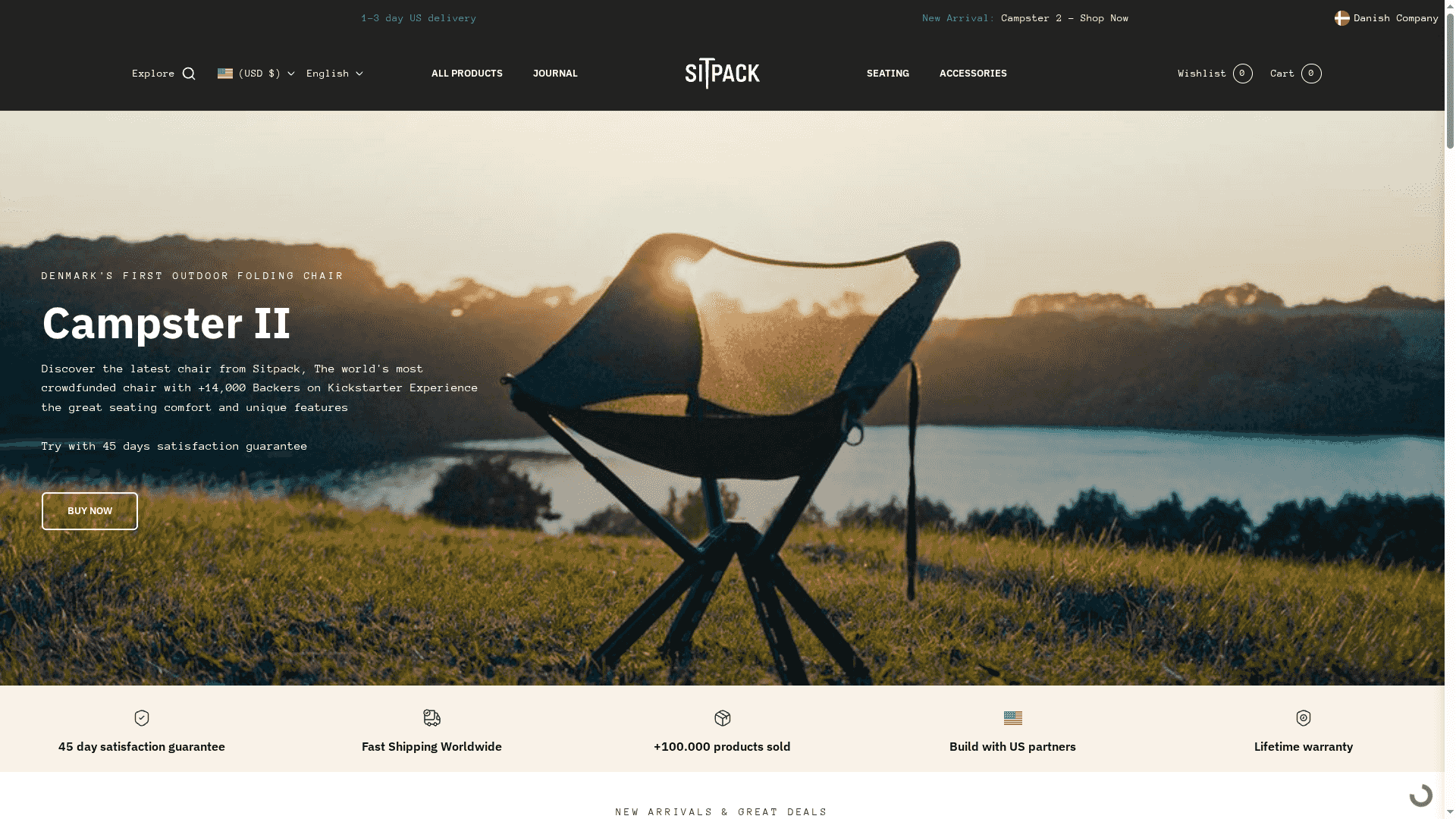
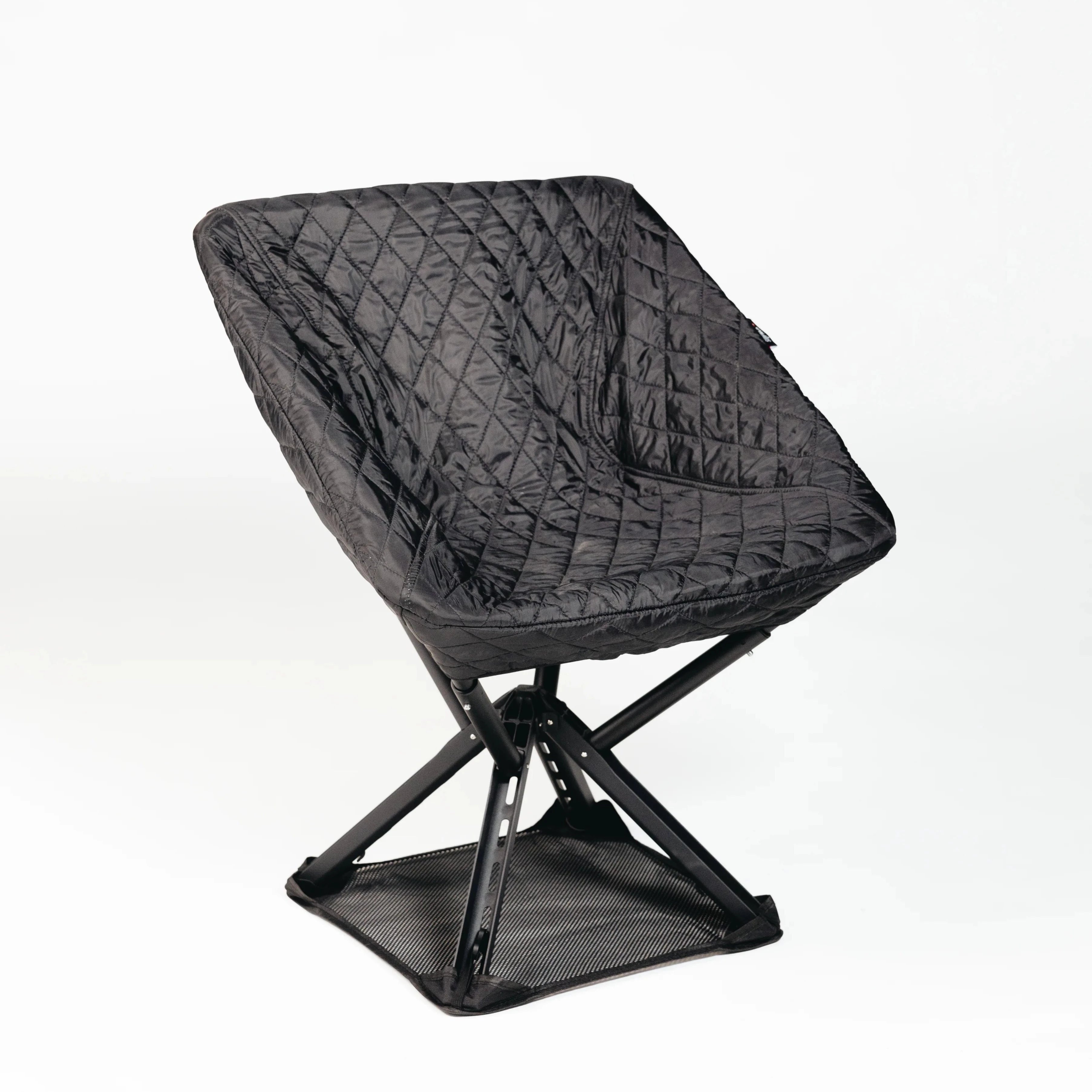
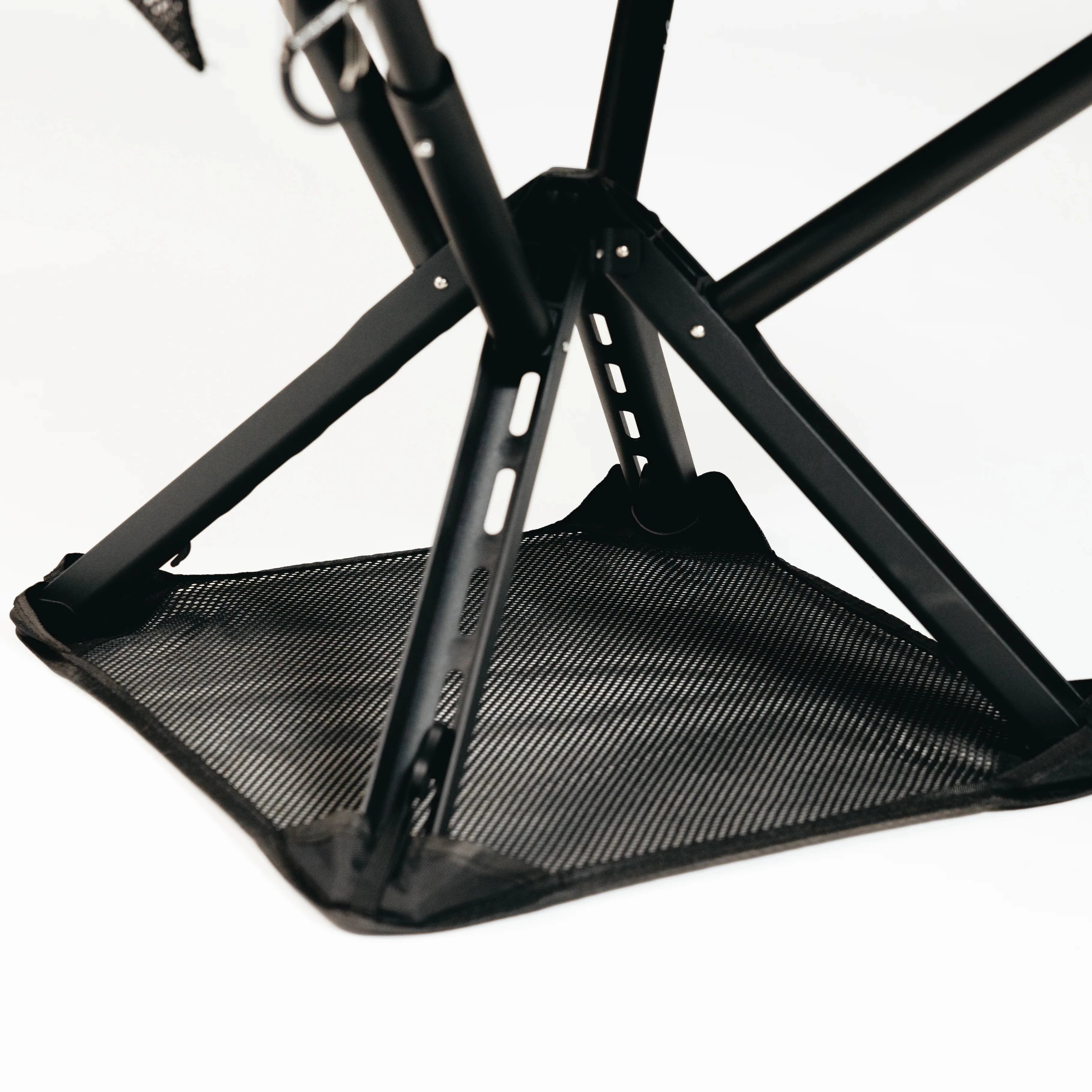
Sitpack’s lineup, including the Campster II and Sitpack Zen, combines lightweight construction with genuine ergonomic design. These seats are built for people who want healthy seating solutions that actually travel with them, not just sit in an office. Sitpack backs its products with a lifetime warranty and a 45-day satisfaction guarantee, so you can test the active sitting experience without risk. Check out Sitpack’s portable seating range and find the seat that fits your adventures.
Active lifestyle seating is a type of seat that encourages small, continuous movements while you sit, keeping your core muscles engaged and your posture upright rather than locking your body into a fixed position.
Ergonomic seating is designed to support the body comfortably in a fixed position, while active seating introduces controlled instability to promote movement. The two overlap, but active seating prioritizes dynamic motion over static support.
Active seating can reduce back pain by improving pelvic alignment and spinal mobility, but only when the seat promotes a neutral or anterior pelvic tilt. Poor alignment on an active seat can still cause lumbar discomfort.
Most people adapt within two to four weeks by starting with 20-minute sessions and gradually increasing usage. Core muscle fatigue in the first week is normal and signals that the seat is working.
Yes, provided the seat is lightweight, portable, and structurally stable on uneven surfaces. Portable active seats designed for outdoor use combine ergonomic tilt features with packable, durable construction suited for travel and commuting.