Cart
0
Sign up and get 10$ off your order
Expected delivery
1-3 days
You may also like



Danish Company

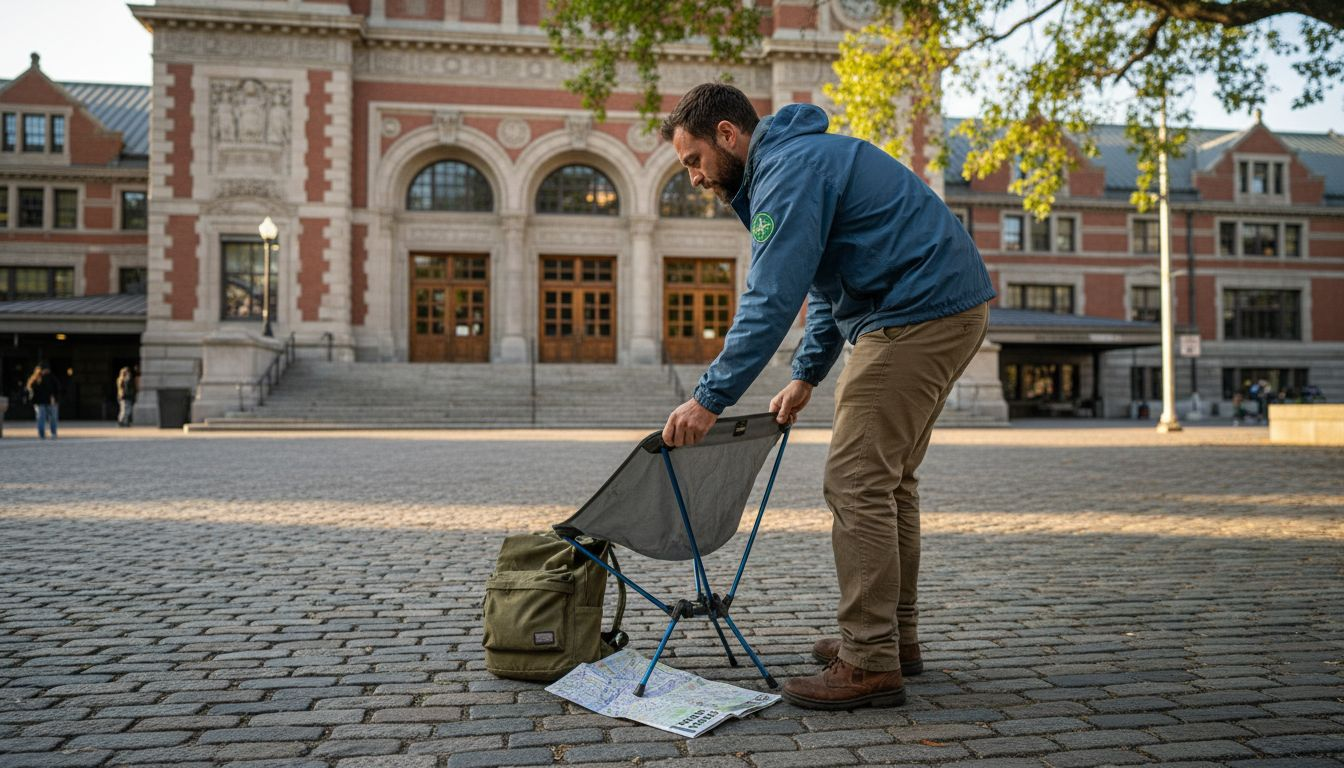
Most American travelers know the struggle of finding comfortable seating that doesn’t weigh them down or eat up space in a suitcase. Over 60 percent of urban explorers now prioritize lightweight, adaptable gear for international travel. Whether you’re crossing continents or navigating busy city streets, choosing the right portable seating can mean the difference between fatigue and comfort. This guide breaks down modern seating solutions, helping frequent travelers discover options that match their movement, preferences, and active lifestyles.
| Point | Details |
|---|---|
| Adaptable Seating Characteristics | Lightweight, compact, and highly ergonomic, adaptable seating solutions cater to diverse traveler needs and environments. |
| Innovative Materials | Advanced materials like carbon fiber and lightweight alloys enhance portability and durability, crucial for modern travel. |
| Safety and Ergonomics | Proper ergonomic design is essential to prevent discomfort and health risks associated with prolonged use of portable seating. |
| Informed Decision Making | Travelers should prioritize quality, material durability, and personal ergonomic needs over aesthetic preferences when selecting portable seating. |
Adaptable seating represents a revolutionary approach to mobility and comfort, transforming how travelers experience rest and support during journeys. Unlike traditional static chairs, these innovative solutions offer unprecedented flexibility, addressing the diverse needs of modern adventurers. Innovative seating design integrates ergonomic principles and material technologies to create products that seamlessly adjust to different body types, environments, and usage scenarios.
At its core, adaptable seating prioritizes user-centered design that goes beyond basic functionality. These dynamic seating solutions accommodate varying physical requirements, activity levels, and spatial constraints. By integrating advanced materials and intelligent engineering, adaptable chairs can modify their structure, providing customized support whether you’re navigating airport terminals, embarking on wilderness expeditions, or working in compact urban spaces. Accessible seating principles further underscore the importance of creating versatile solutions that enhance comfort for travelers with diverse mobility needs.
Key characteristics of adaptable seating include:
Technological innovations have dramatically expanded the potential of portable seating, moving far beyond traditional folding chairs. Modern adaptable seats incorporate advanced materials like carbon fiber, lightweight aluminum alloys, and flexible polymers that provide strength without bulk. These engineering breakthroughs enable travelers to carry comfortable seating solutions that weigh mere ounces while offering robust support and remarkable versatility.
Pro tip: When selecting an adaptable seat, prioritize weight, packability, and versatility over purely aesthetic considerations to ensure maximum travel utility.
Portable travel seating represents a diverse ecosystem of mobility solutions designed to meet the dynamic needs of modern travelers. Portable seating solutions encompass a wide range of innovative designs that prioritize flexibility, compact storage, and user convenience. These seating options transform how individuals approach comfort during travel, offering unprecedented adaptability across various environments and activity scenarios.
The primary categories of portable travel seating can be categorized into several distinct types:
Each category offers unique advantages tailored to specific traveler requirements. Some designs integrate advanced materials like ripstop nylon, carbon fiber frames, and waterproof polymers to enhance durability and performance. These technological innovations enable travelers to carry robust seating solutions that provide exceptional comfort without compromising portability.

Here’s a comparison of key portable travel seating types and their best usage scenarios:
| Seating Type | Best For | Distinctive Benefit |
|---|---|---|
| Minimalist Compact Chairs | Backpacking, light travel | Ultra-light and fast to set up |
| Convertible Multipurpose Seats | Camping, outdoor activities | Adjusts for sitting or lounging |
| Inflatable and Packable Options | Air travel, festivals | Packs very small; versatile terrain |
Pro tip: Always test portable seating for weight capacity and stability before extended use in challenging environments.
Adaptable seating represents a sophisticated solution that goes far beyond traditional chair design, offering travelers unprecedented comfort and flexibility. Ergonomic adaptive seating integrates advanced features that transform the travel experience by addressing individual user needs with remarkable precision. These innovative designs prioritize human-centered engineering, ensuring that every traveler can find optimal support regardless of body type, activity level, or environmental context.
Key essential features of modern portable seating include:
Flexible seating research reveals profound benefits that extend beyond physical comfort. Users experience significant improvements in mental well-being, including reduced anxiety, decreased restlessness, and enhanced focus during extended travel periods. The psychological impact of adaptable seating cannot be overstated, as these designs create a sense of personal control and comfort in otherwise unpredictable travel environments.
The technological innovations driving these seating solutions incorporate advanced materials like high-performance polymers, aerospace-grade aluminum, and intelligent fabric technologies. These components work synergistically to provide exceptional strength-to-weight ratios, ensuring travelers can carry robust seating options without sacrificing portability. Ergonomic designs now accommodate diverse body types, with features like adjustable lumbar support, flexible seat angles, and pressure-distributing surfaces that minimize physical strain during prolonged sitting.
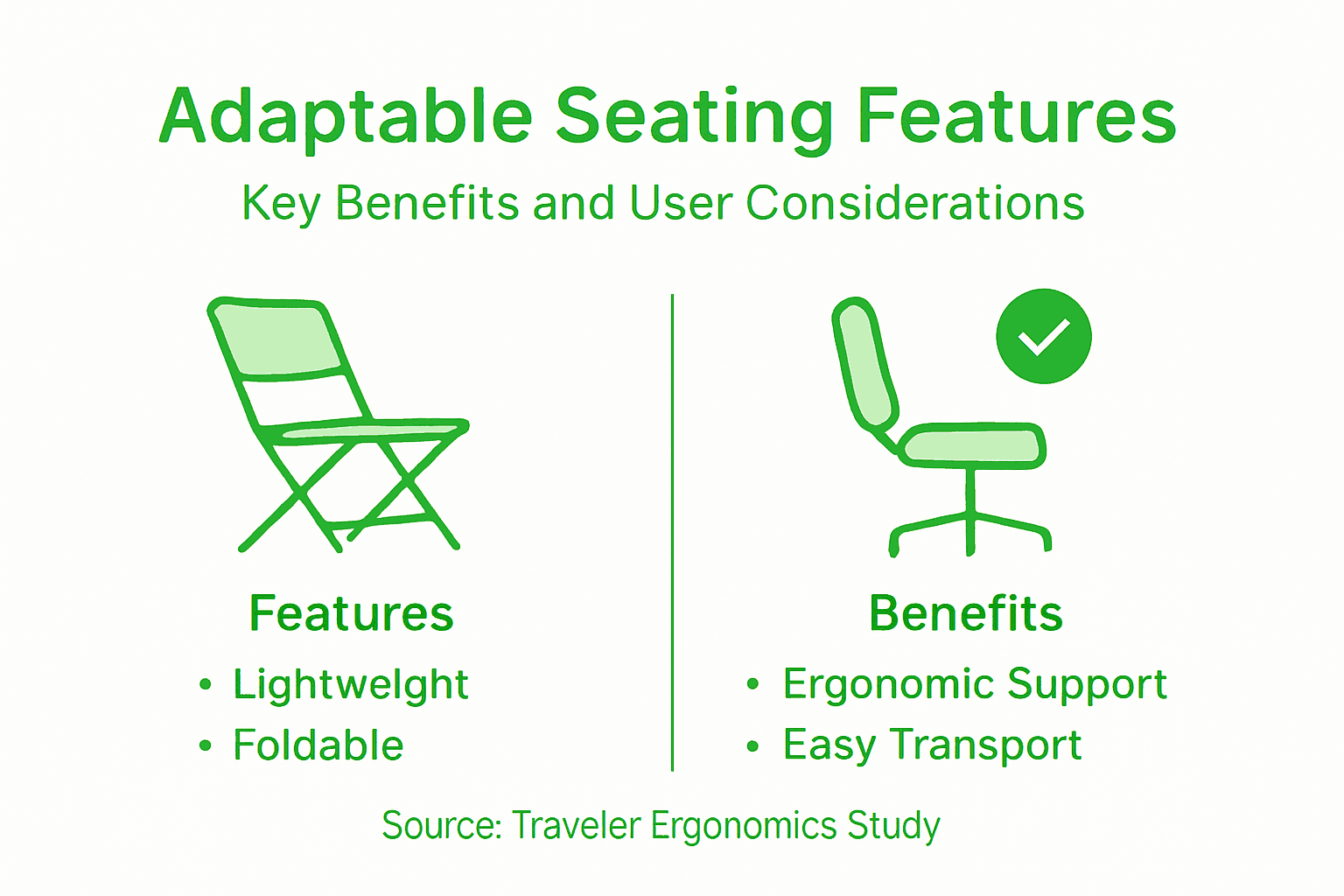
Below is a summary of leading material technologies used in adaptable seating and their primary advantages:
| Material | Main Advantage | Common Use Case |
|---|---|---|
| Carbon Fiber | Best strength-to-weight ratio | Premium travel chairs |
| Aerospace Aluminum Alloy | Durable and lightweight | Foldable frame construction |
| Advanced Polymer Fabrics | Weather resistance and comfort | Seats and backrests |
Pro tip: Always examine the weight capacity and material specifications of portable seating to ensure compatibility with your specific travel requirements and body type.
Vehicle seating ergonomics represents a critical intersection of safety, comfort, and human physiology. Portable travel seating introduces unique challenges that require careful consideration of potential risks and design limitations. Understanding these dynamics becomes essential for travelers seeking reliable and safe seating solutions that protect both physical health and overall travel experience.
Key safety and ergonomic risks associated with portable seating include:
Extended static sitting risks highlight significant musculoskeletal challenges travelers might encounter. Prolonged use of improperly designed seating can lead to muscle strain, reduced circulation, and potential long-term postural issues. Sophisticated portable seating must therefore incorporate advanced ergonomic principles that minimize these risks while providing adaptable support across diverse travel scenarios.
Modern portable seating technologies address safety concerns through innovative design strategies. Advanced materials like high-strength composites, intelligent fabric technologies, and precision engineering help mitigate traditional risks associated with compact seating solutions. Manufacturers now utilize computational modeling, 3D anatomical scanning, and extensive biomechanical research to create seating that adapts to individual body mechanics, distributes physical load effectively, and maintains structural integrity under varying environmental conditions.
Pro tip: Always inspect portable seating for structural integrity and weight-bearing capabilities before extended use in challenging travel environments.
Specialist seating selection requires strategic thinking and comprehensive evaluation beyond simple aesthetic preferences. Travelers often fall into predictable traps when selecting portable seating, overlooking critical factors that significantly impact comfort, safety, and long-term usability. Understanding these potential pitfalls becomes crucial in making an informed decision that meets individual travel requirements.
Common mistakes travelers frequently make include:
Seating arrangement research reveals that thoughtless selection can lead to significant discomfort and potential health risks. Many travelers assume a one-size-fits-all approach works, but portable seating demands personalized consideration. Understanding individual body mechanics, travel frequency, and specific environmental conditions becomes paramount in selecting an appropriate seating solution that provides consistent comfort and support.
Advanced travelers develop a nuanced approach to portable seating selection by conducting thorough research, testing multiple options, and understanding their unique physical requirements. This involves examining material composition, assessing structural integrity, comparing weight-to-support ratios, and considering factors like climate adaptability and intended usage scenarios. Professional outdoor enthusiasts often invest time in understanding detailed specifications, reading user reviews, and consulting expert recommendations before making a final purchase decision.
Pro tip: Always test portable seating with your actual body weight and intended travel gear to verify real-world performance and comfort levels.
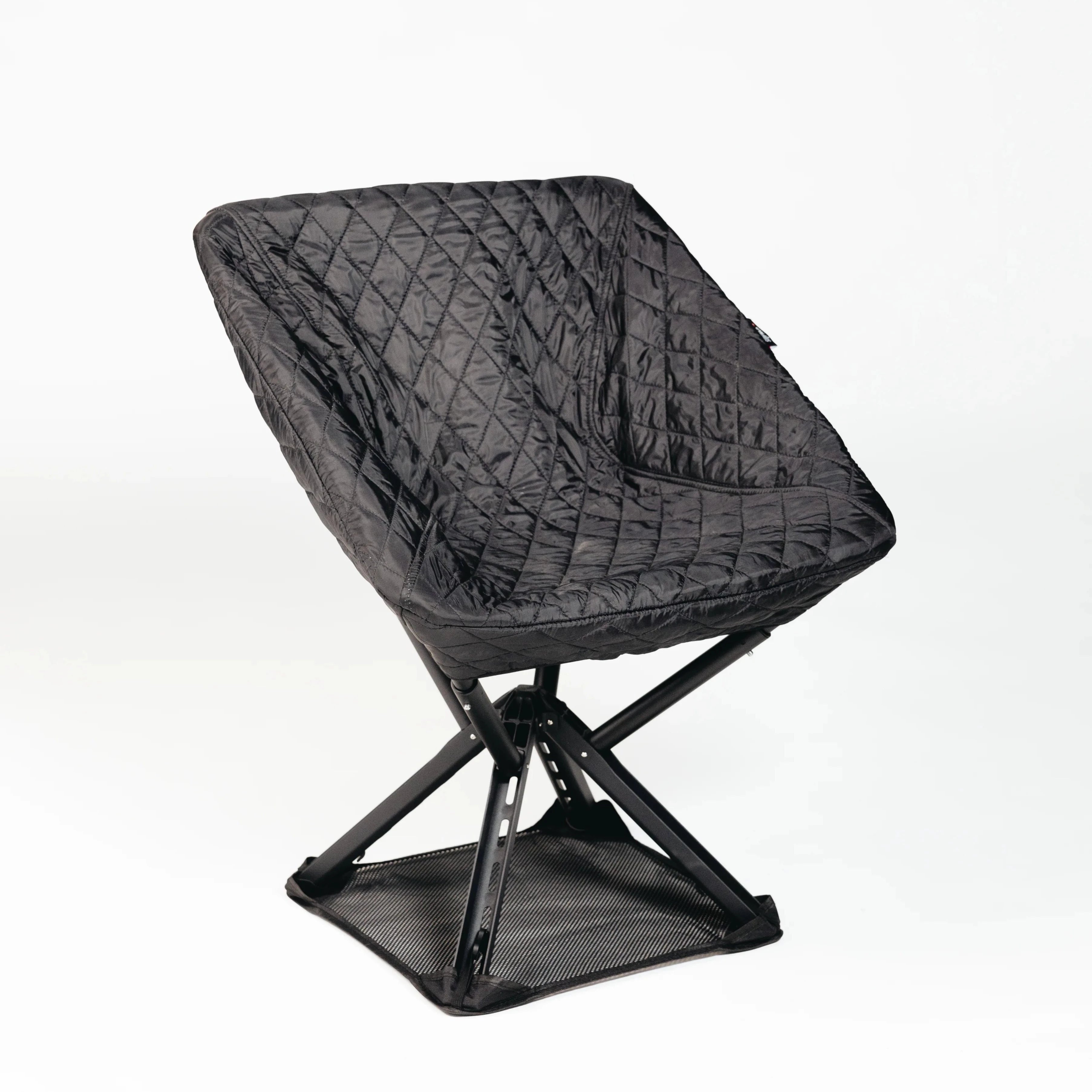
Travelers often face discomfort caused by bulky, inflexible chairs that fail to provide ergonomic support or adapt to diverse environments. This article highlights the need for seating solutions that offer lightweight design, quick transformation, and durable materials tailored to every traveler’s unique body mechanics and usage scenarios. If you are seeking portable seating that prioritizes ergonomic contour support, compact folding capabilities, and weather-resistant fabrics, Sitpack delivers exactly that with innovative products like the Campster II and Sitpack Zen.
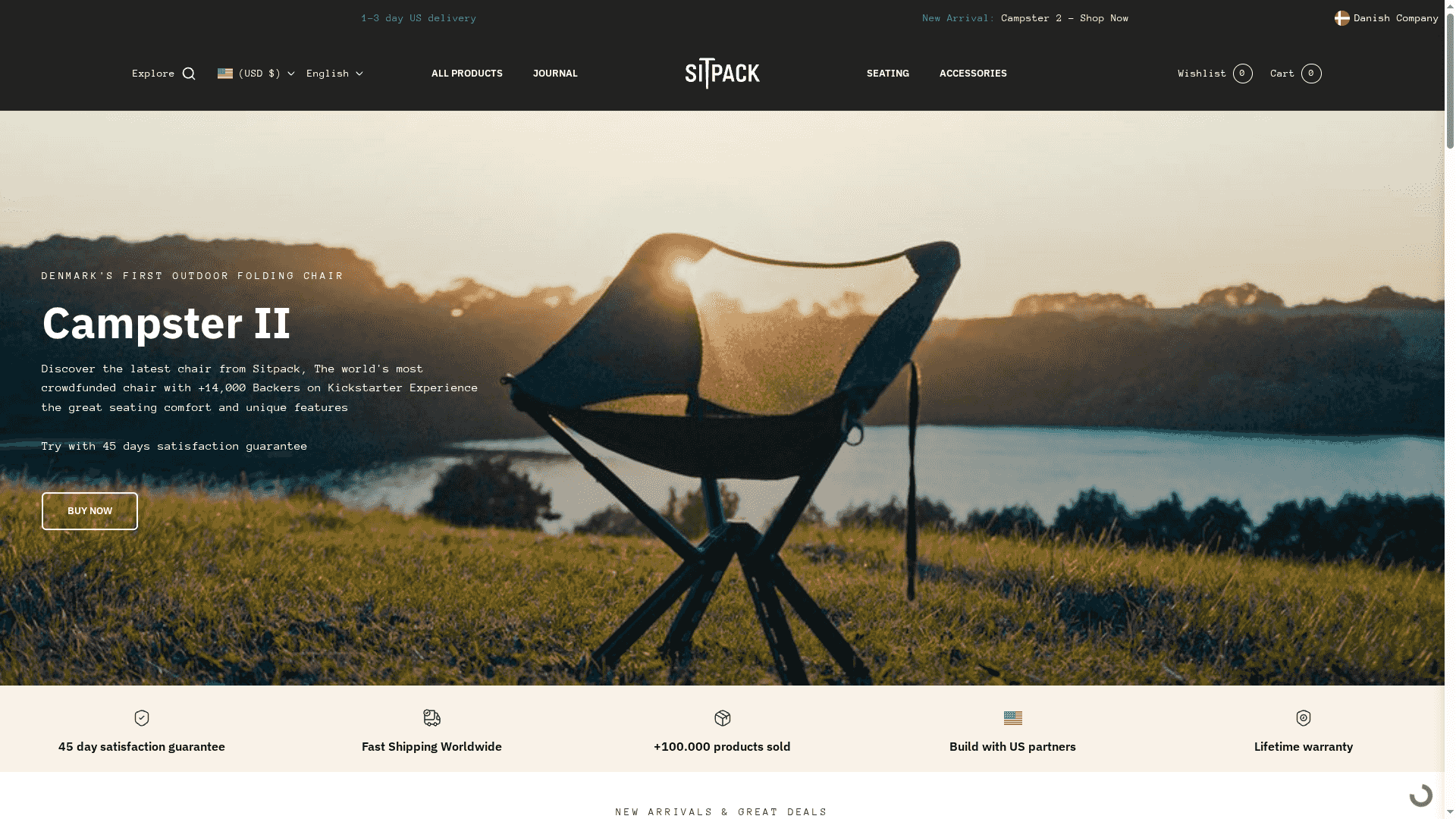
Embrace a new era of travel comfort by choosing Sitpack’s range of foldable chairs engineered for durability and ease of use. Visit Sitpack today to explore unique outdoor seating solutions that blend minimalistic design with maximum functionality. Don’t miss out on fast worldwide delivery and a 45-day satisfaction guarantee that makes upgrading your travel seating risk-free. Experience the convenience of seating designed for adventurers, campers, and urban travelers who demand portable comfort across any terrain.
Adaptable seating provides lightweight, portable solutions that offer ergonomic support and versatility across different environments, enhancing comfort during travel.
Consider factors like weight, packability, and the intended usage scenario. Evaluate whether you need minimalist chairs, convertible multipurpose seats, or inflatable options based on your travel preferences.
Common materials include carbon fiber for its strength-to-weight ratio, aerospace aluminum alloy for durability, and advanced polymers for weather resistance and comfort, ensuring robust and portable seating options.
Risks may include insufficient load distribution, inadequate lumbar support, and structural instability, which can lead to muscle strain and discomfort. Choosing well-designed seating can help mitigate these risks.