Cart
0
Sign up and get 10$ off your order
Expected delivery
1-3 days
You may also like


Danish Company


TL;DR:
- Modular seating offers cost savings over its lifespan due to easy part replacements and long-term durability.
- It combines lightweight design, compact folding, and tool-free connectors, making it travel-ready for outdoor adventures.
Modular seating is the smartest upgrade for outdoor enthusiasts and travelers because it combines portability, repairability, and long-term value in one system you can actually pack. A “module” is simply a self-contained seat unit that connects to others, so you can carry one piece solo or clip several together around a campfire. Here is why that matters for your next trip:
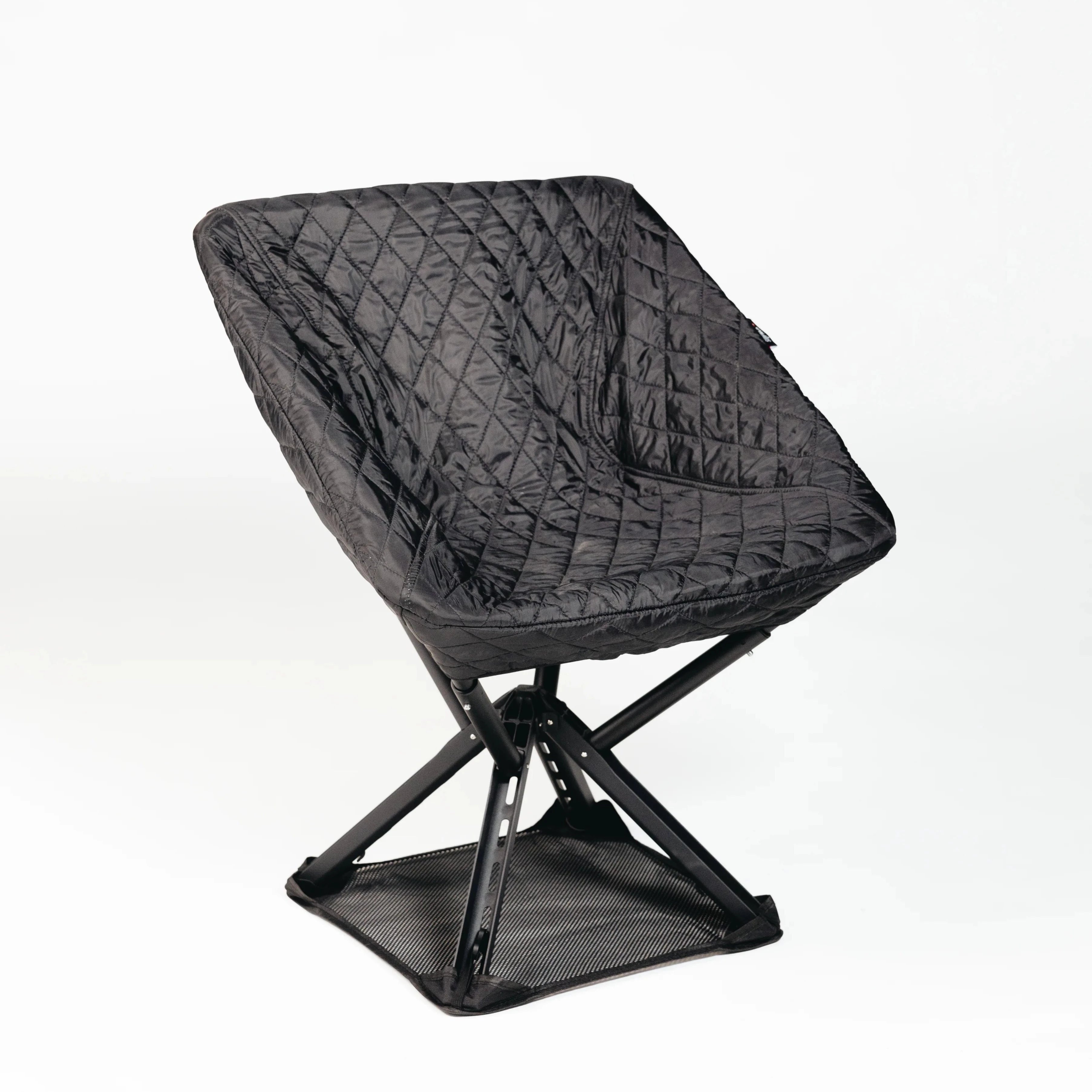
Sitpack’s portable chairs, including the Campster II and Sitpack Zen, are built around exactly this philosophy. Designer Hayley Lightfoot, whose work is cited by Design Insider, reinforces the approach: the best modular systems are engineered on clear geometric frameworks so every piece reconnects cleanly, every time.
Pro Tip: Before your first trip, do a dry run — pull every module out in your driveway and time how long setup takes. You will spot any missing connectors before you are standing in a dark campsite.
The core reason is simple: individual modules are replaceable, so a damaged cushion does not mean a dead chair. You order the one part that failed, not a whole new product.
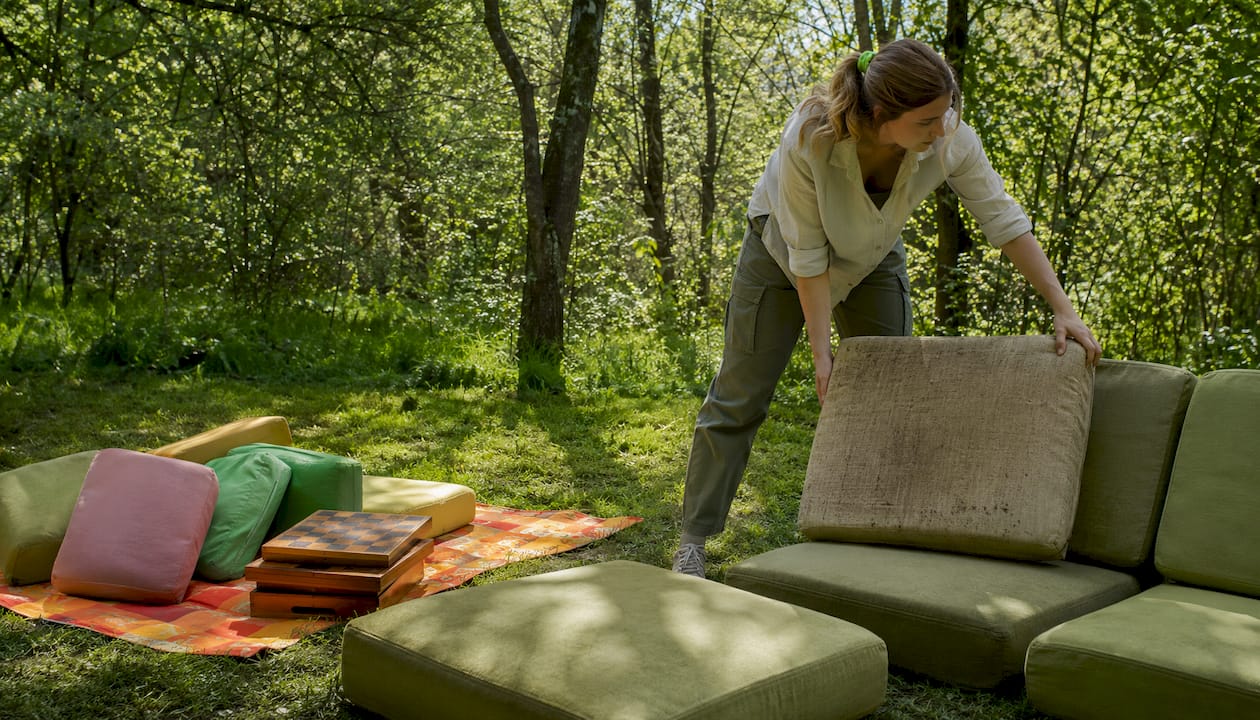
Phased investment is the other half of the equation. Start with a compact setup and add modules as your camping crew grows or your van build evolves. That flexibility is genuinely useful for travelers whose needs shift season to season. Well-built modular systems with strong frames and concealed connectors can last 10+ years, which spreads the initial cost across a much longer service life than a cheap fixed chair.
Sitpack backs this with a lifetime frame warranty and a 45-day satisfaction guarantee, so you are not gambling on a product you have never sat in outdoors.
Pro Tip: Pack a spare core module on extended trips. If one unit takes damage on day three of a two-week road trip, you still have seating while you wait for a replacement to ship.
Travel-ready modular seating combines lightweight modules, compact folding, and secure tool-free connectors. Individual modules are smaller and lighter than one-piece furniture, which means they navigate tight entryways, vehicle cargo doors, and narrow trails far more easily.
Checklist of travel-focused features to verify before buying:
Pro Tip: Measure your vehicle’s cargo opening before purchasing, not just the interior. A module that fits inside the van is useless if it does not clear the rear door frame.
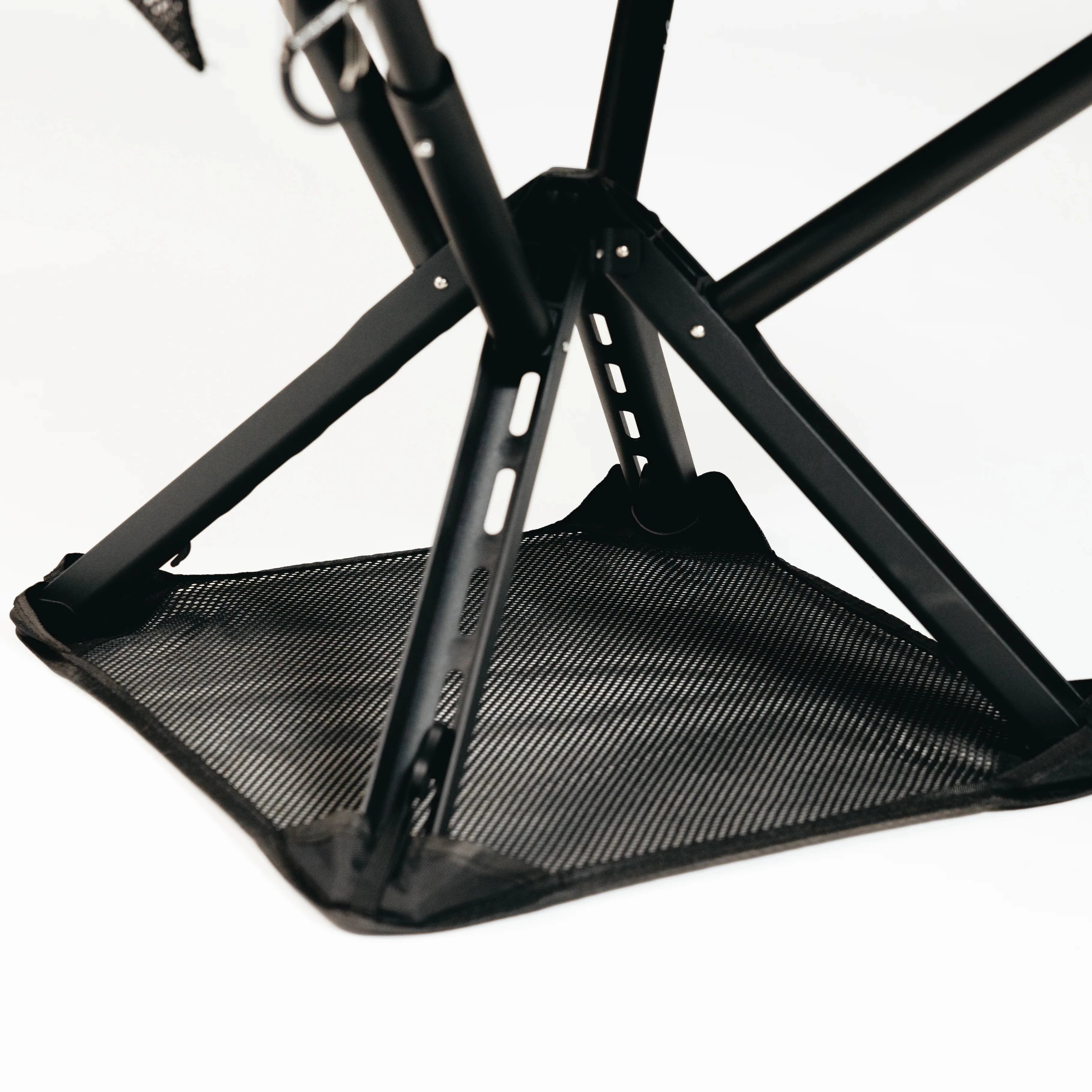
Pick systems with secure connectors, clear geometry, and weather-minded materials. Vague connector details are a red flag — if the brand cannot tell you exactly how pieces lock together, assume they drift apart on uneven ground.
Structural features worth prioritizing:
Materials checklist for outdoor use: UV-resistant fabric, quick-drain foam cores, rust-proof stainless or coated hardware.
Pro Tip: On hard floors or packed dirt, slip heavy-duty rubber grip pads under module feet. It takes thirty seconds and prevents the whole configuration from slowly walking apart during a long evening around the fire.
Modular seating shines whenever portability, scalable capacity, and repairability all matter at once. Here are the scenarios where it genuinely beats a fixed chair:
For a tailgate, for example, four seat modules plus two ottomans creates a lounge that breaks down into a duffel bag. For a solo kayak camping trip, one foldable module slips alongside your dry bags. The modular camping furniture approach lets you right-size your seating to the actual trip, not the worst-case scenario.
Match module specs to how you actually travel. Weight and packed volume matter more than any aesthetic feature when you are loading a car at 6 AM.
Questions to ask before buying: Can I order replacement covers separately? What is the lead time on spare connectors? Is the frame warranty transferable?
Red flags: vague connector descriptions, non-replaceable cushions, no weather rating, and zero information about spare parts.
Pro Tip: Ask the retailer to ship you a single module before committing to a full set. Living with one piece for a weekend tells you more than any spec sheet.
Modular seating reduces waste and long-term cost because individual parts are repairable or replaceable rather than landfill-bound. Manufacturers increasingly offer removable washable covers and cushion-replacement programs specifically to extend product life.
Routine maintenance actions:
| Lifecycle event | Modular approach | Fixed seating approach |
|---|---|---|
| Cushion worn or torn | Replace that cushion only | Replace entire chair |
| One connector breaks | Order spare connector | Repair or discard whole unit |
| Style refresh | Swap covers or add new module | Buy new furniture |
| End of life | Recycle individual components | Dispose of full unit |
Pro Tip: Pack a small repair kit: two spare connectors, a strip of fabric repair tape, and a zip tie or two. It weighs almost nothing and has saved many a camping trip.
Modular seating adapts to whatever footprint you have, from a studio apartment balcony to a sprawling festival field. You can explore compact furniture trends to see how small-space design and modular thinking overlap. The real trick is that the same modules that form a tight two-seat configuration in your van can spread into a six-person circle at the campsite. No extra furniture required, just a different arrangement.
Fixed seating has one job and does it adequately. Modular seating does several jobs and does them well. A traditional camp chair is lighter at the individual unit level, but it cannot reconfigure, cannot replace a single broken part, and cannot scale up when three extra friends show up. Modular systems carry a higher upfront cost, but the ability to order individual replacement parts rather than replacing the whole product closes that gap quickly over a few seasons of real outdoor use.
One of the quieter advantages of flexible seating is how much you can personalize it. Cover fabrics come in a range of colors and textures, so your outdoor setup does not have to look like a rental. Hardware finishes, frame colors, and cushion densities are often selectable at purchase. For outdoor use, prioritize function first: pick the UV-resistant fabric in your preferred color, not the other way around. You can find modular outdoor furniture options that balance aesthetics with genuine weather performance.
Outdoor modular seating needs to stay put, especially on uneven ground. Anti-slip feet prevent sections from drifting on hard surfaces like concrete patios or parking lots. Locking connectors keep modules from separating mid-use, which matters when someone shifts their weight suddenly. Weight ratings per module are a safety spec, not just a comfort spec. Always check the manufacturer’s stated load limit and stay within it, particularly for children or heavier users. Stable geometry, meaning a low center of gravity and wide base, reduces tipping risk on grass or gravel.
Modular design is inherently less wasteful than fixed furniture because you replace parts, not products. Some manufacturers use recycled fabrics, such as 100% recycled polyester, and offer take-back programs for end-of-life components. Sitpack emphasizes eco-friendly materials across its product line. Buying one well-built modular system and maintaining it for a decade produces far less waste than cycling through several cheaper fixed chairs. For travelers who care about their footprint, that lifecycle math is worth factoring into the purchase decision alongside weight and price.
Modular seating beats fixed options for outdoor and travel use because it is portable, repairable, and scalable to whatever the trip demands.
| Point | Details |
|---|---|
| Replaceability saves money | Swap a single cushion or connector instead of replacing the whole product. |
| Phased investment fits travelers | Start with one or two modules and expand as your needs grow. |
| Well-built systems last 10+ years | Strong frames and concealed connectors dramatically extend usable life. |
| Geometric design matters | Systems built on clear frameworks reconnect cleanly and hold structural integrity. |
| Sitpack’s portable chairs | The Campster II and Sitpack Zen offer foldable, repairable design with a lifetime frame warranty and 45-day guarantee. |
The conventional wisdom says buy the lightest single chair you can find and call it done. That works for ultralight solo trips, but it falls apart the moment your needs change, a connector breaks, or three more people show up at the campsite. Modular seating is the more honest answer for anyone who travels regularly and wants gear that grows with them. The designer principle Hayley Lightfoot articulates, building on clear geometric frameworks rather than chasing infinite flexibility, is exactly what separates a modular system worth owning from one that wobbles apart after two weekends. Sitpack’s approach to portable seating reflects that same discipline: lightweight, purposeful, and built to last rather than built to be replaced.
Fewer things are more frustrating than a chair that gives up the ghost on day four of a ten-day camping trip. Sitpack’s portable outdoor chairs are built for exactly the traveler this article describes: someone who wants foldable, lightweight seating that holds up across seasons and scenarios. The Campster II and Sitpack Zen fold flat, pack small, and are backed by a lifetime frame warranty plus a 45-day satisfaction guarantee, so you can actually test one in the field before committing. Replacement parts and full product specs are listed on the Sitpack site, and the brand ships worldwide. If you want to compare module accessories or aftermarket components, X-Seats from SIXRACE are worth a look as a partner option. Check out Sitpack’s full range and find the setup that fits your next adventure.
Research sources used in this article:
Sitpack resources for deeper product detail: