Cart
0
Sign up and get 10$ off your order
Expected delivery
1-3 days
You may also like


Danish Company

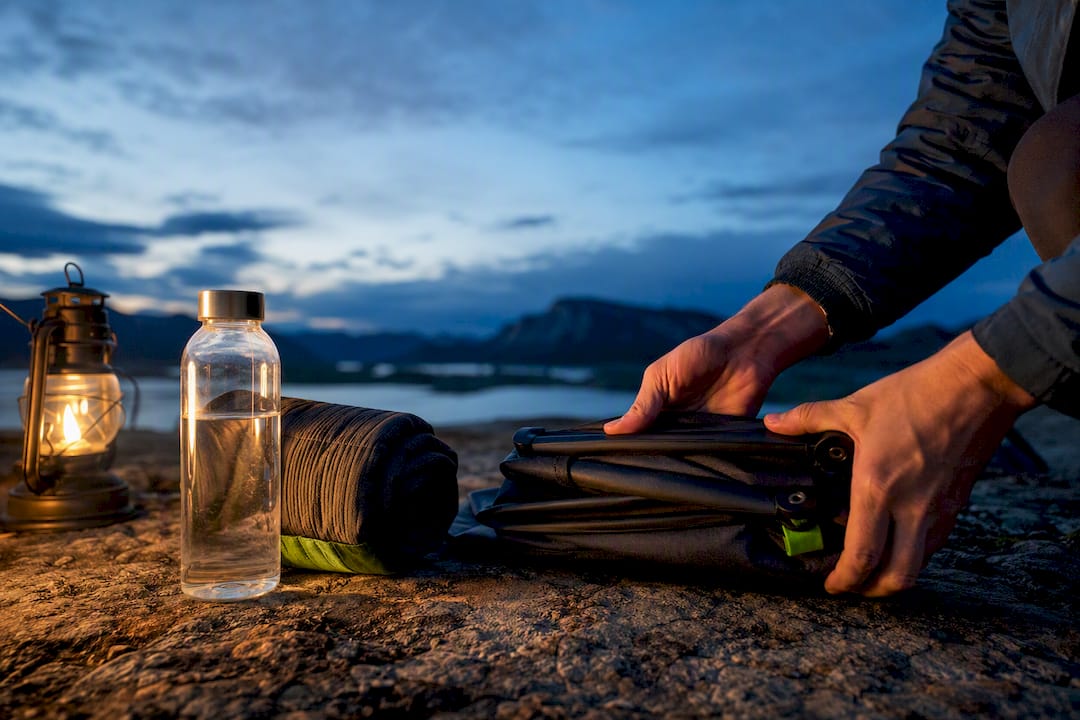
Pack a compact foldable chair or stool, an insulating seat layer or blanket, a small collapsible table, a camp pillow, a quick-dry travel towel, and an insulated water bottle. That’s the core of a comfort-first camping survival kit list, and Sitpack builds every one of these categories around portability, durability, and genuinely ergonomic comfort rather than just cramming gear into a trunk.
TL;DR:
- Select lightweight, stable chairs with a low center of gravity and a weight capacity of at least 250 pounds for durability and safety.
- Pack a compact, insulating seat layer or blanket, a small table, a camp pillow, and a quick-dry towel, prioritizing items that save space and add comfort.
- Use space-efficient packing strategies like nesting hard items inside soft gear and packing heavy items low in your carrier to improve balance and accessibility.
- Include versatile comfort extras such as seat warmers or lumbar supports for cold conditions, and only carry bulky accessories if long, cold trips justify their weight.
- Carry essential survival tools like a multi-tool, a reliable fire starter, a basic first aid kit, and a paper map with a compass for safety and independence.
A comfort-focused packing list only works if every item earns its spot in your bag. Here’s what actually belongs in your setup, and the specs worth checking before you buy.
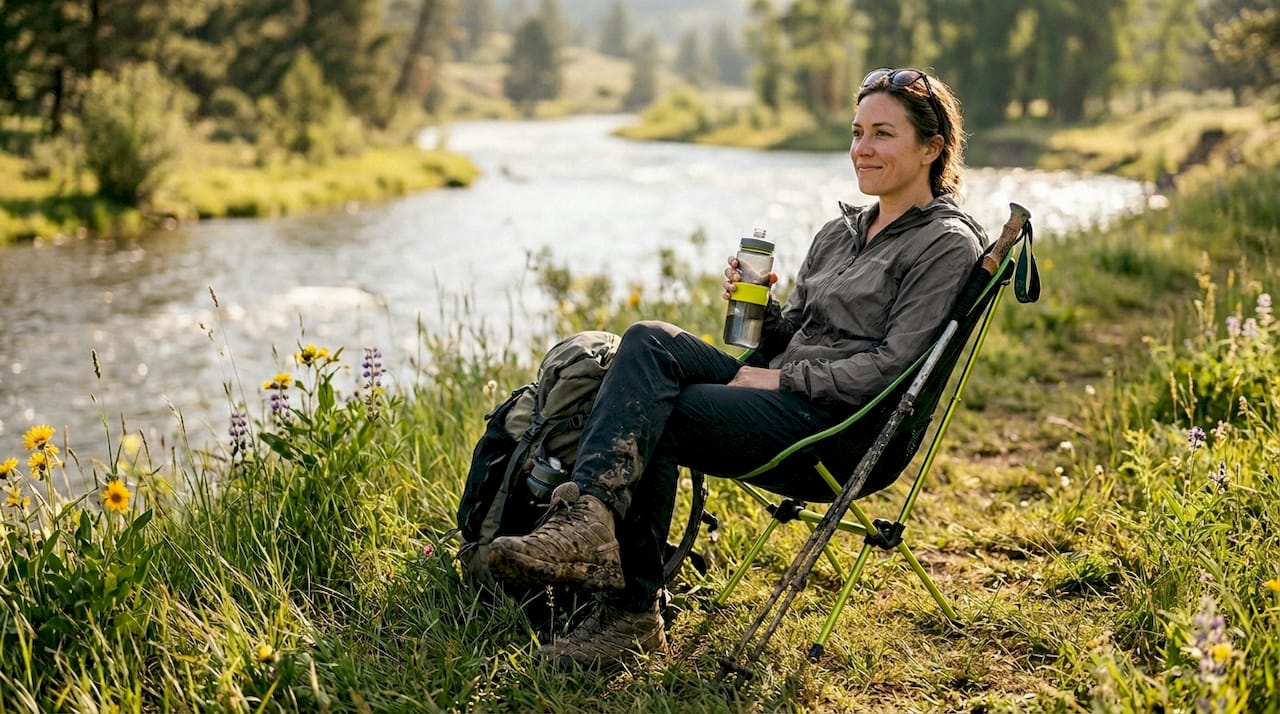
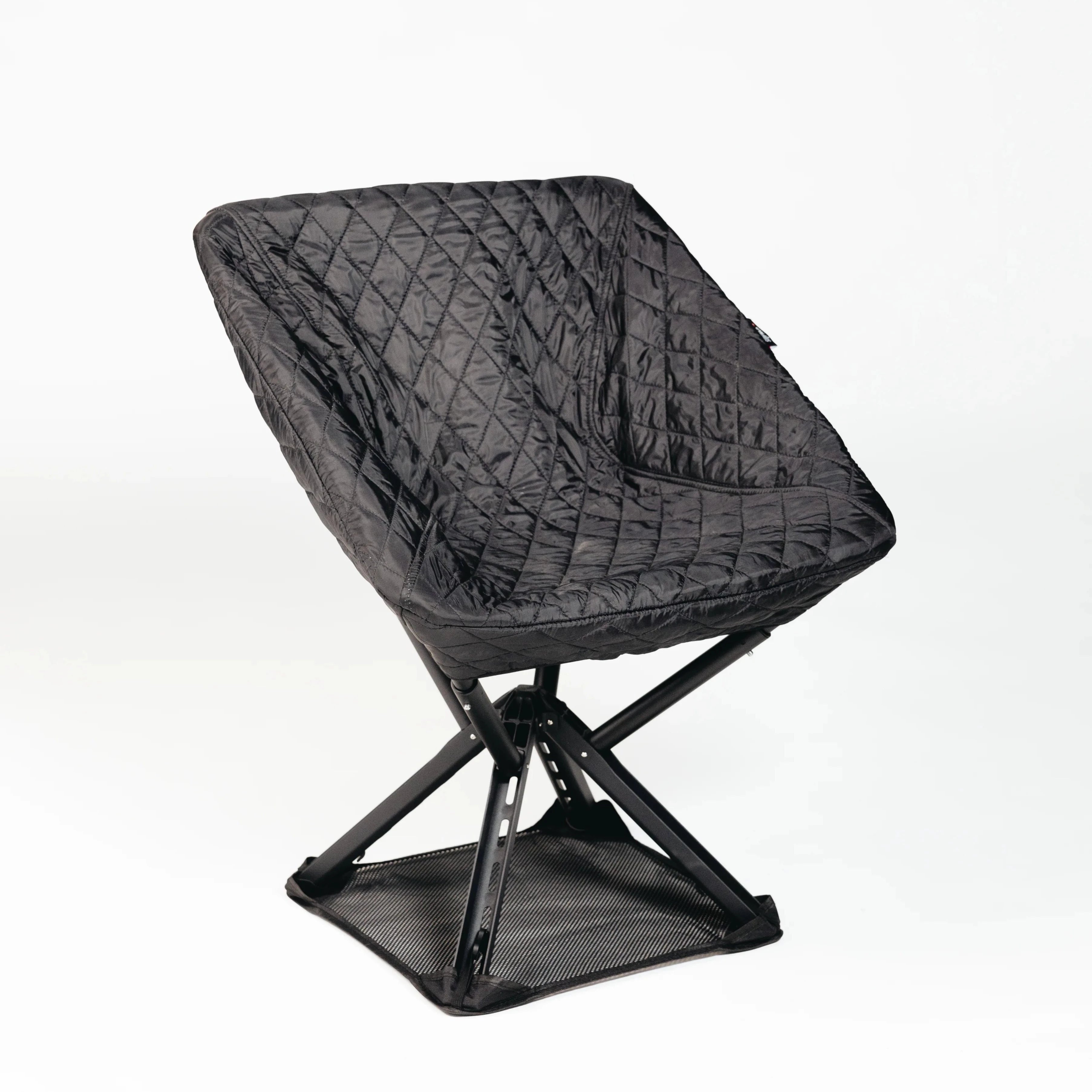
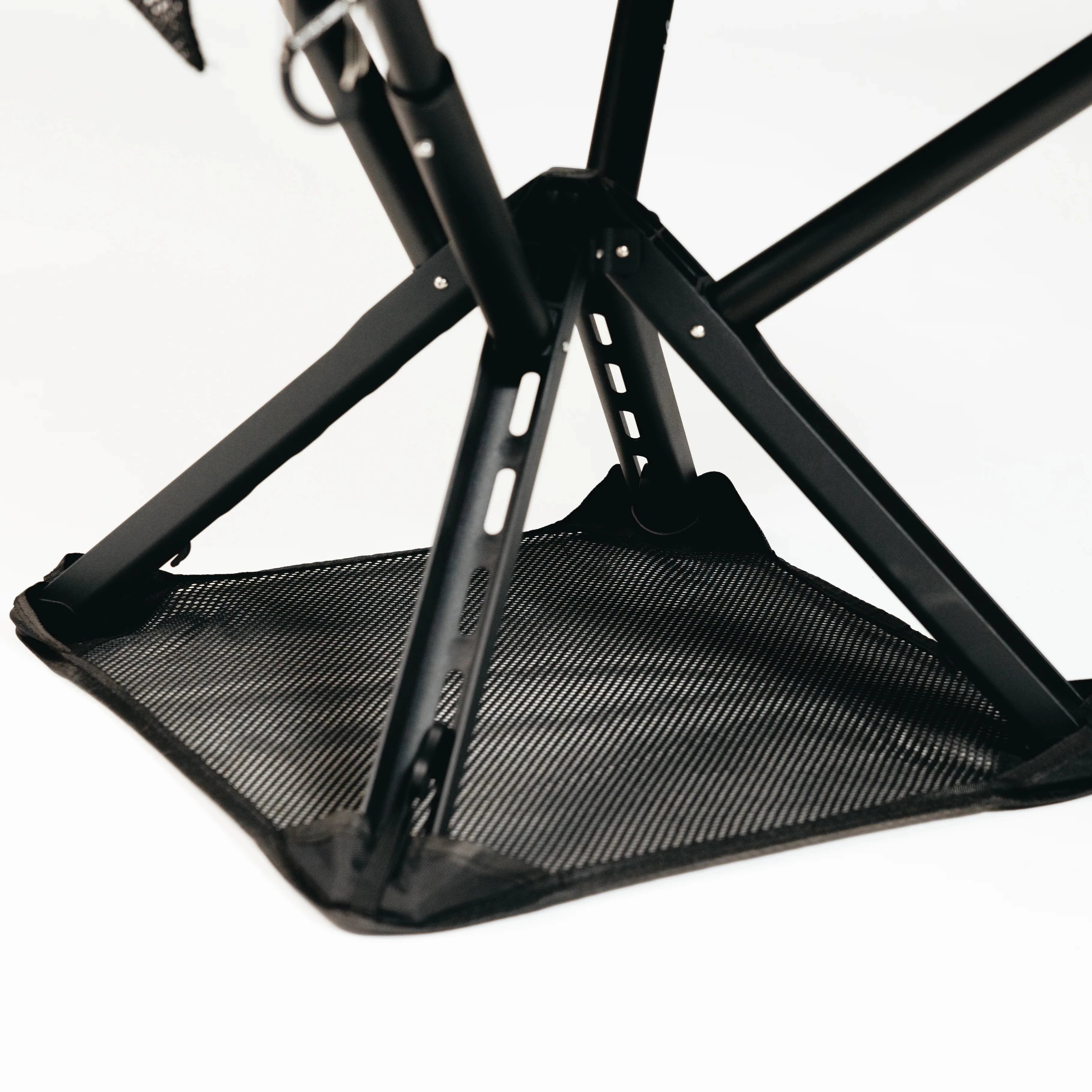
Compact foldable chair or stool. This is the anchor of the whole kit. Look for a packed size that fits in a backpack side pocket rather than something you have to strap to the outside. Sitpack’s own lineup, including the Sitpack Campster II, folds down to roughly the size of a water bottle while still supporting a full-size seat. Stability matters as much as size: chairs with a lower center of gravity and adjustable leg splay hold steadier on gravel, sand, or sloped ground than tall, narrow designs.
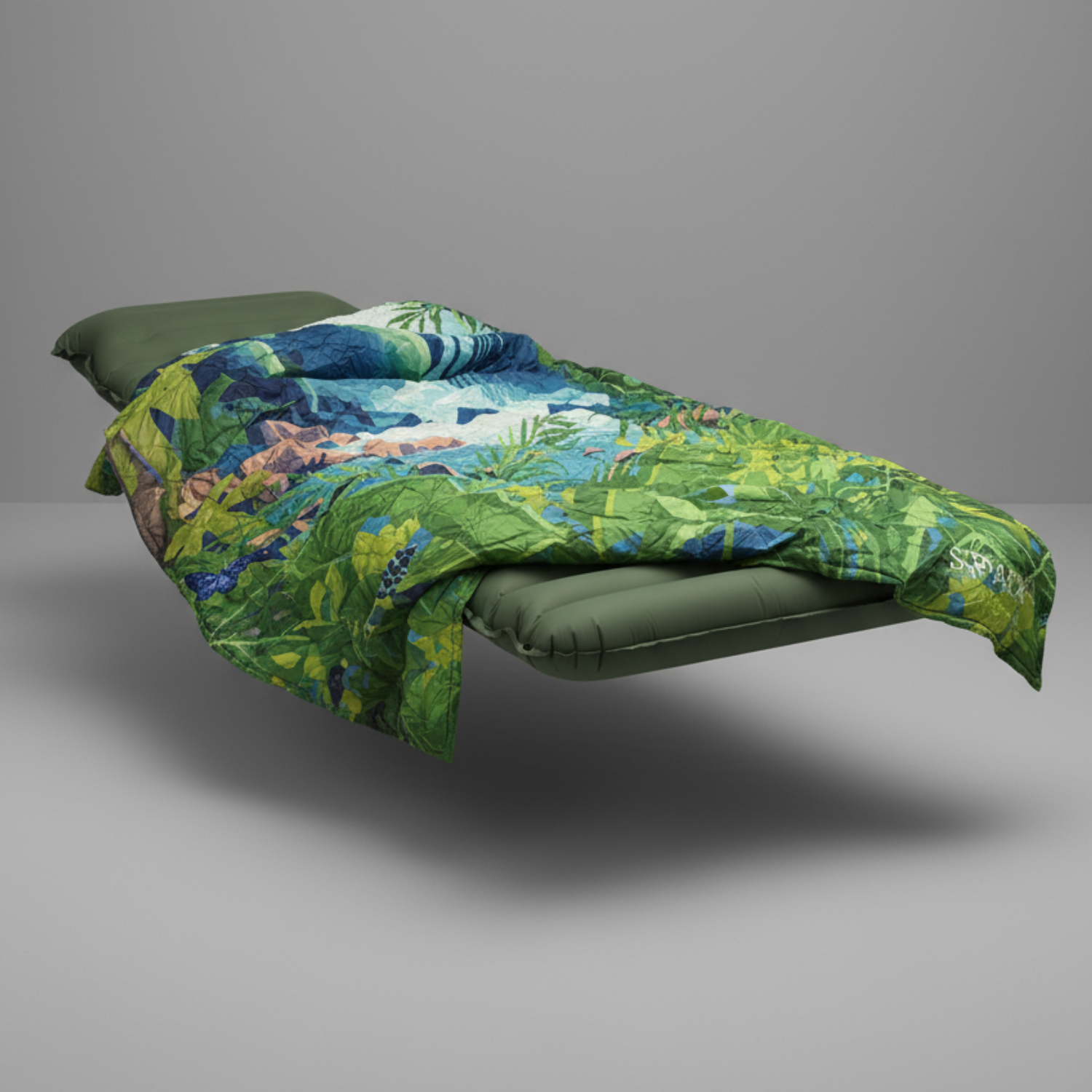
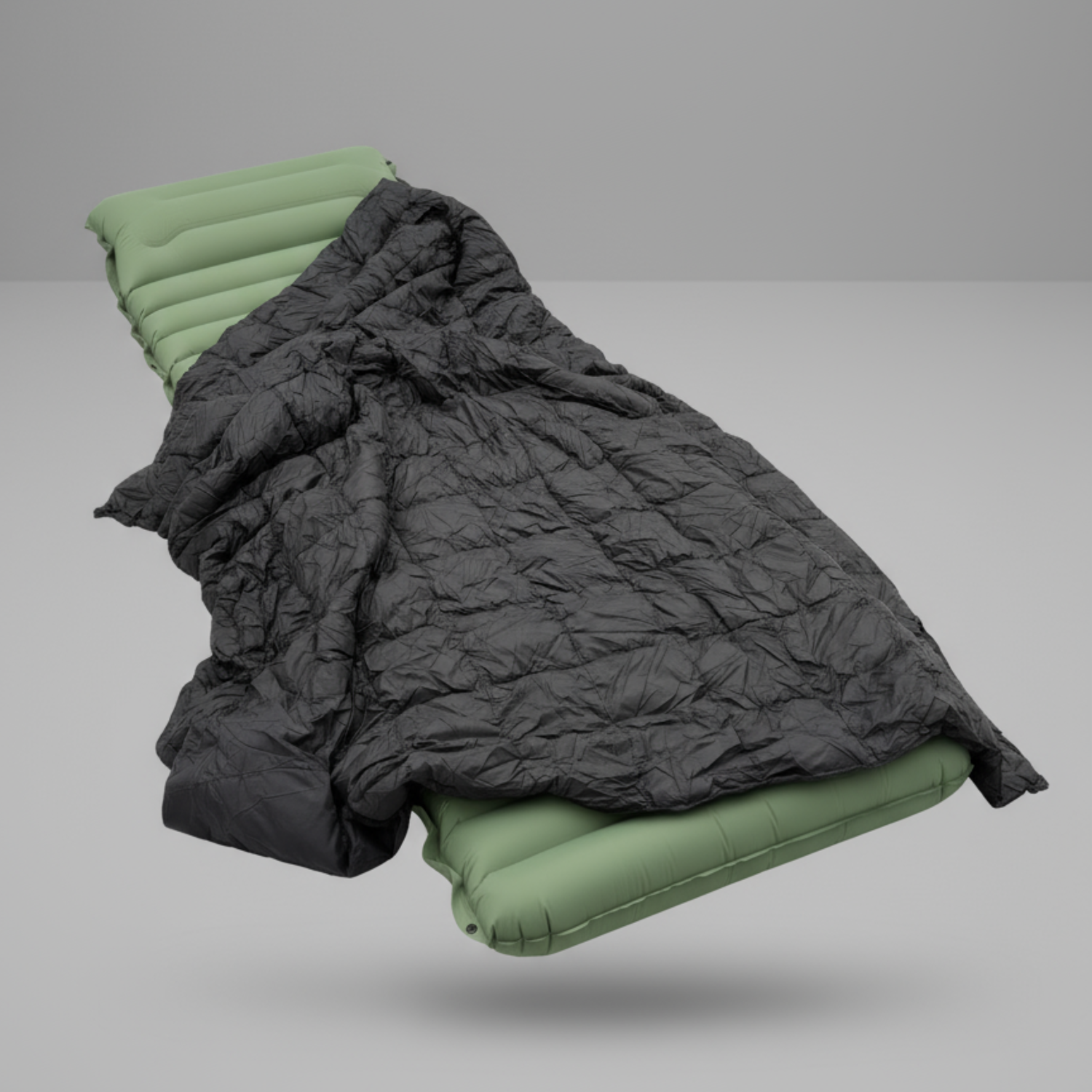
Seat warmer or insulating blanket. Ground and metal bleacher seats pull heat out of your body fast, even in mild weather. A thin insulating layer, whether it’s a dedicated seat warmer or a packable thermal blanket, changes how long you can comfortably sit outside after sundown. Synthetic fill packs smaller and dries faster than down, which matters if morning dew gets into your bag.
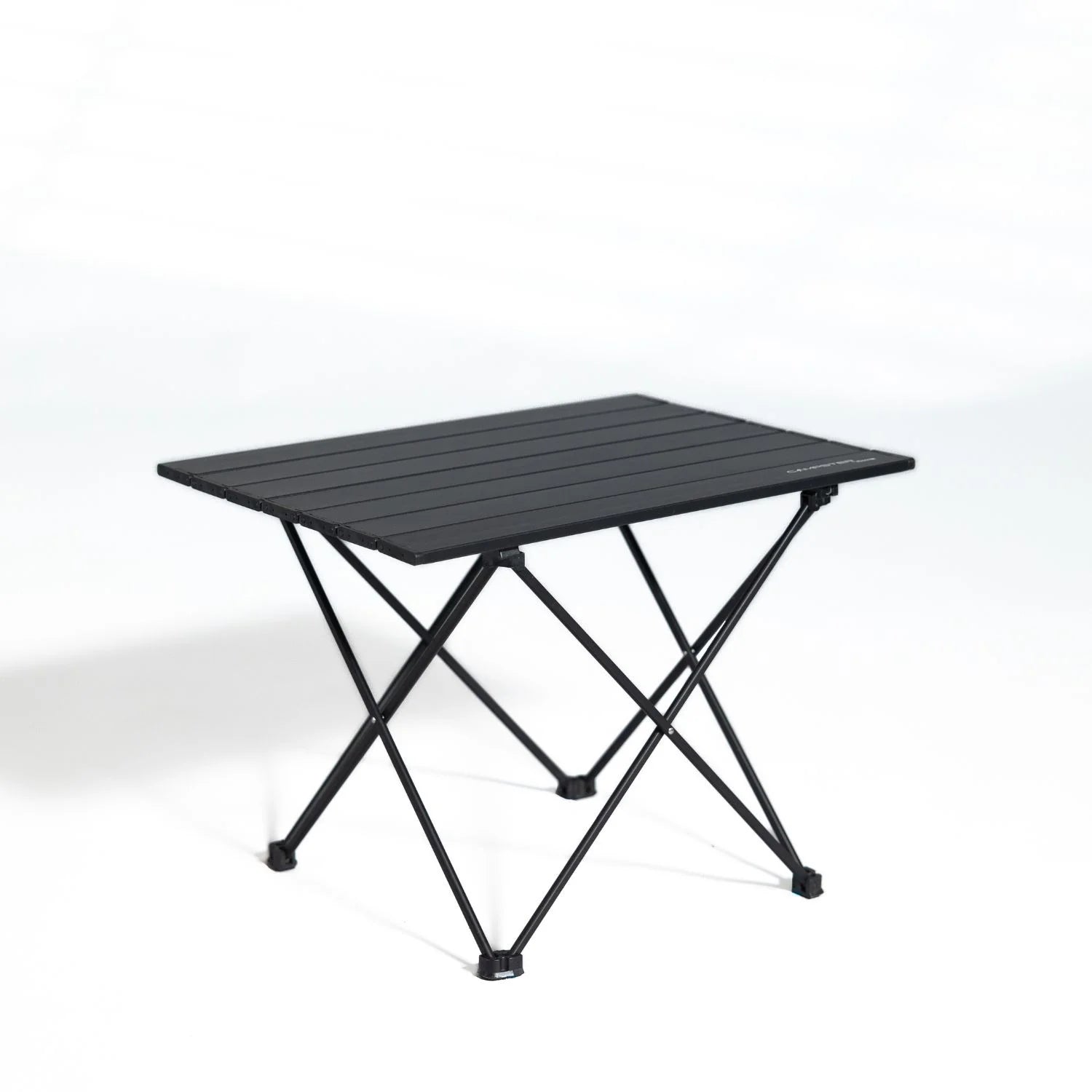
Compact table or lap tray. You don’t need a full folding table for most trips. A footprint around the size of a hardcover book is enough to hold a camp stove, a coffee mug, and a headlamp without balancing everything on a rock. Multipurpose trays that double as a cutting surface save you from packing a separate item.
Camp pillow. Compressible foam or self-inflating pillows beat stuffing a sweatshirt into a stuff sack every time. Inflatable versions pack down to fist size, while compressible foam offers more consistent support if you toss and turn.
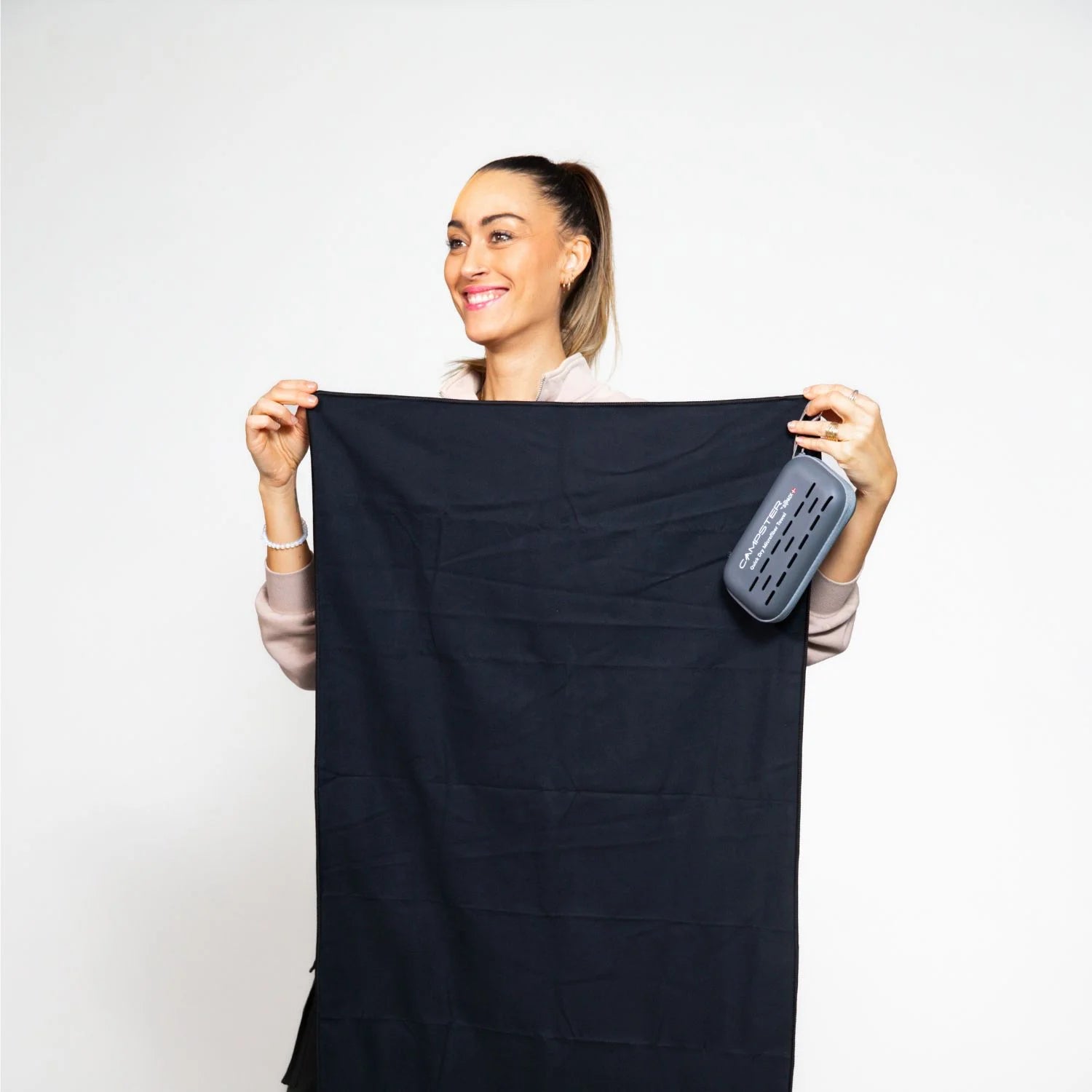
Travel towel. Quick-dry microfiber towels pack into a fraction of the space of a cotton bath towel and dry in an hour instead of overnight in a damp tent.
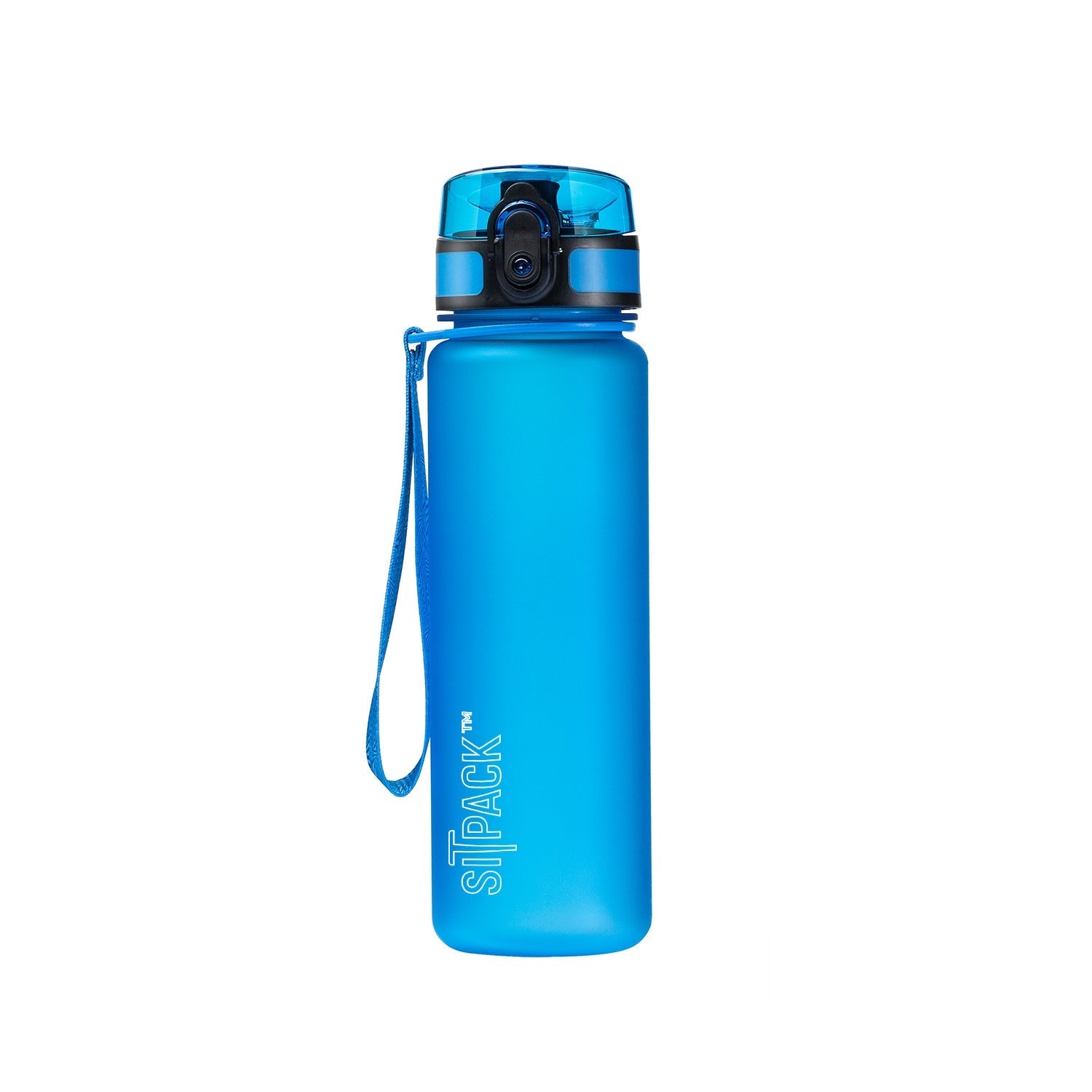
Insulated water bottle. A 20 to 32 ounce insulated bottle covers most day trips without adding noticeable weight. Double-wall stainless steel keeps drinks cold for hours, which matters more than you’d think when you’re sitting still at a campsite in the afternoon sun.
Packing organizer and small repair kit. A zippered pouch with a few zip ties, a patch kit, and spare buckles fixes the one broken strap that would otherwise end your trip early.
Pro Tip: Pack your chair last but load it first. Chairs with side pockets can double as storage for your bottle, towel, and repair kit, which means one grab gets you three items instead of three separate trips to the trunk.
Most chair-buying mistakes come down to guessing at dimensions instead of checking them. A few numbers make the decision much easier.
Seat height in the 15 to 18 inch range suits most adults for a natural sitting posture, similar to a standard dining chair. Seat width between 18 and 24 inches and seat depth of 16 to 20 inches give you room to shift position without feeling boxed in, while a backrest height of 18 to 24 inches supports your lower and mid back during long sits around a fire.
Ergonomic quick reference: Seat height 15–18 in | Seat width 18–24 in | Seat depth 16–20 in | Backrest 18–24 in | Weight capacity sufficient to accommodate a wide range of users safely
That weight capacity range isn’t a formality. A chair rated below 250 pounds often uses thinner frame tubing that flexes and eventually cracks at the joints, even if the person sitting in it is well under the limit. Weight ratings track overall build quality more than they track any one camper’s body size.
Frame and fabric choices shape how the chair holds up over seasons of use:
Check the warranty before you check the price tag. A lifetime warranty signals a brand expects its frame to survive years of folding and unfolding, not just one good season.
Seating comes first, insulation second, hydration third. That order reflects what actually determines whether you’re comfortable two hours into a trip, not just what fits easiest in a bag.
Not every accessory deserves a spot in your bag, but a few genuinely change how a trip feels.
Skip anything padded or bulky for a quick overnight. Save the extras for long weekends, cold-climate trips, or festival downtime where you’ll actually sit still long enough to notice the upgrade.
A multi-tool, a fixed-blade or folding knife, and a reliable fire starter round out the practical side of any camping kit. A multi-tool handles the small repairs that come up constantly: a loose tent stake, a frayed strap, a stuck zipper pull. Look for one with pliers, a knife blade, and a screwdriver head at minimum.
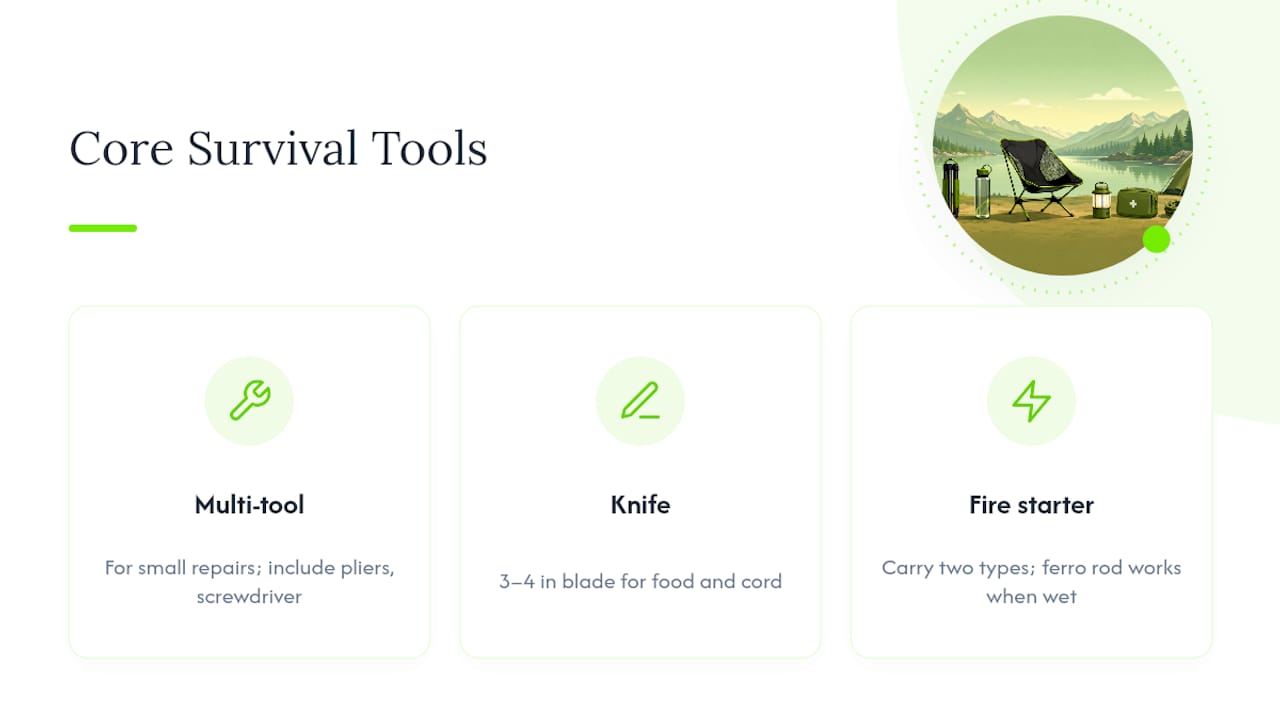
A knife earns its place for food prep, cutting cordage, and general camp chores. A 3 to 4 inch fixed blade is durable enough for most tasks without adding much weight, though a quality folding knife works fine for car camping where space isn’t as tight.
Fire starters come in three common forms: waterproof matches, a butane lighter, and a ferro rod striker. Carrying two of the three as backups is smart since lighters fail in wind and wet matches simply don’t light. A ferro rod works even when soaked, which makes it worth the extra ounce in a side pocket.
None of these tools need to be expensive. What matters is that they’re accessible, not buried at the bottom of your pack, and that you’ve actually practiced using the fire starter before you need it in the dark.
A first aid kit for a weekend camping trip doesn’t need to look like a paramedic’s bag. Adhesive bandages in a few sizes, gauze pads, medical tape, antiseptic wipes, and blister treatment cover the vast majority of what actually happens on a typical trip: cuts, scrapes, and hot spots from new boots.
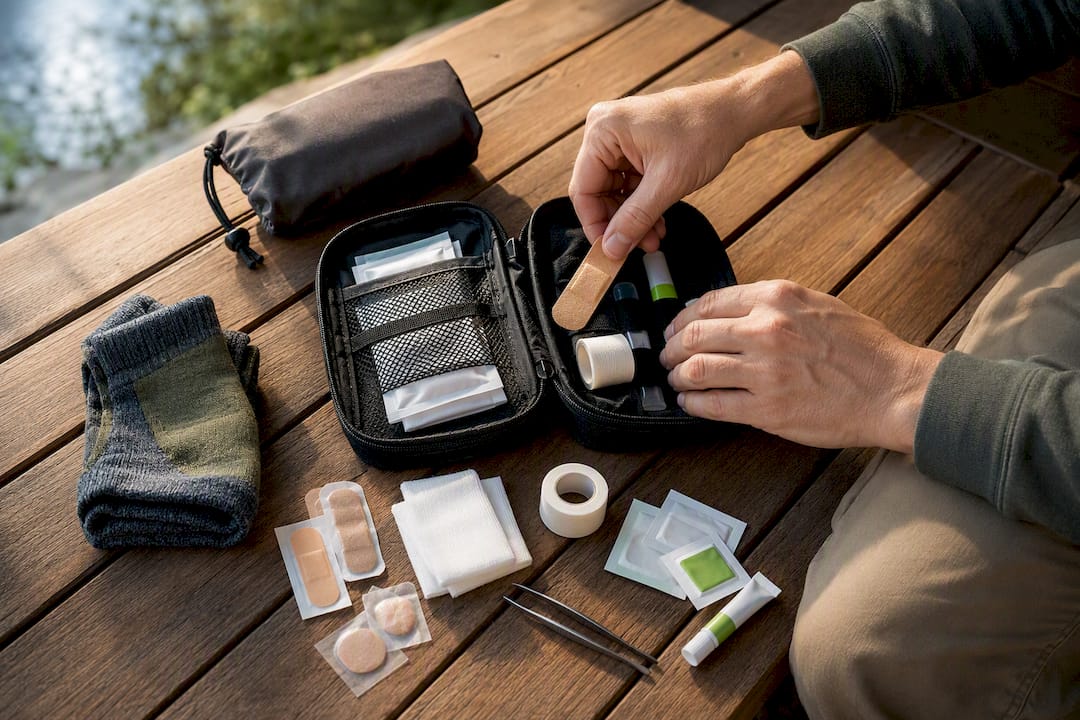
Add a small tube of antibiotic ointment, tweezers for splinters or ticks, and an over-the-counter pain reliever. If anyone in your group has allergies, include their specific medication rather than relying on a generic kit to cover it.
Pre-made kits work fine as a base, but check what’s inside before you trust it. Many budget kits are heavy on bandages and light on the items you’ll actually reach for, like tick removal tools or blister pads. A kit the size of a paperback book, tucked into the same pouch as your repair supplies, covers most short trips without adding real weight to your pack.
A phone with GPS is convenient until the battery dies or the signal drops, which happens more often in wooded valleys and mountain terrain than most people expect. A simple baseplate compass and a paper map of the area cover you when the screen goes dark.
Learning to orient a map with a compass takes maybe twenty minutes of practice at home before your trip, and it’s a skill that doesn’t degrade or run out of battery. For established campgrounds, a park map from the entrance station is often enough. For anything more remote, a topographic map showing elevation lines and water sources gives you real information a phone screen can’t replace in a hurry.
Keep both in a waterproof pouch or a sealed plastic bag. A soaked paper map is useless exactly when you need it most.
Weather changes faster than forecasts predict, and a lightweight backup shelter closes that gap. A compact rain tarp, roughly 8 by 10 feet, sets up in minutes over a picnic table or seating area and keeps your comfort gear dry if a storm rolls in unannounced.
For overnight trips, your main tent is your primary shelter, but a tarp still earns its spot as a secondary layer. It works as a rain shield over your cooking area, an extra layer over a tent that’s seeing its first real storm, or emergency cover if a pole snaps. Pair the tarp with a few feet of paracord and you can rig a basic shelter almost anywhere there are two trees or a vehicle to anchor it to.
Packed size matters here too. A quality tarp folds down to about the size of a rolled towel, so there’s little reason to leave it behind even on a short trip.
A headlamp beats a flashlight for almost every camp task because it frees up both hands, whether you’re setting up a chair in the dark, cooking, or digging through a bag. Look for one with at least 200 lumens on its brightest setting and a red-light mode that preserves night vision around the fire.
A compact flashlight still earns a spot as backup, particularly one that fits in a chair’s side pocket or a jacket pocket. Rechargeable options save money over a season of camping trips, but battery-powered backups are worth carrying too since a dead USB port at a remote site won’t help you.
Keep at least one light source within arm’s reach of your seating setup at all times. Fumbling for a headlamp in a dark tent while everyone else already has light is the kind of small annoyance that colors an entire evening.
Food storage on a comfort-focused trip doesn’t need to be complicated, but it does need to keep critters out and your meals fresh. Hard-sided coolers hold temperature longer than soft coolers, though soft coolers pack down smaller for trips where trunk space is tight. Either way, pack ice on top and dense items like drinks on the bottom.
A lightweight cutting board, a compact stove, and a couple of nesting pots cover most car-camping meals without turning your kitchen setup into its own packing project. Reusable containers with tight seals keep snacks fresh and double as bear-resistant storage in areas where that matters. Wildlife-proofing your food isn’t just about safety. Raccoons and squirrels will absolutely raid an unsealed bag of trail mix within the hour.
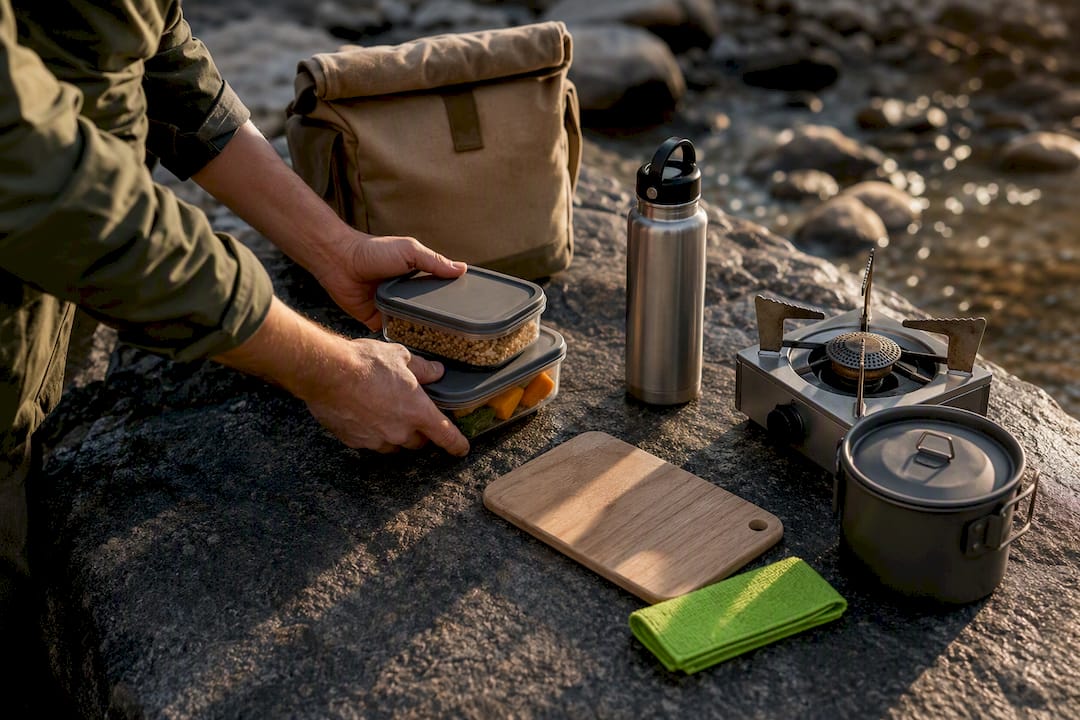
If you’re using your compact table as a food prep surface, wipe it down before and after each use. It’s a small habit that keeps your comfort gear from doubling as a cutting board covered in yesterday’s dinner.
This list isn’t a coincidence. Sitpack builds every chair and accessory around the same three priorities campers keep telling us matter most: portability, durability, and genuine sitting comfort. Products like the Sitpack Zen use eco-conscious materials without sacrificing the weight capacity or frame strength that repeated seasons of camping demand. Every purchase carries a lifetime warranty and a 45-day satisfaction guarantee, because we’d rather stand behind the gear than oversell it.
— Jonas
Sitpack is the alternative to piecing together a comfort kit from a dozen different brands. One trip to our lineup covers the chair, the table, the blanket, and the bottle, all designed to nest together and pack into the same footprint you’d otherwise dedicate to just a chair.
Every Sitpack purchase comes with a 45-day satisfaction guarantee, so you can test a chair or stool on your next actual trip before deciding it’s a keeper. Pair that with the lifetime warranty on frames, and you’re not gambling on whether the gear survives a full camping season. If you’re assembling your first comfort-first kit or replacing gear that gave out too soon, visit the Sitpack store to see the full lineup and current shipping details for your region.
The ergonomic dimensions in this guide come from a camping chair design study covering seat sizing and stability. Checklist context draws on REI’s camping essentials guide and Outside Online’s gear testing. For more on picking portable seating, see Sitpack’s guide to types of camping accessories.