Cart
0
Sign up and get 10$ off your order
Expected delivery
1-3 days
You may also like


Danish Company


Finding a travel seat that’s lightweight enough to carry, comfortable enough to sit in for hours, and eco-friendly enough to align with your values feels like searching for a unicorn. You end up compromising on comfort for portability or settling for products that ignore environmental impact. This guide shows you how to evaluate ergonomic travel seating options across all the factors that matter so you can choose confidently for your next adventure.
| Point | Details |
|---|---|
| Selection criteria | Evaluate portability, ergonomic features, eco-materials, durability, price, and activity fit. |
| Sitpack Zen profile | Ultra-light at 800g and eco-friendly, with moderate back support ideal for short trips. |
| Campster II advantage | Superior ergonomic support for extended use, 20% heavier but delivers better comfort. |
| Environmental impact | Eco-friendly materials reduce carbon footprint by 30 to 40%. |
| Activity matching | Choose based on trip type: weight matters for urban travel, support matters for camping. |
Choosing the right travel seat starts with understanding which features matter most for your specific needs. Weight and foldability determine how easily you can transport your seat, especially if you’re backpacking or using public transit. A seat that weighs under a kilogram and collapses to pocket size makes urban exploration effortless.
Ergonomic features separate genuinely comfortable seats from marketing hype. Research shows users reported a 25% increase in comfort and reduced back pain when switching from standard folding chairs to ergonomic models with adjustable seat height and lumbar support. Look for seats offering lower back support, adjustable positioning, and materials that breathe during extended use.
Eco-friendliness now extends beyond buzzwords into measurable material choices. Seats using recycled aluminum, bio-based plastics, or biodegradable fabrics carry third-party certifications proving their sustainability claims. These choices matter not just ethically but practically, as eco-conscious designs often correlate with better durability.
Durability and warranty coverage tell you whether a manufacturer stands behind their product. A lifetime warranty signals confidence in materials and construction. Price ranges from $80 for basic models to $250 for premium ergonomic options, but the benefits of lightweight seats often justify the investment through years of reliable use.
Pro tip: Match your seat choice to your primary activity. Festival goers prioritize packability, while campers need sustained comfort over weight savings.
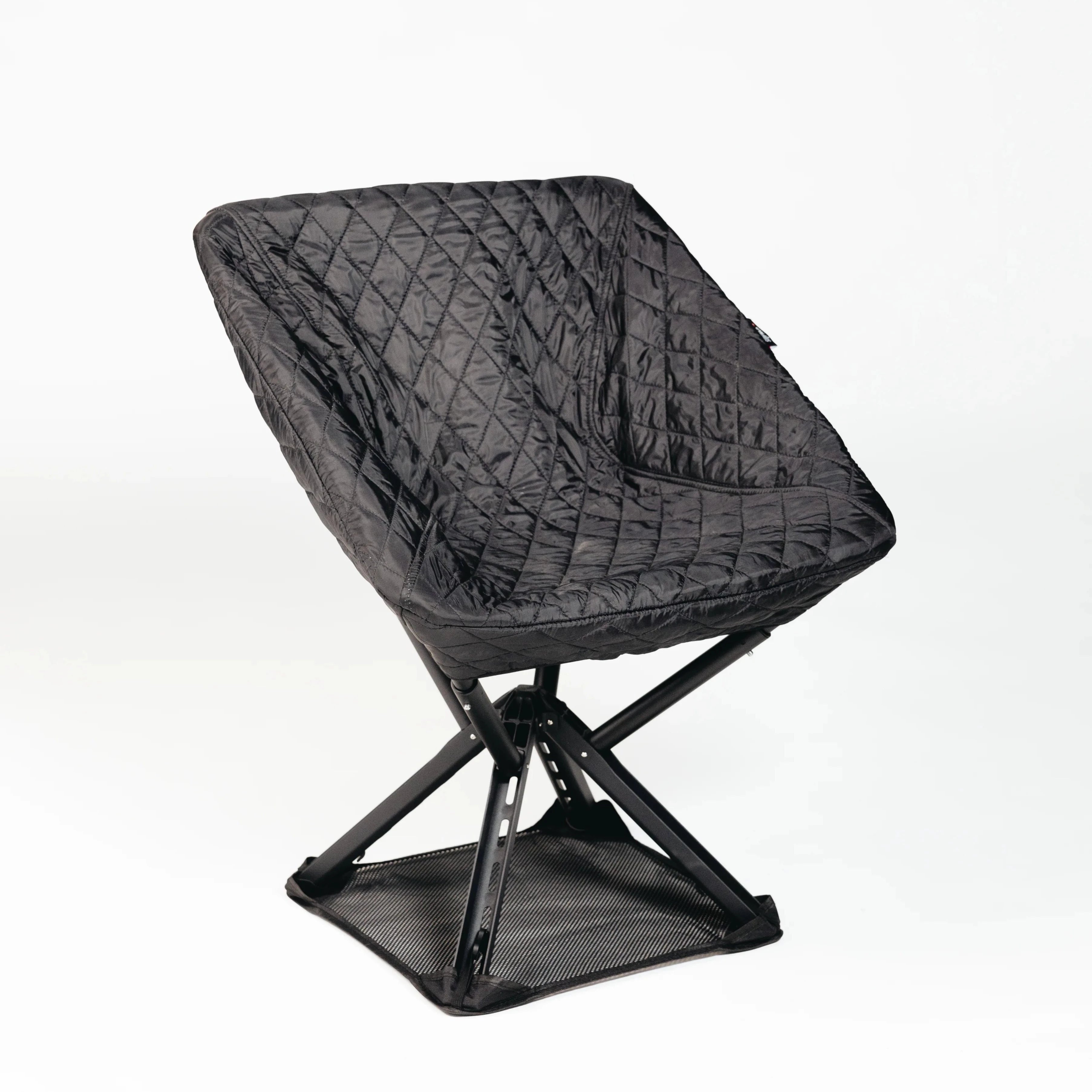
Sitpack Zen embodies the minimalist philosophy of maximum portability with thoughtful design. Weighing approximately 800 grams, this seat disappears into any backpack without the burden that typically comes with portable furniture. Its compact fold makes it ideal for travelers who refuse to sacrifice precious luggage space.
The construction prioritizes eco-friendly and recycled materials, appealing to environmentally conscious adventurers who want their gear choices to reflect their values. This commitment to sustainability doesn’t compromise the seat’s core function. The design provides stable support for urban exploration, music festivals, and casual outdoor gatherings where you’ll sit for shorter periods.
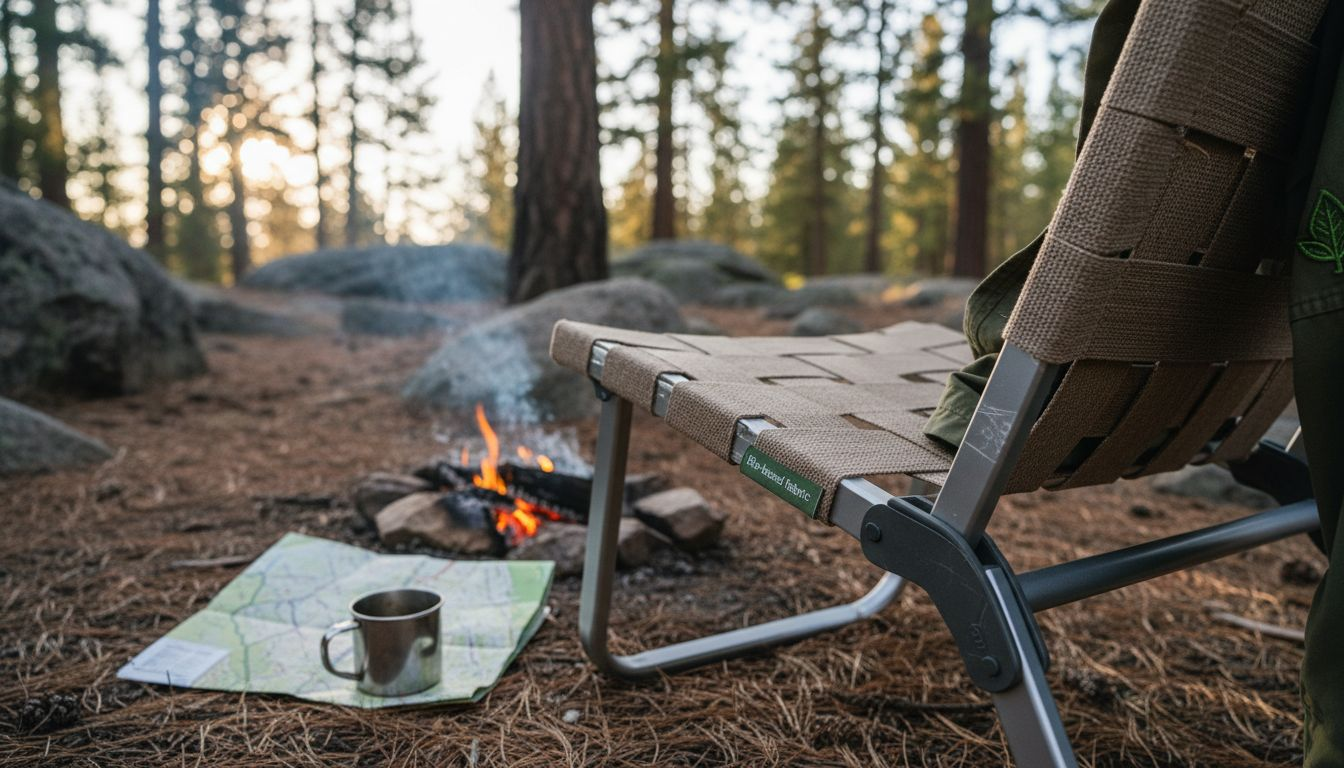
Sitpack Zen trades intensive ergonomic features for unmatched portability. The seat offers moderate back support suitable for events lasting a few hours rather than all-day camping sessions. Think of it as your go-to for spontaneous park picnics, outdoor concerts, or city sightseeing breaks where carrying something heavier would dampen your mobility.
Ultra-light backpackers and urban nomads find this seat perfectly aligned with their travel style. The folding Sitpack Zen process takes seconds, making transitions seamless as you move between locations. You’ll appreciate the effortless setup when you spot an unexpected viewpoint or street performance.
Pro tip: Pair Sitpack Zen with a small cushion if you plan longer sitting sessions, boosting comfort without significantly adding weight.
Campster II approaches travel seating from the opposite direction, prioritizing ergonomic comfort for extended outdoor adventures. This chair delivers substantial lumbar and back support that makes hours of sitting feel sustainable. Users consistently praise the stability and comfort during long camping trips, fishing sessions, or outdoor gatherings where you’ll stay seated for extended periods.
The weight trade-off becomes clear when you compare specs. Campster II weighs about 20% more than Sitpack Zen, but that extra mass translates directly into structural support your back will thank you for. The materials balance durability requirements with eco-friendly manufacturing approaches, creating a chair built to last through seasons of use.
This chair excels in scenarios where comfort outweighs portability concerns. Hikers who drive to trailheads, car campers, and backyard entertainers find the Campster II detailed review confirms what users experience: superior ergonomic design that supports proper posture even during marathon sitting sessions.
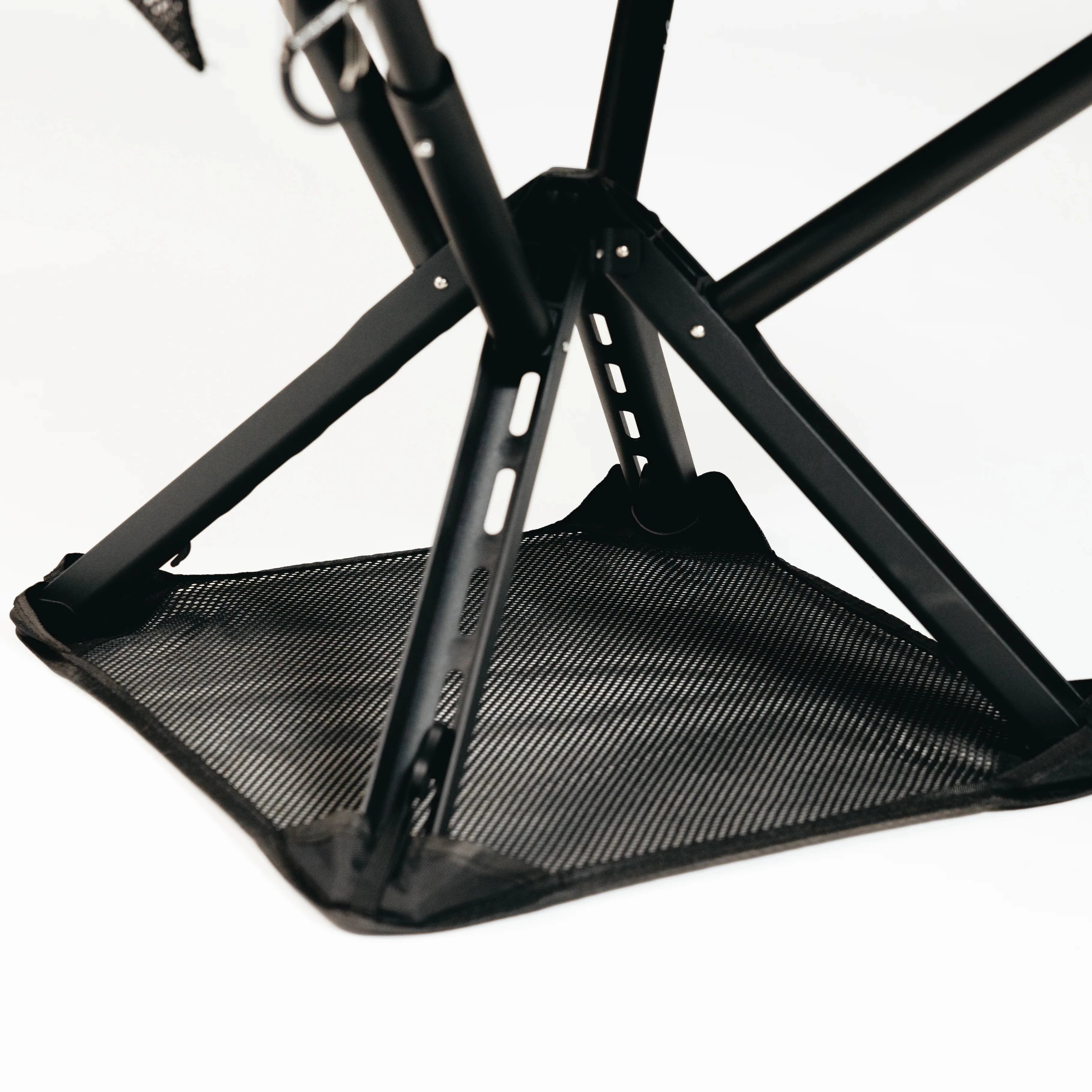
The engineering behind Campster II addresses the specific pain points outdoor enthusiasts face with conventional folding chairs. Adjustable components let you customize the fit to your body, while the frame design distributes weight evenly to prevent pressure points. High user satisfaction ratings reflect the chair’s ability to deliver on comfort promises.
Pro tip: If you’re hiking to your campsite, calculate whether the comfort gain justifies carrying the extra weight based on how long you’ll actually sit versus walk.
Seeing the specifications side by side clarifies which seat matches your priorities. The table below compares Sitpack Zen and Campster II across metrics that matter most for ergonomic travel seating decisions.
| Feature | Sitpack Zen | Campster II |
|---|---|---|
| Weight | ~800g | ~960g (20% heavier) |
| Back Support Rating | 70% | 85% |
| Folded Size Reduction | 60% of original | 65% of original |
| Best Use Case | Urban travel, festivals | Camping, extended outdoor |
| Price Range | $80 to $150 | $150 to $250 |
| Eco-Materials | Recycled components | Balanced eco approach |
The weight difference of roughly 160 grams might seem minor on paper but becomes noticeable during all-day carry. Urban travelers walking miles between destinations feel every ounce, making Sitpack Zen’s lighter profile advantageous. Conversely, the back support rating difference of 15 percentage points translates to tangible comfort during multi-hour sitting sessions.
Both chairs fold to approximately half their deployed volume, fitting into standard backpacks with smart packing. The Campster II features justify its higher price through enhanced ergonomic engineering. Meanwhile, the lightweight seat benefits of Sitpack Zen appeal to minimalist travelers prioritizing mobility.
Price ranges reflect the engineering investment in ergonomic features versus pure portability. Budget-conscious buyers can find quality options at lower price points, while premium models offer refinements in materials and adjustability.
Sustainable travel seating choices reduce environmental impact without compromising performance. Manufacturers increasingly use recycled aluminum for frames, cutting carbon emissions by 30 to 40% compared to virgin aluminum production. This material choice maintains structural strength while aligning with circular economy principles.
Bio-based plastics derived from renewable sources replace petroleum-based components in connectors and hardware. These materials biodegrade under proper conditions, preventing long-term environmental accumulation. Seat fabrics made from recycled polyester or organic cotton provide comfort while diverting waste from landfills.
Non-toxic dyes and water-based finishes eliminate harmful chemicals from the manufacturing process. These choices matter for both environmental health and user safety, especially for products that contact your skin during use. Third-party certifications like Global Recycled Standard or OEKO-TEX verify manufacturer sustainability claims.
The ergonomic camping gear eco-features demonstrate how environmental responsibility integrates with functional design. Eco-friendly materials often prove more durable than conventional alternatives, extending product lifespan and reducing replacement frequency. This durability compounds environmental benefits by decreasing total resource consumption over the product’s life.
Durability determines whether your travel seat investment pays off across multiple adventures or becomes landfill waste after one season. Robust materials withstand the wear and tear of repeated folding, transport vibration, uneven terrain, and exposure to elements. Reinforced stitching, corrosion-resistant hardware, and abrasion-resistant fabrics separate quality products from disposable alternatives.
Lifetime warranties, like those offered by Sitpack, signal manufacturer confidence in product longevity. These guarantees cover manufacturing defects and material failures, protecting your investment against premature breakdown. The correlation between warranty length and user satisfaction runs strong, as comprehensive coverage reflects genuine quality commitment.
Warranty terms vary significantly across brands, so read the fine print. Some cover only structural failures, while others include fabric wear and component replacement. Understanding coverage helps you assess true long-term value beyond initial purchase price. Keep proof of purchase and register products when required to maintain warranty validity.
The chair durability importance extends beyond personal convenience to environmental impact. A chair lasting ten years through proper care generates far less waste than replacing cheap alternatives every season. Durability also reduces long-term costs, as one quality purchase beats multiple budget replacements.
Matching seating to activity type maximizes satisfaction with your purchase. Consider these scenario-specific recommendations when choosing your ergonomic travel seat:
Urban Exploration and City Travel: Sitpack Zen wins for its ultra-light 800g weight and compact fold. You’ll carry it effortlessly between museums, parks, and street markets without fatigue. The moderate back support suffices for short rest breaks during walking tours.
Multi-Day Camping Trips: Campster II’s superior ergonomic support justifies its extra weight when you’re establishing a base camp. The 85% back support rating prevents discomfort during long evenings around the campfire or lazy afternoons reading in camp.
Music Festivals and Outdoor Events: Portability trumps extended comfort for events where you’ll alternate between standing and sitting. Sitpack Zen’s quick fold and minimal bulk let you navigate crowds easily and claim prime viewing spots without hassle.
Hiking with Destination Camping: Calculate your sitting-to-walking ratio. If hiking occupies most of your day with evening camp time only, Sitpack Zen’s weight savings matter more. For shorter hikes to scenic camping spots where you’ll relax for hours, Campster II’s comfort pays off.
Eco-Conscious Travel: Both options offer sustainable materials, but verify certifications for your priorities. Choosing lightweight seats with proven eco-credentials ensures your gear choices align with your environmental values.
Balance comfort needs against portability constraints based on your specific trip profile. Your back health during long sitting sessions may justify carrying extra weight, or your travel style may prioritize the freedom of ultra-light gear.
Sitpack delivers innovative ergonomic travel seating engineered for modern adventurers who refuse to compromise between portability and comfort. Whether you prioritize ultra-light mobility or extended ergonomic support, the product line offers solutions tailored to diverse travel styles and outdoor activities.
Discover expert guidance on fold portable chairs easily to maximize convenience during transitions between locations. Enhance your outdoor comfort with thoughtfully designed outdoor seating comfort accessories that complement your chair choice. Explore the full range of ergonomic camping equipment designed to elevate your outdoor experiences while respecting environmental sustainability.
Ergonomic travel seating options are portable chairs designed to support proper posture and reduce physical fatigue during use. Key features include lumbar support, adjustable seat height, breathable materials, and weight distribution that prevents pressure points.
Consider your activity duration and personal comfort requirements when deciding between ultra-light and supportive options. Choose lightweight seats for short urban trips or festivals where portability matters most, and select supportive models for extended outdoor sessions requiring sustained back comfort. Evaluate your tolerance for carrying extra weight against the benefit of enhanced ergonomic support.
Many modern travel seats incorporate recycled aluminum, bio-based plastics, and biodegradable fabrics to reduce environmental impact. Look for products with third-party certifications like Global Recycled Standard or OEKO-TEX to verify genuine sustainability claims rather than greenwashing.
Store your travel seat in a dry, clean environment to prevent material degradation from moisture or mildew. Follow manufacturer cleaning guidelines and warranty registration requirements to maintain coverage validity and maximize product lifespan.