Cart
0
Sign up and get 10$ off your order
Expected delivery
1-3 days
You may also like



Danish Company


Nearly 60 percent of American consumers now choose portable seating that offers both adaptability and smart features. With our lives becoming ever more mobile, having seating that adjusts to new environments is no longer a luxury for many American families, it is a necessity. This guide reveals how advanced materials, intelligent technology, and sustainability are shaping the next generation of portable seating, providing insights into what makes these solutions more comfortable and future ready.
| Point | Details |
|---|---|
| Evolution of Portable Seating | Portable seating has transitioned into intelligent solutions that are customizable, ergonomic, and environmentally friendly. |
| Integration of Smart Technology | Advanced sensors and AI are transforming seating into active support systems that optimize user comfort and health. |
| Sustainability Focus | Manufacturers are prioritizing eco-friendly materials and processes to create durable, adaptable seating options. |
| Personalized User Experience | Customizable designs allow for tailored experiences that adjust to individual comfort, biomechanics, and usage scenarios. |
Portable seating is rapidly transforming from simple functional objects to sophisticated, intelligent solutions that adapt to user needs and environmental challenges. As our lifestyles become increasingly mobile and dynamic, the demand for flexible, intelligent seating options continues to surge. Portable seating represents more than just a place to sit - it’s becoming a personalized, technology-enabled experience.
Innovation in portable seating is driven by several key trends, most notably sustainability and smart technology integration. Modern portable chairs are no longer just about providing a temporary resting spot. They now incorporate advanced features designed to enhance user comfort, promote better ergonomics, and minimize environmental impact. Key developments include:
The future of portable seating is fundamentally about creating adaptable, intelligent solutions that seamlessly integrate with our increasingly digital and mobile lifestyles. As technology continues to advance, we can expect portable chairs to become more than just furniture - they’ll transform into personal wellness and productivity tools that adapt to our unique physical needs and environmental contexts.
Portable seating design is undergoing a revolutionary transformation, driven by groundbreaking materials science and innovative engineering approaches. The next generation of portable chairs is no longer constrained by traditional manufacturing limitations, but instead embraces cutting-edge technologies that reimagine how we think about mobility and comfort.
One of the most exciting developments is the emergence of origami-inspired design principles that are reshaping portable seating engineering. These innovative approaches leverage complex geometric structures to create lightweight, adaptable chairs that can transform and compress with remarkable efficiency. By utilizing cellular cushion materials with intricate folding mechanisms, designers are developing seating solutions that offer unprecedented energy absorption, compact storage, and dynamic usability.
Key emerging trends in portable seating materials and design include:
The convergence of material science, digital fabrication, and ergonomic research is creating a new paradigm for portable seating. These innovations promise not just improved functionality, but a fundamental reimagining of how we interact with portable chairs - transforming them from simple objects into intelligent, adaptive personal support systems that respond dynamically to individual user needs.
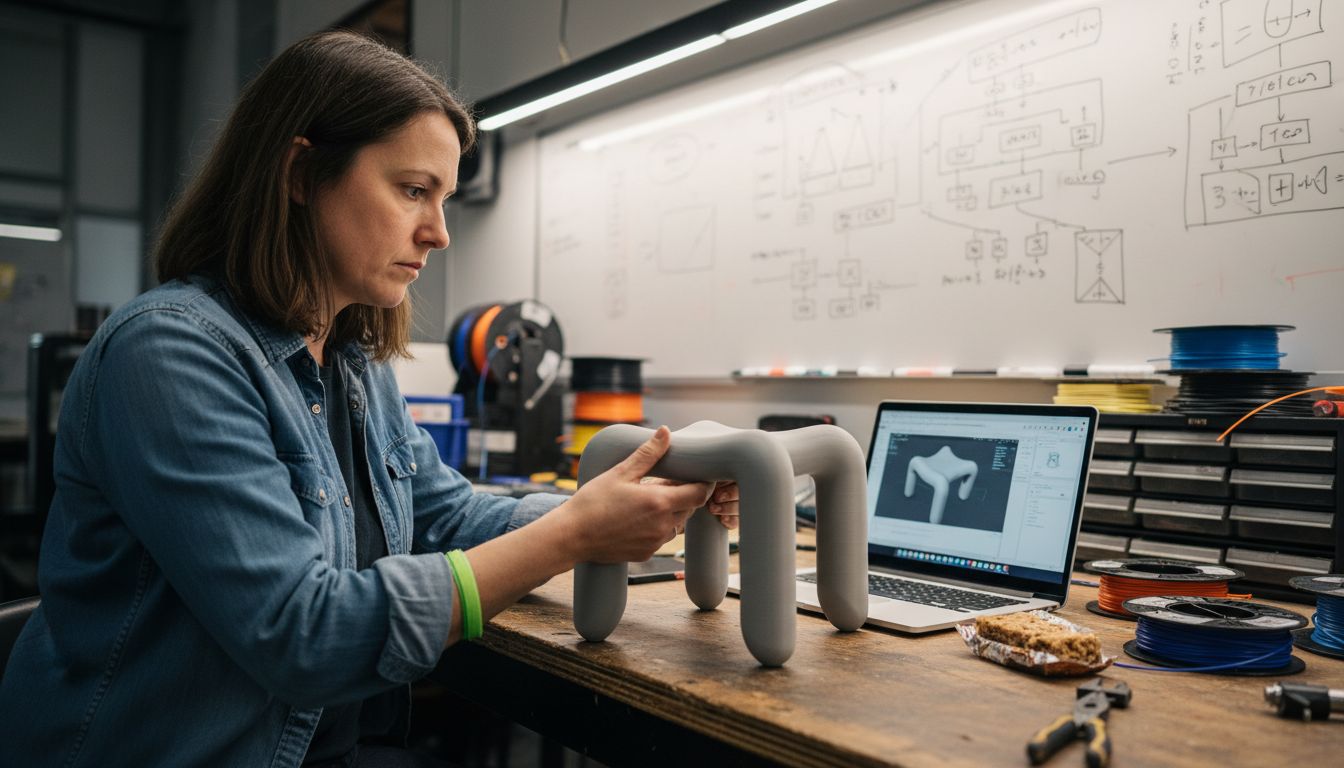
The future of portable seating is being dramatically reshaped by intelligent technology that transforms simple chairs into sophisticated, interactive personal support systems. No longer are portable seats mere static objects - they are becoming dynamic, responsive companions that adapt to individual user needs and environmental conditions.
Smart technology integration is revolutionizing portable seating through advanced sensor technologies and connectivity features. These innovations enable chairs to monitor user posture, track physical wellness metrics, and automatically adjust for optimal comfort and ergonomic support. By incorporating artificial intelligence and machine learning algorithms, portable chairs can now provide real-time feedback and proactively suggest postural improvements.
Key smart features emerging in portable seating technology include:
As technology continues to advance, portable seating is evolving from a passive object into an active, intelligent system that enhances user comfort, promotes physical well-being, and seamlessly integrates with our increasingly connected digital lifestyles. The boundaries between furniture, personal technology, and wellness support are becoming increasingly blurred, promising a future where our seats are not just places to sit, but sophisticated personal assistants designed to optimize our physical and mental performance.
The future of portable seating is intrinsically linked to environmental responsibility, with designers and manufacturers increasingly prioritizing sustainable practices that minimize ecological impact while maximizing product longevity and performance. As climate change and resource scarcity become more pressing global challenges, portable seating solutions are evolving to meet both functional needs and environmental sustainability standards.

Climate resilience has emerged as a critical design philosophy in portable seating development. Manufacturers are now focusing on creating durable, adaptable chairs that can withstand extreme environmental conditions while reducing overall carbon footprint. This approach involves carefully selecting materials, optimizing manufacturing processes, and designing products with extended lifecycles that minimize waste and resource consumption.
Key sustainability strategies in portable seating design include:
The evolution of sustainable portable seating represents more than an environmental imperative - it’s a fundamental reimagining of how we conceive, produce, and interact with personal mobility solutions. By integrating ecological considerations into every stage of design and production, manufacturers are creating a new generation of portable chairs that not only serve individual needs but also contribute to broader global sustainability goals.
Portable seating has transcended its traditional role, evolving into a sophisticated personal comfort ecosystem that adapts dynamically to individual user needs and preferences. The future of seating is no longer about one-size-fits-all solutions, but about creating personalized experiences that respond intelligently to each user’s unique physical characteristics and comfort requirements.
Customizable and modular design approaches are revolutionizing how we conceptualize portable seating comfort. By allowing users to adjust and reconfigure seating components, manufacturers are creating chairs that can transform to match different body types, activity levels, and environmental conditions. These innovations go beyond simple height or angle adjustments, offering comprehensive personalization that considers biomechanical alignment, pressure distribution, and individual ergonomic needs.
Key user experience and comfort innovations include:
The ultimate goal of these innovations is to transform portable seating from a passive object into an active, intelligent support system. By integrating advanced materials, sensor technologies, and user-centric design principles, manufacturers are creating seating solutions that not only accommodate but anticipate user comfort - providing a seamless, responsive experience that adapts in real time to individual physical needs and preferences.
Portable seating solutions have diversified dramatically, offering consumers an unprecedented range of options that cater to different mobility needs, environmental contexts, and personal preferences. Understanding the nuanced differences between these alternatives is crucial for selecting the most appropriate seating solution for specific situations and individual requirements.
Softseating technologies represent an innovative approach to portable seating, utilizing lightweight materials like paper and textile to create flexible, easily storable seating options. These solutions prioritize adaptability, allowing users to quickly transform spaces and create temporary seating arrangements that traditional chairs cannot match. By leveraging unconventional materials and modular design principles, softseating challenges traditional notions of what portable seating can accomplish.
Key portable seating alternatives include:
The evolution of portable seating alternatives reflects broader trends in design innovation, emphasizing adaptability, user experience, and multifunctionality. As consumers increasingly prioritize mobility and flexibility, manufacturers continue to push the boundaries of what portable seating can represent - transforming these essential objects from simple functional items into sophisticated, context-responsive solutions that seamlessly integrate with our dynamic lifestyles.
The article highlights key challenges in portable seating such as the need for lightweight materials, ergonomic design, and sustainability. It emphasizes how innovations like modular designs, smart technology, and eco-friendly materials are shaping the next generation of seating solutions. If you value durability, minimalistic design, and ultimate comfort in your outdoor or urban lifestyle, these are exactly the goals to keep in mind. This is where Sitpack steps in with portable seating options built for a dynamic, on-the-go world.
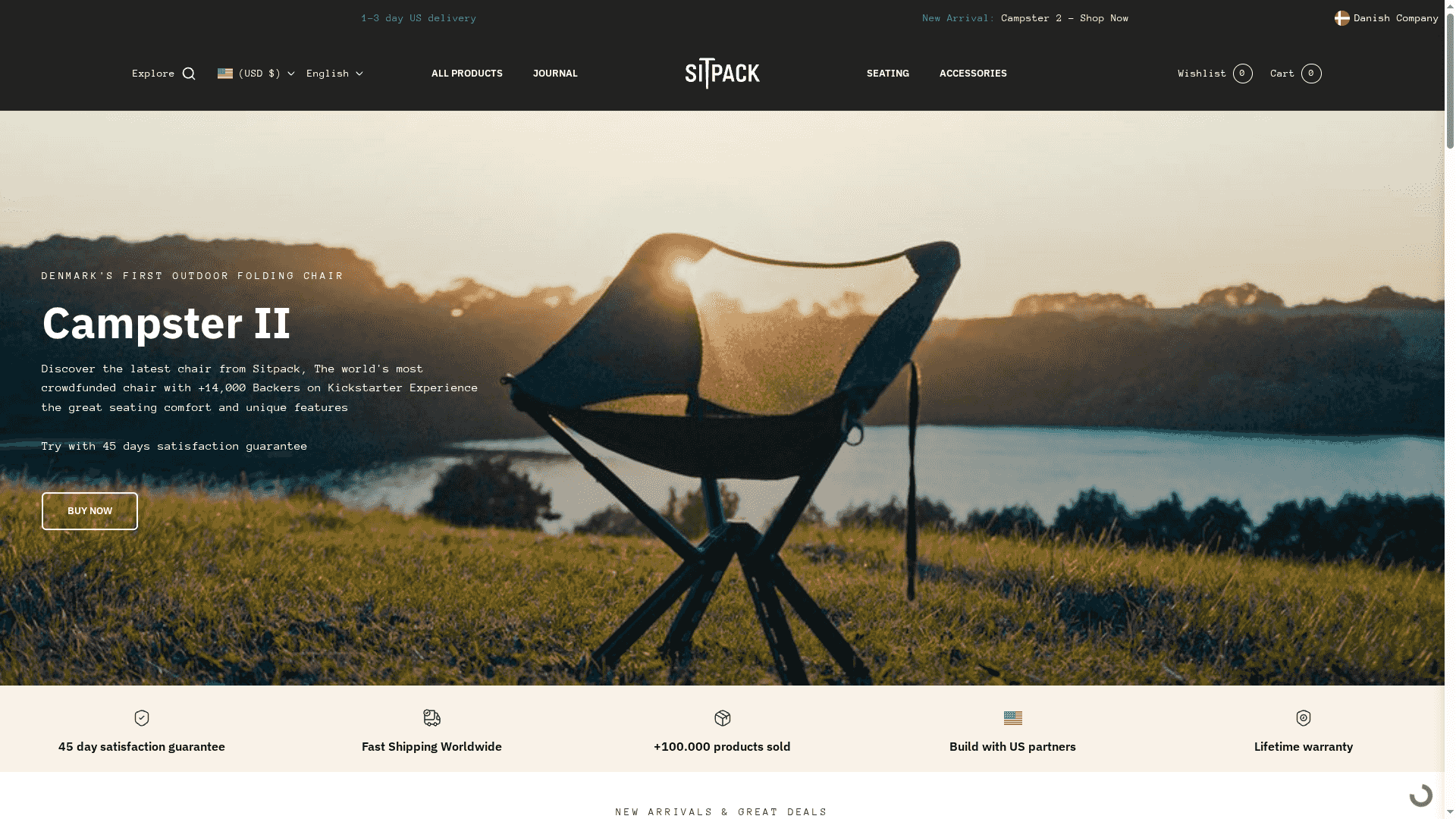
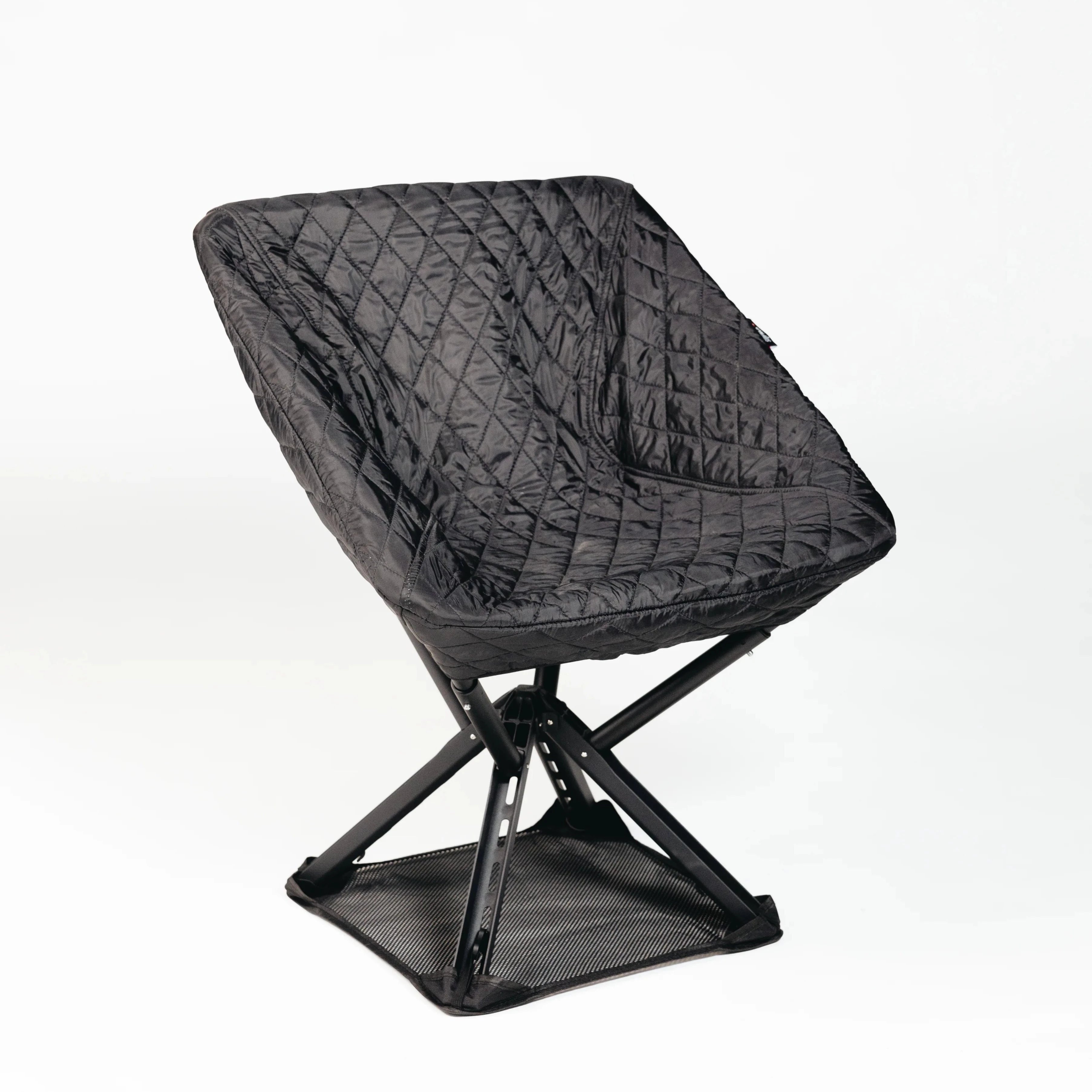
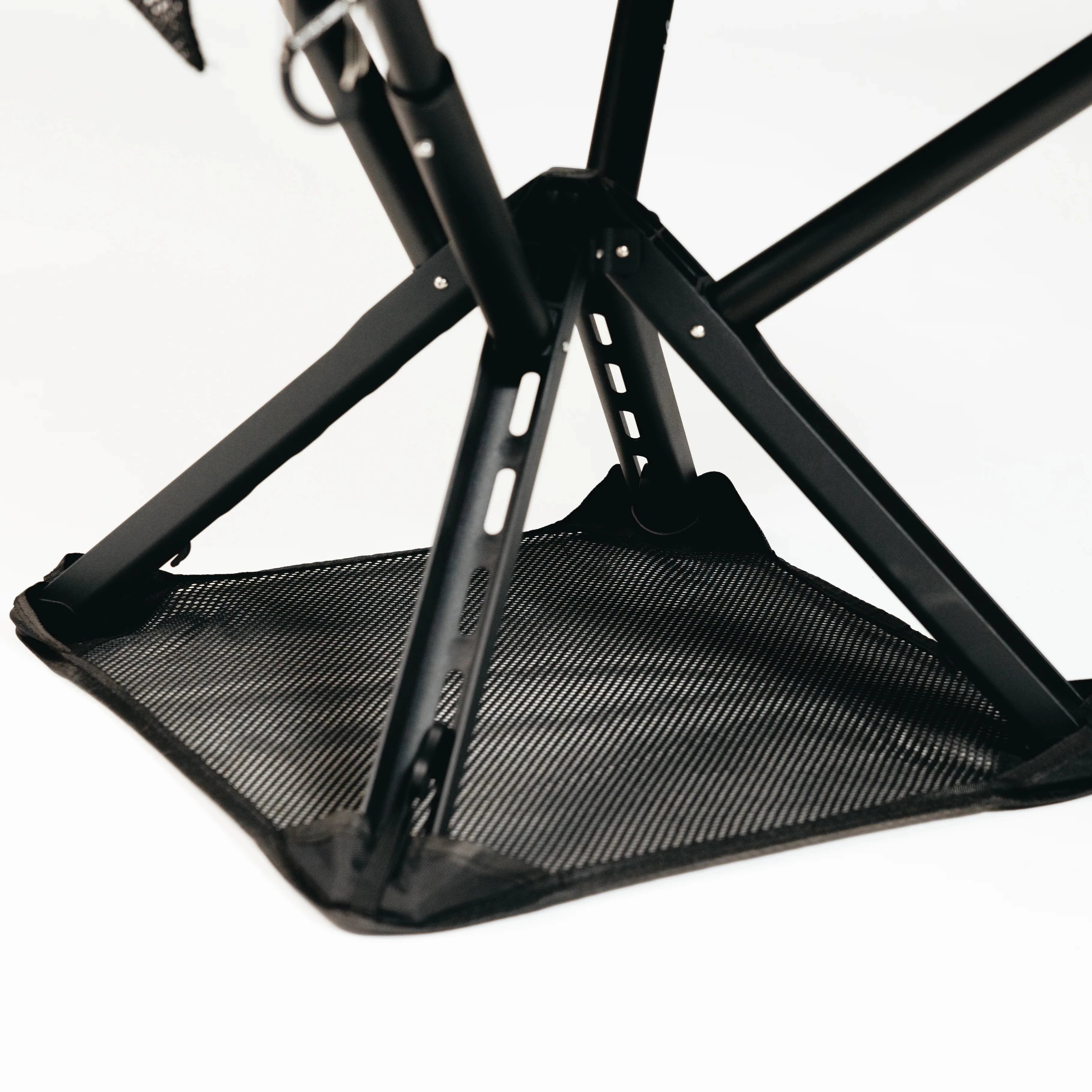
Explore our range of foldable chairs, including the popular Campster II and Sitpack Zen, that combine innovative design with user comfort and eco-conscious materials. Whether you are an outdoor enthusiast, camper, or traveler, our products offer lightweight, compact solutions without sacrificing strength or style. Shop now at Sitpack to experience portable seating that meets both your personal comfort needs and sustainability goals with fast worldwide delivery and a 45-day satisfaction guarantee.
The future of portable seating is driven by trends such as sustainability, smart technology integration, lightweight materials, modular designs, and eco-friendly manufacturing processes. These trends focus on user comfort, ergonomics, and minimizing environmental impact.
Smart technology enhances portable seating by incorporating features like posture tracking sensors, AI-powered adjustments, wellness app synchronization, and integrated charging stations. These features enable chairs to adapt to user needs and promote overall comfort and well-being.
Modern portable seating incorporates innovative materials such as biomimetic materials, advanced composites, and smart textiles. These materials focus on lightweight strength, energy absorption, and recyclability, contributing to both comfort and environmental sustainability.
Portable seating can be customized through modular design approaches that allow users to adjust components to fit their body types and preferences. Features like adaptive pressure mapping, temperature-responsive materials, and intuitive user interfaces facilitate real-time comfort adjustments.