Cart
0
Sign up and get 10$ off your order
Expected delivery
1-3 days
You may also like


Danish Company

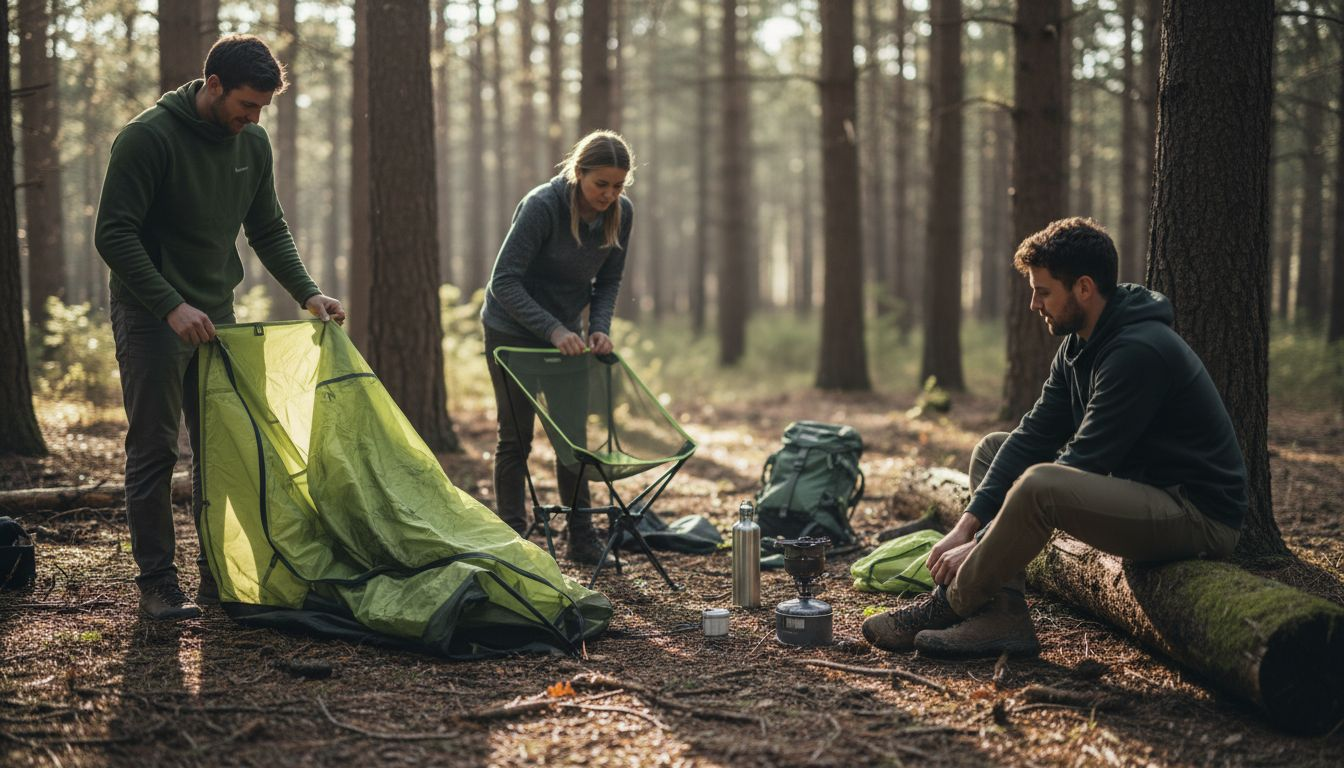
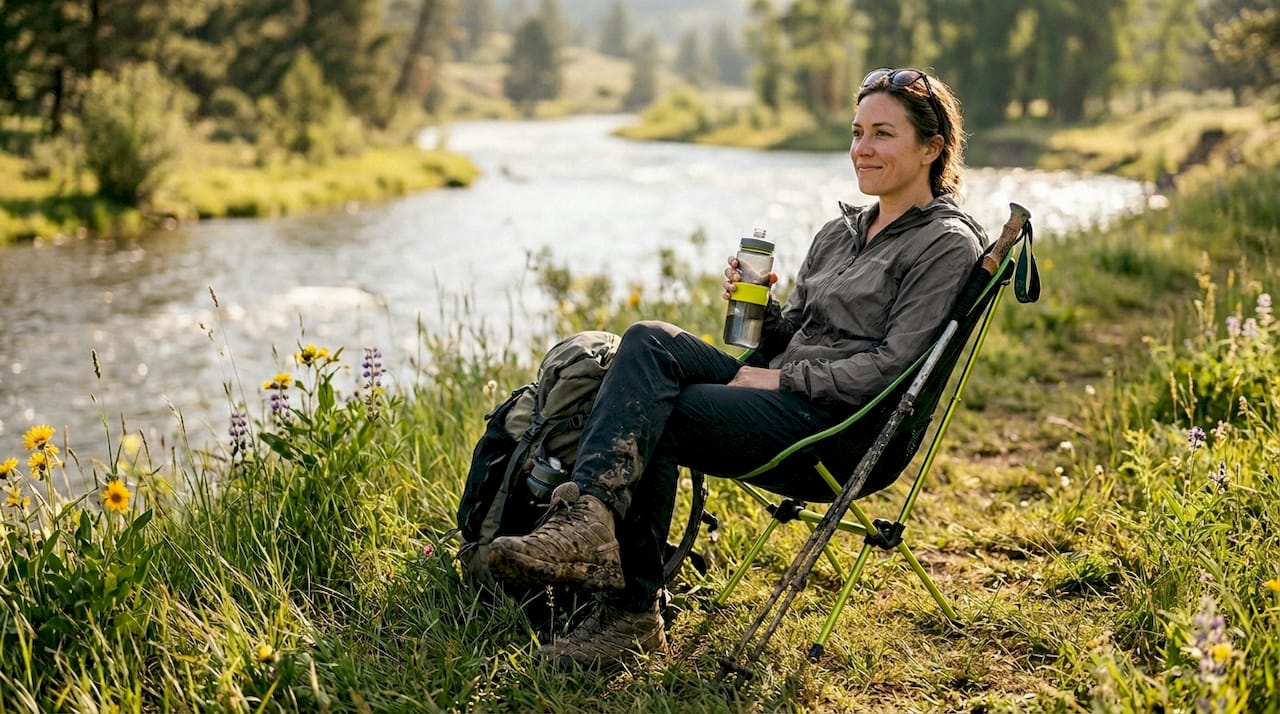
Settling around the campfire feels different when your chair adds comfort without weighing you down or harming the planet. For eco-conscious campers, choosing portable seating is more than just finding something light to carry. A truly portable seat combines easy transport, ergonomic design, and responsible materials, all while supporting hours of relaxation. Explore how portability shapes outdoor adventures, helping you pick seating that protects both your back and the environment.
| Point | Details |
|---|---|
| Portability is Multifaceted | Portability in camping gear encompasses weight, carrying methods, and user ergonomics, impacting overall comfort during outdoor activities. |
| Select Multi-functional Gear | Look for equipment that serves multiple purposes to minimize weight and enhance functionality in the field. |
| Consider Environmental Impact | Choose gear made from sustainable materials and manufacturers with recycling programs to reduce ecological footprints. |
| Avoid Common Selection Mistakes | Carefully assess gear functionality and avoid overpacking; conducting a mock pack can help identify unnecessary items before a trip. |
Portability represents the critical intersection between gear functionality and user mobility in outdoor adventures. When discussing camping equipment, portability extends far beyond simple weight measurements, encompassing how effortlessly gear can be transported across diverse terrains and environments.
According to empirical research on consumer products, portability involves several key dimensions that directly impact a camper’s experience:
The consumer usability standards further elaborate that true portability isn’t just about lightness, but about creating gear that integrates seamlessly with human movement. This means considering factors like compact design, balanced weight distribution, and intuitive carrying mechanisms.
Practical portability in camping gear requires a holistic approach. Manufacturers must consider not just the raw weight, but how that weight feels during extended hiking, how quickly gear can be unpacked and assembled, and whether the design minimizes physical strain.
Here’s a quick comparison of camping gear portability factors and their impact on outdoor comfort:
| Factor | Impact on Comfort | Potential Challenges |
|---|---|---|
| Weight | Less fatigue, easier hike | May reduce durability |
| Carrying Method | Faster setup, convenience | Could cause strain if poorly designed |
| Ergonomics | Improved mobility | Comfort varies by user |
| Compact Design | Easy packing | Risk of loss or damage |
Pro tip: Always test your camping gear’s portability by walking a short trail with your fully packed equipment before your actual trip to understand its real-world comfort and maneuverability.
Portable camping equipment represents a critical category of outdoor gear designed to maximize mobility and minimize physical strain during adventures. National Park Service research highlights the diverse range of equipment that enables campers to travel light without compromising on essential functionality.
The primary categories of portable camping equipment can be classified into several key groups:
According to camping equipment classifications, portability requirements dramatically differ between camping styles. Backcountry hikers need ultra-lightweight gear that can be carried for miles, while car campers have more flexibility in equipment weight and size.
Multi-functional gear represents the pinnacle of portable camping equipment design. These innovative items combine multiple uses into a single, compact tool - think of a spork that replaces both a spoon and fork, or a jacket that converts into a lightweight sleeping bag.
Pro tip: Weigh each piece of camping equipment before your trip and aim to keep your total pack weight under 30 pounds for maximum comfort and mobility.
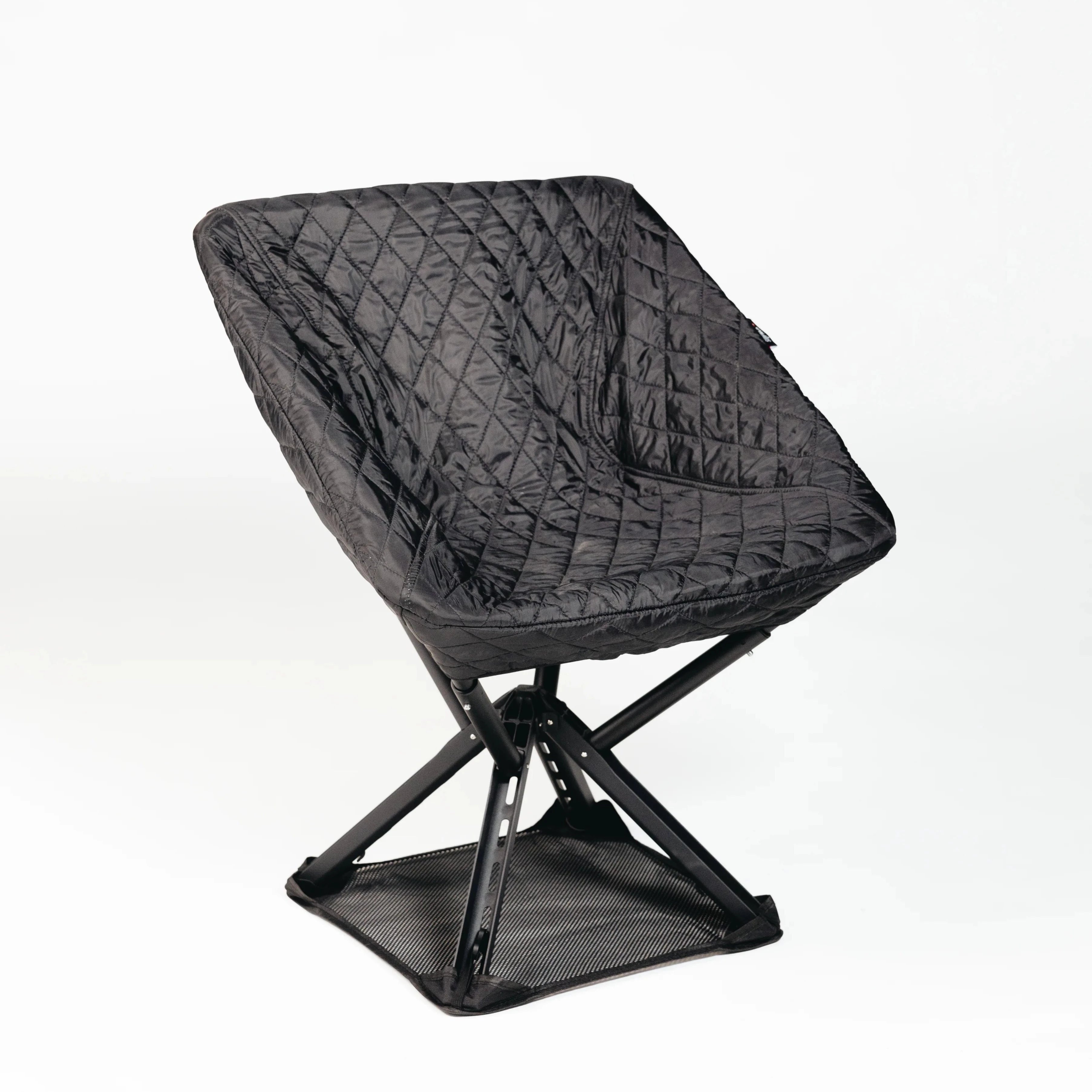
Portable seating solutions represent a critical intersection of comfort, functionality, and convenience for outdoor enthusiasts. Comprehensive research on portable seating reveals a complex set of design considerations that go far beyond simple weight and size measurements.
The essential features of high-quality portable seating can be categorized into several key dimensions:
According to National Park Service safety guidelines, portable seating must balance multiple performance criteria. Campers require solutions that are not just lightweight, but also provide reliable support across unpredictable outdoor terrain.
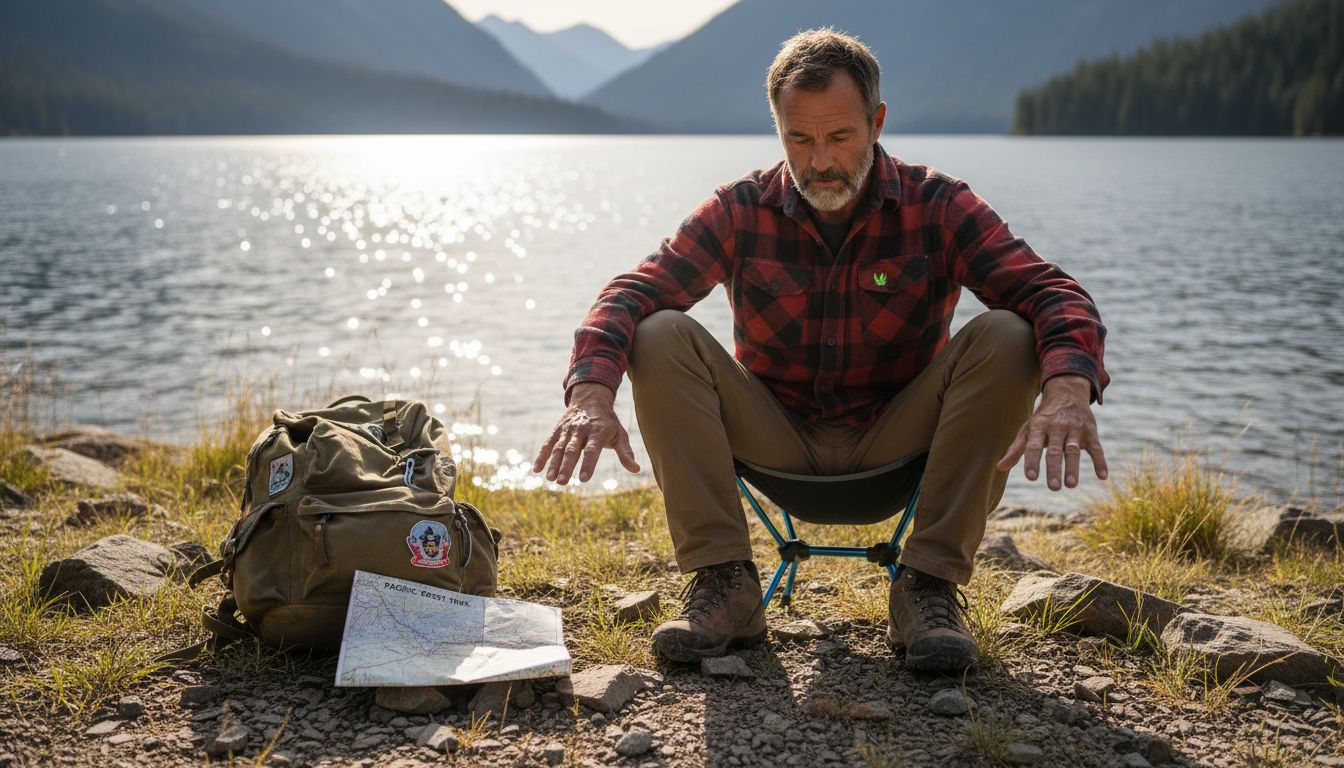
The evolution of portable seating has increasingly focused on multi-functionality. Modern designs incorporate features like integrated storage compartments, convertible configurations, and modular components that adapt to different camping environments and user needs.
Pro tip: Always test your portable chair’s weight capacity and stability on uneven ground before committing to a long camping trip.
Environmental consciousness has become a critical consideration for modern outdoor enthusiasts, transforming how we approach portable gear selection. Chemical impacts in outdoor equipment reveal complex challenges in balancing performance with ecological responsibility.
Key environmental considerations for portable gear include:
Environmental protection guidelines emphasize the importance of holistic approach to gear selection. Conscious consumers now evaluate products not just by immediate performance, but by their broader ecological implications.
The outdoor industry is increasingly responding to environmental concerns by developing innovative materials and production techniques that minimize ecological impact. Advanced technologies now enable manufacturers to create high-performance gear using sustainable materials that reduce waste and chemical pollution.
Below is a summary of leading strategies for environmentally responsible portable gear selection:
| Strategy | Environmental Benefit | Example Approach |
|---|---|---|
| Sustainable Materials | Minimizes resource depletion | Using recycled fabrics |
| Reduced Chemicals | Less environmental pollution | Avoiding toxic treatments |
| Durable Construction | Lowers waste over time | Prioritizing repairable designs |
| Responsible Disposal | Prevents landfill accumulation | Manufacturer recycling programs |
Pro tip: Choose portable gear from manufacturers who transparently communicate their environmental sustainability practices and offer repair or recycling programs.
Selecting the right portable gear requires careful consideration and strategic planning. National Park Service safety recommendations highlight the nuanced challenges campers face when choosing equipment that balances functionality, weight, and practicality.
The most frequent errors in portable gear selection include:
Comprehensive device selection guidelines emphasize the importance of understanding equipment limitations and compatibility. Experienced outdoor enthusiasts recognize that proper gear selection involves more than just checking specifications - it requires a holistic understanding of personal needs and environmental conditions.
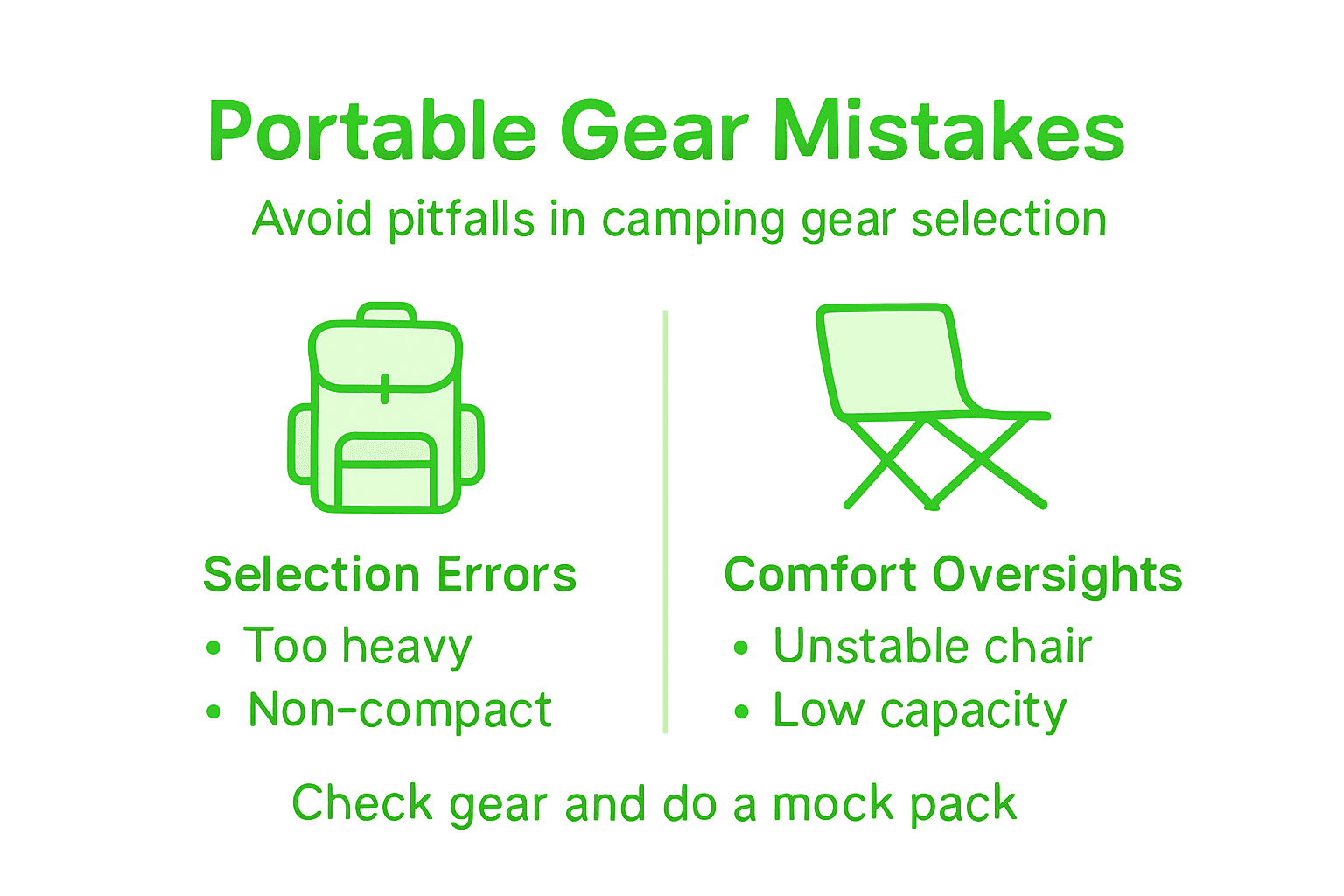
The art of selecting portable gear lies in striking a delicate balance between minimalism and preparedness. Successful campers develop an intuitive sense of what truly matters, learning to choose equipment that offers maximum utility with minimal compromise.
Pro tip: Create a detailed gear checklist and conduct a “mock pack” before your trip to identify and eliminate unnecessary items and potential equipment shortcomings.
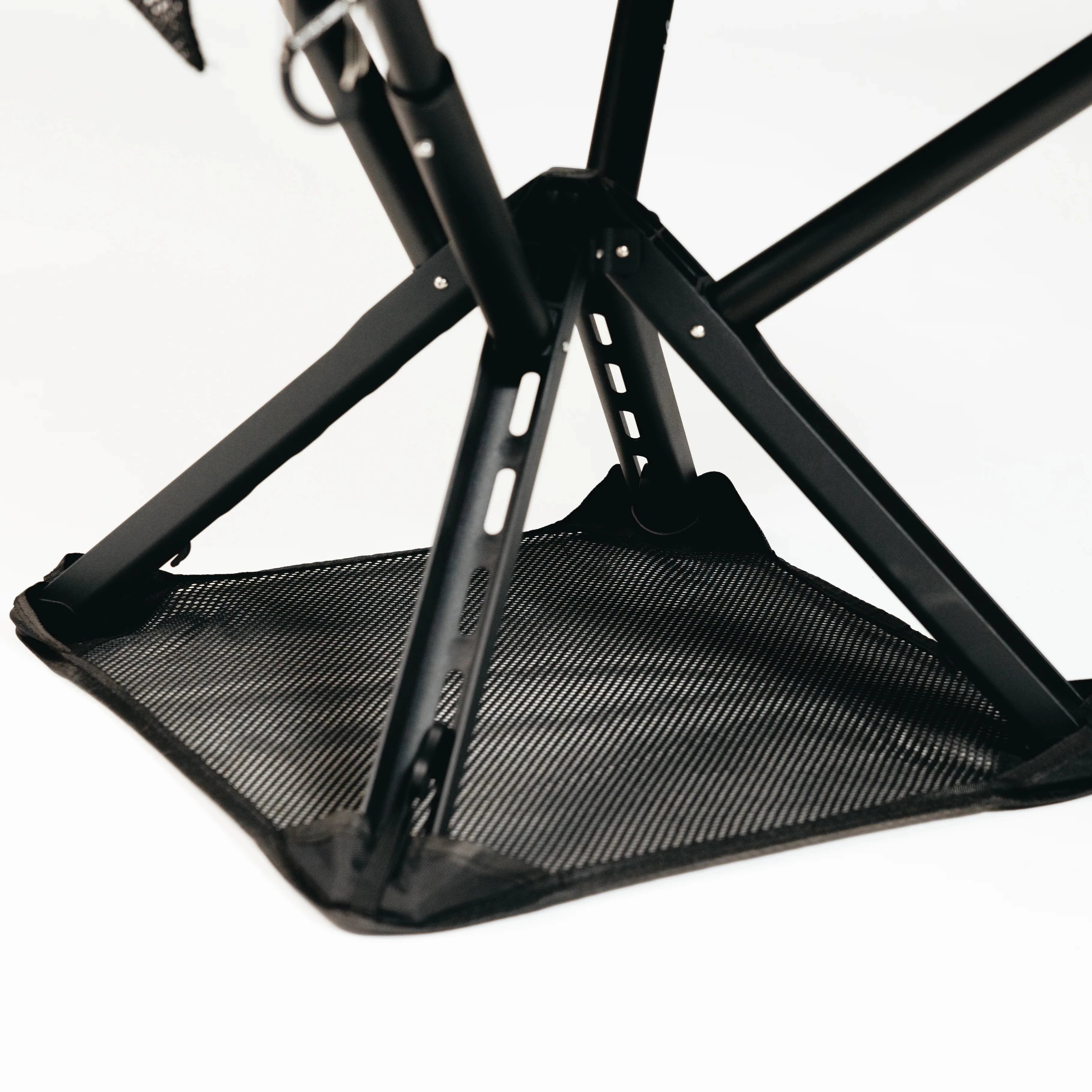
Portability is more than just light weight when camping; it is about comfort, ease of use, and reducing physical strain on your adventures. If you have ever struggled with bulky or unstable chairs that compromise your outdoor experience, Sitpack offers innovative portable seating designed precisely to solve those challenges. Our products focus on ergonomic design, durable materials, and compact foldability to provide maximum comfort without adding unnecessary weight to your pack.
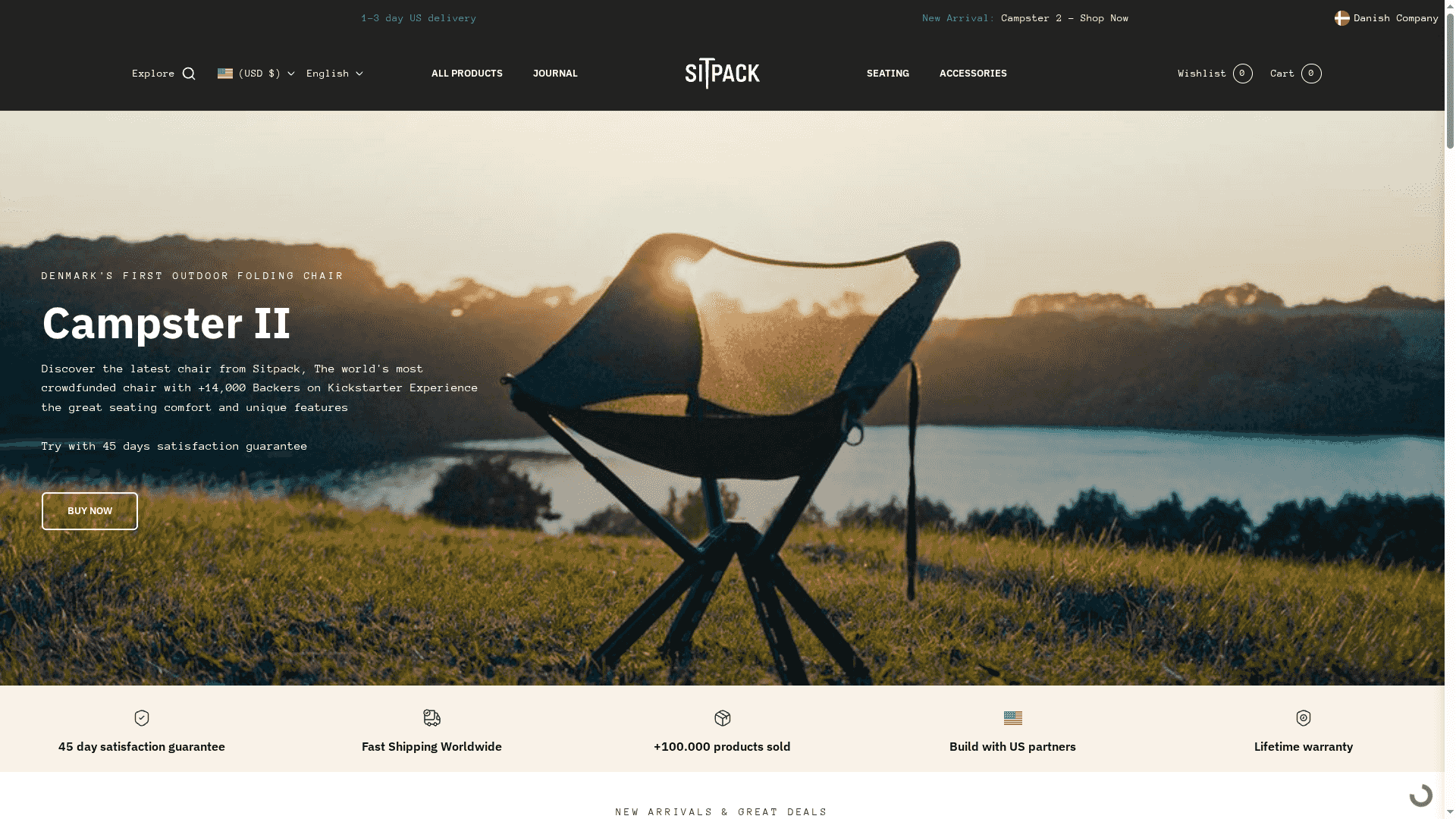
Discover how the Campster II and Sitpack Zen redefine portable seating with features tailored for campers seeking true mobility and comfort. Don’t wait until your next trip to experience the frustration of heavy or uncomfortable gear. Visit Sitpack online today to explore ergonomic, lightweight chairs and accessories that complement your outdoor lifestyle and help you enjoy every moment comfortably and sustainably.
When considering portability in camping gear, focus on weight, carrying methods, user ergonomics, and compact design. Each of these factors will impact how easily you can transport and use your gear.
To test the portability of your camping gear, take a short hike with your fully packed equipment. This will help you assess comfort and maneuverability in real-world conditions.
Essential types of portable camping equipment include ultralight tents, compressible sleeping bags, compact cooking stoves, and collapsible chairs, all designed to maximize mobility.
Common mistakes include prioritizing ultralight gear over durability, failing to test gear before use, overpacking unnecessary items, and not considering the versatility of equipment.