Cart
0
Sign up and get 10$ off your order
Expected delivery
1-3 days
You may also like




Danish Company


Most american outdoor enthusiasts want sustainable choices, yet over half struggle to identify truly eco-friendly furniture. As cities grow and camping trends rise, both urban dwellers and nature lovers face the challenge of finding seating that combines durability, ethics, and portability. This guide cuts through confusing claims, helping you spot authentic sustainable options that protect the planet while keeping your outdoor experience as comfortable as possible.
| Point | Details |
|---|---|
| Sustainable Design | Sustainable outdoor furniture encompasses a holistic approach that considers environmental impact throughout its lifecycle, from material sourcing to end-of-life disposal. |
| Material Alternatives | Eco-friendly materials like reclaimed wood and bamboo offer durable, innovative options that reduce environmental footprints. |
| Certification Importance | Sustainability certifications, such as FSC and B Corp, are crucial for verifying genuine environmental commitments from manufacturers. |
| Consumer Education | Informed consumers should look beyond marketing claims and request detailed information on sustainability credentials to make responsible purchasing choices. |
Sustainable outdoor furniture represents far more than a simple marketing buzzword - it’s a comprehensive approach to design and manufacturing that prioritizes environmental responsibility throughout a product’s entire lifecycle. Life Cycle Design principles reveal how sustainable furniture goes beyond basic material selection, encompassing complex considerations about environmental impact from production through disposal.
At its core, sustainable outdoor furniture involves creating products that meet current functional needs without compromising future generations’ ability to meet their own requirements. This holistic philosophy means examining every stage of furniture development - from raw material sourcing to manufacturing processes, product durability, potential for recycling, and eventual end-of-life disposal. Key characteristics include:
Sustainable development principles challenge traditional manufacturing by demanding transparency and genuine commitment from companies. Contrary to popular misconceptions, sustainable outdoor furniture isn’t just about using green materials - it represents a comprehensive approach requiring systemic changes in design philosophy, production techniques, and corporate responsibility.
Many consumers mistakenly believe sustainable furniture means compromising on quality, aesthetics, or performance. In reality, sustainable design often leads to superior products with longer lifespans, more innovative engineering, and greater overall value. By prioritizing thoughtful material selection, efficient manufacturing, and circular economy principles, sustainable outdoor furniture can actually deliver higher-quality experiences while reducing environmental impact.
Pro Tip: When shopping for sustainable outdoor furniture, look beyond marketing claims and request specific information about material sourcing, manufacturing processes, and product lifecycle credentials.
Sustainable outdoor furniture has evolved dramatically, with manufacturers now leveraging innovative materials that minimize environmental impact while maximizing durability and performance. Contemporary eco-friendly materials represent a sophisticated approach to furniture design, offering complex solutions that address both aesthetic and environmental challenges.
The landscape of sustainable materials is diverse and continuously expanding. Key eco-friendly options include:
Responsible sourcing strategies have transformed how manufacturers approach material selection. Woods like teak, cedar, and acacia are now carefully managed through sustainable plantation systems that balance environmental preservation with production needs. These approaches ensure that each material not only serves its functional purpose but also contributes positively to broader ecological conservation efforts.
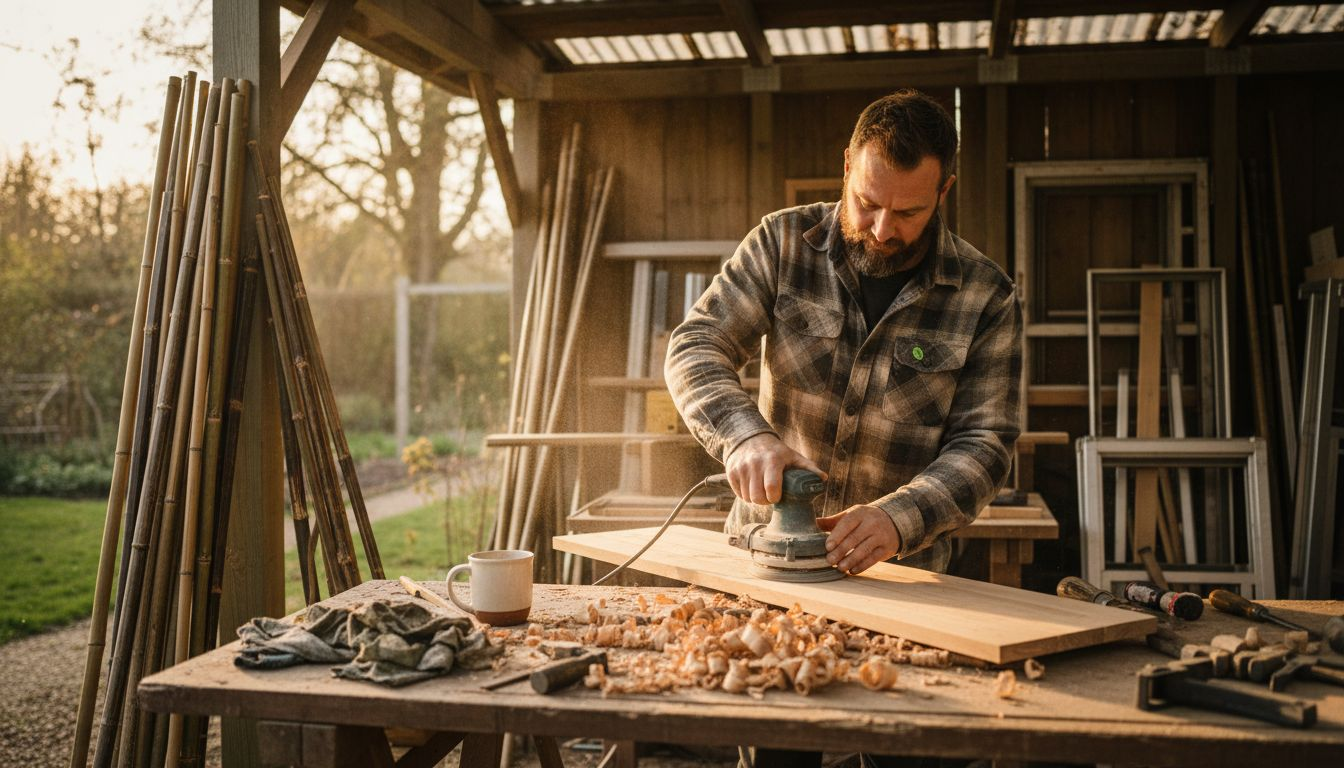
Beyond raw material selection, the true sustainability of outdoor furniture depends on comprehensive lifecycle considerations. Manufacturers are increasingly focusing on creating products that can be easily repaired, repurposed, or completely recycled at the end of their functional life. This shift represents a fundamental reimagining of furniture production - moving from a linear consumption model to a circular design philosophy that minimizes waste and maximizes resource efficiency.
Pro Tip: When evaluating eco-friendly outdoor furniture, look beyond surface-level claims and investigate the specific sourcing, production, and end-of-life recycling potential of each material.
Here’s a comparison of common eco-friendly outdoor furniture materials and their primary advantages:
| Material | Durability Level | Maintenance Needs | Distinct Advantage |
|---|---|---|---|
| Reclaimed Wood | High with treatment | Periodic sealing needed | Unique appearance, saves trees |
| Bamboo | Very high | Low | Fast regrowth, light and strong |
| Recycled Plastic | High | Minimal | Resists weather, uses waste |
| Aluminum | Moderate to high | Occasional cleaning | Rust-resistant, fully recyclable |
| HDPE | Very high | Minimal | UV-resistant, sustainable plastic |
| Natural Rattan | Moderate | Dry storage recommended | Biodegradable, natural texture |
In the complex world of sustainable outdoor furniture, certifications serve as critical navigational tools that help consumers and manufacturers demonstrate genuine environmental commitment. Sustainability certification research reveals the intricate role these standards play in verifying responsible manufacturing practices and ensuring transparent environmental claims.
Key sustainability certifications encompass multiple dimensions of responsible production:
These certifications go far beyond simple marketing labels. They represent rigorous assessment processes that examine everything from raw material extraction to manufacturing techniques, worker conditions, and potential environmental impacts. Manufacturers must undergo extensive audits and demonstrate consistent compliance to maintain these prestigious credentials, which serve as powerful indicators of genuine sustainability commitment.
Understanding certification nuances helps consumers make informed decisions. While some certifications focus on specific aspects like material sourcing, others provide comprehensive evaluations of a company’s entire operational ecosystem. This multi-dimensional approach ensures that sustainable outdoor furniture represents a holistic commitment to environmental stewardship, rather than superficial green washing tactics.
Pro Tip: Always request and verify specific certification details when purchasing sustainable outdoor furniture, as not all certifications carry equal weight or comprehensiveness.
This table summarizes how top sustainability certifications differ in scope and focus:
| Certification | Main Focus | Who Issues It | Recognition Level |
|---|---|---|---|
| FSC | Responsible forestry | Forest Stewardship Council | Global |
| GRS | Recycled input | Textile Exchange | International |
| GREENGUARD | Low emissions | UL Environment | Widely recognized |
| Cradle to Cradle | Whole lifecycle | C2C Products Innovation | Strong in eco-design |
| B Corp | Social & environment | B Lab | Broad, business-wide |
| ISO 14001 | Management systems | International Organization for Standardization | Global |
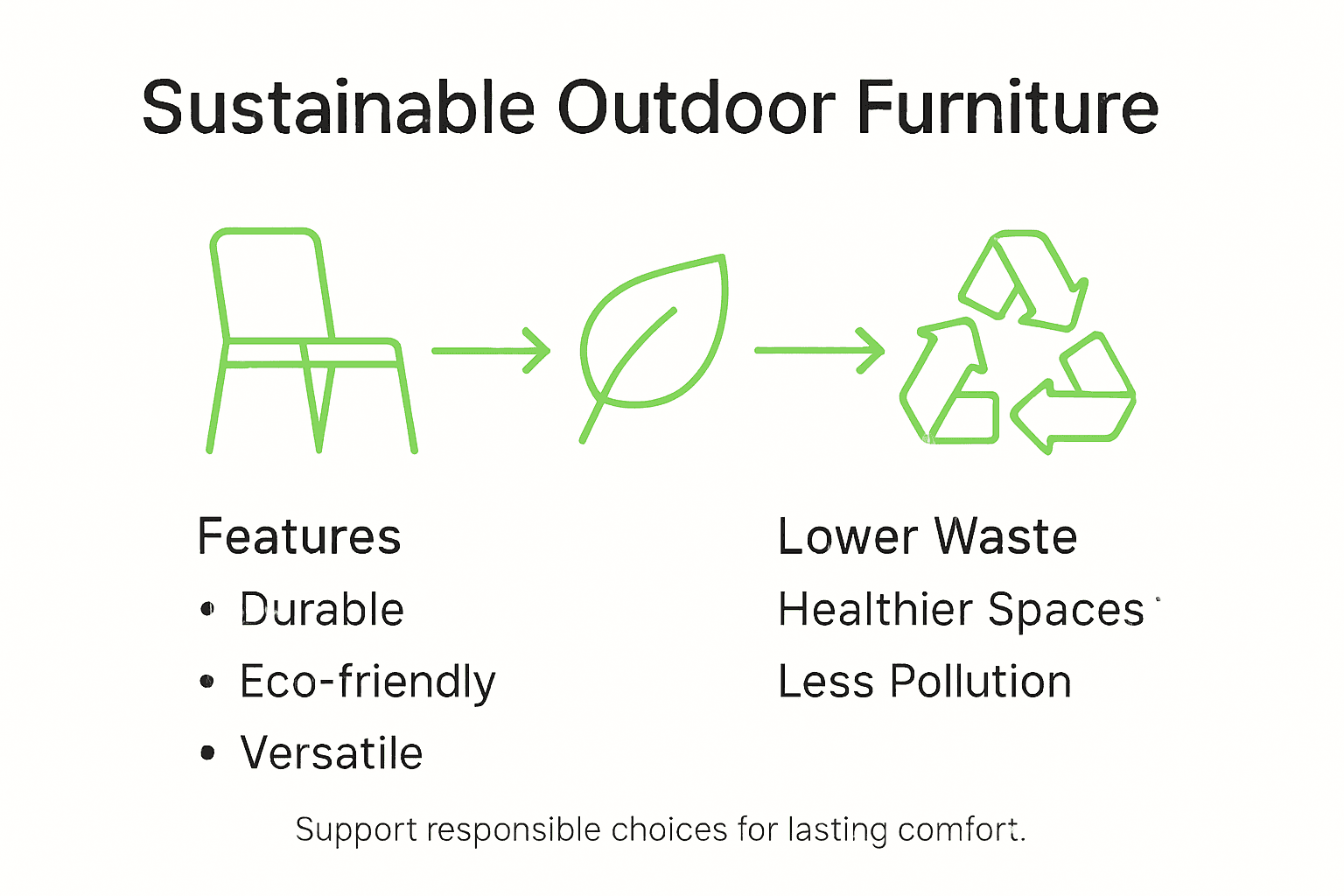
Sustainable outdoor furniture transforms urban living and outdoor experiences by offering solutions that go far beyond traditional seating options. These innovative products provide urban dwellers and outdoor enthusiasts with multifaceted advantages that address environmental concerns while delivering exceptional functionality and comfort.
The benefits for users span several critical dimensions:
Sustainable furniture options represent more than just a purchasing decision - they embody a lifestyle commitment to environmental stewardship. Urban users and outdoor enthusiasts can transform their living spaces and recreational experiences by choosing furniture that aligns with broader ecological principles, creating meaningful connections between personal comfort and global sustainability efforts.
Beyond individual benefits, these furniture choices contribute to a larger narrative of responsible consumption. By selecting products designed with environmental consciousness, users become active participants in a global movement toward more sustainable living practices. This approach goes beyond mere material selection, representing a holistic commitment to reducing environmental impact while maintaining high standards of quality, comfort, and design.
Pro Tip: When selecting sustainable outdoor furniture, prioritize pieces that offer multiple functional benefits and demonstrate clear environmental credentials.
Navigating the complex landscape of sustainable outdoor furniture requires careful consideration of multiple factors beyond simple marketing claims. Consumers must develop a nuanced understanding of potential risks and strategic alternatives to make truly responsible purchasing decisions that align with genuine environmental principles.
Key risks associated with non-sustainable furniture choices include:
Sustainable furniture alternatives offer compelling solutions across multiple dimensions. Consumers can strategically choose options like reclaimed wood, rapidly renewable bamboo, recycled metal composites, and furniture designed with explicit end-of-life recyclability. These alternatives not only minimize environmental impact but also provide superior durability and aesthetic flexibility.
Successful sustainable furniture selection demands a holistic approach that evaluates product origins, manufacturing transparency, material composition, and long-term environmental implications. Informed consumers must look beyond surface-level marketing, demanding comprehensive evidence of genuine sustainability commitments from manufacturers. This approach transforms purchasing from a transactional experience into a meaningful contribution toward global environmental stewardship.
Pro Tip: Request comprehensive documentation about a product’s sustainability credentials, including specific details about material sourcing, manufacturing processes, and potential recyclability.
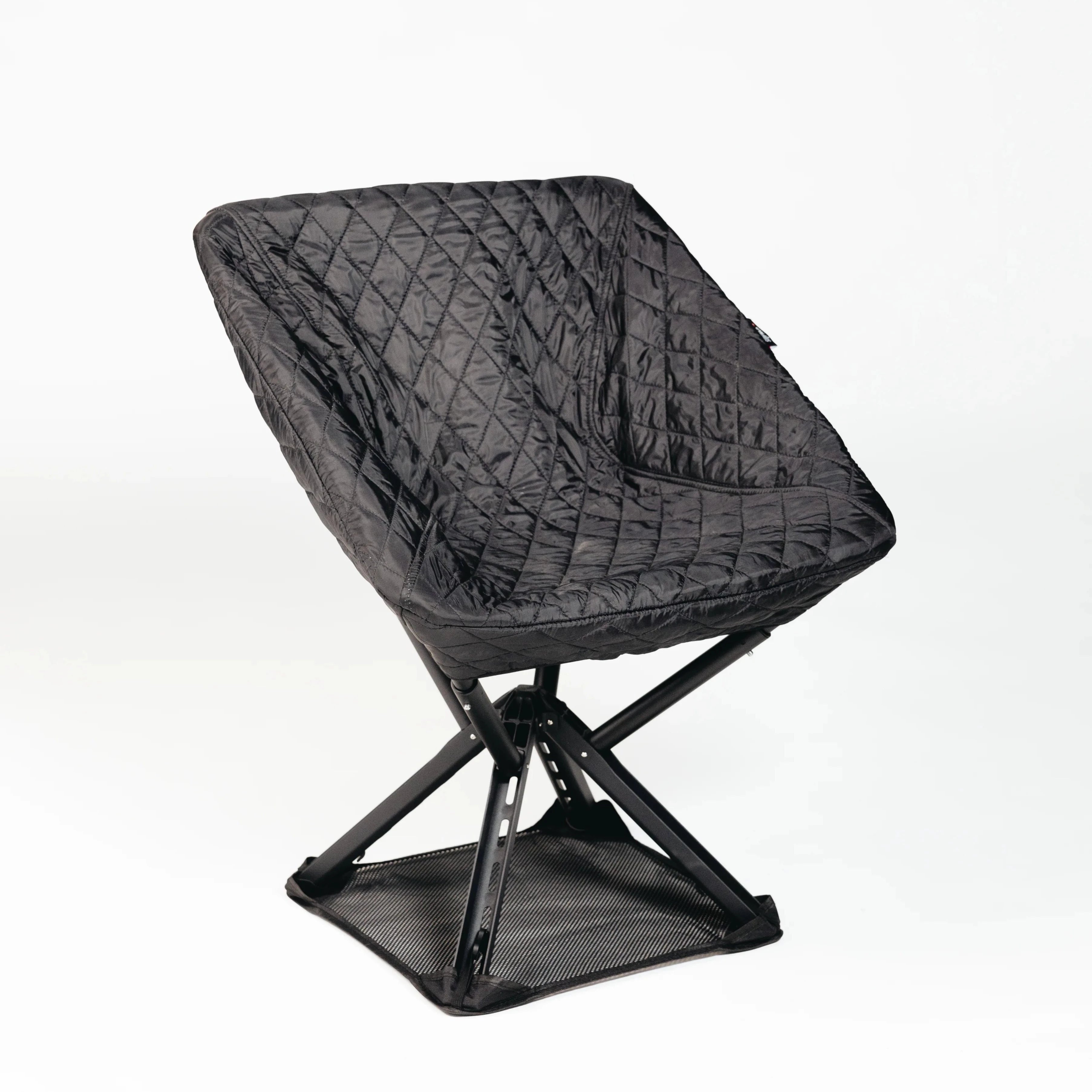
Choosing truly sustainable outdoor furniture means focusing on durability, eco-friendly materials, and thoughtful design that supports a circular economy. If you value longevity and environmental responsibility as the article highlights, you will appreciate the innovative seating solutions offered at Sitpack. Their lightweight, foldable chairs like the Campster II and Sitpack Zen are crafted to deliver long-term user comfort and minimal environmental impact, aligning with the key principles of sustainable design.
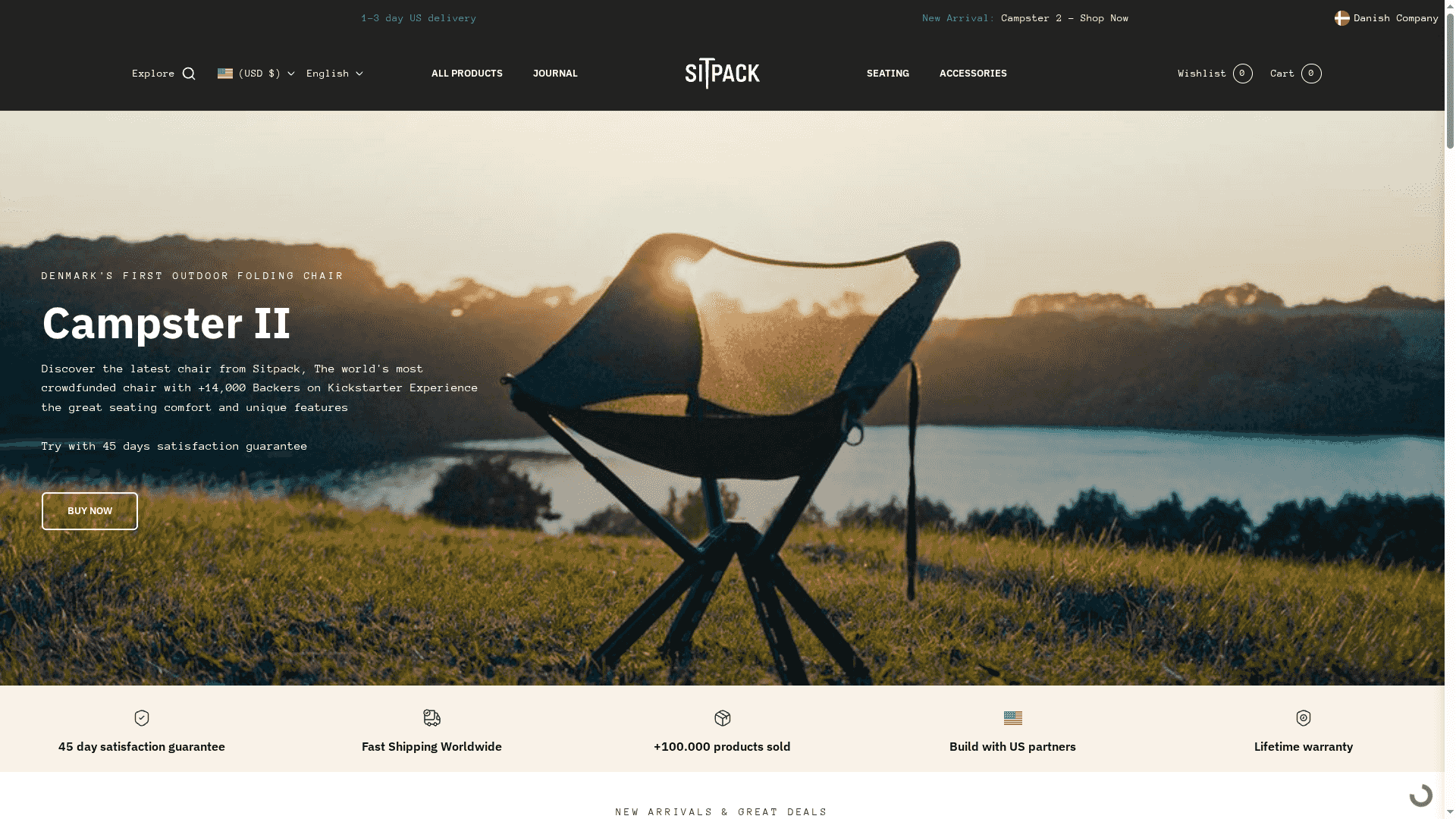
Elevate your outdoor experiences while supporting your commitment to sustainability. Explore the range of portable outdoor seating and accessories designed with eco-conscious users in mind. Act now to enjoy fast worldwide delivery and a 45-day satisfaction guarantee. Take the next step toward smarter, greener outdoor living with Sitpack.
Sustainable outdoor furniture is designed and manufactured with environmental responsibility at its core, focusing on minimizing ecological impact throughout the product’s lifecycle, from raw material sourcing to disposal.
Common materials include reclaimed wood, bamboo, recycled plastic, aluminum, HDPE (High-Density Polyethylene), and natural rattan, all of which emphasize durability and minimize environmental impact.
Look for reputable sustainability certifications like FSC, GREENGUARD, and Cradle to Cradle, and request specific information about material sourcing, production processes, and end-of-life recycling potential to confirm authenticity.
Choosing sustainable outdoor furniture can reduce your environmental footprint, enhance durability, create cost efficiencies in the long run, and support a commitment to social responsibility and circular economy principles.