Cart
0
Sign up and get 10$ off your order
Expected delivery
1-3 days
You may also like




Danish Company


Long hikes in the city or relaxing under the sky do not have to mean discomfort from ordinary seating. For eco-conscious urban dwellers and outdoor enthusiasts, the search for portable seating solutions that offer real support is more than a convenience, it is about preserving health and well-being. With ergonomic seating principles focusing on adapting equipment to people rather than the other way around, you can discover options that match the body’s natural posture while fitting the demands of everyday adventures.
| Point | Details |
|---|---|
| Ergonomic Principles | Ergonomic seating prioritizes human physiology, promoting comfort and natural body alignment during prolonged sitting. |
| Types of Solutions | Various ergonomic chair types exist, including office chairs and active sitting solutions, tailored to specific user and workplace needs. |
| Design Features | Effective ergonomic chairs incorporate adjustable elements and support structures that enhance user comfort and prevent health issues. |
| Health Benefits | Proper ergonomic seating can significantly reduce musculoskeletal disorders, improve posture, and enhance overall well-being in the workplace. |
Ergonomic seating represents a scientific approach to designing seating solutions that prioritize human physiology and comfort. Ergonomics fundamentally aims to match workspaces and equipment to human capabilities, ensuring optimal performance and well-being.
At its core, ergonomic seating focuses on several critical principles that transform how we think about sitting:
The International Organization for Standardization (ISO) has established comprehensive guidelines that define ergonomic design across multiple dimensions. ISO standards promote an integrated approach that balances human physiological requirements with technical design parameters.
Understanding ergonomic seating means recognizing that sitting isn’t just about having a place to rest. It’s about creating an environment that supports your body’s natural alignment, reduces muscle fatigue, and prevents long-term health complications associated with poor posture.
Biomechanical considerations play a crucial role in ergonomic seating design. This involves analyzing how different body parts interact with seating surfaces, understanding weight distribution, and creating supportive structures that minimize stress on joints, muscles, and skeletal systems.
Pro tip: When selecting ergonomic seating, prioritize adjustability and support over aesthetic appeal, ensuring your chair can adapt to your unique body mechanics.
Ergonomic seating encompasses a diverse range of solutions designed to support human body mechanics and individual comfort needs. Adjustable chairs represent the foundation of modern ergonomic design, offering customizable features that accommodate different body types and work environments.
The primary categories of ergonomic seating solutions include:
Flexible seating has emerged as an innovative approach that goes beyond traditional chair design. Flexible seating options include unique alternatives like therapy balls, wobble stools, and adjustable-height chairs that encourage movement and engagement.
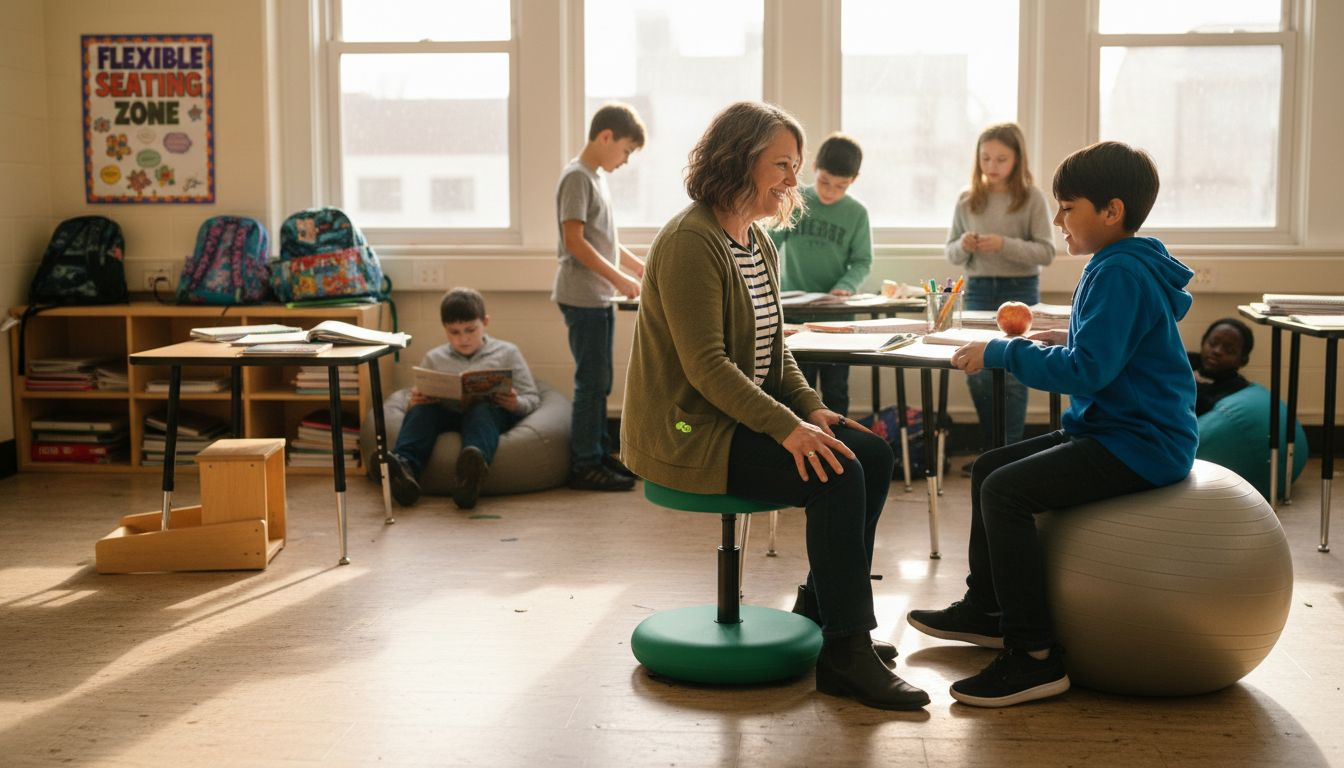
Ergonomic seating solutions are not one-size-fits-all. They must be carefully selected based on individual needs, work requirements, and physical characteristics. Modern designs focus on providing multiple adjustment points that allow users to customize their seating experience, reducing the risk of muscle strain and promoting better overall physical health.
Here’s how different ergonomic chair types address workplace needs:
| Chair Type | Best For | Core Functional Benefit |
|---|---|---|
| Office Chairs | General office work | Multi-point adjustability for prolonged use |
| Task-Specific Chairs | Specialized professions | Tailored to specific work postures |
| Active Sitting Chairs | Movement-focused tasks | Encourages dynamic movement |
| Specialty Ergonomic | Users with health conditions | Extra support for unique physical needs |
Biomechanical engineering plays a crucial role in developing these sophisticated seating solutions. By understanding how different body parts interact and distribute weight, designers can create chairs that support natural movement and minimize physical stress during extended sitting periods.
Pro tip: Test multiple ergonomic seating options before making a final selection, ensuring the chair adapts to your unique body mechanics and work style.
Ergonomic seating design requires a comprehensive approach that considers multiple critical factors. Anthropometric considerations are fundamental to creating chairs that accommodate diverse body types and physical needs.
The essential features of an effective ergonomic chair include:
Proper ergonomic chairs support the natural ‘S’ curve of the spine, enabling users to maintain neutral body positions throughout extended sitting periods. This design philosophy goes beyond simple comfort, focusing on preventing musculoskeletal disorders and promoting long-term physical health.
Biomechanical engineering plays a crucial role in translating scientific understanding into practical seating solutions. Modern ergonomic chairs integrate advanced materials and design principles that respond dynamically to user movements, reducing static posture risks and encouraging subtle, continuous postural adjustments.
Designers must balance multiple considerations, including material breathability, pressure point reduction, and intuitive adjustment mechanisms. The goal is creating a seating environment that feels almost invisible - supporting the body without restricting natural movement or causing discomfort.
The following table summarizes how key design features impact user health and comfort:
| Design Feature | User Benefit | Long-Term Impact |
|---|---|---|
| Lumbar Support | Maintains spinal alignment | Reduces lower back pain risk |
| Adjustable Armrests | Custom arm positioning | Prevents shoulder and wrist strain |
| Breathable Materials | Enhanced temperature control | Minimizes discomfort from heat buildup |
| Dynamic Backrest | Supports micro-movements | Decreases static muscle fatigue |
Pro tip: When evaluating ergonomic chairs, prioritize models with multiple independent adjustment points that can be easily modified without complex instructions.
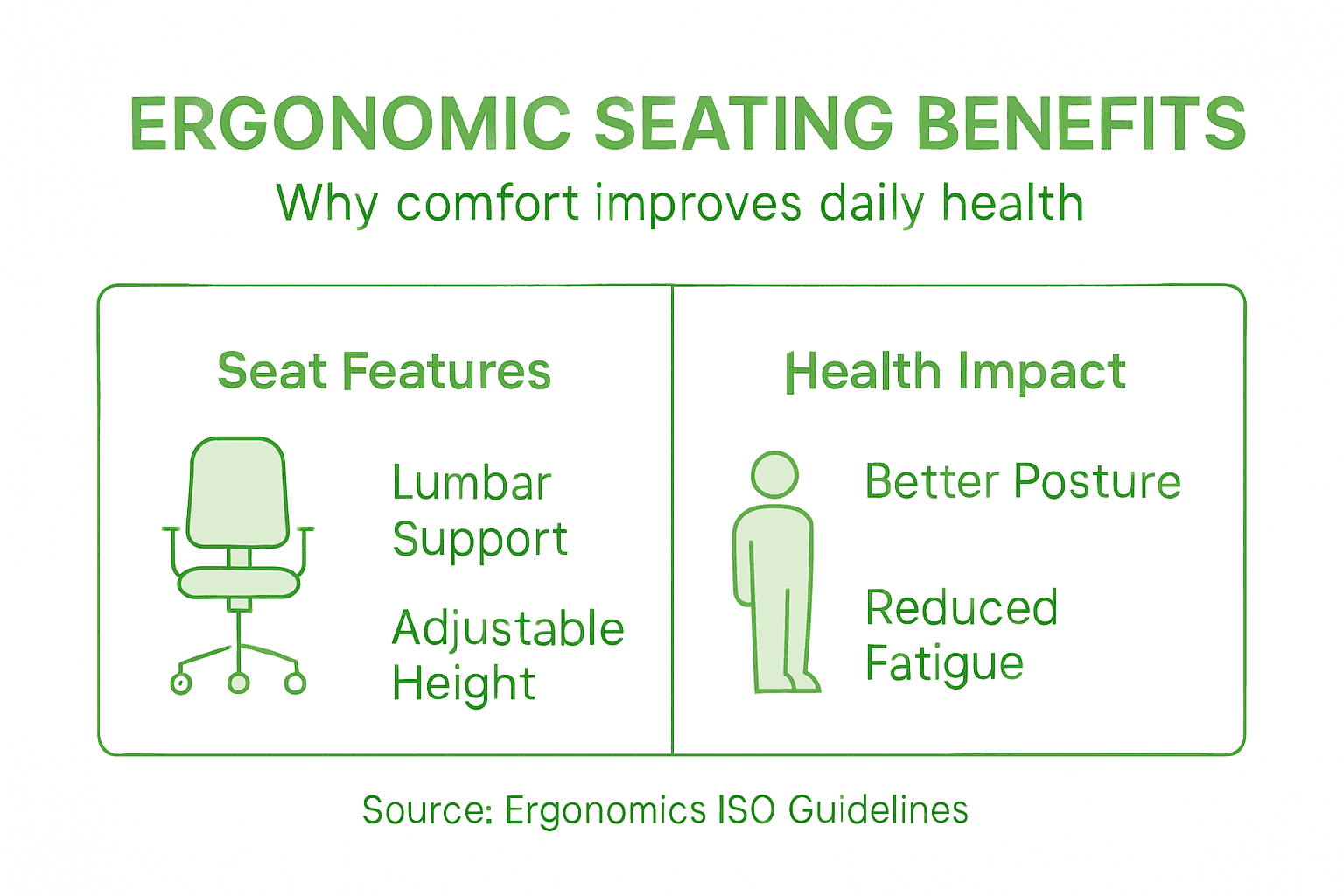
Ergonomic seating delivers profound health benefits that extend far beyond simple comfort. Workplace ergonomics significantly reduces musculoskeletal disorders and chronic pain associated with prolonged sitting.
The primary health benefits of ergonomic seating include:
Ergonomic interventions decrease workplace injuries by addressing individual physical limitations and creating adaptive work environments. This approach goes beyond traditional injury prevention, focusing on proactive health management and worker well-being.
Biomechanical optimization is the cornerstone of ergonomic seating design. By understanding human movement patterns and physiological stress points, designers create chairs that actively support the body’s natural alignment, reducing the cumulative strain experienced during extended periods of sitting.
Practical applications of ergonomic seating span multiple environments, from high-intensity corporate offices to creative workspaces and home offices. The goal is creating adaptable seating solutions that respond dynamically to individual user needs, promoting both physical health and workplace productivity.
Pro tip: Invest 10-15 minutes daily in adjusting and recalibrating your ergonomic chair to maximize its health-protective features.
Outdoor ergonomic seating requires a nuanced approach that balances comfort, mobility, and environmental adaptability. Selecting the right chair involves understanding your specific physical needs and the unique demands of outdoor environments.
Critical features to evaluate when choosing an ergonomic outdoor chair include:
Outdoor chairs require specialized ergonomic considerations that differ from traditional indoor seating. The ideal outdoor chair must provide stability, support, and flexibility across varying environmental conditions while maintaining core biomechanical principles.
Terrain adaptability becomes a crucial factor in outdoor ergonomic seating. Chairs must offer a stable base with multi-surface compatibility, ensuring consistent support whether you’re sitting on rocky ground, sandy beaches, or grassy landscapes. Advanced design incorporates materials and structural elements that maintain optimal posture and comfort across diverse outdoor settings.
Beyond physical design, the right outdoor ergonomic chair should reflect your specific activity profile. A chair for hiking will differ dramatically from one designed for beach relaxation or camping, emphasizing the importance of matching seating solutions to your particular outdoor lifestyle and physical requirements.
Pro tip: Test potential outdoor chairs by mimicking your typical sitting positions and movement patterns to ensure genuine ergonomic compatibility.
Understanding the importance of ergonomic seating is the first step toward protecting your body from strain and discomfort during extended periods of sitting. Whether you face challenges like poor posture, muscle fatigue, or the need for dynamic support while outdoors the right portable seating solution can make all the difference. The article highlights concepts like biomechanical optimization and adjustability which are exactly what you find in innovative outdoor chairs designed for real life needs.
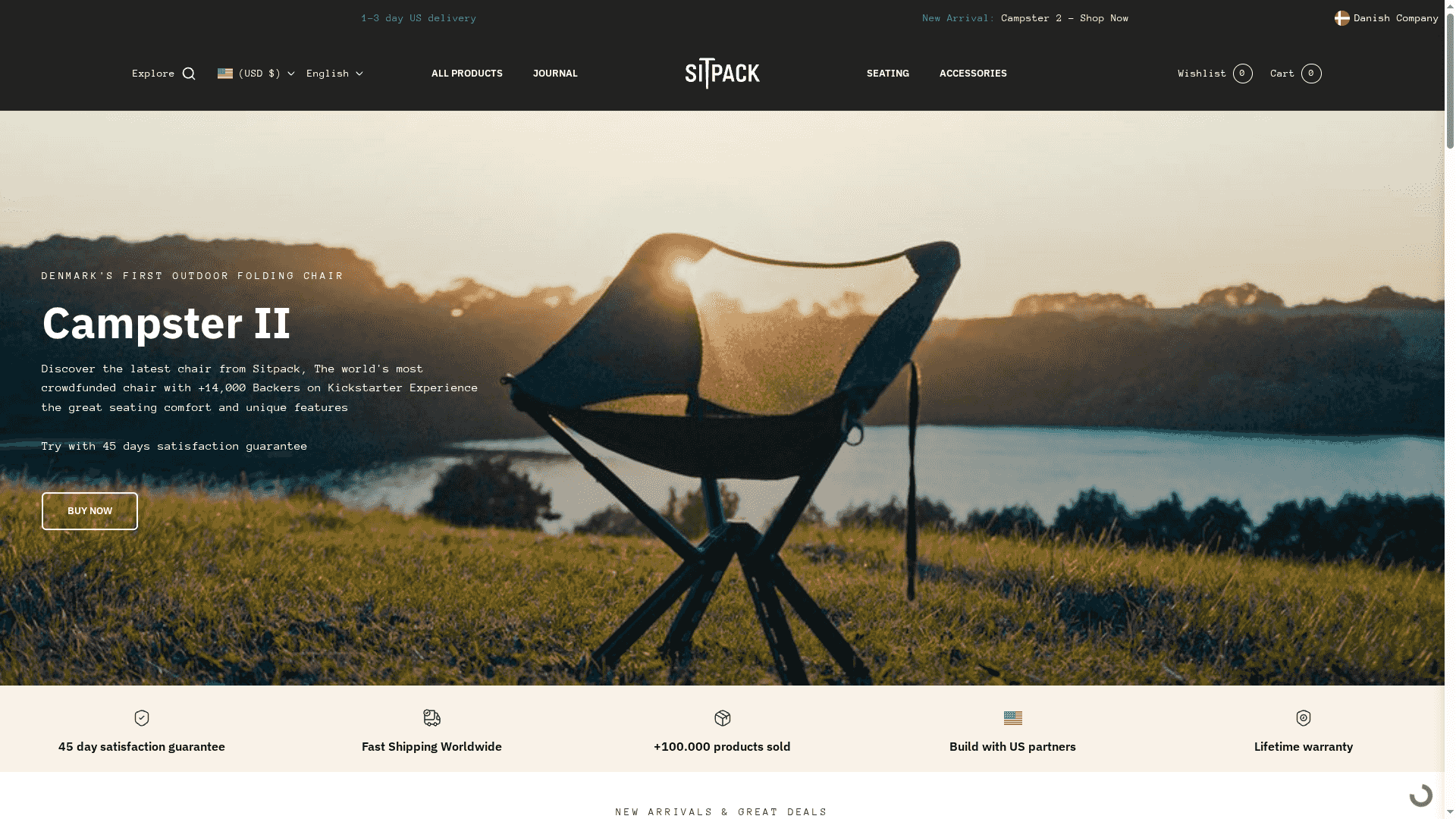
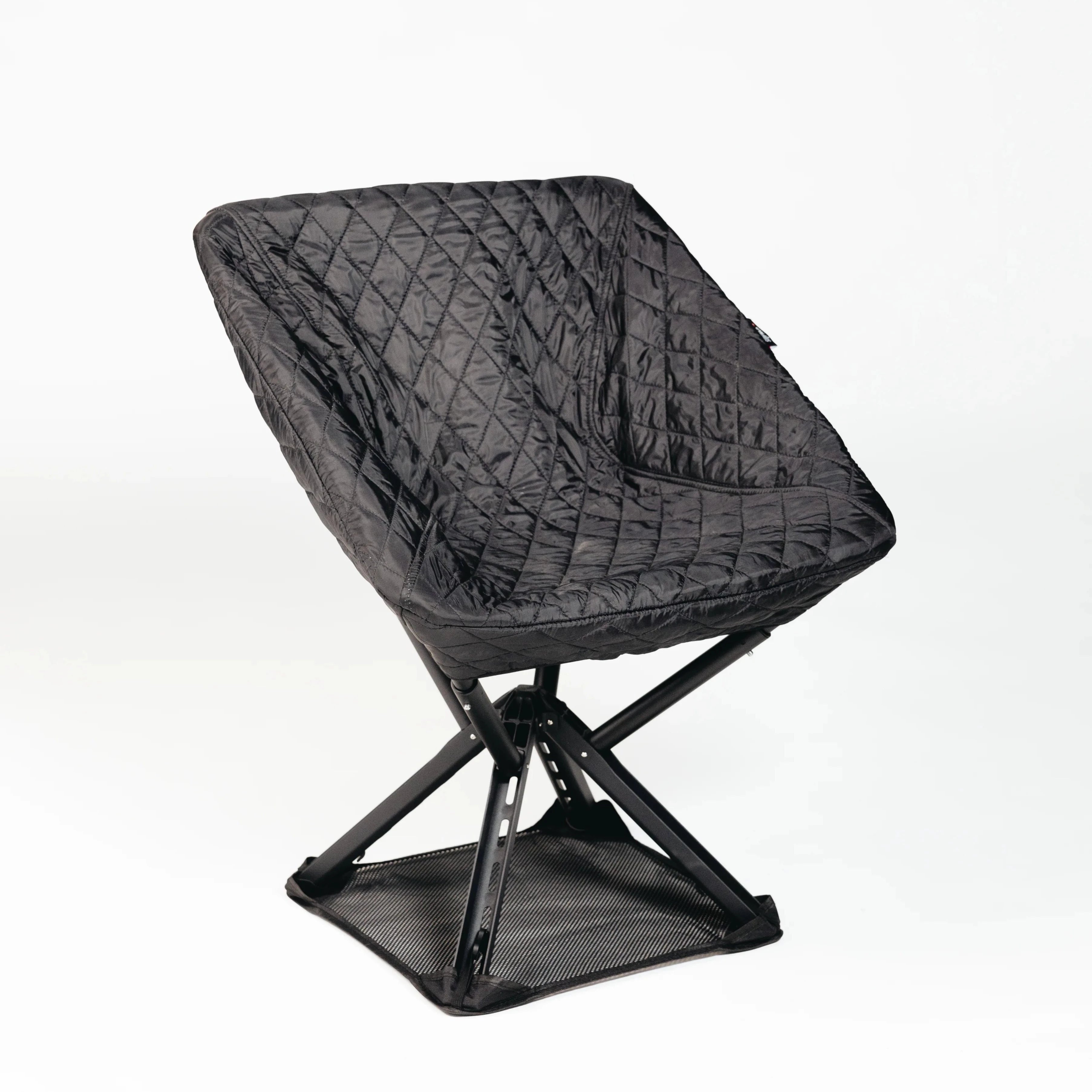
Experience the perfect blend of comfort durability and lightweight portability with products from Sitpack. Designed to adapt to your unique body mechanics and active lifestyle these foldable chairs prioritize ergonomic principles to reduce physical strain no matter where your adventures take you. Don’t compromise on your well-being choose seating made for movement and support now at Sitpack. Explore our best-sellers and latest arrivals designed specifically for outdoor enthusiasts travelers and urban users looking for ergonomic seating solutions. Act today and enjoy fast worldwide delivery a 45-day satisfaction guarantee and accessories that elevate your outdoor comfort.
Ergonomic seating refers to chairs and seating solutions designed to prioritize human physiology and comfort, aligning with natural body mechanics, reducing strain, and promoting overall well-being during prolonged sitting.
Comfort in seating design is crucial as it helps to support proper posture, reduce muscle fatigue, and prevent long-term health complications associated with poor seating habits, ultimately enhancing productivity and well-being.
Key features to consider in an ergonomic chair include adjustable seat height, customizable lumbar support, dynamic backrest mechanisms, adaptable armrests, and breathable cushioning materials that support the body’s natural posture.
Ergonomic seating reduces the risk of musculoskeletal disorders, prevents repetitive stress injuries, improves posture, enhances blood circulation, and minimizes chronic pain, promoting long-term musculoskeletal health and overall worker well-being.