Cart
0
Sign up and get 10$ off your order
Expected delivery
1-3 days
You may also like


Danish Company

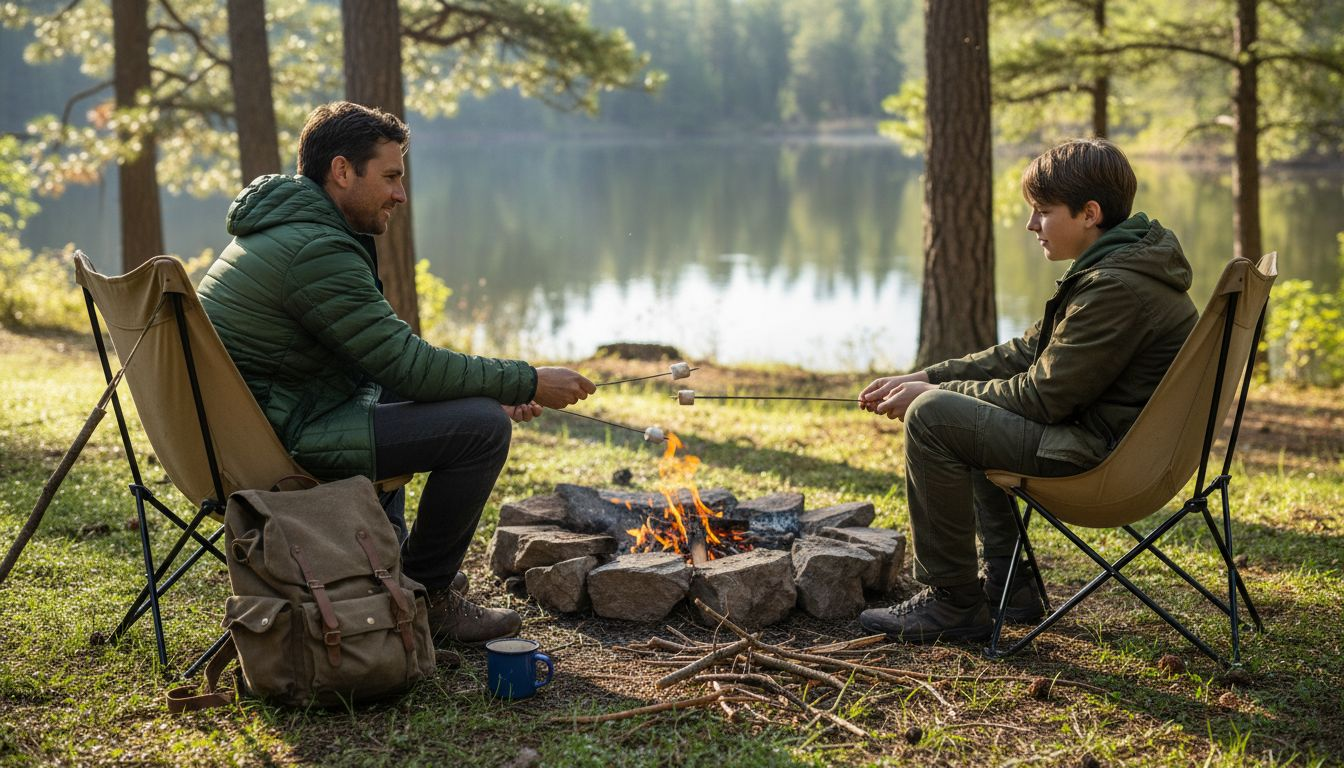
Choosing the right outdoor seating can make all the difference during long evenings around a campfire or panoramic sunrise breaks on the trails. Outdoor seating does more than offer a place to rest—it defines comfort zones and anchors social interactions, helping you fully enjoy nature’s beauty. For international campers and global outdoor enthusiasts, discovering lightweight, portable, and eco-friendly seating is key to a more rewarding adventure. Thoughtfully designed outdoor seating shapes your experiences in campsites, parks, and urban spaces.
| Point | Details |
|---|---|
| Purpose of Outdoor Seating | Outdoor seating enhances social interactions and promotes physical and mental well-being by creating comfortable spaces in nature. |
| Types of Seating Solutions | Various options, from portable folding chairs to fixed benches, cater to diverse user needs and environments. |
| Essential Features | Prioritize ergonomic design, weight distribution, and weather-resistance materials for optimal comfort and utility. |
| Avoid Common Mistakes | Choose seating based on specific needs and environments to ensure comfort and functionality during outdoor experiences. |
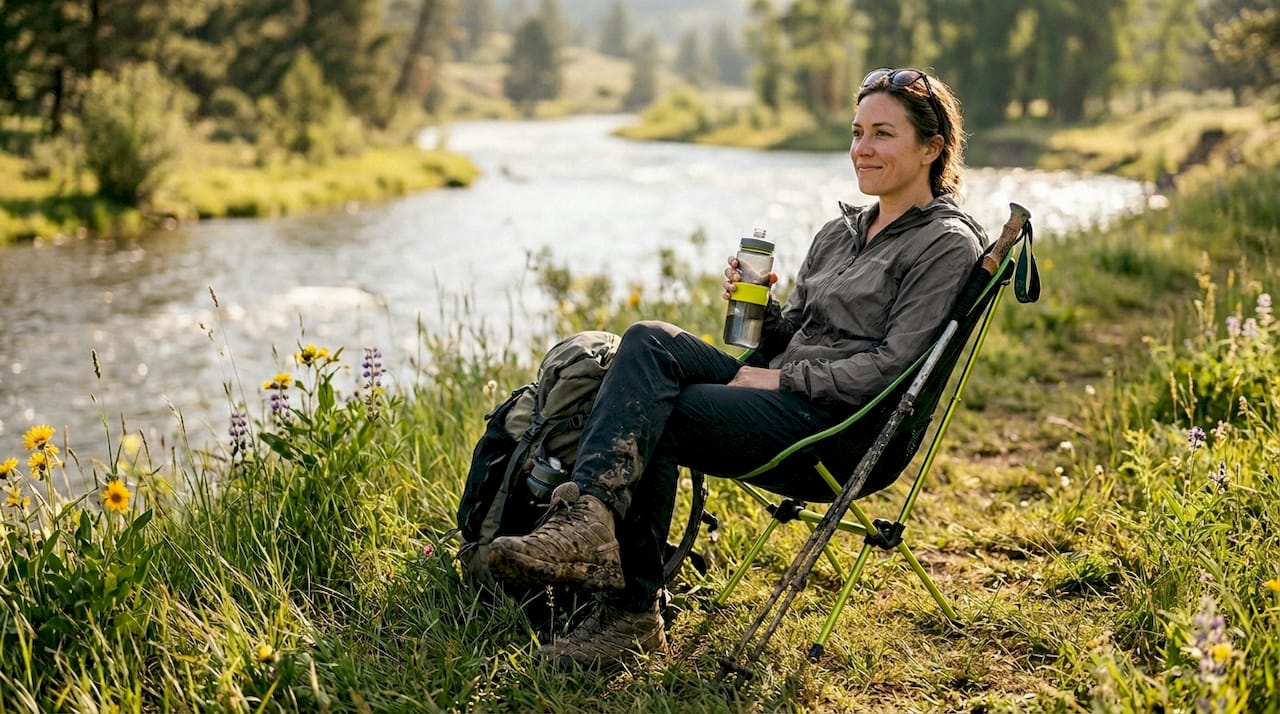
Outdoor seating refers to portable or fixed furniture specifically designed for use in open air environments, ranging from campsites and parks to urban public spaces. Unlike indoor furniture, outdoor seating serves a dual purpose: it provides comfort while adapting to the unpredictable nature of outdoor conditions. For campers and travelers, outdoor seating has evolved from simple wooden benches to lightweight, portable solutions engineered for practicality. Whether you’re perched at a campfire, sitting beside a mountain trail, or taking a break at a festival, the right outdoor seating transforms how you experience these moments.
The core purpose of outdoor seating extends beyond simply giving you a place to sit. Outdoor seating areas enhance social interactions by creating defined spaces where people naturally gather, relax, and connect. Think about how a single camping chair at your site suddenly becomes the meeting point where friends congregate around a dancing campfire. Outdoor seating also supports physical and mental well-being by encouraging people to spend time outdoors rather than remaining confined indoors. When you have a comfortable seat outside, you’re more likely to linger, observe your surroundings, and genuinely absorb the experience rather than perching on the ground or standing uncomfortably.
For international campers and outdoor adventurers, lightweight and portable seating solves a genuine problem. You need furniture that doesn’t weigh you down, that packs small for backpacking or van living, and that withstands varied weather conditions from scorching sun to unexpected rain. Your outdoor seating becomes infrastructure that defines your campsite, establishes comfort zones within wild spaces, and creates psychological anchors for relaxation and social engagement. Beyond functionality, thoughtfully designed outdoor seating contributes to the aesthetic of public and natural spaces, shaping how people experience and interact with their environment. Outdoor seating shapes the experience by providing comfort and defining activity zones, whether you’re at a developed campground or a remote backcountry location.
The beauty of modern outdoor seating solutions is their versatility. A single compact chair can function as your primary campsite seat, a portable viewing platform for sunrise watching, a reading nook at base camp, or even a lightweight backup seat for group gatherings. Durable materials engineered for outdoor use mean your seating withstands temperature swings, moisture, UV exposure, and the general wear of outdoor adventures. For eco-conscious travelers, portable seating options crafted from sustainable materials allow you to enjoy outdoor spaces while minimizing your environmental footprint. The best outdoor seating balances weight, packability, comfort, and longevity, solving the practical challenge of how to create personal comfort zones wherever your adventures take you.
Pro tip: Choose outdoor seating with adjustable features like reclining positions or footrest attachments that adapt to different activities, maximizing the value of your investment across various camping scenarios and outdoor situations.
Outdoor seating comes in many forms, each designed for specific contexts and user needs. The landscape of portable and fixed seating options has expanded dramatically to accommodate everyone from ultralight backpackers to car campers seeking maximum comfort. Understanding the different types helps you choose what works best for your adventures. Seating typologies range from benches to multifunctional options that adapt to diverse user preferences and environmental demands. For international campers, knowing these categories helps you identify solutions that match your specific needs, climate conditions, and travel style.
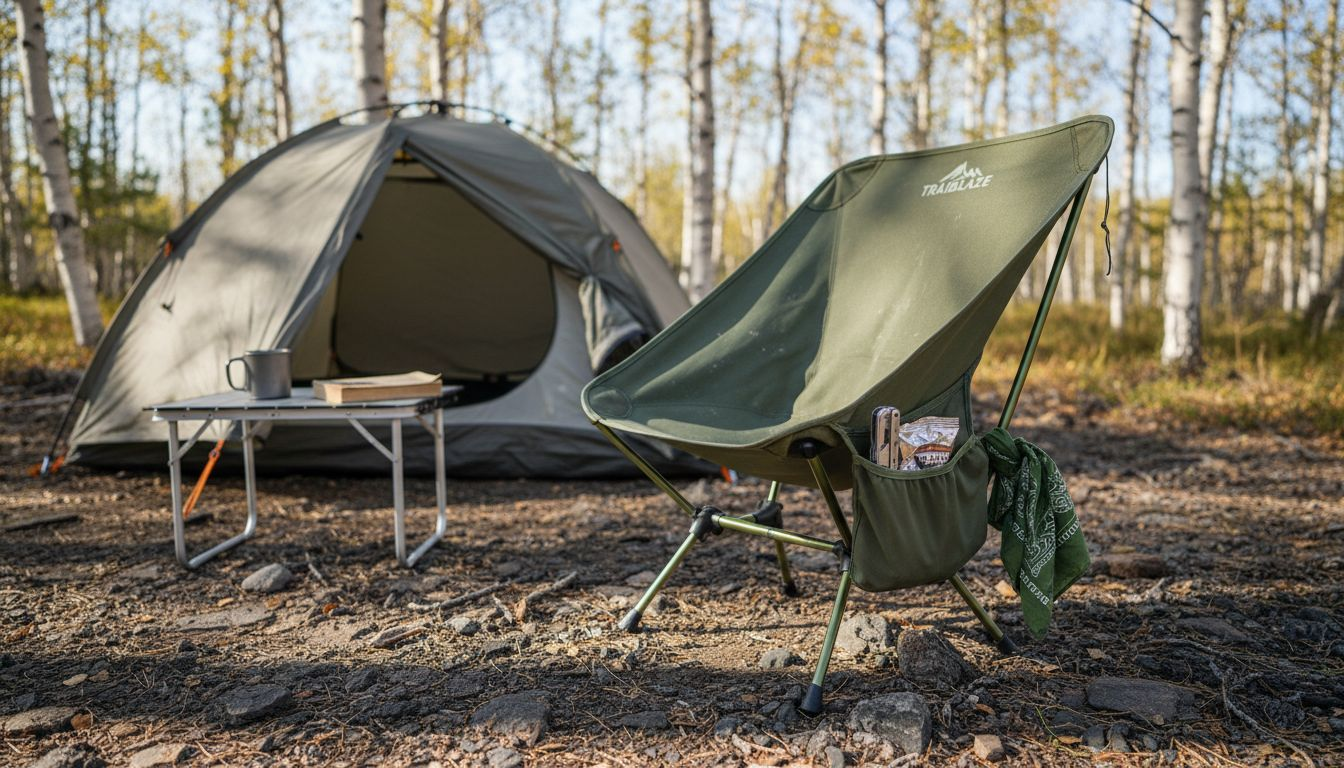
Portable folding chairs represent the most popular choice for campers and outdoor enthusiasts worldwide. These lightweight seats collapse into compact packages, making them ideal for backpacking, festival camping, or vehicle-based adventures. Modern designs range from ultralight minimalist chairs weighing under one pound to feature-rich models with cup holders, side tables, and reclining mechanisms. The appeal lies in their versatility: you get a dedicated seat with actual back support and stability without sacrificing packability. Materials have evolved significantly, with durable fabrics and aluminum or steel frames engineered to withstand repeated use across seasons. Whether you’re spending a weekend at a developed campground or months traveling through remote areas, a quality portable folding chair adapts to nearly any scenario.
Ground seats and cushioned platforms offer an alternative for minimalist travelers or those with specific comfort preferences. These compact options sit lower to the ground, providing a more grounded seating experience while reducing weight and pack size. Backrest variants give you support without the bulk of a full chair frame. Ground seats work particularly well for activities requiring stability, like fishing, wildlife observation, or meditation at scenic overlooks. They also serve as excellent backup seating for larger groups, fitting easily into a daypack alongside other gear.
While portable options dominate the camper landscape, understanding fixed seating matters when evaluating campgrounds and public spaces. Benches and permanent installations at established campsites provide standardized seating for group gatherings around fire pits or picnic areas. Design characteristics of outdoor seating reflect cultural and climatic influences across different regions. At established facilities, benches often include features like weather protection, armrests for accessibility, and spacing designed for comfortable group seating. These installations shape how people experience and use outdoor spaces collectively.
Beyond standard categories, specialized seating addresses particular outdoor activities. Camping stools without backs provide minimal weight for ultralight expeditions. Inflatable outdoor seats offer unexpected packability, though durability varies. Suspended hammock-style seats appeal to backpackers camping in forested terrain where traditional ground setup becomes challenging. Stadium seats with backs give portable back support for spectators at events. Outdoor rocking chairs and relaxation seats cater to basecamp comfort when weight concerns disappear. Multifunctional designs combine storage compartments, cooler functions, or integrated tables, maximizing utility for vehicle-based camping where space and weight constraints ease.
Your ideal outdoor seating depends on several factors. Consider your typical camping duration, travel method (backpacking versus car camping), climate conditions, and how much time you spend sitting. Solo backpackers often prioritize weight and packability above all else. Family campers might invest in comfort-focused options with durability for frequent use. Van lifers can accommodate heavier, more feature-rich designs without concern. Eco-conscious travelers should seek seating made from sustainable materials with longevity that reduces replacement frequency. The best choice matches your specific adventures rather than trying one solution for every scenario.
Here’s a quick comparison of popular outdoor seating types and their ideal uses:
| Seating Type | Best For | Key Advantage |
|---|---|---|
| Portable Folding Chair | Car camping, festivals | Comfort with packability |
| Ground Seat/Low-Profile | Backpacking, meditation | Minimal weight, small size |
| Bench/Fixed Installation | Group gatherings, public spaces | Stability and durability |
| Camping Stool/Hammock Style | Ultralight trekking, forest camps | Maximum portability |
| Multifunctional Design | Family or vehicle camping | Additional storage or tables |
Pro tip: Test different seating styles at shorter trips before committing to expensive options, since personal comfort preferences vary significantly based on your body type, activity level, and how many hours you actually spend seated during typical outings.
Comfort in outdoor seating goes beyond simply having somewhere to rest. The difference between a seat that transforms your camping experience and one you dread using comes down to specific design features that address how your body actually works. When you’re spending hours at a campsite, attending festivals, or taking breaks during hiking expeditions, poor seating choices create pain, stiffness, and frustration. The right features support your body, enable easy movement, and make extended sitting genuinely enjoyable. Understanding what matters most helps you evaluate options and invest in seating that delivers real value for your lifestyle.
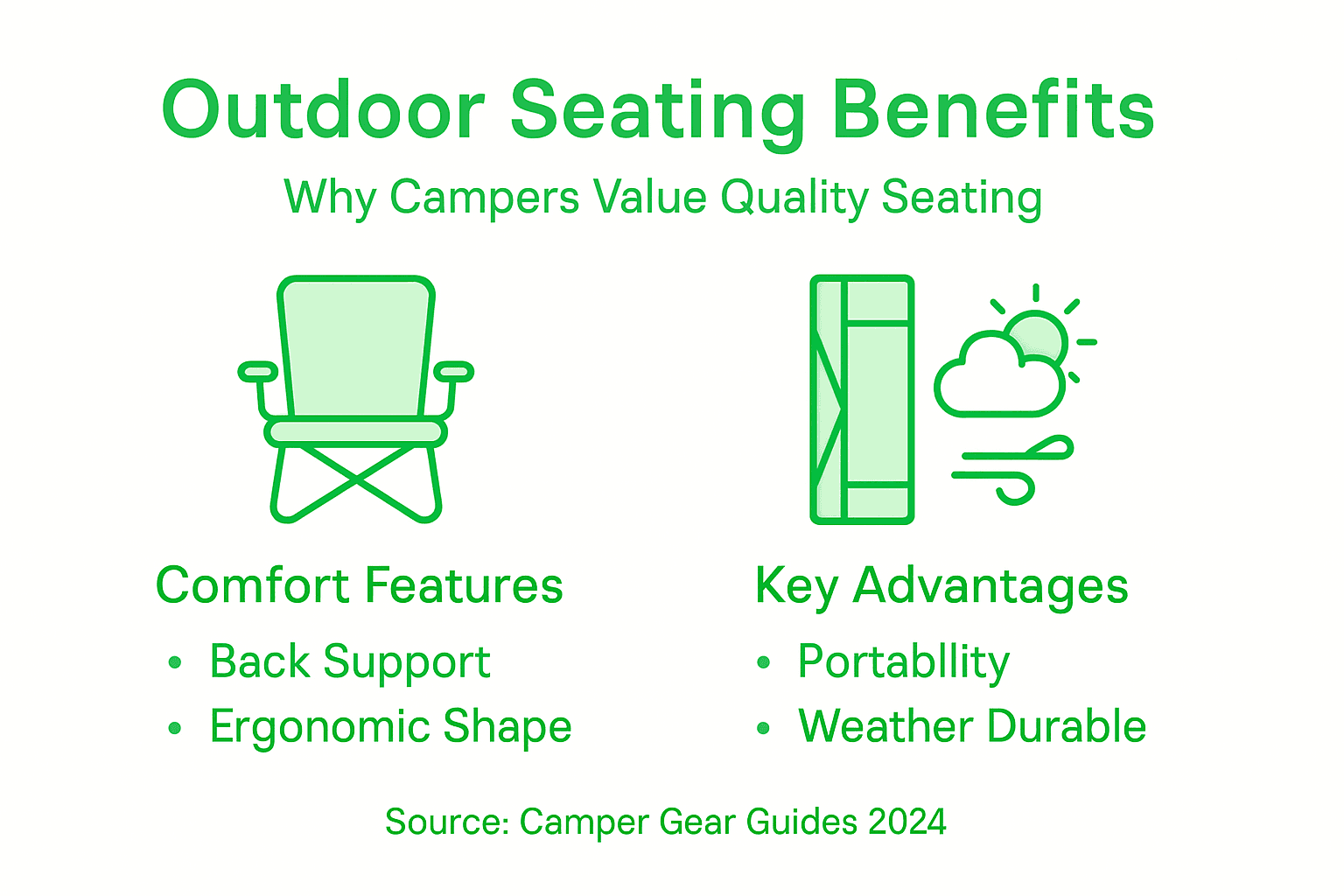
Ergonomic features like seat height and supportive backrests enhance comfort while improving accessibility for users with varying mobility needs. Seat height matters tremendously because it affects how easily you can sit down and stand up, especially after hours of activity. A seat positioned too low forces your knees into extreme angles, creating knee and hip strain. Too high, and your feet dangle without support, putting pressure on your thighs. The optimal height typically ranges from 17 to 19 inches from the ground, matching standard chair dimensions your body expects. For camping chairs, this means your feet can rest flat on the ground when seated, allowing your legs to share some of your weight rather than your backside bearing everything.
Backrest support separates adequate seating from genuinely comfortable seating. A proper backrest supports your lumbar spine, the lower curve in your back where tension concentrates during extended sitting. Without support, you hunch forward or slouch backward, straining your shoulders, neck, and lower back. The backrest should recline slightly from vertical, roughly 100 to 110 degrees, giving your back a gentle angle rather than forcing upright tension. Angle adjustability becomes valuable for different activities: more reclined for relaxation around the campfire, more upright for eating meals or socializing. Armrests provide crucial support for your shoulders and arms while seated, reducing strain on your upper body and helping you rise from the seat when your legs are tired.
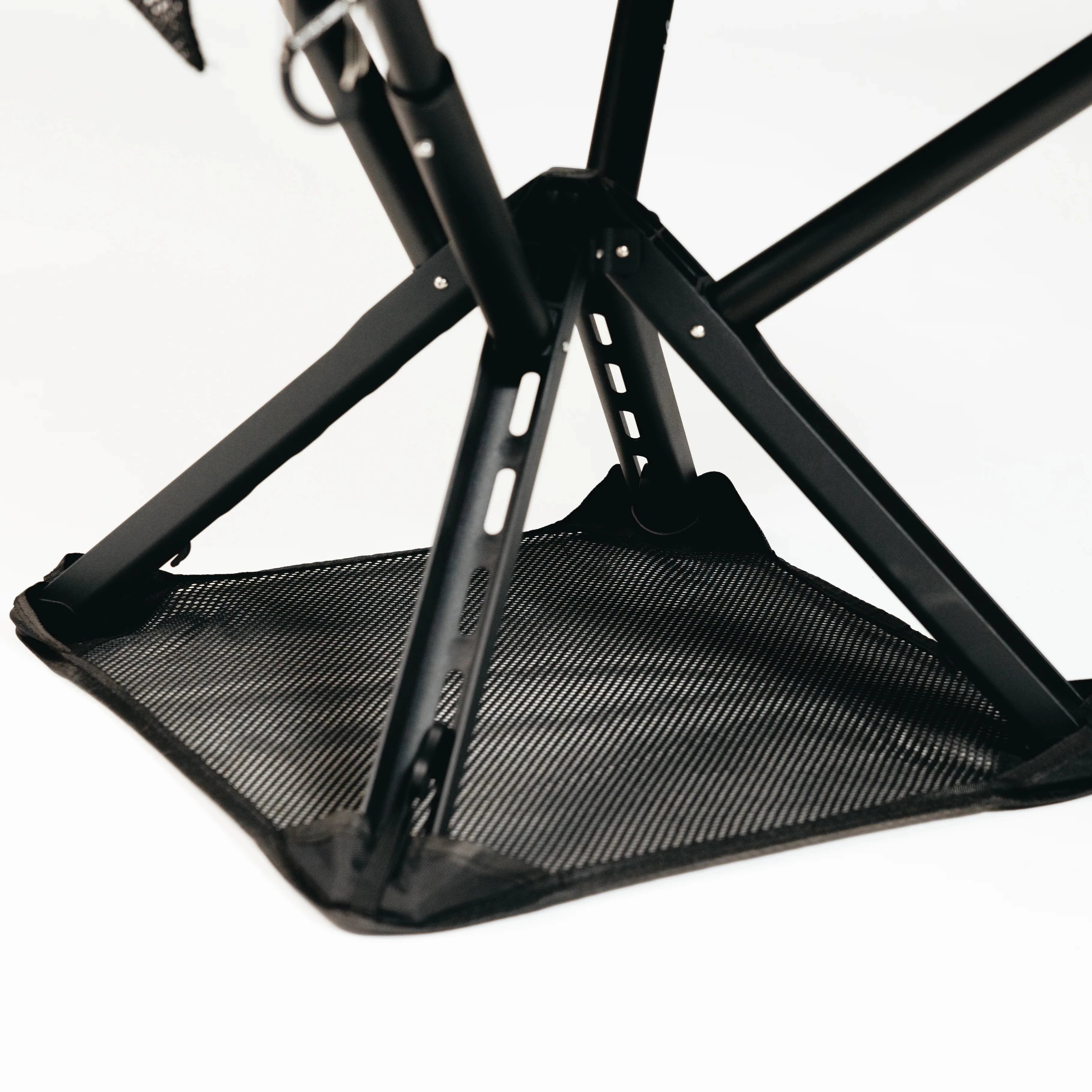
How seating distributes your weight across its frame directly impacts comfort during extended use. Wide seats with sufficient depth allow your thighs to rest without pressure points. Narrower seats concentrate pressure on smaller areas, creating discomfort even on shorter trips. Quality padding or fabric tension distributes weight evenly rather than creating sag spots where your body weight concentrates. Stability matters for both comfort and confidence. Wobbly frames create subtle tension as you constantly micro-adjust your position to maintain balance. Sturdy four-point bases with appropriate spacing give you freedom to shift positions without anxiety. For campers with mobility concerns, stable seating becomes essential for safely sitting down and standing up without falls.
Comfort design incorporates weather protection that promotes physical and psychological well-being throughout your outdoor experience. Breathable fabrics prevent heat buildup and moisture accumulation on hot days, while quick-drying materials keep you comfortable even after rain. UV-resistant textiles prevent degradation from sun exposure, maintaining comfort and appearance across seasons. Materials engineered for outdoor conditions resist mildew, mold, and material breakdown that degrades comfort. Water-resistant frames prevent rust and corrosion that makes movement stiff and difficult.
True comfort includes how easily you access and exit the seat. Seats with armrests at appropriate heights help you push yourself up when standing. Seats positioned at the right height reduce the effort required to sit down and stand up. Cup holders and side storage reduce the need to bend or reach while seated, minimizing strain on your back and shoulders. These seemingly small features compound into genuine comfort across hours of sitting.
Pro tip: Prioritize seat height and backrest angle as non-negotiable features, then evaluate padding and stability, since these fundamentals directly determine whether you’ll actually use your seating across various camping scenarios rather than avoiding sitting altogether.
Your outdoor seating choices ripple far beyond your personal comfort zone. When you select portable furniture, you’re making a decision that affects resource consumption, waste streams, and environmental impact across years of use. The camping community increasingly recognizes that truly responsible gear lasts longer, performs better, and minimizes harm to the ecosystems you love exploring. Choosing seating crafted from sustainable materials and engineered for longevity aligns your outdoor adventures with environmental values. Understanding material options empowers you to invest in seating that delivers both performance and purpose.
Fabrics directly contact your body and face constant exposure to sun, moisture, and temperature swings. Quality outdoor textiles matter tremendously for both durability and environmental responsibility. Durable and environmentally sustainable materials minimize environmental impact while withstanding weather exposure across seasons and climates. Recycled polyester represents a significant advancement in sustainable outdoor fabrics. These materials repurpose plastic waste from beverage bottles, fishing nets, and textile scraps, diverting material from landfills while creating functional outdoor gear. Quality recycled polyester matches or exceeds virgin polyester in durability, UV resistance, and quick-drying properties. Organic cotton, when available, offers a natural fiber alternative free from synthetic pesticides and chemical treatments. While heavier than synthetic options, organic cotton biodegrades naturally at the end of its life cycle, creating zero persistent waste.
Linen and hemp-based textiles represent emerging options for eco-conscious campers. These plant-based materials require fewer chemical inputs during production compared to conventional cotton. Hemp grows rapidly without pesticides, regenerates soil health, and produces fibers stronger than cotton. Microfiber-free fabrics gain importance as awareness spreads about microplastic pollution. Traditional synthetic textiles shed tiny plastic particles during washing and use, accumulating in waterways and wildlife. Modern manufacturers increasingly offer microfiber-free alternatives that maintain outdoor performance while eliminating this pollution concern.
Frame materials determine how your seating withstands repeated use across years of adventures. Aluminum frames dominate the camping chair market because they balance lightweight construction with strength and corrosion resistance. Recycled aluminum reduces mining impacts while delivering identical performance to virgin aluminum. Steel frames offer superior durability for heavier loads and frequent use, though they weigh more than aluminum. High-quality stainless steel resists rust in humid coastal environments and wet climates where standard steel would corrode. Long-lasting, low-maintenance materials like treated steel and recycled plastics support environmental goals in outdoor seating design. Titanium frames represent the premium option for ultralight backpackers, offering exceptional strength at minimal weight, though cost remains substantially higher than aluminum or steel.
Recycled plastic composites blend plastic waste with natural fibers, creating materials that outperform either component alone. These composites resist moisture absorption, require minimal maintenance, and maintain structural integrity across temperature extremes. They don’t splinter like wood and won’t rot like untreated lumber. Recycled composite armrests and seat platforms reduce overall material impact while providing practical surfaces for your gear.
Bamboo and sustainably harvested wood components appeal to minimalist designers and eco-conscious builders. Bamboo grows explosively without pesticide inputs and regenerates without replanting. Properly sealed and maintained, wood components add warmth and aesthetic appeal while contributing to carbon sequestration. Look for seating certifying sustainable forest management practices through organizations like the Forest Stewardship Council.
The most eco-friendly seating is the one you keep using for years rather than replacing annually. Invest in quality materials that resist degradation and handle abuse from outdoor conditions. Warranty length indicates manufacturer confidence in material durability. A lifetime warranty suggests the company stands behind structural integrity and material quality. Regular maintenance like rinsing salt spray after beach camping and storing fabric away from continuous UV exposure extends material lifespan dramatically. Repairable seating, where individual components like fabric covers or padding can be replaced, extends overall product life beyond single-component failure.
Pro tip: Prioritize recycled aluminum frames with recycled polyester fabric as your baseline for eco-conscious camping seating, since these materials deliver proven durability, proven environmental benefits, and proven affordability without requiring premium prices or sacrificing real-world performance.
Use this summary to understand how common material choices for outdoor seating compare:
| Material | Durability | Sustainability Benefit |
|---|---|---|
| Recycled Polyester | High | Diverts plastic from waste |
| Aluminum (Recycled) | High, lightweight | Lowers mining impact |
| Steel | Very high | High, if recycled |
| Hemp/Linen | Moderate | Low water, low chemical use |
| Recycled Composites | High, weatherproof | Reduces plastic pollution |
Buying outdoor seating without understanding common pitfalls leads many campers to expensive mistakes. You invest money in a chair, haul it to remote locations, and discover it doesn’t actually meet your needs. Learning from these widespread errors prevents wasted resources and frustration. The gap between attractive marketing and real-world performance often becomes obvious only after you’ve committed financially. Understanding what goes wrong helps you make informed decisions that deliver genuine value across years of adventures.
The biggest mistake campers make involves selecting seating based on general popularity rather than specific circumstances. You read glowing reviews about a chair that works beautifully for someone else, then discover it doesn’t match your body type, camping style, or climate conditions. A chair perfect for summer festival camping might fail miserably in humid tropical environments where sweat and moisture cause discomfort. Ultralight backpacking requires different priorities than car camping where weight concerns disappear. Solo travelers have different needs than families with children. Effective design avoids mistakes by incorporating adaptable features that respond to user needs and environmental conditions, ensuring your seating actually fits your real adventures. Before purchasing, honestly assess how you actually camp: duration, frequency, climate zones, terrain, and the specific activities where you’ll spend seated time.
The seduction of ultralight gear leads many campers to sacrifice comfort for marginal weight savings. You find a chair weighing two pounds less but sitting in it creates back strain because it lacks proper lumbar support. Over the course of a weekend trip, that discomfort compounds into genuinely miserable experiences. The weight difference proves meaningless if you never use the uncomfortable chair, instead leaving it behind in favor of heavier backup options. Calculate your actual pack weight honestly. If you’re already carrying sleeping gear, food, and shelter, an additional two pounds becomes negligible. Real comfort matters more than theoretical weight optimization. Conversely, if you’re genuinely backpacking remote terrain for weeks, weight becomes crucial and you make different choices about comfort features.
Many campers select seating without considering how aging bodies, temporary injuries, or mobility challenges affect usability. A friend with arthritis cannot easily use a ground seat requiring deep squatting to sit down. Parents with young children need seating stable enough to safely manage while holding toddlers. Common design errors include overlooking accessibility and providing insufficient seating variety to accommodate diverse user needs. If your camping group includes anyone with mobility limitations, test potential seating thoroughly with them present. Armrests become essential rather than optional. Appropriate seat height matters tremendously for people with knee or hip issues. Stable bases prevent anxiety-inducing wobbling for anyone with balance concerns.
Buying seating without matching your actual climate creates constant frustration. A breathable mesh chair that works beautifully in temperate regions becomes unbearably hot and uncomfortable in humid tropical climates where moisture never evaporates. Conversely, mesh chairs leave you shivering in cool mountain environments. Seating designed for dry climates deteriorates rapidly in humid coastal zones where salt spray corrodes metal and promotes mildew on fabric. Ultraviolet intensity varies dramatically with latitude and altitude, affecting how quickly UV-resistant fabrics actually degrade. Research the specific environments where you camp most frequently, then prioritize seating engineered for those conditions.
Impulse buying outdoor seating often means you haven’t properly researched durability, warranty coverage, or customer experiences with your specific use case. You see a chair on sale, assume the discount means you should buy now, and miss critical information about structural reliability or customer service responsiveness. Take time researching actual user experiences across diverse conditions and body types. Read negative reviews carefully to understand what fails and under what circumstances. Check warranty terms and what the manufacturer actually covers. Verify that replacement parts remain available if components eventually wear out.
Many seating options require regular maintenance that owners underestimate or neglect. Wooden components need periodic sealing to prevent rot. Metal frames benefit from rinsing after salt water exposure. Fabric benefits from occasional cleaning and UV protection. You inherit maintenance obligations when you purchase certain materials. Factor these ongoing requirements into your decision rather than discovering them after purchase creates headaches.
Pro tip: Borrow or rent seating matching your intended use before purchasing, since even detailed reviews cannot reveal whether you’ll actually enjoy sitting in a particular chair for the hours you spend in your typical camping scenarios.
The article highlights the challenge of balancing comfort, portability, and durability when choosing outdoor seating for camping and travel. You want seating that supports your body, adapts to unpredictable weather, and stays lightweight for easy transport. Many campers struggle with chairs that are either too heavy, uncomfortable, or not suited for their unique needs and environments. At Sitpack, we understand these pain points and provide innovative solutions designed to match the demands of modern outdoor enthusiasts.
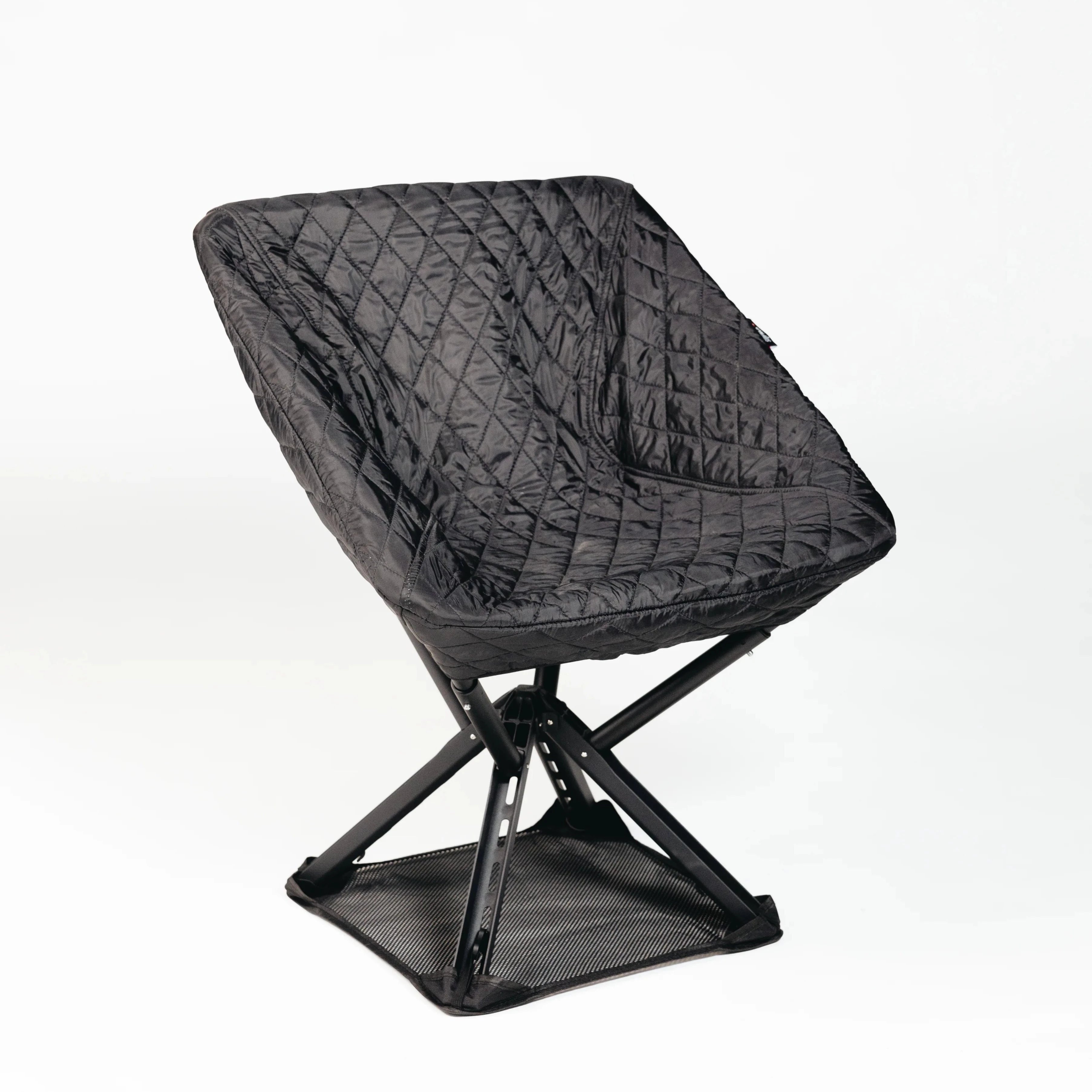
Explore our smart collection of portable, foldable chairs like the Campster II and Sitpack Zen each crafted with ergonomic features, durable eco-friendly materials, and compact designs that redefine comfort on the go. Whether you need a sturdy seat for long gatherings, a lightweight option for backpacking, or accessories like seat warmers and travel towels to enhance your outdoor seating experience, you will find gear designed to help you create personal comfort zones anywhere. Visit Sitpack now to choose your ideal outdoor seating and enjoy fast worldwide shipping backed by a 45-day satisfaction guarantee. Take the step toward effortless comfort and never miss a moment of relaxation during your adventures again.
Outdoor seating refers to furniture designed for use in open air environments such as campsites, parks, or urban spaces, providing comfort while adapting to unpredictable outdoor conditions.
The main benefits include enhanced comfort during outdoor activities, promoting social interaction, and supporting physical and mental well-being by encouraging time spent outdoors.
Consider factors such as your camping duration, travel method (backpacking or car camping), climate conditions, and personal comfort preferences when selecting outdoor seating.
Look for ergonomic designs that include proper seat height, supportive backrests, weight distribution, and stability. Also, consider durability and weather-resistant materials for extended use.