Cart
0
Sign up and get 10$ off your order
Expected delivery
1-3 days
You may also like


Danish Company


Most American outdoor enthusiasts expect seating that is both durable and easy to carry, yet few realize how advanced lightweight options have become. Today’s portable chairs often weigh less than 5 pounds and can handle tough, unpredictable environments with ease. Whether you are planning a hike, picnic, or backyard event, modern lightweight seating combines impressive portability with real comfort and strength. This guide uncovers how the right choice can simplify every adventure while supporting your active lifestyle.
| Point | Details |
|---|---|
| Lightweight Seating Design | Lightweight chairs utilize advanced materials to minimize weight while maximizing comfort and durability, making them ideal for various outdoor and urban environments. |
| Varied Applications | Designs range from folding and camping chairs to ultra-lightweight backpacking options, catering to specific use cases and user preferences. |
| Materials and Maintenance | High-quality materials like aluminum alloys and synthetic fabrics enhance durability and ease of maintenance, supporting sustainable practices in seating solutions. |
| Comparison with Traditional Seating | Lightweight seating offers advantages in mobility and setup speed compared to traditional chairs, making them preferable for on-the-go users. |
Lightweight seating represents a modern solution designed for mobility, comfort, and versatility across outdoor environments. These portable chairs are engineered to minimize weight while maximizing functionality, allowing users to carry convenient seating wherever adventure calls. The core philosophy behind lightweight seating focuses on reducing physical burden without compromising structural integrity or user experience.
The history of lightweight seating traces back to innovative designs like the Monobloc polypropylene chair, which revolutionized portable seating options. These chairs typically utilize advanced materials such as high-grade plastics, aluminum alloys, or specialized synthetic fabrics that deliver exceptional strength-to-weight ratios. Key characteristics that define lightweight seating include:
Modern lightweight seating solutions cater to diverse user needs, ranging from outdoor enthusiasts and campers to urban commuters and travelers. The polypropylene stacking chair design demonstrates how innovative engineering can create versatile seating that adapts to multiple scenarios while remaining incredibly portable. These chairs represent more than just furniture - they are mobility tools that empower individuals to create comfortable spaces wherever they go.
Pro Tip for Smart Seating Selection: Always consider your specific environment and intended use when selecting a lightweight chair, paying close attention to weight capacity, material durability, and packability to ensure you choose a seating solution that genuinely matches your adventure lifestyle.
Lightweight seating encompasses a remarkable array of design approaches, each tailored to specific outdoor and portable usage scenarios. From minimalist folding chairs to innovative softseating constructions made from flexible textiles, the market offers solutions that balance portability, comfort, and functionality for diverse user needs.
Some of the most prominent lightweight seating design variations include:
The cantilever chair design represents another fascinating innovation in lightweight seating, featuring a unique structural approach where support comes from a single leg or asymmetrical framework. This architectural strategy eliminates traditional rear legs, creating a sleek, modern aesthetic while reducing overall weight. Modern lightweight chairs frequently incorporate advanced materials like aluminum alloys, high-tensile synthetic fabrics, and carbon fiber composites to achieve exceptional strength-to-weight ratios.
Each design variation targets specific use cases, from ultralight backpacking chairs weighing mere ounces to robust camping models capable of supporting larger body weights. The evolution of lightweight seating demonstrates continuous innovation in materials science, ergonomic engineering, and user-centric design principles.
Pro Tip for Design Selection: Evaluate your primary usage environment and personal mobility requirements before selecting a lightweight chair, ensuring the design matches your specific adventure and comfort needs.
Here’s a concise overview of popular lightweight seating types and their optimal use cases:
| Type of Chair | Best Outdoor Use | Best Urban Use |
|---|---|---|
| Folding Chair | Picnics, park events | Home, meeting rooms |
| Camping Chair | Campsites, fishing | Rooftop gatherings |
| Backpacking Chair | Hiking, trekking | Compact storage spaces |
| Beach Chair | Sandy, coastal outings | Sunbathing on balconies |
| Stadium Seat | Sports events, concerts | Temporary seating |
Lightweight seating represents a sophisticated intersection of advanced materials science, ergonomic design, and practical engineering. The core objective is creating chairs that deliver exceptional performance across multiple dimensions: weight reduction, durability, and user comfort. High-density polyethylene (HDPE) materials have emerged as a game-changing solution, offering remarkable strength-to-weight ratios that revolutionize portable seating options.

The critical features that define modern lightweight seating can be categorized into three primary dimensions:
Materials:
Portability:
Comfort:
Innovative manufacturers continue pushing boundaries in lightweight seating design, with stackable chair technologies demonstrating how materials like polypropylene and techno-polymer resins can create versatile seating solutions. These advanced materials enable chairs that are not just lightweight, but also incredibly resilient across diverse environmental conditions.
Pro Tip for Material Selection: Always match your chair’s material composition to your specific adventure environment, considering factors like temperature range, moisture exposure, and potential mechanical stress to ensure optimal performance and longevity.
Lightweight seating bridges the gap between mobility and comfort, offering transformative solutions for both outdoor adventurers and urban dwellers. Innovative seating designs demonstrate remarkable versatility, enabling users to create personalized comfort zones in diverse environments, from mountain trails to city parks.
Key benefits for outdoor enthusiasts include:
Outdoor Advantages:
Urban User Benefits:
The UV-stabilized polypropylene chairs exemplify how modern lightweight seating transcends traditional limitations. These innovative designs provide durability, weather resistance, and aesthetic appeal while maintaining exceptional portability. Whether navigating urban landscapes or exploring wilderness terrain, lightweight seating offers unprecedented flexibility for modern lifestyle demands.
Pro Tip for Versatile Seating: Prioritize multipurpose lightweight chairs that can seamlessly transition between outdoor adventures and urban environments, maximizing your investment and expanding your mobility options.
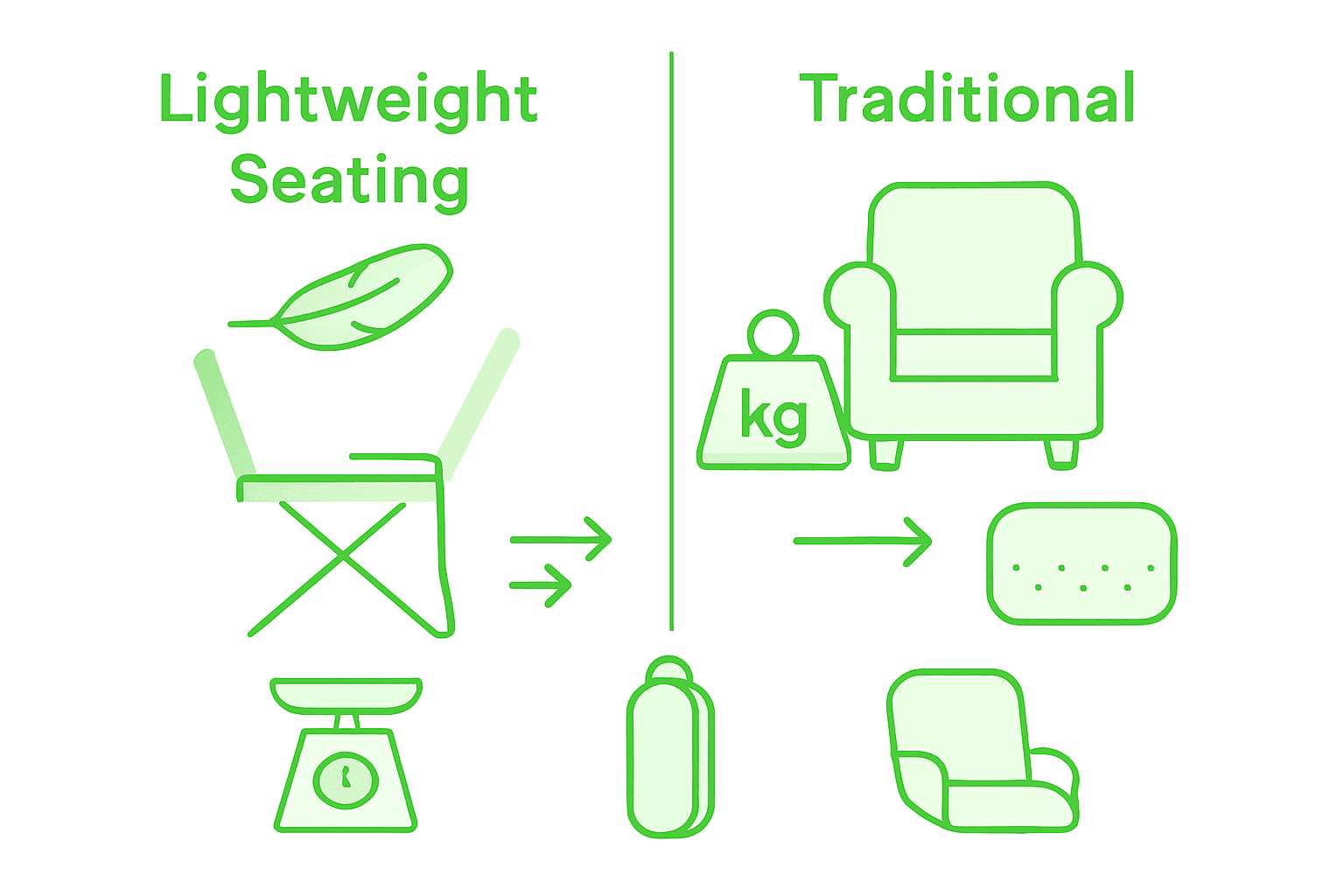
The evolution of seating technology reveals a fundamental shift in design philosophy, with lightweight chairs challenging traditional heavyweight alternatives across multiple performance dimensions. Lightweight chairs offer distinct advantages in mobility and versatility, fundamentally transforming how users approach portable seating solutions.
Key comparative characteristics include:
Lightweight Seating Advantages:
Traditional Seating Limitations:
A comprehensive analysis reveals that lightweight seating isn’t just about reducing weight - it’s about enhancing user experience. Traditional chairs prioritize static stability and durability, while modern lightweight designs integrate advanced materials and ergonomic engineering to deliver superior performance. Aluminum alloys, high-grade polymers, and innovative structural designs enable these chairs to match and often exceed the structural integrity of their heavier counterparts.
Pro Tip for Smart Selection: Assess your specific usage requirements, considering factors like transportation distance, frequency of movement, and intended environment before choosing between lightweight and traditional seating options.
Compare key differences between lightweight and traditional seating at a glance:
| Aspect | Lightweight Seating | Traditional Seating |
|---|---|---|
| Average Weight | Under 5 pounds | Often 10-25 pounds |
| Typical Use Scenario | Mobile, multi-environment | Stationary, single environment |
| Ease of Setup | Under one minute | Several minutes |
| Storage Needs | Minimal, fits in small spaces | Large, requires dedicated space |
| Maintenance Effort | Quick to clean, rust-resistant | May need more upkeep |
Modern lightweight seating represents a sophisticated intersection of performance engineering, environmental consciousness, and practical design. Recyclable high-density polyethylene (HDPE) materials are revolutionizing how manufacturers approach durability, maintenance, and sustainability in portable seating solutions.
Key considerations for durability and maintenance include:
Durability Factors:
Maintenance Characteristics:
The environmental impact of lightweight seating extends beyond simple material selection. Innovative manufacturers are increasingly prioritizing responsible production techniques, exploring closed-loop recycling processes, and developing chairs that can be completely repurposed or biodegraded. Polypropylene and advanced synthetic materials now offer unprecedented opportunities to create seating solutions that balance performance, user experience, and ecological responsibility.
Pro Tip for Sustainable Selection: Prioritize lightweight chairs constructed from recycled or recyclable materials, and always verify the manufacturer’s commitment to environmental stewardship before making your purchase.
Are you ready to leave behind bulky chairs that weigh you down and slow your adventure? This article highlights the challenge of finding portable seating that combines durability, comfort, and ease of transport. At the heart of the discussion is the importance of materials like high-grade polymers and compact folding designs that reduce weight without sacrificing support. These pain points resonate with anyone seeking freedom from heavy gear while staying comfortable in outdoor and urban environments.
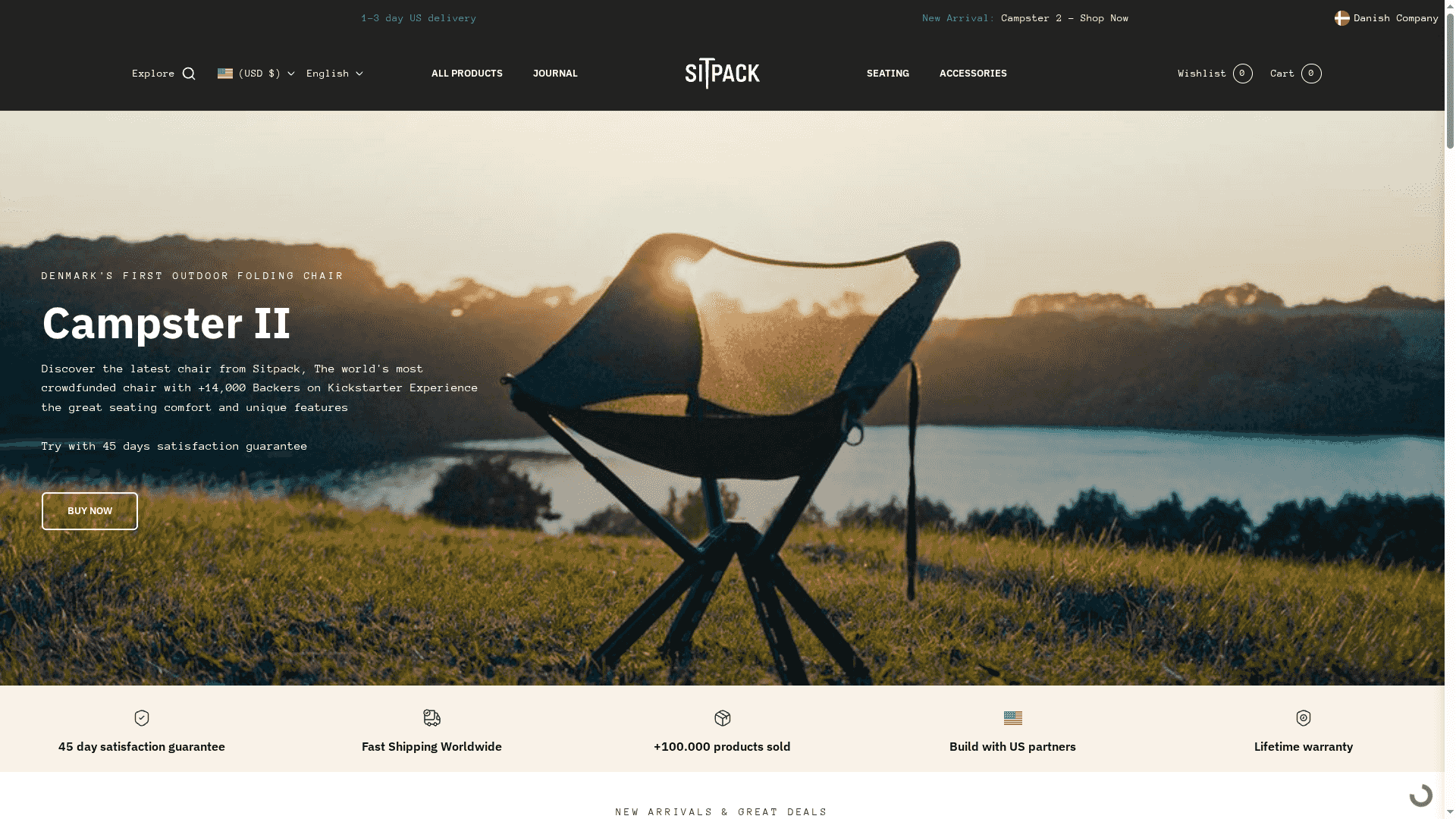
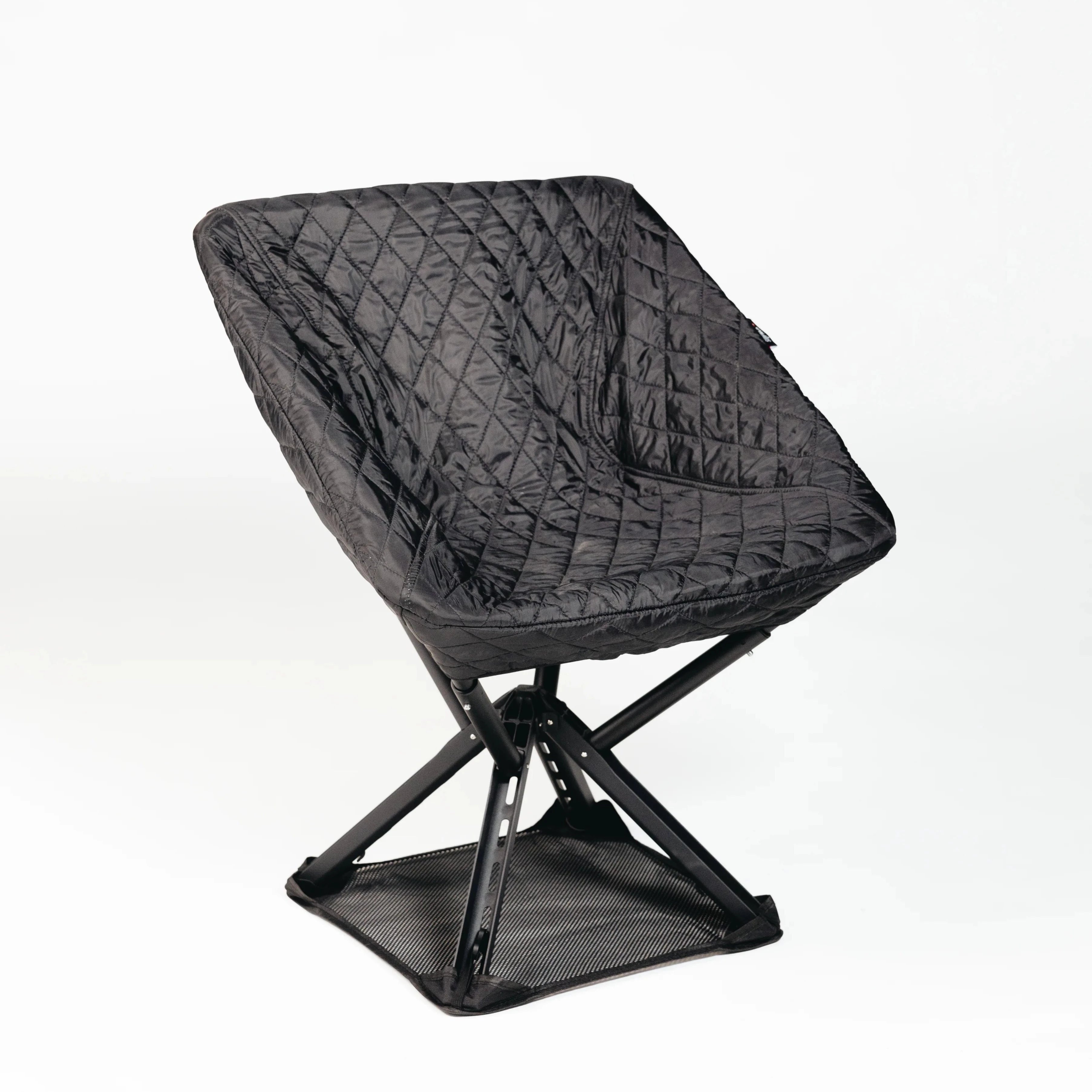
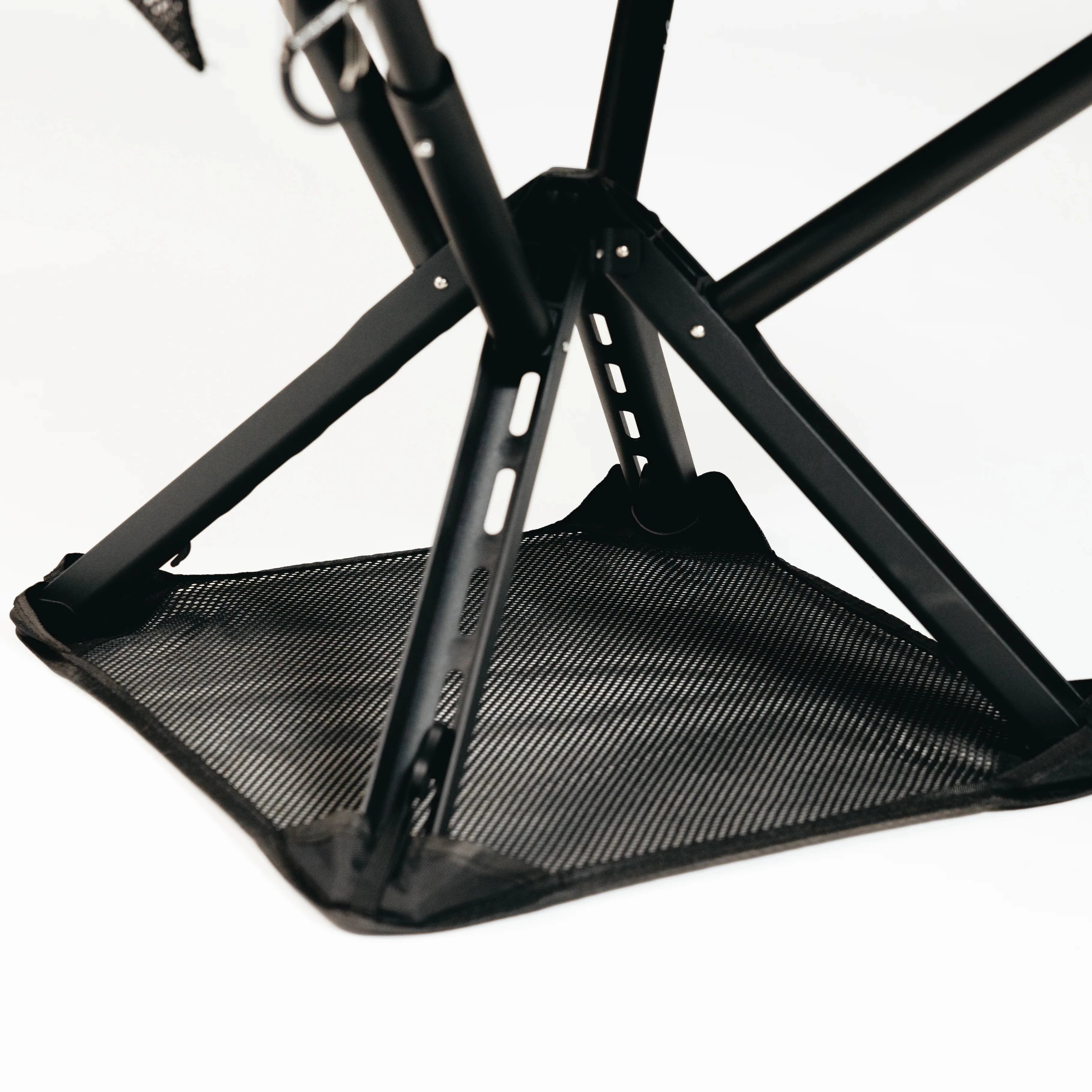
Experience the perfect balance of mobility and comfort with innovative products like the Campster II and Sitpack Zen available at Sitpack. Our lightweight chairs are meticulously designed for quick setup, lasting durability, and exceptional portability. Whether you are hiking, camping, at a festival, or simply enjoying a park, our selection empowers you to create your own comfortable space anywhere.
Take the next step to elevate your outdoor life now by visiting Sitpack’s landing page and explore our range of foldable chairs and accessories. Your perfect lightweight seating companion is just a click away.
Lightweight seating offers several advantages, including easy portability for hiking and camping, quick setup in various terrains, minimal pack weight, and enhanced comfort, allowing you to create accommodating spaces wherever you go.
Lightweight chairs are designed for mobility and versatility, typically weighing under 5 pounds compared to traditional chairs, which often weigh 10-25 pounds. Lightweight options are easier to transport, quicker to set up, and require less storage space.
Common materials for lightweight seating include aluminum alloys, high-grade synthetic polymers, carbon fiber composites, and breathable technical fabrics, which contribute to their excellent strength-to-weight ratios and durability in various environmental conditions.
Consider your specific usage environment, your mobility requirements, weight capacity, and material durability when selecting a lightweight chair. Ensure that the design matches your adventure lifestyle for optimal comfort and functionality.