Cart
0
Sign up and get 10$ off your order
Expected delivery
1-3 days
You may also like


Danish Company


Nearly 60 percent of American outdoor enthusiasts say portability is their top priority when choosing furniture for trips. With limited space in cars, backpacks, and city apartments, finding comfortable seating that fits an adventurous lifestyle can feel impossible. Compact outdoor furniture delivers a smart solution, blending lightweight materials and clever designs so American explorers can enjoy real comfort wherever their journeys lead.
| Point | Details |
|---|---|
| Compact Outdoor Furniture | Offers lightweight, portable comfort, enabling adventurers to prioritize mobility without sacrificing functionality. |
| Material Innovation | Utilizes durable materials like aluminum and synthetic resin, ensuring weather resistance and robustness while remaining lightweight. |
| Versatile Applications | Adapts to various environments, from camping to urban settings, making it suitable for diverse outdoor activities. |
| Considerations for Selection | Evaluate comfort, durability, and intended use to find the best balance between portability and functionality. |
Compact outdoor furniture transforms how adventurers and travelers experience portable comfort. Unlike traditional bulky seating options, these innovative designs prioritize lightweight mobility without sacrificing functionality. Compact furniture represents a strategic solution for those who refuse to compromise between comfort and portability.
The core characteristics of compact outdoor furniture involve multiple design considerations. Metal furniture materials like aluminum and carbon steel provide durability while keeping weight minimal. Similarly, synthetic resin wicker offers weather resistance and flexibility, creating furniture that can withstand diverse environmental conditions. These materials enable manufacturers to craft seating solutions that are simultaneously robust and remarkably lightweight.
Key advantages of compact outdoor furniture include:
Understanding compact outdoor furniture means recognizing it as more than just a chair. It represents a lifestyle choice for modern adventurers who value experiences over excess baggage. Whether you are a camper, traveler, urban commuter, or weekend warrior, these innovative seating solutions provide unprecedented freedom of movement.
Pro Tip - Smart Packing: Always measure your compact furniture’s folded dimensions before traveling to ensure it fits within your vehicle, backpack, or travel luggage specifications.
Compact outdoor furniture represents a diverse spectrum of design solutions tailored for adventurers, travelers, and urban explorers. From minimalist folding chairs to innovative modular systems, these portable seating options offer unprecedented flexibility for outdoor enthusiasts seeking comfort without bulk. Portable seating has evolved far beyond traditional limitations, providing sophisticated solutions for multiple environments.
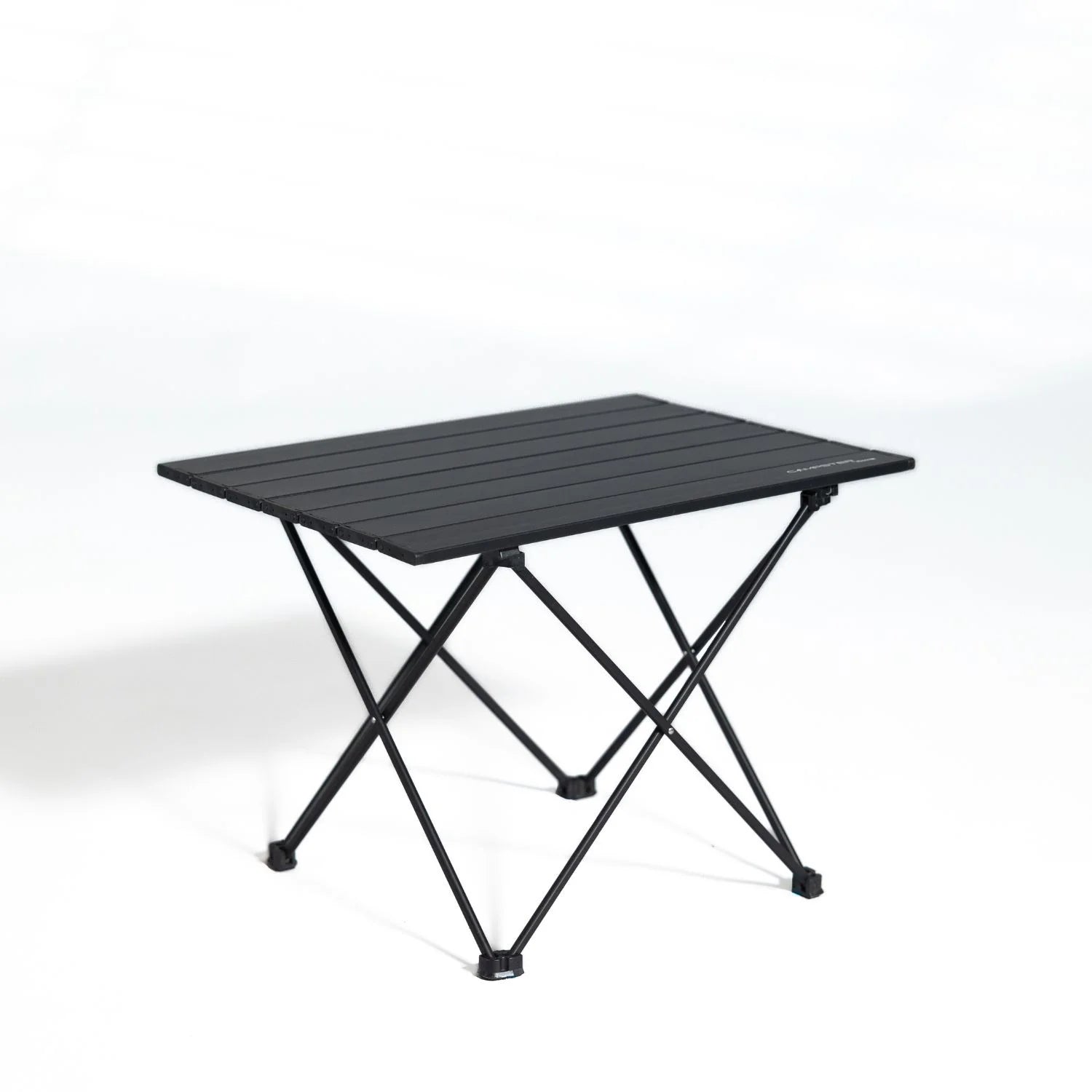
Several primary categories define the landscape of compact outdoor furniture. Picnic tables exemplify one classic approach, featuring attached benches designed for outdoor dining and group interactions. Bench designs showcase another versatile category, utilizing materials ranging from lightweight aluminum to weather-resistant synthetic composites. These furniture types prioritize adaptability, enabling users to create comfortable spaces in unpredictable outdoor settings.
Key types of compact outdoor furniture include:
Each category offers unique advantages for different scenarios. Ultralight folding chairs excel for backpackers, while modular systems appeal to those requiring flexible configurations. Inflatable furniture provides exceptional packability, and convertible designs maximize utility in limited spaces. Understanding these options allows outdoor enthusiasts to select precisely tailored solutions matching their specific mobility and comfort requirements.
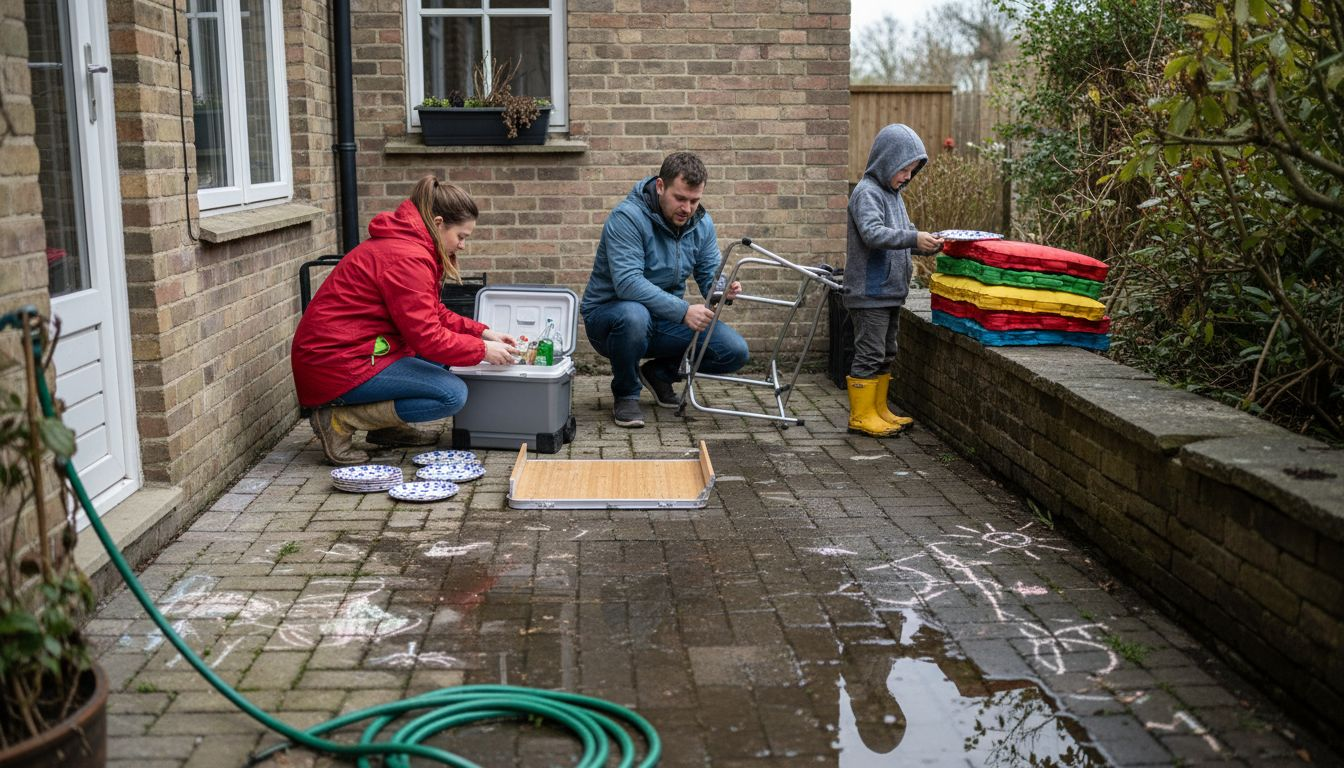
Here’s a comparison of the most common compact outdoor furniture types and their ideal uses:
| Furniture Type | Key Benefit | Best Use Case |
|---|---|---|
| Ultralight Folding Chair | Easiest to backpack | Hiking and camping trips |
| Modular Seating System | Flexible group seating | Group outings, tailgating events |
| Inflatable Furniture | Extremely compact storage | Beach days, festival picnics |
| Convertible Chair-Table | Multi-functional design | Small urban balconies, RV travel |
| Minimalist Backpack Seat | Minimal pack weight | Solo trekkers, minimalist hikers |
Pro Tip - Smart Selection: Always consider your primary usage scenario and weight constraints when choosing compact outdoor furniture, prioritizing versatility and ease of transport over unnecessary features.
Compact outdoor furniture represents a sophisticated engineering challenge, balancing multiple critical performance requirements in a single design. Portability stands as the fundamental characteristic that distinguishes these innovative seating solutions from traditional outdoor furniture, enabling adventurers to carry comfort wherever their journeys might lead.
Materials play a crucial role in defining furniture performance. Resin wicker exemplifies modern material innovation, utilizing synthetic polyethylene to create weather-resistant textiles that mimic traditional designs while offering superior durability. Similarly, metal furniture technologies like aluminum and carbon steel provide exceptional strength-to-weight ratios, allowing manufacturers to craft lightweight yet incredibly robust seating options.
Key performance characteristics include:
Understanding material science reveals the intricate balance between portability and durability. Innovative manufacturers now combine advanced synthetic polymers, lightweight metals, and ergonomic design principles to create furniture that withstands extreme conditions while remaining remarkably easy to transport. These solutions transform outdoor experiences by eliminating traditional barriers between comfort and mobility.
The following table summarizes how material choices impact performance in compact outdoor furniture:
| Material | Durability Level | Weather Resistance | Typical Weight |
|---|---|---|---|
| Aluminum | High | Moderate | Very lightweight |
| Carbon Steel | Very high | Low without coating | Light |
| Synthetic Resin | Moderate to high | Excellent | Lightweight |
| Composite Plastics | Moderate | High | Ultralight |
Pro Tip - Material Matching: Always inspect material specifications and match your compact furniture’s construction to your specific environmental conditions, considering factors like humidity, temperature range, and potential exposure to UV radiation.
Compact outdoor furniture transcends traditional boundaries, offering versatile solutions that adapt seamlessly across diverse environments. Mobility becomes the defining characteristic that transforms these ingenious seating designs from simple furniture into lifestyle enablers, bridging the gap between wilderness adventures and urban exploration.
Picnic tables represent just one example of how compact furniture revolutionizes outdoor experiences. Similarly, portable benches demonstrate remarkable adaptability across multiple scenarios, from remote mountain trails to bustling city parks. These innovative solutions empower users to create comfortable spaces wherever their journeys might lead.
Diverse real-world applications include:
Each environment presents unique challenges that compact outdoor furniture elegantly addresses. Wilderness explorers appreciate ultralight designs that compress into minimal pack space, while urban dwellers value furniture that transitions effortlessly between public spaces. The versatility extends beyond recreation, supporting professional mobile workers, event attendees, and spontaneous social gatherings with equal efficiency.
Pro Tip - Scenario Planning: Always consider your primary use case when selecting compact outdoor furniture, matching design specifications to anticipated environmental conditions and personal mobility requirements.
The evolution of outdoor furniture represents a fundamental shift in how we conceptualize mobility, comfort, and functionality. Traditional furniture typically anchors users to specific locations, while compact designs liberate adventurers to create comfortable spaces anywhere their journeys might lead. This transformation goes beyond mere convenience, challenging long-established notions of what outdoor seating can represent.
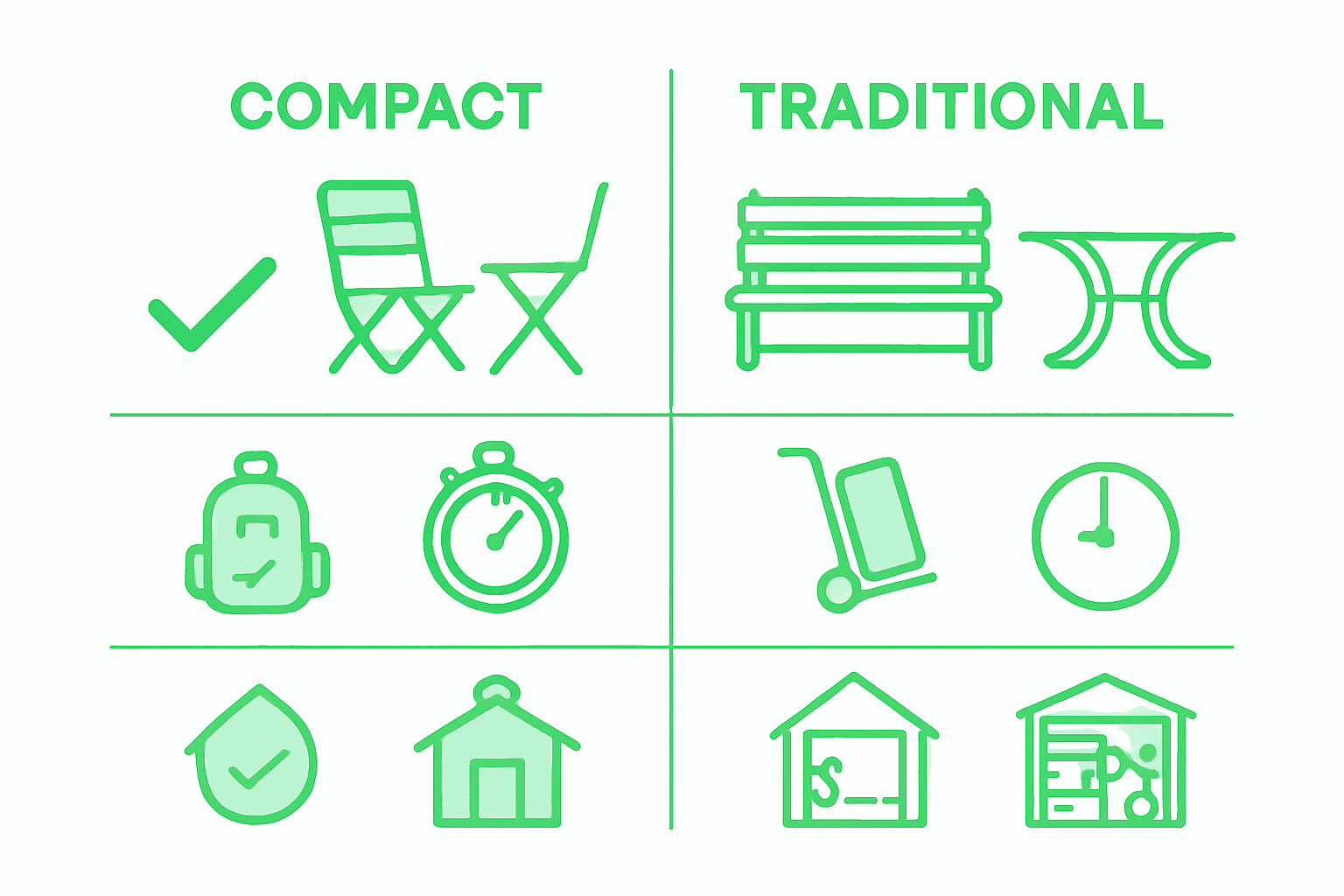
Resin wicker technologies illustrate the innovative materials revolutionizing compact furniture design, offering weather resistance previously impossible in lightweight configurations. Similarly, metal furniture technologies enable manufacturers to craft incredibly strong yet minimal designs that challenge traditional bulky approaches to outdoor seating.
Key comparative characteristics include:
The paradigm shift extends beyond physical attributes, representing a broader transformation in lifestyle philosophy. Compact outdoor furniture embodies a minimalist approach that prioritizes experiences over equipment, allowing users to focus on adventure rather than logistics. Modern designs eliminate traditional barriers between comfort and exploration, creating unprecedented freedom for outdoor enthusiasts.
Pro Tip - Comparative Shopping: Always test compact furniture in person, comparing weight, folding mechanisms, and comfort against your specific mobility and usage requirements.
Compact outdoor furniture, while revolutionary, is not a one-size-fits-all solution. Potential limitations exist that require careful consideration, transforming the selection process from a simple purchase to a strategic decision about mobility, comfort, and durability. Understanding these nuanced challenges helps adventurers make informed choices that align with their specific outdoor lifestyle needs.
Resin wicker and metal furniture technologies demonstrate that material selection dramatically impacts performance. Not all compact designs deliver equal quality, with some sacrificing critical elements like structural integrity, comfort, or weather resistance in pursuit of minimal weight and packability.
Key risks and drawbacks to evaluate include:
Selecting the right compact outdoor furniture requires a holistic approach that balances personal requirements with realistic performance expectations. Adventurers must critically assess their specific use cases, understanding that ultralight design sometimes means accepting minor compromises in comfort or durability. The goal is finding a strategic balance between portability and functionality that enhances, rather than restricts, outdoor experiences.
Pro Tip - Intelligent Selection: Prioritize furniture that matches 80% of your core requirements, allowing flexibility for occasional compromise while maintaining overall performance standards.
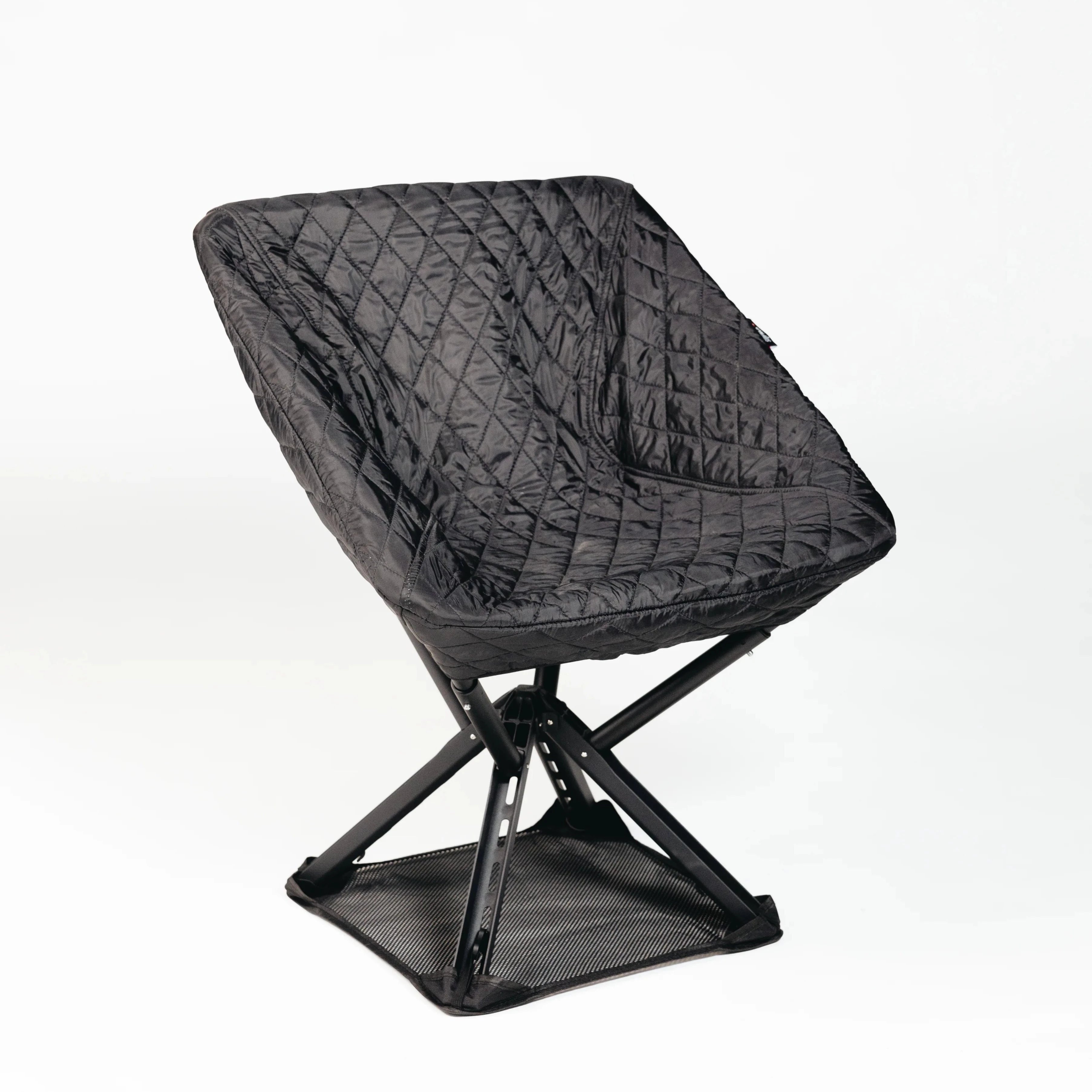
The challenge of balancing portability and durability in outdoor furniture is real. When you need seating that is lightweight, quick to set up, and tough enough to withstand diverse environments, compromise is not an option. This article highlights key pain points like limited storage space, weight constraints, and the need for comfort on the go. At Sitpack, we address all these challenges with innovative designs such as the Campster II and Sitpack Zen. Our products combine ergonomic comfort with ultralight materials, enabling you to carry your seat anywhere without sacrificing quality or style.
Discover a smarter way to stay comfortable whether you are camping, traveling, or navigating urban life. Visit Sitpack today to explore outdoor seating designed for mobility and endurance. Act now to enjoy fast worldwide delivery and lifetime warranties on select products. Your perfect compact outdoor chair is just a click away.
Compact outdoor furniture offers extreme portability, minimal storage requirements, quick setup and breakdown, versatility across different terrains, lightweight construction, and resistance to environmental wear and tear.
Materials like aluminum, carbon steel, and synthetic resin wicker provide durability while keeping the weight minimal. They play a crucial role in defining performance, including factors like weather resistance and strength-to-weight ratios.
Compact outdoor furniture is versatile and can be used in various environments, including backcountry camping, urban parks, beach days, music festivals, and outdoor work setups.
When choosing compact outdoor furniture, consider your primary usage scenario, weight constraints, material specifications, and environmental conditions to select a design that balances portability and functionality.