カート
0
サインアップすると注文から 10 ドル割引になります
配達予定
1〜3日
こちらもおススメ


デンマークの会社

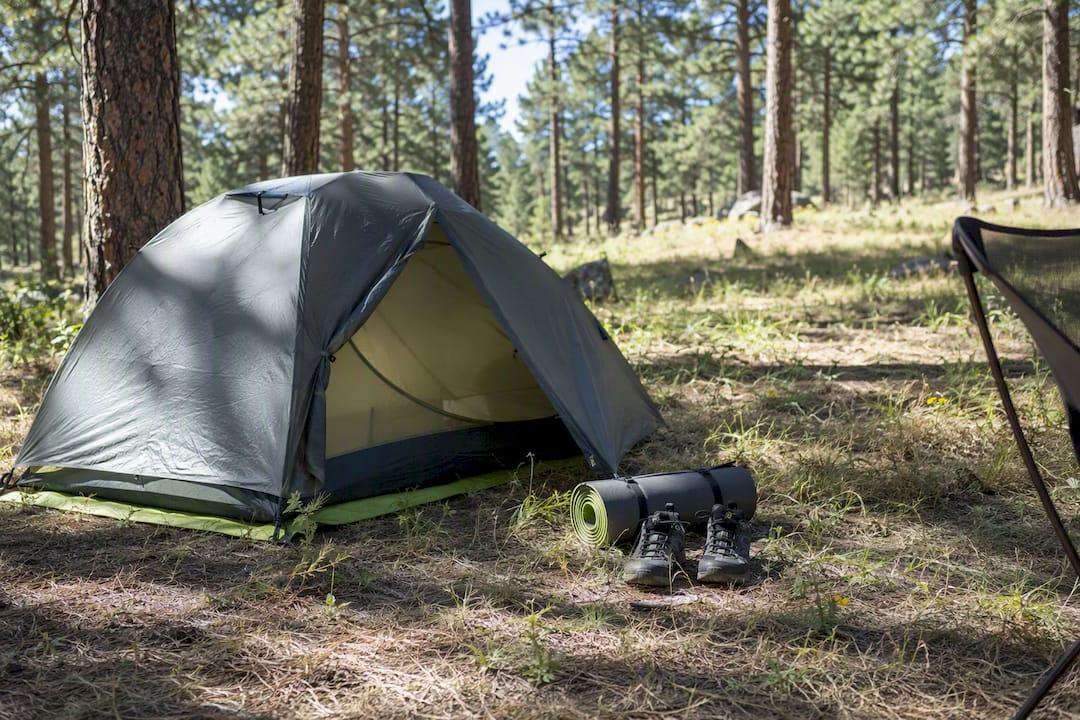
Eight items get you through a safe, comfortable first camping trip: a tent, a sleeping bag, a sleeping pad, at least 2 liters of water per person per day, a camp stove with fuel, a headlamp with backup light, a basic first-aid kit, and something to sit on that isn’t a rock. That’s the whole ballgame for a beginner car-camping weekend. Everything else is refinement.
If you remember nothing else from this guide, remember this list. Buy or borrow these eight things, and you’re camping. The expanded checklist below fills in specs, brands-agnostic buying advice, and how to pack it all so your first night outdoors doesn’t turn into a lesson in what you forgot.
A successful first camping trip depends more on testing your gear beforehand and packing the right sleep system than on how much equipment you own.
| Point | Details |
|---|---|
| Practice pitch first | Set up your tent at home to catch missing stakes or damaged poles before departure. |
| Match sleeping pad to conditions | Use an R-value of at least 4 for cool nights, closer to 8 for freezing temperatures. |
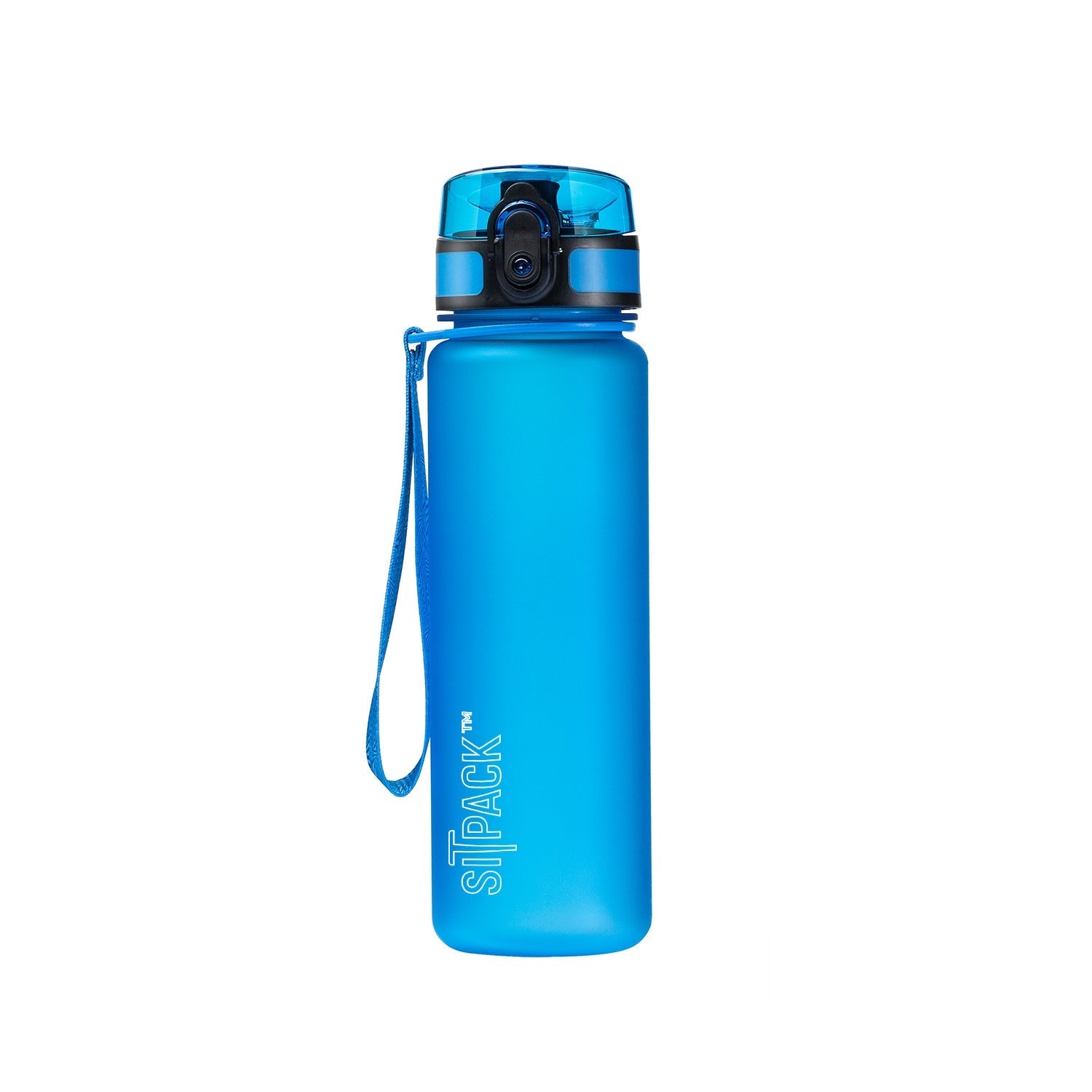
| Hydrate deliberately | Plan for at least 2 liters of water per person per day, more in heat or at altitude. |
| Skip cotton, layer instead | Pack a base, mid, and shell layer system, plus extra socks. |
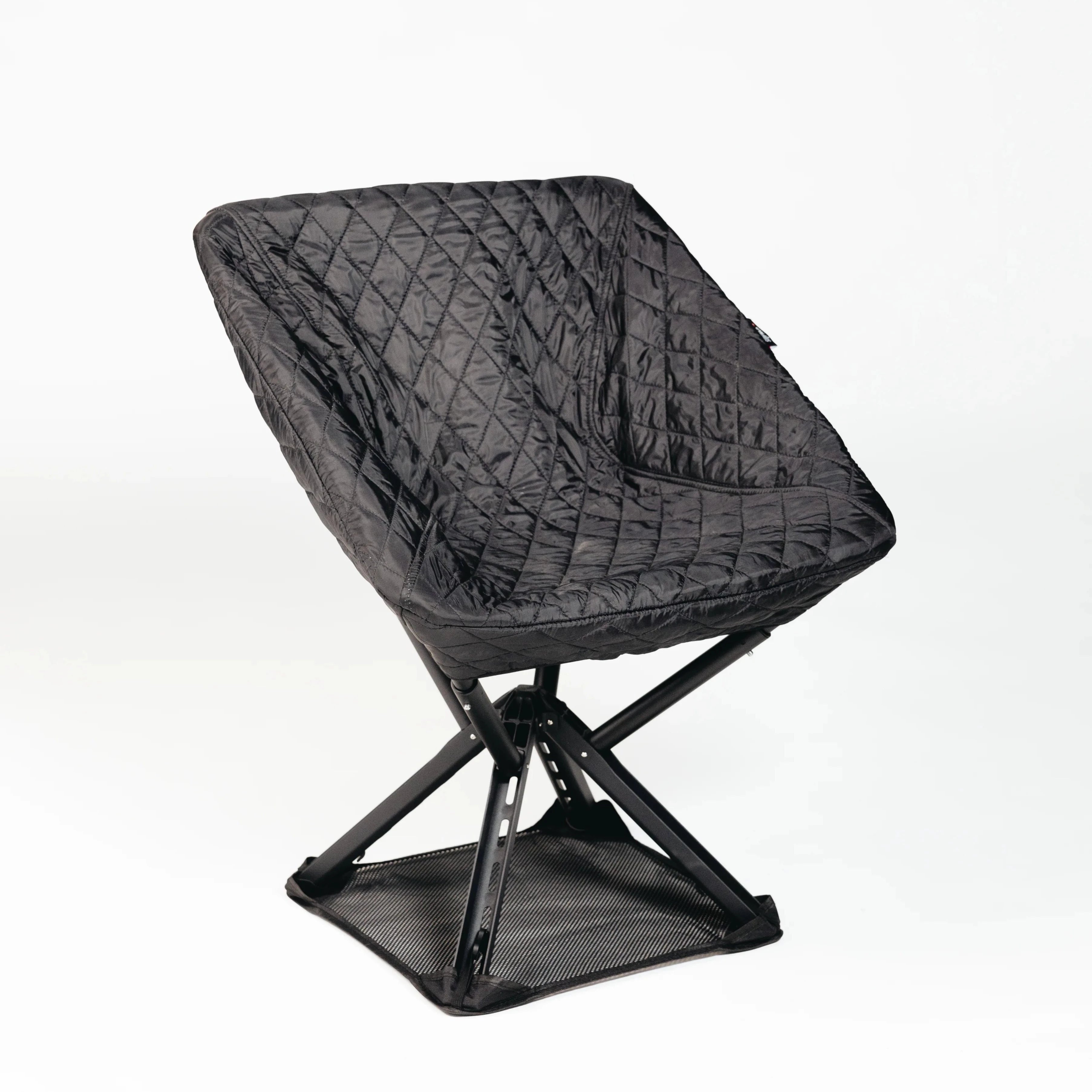
| Prioritize lightweight seating | A packable Sitpack chair adds real comfort at camp without taking up trunk space luxury gear would. |
Shelter is where most first-timers overspend or underprepare. A tent needs stakes, a rainfly, and ideally a footprint (a groundsheet that goes under the tent floor to stop abrasion and water seepage). Buy one size category larger than your headcount suggests. A “4-person” tent sleeping two adults means you actually have room for boots, a duffel bag, and the dog. The National Park Service’s camping guidance echoes this: shelter, sleep systems, and kitchen basics form the backbone of any packing list, official or otherwise.
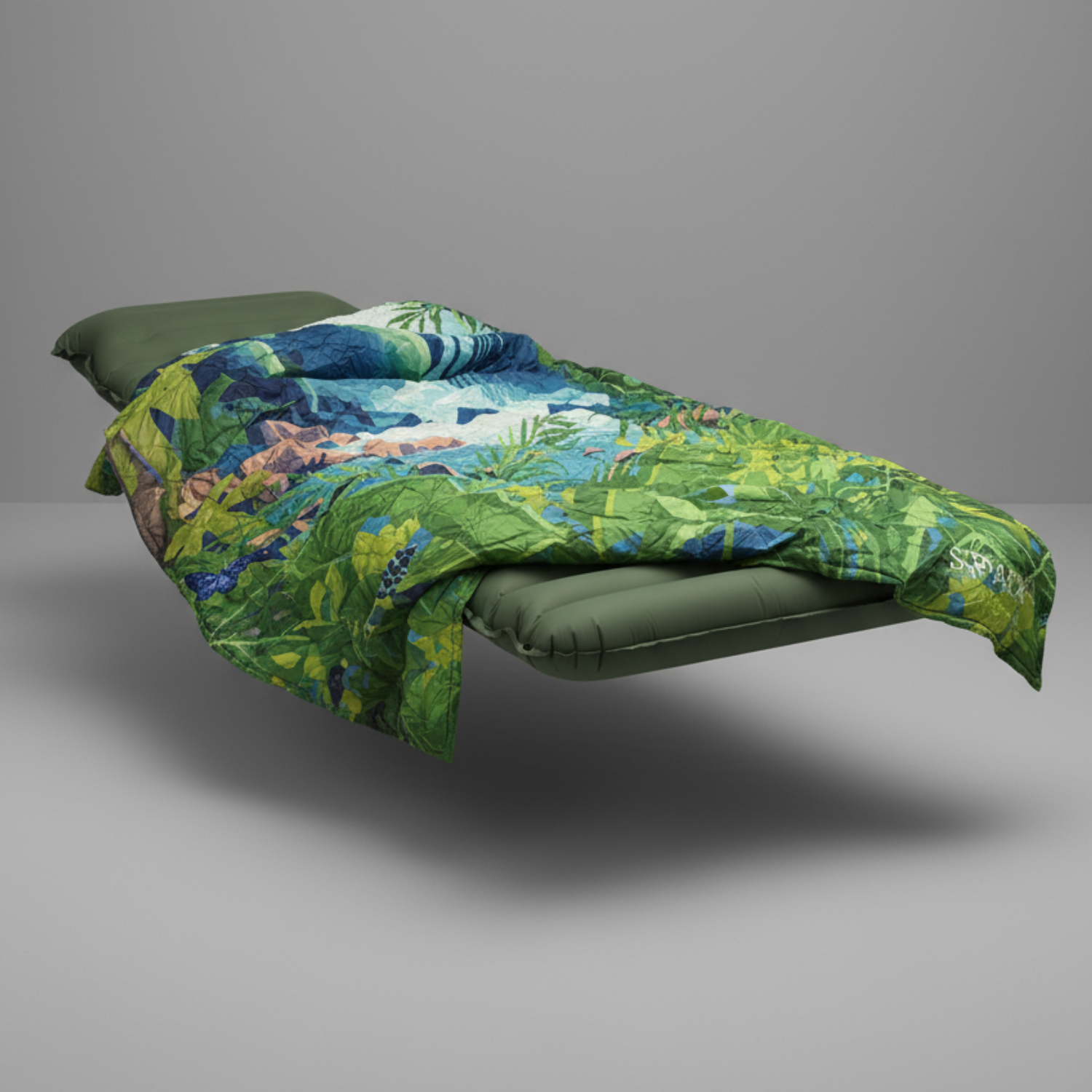
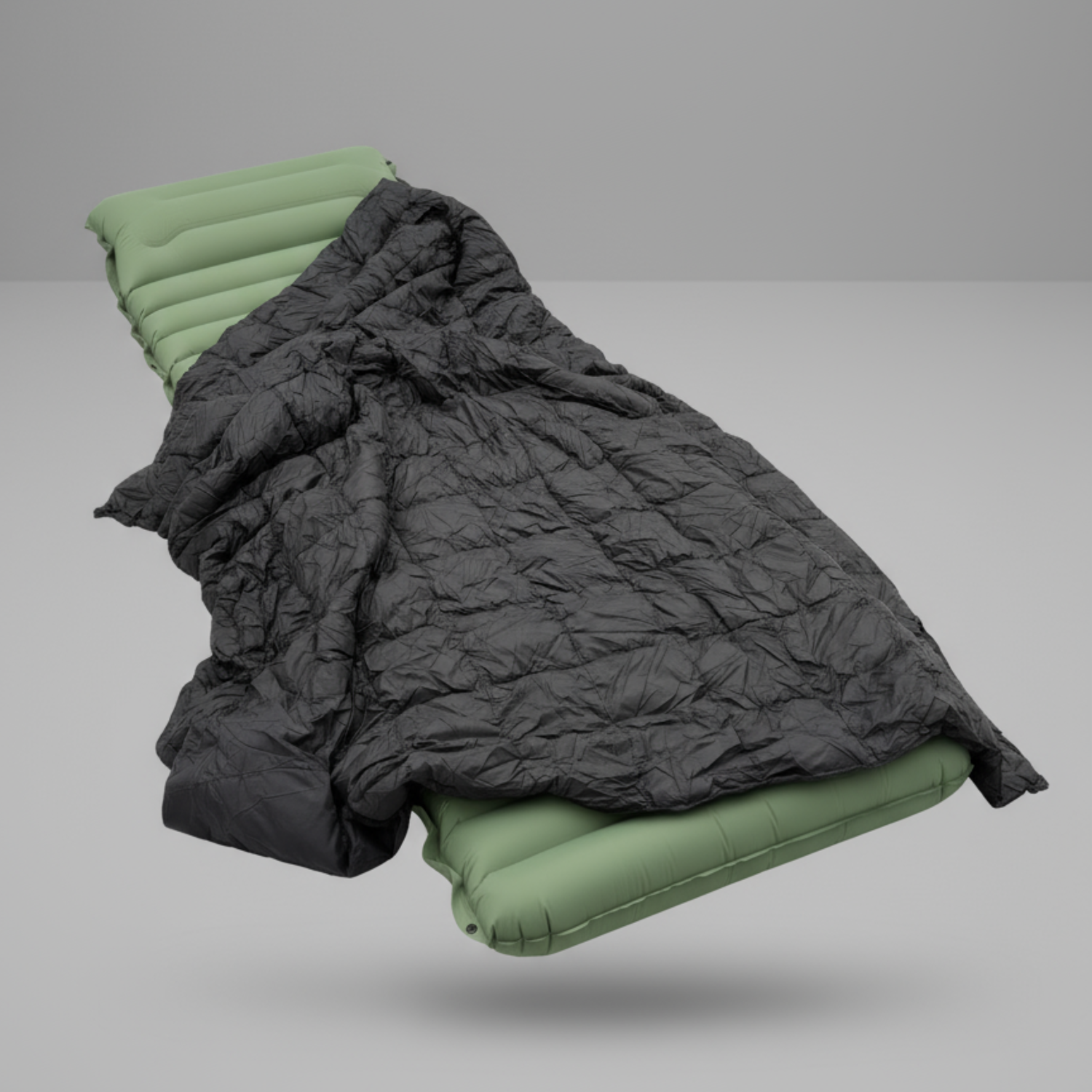
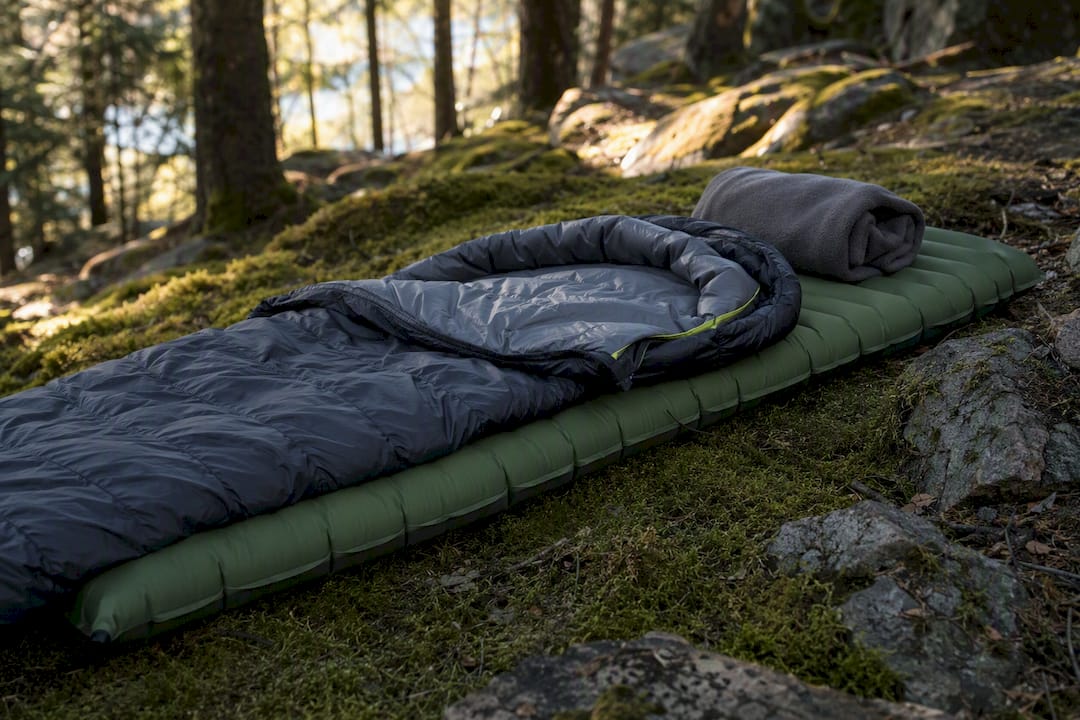
Sleep systems matter more than most beginners expect. A sleeping bag’s temperature rating should sit comfortably below the coldest night you’ll face. Buy for 10 to 15 degrees colder than forecast, since bag ratings are optimistic by design. Sleeping pads do double duty: comfort and insulation. Ground sucks heat out of your body far faster than air does, which is why OutdoorGearLab recommends an R-value of at least 4 for cold-weather comfort, climbing toward 8 if you’re camping near or below freezing. Skip the pillow debate. A stuff sack filled with a fleece jacket works fine.
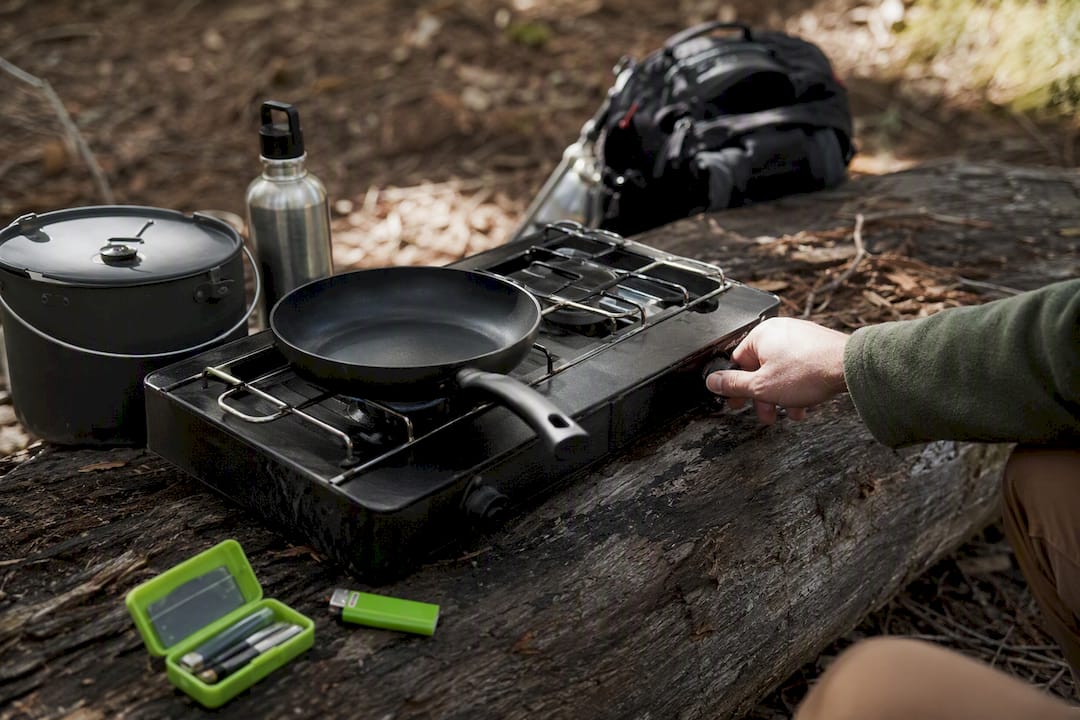
Water and cooking basics come down to volume and simplicity. Plan on 2 liters per person per day as a floor, more if you’re hiking or camping somewhere hot. Bring a filter straw or purification tablets even at established campgrounds, since not every water spigot is potable. A basic two-burner stove, one lighter and one set of waterproof matches, a small pot and pan, and a cooler with a solid ice strategy round out the kitchen.
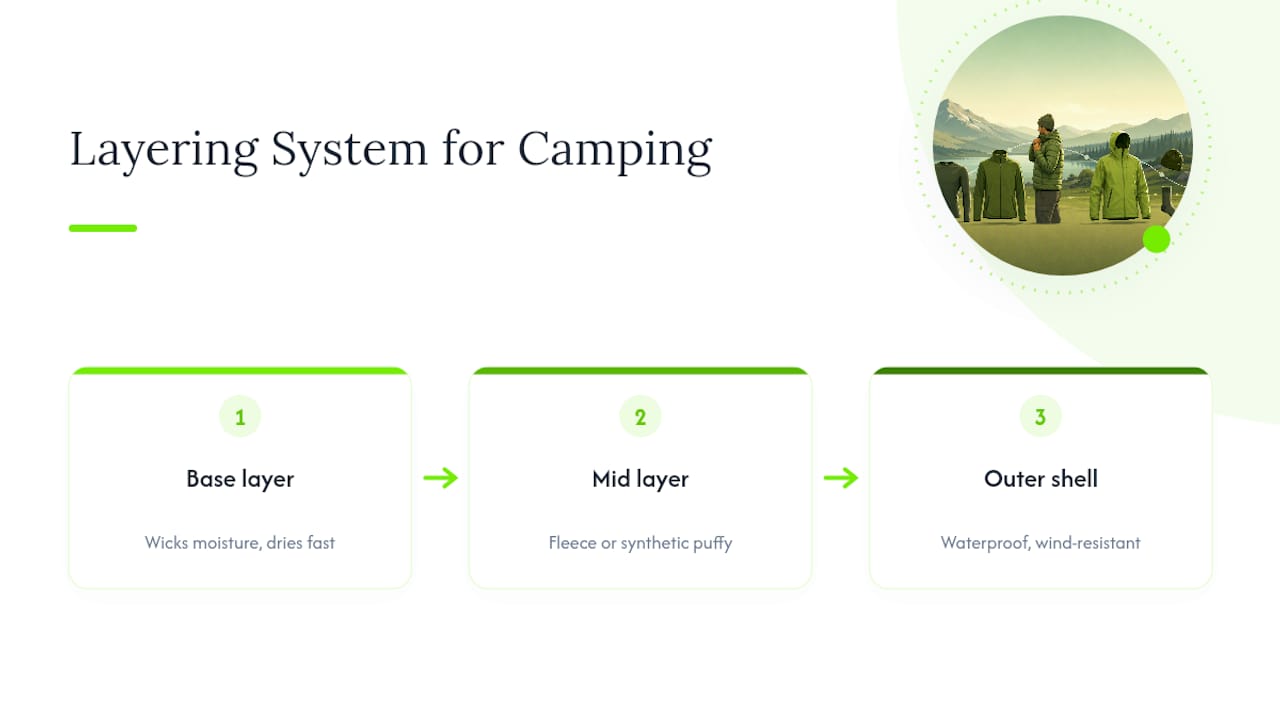
Clothing trips up more beginners than gear does. Cotton kills the mood fast once it’s wet. It holds moisture, stops insulating, and takes forever to dry. Build a layering system instead: a moisture-wicking base layer, an insulating mid layer (fleece or synthetic puffy), and a waterproof or wind-resistant shell. Pack more socks than you think you need. Wet feet ruin trips.
Lighting and fire-starting round out the essentials. A headlamp rated 100 lumens or higher handles nighttime bathroom trips and cooking after dark, while a small lantern gives you ambient light around the picnic table. Carry two separate ignition sources, since a single lighter running dry at 9 p.m. is a genuinely bad time. Always check local fire restrictions before you leave; plenty of parks impose seasonal bans.
Safety and hygiene items are cheap insurance. A basic first-aid kit needs blister treatment, gauze, antiseptic wipes, ibuprofen, and an elastic wrap for sprains. Add sunscreen, insect repellent, and if you’re dispersed camping without facilities, a trowel and toilet paper for proper waste disposal.
Tools and extras are the small stuff that saves a trip. A multi-tool, a roll of duct tape, some paracord, and spare batteries take up almost no space and solve an outsized share of camp problems.
Pro Tip: Pack a dedicated “kitchen bin” with your cookware, utensils, and cleaning supplies so the entire cooking setup loads and unloads as one unit. Label it, restock it after every trip, and you’ll never again dig through three bags looking for a can opener.
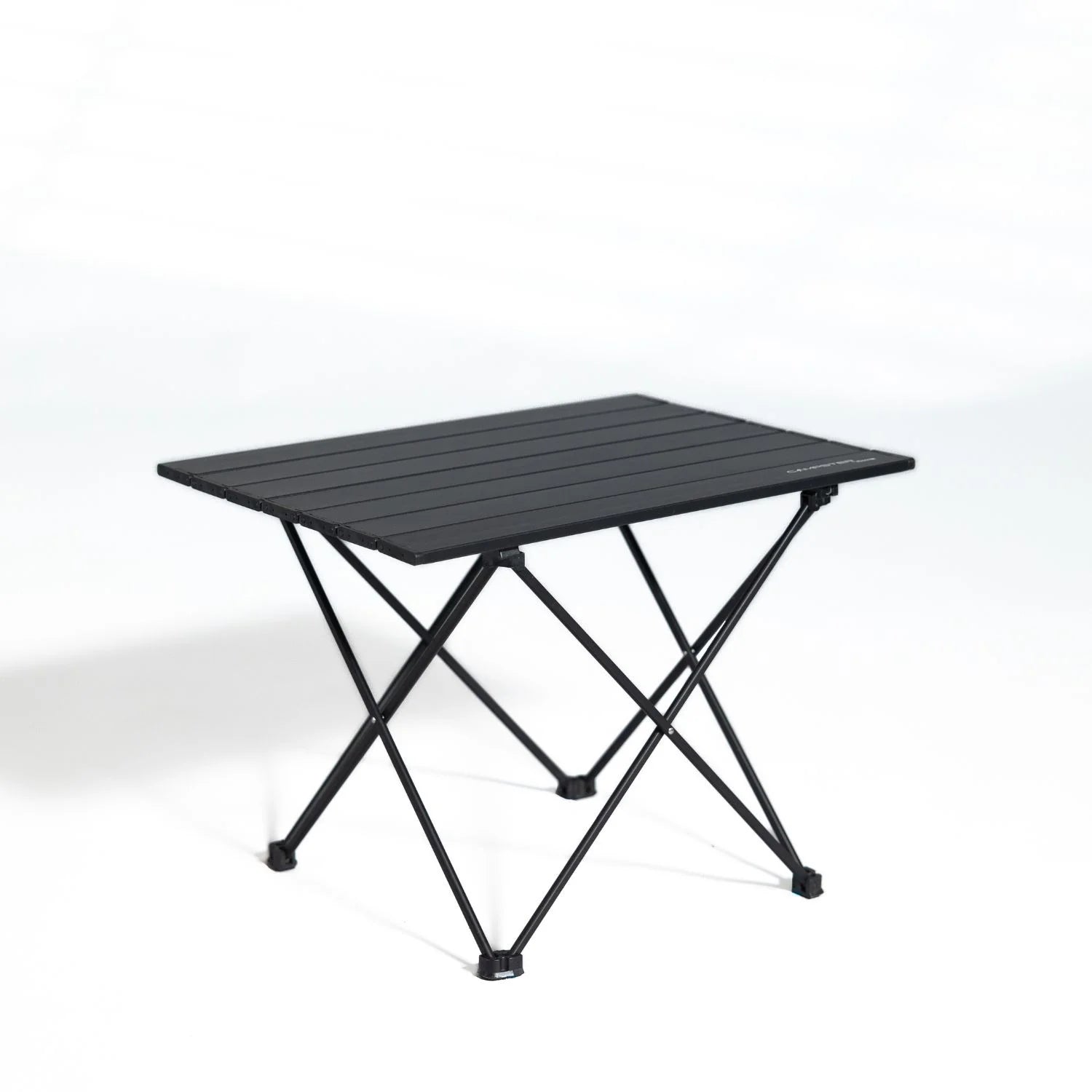
Comfort gear closes the list. A lightweight, foldable camp chair changes how your evenings feel, and a small packable table gives you somewhere to set a coffee mug that isn’t the dirt. For a deeper breakdown of gear that keeps pack weight down, Sitpack’s ultimate camping gear checklist covers comfort-focused picks in more detail.
Test everything before it matters. Here’s the sequence that prevents a bad first night:
Pro Tip: A dry-run pitch in the backyard also tells you how long setup actually takes, so you’re not racing sunset on your first real attempt. Sitpack’s step-by-step gear setup guide for beginners walks through this staging process in more depth.
Hydration is the easiest thing to underestimate on a first trip. Healthline’s guidance points to at least 2 liters per person per day as a baseline, with more required in heat, at altitude, or during activity. That’s roughly eight cups just standing still.
Treatment options vary by setting. A filter straw works well for quick personal use at a backcountry water source. Pump filters process larger volumes for groups. Purification tablets are lightweight backups. Boiling for one minute handles anything else. At a car-camping site with a potable water spigot, you likely skip treatment entirely, but a filter or tablets are cheap insurance if you’re unsure of the source.
Cooler management prevents both spoiled food and soggy sandwiches. Pack raw meat separate from produce, use block ice over cubes for longer cooling, and keep the cooler in shade.
A minimal first-aid kit covers blisters, small cuts, sprains, and headaches. Add moleskin for hot spots on your feet before they become blisters, and an elastic wrap for a rolled ankle.
Before you leave, know where the nearest ranger station or camp host is located, and carry a paper map as backup even if you’re relying on your phone’s GPS. A whistle and a charged power bank round out your emergency basics.
Fire etiquette matters more than beginners realize. NFPA guidance recommends keeping water nearby to douse a fire completely and checking local restrictions before building one at all, since bans shift seasonally with drought conditions.
Pro Tip: Douse, stir, and douse again. A fire that’s merely “smoking a little” is not out, it’s just quiet.
Pick flat, durable ground away from drainage lines and low spots that pool water after rain. Many parks require campers to stay 200 feet from water sources, a rule the NPS packing and camping guidance reinforces for both environmental and practical reasons.
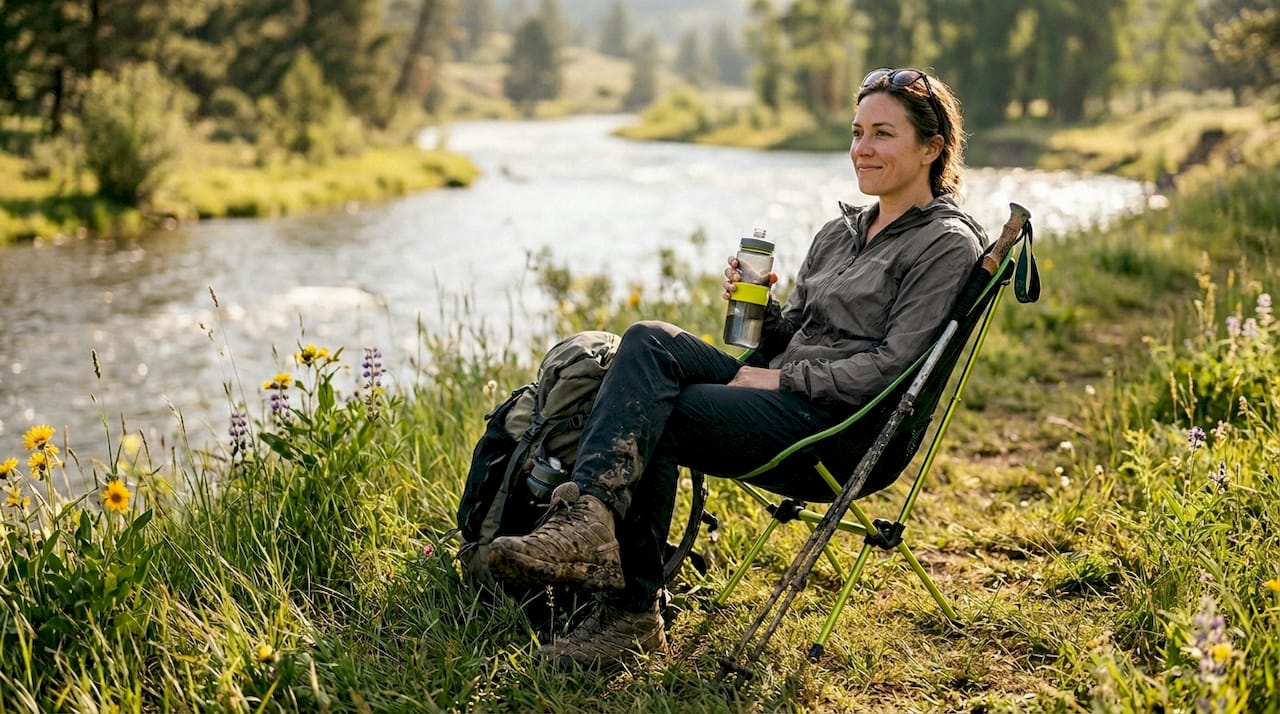
Portable seating does more for a first trip than most beginners expect. After a few hours of hiking or setting up camp, sitting on a cooler or a log gets old fast, and recovery matters as much as the activity itself.
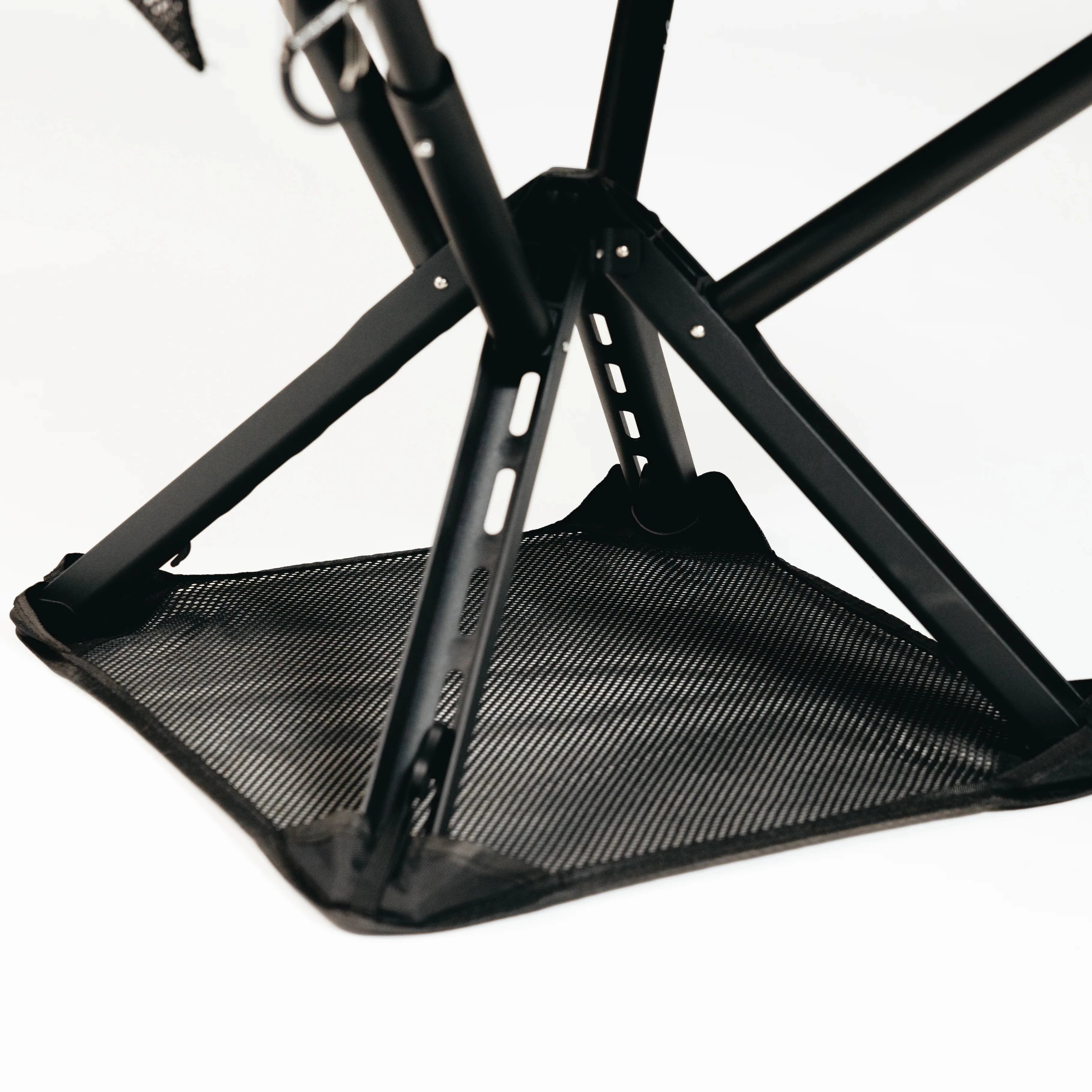
Look for a chair that’s lightweight, folds down small enough to not eat your trunk space, and still holds real weight without wobbling. Setup order matters too: pitch your shelter first, then get seating and dry clothes sorted before you worry about anything else.
Comfort isn’t a luxury add-on to a first camping trip, it’s what determines whether you want to go again. A good chair costs less trunk space than a second cooler and does more for your mood at 8 p.m.
Sitpack’s gear selection guide focused on comfort breaks down what to prioritize when weight and pack size both matter.
The conventional camping checklist treats every item as equally urgent, and that’s the mistake. A first-timer staring down a 40-item list has no way to know that the tent’s rainfly matters more than the extra tarp, or that a sleeping pad’s insulation matters more than its cushioning.
Beginners consistently overpack luxury extras (string lights, a second cooking pot, camp decor) while underpacking the multipurpose basics that actually solve problems: a good multi-tool, extra socks, a chair that doesn’t collapse under real weight. That imbalance isn’t about effort, it’s about not knowing yet what earns its spot in the trunk.
The practice-pitch step gets skipped more than anything else on this list, and it’s the single highest-leverage thing a beginner can do. Ten minutes staking a tent in the backyard prevents an hour of confused fumbling at dusk with a stranger’s headlamp beam pointed at your instructions. Prioritize testing gear over buying more of it. A car-camping trip fails from missing pieces and cold nights, not from a lack of accessories.
— Jonas
There are other ways to solve camp comfort: bulky folding chairs from a big-box store, or just toughing it out on a cooler lid. Neither holds up well once you’re three trips in and tired of hauling dead weight for a chair that barely folds smaller than a laptop bag.
Sitpack builds portable seating specifically for people who want comfort without sacrificing trunk space or pack weight, including foldable chairs and stools designed to collapse down small while still holding real weight. That combination matters most for beginners still figuring out what’s worth carrying and what isn’t. Pair a Sitpack chair with the minimalistic, lightweight gear approach that keeps your first trips simple rather than overloaded.
If you’re building your first camping kit right now, check the current Campster II and Sitpack Zen lineup at Sitpack and see which size and load capacity fits your next trip.