カート
0
サインアップすると注文から 10 ドル割引になります
配達予定
1〜3日
こちらもおススメ
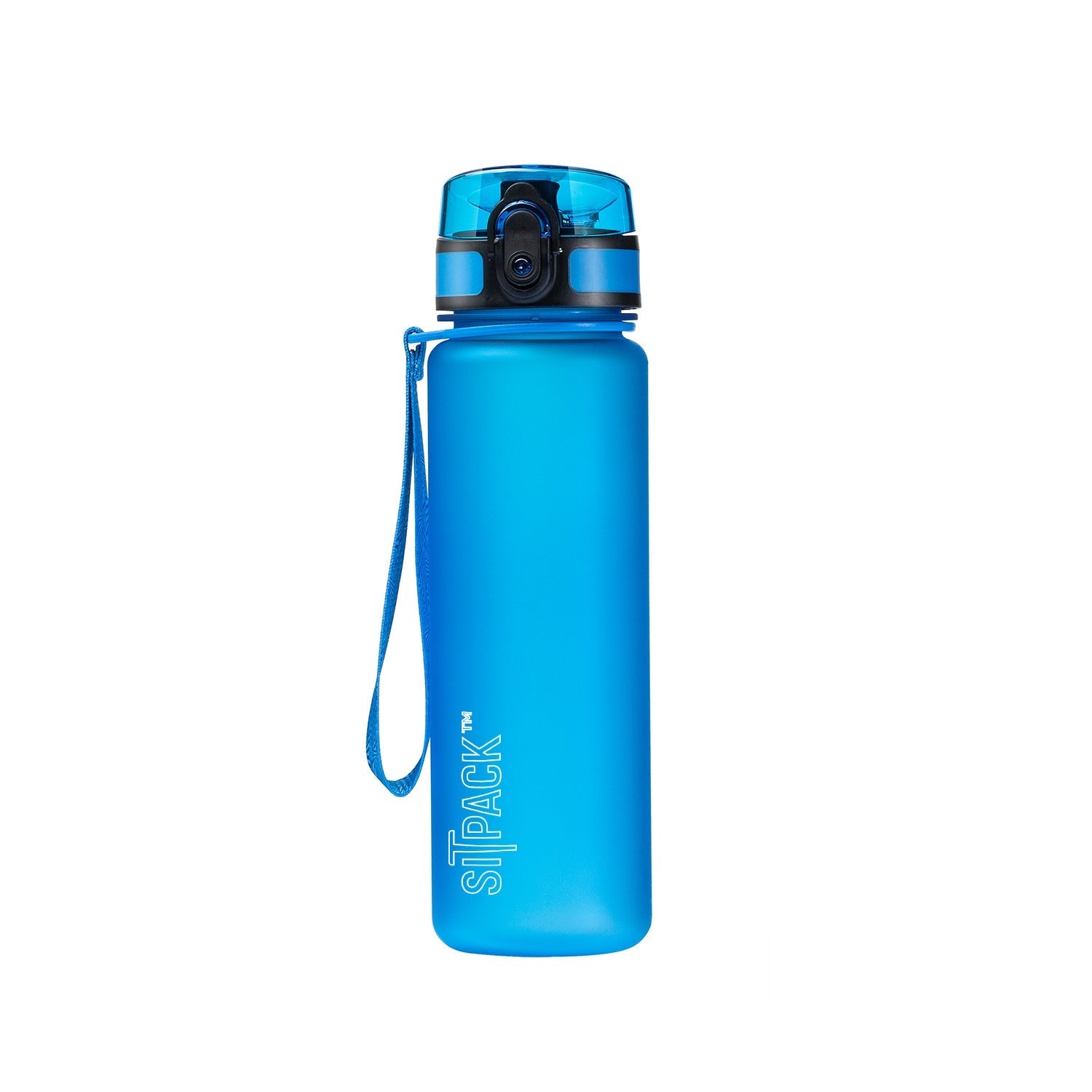
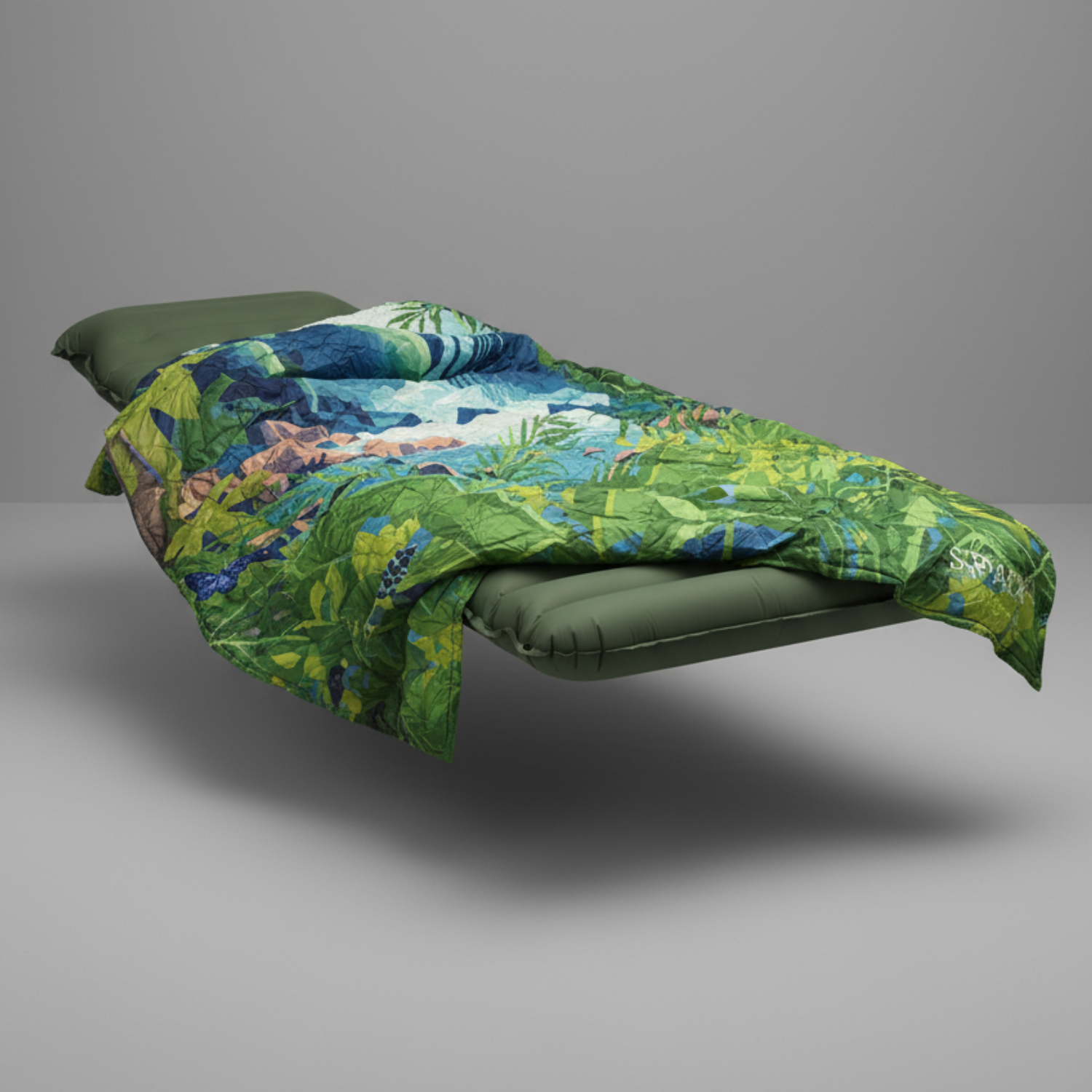
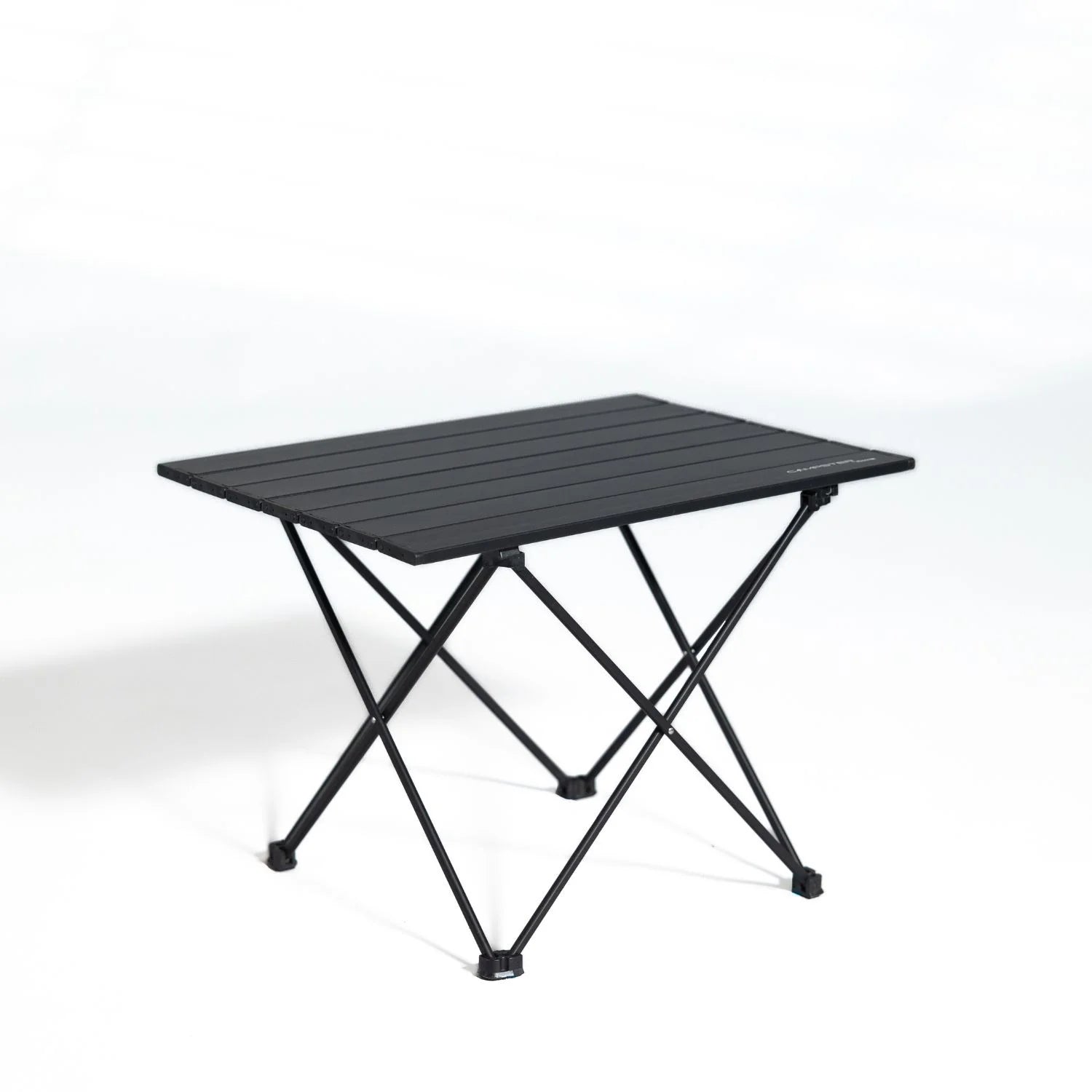
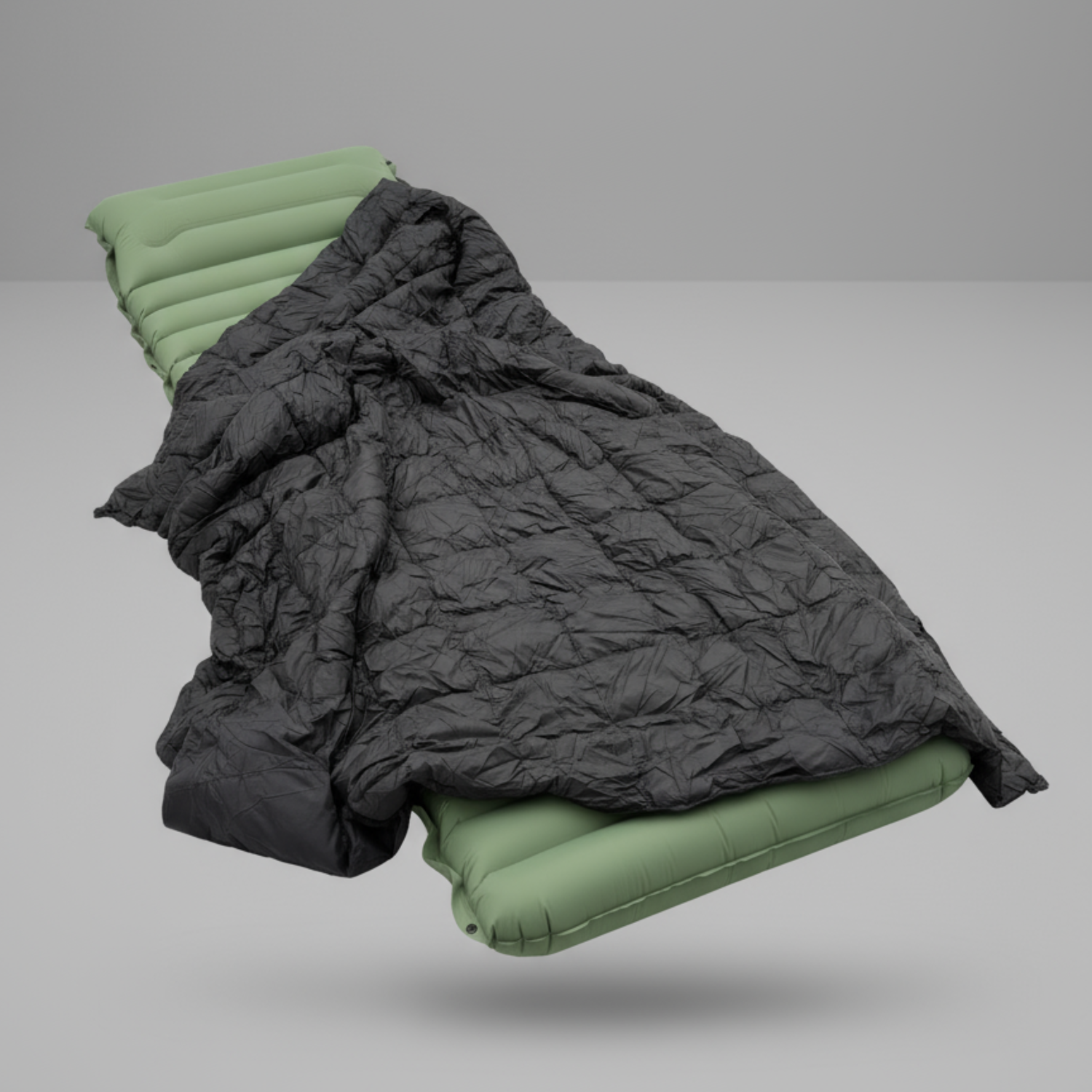


デンマークの会社

TL;DR:
- The best ultralight sleeping bags balance weight, temperature rating, and durability for your specific backpacking needs. The Feathered Friends Swallow UL 20 offers exceptional warmth-to-weight and quality, making it ideal for three-season hiking. Quilts like the Enlightened Equipment Revelation provide customization and weight savings but require a high-R-value pad and stillness during sleep.
For most ultralight backpackers, the sweet spot is a down mummy or a hoodless quilt weighing light enough for efficient backpacking. The Feathered Friends Swallow UL 20 is the best overall pick for three-season warmth and weight, the Sea to Summit Spark 30 is the go-to for summer fastpacking, the Enlightened Equipment Revelation leads the quilt category, and the Western Mountaineering HighLite wins for absolute minimum weight.
Quick orientation before you dive in:
Here are the top picks across the most useful categories, with the core specs you need to compare quickly.
| Category | Model | Weight (oz) | Temp Rating | Fill Type / Power | Packed Vol. | Price Band |
|---|---|---|---|---|---|---|
| Best overall | Feathered Friends Swallow UL 20 | ~18 oz | 20°F | 900FP goose down | — | $$$$ |
| Lightest mummy | Western Mountaineering HighLite | ~16.2 oz | 35°F | 850+ FP goose down | Very small | $$$ |
| Best value | REI Co-op Magma 30 | ~19 oz | 30°F | 850FP down | ~4 L | $$ |
| Best quilt | Enlightened Equipment Revelation | ~14–16 oz | 20°F (custom) | 850FP down | ~2–3 L | $$$ |
| Best for cold | Mountain Hardwear Phantom 0 | ~28 oz | 0°F | 800FP down | ~4.5 L | $$$$ |
| Best summer bag | Western Mountaineering SummerLite | ~19 oz | 32°F | 850+ FP goose down | Small | $$$ |
| Best synthetic | Marmot Trestles Elite Eco 20 | ~38 oz | 20°F | Recycled synthetic | ~6 L | $$ |
| Best budget | Kelty Cosmic Down | — | 20°F | 600FP down | ~5 L | $ |
The Feathered Friends Swallow UL 20 earns the overall crown because it pairs near-20°F performance with a weight class that most premium bags reserve for 30°F ratings. CleverHiker’s team slept in it 100 times across the Cascades, Rockies, and Sonoran Desert and called it worth every penny for warmth, comfort, and trail weight combined.
For thru-hikers, the Enlightened Equipment Revelation quilt is the most popular choice because it’s fully customizable by temperature, fill weight, and fabric. Fastpackers who already carry a hooded puffy will find the quilt system saves meaningful grams without sacrificing warmth. Weekend warriors on a budget should look hard at the REI Co-op Magma line before spending premium prices.
The table below covers the full field. Manufacturer specs are used throughout; where independent measurements differ, that’s noted in the mini-reviews below. Shell denier is a proxy for durability: lower denier means lighter but more fragile fabric, so knowing how to choose tactical gear for adventure travel can help you pick the right balance between weight and toughness.
| Model | Temp (°F) | Weight (oz) | Packed Vol. | Fill / Power | Shape | Shell Denier | Best For |
|---|---|---|---|---|---|---|---|
| Feathered Friends Swallow UL 20 | 20°F | ~18 oz | — | Down / 900FP | Mummy, hooded | 10D | 3-season thru-hiking |
| Sea to Summit Spark 30 | 30°F | 17.4 oz | ~4.5 L | Down / 850+ FP | Mummy, hooded | 10D | Summer fastpacking |
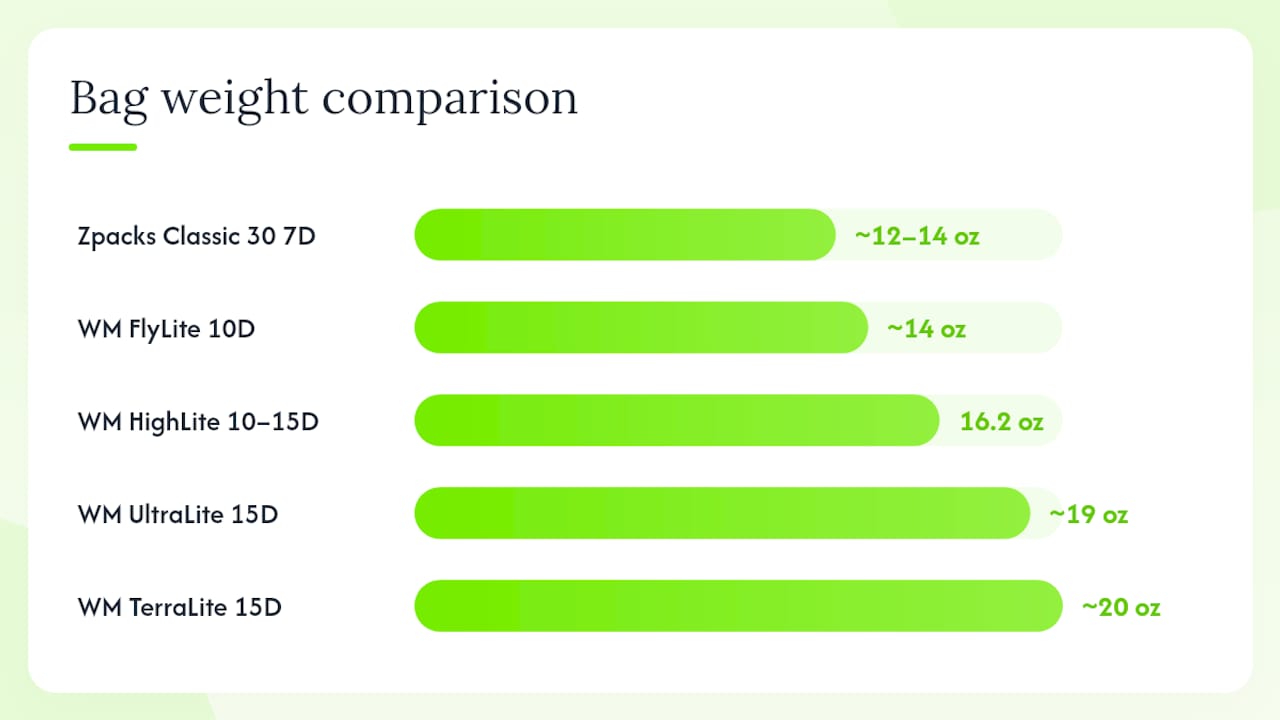
| Western Mountaineering HighLite | 35°F | 16.2 oz | Very small | Down / 850+ FP | Mummy, hooded | 10–15D | Ounce-counting hikers |
| Western Mountaineering UltraLite | 20°F | ~19 oz | Small | Down / 850+ FP | Mummy, hooded | 15D | Premium 3-season |
| Western Mountaineering MegaLite | 30°F | ~17 oz | Small | Down / 850+ FP | Mummy, hooded | 15D | 3-season durability |
| Western Mountaineering SummerLite | 32°F | ~19 oz | Small | Down / 850+ FP | Mummy, hooded | 15D | Hot-weather trips |
| Western Mountaineering FlyLite | 30°F | ~14 oz | Very small | Down / 850+ FP | Mummy, hooded | 10D | Extreme ultralighters |
| Western Mountaineering TerraLite | 25°F | ~20 oz | Small | Down / 850+ FP | Mummy, hooded | 15D | Shoulder-season |
| Zpacks Classic 30 | 30°F | ~12–14 oz | ~2 L | Down / 900FP | Hoodless mummy | 7D | Ultralight purists |
| Enlightened Equipment Revelation | 20°F | ~14–16 oz | ~2–3 L | Down / 850FP | Quilt | Varies | Custom quilt system |
| Enlightened Equipment Enigma Quilt | 20°F | 12–14 oz | ~2–3 L | Down / 850FP | Quilt | Varies | Custom fit/fabric |
| Enlightened Equipment APEX | 20°F | ~16–18 oz | ~3 L | Synthetic (APEX) | Quilt | Varies | Wet-condition quilt |
| Feathered Friends Vireo UL | 30°F | ~12–14 oz | Very small | Down / 900FP | Hoodless/quilt-style | 10D | Fastpackers with puffy |
| Feathered Friends Flicker UL | 20°F | ~14–16 oz | Small | Down / 900FP | Quilt | 10D | Versatile quilt system |
| Therm-a-Rest Vesper Down Quilt | 32°F | ~12 oz | ~2 L | Down / 800FP | Quilt | 10D | Ultralight summer quilts |
| REI Co-op Magma 30 | 30°F | ~19 oz | ~4 L | Down / 850FP | Mummy, hooded | 15D | Budget 3-season |
| REI Co-op Magma 15 | 15°F | — | ~5 L | Down / 850FP | Mummy, hooded | 15D | Cold-night coverage |
| Mountain Hardwear Phantom 0 | 0°F | ~28 oz | ~4.5 L | Down / 800FP | Mummy, hooded | 15D | Cold-weather fastpacking |
| Mountain Hardwear Bishop Pass 15 | 15°F | — | ~4.5 L | Down / 800FP | Mummy, hooded | 20D | Durable cold-season |
| Neve Gear Waratah 28 | 28°F | ~16–18 oz | Small | Down | Mummy | Varies | Light-and-fast 3-season |
| Zenbivy Ultralight Muscovy Bed | 30°F | ~18–20 oz | Small | Down | Hybrid quilt/bag | Varies | Simplicity-first packers |
| NEMO Disco 15 | 15°F | ~28 oz | ~5 L | Down / 800FP | Spoon-shaped mummy | 20D | Comfort-focused hikers |
| NEMO Disco 15 Endless Promise | 15°F | ~28 oz | ~5 L | Recycled down | Spoon-shaped mummy | 20D | Eco-conscious comfort |
| Exped Terra 15 | 15°F | ~28 oz | ~5 L | Down | Mummy, hooded | 20D | Brand-supported 3-season |
| Kelty Cosmic Down | 20°F | — | ~5 L | Down / 600FP | Mummy, hooded | 30D | Budget entry-level |
| Marmot Trestles Elite Eco 20 | 20°F | ~38 oz | ~6 L | Recycled synthetic | Mummy, hooded | 30D | Wet conditions |
| Teton Sports Trailhead 20 | 20°F | — | ~7 L | Synthetic | Mummy, hooded | — | Car-camping/casual |
A quick note on specs: manufacturer weights are measured without stuff sacks and sometimes without zipper pulls or cord locks. Independent scales often read 0.5–2 oz heavier. When weight is the deciding factor, verify with a kitchen scale before your trip.
This is the bag that makes experienced hikers stop complaining about the price. At roughly 18 oz with 900FP goose down and a 20°F rating, it delivers warmth-to-weight numbers that most bags reserve for 30°F models. The 10D shell is genuinely fragile, so treat it accordingly, but the construction quality from Feathered Friends is among the best in the industry. Three-season thru-hikers who sleep cold will find this their most-used piece of kit.
Pros: Exceptional warmth-to-weight, premium goose down, excellent loft retention Cons: Expensive, 10D shell requires careful handling, limited size options
The Spark 30 weighs 17.4 oz and compresses to about 4.5 L, which puts it in serious contention for summer and shoulder-season fastpacking. Sea to Summit builds it with 850+ RDS-certified hydrophobic down, a 10D shell and liner, and a zipper plough to prevent fabric snagging during rapid entry. The Spark 45 (Regular) drops to 12.8 oz if you’re chasing absolute minimum weight for warm routes.
Pros: Reliable zipper system, hydrophobic down, excellent packed volume Cons: 30°F rating is marginal for cold sleepers, 10D shell is delicate
At about 16.2 oz, the HighLite is one of the lightest hooded mummy bags from any premium manufacturer. It’s a 35°F bag, so it’s genuinely a warm-weather tool, but paired with a hooded puffy it handles shoulder-season temps without drama. Retail pricing sits around $435. The construction quality from Western Mountaineering means this bag will outlast several cheaper alternatives.
Pros: Extremely low weight, premium construction, trusted brand Cons: 35°F limit means it’s summer-only without layering, premium price
“Ultralight doesn’t need to equal ultratight: continuous baffles and ergonomic cuts let bags be light without feeling constrictive.” — Western Mountaineering
The UltraLite is the three-season workhorse of the Western Mountaineering lineup. At roughly 19 oz with a 20°F rating, it balances durability and weight better than most competitors in its class. Continuous baffles prevent down migration, and the 15D shell holds up to multi-month use in a way that 10D bags simply don’t. If you’re doing a long trail and want a bag that finishes the journey looking like it started it, this is the one.
Pros: Continuous baffles, durable 15D shell, excellent warmth-to-weight Cons: Heavier than the HighLite, higher price than REI alternatives
The Zpacks Classic is the choice for ultralight purists who’ve already accepted that a hoodless bag requires a hooded puffy. At 12–14 oz with 900FP down and a 7D shell, it’s among the lightest mummy-style bags available. That 7D shell is genuinely fragile, and the hoodless design means you’re committing to a layered sleep system. For thru-hikers who already carry a down jacket, the weight savings are real.
Pros: Exceptional warmth-to-weight, very low packed volume, convertible system Cons: 7D shell tears easily, hoodless design requires a separate hood solution
The Revelation is the quilt that converted thousands of mummy-bag loyalists. Fully customizable by temperature rating, fill weight, and fabric, it lets you dial in exactly the bag you need rather than buying the closest approximation. The APEX version swaps down for synthetic insulation, which is the smarter call for wet Pacific Northwest or Appalachian Trail conditions. Strong community support and a direct-to-consumer model keep prices honest.
Pros: Fully customizable, strong value, active user community Cons: Quilts require technique; lead times can be long for custom orders
The Enigma is the Revelation’s sibling with more fabric and fill options, including lighter shell choices for gram-counters. The customization depth is impressive, and the community around Enlightened Equipment means you’ll find detailed user reviews for nearly every configuration. Best for backpackers who want to fine-tune their sleep system over multiple seasons.
Zipperless, hoodless, and extremely light at 12–14 oz, the Vireo UL is essentially a quilt in mummy-bag clothing. It’s built for runners and fastpackers who already carry a hooded puffy and sleep on a high-R pad. The weight savings over a conventional hooded mummy are real, but the system only works if your pad R-value is genuinely high and you sleep relatively still.
Pros: Very low weight, minimal packed size, premium down Cons: No zipper, no hood, system-dependent performance
At roughly 12 oz, the Vesper is one of the lightest 32°F quilts available. It’s a summer-only tool, but for fastpackers chasing miles in July and August, it’s hard to beat the packed volume. The attachment system works well with Therm-a-Rest pads, which is a genuine convenience if you’re already in that ecosystem.
The Magma line is the answer to “how do I get 850FP down performance without paying Feathered Friends prices?” The Magma 30 hits around 19 oz with solid packability; the Magma 15 adds warmth for colder nights with a broad size matrix at a single price point. Neither bag matches the warmth-to-weight of the premium options, but for budget-conscious backpackers, the gap is smaller than the price difference suggests.
Pros: Broad size range, solid value, 850FP down Cons: Heavier than premium alternatives, less refined construction
When the temperature drops below 10°F and you still want to move fast, the Phantom 0 is the bag to reach for. At roughly 28 oz with an 800FP down fill and a 0°F lower-limit rating, it’s the heaviest bag in this roundup, but it’s also the warmest. Cold-weather fastpackers doing winter routes or high-altitude pushes will find it earns its weight.
A newer entry from a smaller manufacturer, the Waratah 28 targets the 28°F three-season market with competitive weight-to-volume numbers. It’s worth watching for backpackers who want to support smaller brands and get solid specs without paying flagship prices.
The Muscovy Bed’s hybrid quilt-and-bag design simplifies the sleep system for packers who find traditional quilts fiddly. It’s not the lightest option, but the design logic is sound for hikers who want quilt-style packability with bag-style ease of use.
The Disco’s spoon-shaped cut gives side sleepers more room to move without the weight penalty of a traditional rectangular bag. The Endless Promise version uses recycled down. Neither is the lightest option at roughly 28 oz, but for comfort-focused hikers who’ve given up on sleeping like a mummy, the geometry makes a real difference on multi-night trips.
Synthetic insulation gets a bad reputation in ultralight circles, but the Trestles Elite Eco 20 makes a genuine case for wet-condition trips. Recycled synthetic fill keeps performing when wet in a way that down simply doesn’t, and the eco-friendly materials are a real differentiator. At roughly 38 oz it’s heavier than any down option here, but for the Olympic Peninsula or rainy Appalachian sections, that weight buys real insurance.
Both are entry-level options for hikers who want to try backpacking without a major investment. The Kelty Cosmic Down uses 600FP down and is noticeably heavier than premium bags, but it’s a legitimate sleeping bag at a fraction of the cost. The Teton Sports Trailhead 20 is synthetic and heavy enough that it’s really a car-camping bag that occasionally goes on trail. Buy either as a starter, then upgrade when you know what temperature rating and weight class you actually need.
The decision framework is simpler than most gear guides make it look. Work through these steps in order:
Questions to ask before you buy:
Red flags to avoid:
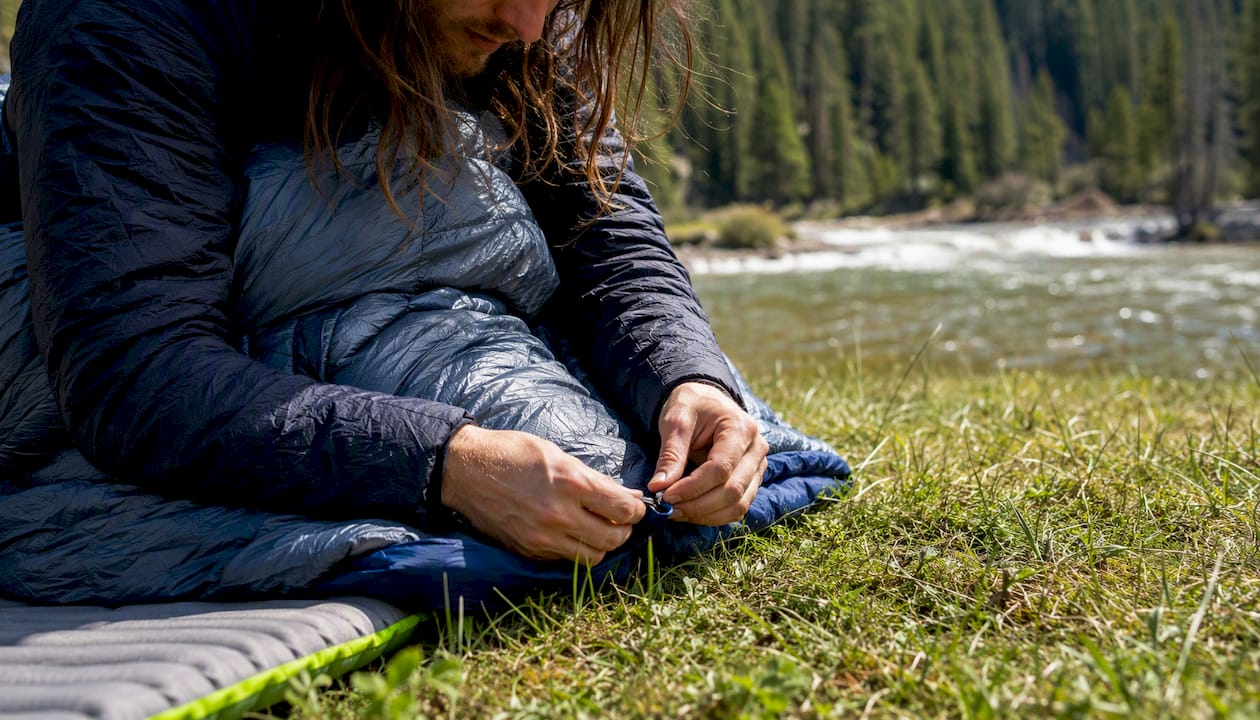
The weight savings from a quilt are real. A well-designed quilt at a given temperature rating typically runs 2–5 oz lighter than a comparable mummy bag, and the packed volume advantage is even more pronounced. But those savings come with genuine trade-offs that matter on cold nights.
| Feature | Mummy Bag (hooded) | Quilt / Hoodless Bag |
|---|---|---|
| Thermal efficiency | High (no drafts) | Moderate (draft risk at edges) |
| Weight | Higher | Lower |
| Packed volume | Larger | Smaller |
| Pad dependency | Low | High (R-value 4+ needed) |
| Sleep style | Any | Best for still sleepers |
| Versatility | Good | Excellent (vent easily) |
| System complexity | Simple | Requires puffy + pad pairing |
Experienced ultralight hikers commonly transition to hoodless bags or quilts and rely on a separate hooded puffy for head insulation, saving grams while maintaining effective thermal performance. The system works beautifully when all the pieces are right. It falls apart on a cold, windy night when you’re rolling around and the quilt slips off the pad.
Continuous baffles vs. sewn-through baffles: Continuous baffles (where the baffle walls are not stitched through to the outer shell) prevent cold spots by allowing down to shift within the baffle channel. Sewn-through construction is lighter but creates thin lines of minimal insulation. For bags below 25°F, continuous baffles are worth the small weight penalty.
Shell denier and durability: A 10D shell on the Sea to Summit Spark is genuinely impressive engineering, but it requires care. Dragging a 10D bag across granite or cramming it into a pack with sharp objects will eventually cause a tear. The Western Mountaineering UltraLite’s 15D shell adds minimal weight and handles multi-month abuse far better.
Pro Tip: If you’re switching from a mummy bag to a quilt, do a backyard test night first. Sleep on your actual trail pad with your actual puffy jacket as the hood. If you wake up cold at 2 AM, you’ll know before you’re 10 miles from the trailhead.
Transparency matters here, so here’s exactly how the picks in this guide were evaluated.
Testing at the stated temperature limit is the only honest way to evaluate a bag. A 20°F bag that feels warm at 35°F tells you nothing useful. Push it to its limit before you trust it on a remote route.
On manufacturer vs. ISO ratings: ISO 23537 testing uses standardized mannequins and controlled conditions. Most ultralight brands use manufacturer ratings, which are typically optimistic by 5–10°F for cold sleepers. When a bag’s ISO comfort rating is published, use that number. When it’s not, add 5°F to the stated limit as a conservative buffer.
This is the single most common misconception in sleeping bag shopping, and it costs people money.
Fill power measures how many cubic inches one ounce of down occupies when fully lofted. Higher fill power means more loft per ounce, which is why 900FP down makes lighter bags than 600FP down at the same warmth level. But fill power alone tells you nothing about how warm a specific bag will be.
Total fill weight is the other half of the equation. A bag with 8 oz of 800FP down will be warmer than a bag with 4 oz of 950FP down, even though the second bag uses higher-quality insulation. Warmth-to-weight ratio is best compared by calculating down volume per ounce of total bag weight, which reveals how much usable loft you get for each ounce carried.
| Fill Power | Fill Weight | Approximate Down Volume | Warmth Level |
|---|---|---|---|
| 600FP | 10 oz | — | Moderate |
| 800FP | 8 oz | — | Good |
| 850FP | 7 oz | — | Good |
| 900FP | 6 oz | — | Good |
| 900FP | 8 oz | — | Excellent |
The practical takeaway: when comparing two bags at the same temperature rating, ask for fill weight. The bag with more total down volume will almost always sleep warmer, regardless of which has the higher fill power number.
Pro Tip: Ask any manufacturer for the fill weight in ounces before you buy. If they can’t or won’t tell you, that’s a signal worth heeding. Premium brands like Feathered Friends, Western Mountaineering, and Enlightened Equipment publish this number without hesitation.
The zipper plough on the Sea to Summit Spark is a small detail that matters more than it sounds. On a 10D shell, a snagged zipper doesn’t just slow you down; it can tear the fabric. The plough channels the zipper away from the shell, which is exactly the kind of engineering that separates a $400 bag from a $150 one.
A well-maintained ultralight bag will outlast several cheaper alternatives. Here’s the practical routine.
Packing for the trail:
Long-term storage:
Washing:
Repair tips for thin-shell bags:
The best sleeping bag is the one that matches your coldest expected night, not your warmest. Buy for the edge case, not the average.
Here’s the short version for each reader type:
| Reader Type | Best Pick | Why |
|---|---|---|
| 3-season thru-hiker | Feathered Friends Swallow UL 20 | Best warmth-to-weight at 20°F |
| Summer fastpacker | Sea to Summit Spark 30 or WM HighLite | Lowest weight for warm-weather miles |
| Quilt convert | Enlightened Equipment Revelation | Most configurable, best value in quilts |
| Cold-weather specialist | Mountain Hardwear Phantom 0 | Only credible 0°F ultralight option here |
| Budget backpacker | REI Co-op Magma 30 | 850FP down at a fraction of premium prices |
| Wet-condition hiker | Marmot Trestles Elite Eco 20 | Synthetic fill performs when down won’t |
| Comfort-first side sleeper | NEMO Disco 15 | Spoon-shaped cut solves the mummy problem |
Before you order:
The best lightweight backpacking sleeping bags balance fill weight, shell denier, and temperature rating for your specific use case, not just fill power or brand reputation.
| Point | Details |
|---|---|
| Match temp rating to your coldest night | Add a 5–10°F buffer to the manufacturer’s stated rating for cold sleepers. |
| Fill weight beats fill power | More total down volume at 800FP outperforms less down at 950FP; always ask for fill weight. |
| Shell denier determines durability | 10D shells are lightest but fragile; 15–20D shells survive multi-month thru-hiking. |
| Quilts need a high-R pad | A quilt only saves weight if your pad R-value is 4 or higher and you sleep relatively still. |
| Sitpack for camp comfort | Sitpack’s portable seating pairs naturally with an ultralight sleep system for full-camp comfort. |
There’s a version of this guide that just lists the lightest bags and calls it done. That version is wrong for most people, and here’s why.
The ultralight community has a tendency to optimize for a single metric, usually weight, and then rationalize everything else. A 12 oz quilt looks incredible on a spreadsheet. It looks less incredible at 3 AM when you’re cold, your pad has slipped, and you’re 15 miles from the nearest road. The picks in this guide were chosen by working backward from real conditions: what temperature will you actually face, how do you actually sleep, and what happens when the system doesn’t go perfectly?
The Feathered Friends Swallow UL 20 earns the overall recommendation not because it’s the lightest or the cheapest, but because it covers the widest range of three-season conditions without requiring a perfectly executed sleep system. The Enlightened Equipment Revelation earns the quilt recommendation because its customization means you can actually get the right bag for your conditions rather than the closest approximation. The Western Mountaineering bags earn their spots because the construction quality means they’ll still be performing in five years when cheaper alternatives have been patched and retired.
Budget matters, and the REI Magma line is a genuinely good bag. But if you’re doing serious miles in serious conditions, the premium options pay for themselves in warmth, reliability, and longevity. Buy the best bag you can afford for your coldest expected conditions, then take care of it.
| Source | What it covers |
|---|---|
| CleverHiker: Best Backpacking Sleeping Bags | Long-term field testing across hundreds of nights; best for overall and cold-weather picks |
| OutdoorGearLab: Best Ultralight Sleeping Bag | Measured specs, warmth-to-weight comparisons, and hoodless system testing |
| iRunFar: Best Ultralight Sleeping Bags | Fastpacking-specific rankings and use-case trade-offs |
| Adventure Alan: Ultralight Sleeping Bags | Warmth-to-weight calculations and fill-weight methodology |
| Sea to Summit Spark product page | Official specs: shell denier, zipper plough, baffle construction, hydrophobic down treatment |
| Western Mountaineering HighLite | Official specs and construction details for the lightest WM mummy bag |
| Western Mountaineering UltraLite | Continuous baffle design and 3-season durability specs |
| TrailGroove: Best Backpacking Sleeping Bags by Temperature | Temperature-band selection guide for three-season and cold-weather bags |
On interpreting specs: manufacturer weights are measured under controlled conditions and often exclude small components. Independent testing consistently reads 0.5–2 oz heavier. Temperature ratings from ISO 23537 testing are more reliable than manufacturer-only ratings; when ISO data is available, use the comfort rating, not the lower-limit rating, as your planning number.
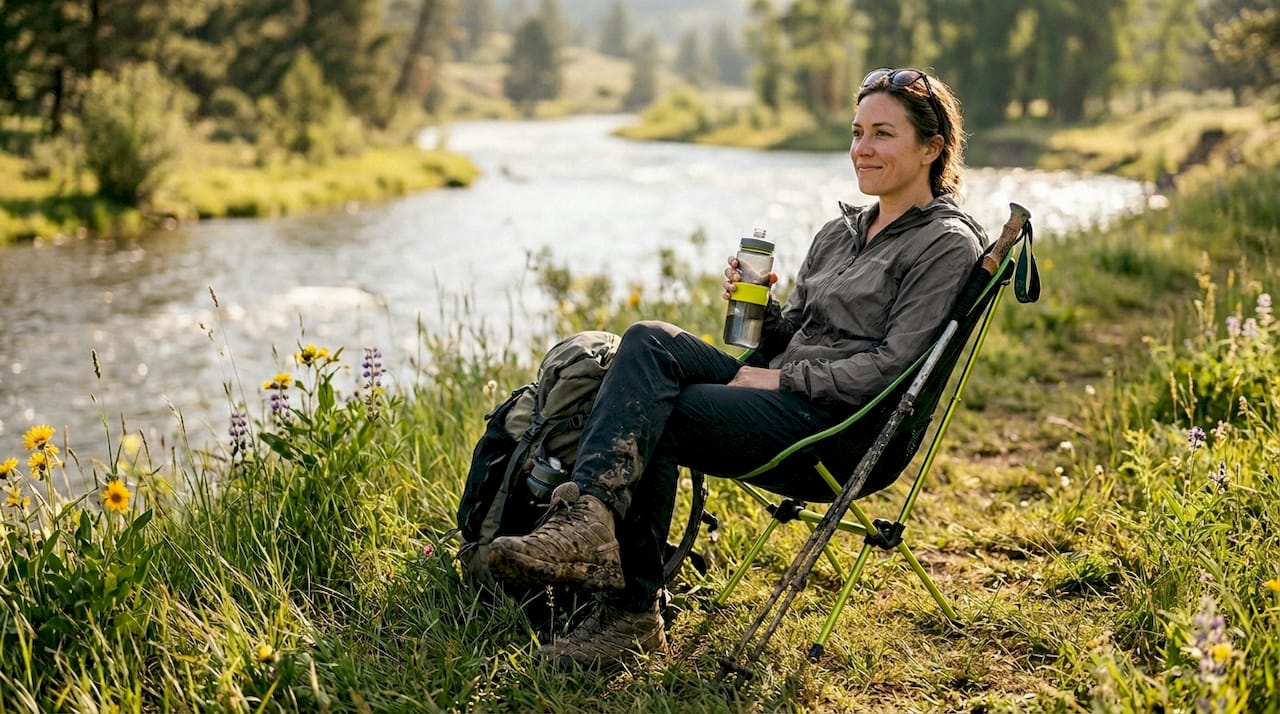
You’ve got the sleeping bag dialed in. Now think about what happens the other 14 hours of the day when you’re not in it. Sitting on rocks, roots, and wet ground gets old fast, especially on a long thru-hike or a multi-day fastpacking trip. That’s where Sitpack comes in.
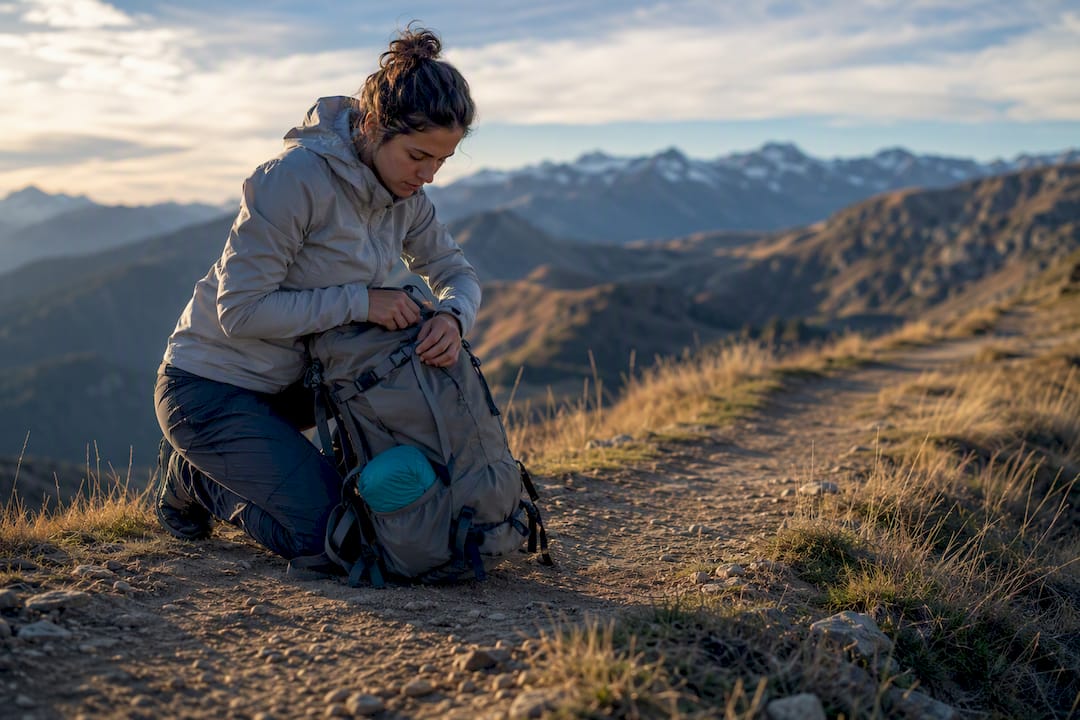
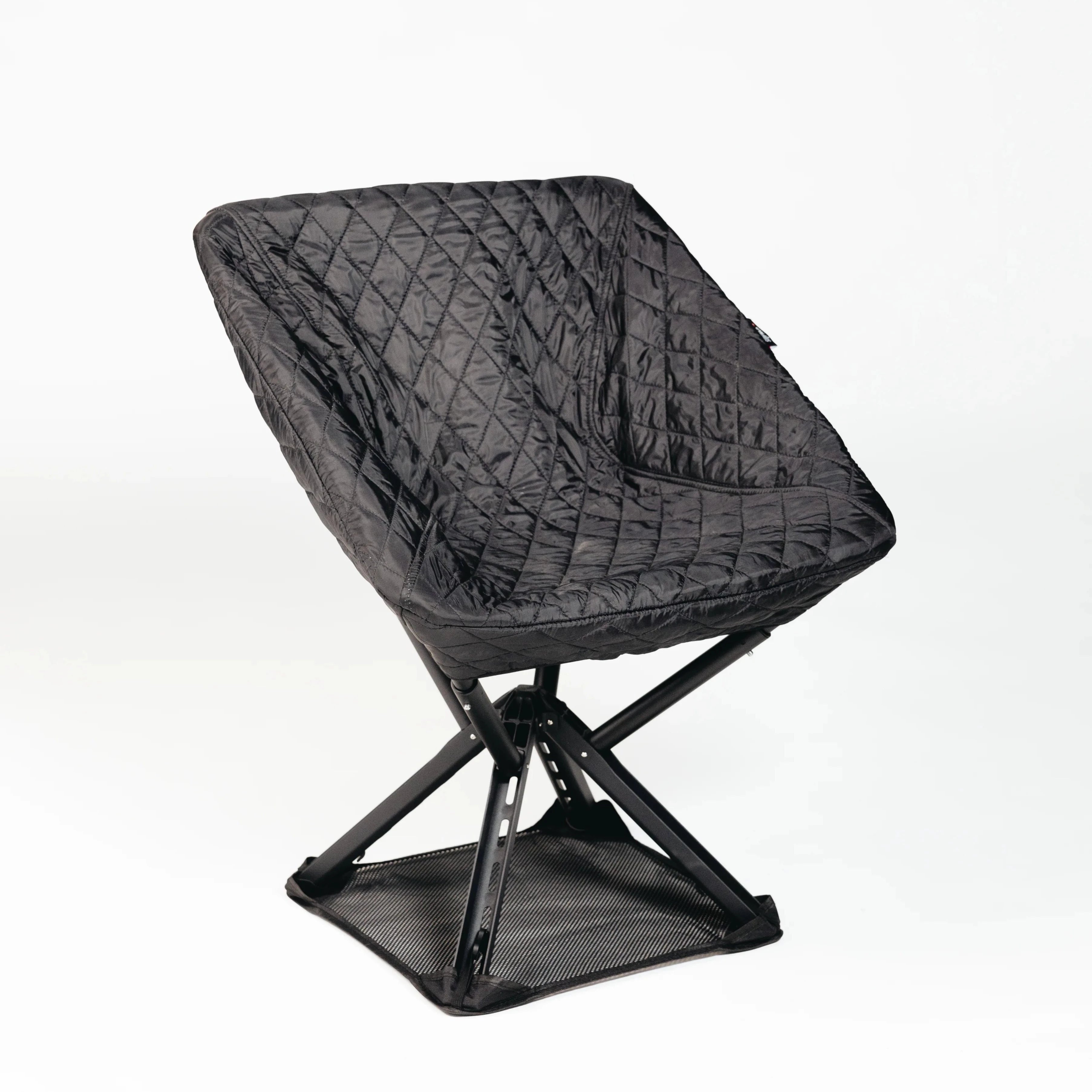
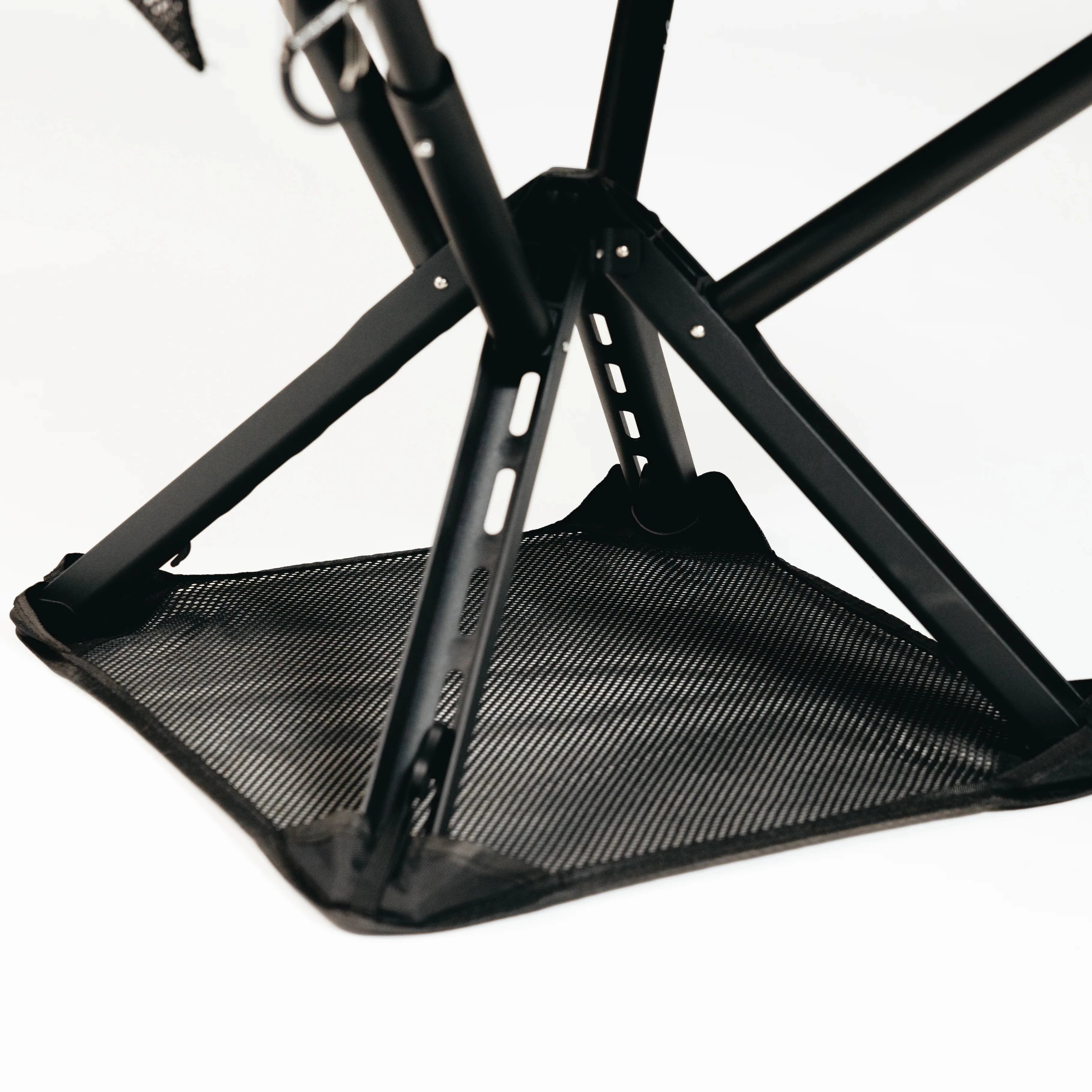
Sitpack makes portable, foldable camp chairs that weigh almost nothing and pack down to the size of a water bottle. The Campster II and Sitpack Zen are built for exactly the kind of minimalistic camping gear philosophy that drives ultralight sleeping bag choices: less weight, less bulk, more time enjoying the trail. Every product ships with a 45-day satisfaction guarantee and a lifetime warranty, so you’re not gambling on a cheapo chair that collapses on the second night.
If you’re already investing in a premium sleep system, a proper camp seat is the logical next piece of the puzzle. Check out the full lineup at sitpack.com and find the model that fits your pack and your posterior.