カート
0
サインアップすると注文から 10 ドル割引になります
配達予定
1〜3日
こちらもおススメ


デンマークの会社


Finding a truly comfortable seat outdoors can feel like a challenge whether you are hiking near Berlin, exploring a Tokyo street festival, or relaxing on a New York rooftop. Comfort outdoors is deeply shaped by thoughtful design choices in landscape and the gear you bring, from shade to airflow to seating materials. If you care about sustainability and crave portable solutions that work everywhere, you will find practical insight here on how design elevates comfort and adapts to the demands of global outdoor adventures.
| Point | Details |
|---|---|
| Importance of Design for Comfort | Effective design involves more than aesthetics; it significantly influences outdoor comfort through aspects like shade, airflow, and material selection. |
| Tailored Seating Solutions | Selecting the right type of seating, such as portable chairs or lounge chairs, is crucial for optimizing comfort based on specific outdoor conditions and user needs. |
| Sustainability and Durability | Choosing eco-friendly materials not only benefits the environment but also ensures long-lasting seating solutions that withstand various outdoor conditions. |
| Avoiding Common Pitfalls | Be mindful of design limitations, such as ignoring environmental variability and user feedback, to enhance overall outdoor comfort experiences. |
Design is far more than aesthetics when it comes to outdoor spaces. It directly shapes how comfortable and enjoyable your time outside actually feels. When you’re sitting on a portable chair in a park, at a music festival, or on a hiking trail, the physical environment around you—the shade, the wind patterns, the ground beneath you—all stem from intentional design choices. These choices determine whether you’re relaxed or shifting uncomfortably every few minutes.
The science backs this up. [Outdoor thermal comfort research] (https://www.sciencedirect.com/science/article/pii/S0048969720336123) shows that design impacts everything from how microclimates form to how shade is distributed and ventilation flows around you. Think of it this way: a poorly designed outdoor space might leave you baking in direct sun with no airflow, while a well-designed one provides natural cooling, visual comfort, and a sense of shelter. Design handles all of this through spatial choices and material selection.
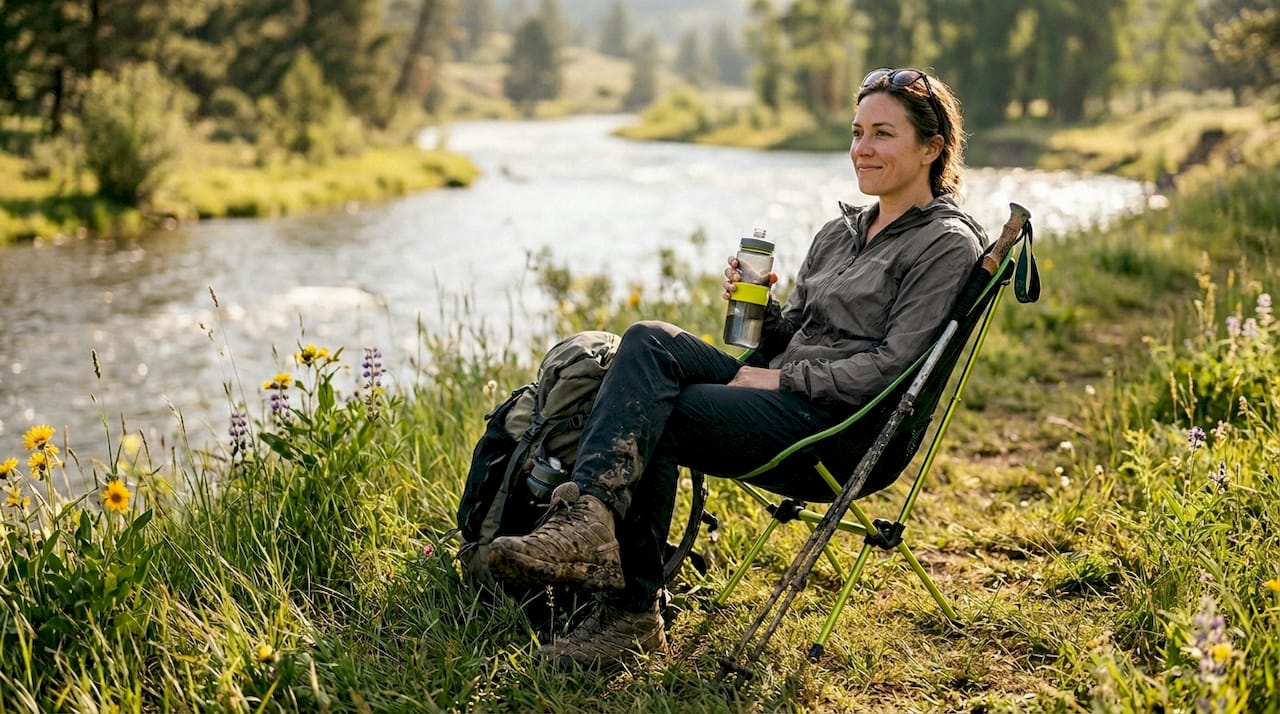
But here’s what makes this relevant to you as someone seeking portable seating solutions: design isn’t just about the fixed landscape. It extends to the gear you bring with you. Your portable chair’s design determines how well it adapts to different outdoor conditions. A minimalist, lightweight frame might perform differently than a heavily padded one when you’re camping in variable weather. The way your seating solution is designed—its angle, its height, its materials—becomes part of the larger outdoor comfort equation.
Research emphasizes [user-centered design accommodating diverse climatic conditions] (https://www.mdpi.com/2071-1050/17/5/2330) and cultural expectations globally. This means thoughtful design considers you specifically: your climate, your activity level, your preferences. A design that works beautifully in a Mediterranean summer might not serve someone in a cool forest environment equally well. The goal is creating solutions that adjust to real-world outdoor situations, not hypothetical perfect conditions.
Pro tip: When evaluating any outdoor seating solution, consider how its design works with your specific outdoor environment—think about shade availability, typical weather patterns, and terrain where you’ll use it most.
Outdoor seating isn’t one-size-fits-all. The type of seating you choose and how it’s arranged dramatically impacts your comfort and how long you’ll actually stay outside. Whether you’re setting up for a solo adventure or a group gathering, understanding your options helps you pick what works best for your situation.
[Diverse seating options like grouped benches and lounge chairs] (https://gxoutdoors.com/news/seating-selection-for-public-spaces-a-research-backed-guide) influence how long people use outdoor spaces and the quality of their experience. Fixed benches work well for passive observation and quick breaks. Lounge chairs suit relaxation where you have a stable base. Portable chairs? They’re the wildcards that adapt to wherever you are. A lightweight, foldable option gives you flexibility that a bench can’t match. You can position it exactly where you want, angle it how you need, and pack it away when you’re done.
Layout matters as much as the seating type itself. [Flexible modular arrangements allow adaptation to changing user needs] (https://gxoutdoors.com/news/seating-selection-for-public-spaces-a-research-backed-guide), whether you’re in a formal campus setting or a casual outdoor hangout. Linear rows of seating feel institutional. Grouped configurations encourage conversation and community. Scattered arrangements support both solitude and spontaneous social interaction. When you bring your own portable seat, you’re essentially creating your own layout wherever you go, which is why portable solutions appeal to independent travelers and urban explorers.
Accessibility and shade matter more than most people realize. Research shows users consistently need comfortable, adequately shaded seating to enhance their outdoor experience. If you’re selecting a spot, look for natural shade from trees or structures. If you’re choosing seating equipment, consider how the backrest angle, seat height, and material construction support your specific body and climate needs.
The best seating strategy? Match the type and layout to your actual use case. Solo travel demands portability and lightness. Group camping benefits from modular options that cluster together. Urban park sessions need something you can grab and go. Think about your most common outdoor scenarios first.
Here’s how different outdoor seating types compare based on flexibility, ideal use, and level of comfort:
| Seating Type | Flexibility Level | Best For | Typical Comfort Features |
|---|---|---|---|
| Fixed Bench | Low | Public parks, brief stops | Durable, limited cushioning |
| Lounge Chair | Moderate | Backyards, relaxing retreats | Reclined angle, thick padding |
| Portable Chair | High | Events, hiking, travel | Lightweight, folding, adjustable |
| Modular Seating | High | Group gatherings, events | Customizable layouts, easy movability |
Pro tip: Test your seating in different layouts by adjusting angles and positioning relative to sun, wind, and your companions to discover what feels most comfortable for your specific outdoor activities.
When designers craft outdoor spaces, they’re juggling several interconnected factors that determine whether you feel comfortable or miserable. The magic happens when these elements work together seamlessly.
Shade and airflow form the foundation of outdoor comfort. Direct sun exposure drains your energy quickly, while stagnant air makes heat feel oppressive. [Microclimate regulation through vegetation and spatial configurations] (https://www.wisdomlib.org/uploads/journals/mdpi-sust/2025-volume-17-issue-5--2071-1050-17-5-2330-.pdf) enhances airflow and reduces heat stress significantly. Trees provide natural cooling. Building placement creates wind corridors. Even your portable chair’s position matters, which is why orienting it toward natural breezes and existing shade transforms your experience.
Materials impact everything you can’t always see. [Design features relating to materials, shading, and surface treatments] (https://www.mdpi.com/2075-5309/15/16/2829) influence thermal, acoustic, and visual conditions in outdoor environments. Light-colored surfaces reflect heat instead of absorbing it. Breathable fabrics on your seat prevent that sticky, uncomfortable feeling. Natural materials like wood or canvas feel different against your skin than plastic or metal, especially when temperatures swing. Consider what your seating solution is made from, not just its shape.
Height and proportion affect how enclosed or exposed you feel. The ratio between building heights and street widths creates psychological comfort through spatial definition. This principle applies to your immediate seating area too. Sitting under a canopy or tree feels different from sitting completely exposed, even at the same temperature. The visual frame matters as much as the physical protection.
Green infrastructure goes beyond looking nice. Vegetation reduces ambient temperature, softens harsh light, and creates natural visual interest. When selecting outdoor spots for your portable seating, proximity to plants and water features genuinely improves your comfort level and mental well-being.
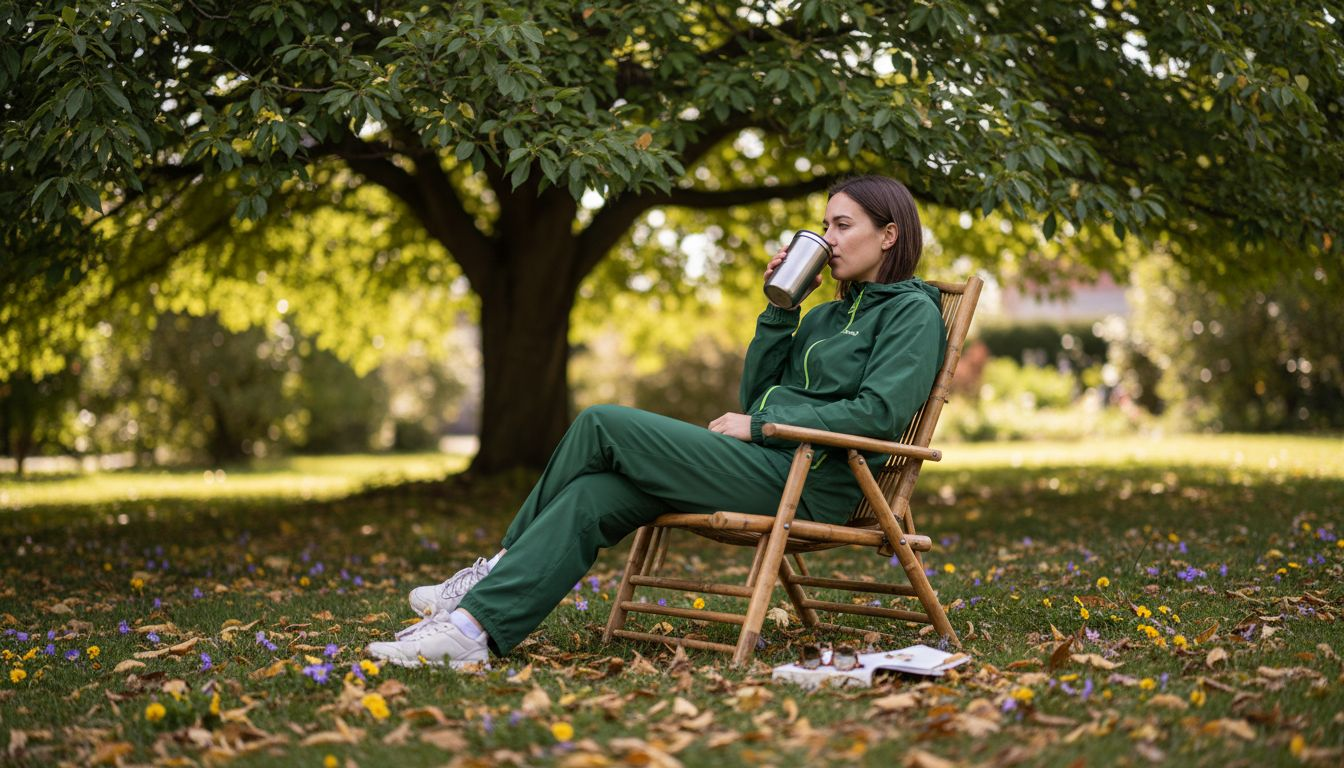
The best outdoor design integrates these features intentionally rather than including them as afterthoughts.
Pro tip: When setting up your portable seat, prioritize positioning near natural shade sources, vegetation, or structures that create favorable microclimates, and orient yourself to catch prevailing breezes for optimal thermal comfort.
Choosing eco-friendly outdoor seating isn’t just about feeling good. It’s about investing in gear that actually lasts while respecting the environment you’re exploring. The best sustainable materials offer genuine durability, not just marketing appeal.
Bamboo represents one of the most practical sustainable options available. It grows rapidly, making it highly renewable compared to traditional hardwoods. [Enhanced treatments using epoxy resin and UV absorbers] (https://www.mdpi.com/2071-1050/16/24/11282) significantly improve bamboo’s durability and resistance to moisture and UV degradation, making bamboo-based furniture viable for long-term outdoor use. This means your bamboo seat won’t crack, splinter, or degrade after a few seasons of exposure.
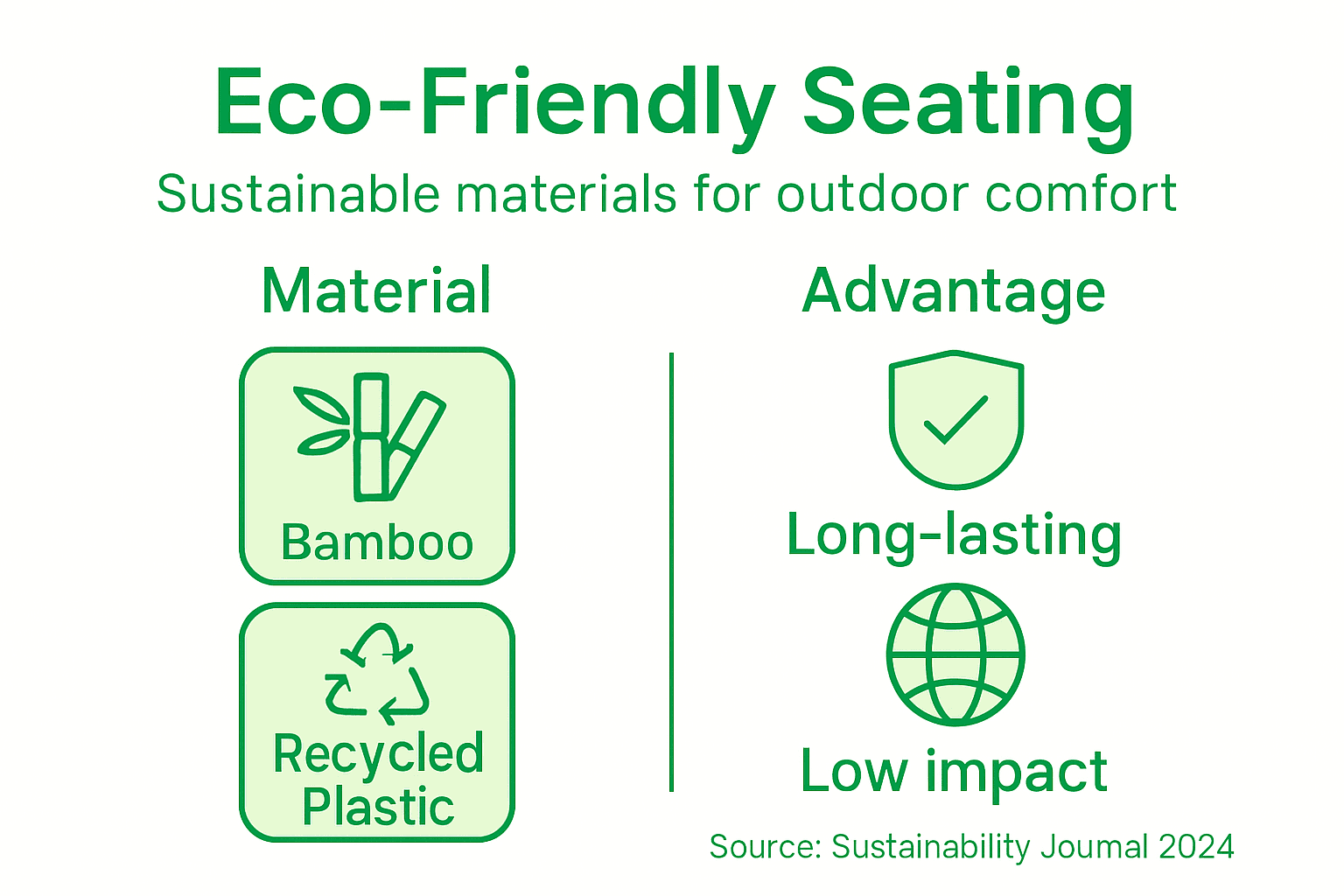
Recycled and renewable materials offer another powerful approach. [Sustainable outdoor furniture materials such as FSC-certified teak, recycled HDPE plastic, and recycled aluminum] (https://decondesigns.com/eco-friendly-outdoor-furniture-materials-ranked) provide varying durability and environmental benefits while resisting weathering effectively. Recycled HDPE plastic, for example, performs exceptionally well outdoors because it was engineered for durability from the start. When manufacturers reuse it, they get a material that’s already proven in harsh conditions. Reclaimed wood carries its own charm plus a meaningful reduction in environmental impact.
The durability advantage compounds over time. When your portable seating solution lasts five years instead of two, you’re not replacing it constantly. That means fewer resources consumed, less waste generated, and more money staying in your pocket. Quality eco-friendly materials often cost more upfront but deliver better value across their lifespan.
Lighter weight doesn’t mean weaker. Modern sustainable materials often match or exceed traditional options in strength while staying lighter. This matters significantly for portable seating. You get the environmental benefits without sacrificing the portability that makes these solutions appealing in the first place.
The intersection of sustainability and longevity transforms outdoor gear from a disposable purchase into a trusted companion for years of adventures.
Pro tip: Look for materials with certifications like FSC (Forest Stewardship Council) or recycled content labeling, and prioritize options with UV treatments or protective coatings that extend lifespan significantly.
This table summarizes key sustainable materials for outdoor seating and their primary benefits:
| Material | Durability Benefit | Environmental Advantage |
|---|---|---|
| Bamboo | UV and moisture resistant | Rapid renewable resource |
| Recycled HDPE | Resists weathering | Diverts plastic from landfill |
| FSC-Certified Teak | Long lifespan, sturdy | Sustainably harvested wood |
| Recycled Aluminum | Corrosion resistant | Lower energy to produce |
Not all outdoor comfort solutions work equally well. Designers and manufacturers often stumble by overlooking critical factors that real users encounter daily. Understanding these pitfalls helps you make smarter choices about your seating and outdoor setup.
Tunnel vision on temperature alone creates ineffective designs. [Focusing narrowly on thermal indices without considering spatial and social contexts] (https://www.mdpi.com/2071-1050/17/5/2330) limits design effectiveness significantly. A chair might be thermally efficient but positioned in an isolated spot where you feel disconnected. Temperature matters, but so does community, visual interest, and psychological comfort. The best outdoor experiences balance thermal performance with social and environmental factors.
Ignoring environmental variability leads to solutions that fail in real conditions. [Environmental variability such as fluctuating sun and shade exposure and inconsistent wind conditions] (https://www.sciencedirect.com/science/article/pii/S0378778802000828) constantly changes throughout the day and across seasons. A design that works perfectly on a still, overcast afternoon might be miserable in afternoon heat or evening wind. Quality outdoor comfort solutions adapt to these shifts rather than assuming static conditions.
One-size-fits-all approaches don’t work globally. What provides comfort in a Mediterranean climate feels wrong in a humid subtropical environment. Cultural expectations around personal space, social interaction, and sitting preferences vary dramatically. Design that neglects these differences alienates users. Your portable seating should accommodate diverse climates and use cases, not assume everyone shares identical comfort needs.
Overlooking user feedback creates fundamental gaps. The difference between objective measurements and what people actually experience matters enormously. Researchers might calculate perfect thermal conditions while users report discomfort because the seating feels isolating or unstable. Listen to real experiences, not just data.
Complexity without purpose overwhelms users. Overly complicated mechanisms or features add weight and frustration without genuine benefit. Simple, intuitive designs that address core comfort needs outperform feature-heavy alternatives consistently.
Pro tip: Test any outdoor seating solution across different seasons, times of day, and weather conditions before fully committing, and pay attention to how it feels psychologically, not just thermally.
The article highlights how user-centered design and tailored outdoor seating elevate your comfort by adapting to real-world environments. Challenges like fluctuating weather, shade availability, and material durability directly impact your outdoor experience. If you want a seating solution that truly works with your unique surroundings and activity level, consider lightweight, foldable designs crafted to deliver lasting comfort wherever you go.
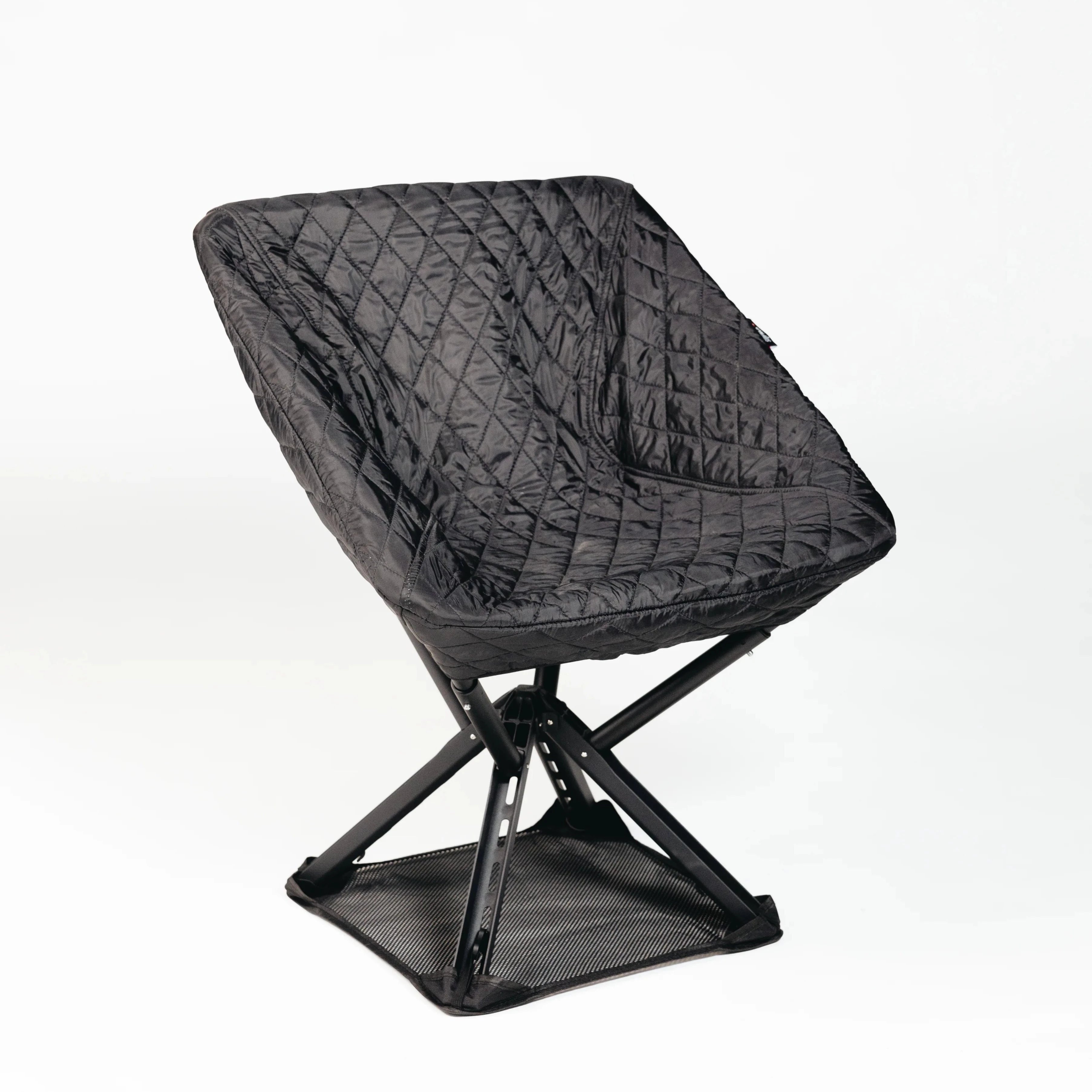
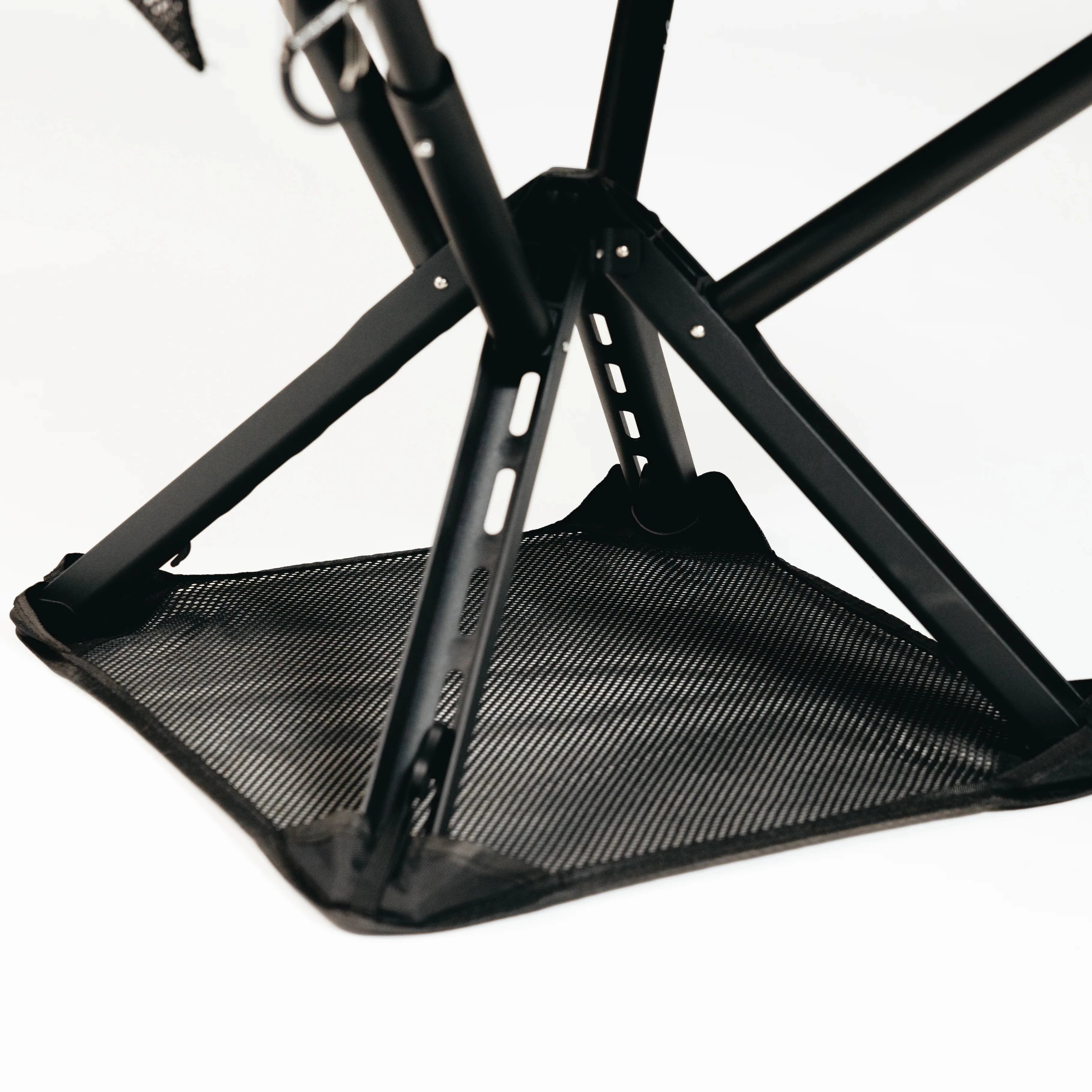
Explore innovative options like the Campster II and Sitpack Zen at Sitpack. These chairs emphasize portability, eco-friendly materials, and ergonomic features that align closely with best practices in outdoor comfort design. Act now to enjoy the blend of science-backed comfort and practical convenience with fast worldwide delivery and a 45-day satisfaction guarantee. Visit Sitpack and redefine your outdoor moments by choosing seating designed for your climate, your style, and your adventures.
Design shapes outdoor comfort through intentional choices that affect microclimates, shade distribution, and airflow, impacting the overall enjoyment of outdoor spaces.
Seating types such as fixed benches, lounge chairs, and portable chairs each offer unique benefits and comfort levels, influencing how long individuals will stay outside and their overall experience.
Consider materials, shade and airflow, height and proportion, and proximity to greenery, as these elements significantly affect comfort and usability in outdoor environments.
Evaluate your chair’s design, including weight, adjustability, and construction materials, ensuring it can adapt to different climates and terrains for optimal comfort.