The top eco-friendly seating options worth your attention right now
If you’re shopping for green seating solutions in 2026, the good news is that the category has genuinely matured. You’re no longer choosing between “sustainable” and “comfortable.” The best options today deliver both, and they’re made from materials that won’t quietly off-gas chemicals into your living room for months.
Here’s a quick-scan overview of the leading picks across categories:
-
Silk & Snow Natural Sofa — Canadian brand with a strong US presence; uses natural latex, organic cotton, and GOLS-certified materials with zero polyurethane foam
-
Albany Park Kova Sofa — budget-accessible, GREENGUARD Gold certified, low-VOC construction with a modular frame designed for long-term use
-
Emeco On and On Chair — made from recycled rPET frames designed to be fully recyclable back into the same model, closing the production loop
-
Pelago Series by Green Furniture Concept — commercial-grade bench seating with replaceable armrests and seat slats, engineered to last well beyond 15 years in high-traffic spaces
-
Sabai Elevate Natural Sofa — built with GOLS 3.0 natural latex, OEKO-TEX certified coconut fiber, and zero PFAS or flame retardants; ideal for people with chemical sensitivities
-
Fredericia Pato Paper Armchair — uses PaperShell, a biogenic cellulose composite with carbon-negative potential when processed into biochar at end of life
-
GreenSeat Stadium Seat — made from 100% recycled polyamide, saving up to 79% CO2 compared to conventional manufacturing; built for arenas and high-traffic venues
-
Reclaimed wood accent chairs — sourced from salvaged timber, these skip the deforestation problem entirely and add genuine character to any room
-
Bamboo dining chairs — fast-growing, minimal pesticide use, and structurally strong; a practical everyday choice for dining rooms
-
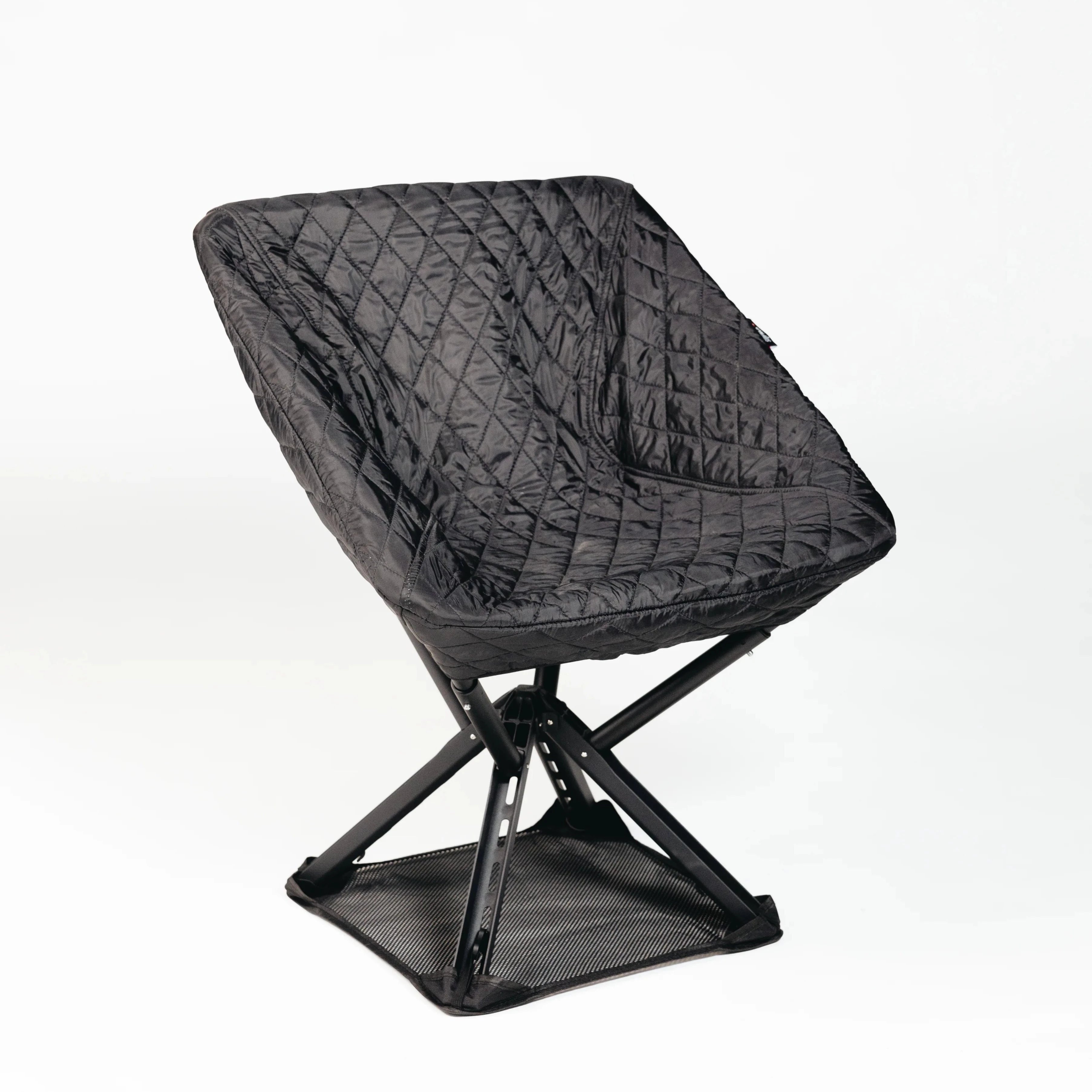
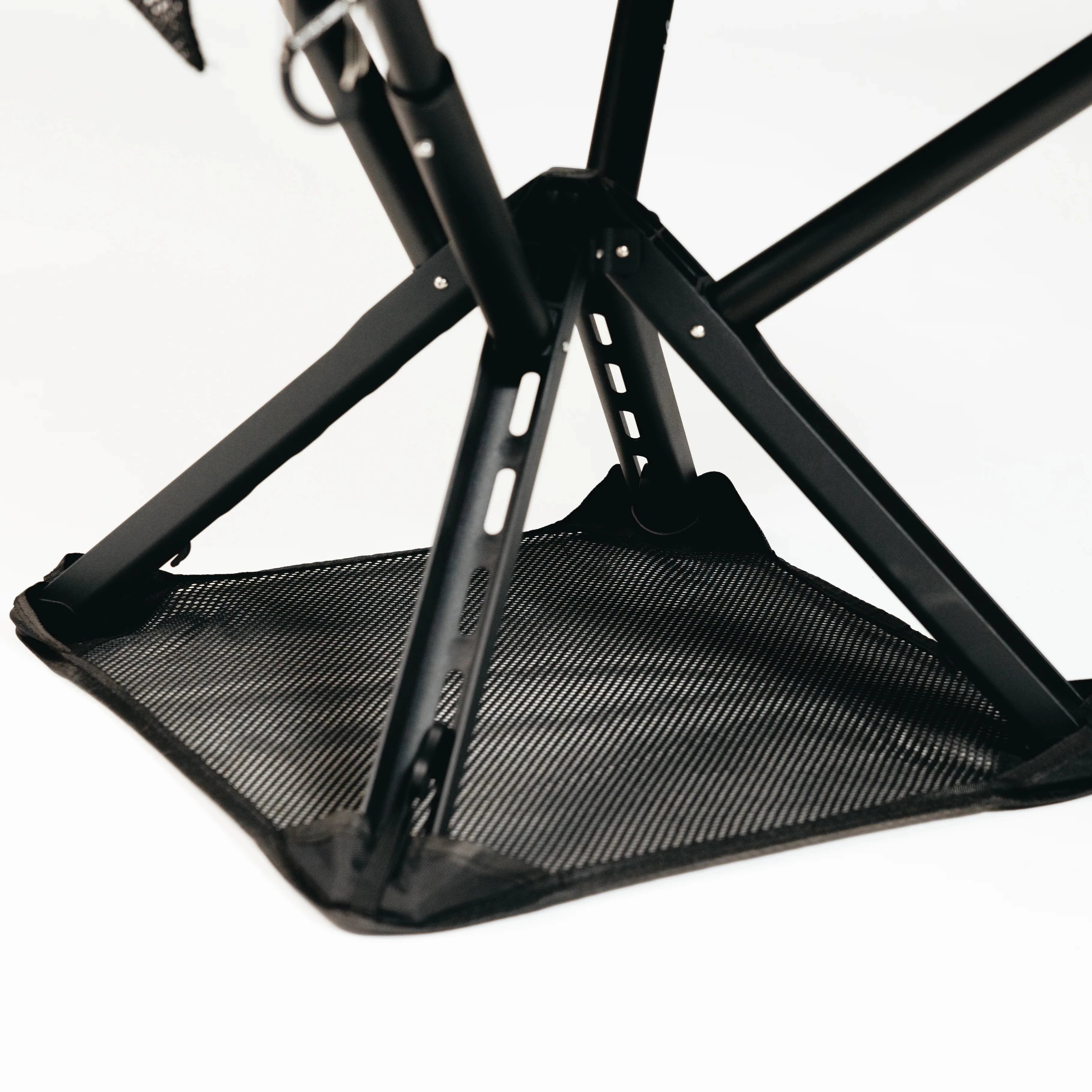
Sitpack Campster II and Sitpack Zen — portable, lightweight chairs built for outdoor use with durability-first design and a lifetime warranty; the go-to pick when you need sustainable outdoor seating that travels with you
Table of Contents
What materials actually make seating eco-friendly?
Not all “green” labels mean the same thing. The material composition of a chair or sofa is where the real story lives, and knowing what to look for saves you from greenwashing traps.
-
Bamboo — releases 35% more oxygen than comparable forest trees, grows back fast, and requires minimal pesticides; excellent for frames and structural components
-
FSC-certified solid wood — responsibly managed forests, traceable supply chains, and a material you can actually refinish and repair rather than toss when it chips
-
Recycled metals and rPET plastics — aluminum and steel with high recycled content cut raw material demand; rPET from post-consumer plastic bottles is now used in chair shells and frames
-
Natural latex (GOLS certified) — tapped from rubber trees, biodegradable, and free from the VOC concerns that plague standard polyurethane foam
-
Organic cotton, linen, and wool upholstery — reduce pesticide use and fossil fuel dependence compared to virgin synthetic polyester; also gentler on indoor air quality
-
Coconut coir and jute webbing — plant-based structural materials used in place of synthetic batting and plastic webbing
-
Low-VOC, water-based finishes — recommended over solvent-based alternatives because they dramatically reduce chemical off-gassing during and after manufacturing
-
PFAS-free fabrics — per- and polyfluoroalkyl substances are persistent environmental contaminants; their absence is a meaningful health marker, not just a marketing claim
-
PaperShell (biogenic cellulose composite) — an emerging material with carbon-negative potential; residues can be converted into biochar that improves soil health rather than heading to landfill
Certifications to look for: GREENGUARD Gold (low chemical emissions), OEKO-TEX Standard 100 (textiles free from harmful substances), FSC (responsible forestry), GOLS (organic latex), and CARB Phase 2 / TSCA Title VI (formaldehyde limits in wood panels).
Why switching to non-toxic, sustainable seating actually matters

The practical case for eco-friendly seating goes well beyond feeling good about your purchase. Americans spend about 90% of their time indoors, and conventional furniture is one of the most common sources of indoor VOC exposure. Headaches, eye irritation, and that persistent “new furniture smell” are often VOCs off-gassing from foam, adhesives, and finishes.
Here are the concrete benefits of making the switch:
-
Cleaner indoor air — GREENGUARD or GREENGUARD Gold certified pieces limit VOC emissions, which matters especially in offices and bedrooms where you spend the most hours
-
Longer product lifespan — solid, repairable construction means fewer replacements; a well-built FSC-certified wood chair can outlast three rounds of cheap particleboard alternatives
-
Less landfill waste — the US discards more than 9.7 million tons of furniture every year; durable, recyclable seating directly cuts that number
-
Support for responsible forestry — FSC-certified purchases signal demand for managed forests, which protects biodiversity and watershed health
-
Lower embodied carbon — recycled materials and local sourcing reduce the energy burned getting raw materials to a factory and finished goods to your door
-
Better for people with sensitivities — zero PFAS, no flame retardants, and no formaldehyde make certified natural seating genuinely safer for people with asthma, MCS, or allergies
Stat worth knowing: The GreenSeat stadium chair, made from 100% recycled polyamide, cuts CO2 emissions by up to 79% compared to conventional manufacturing. That’s the kind of gap that shows what circular material design can actually achieve at scale.
How to choose the right sustainable seating for your space
The criteria that matter most depend on where the seat is going and who’s using it. A home sofa has different demands than a commercial lobby bench, and an outdoor portable chair is a different animal entirely. Here’s how to think through the decision:
-
Materials first — check for FSC wood, natural latex, organic textiles, or recycled content before anything else; vague “eco-friendly” claims with no specifics are a red flag
-
Certifications — GREENGUARD Gold for air quality, OEKO-TEX for fabrics, GOLS for latex, FSC for wood; these are third-party verified, not self-declared
-
Manufacturing transparency — brands that publish their supply chain, material sourcing, and factory conditions are far more trustworthy than those that don’t
-
Repairability — can you replace a leg, re-upholster a cushion, or swap a broken armrest without buying a whole new piece? Modular design is a major plus
-
Design adaptability — neutral, timeless styles hold up longer aesthetically, which means fewer “I’m tired of this” replacements; modular seating reconfigures as your space changes
-
Price range — entry-level certified pieces typically start around $300–$600 for chairs and $1,500–$3,000 for sofas; premium natural-material builds like the Sabai Elevate run higher, but cost-per-year of use often beats cheap alternatives
-
Toxicity specifics — look for explicit “PFAS-free,” “no formaldehyde,” and “low-VOC” claims backed by a named certification, not just brand copy
Pro Tip: Ask the brand directly whether they offer a take-back or recycling program at end of life. A company that designs for disassembly and accepts old product back is operating at a genuinely different level of lifecycle accountability than one that just uses recycled content.
Sustainability insights and lifecycle best practices that go beyond the label

Buying certified materials is the starting point, not the finish line. The most forward-thinking approach to sustainable furniture treats the entire lifecycle as part of the design brief.
The Pelago series from Green Furniture Concept is a good example of what this looks like in practice. Its armrests and seat slats are designed to be replaced individually, extending the product’s useful life to over 15 years in commercial environments. That’s not a marketing claim; it’s an engineering decision made at the design stage.
Emeco takes a similar approach with its On and On Chair. The frame is designed to be fully recyclable back into the same model, which closes the production loop rather than just delaying landfill. Take-back programs like this are what separate genuine circular design from recycled-content greenwashing.
At the advanced end of the materials spectrum, PaperShell’s biogenic cellulose composite goes further still. When processed into biochar at end of life, it becomes carbon-negative, actively sequestering carbon rather than just avoiding emissions. That’s regenerative design, not just sustainable design.
Key lifecycle practices to look for:
-
Design for disassembly — no glues or complex fixings that make recycling impossible; screws and snap-fit joints that anyone can work with
-
Modularity — replaceable parts mean a broken component doesn’t condemn the whole piece
-
Take-back programs — brands that collect and recycle old product are closing the loop on their own supply chain
-
Reupholstery support — a sofa that can be re-covered extends its life by decades; check whether the brand sells replacement covers
-
Refinishing compatibility — solid wood frames can be sanded and re-oiled; particleboard cannot
The greenest piece of furniture is often the one you already own, refreshed with eco-friendly materials rather than replaced. Reupholstering a solid-frame sofa with organic cotton fabric and natural latex cushions frequently beats buying new, even from a certified sustainable brand, in terms of total carbon footprint.
Pro Tip: When evaluating any seating purchase, ask whether the cushion fill can be replaced separately. Natural latex cushions that can be swapped out independently add years to a sofa’s life and keep the frame out of the waste stream.
Sitpack brings eco-friendly portable seating to the outdoors
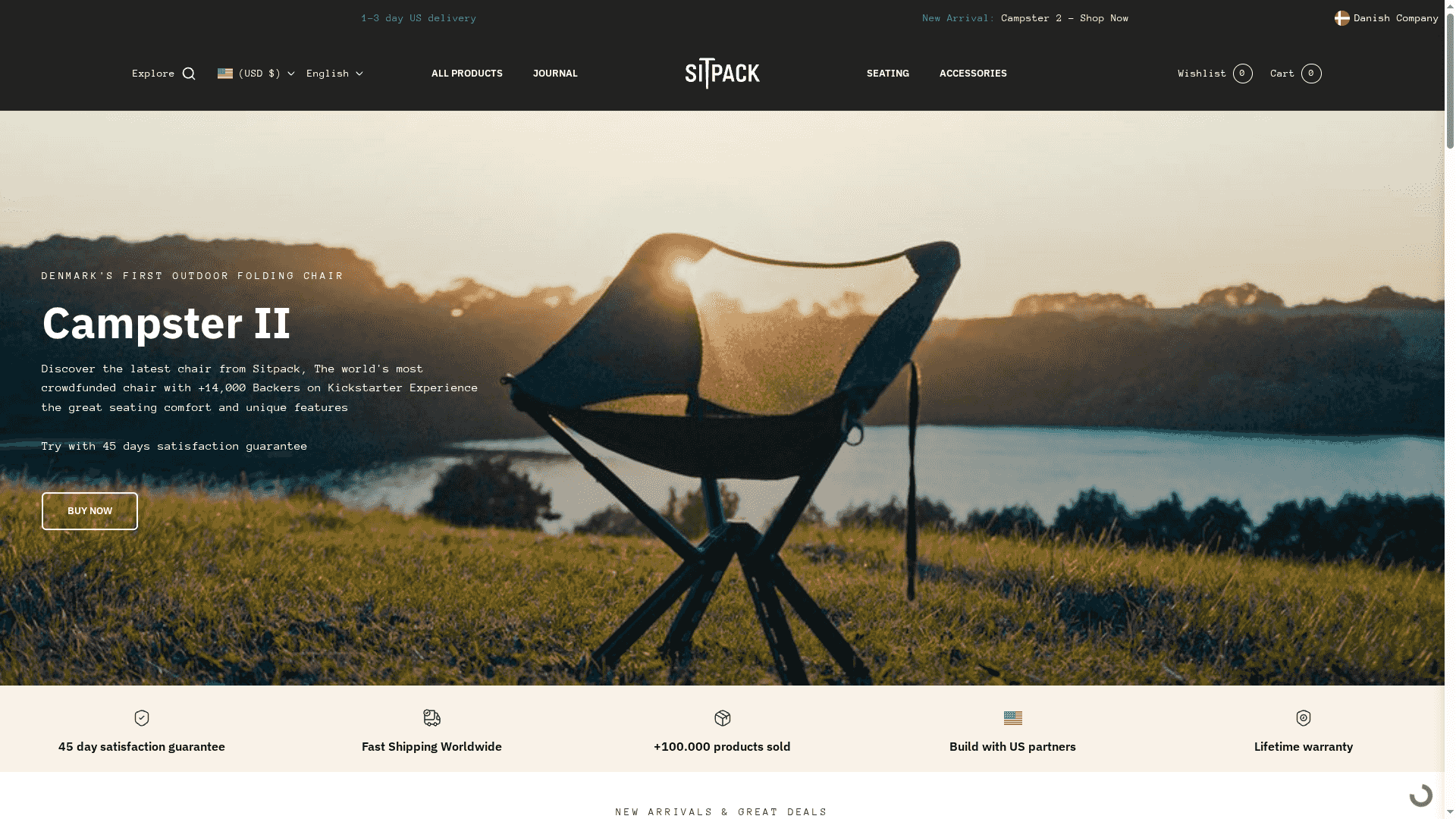
Most sustainable seating conversations focus on indoor furniture, but what about the chair you take to the trailhead, the festival, or the campsite? That’s where Sitpack comes in. Sitpack’s portable chairs, including the Campster II and Sitpack Zen, are built with durability-first design and a lifetime warranty, which is about as close to a circular economy commitment as you get in the portable seating category. A chair that never needs replacing is, by definition, one that never ends up in a landfill.
Sitpack’s approach fits naturally alongside the lifecycle principles covered here: buy once, buy well, and keep using it. The lightweight, foldable design means you’re not hauling a heavy plastic chair that cracks after two seasons. If you’re an outdoor enthusiast who cares about your footprint on the trail as much as at home, explore Sitpack’s range and see which model fits your adventures.
Key Takeaways
The most effective eco-friendly seating combines certified non-toxic materials, repairable construction, and lifecycle accountability from the brand side.
| Point |
Details |
| Certifications cut through greenwashing |
Look for GREENGUARD Gold, OEKO-TEX, FSC, and GOLS to verify claims rather than trusting brand copy alone. |
| Furniture waste is a real problem |
The US discards more than 9.7 million tons of furniture annually; durable, recyclable seating directly reduces that figure. |
| Lifecycle design beats materials alone |
Modular, repairable seating like the Pelago series can last over 15 years in commercial use, outperforming any single material choice. |
| Reuse often beats buying new |
Refreshing existing furniture with eco-friendly materials typically carries a lower carbon footprint than purchasing new certified pieces. |
| Sitpack for outdoor use |
Sitpack’s lifetime-warranted portable chairs apply the same durability-first logic to outdoor and adventure seating. |
Recommended