カート
0
サインアップすると注文から 10 ドル割引になります
配達予定
1〜3日
こちらもおススメ






デンマークの会社


TL;DR:
- Foldable accessories enhance mobility by reducing gear size and weight, enabling independent travel and storage. They are practical for spontaneous use, cost-effective, and increasingly reliable, matching traditional devices in performance. These innovations promote better ergonomics, ease of transport, and expand possibilities for outdoor activity and daily commuting.
Foldable accessories are defined as compact, collapsible gear designed to reduce size and weight without sacrificing function, and their role in mobility is to make independent travel, commuting, and outdoor activity genuinely manageable for more people. Whether you’re talking about a 3-second fold electric wheelchair that fits in a standard car trunk, a foldable MagSafe wallet stand that saves your neck from “tech neck,” or a collapsible camp seat that slips into a daypack, the common thread is the same: less bulk, more freedom. The foldable mobility solutions market is growing fast in 2026, and for good reason. Compact, portable design has shifted from a nice-to-have feature to the deciding factor for millions of travelers, outdoor enthusiasts, and daily commuters.
The single biggest practical benefit of foldable accessories for travel is that they fit where traditional gear simply doesn’t. Lightweight mobility scooters under 25kg slide into car trunks and airline overhead bins, which means no checked baggage fees, no waiting at the gate, and no dependence on specialized transport vehicles. That’s not a minor convenience. It’s the difference between a spontaneous weekend trip and a logistical nightmare.
The importance of foldable gear becomes especially clear when you look at caregiver dynamics. Portability is now a core requirement for mobility device users, directly reducing caregiver strain and enabling one-person handling during errands, travel, and outdoor transitions. A device that one person can fold, lift, and stow independently changes the entire equation for daily life.
Here’s what makes foldable mobility products genuinely travel-ready:
Pro Tip: Before booking flights with any foldable mobility device, check the airline’s specific weight and dimension limits for cabin storage. Most carriers allow devices under 25kg in the cabin, but policies vary.
The 28% year-over-year sales surge in lightweight mobility scooters as of Q2 2026 tells you exactly where consumer priorities are heading. People want gear that moves with them, not gear they have to plan around.
The comparison between foldable and traditional mobility aids is not just about weight. It’s about the entire ownership experience, from storage to cost to daily usability.
| Feature | Foldable mobility aids | Traditional mobility aids |
|---|---|---|
| Weight | 33 to 46 lbs typical for electric wheelchairs | Often 60 to 100+ lbs |
| Storage | Folds to fit in car trunk or closet | Requires dedicated storage space |
| Transport | Standard vehicle, no lift required | Often needs specialized vehicle or lift |
| Cost (multi-function) | ~$2,099 for 3-in-1 units | $3,000 to $4,500 for separate devices |
| Luggage weight impact | Up to 70% reduction with 3-in-1 units | Adds significant bulk to travel load |
| Durability trade-offs | Folding mechanisms need periodic inspection | Fewer moving parts in fixed designs |
The numbers on cost are striking. 3-in-1 foldable mobility units reduce luggage weight by 70% and cost by 65 to 75% compared to purchasing separate aids. That’s a $1,000 to $2,400 saving while also carrying less. For frequent travelers, that math is hard to argue with.
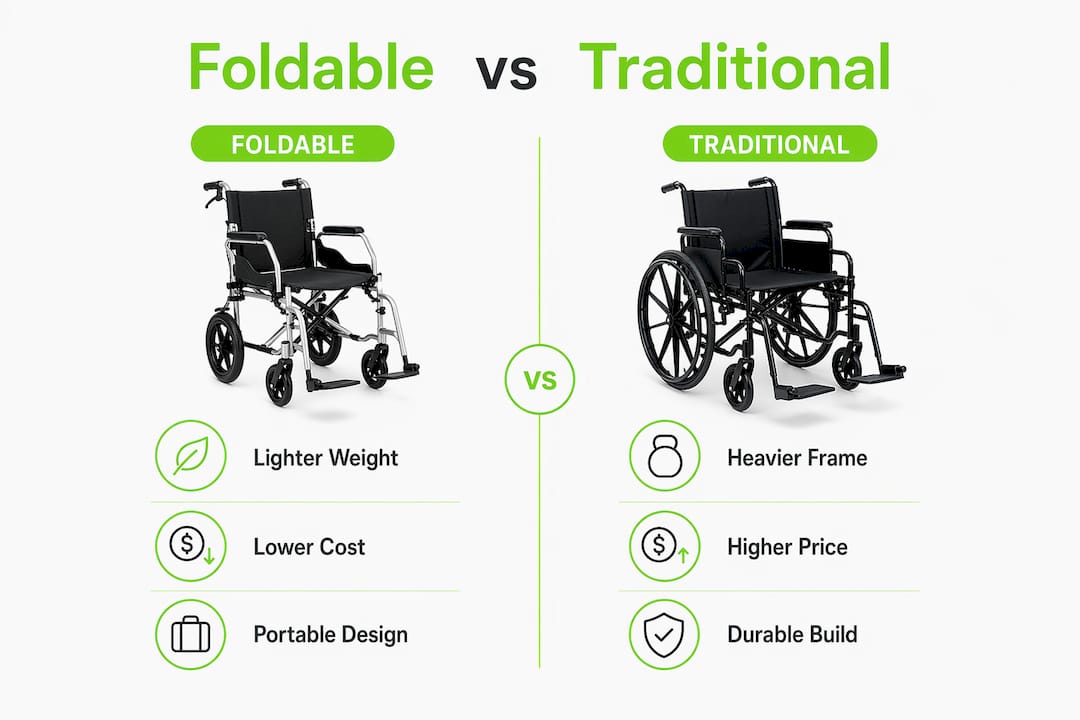
One concern people raise about foldable designs is whether they sacrifice performance for portability. The short answer is: not anymore. Modern foldable electric wheelchairs combine lightweight frames with improved motors, suspension, and stable geometry, operating reliably in both daily indoor use and outdoor conditions. The 2025 and 2026 generation of foldable devices has largely closed the performance gap with fixed-frame alternatives.
The real trade-off is in the folding mechanism itself. More moving parts mean more potential wear points, so build quality matters. Inspect hinges and locking mechanisms before purchase, and factor in long-term maintenance when comparing costs.
Pro Tip: When comparing foldable and traditional options side by side, ask the retailer for a live fold demonstration. A mechanism that feels stiff or complicated in the store will feel worse when you’re tired at an airport.
The impact of foldable designs on mobility extends well beyond wheelchairs and scooters. Foldable tech accessories, in particular, are doing quiet but meaningful work for physical well-being.
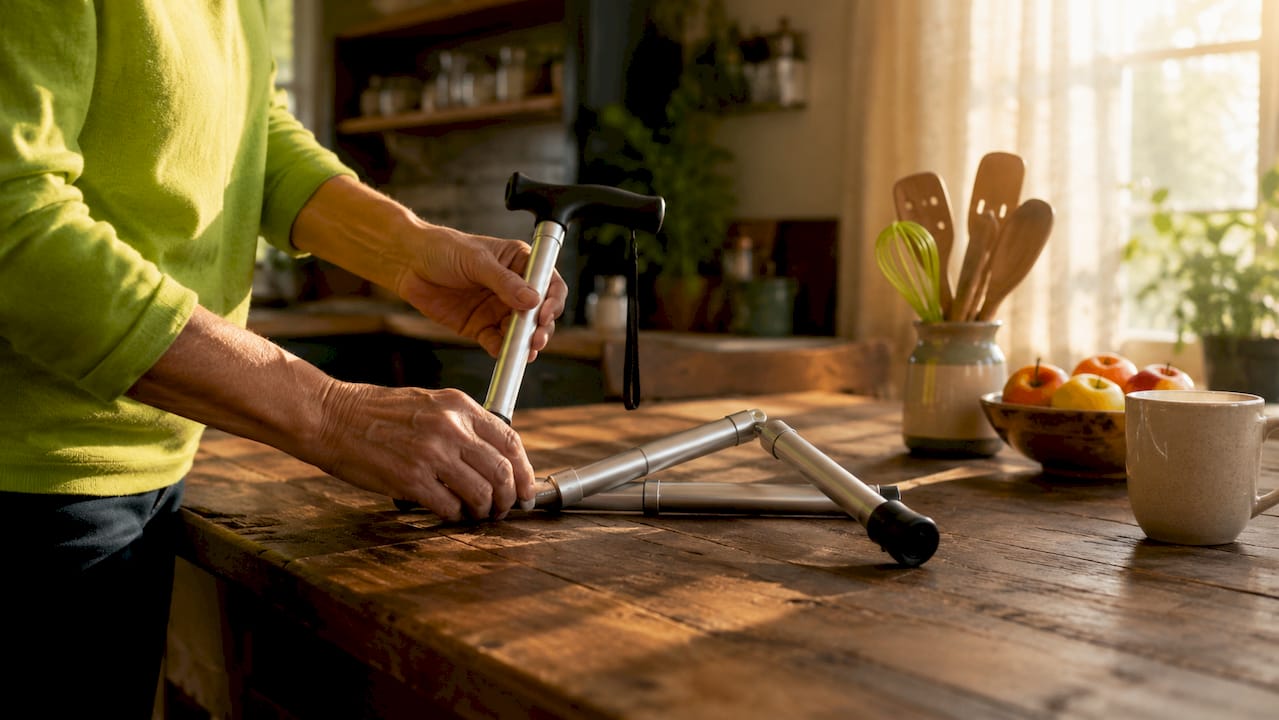
Foldable MagSafe wallet stands reduce cervical spine strain by propping your phone at eye level, which discourages the forward head tilt known as “tech neck.” That’s a genuine ergonomic intervention, not just a product feature. When you use your phone for navigation, video calls, or reading while traveling, the angle at which you hold it matters more than most people realize.
The benefits of foldable accessories in this category stack up quickly:
Foldable accessories as ergonomic tools is a framing that doesn’t get enough attention. The productivity and posture improvements from something as simple as a foldable phone stand are measurable, and they compound over a full day of travel or outdoor activity.
Choosing foldable gear well requires asking sharper questions than most product pages will prompt you to ask. Here’s a practical framework:
Verify total operational weight. Manufacturers often market base weight excluding batteries and accessories. The true portability test is whether you can lift and stow the device fully loaded, by yourself, without straining.
Test the folding mechanism in person. Fold speed and ease vary dramatically between products. A mechanism that takes 30 seconds and two hands defeats the purpose of a foldable design for solo travelers.
Match storage to your transport mode. A scooter that fits in a sedan trunk may not fit in a compact car or a train’s luggage area. Measure your actual storage space before purchasing.
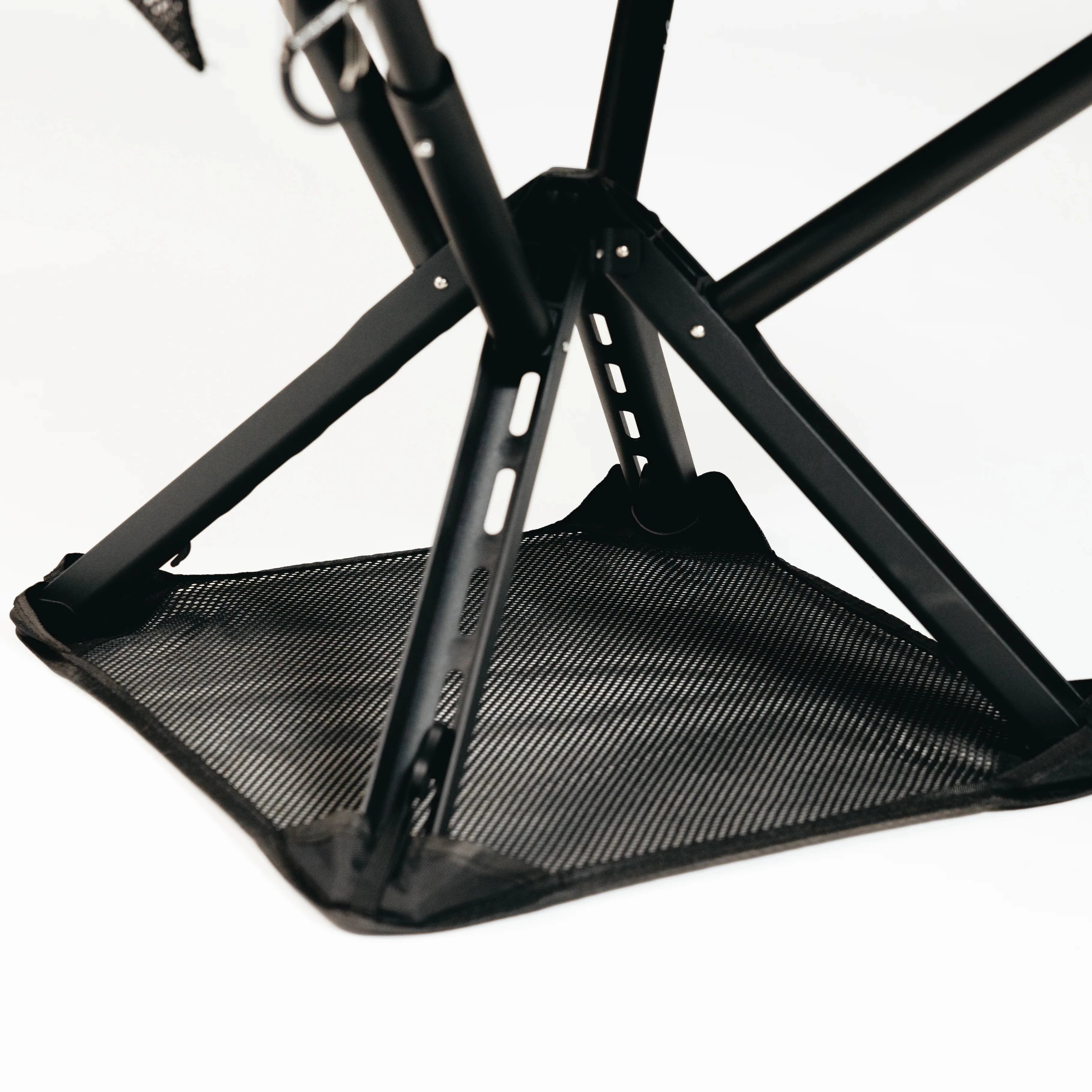
Assess material quality at the hinge points. Aluminum alloy frames with reinforced pivot points outlast cheaper plastic mechanisms. Ask specifically about hinge warranty coverage.
Look for multi-function designs. A foldable seating solution that doubles as a backpack attachment or a wallet stand with RFID blocking gives you more value per gram of gear you carry.
Consider your specific terrain. Foldable electric wheelchairs with improved suspension handle outdoor surfaces well, but lighter ultraportable scooters may struggle on gravel or uneven pavement. Know your environment before you commit.
The goal is gear that fits your actual life, not the idealized version of it shown in product photos. Honest self-assessment of how and where you travel will save you from a costly mismatch.
The next wave of foldable mobility solutions is moving toward deeper integration and greater multi-functionality. Here’s where the category is heading:
| Innovation area | Current state | Near-future direction |
|---|---|---|
| Power integration | Separate battery packs | Built-in power banks in foldable frames |
| Motor performance | Improved but limited range | Higher torque motors with extended battery life |
| Modular add-ons | Limited accessory ecosystems | Clip-on attachments for bags, trays, and lights |
| Suspension systems | Basic shock absorption | Active suspension for outdoor terrain |
| Tech accessories | Single-function foldables | 3-in-1 wallet, stand, and charger combos |
The direction is clear: foldable accessories for easy travel are becoming platforms, not just products. A foldable mobility device in 2027 will likely charge your phone, carry your bag, and fold in under two seconds. The emphasis on lightweight, ergonomic, and compact design isn’t slowing down. It’s accelerating, and the products reaching market in late 2026 already show that trajectory. For anyone buying foldable gear now, choosing products with modular or upgrade-friendly designs is a smart hedge against obsolescence.
Foldable accessories improve mobility by reducing weight, enabling independent transport, and delivering ergonomic benefits that compound across every travel day.
| Point | Details |
|---|---|
| Portability is now essential | Foldable designs enable one-person handling and fit standard vehicles, reducing caregiver dependency. |
| Cost savings are significant | 3-in-1 foldable units cost 65 to 75% less than purchasing separate mobility aids. |
| Performance has caught up | Modern foldable electric wheelchairs match fixed-frame devices in motor power and outdoor stability. |
| Verify total operational weight | Always check weight with batteries and accessories included, not just the marketed base weight. |
| Ergonomics extend beyond mobility aids | Foldable tech accessories like phone stands and chargers reduce physical strain and protect devices. |
Here’s my honest take after years of testing portable gear across airports, trails, and city commutes: the biggest mistake people make is treating foldable accessories as a compromise. They assume compact means weaker, lighter means flimsier, and collapsible means complicated. That assumption is outdated and it costs people real freedom.
I’ve watched travelers lug heavy, fixed-frame equipment through airports when a foldable alternative would have cut their load in half and fit in the overhead bin. I’ve seen people skip outdoor activities because their mobility gear was too cumbersome to bring along. That’s not a gear problem. That’s a mindset problem, and the right foldable kit fixes it.
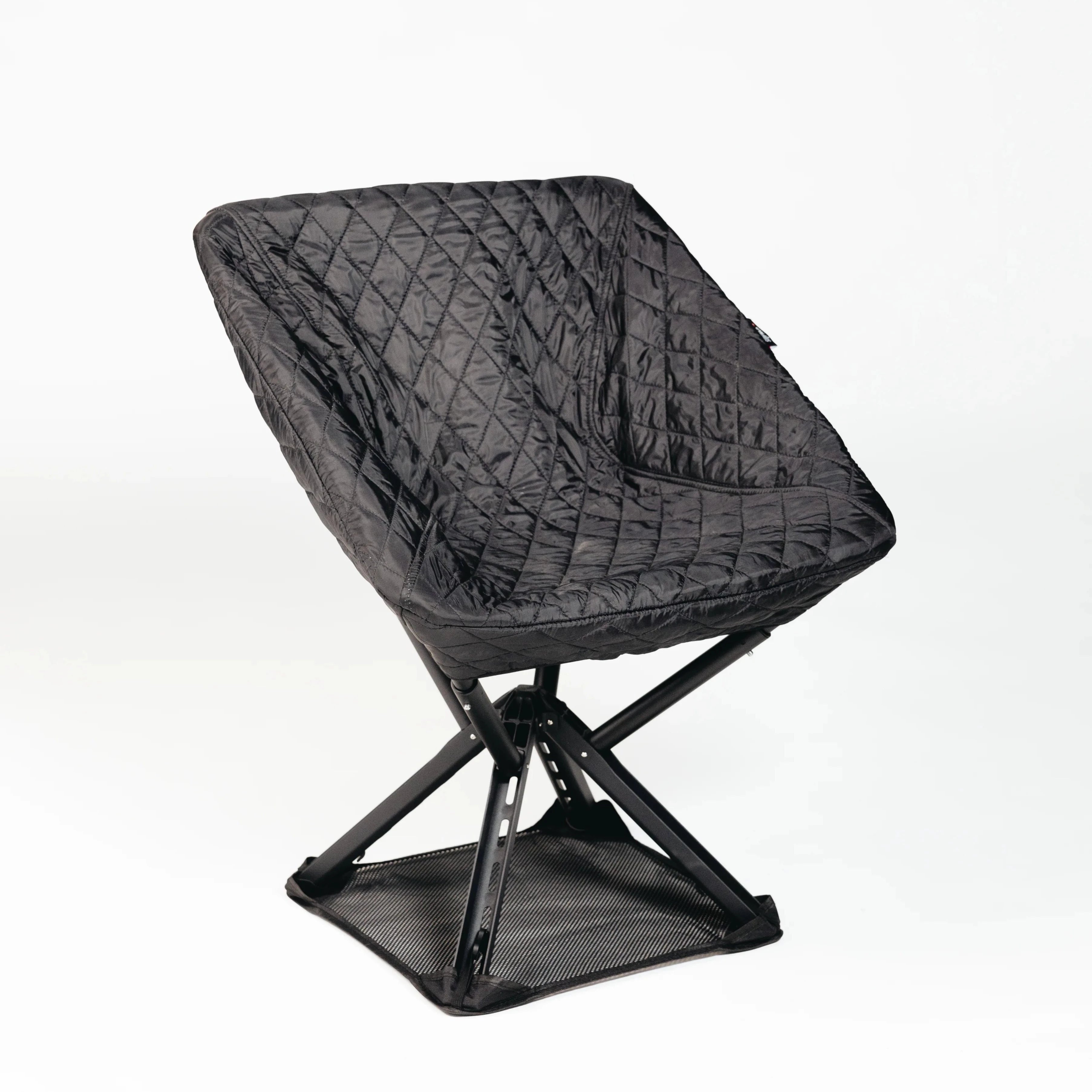
What I find genuinely exciting about the 2026 generation of foldable products is that the quality argument is gone. The advances in motor and suspension design mean you’re not trading performance for portability anymore. You’re getting both. The same logic applies to foldable seating, where products like Sitpack’s Campster II and Sitpack Zen prove that a chair you can carry in a bag can still be genuinely comfortable for hours. Check out portable comfort solutions if you want to see what that looks like in practice.
My advice: stop asking “is foldable good enough?” and start asking “what does foldable make possible?” That reframe changes everything about how you shop for gear.
— Jonas
If this article got you thinking about what foldable gear could do for your travel or outdoor routine, Sitpack is worth a serious look. Sitpack specializes in ergonomic, foldable seating for travelers and outdoor enthusiasts, with products like the Campster II and Sitpack Zen built around the same principles covered here: lightweight construction, compact folding, and real-world comfort that doesn’t quit after 20 minutes.

Every Sitpack product ships worldwide with a 45-day satisfaction guarantee and a lifetime warranty, so you’re not taking a risk on quality. Whether you’re a commuter, a hiker, or someone who just wants a reliable seat that fits in a bag, Sitpack’s lineup covers it. Head to sitpack.com to browse the full range and find the foldable gear that fits your life.
Foldable accessories improve mobility by reducing the size and weight of essential gear, enabling independent transport, easier storage, and spontaneous use without specialized vehicles or caregiver assistance.
Lightweight foldable scooters and wheelchairs fit in car trunks and airline overhead bins, and leading models fold in under 3 seconds, making them practical for solo travelers across all transport modes.
Modern foldable electric wheelchairs feature reinforced aluminum frames, improved motors, and active suspension, matching fixed-frame devices in performance for both indoor and outdoor daily use.
Always verify the total operational weight including batteries and accessories, not just the marketed base weight, since manufacturers often list base weight only and the difference can significantly affect portability.
Yes. Foldable MagSafe wallet stands reduce cervical spine strain by promoting better phone viewing angles, and foldable charger designs protect device pins from damage, extending gear lifespan during travel.