カート
0
サインアップすると注文から 10 ドル割引になります
配達予定
1〜3日
こちらもおススメ
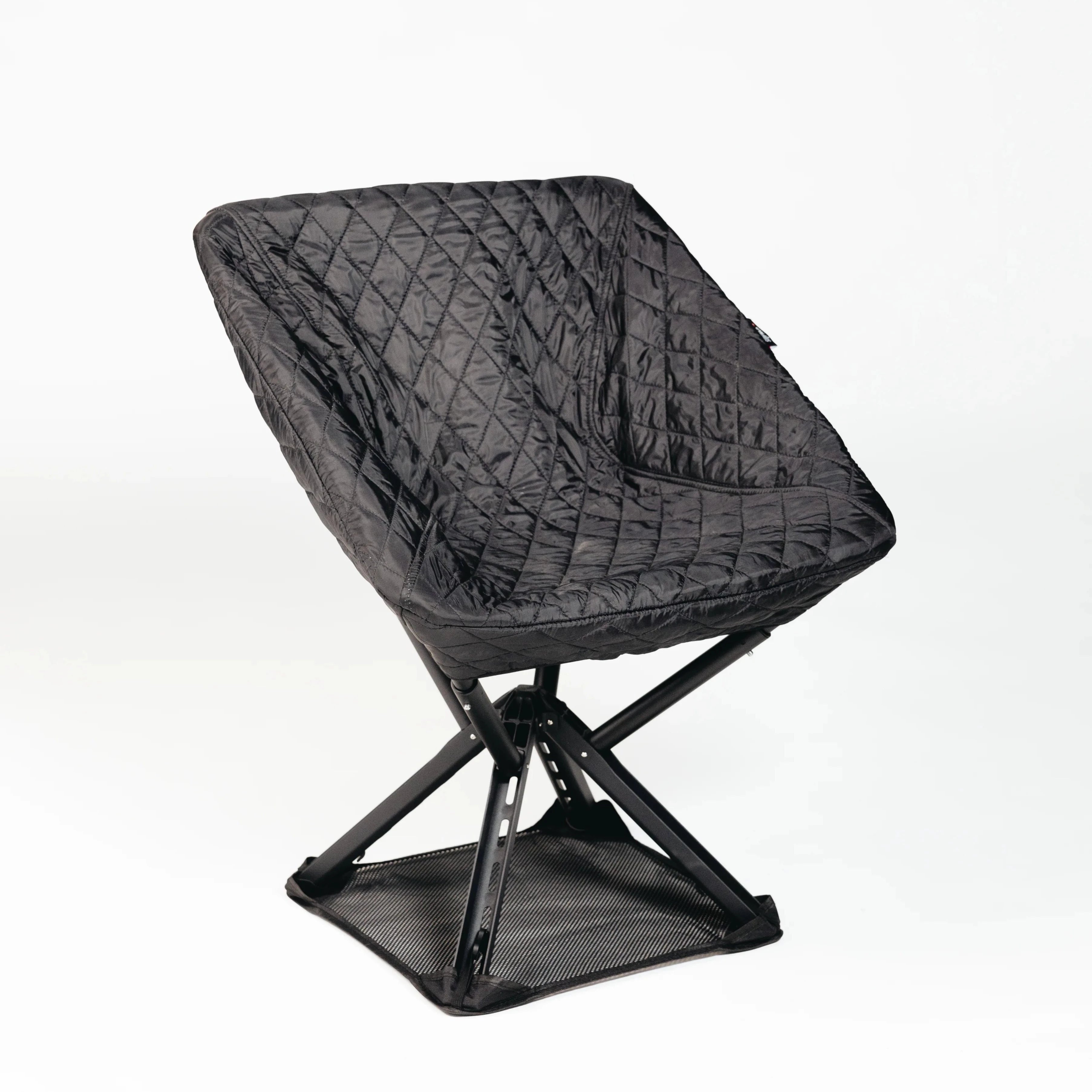
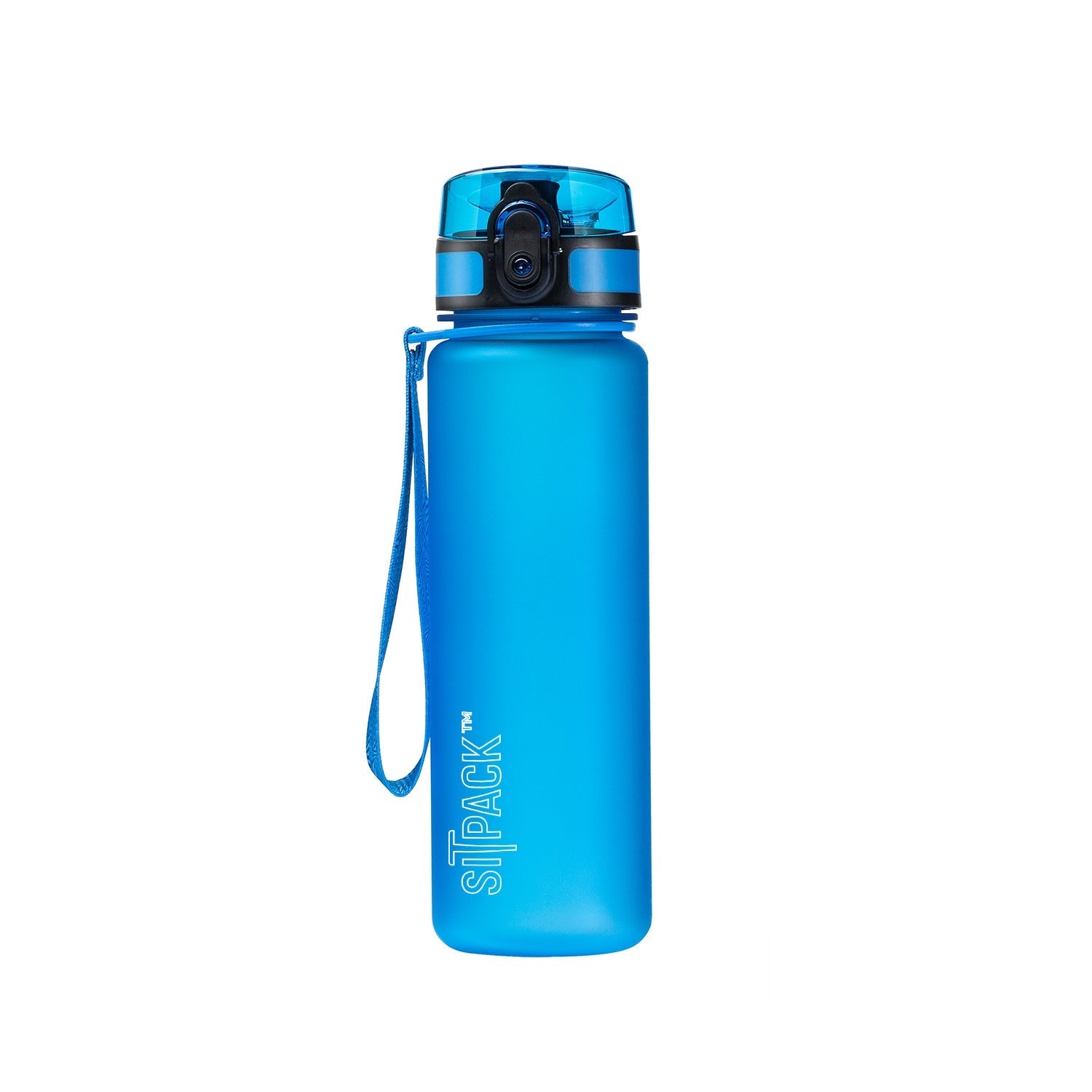
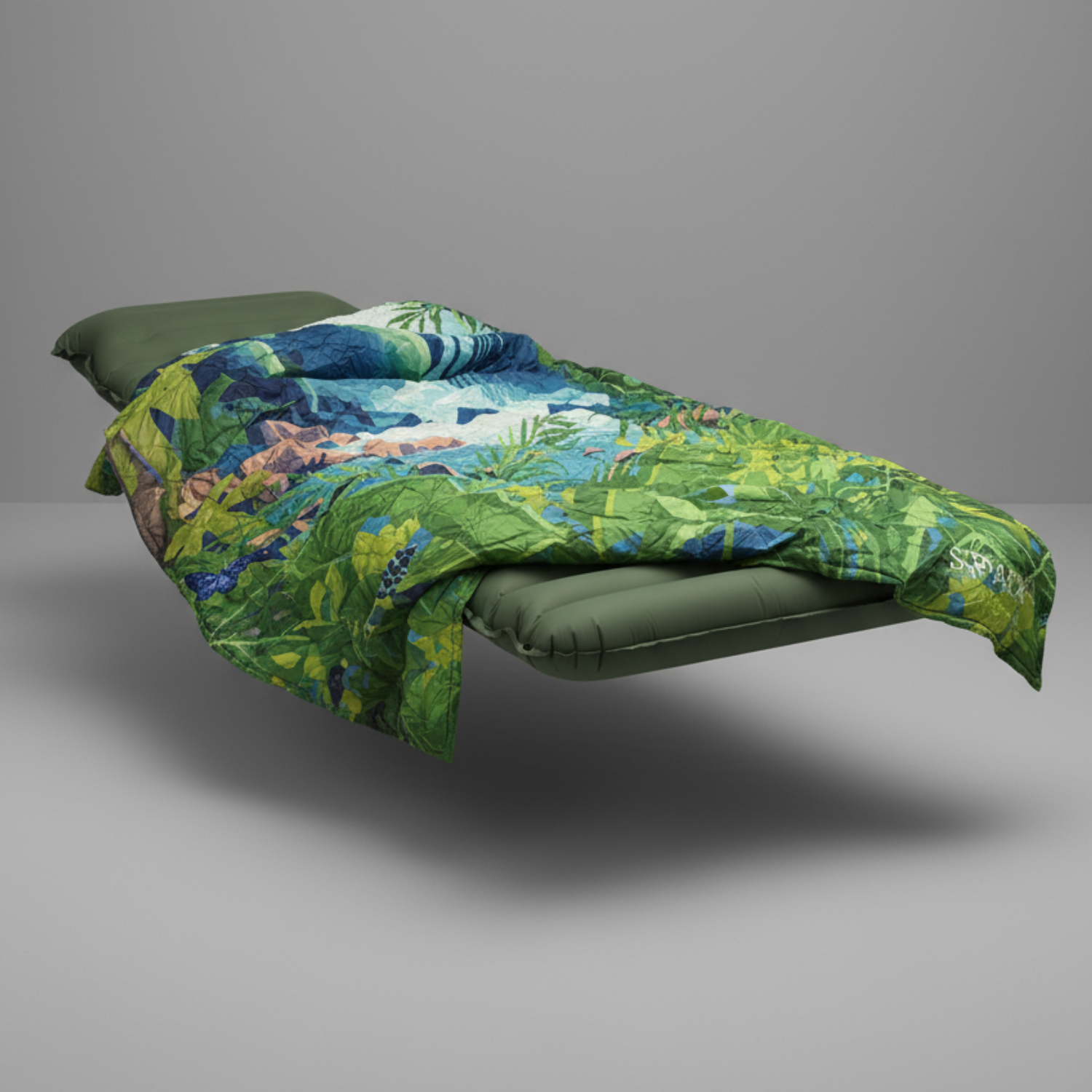


デンマークの会社

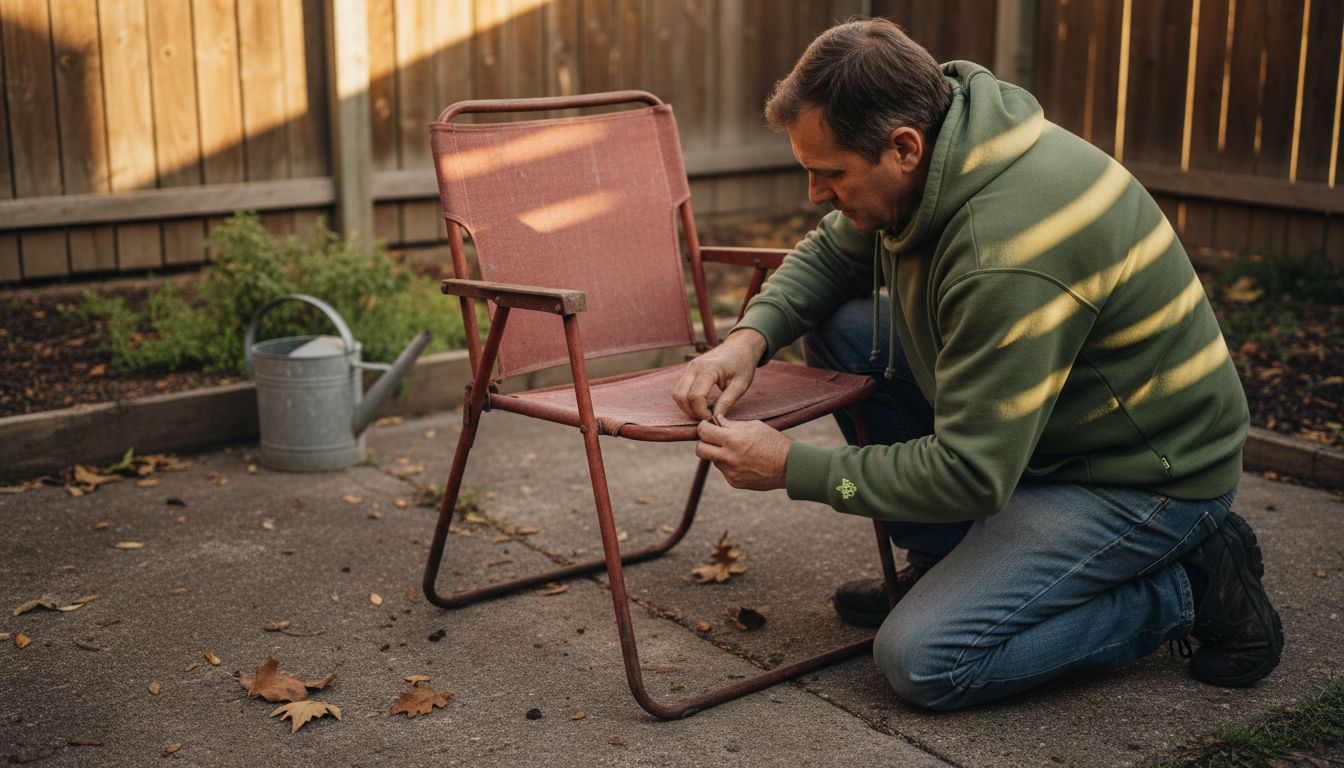
Most American campers admit their folding chairs rarely survive more than two seasons in challenging outdoor conditions. If you care about the environment and want your portable gear to last, simple maintenance can make a difference. From quick inspections to smart cleaning steps, this guide reveals practical habits that help eco-conscious outdoor lovers and city dwellers worldwide keep their chairs comfortable, functional, and ready for future adventures.
| Key Point | Explanation |
|---|---|
| 1. Inspect chair surfaces carefully | Examine fabric and frame for wear, tears, rust, and weak spots to ensure safety before use. |
| 2. Clean stains according to material | Use appropriate cleaning methods for fabric, metal, wood, or plastic to maintain appearance and durability. |
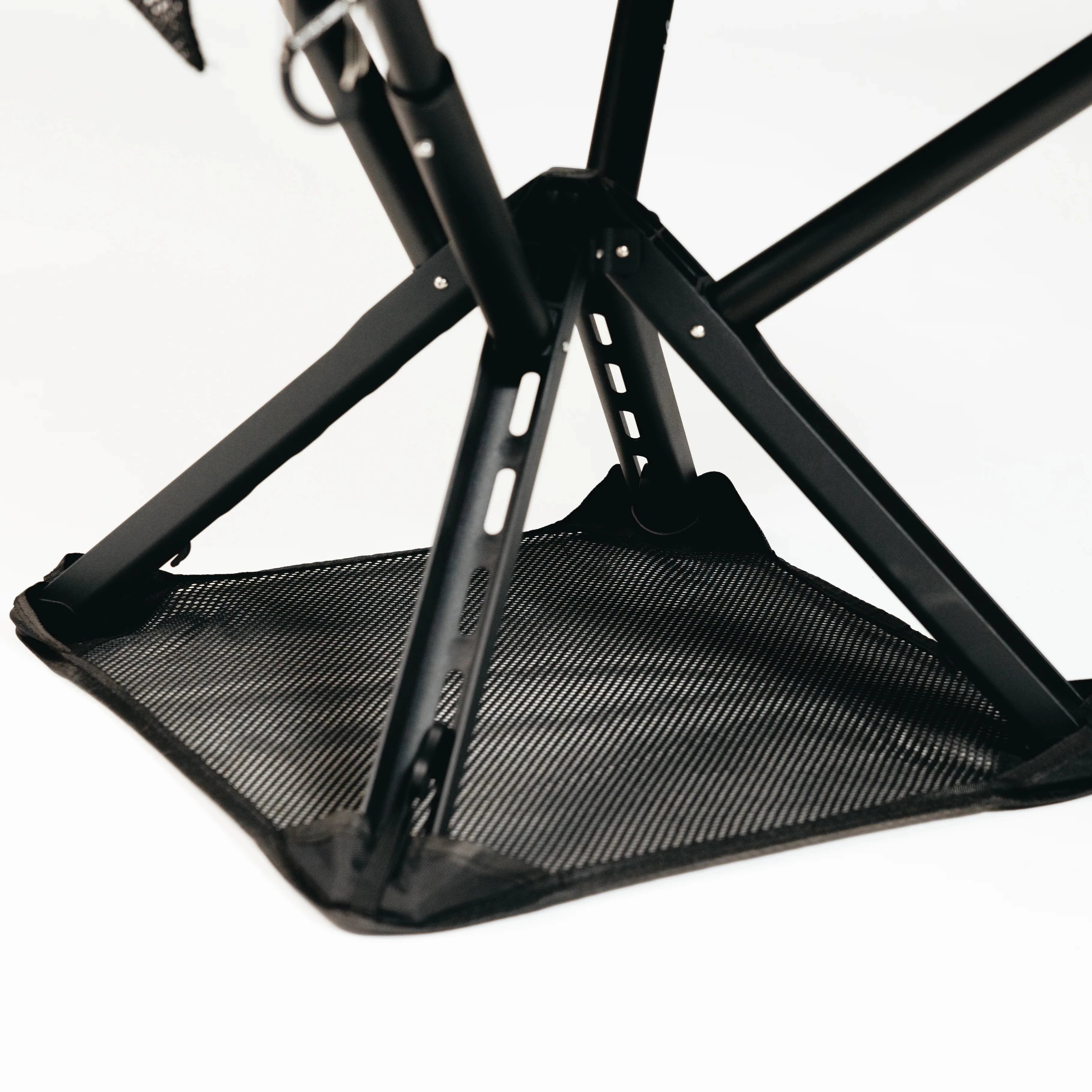
| 3. Secure and lubricate moving parts | Check and tighten hinges and joints, applying lubricant to prevent wear and ensure stability. |
| 4. Apply protective coatings | Use suitable coatings based on material to safeguard against weather-related damage and extend lifespan. |
| 5. Test stability and functionality | Perform thorough checks for balance and durability before outdoor use to avoid unexpected failures. |
Getting your folding chairs ready for outdoor adventures starts with a thorough surface inspection and preparation. Think of this process as giving your portable seating a quick health checkup before hitting the trail or campground.
Begin by spreading the chair on a clean flat surface with good lighting. Carefully examine every inch of the fabric and frame for signs of wear like small tears, loose threads, rust spots, or weakening connections. Pay special attention to high stress areas such as seat joints, hinges, and fabric tension points. Run your hands gently across surfaces feeling for any rough patches or potential weak spots that could compromise the chair’s structural integrity.
Nextly, clean the surfaces using appropriate materials based on your chair’s construction. For fabric surfaces, use a soft brush and mild soap solution to remove dirt and grime. Metal components benefit from a soft cloth and appropriate metal cleaner to prevent corrosion. Preventative maintenance can significantly extend your chair’s usable life and ensure reliable performance during outdoor activities.
Pro tip: Keep a small microfiber cloth and multipurpose cleaning spray in your gear bag for quick surface touch-ups during extended camping trips.
Knowing how to tackle stubborn stains and buildup is crucial for maintaining your folding chair’s appearance and extending its lifespan. This step will transform your potentially grimy outdoor seating into a pristine and inviting spot for relaxation.
Start by identifying your chair’s specific material since each surface requires a tailored approach. Different cleaning techniques work best for various materials like fabric, metal, wood, and plastic. For fabric chairs, mix a gentle solution of mild detergent and warm water. Blot stains carefully using a soft white cloth dont rub which can spread the stain or damage fibers. Metal surfaces benefit from a specialized metal cleaner while wooden chairs might need a more delicate approach using wood specific cleaning products.
For tough grime and persistent stains, create a mild cleaning solution using white vinegar mixed with water. Apply the solution sparingly using a soft brush or microfiber cloth, working in gentle circular motions. Rinse thoroughly with clean water and allow the chair to air dry completely before folding or storing. Comprehensive cleaning approaches recommend specific techniques for different materials to prevent potential damage during the cleaning process.
Pro tip: Always test your cleaning solution on a small hidden area first to ensure it doesnt cause discoloration or damage to your chair.
Here’s a quick reference to choosing the right cleaning method for common folding chair materials:
| Chair Material | Ideal Cleaning Method | Typical Issues Prevented |
|---|---|---|
| Fabric | Mild soap and brush | Stains, mildew buildup |
| Metal | Metal cleaner, soft cloth | Rust, corrosion |
| Wood | Wood-specific cleaner | Discoloration, surface cracks |
| Plastic | Gentle soap solution | Fading, grime buildup |
Maintaining the structural integrity of your folding chair requires careful attention to its moving components. This critical step ensures your chair remains stable and safe during outdoor adventures, preventing unexpected collapses or performance issues.
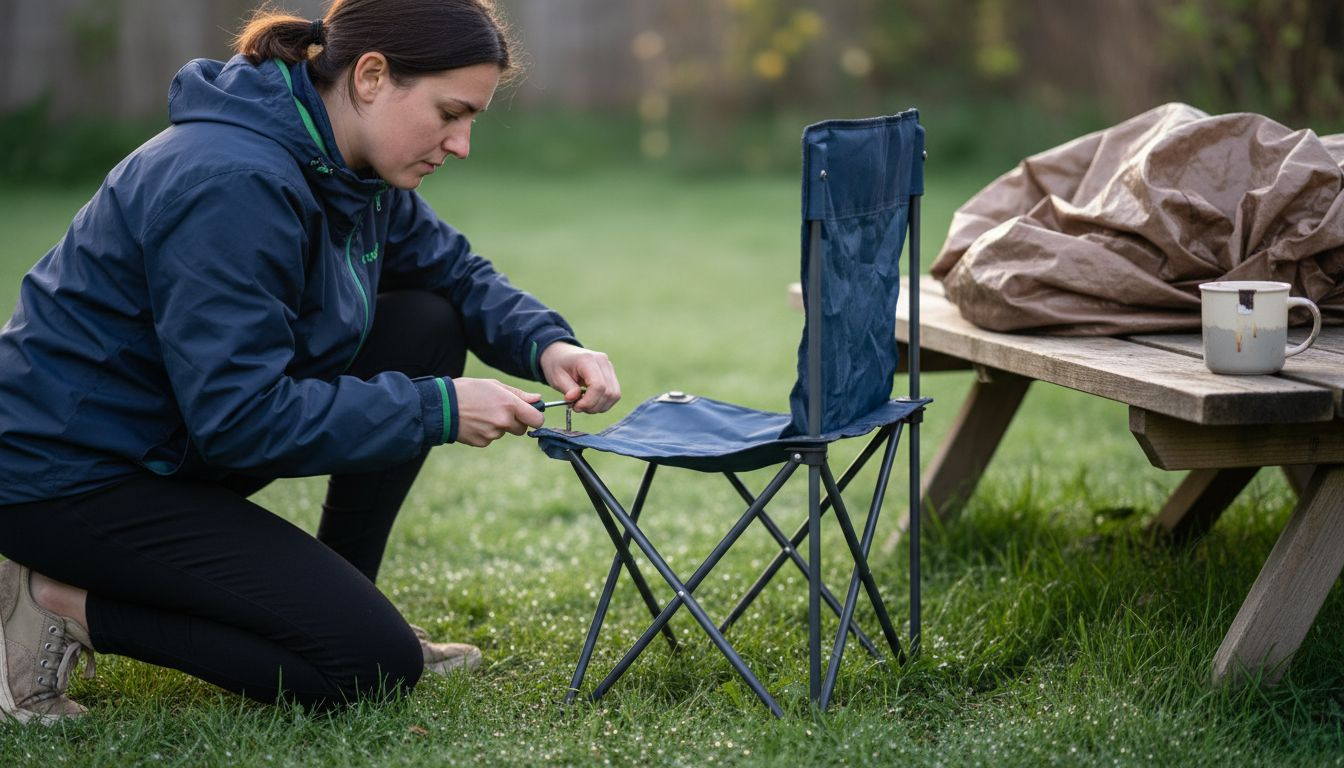
Troubleshooting common chair mechanisms starts with a comprehensive inspection of all moving joints. Begin by carefully examining each hinge, pivot point, and connection. Gently wiggle these areas to detect any unexpected movement or looseness. Use the appropriate screwdriver or wrench to tighten any loose bolts or screws you encounter. Pay special attention to leg joints leg locks and folding mechanisms where wear can compromise stability.
Maintenance routines for outdoor chairs recommend systematic lubrication of moving parts. Apply a small amount of silicone spray to joints and moving mechanisms to reduce friction and prevent future wear. Check for any signs of rust bent components or damaged bearings that might require replacement. Test the chairs stability by placing it on a flat surface and applying gentle pressure to ensure even weight distribution and smooth operation.
Pro tip: Keep a small multi tool with various screwdriver heads and a compact lubricant in your gear bag for quick repairs during outdoor trips.
Shielding your folding chairs from the harsh realities of outdoor environments is crucial for maintaining their appearance and extending their lifespan. This step transforms your chairs from vulnerable equipment into resilient outdoor companions ready to withstand sun wind and moisture.
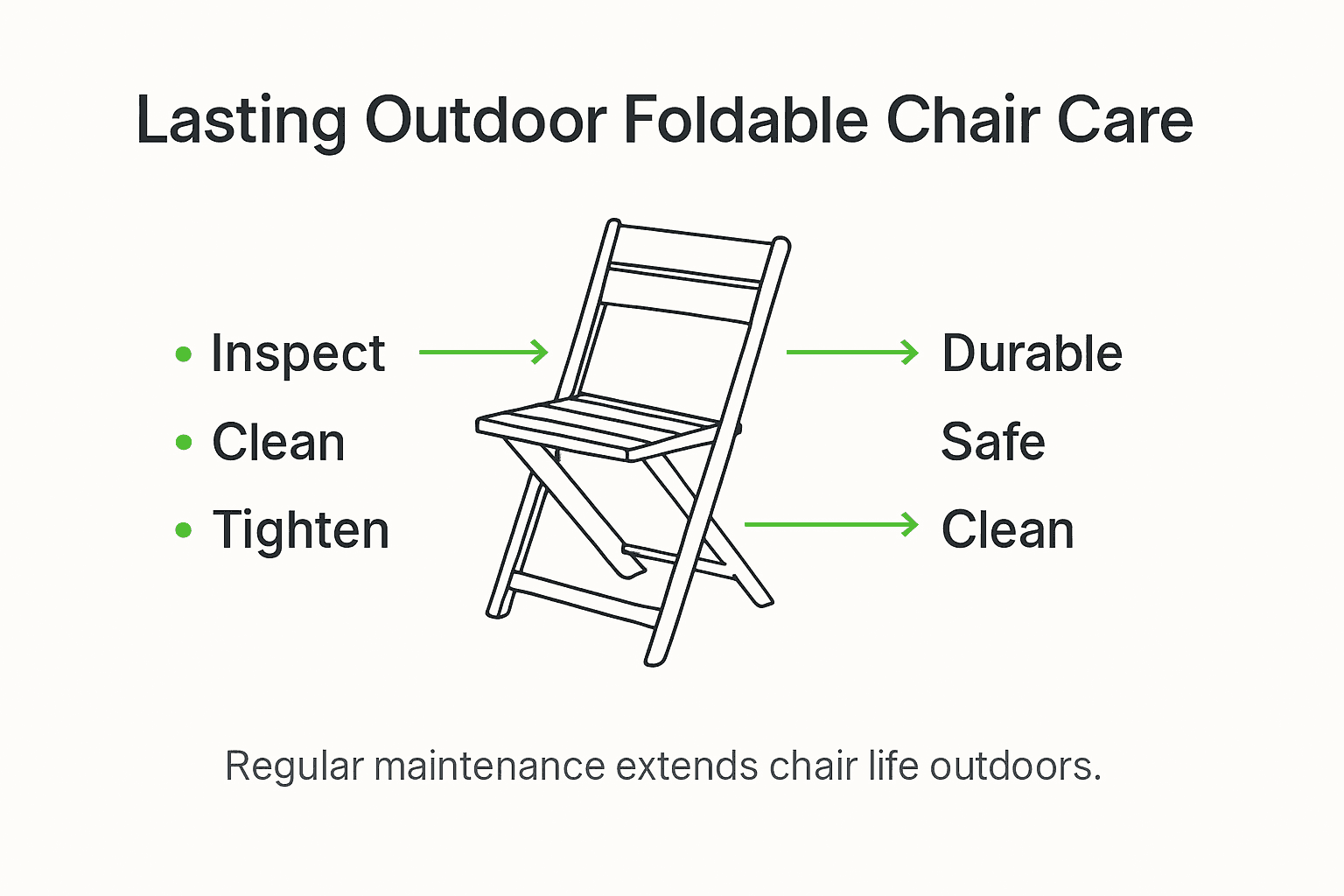
Protective coating techniques require careful material specific approaches. Metal chairs benefit from powder coating which creates a tough shell against corrosion. For wooden surfaces consider applying specialized exterior grade polyurethane or teak oil that penetrates deeply and provides robust protection. Plastic chairs work best with UV resistant spray coatings that prevent fading and material degradation. Always start by thoroughly cleaning the surface ensuring no dirt or residue interferes with coating adhesion.
Wood protection strategies recommend creating a maintenance cycle that involves periodic reapplication of protective treatments. Apply coatings in thin even layers using foam brushes or spray applications allowing proper drying time between coats. Pay special attention to joints seams and areas prone to moisture accumulation. Work in a well ventilated area with consistent temperature to ensure optimal coating performance and even distribution.
Pro tip: Invest in high quality marine grade protective coatings which offer superior performance and longer lasting protection compared to standard outdoor treatments.
Evaluating your folding chair before heading outdoors is not just a precaution but a critical safety measure that can prevent unexpected failures during your adventure. This final inspection ensures your chair is ready to support you reliably in any outdoor setting.
Industry standard testing methods recommend a comprehensive approach to chair evaluation. Start by placing the chair on a flat surface and carefully check its balance. Apply gentle pressure at different points simulating real world scenarios such as sitting leaning or shifting weight. Test the folding mechanism multiple times to confirm smooth opening and closing without resistance. Check each leg individually for consistent contact with the ground and look for any wobbling or uneven support that might compromise stability.
Simulate actual usage conditions by gradually increasing the load on the chair. Sit down slowly and distribute your weight evenly across the seat. Lean back slightly and side to side to test structural integrity. Pay attention to any unusual sounds creaking or unexpected movements that might indicate underlying structural weaknesses. Repeat these tests from different angles ensuring the chair maintains its structural integrity under various stress conditions.
This table summarizes typical folding chair tests for optimal safety and performance:
| Test Type | Purpose | Signs of Success |
|---|---|---|
| Stability Check | Ensure even support, no wobbling | Chair sits flat, no tilt |
| Weight Simulation | Test durability under load | No creaks or shifting |
| Mechanism Test | Confirm smooth folding | Opens/closes without effort |
Pro tip: Perform stability tests on multiple surfaces including grass gravel and uneven terrain to ensure your chair performs consistently in different outdoor environments.
Maintaining foldable chairs can be challenging when dealing with wear and tear from outdoor elements or loose moving parts that threaten stability. This article highlights key steps such as surface inspection, stain treatment, tightening loose joints, applying protective coatings, and thorough stability testing to extend your chair’s lifespan and performance. If you value durable and lightweight outdoor seating that requires less upkeep but delivers maximum comfort Sitpack offers a range of thoughtfully designed portable chairs like the Campster II and Sitpack Zen that combine minimalistic style with rugged reliability.

Explore the latest seating innovations and eco-friendly accessories at Sitpack to elevate your outdoor experience. Don’t wait until wear becomes a hassle invest now in seating that offers lifetime warranties and fast worldwide delivery. Reinvent your travel and camping setup with trusted solutions built to last and ready wherever adventure calls. Browse new arrivals and best sellers today at Sitpack and ensure your seating stays stable and comfortable every step of the way.
Begin by laying your folding chair flat on a clean surface with good lighting. Examine all fabric and frame areas for wear, tears, or rust, paying special attention to stress points like joints and hinges.
Identify the chair’s material and use the appropriate cleaning method; for fabric, use a mild detergent solution and blot stains with a soft cloth. For tough stains, a vinegar and water solution can help; always test on a hidden area first.
Carefully check all hinges and pivot points; wiggle them to detect any looseness. Use a screwdriver or wrench to tighten any loose bolts and consider lubricating moving parts with silicone spray for optimal performance.
Apply protective coatings based on material; metal chairs benefit from powder coating, while wood requires exterior-grade polyurethane. Clean surfaces thoroughly before applying thin layers of coating for best adhesion and protection.
Place the chair on a flat surface, apply gentle pressure to simulate sitting, and check for any wobbling. Ensure each leg makes contact with the ground evenly, and listen for creaks or instability during the test.
Schedule maintenance checks at least once every few months, focusing on inspections, cleaning, and applying protective coatings as needed. Regular care can help extend the lifespan of your chairs by ~20%.