カート
0
サインアップすると注文から 10 ドル割引になります
配達予定
1〜3日
こちらもおススメ
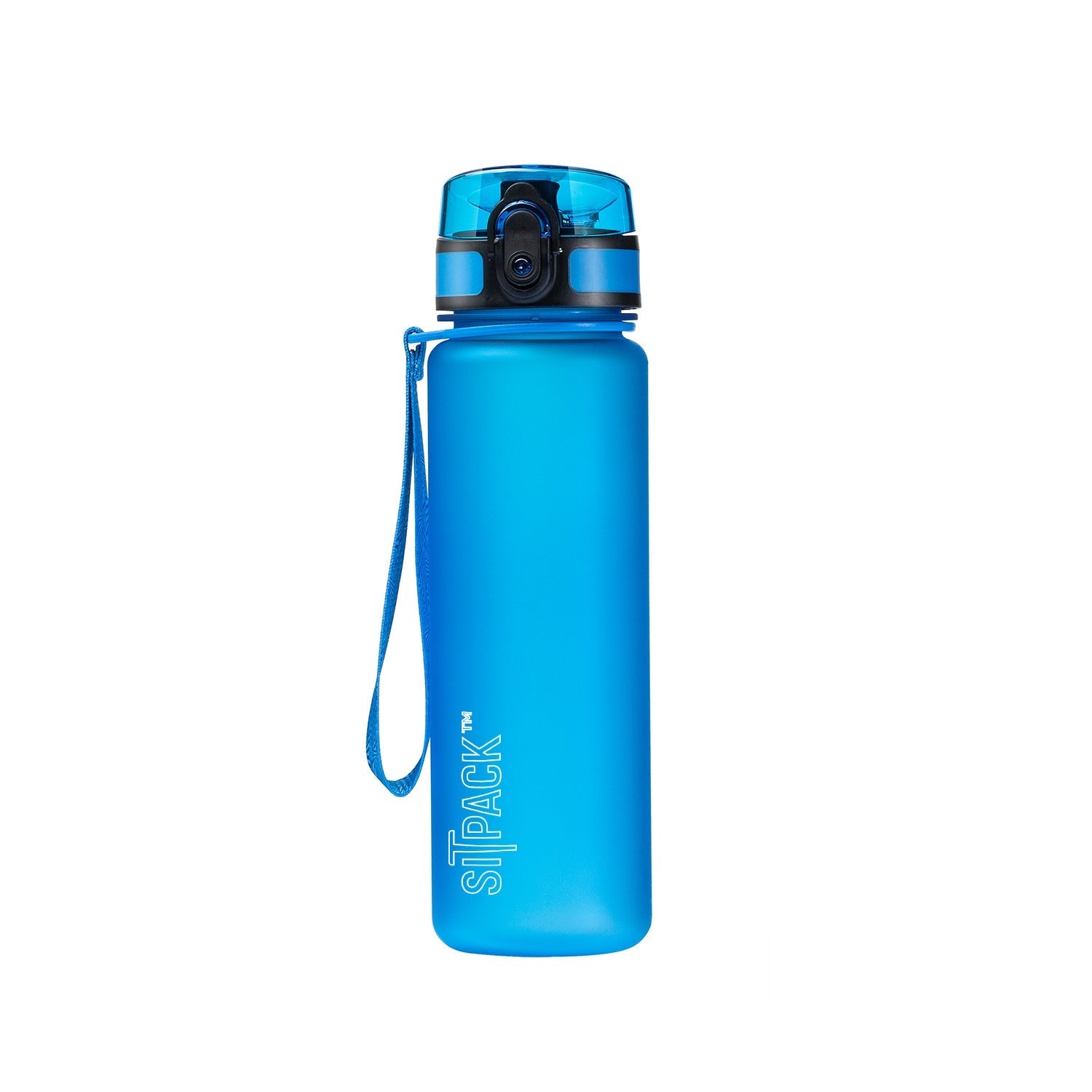
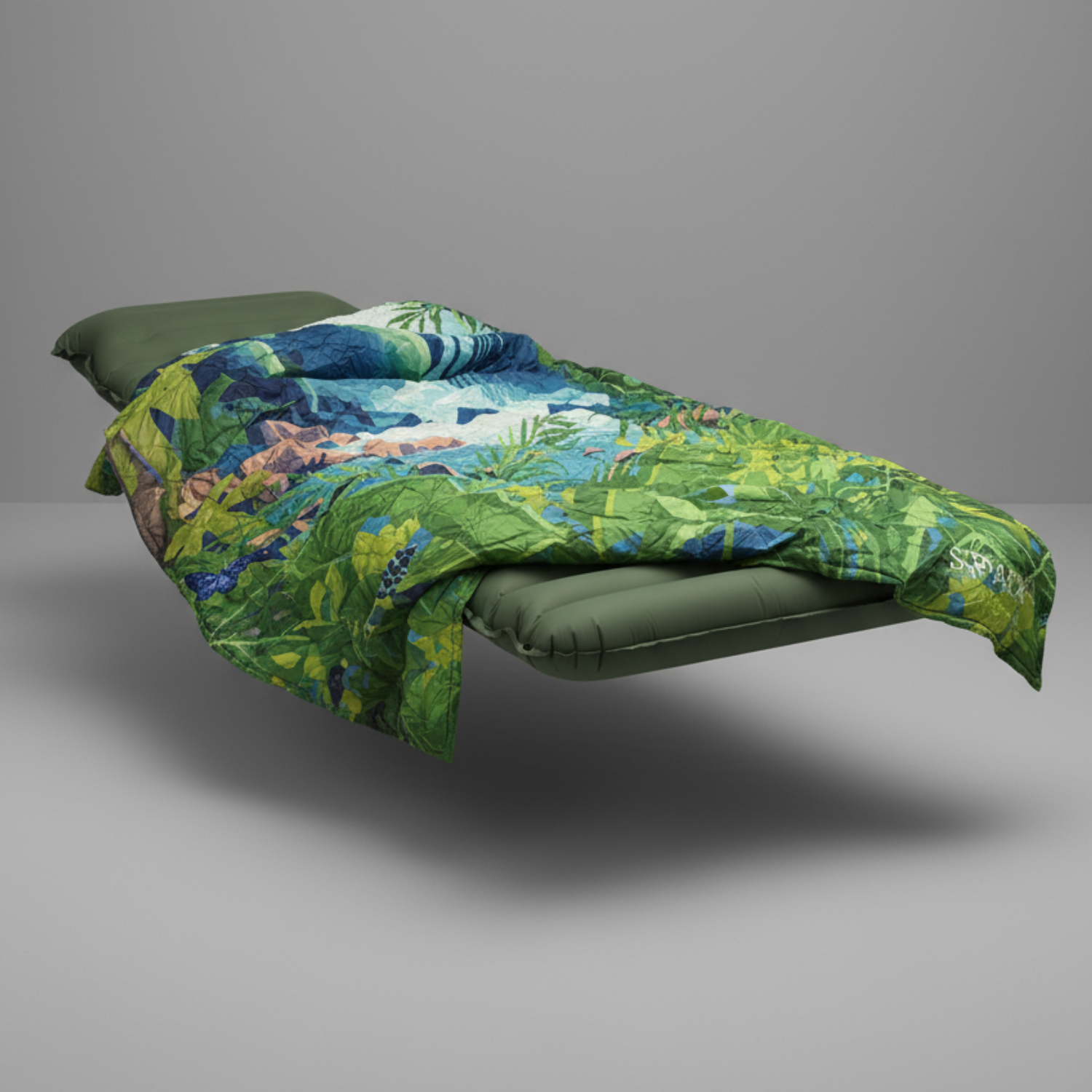
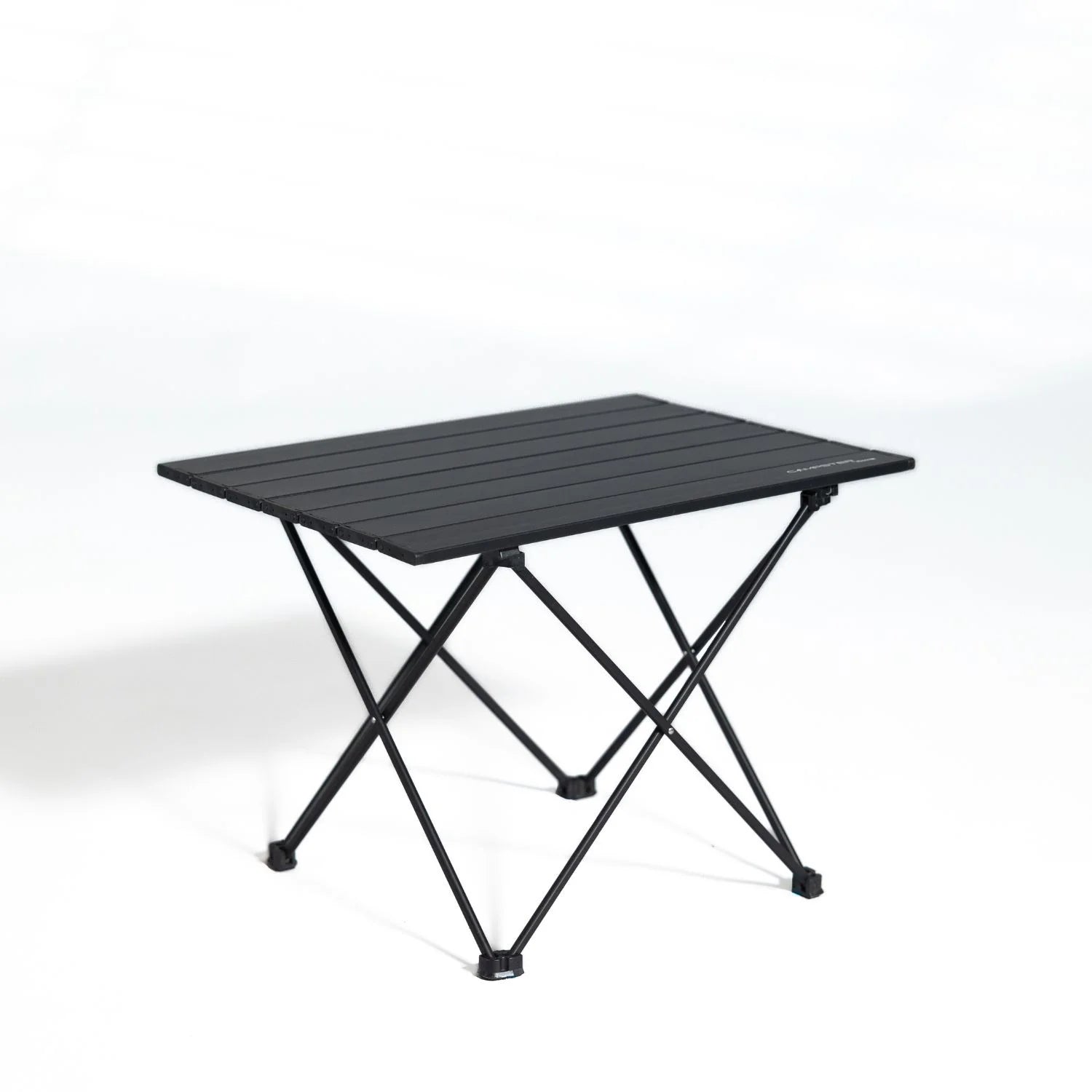
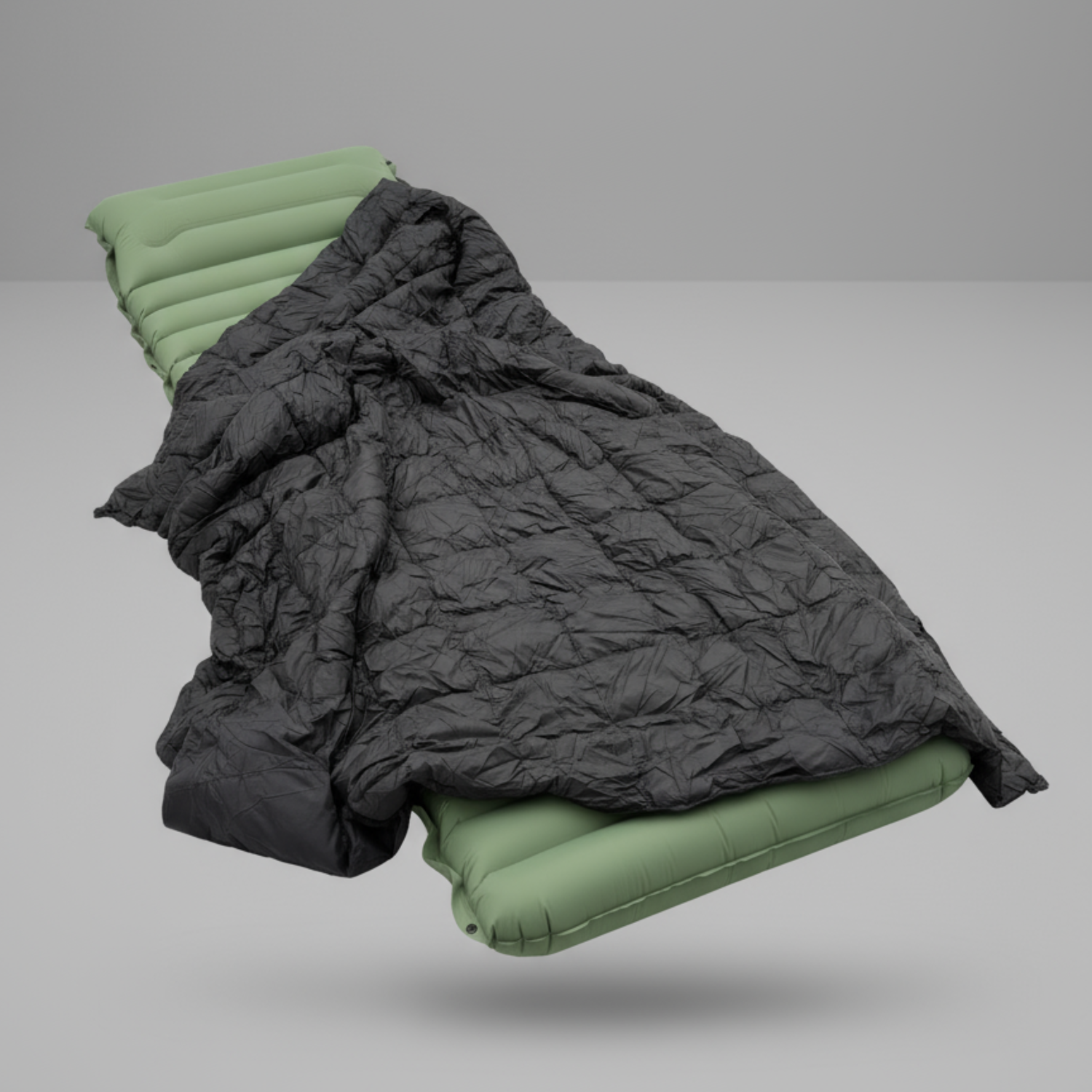


デンマークの会社

TL;DR:
- Camping fatigue stems from exertion, dehydration, disrupted sleep, and circadian rhythm shifts during outdoor trips.
- Preventing it involves strategies like rehydrating early, eating protein and carbs promptly, pacing, and optimizing sleep gear and habits.
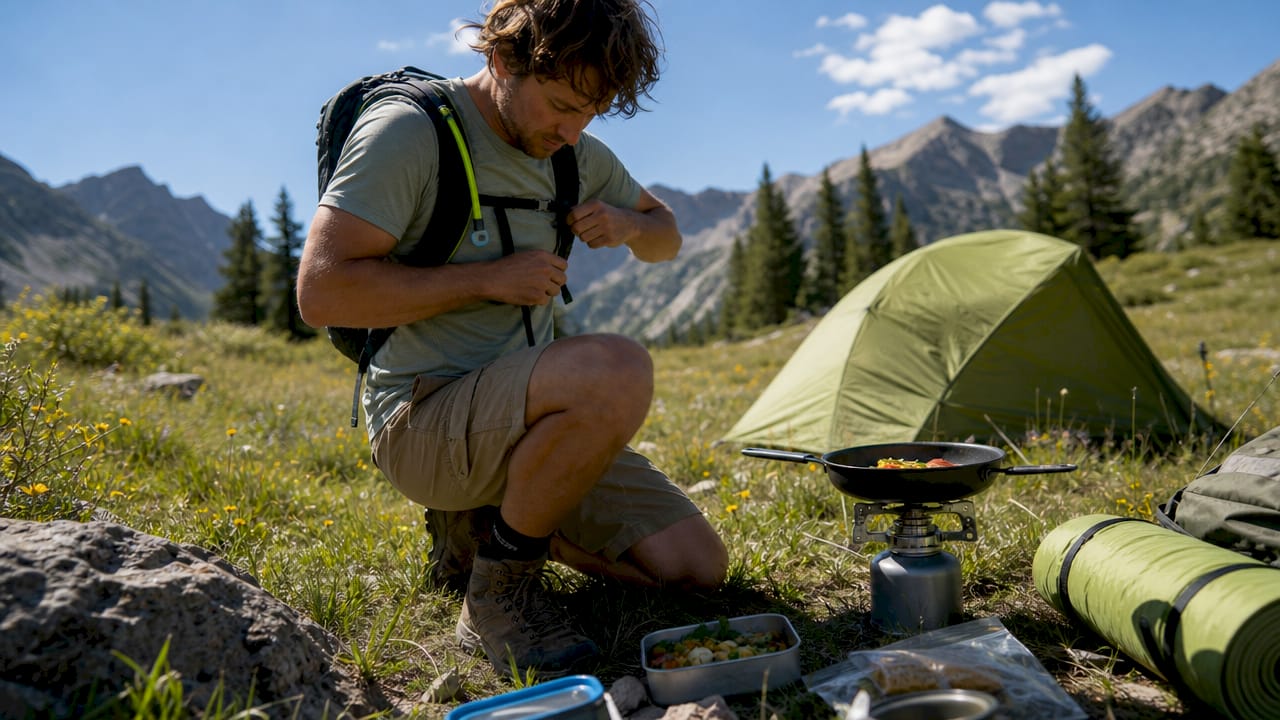
Camping fatigue is the physical and mental exhaustion caused by a combination of exertion, circadian disruption, and environmental stress during outdoor trips. Knowing how to prevent camping fatigue before it sets in makes the difference between a trip you want to repeat and one you spend recovering from. The good news: targeted strategies around hydration, nutrition, pacing, and sleep quality can stop exhaustion before it starts. This guide covers expert-backed methods to keep your energy up from the first night to the last morning.
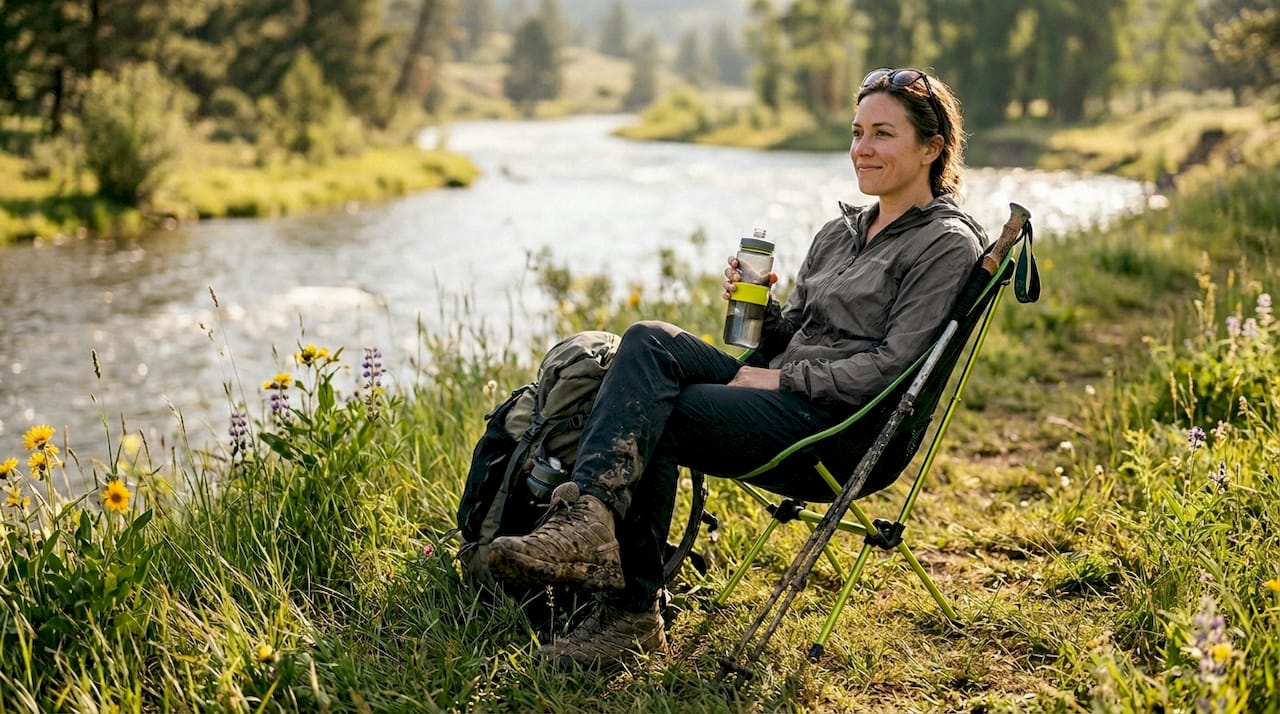
Dehydration is the fastest route to feeling wrecked at camp. Even mild fluid loss reduces physical performance, triggers muscle cramps, and wrecks sleep quality. The fix starts the moment you drop your pack.
Experts recommend rehydrating with 16–24 ounces of water per hour for 2–3 hours after arriving at camp. That rate sounds aggressive, but it reflects how much fluid your muscles need to flush out metabolic waste from a long day of hiking. Skipping this step leaves lactic acid sitting in your legs overnight.
Electrolytes matter just as much as water volume. Plain water alone dilutes sodium and potassium levels, which worsens cramping and fatigue. Adding an electrolyte tablet or powder to at least one of those rehydration bottles closes that gap fast.
Timing your fluid intake also protects your sleep. Front-load your drinking in the early evening so your bladder is not dragging you out of the tent at 2 a.m. That single habit alone improves rest quality more than most campers expect.
Pro Tip: Pre-mix an electrolyte drink before you leave the trailhead so it is ready the moment you arrive at camp. Waiting until you feel thirsty means you are already behind.
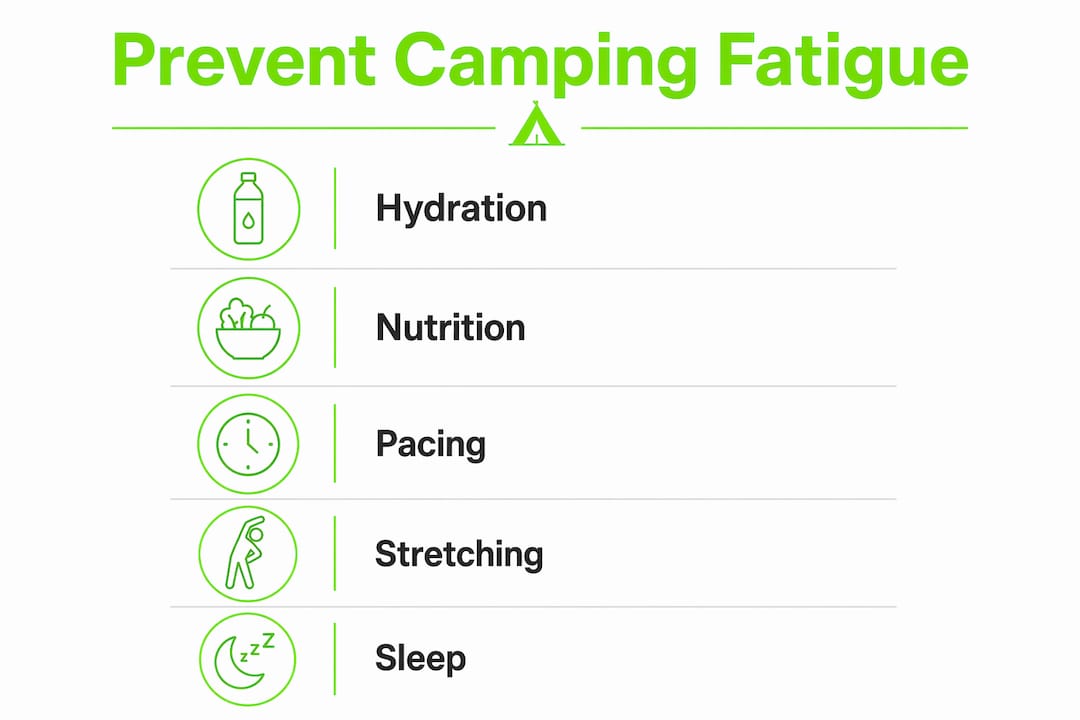
Food is your body’s repair kit, and the timing matters as much as the content. Eating the right combination of protein and carbohydrates within a tight window after physical activity cuts soreness and restores energy faster than eating the same food two hours later.
The target is 15–20 grams of protein and 1.5 grams of carbohydrates per kilogram of body weight within 30–45 minutes of finishing your hike or activity. For a 70 kg camper, that means roughly 105 grams of carbohydrates alongside your protein. That combination triggers muscle glycogen replenishment and starts tissue repair before inflammation sets in.
Good camping-friendly recovery snacks and meals include:
Overnight muscle repair depends on what you eat at dinner, not just the post-hike snack. A protein-focused dinner with complex carbohydrates gives your body the raw materials to rebuild while you sleep. Think lentil soup, bean-based camp meals, or a freeze-dried option with a solid protein count on the label.
Pro Tip: Pack your recovery snack in an outer pocket of your bag so you eat it within the 30-minute window. Digging through your gear while tired is a reliable way to skip the step entirely.
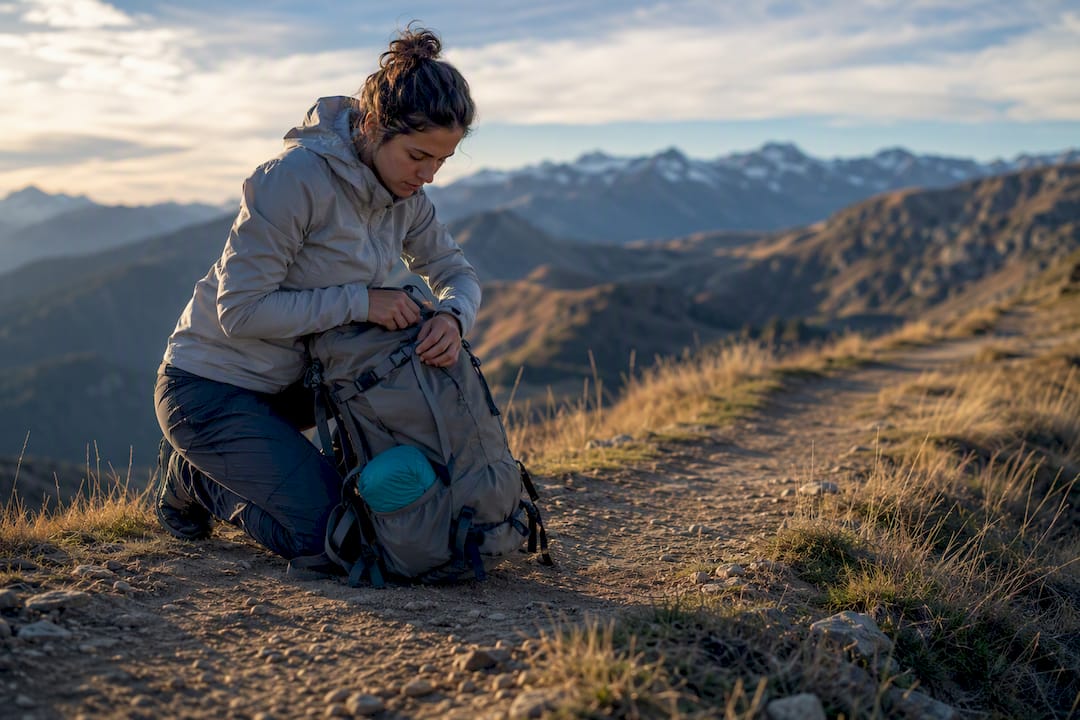
Most campers make one consistent mistake: they push hard right up to the campsite and then collapse. That sudden stop is physiologically rough on your body. Slowing to a lower-intensity pace for the final 5–10 minutes before reaching camp allows your body to clear metabolic waste and prevents blood from pooling in your legs. It also lowers your risk of fainting and cramping after you stop.
Five minutes of targeted stretching after arrival compounds that benefit. Focus on the muscles that took the most load: hip flexors, calves, hamstrings, and lower back. You do not need a yoga mat or a routine. Standing quad stretches, calf raises against a tree, and a slow forward fold cover the basics.
This approach also sets up better sleep. A gradual cooldown lowers your heart rate and core temperature, which are both preconditions for falling asleep quickly. Campers who skip the cooldown often lie awake for an hour feeling restless even when they are exhausted.
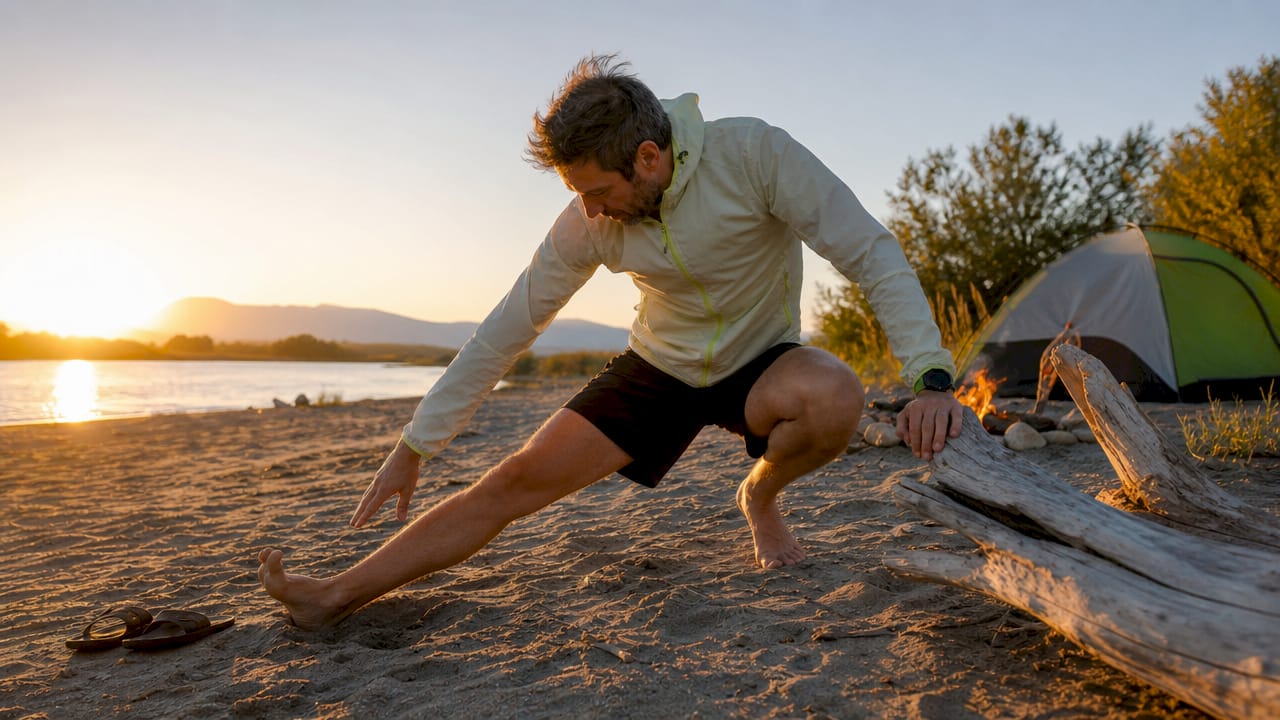
Sleep is where your body actually recovers. Poor sleep in the field does not just make you tired the next morning. It compounds fatigue across the entire trip. Getting this right requires both gear choices and behavioral habits working together.
Start with the gear foundation. Sleeping bags rated 10–15°F below the expected nightly low temperature prevent the cold-wake cycle that fragments sleep. A bag rated too warm is almost as bad because overheating causes restlessness. Pair the bag with a sleeping pad that has an appropriate R-value for the season.
| Sleep factor | Recommendation | Why it matters |
|---|---|---|
| Sleeping bag rating | 10–15°F below expected low | Prevents cold-wake cycles that fragment sleep |
| Ear protection | Foam earplugs, NRR 33 | Reduces environmental noise by 30+ decibels |
| Light blocking | Eye mask | Blocks early sunrise and campfire light |
| Magnesium supplement | 200–400 mg magnesium glycinate pre-sleep | Reduces nocturnal cortisol and muscle cramping |
| Campsite selection | Away from traffic corridors and restrooms | Minimizes noise and foot traffic disturbances |
Beyond gear, your behavior before bed shapes sleep quality. Cooling down after camp chores before climbing into your sleeping bag can accelerate sleep onset by 15–30 minutes. This works because sleep onset is triggered by a drop in core body temperature. Sitting outside for 10 minutes after dinner, rather than going straight to bed, gives that process a head start.
Avoid screens after dark. Phones and tablets suppress melatonin production, which delays sleep onset and reduces sleep depth. The campfire is a better option anyway.
Pro Tip: Take 200–400 mg of magnesium glycinate about 30 minutes before bed. It reduces muscle cramping and lowers nighttime cortisol, which means fewer 3 a.m. wake-ups from leg cramps.
Knowing what not to do is half the battle. Most campers repeat the same fatigue-causing errors trip after trip without connecting the behavior to the outcome.
The pattern across all these mistakes is the same: campers treat fatigue as inevitable rather than preventable. Adjusting a few consistent habits produces a noticeably different experience, often within the first trip.
Preventing camping fatigue requires consistent habits across hydration, nutrition, pacing, and sleep, not a single fix or piece of gear.
| Point | Details |
|---|---|
| Rehydrate immediately at camp | Drink 16–24 oz of water per hour for 2–3 hours after arriving to flush metabolic waste. |
| Eat within 30–45 minutes post-activity | Target 15–20 g of protein and 1.5 g of carbs per kg of body weight to start muscle repair fast. |
| Slow down before stopping | Walk at a lower intensity for the final 5–10 minutes to prevent blood pooling and cramping. |
| Choose gear with the right ratings | Use a sleeping bag rated 10–15°F below the expected low and foam earplugs with NRR 33. |
| Keep naps short | Limit naps to 10–20 minutes to avoid sleep inertia and protect nighttime sleep quality. |
Here is the thing nobody tells you before your first multi-day trip: camping fatigue is not just tiredness. It is your body realigning its circadian rhythm with the natural solar cycle. That explains why you can feel wiped out even after a relatively easy day. Your whole internal clock is shifting.
I used to think the solution was better gear. Fancier sleeping bag, lighter pack, more expensive tent. None of it moved the needle the way changing my habits did. The single biggest shift was eating within 30 minutes of arriving at camp. I used to set up the tent first, get the fire going, and eat an hour later. By then, the recovery window had closed and I was already stiff.
The second thing that changed everything was the cooldown walk. I felt ridiculous the first time I deliberately slowed my pace for the last ten minutes of a hike. But I woke up the next morning without the usual cement-legs feeling. That was enough to convince me.
What I tell anyone heading out for more than two nights: do not treat these strategies as a checklist you run through once. The camping comfort gains are cumulative. Each habit builds on the last. Miss one and the others do less work. Stack them all and the trip feels genuinely restorative instead of something you need a weekend to recover from.
— Jonas
Fatigue prevention is partly about habits, and partly about having gear that supports real rest between activities. When you are not hiking, your body needs to actually sit and decompress, not perch on a log or stand around the fire.
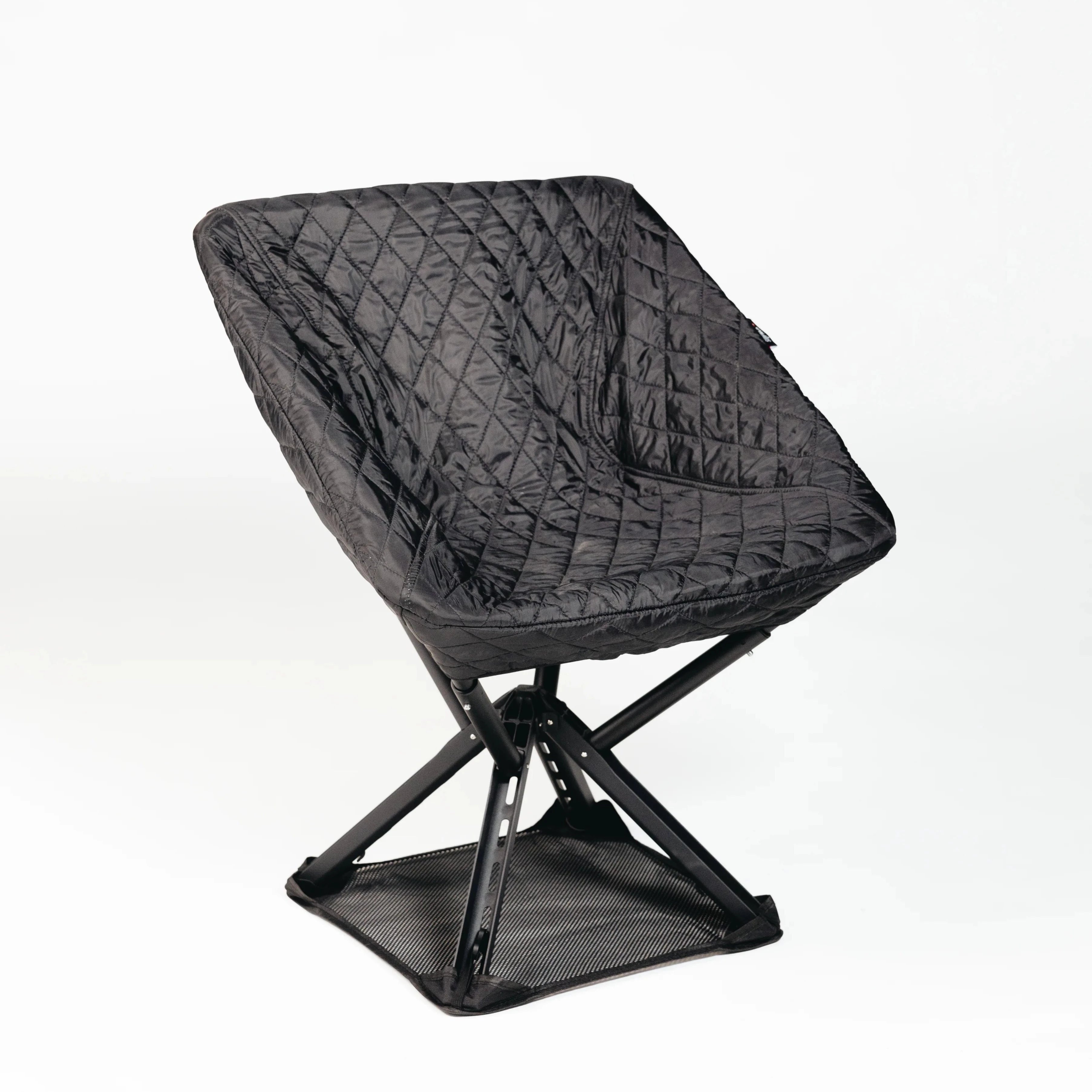
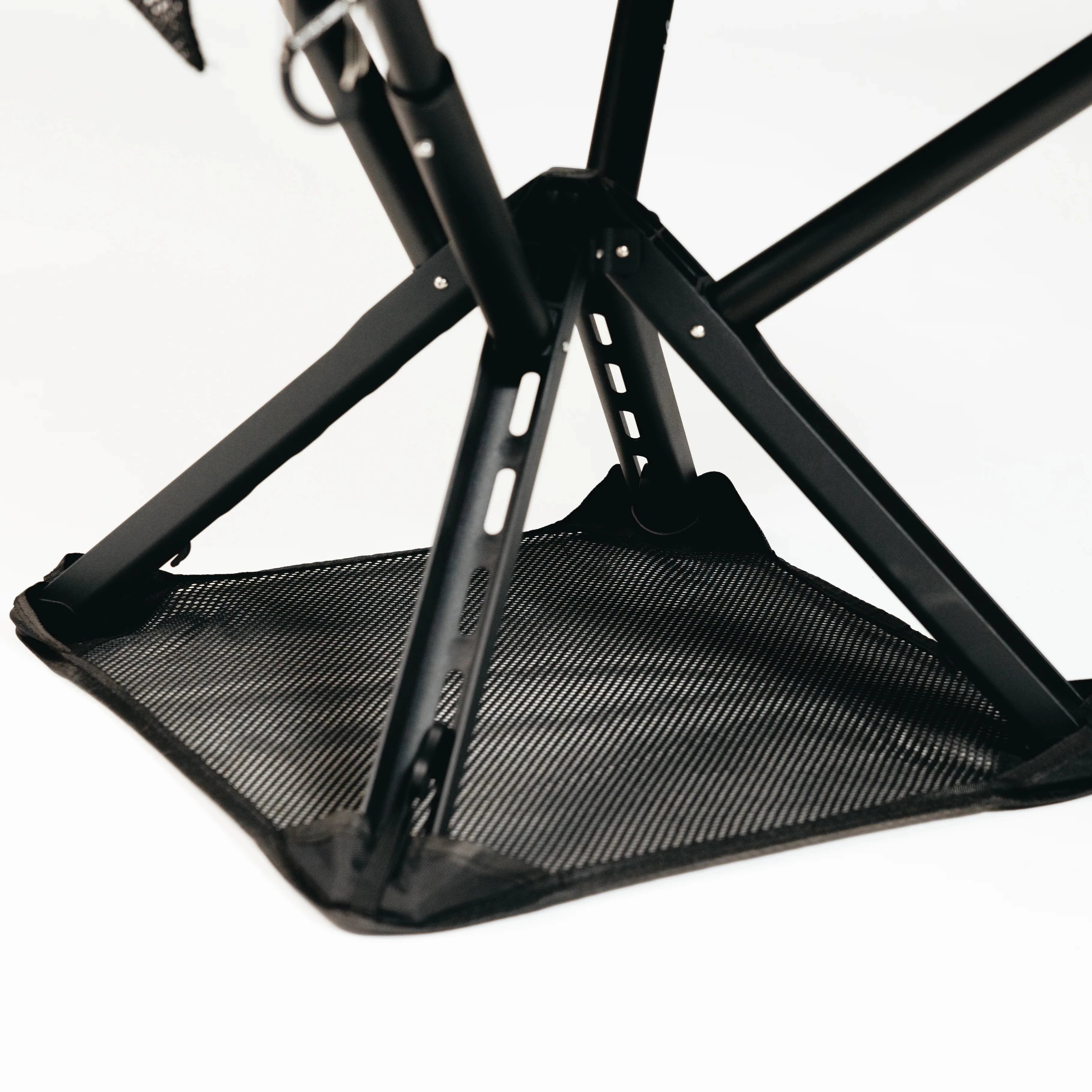
Sitpack builds portable outdoor seating designed for exactly that kind of active recovery. The Campster II and Sitpack Zen fold down small enough to live in your pack permanently, so you always have a proper seat when your legs need a break. Pair that with Sitpack’s thermal blankets and seat warmers for cold evenings, and you have a rest setup that works as hard as the rest of your kit. Check out Sitpack’s full range of camping comfort accessories to see what fits your setup.
Camping fatigue results from physical exertion, dehydration, disrupted sleep, and circadian rhythm adjustment to the natural solar cycle. The combination of these factors hits harder than any single cause alone.
The circadian component of camping fatigue typically resolves about 48 hours after returning home. Muscle soreness from physical exertion may last 2–3 days depending on activity level and how well you recovered in the field.
Keep naps to 10–20 minutes to improve afternoon alertness without triggering sleep inertia. Naps over 30 minutes disrupt nighttime sleep and often leave you feeling worse than before.
Magnesium glycinate at 200–400 mg before sleep reduces nocturnal muscle cramping and lowers cortisol levels, which improves sleep depth for active campers. It is one of the most practical supplements to add to your camp kit.
Consistent hydration with electrolytes, timed post-activity nutrition, short cooldown walks before stopping, and quality sleep gear are the four pillars of sustained energy across multiple days outdoors.